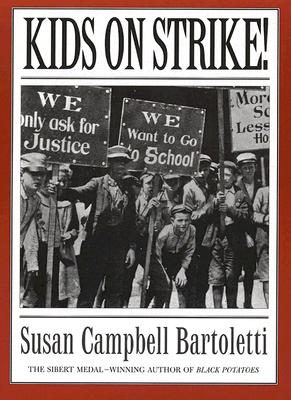
Book — Non-fiction. By Susan Campbell Bartoletti. 2003. 208 pages.
Describes the conditions and treatment that drove working children to strike, from the mill workers' strike in 1834 and the coal strikes at the turn of the century to the children who marched with Mother Jones in 1903.
Continue reading
Teaching Activity. By Bill Bigelow. Rethinking Schools. 16 pages.
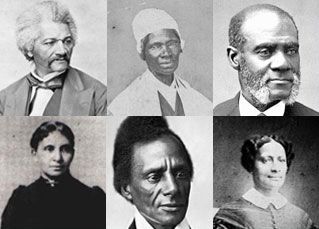
In this lesson, students explore many of the real challenges faced by abolitionists with a focus on the American Anti-Slavery Society.
Continue reading
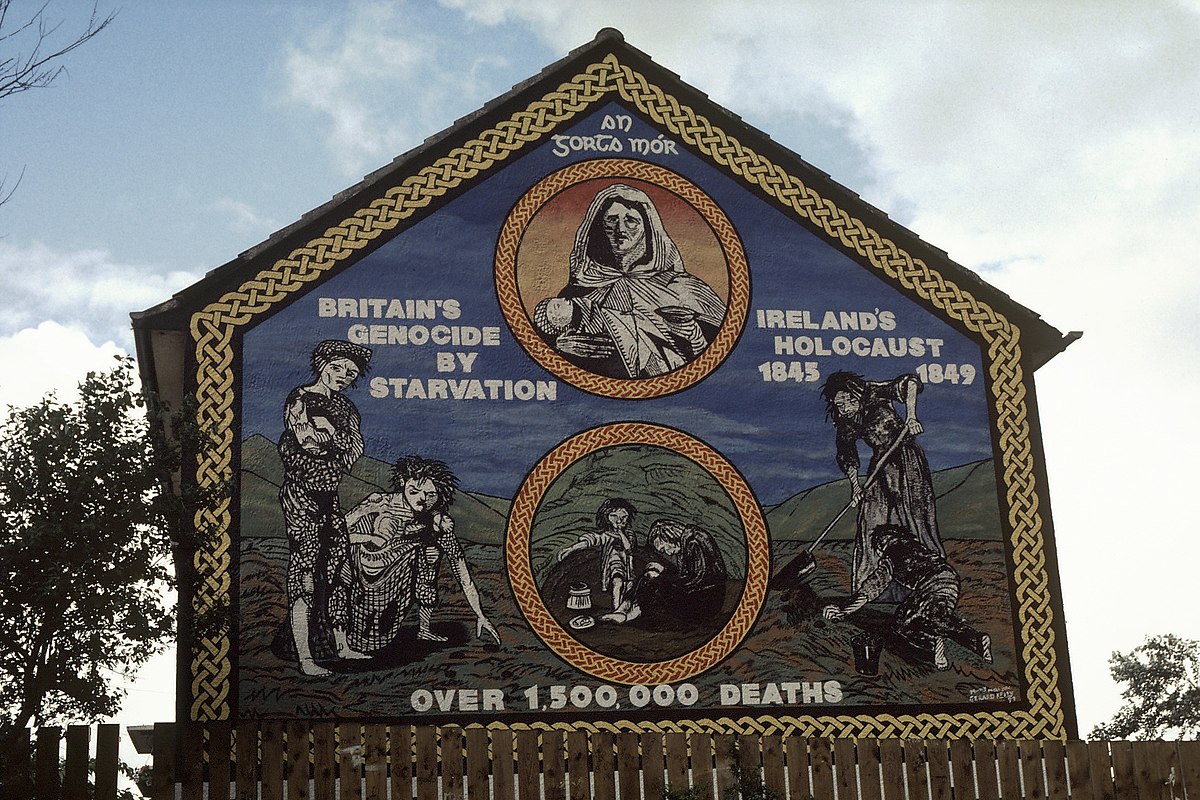
Poem. By Nigel Gray.
Poem about the causes and impact of the Irish Potato Famine.
Continue reading
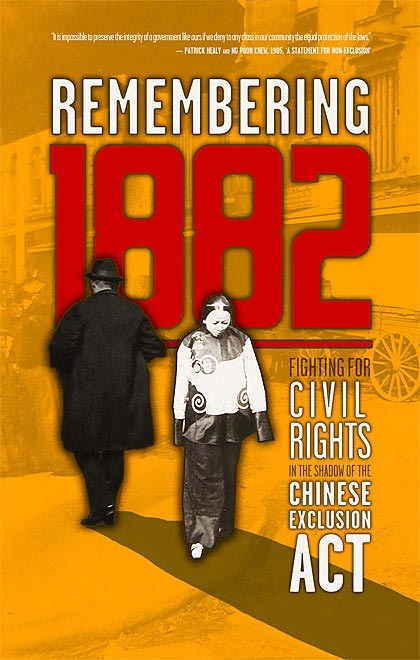
Digital collection. Primary documents, historical background, and more on the Chinese Exclusion Act and the history of Chinese American struggles for civil rights.
Continue reading
Teaching Activity. By Alison Kysia. 28 pages.
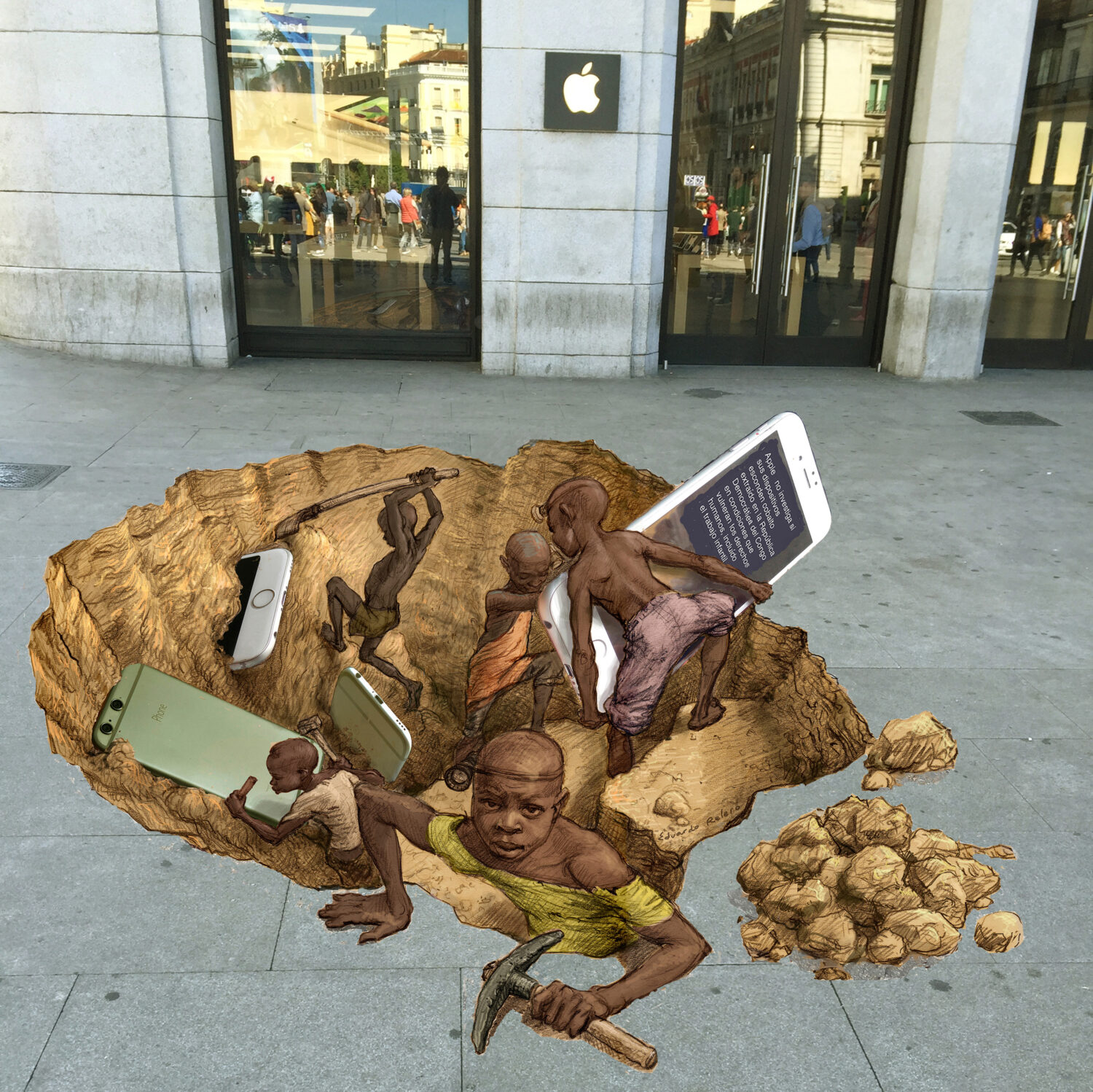
In this lesson, students learn about the colonial history of Congo, debate responsibility for crimes against humanity, and investigate the connection, past and present, between the exploitation of natural resources and violence.
Continue reading
Lee Yick won a Supreme Court case that said that all people — citizens and non-citizens alike — had equal protection under the law.
Continue reading
International Workers’ Day began as a commemoration of the 1886 Haymarket massacre in Chicago.
Continue reading
Teaching Activity. By Adam Sanchez and Nqobile Mthethwa. 25 pages.
A mixer role play explores the connections between different social movements during Reconstruction.
Continue reading
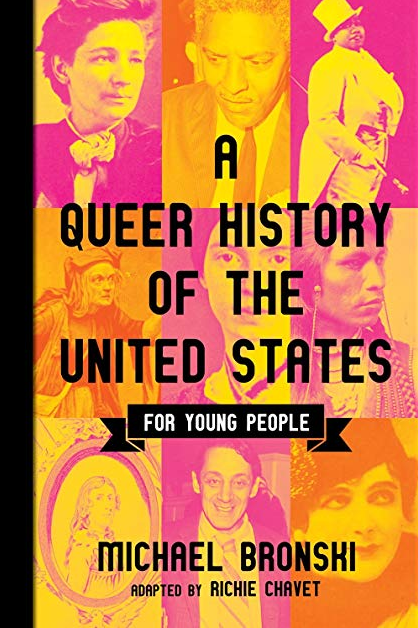
Book — Non-fiction. By Michael Bronski, adapted for by Richie Chevat. 2019. 336 pages.
A young adult readers edition of the original text explores the history of LGBTQ+ experiences in the U.S. since 1500.
Continue reading
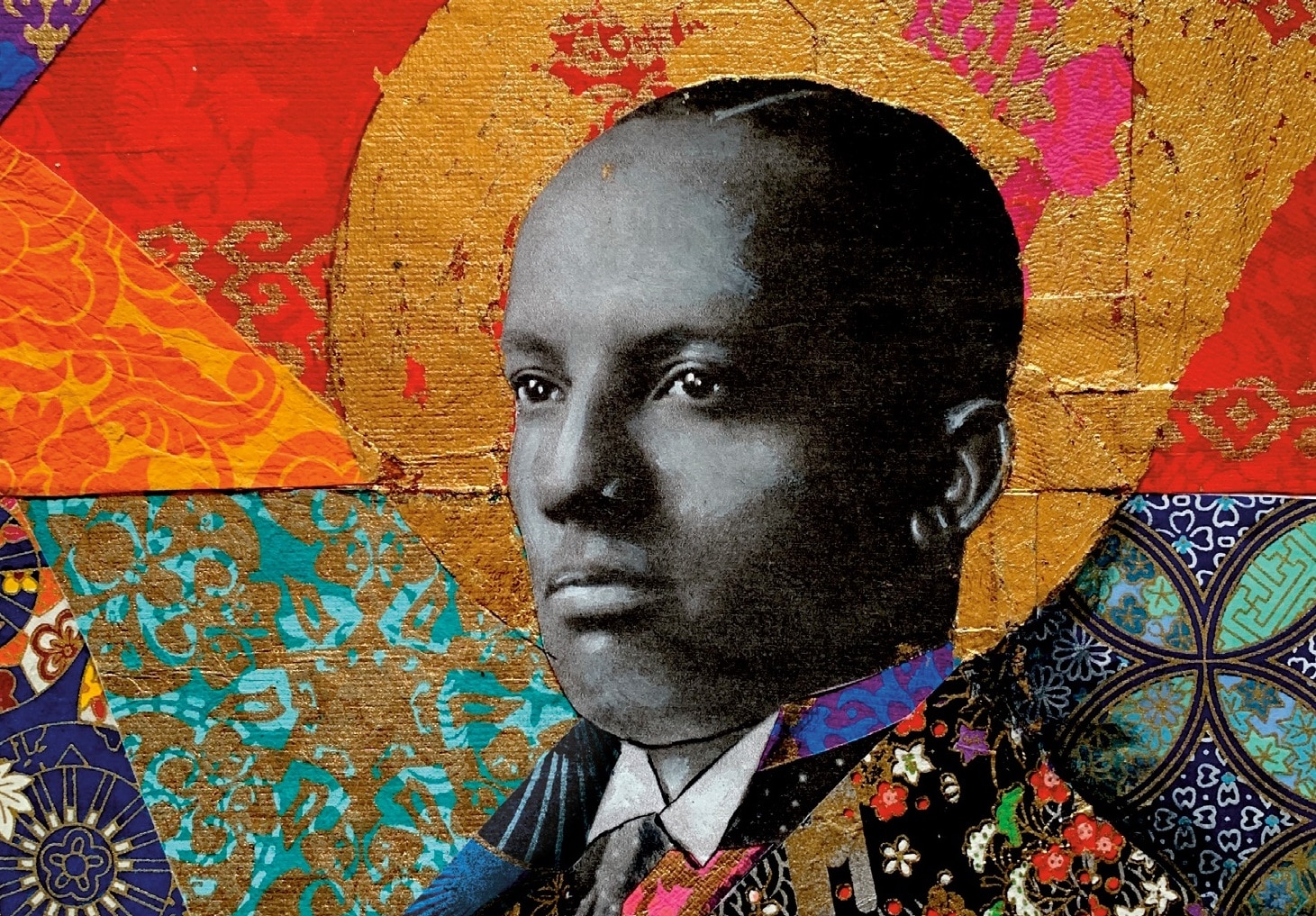
Book — Non-fiction. By Carter G. Woodson, with an introduction by Jarvis Givens. 2023. 224 pages.
Originally released in 1933, The Mis-Education of the Negro continues to resonate today, raising questions about the legacy of slavery and enduring white supremacy.
Teaching Activity by Carter G. Woodson
Continue reading
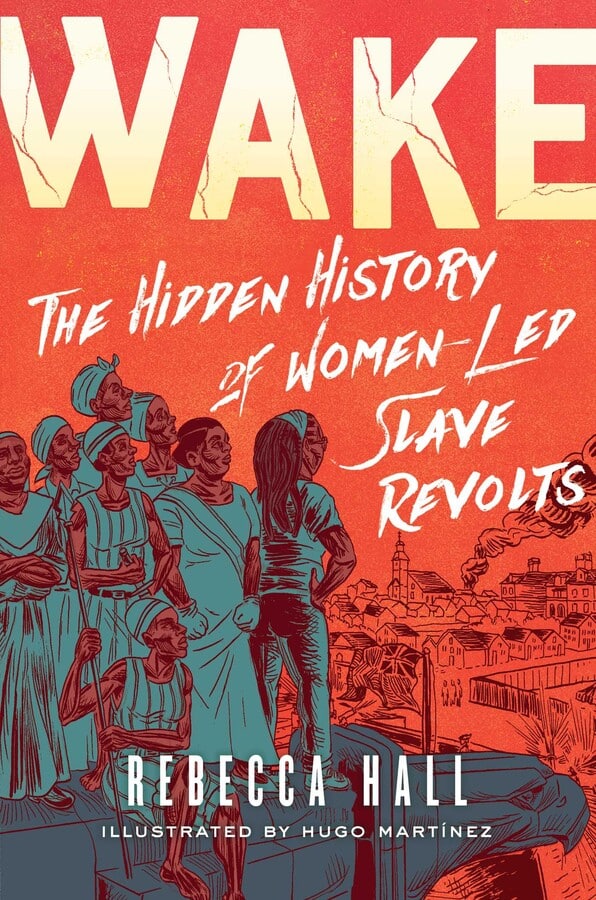
Book — Non-fiction. By Rebecca Hall. Illustrated by Hugo Martinez. 2021.
Rebecca Hall documents the process of her own research — and what she learned — about women who organized to challenge slavery. In graphic novel format.
Continue reading
Juneteenth — June 19th, also known as Emancipation Day — is one of the commemorations of people seizing their freedom from slavery in the United States. Yet, if the right wing has its way, it will be illegal to teach students about Juneteenth.
Continue reading
The first general convention of African American Ohioans met in Columbus and pledged to continue raising their voices in order to repeal the Black Codes.
Continue reading
Teaching Activity. By Mimi Eisen and Ursula Wolfe-Rocca. 47 pages.
A follow-up lesson to “Reconstructing the South,” using primary source documents to reveal key outcomes of the Reconstruction era.
Continue reading
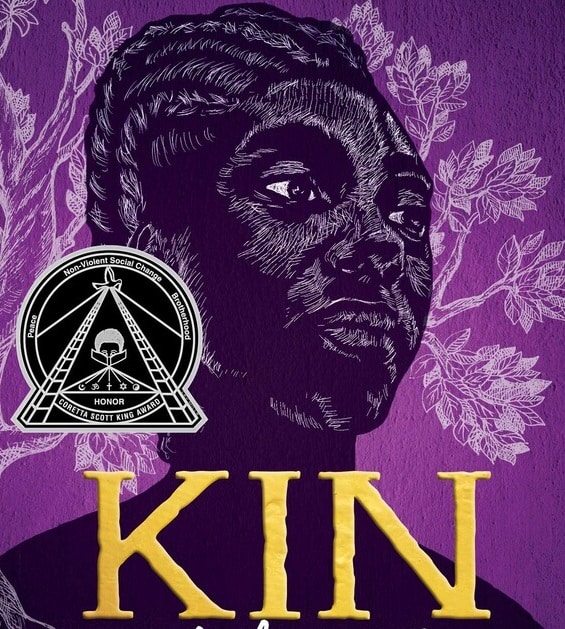
Book — Historical Fiction. By Carole Boston Weatherford, illustrated by Jeffery Boston Weatherford. 2024. 208 pages.
A portrait of a Black family tree shaped by enslavement and freedom, rendered in poems and artwork.
Continue reading
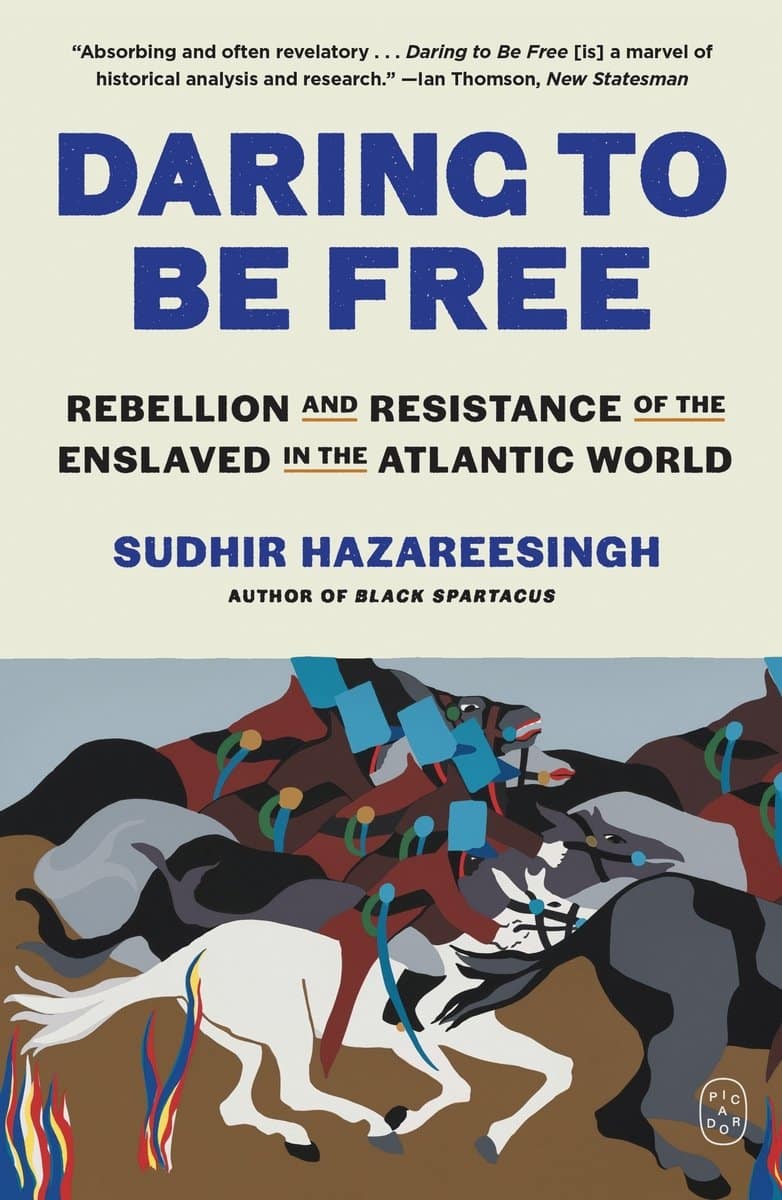
Book — Non-fiction. By Sudhir Hazareesingh. 2026. 464 pages.
Portrays the struggle for liberation from the perspective of the enslaved and, wherever possible, in their own words.
Continue reading
Teaching Activity. By Bill Bigelow. Rethinking Schools. 13 pages.
A trial role play helps students reflect on responsibility for the deaths of Irish peasants during the so-called potato famine.
Continue reading
Film. Center for Investigative Reporting and Two Tone Productions. 2007. 84 minutes.
Filmmaker Marco Williams examined four examples of primarily white communities violently rising up to force their African-American neighbors to flee town.
Continue reading
Teaching Activity. By Adam Sanchez.
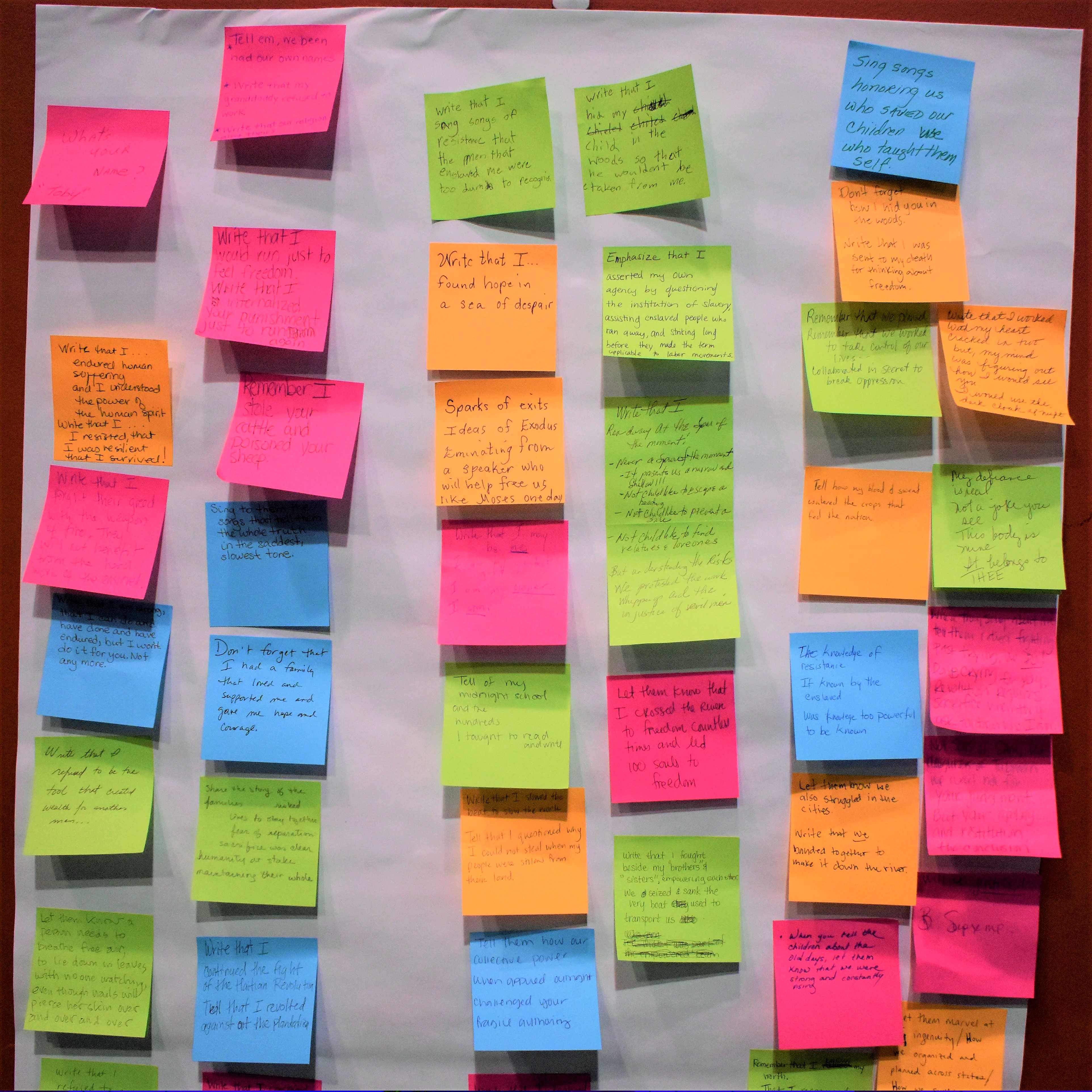
Through a mixer activity, students encounter how enslaved people resisted the brutal exploitation of slavery. The lesson culminates in a collective class poem highlighting the defiance of the enslaved.
Continue reading
Teaching Activity. By Jesse Hagopian. 2025. 19 pages.
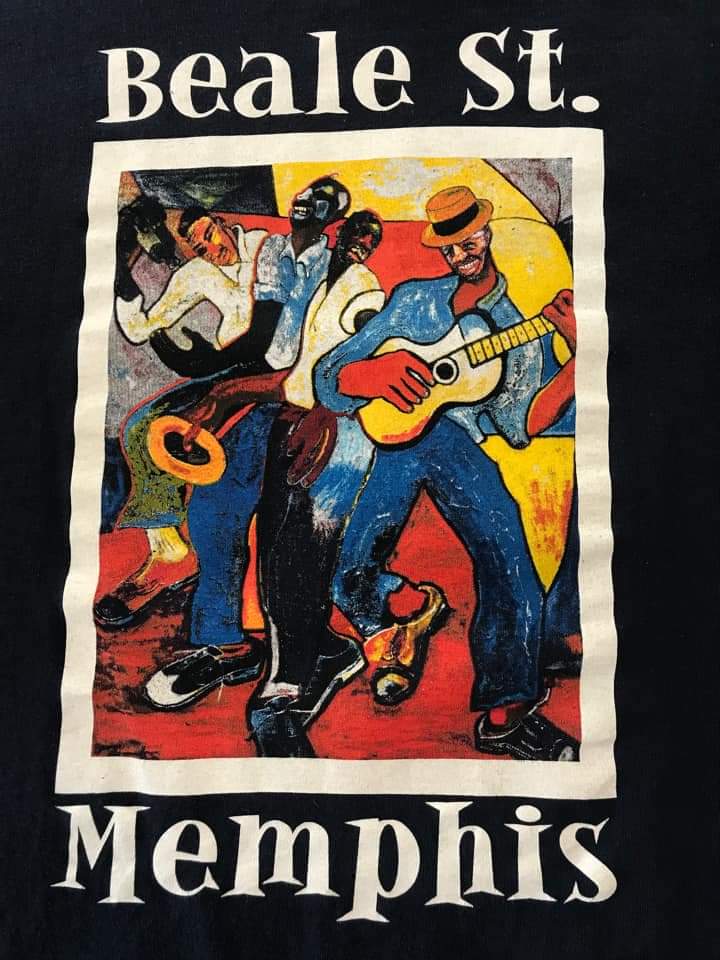
A lesson for the 250th anniversary of the U.S. founding exploring the blues as both a cultural art form and a vehicle for political resistance.
Continue reading