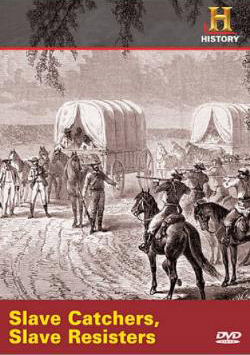
Film. Produced by Judy Richardson, Northern Light Productions for History Channel. 2005. 100 minutes.
Documentary on the many rebellions by enslaved people and other forms of resistance.
Continue reading
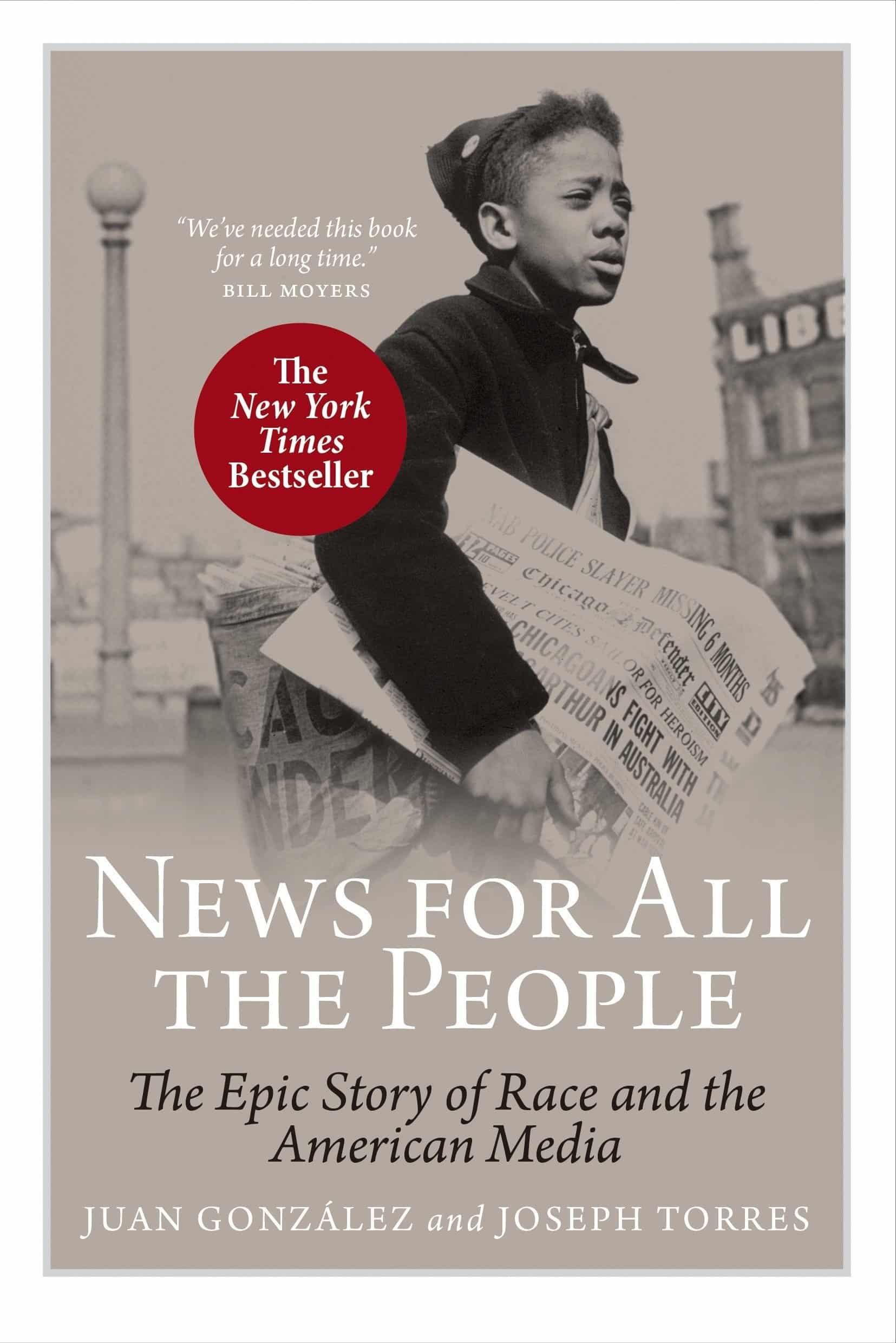
Book — Non-fiction. By Juan González and Joseph Torres. 2011. 256 pages.
The history of media in the United States, through the lens of race.
Continue reading
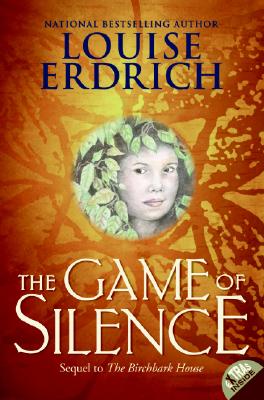
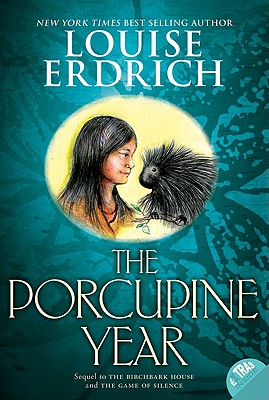
Book — Fiction. By Louise Erdrich. 2006. 288 pages.
The second in a series of novels for middle school and high school students about an Ojibwe family in the mid-19th century. The story parallels the time of the widely-read Little House on the Prairie series.
Continue reading
Book — Fiction. By Louise Erdrich. 2010. 224 pages.
The third in a series of novels for middle and high school students about an Ojibwe family in the mid-19th century. The story parallels the time of the widely-read Little House on the Prairie.
Continue reading
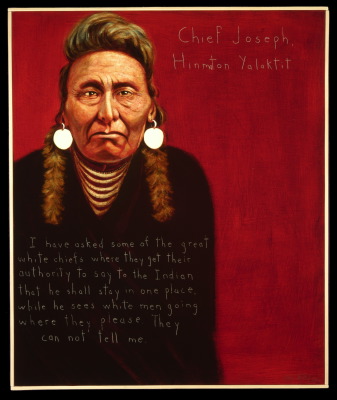
Profile.
Chief Joseph Hinmton Yalaktit (1840 -1904), a Nez Percé Indian chief in what is now northeastern Oregon.
Continue reading
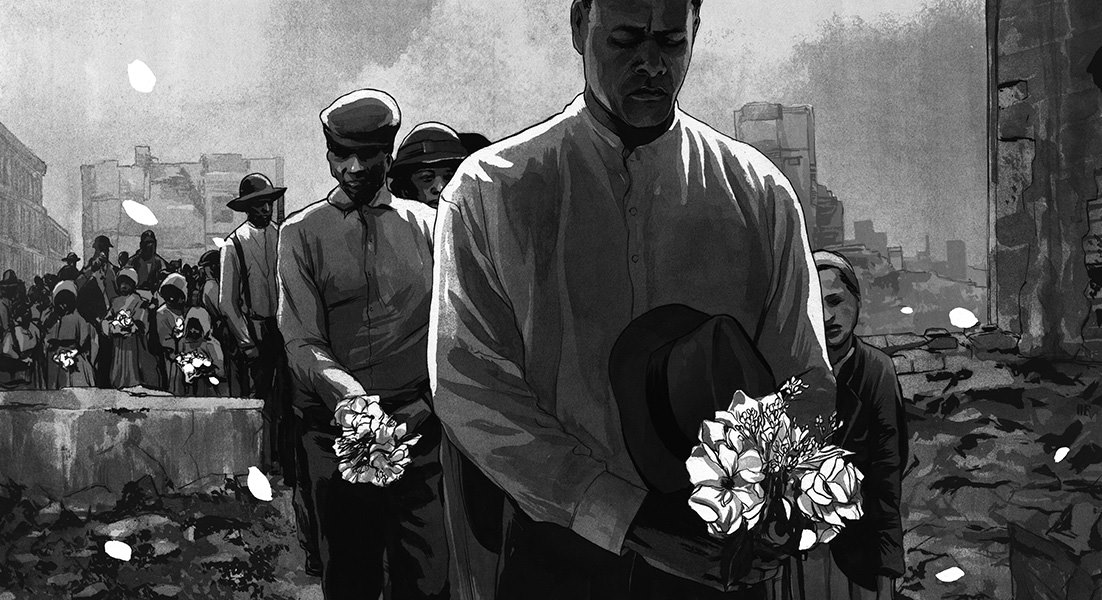
Article. By David W. Blight. 2011.
The people's history of Memorial Day in Charleston, South Carolina during Reconstruction.
Continue reading
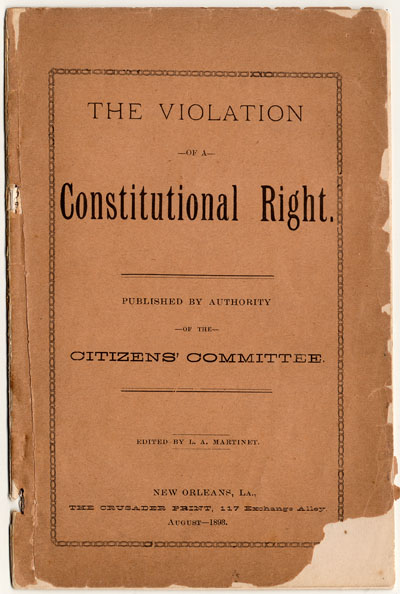
Article. By Keith W. Medley.
The role of the Comité des Citoyens and The Crusader newspaper in the Plessy v. Ferguson case.
Continue reading
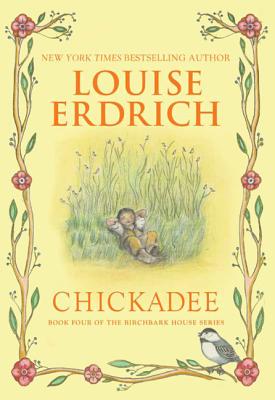
Book — Fiction. By Louise Erdrich. 2012. 208 pages.
The fourth book in the series following the Ojibwe girl Omakayas and her family as their lands are invaded by white settlers.
Continue reading
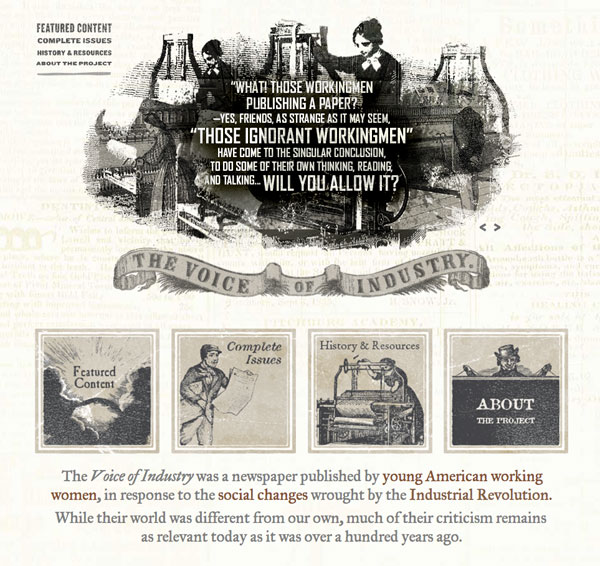
Digital collection. Records of the Voice of Industry newspaper, published by young women in Lowell, Mass. from 1845-1848.
Continue reading
Article. By William Katz. 2013.
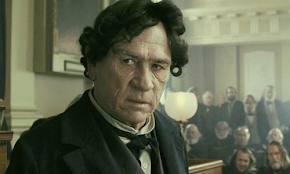
An opportunity to highlight Congressman Thaddeus Stevens' fight for equality.
Continue reading
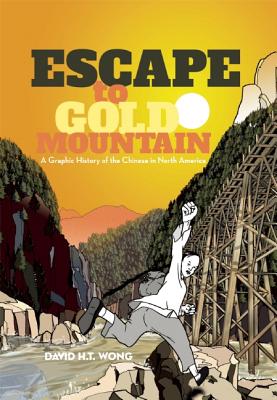
Book — Non-fiction. By David H. T. Wong. 2012. 240 pages.
A graphic novel that gives a panoramic but also an intimate look at the Chinese experience in North America.
Continue reading
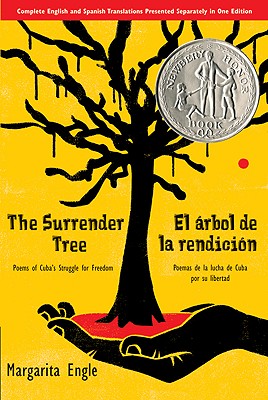
Book — Fiction. By Margarita Engle. 2010. 384 pages.
Bilingual book of historical fiction in verse about Cuba's long fight for independence in the 19th century.
Continue reading
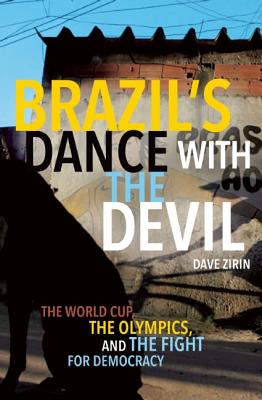
Book — Non-fiction. By Dave Zirin. 2016. 276 pages.
Examines the cultural, economic, and political context and impact of the World Cup and the Olympics on Brazil.
Continue reading
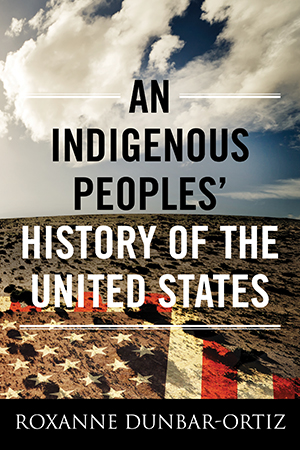
Book — Non-fiction. By Roxanne Dunbar-Ortiz. 2015. 312 pages.
Four hundred years of Native American history from a bottom-up perspective.
Continue reading
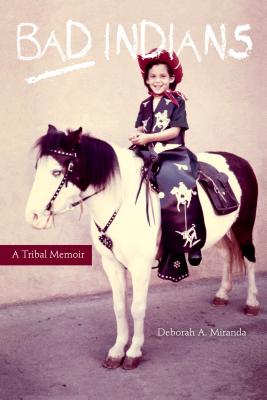
Book — Non-fiction and prose. Deborah A. Miranda. 2012. 240 pages.
A compilation of documents, photos, and memoir that recounts the establishment of missions in California and the impact on Indigenous people—then and today.
Continue reading
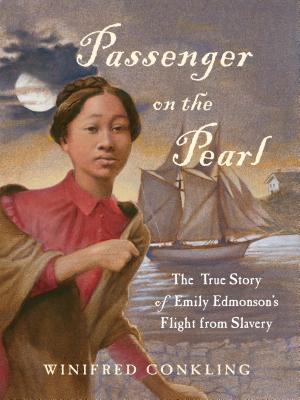
Book — Non-fiction. By Winifred Conkling. 2015. 176 pages.
Young adult biography about Emily Edmonson who was one of 77 who attempted to escape slavery in Washington, D.C.
Continue reading
Article. By William Loren Katz. 2010.
The abolitionist influence on the history of Christmas celebrations in the United States.
Continue reading
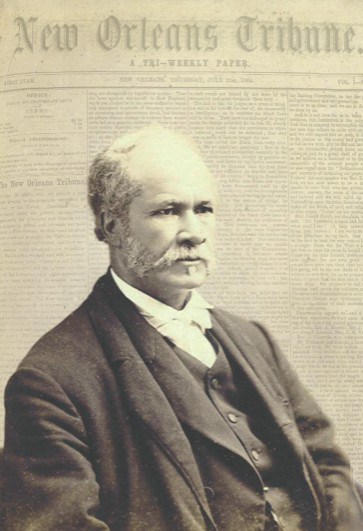
Digital collection. The work of Dr. Louis Charles Roudanez, founder of the first Black daily newspaper in the U.S., the New Orleans Tribune, with articles, excerpts, videos, and a timeline.
Continue reading
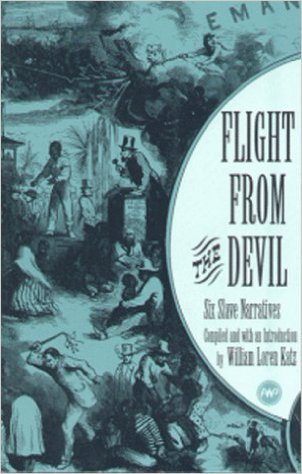
Book — Non-fiction. Compiled and with an introduction by William Loren Katz. 1996. 434 pages.
Six narratives by people who were enslaved that helped expose the horrors of slavery and advance the fight for abolition.
Continue reading
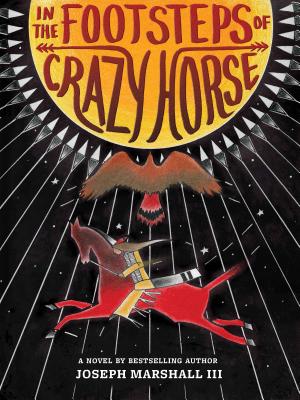
Book — Fiction. By Joseph Marshall III. Illustrations by Jim Yellowhawk. 2015. 176 pages.
A contemporary Native American boy learns about the history of Crazy Horse in a journey with his grandfather.
Continue reading
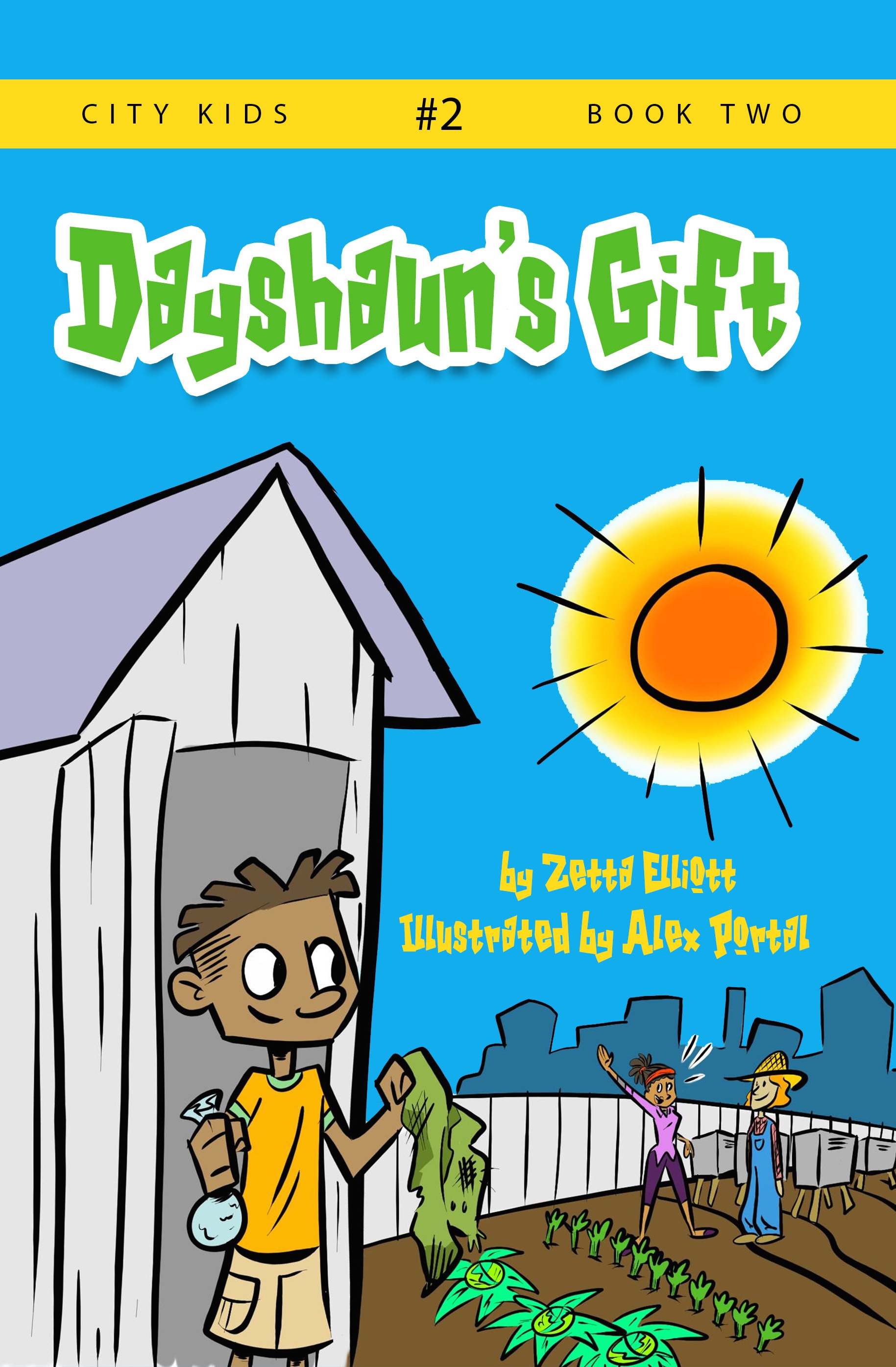
Book — Historical fiction. By Zetta Elliott. 2015. 88 pages.
Time travelling historical fiction for upper elementary school students on the New York City Draft Riots.
Continue reading
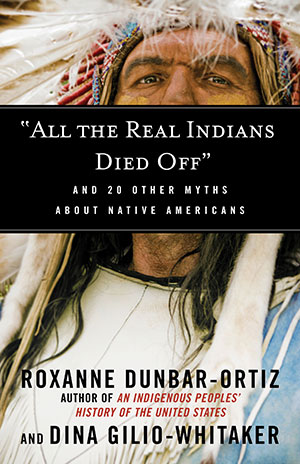
Book — Non-fiction. By Roxanne Dunbar-Ortiz and Dina Gilio-Whitaker. 2016. 224 pages.
Deconstructs persistent myths about American Indians rooted in fear and prejudice — an astute and lively primer of European-Indian relations.
Continue reading
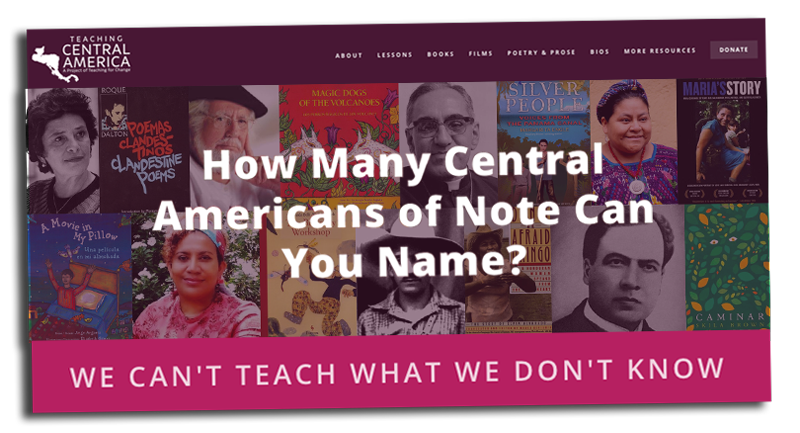
Website.
An online collection of lessons, book lists, biographies of noted historical figures, and readings for free use by classroom teachers.
Continue reading
Lesson. By Bill Bigelow. 17 pages.
This role play engages students in thinking about what freedpeople needed in order to achieve — and sustain — real freedom following the Civil War. It's followed by a chapter from the book Freedom's Unfinished Revolution.
Continue reading
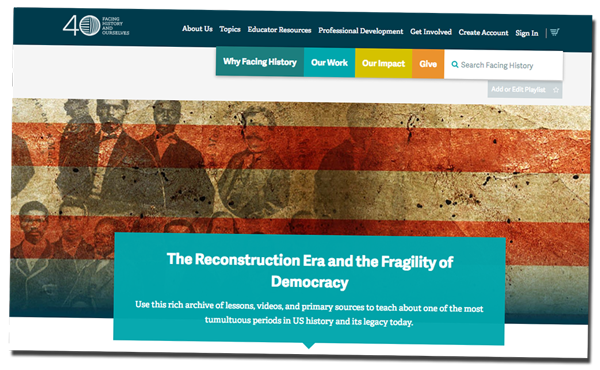
Teaching Guide. By Facing History and Ourselves. 2015.
A collection of lessons, videos, and primary sources to teach about Reconstruction.
Continue reading