Teaching Activity. By Bill Bigelow. Rethinking Schools. 11 pages.
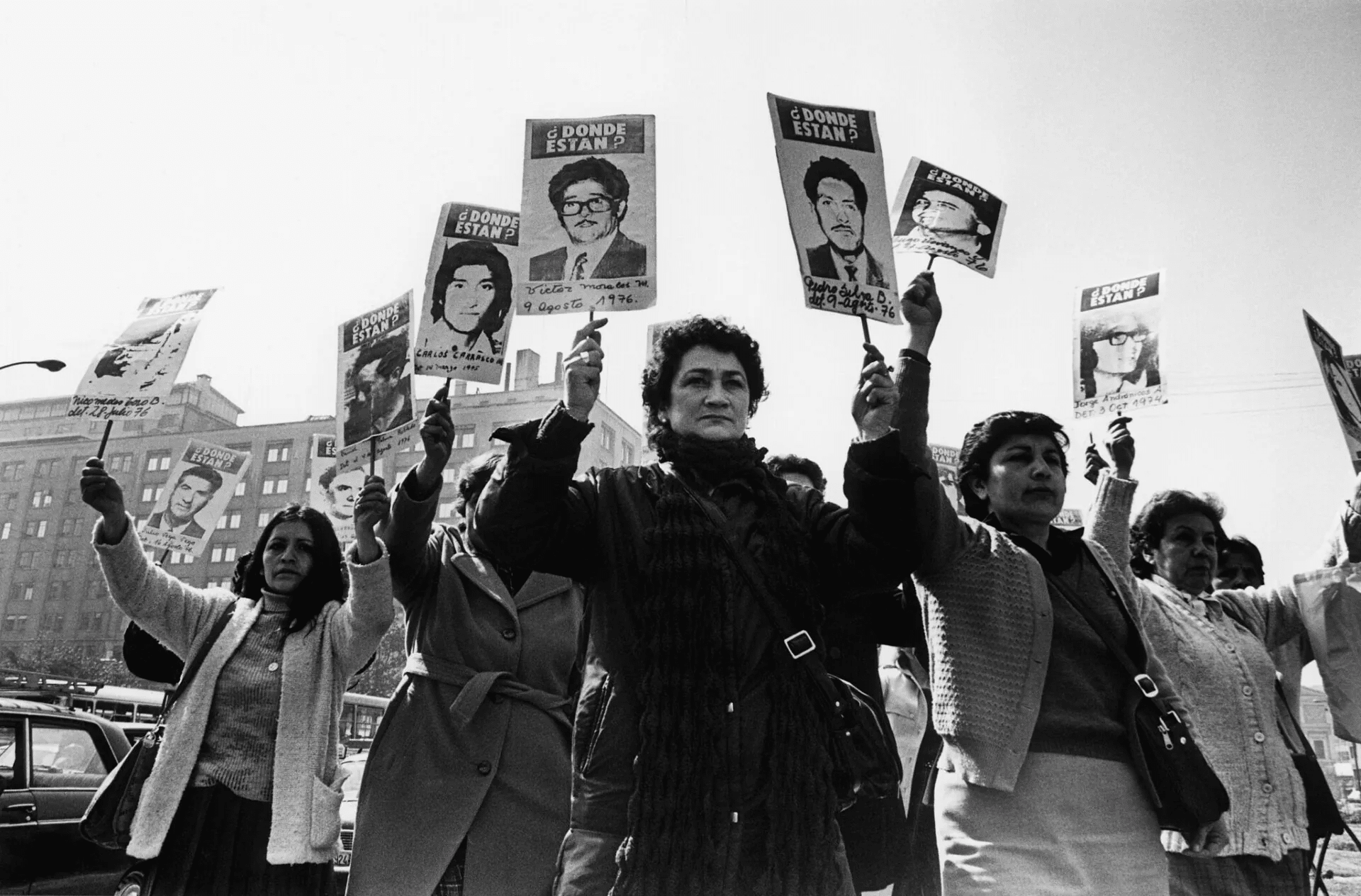
In this lesson, the act of reframing real-world events with fictional countries and individuals allows students to authentically discuss what qualifies as terrorism, what doesn’t, and what responses may or may not be appropriate, without bringing real-world stereotypes and preconceptions into play.
Continue reading
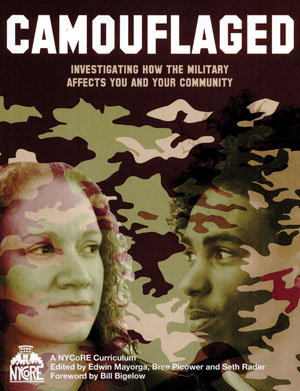
Teaching Guide. Edited by Edwin Mayorga, Bree Picower, and Seth Rader. 2008. 188 pages.
Tool for educators to help adolescents explore the role of the military in their lives and in their communities.
Continue reading
Teaching Activity. By Linda Christensen. Rethinking Schools. 20 pages.
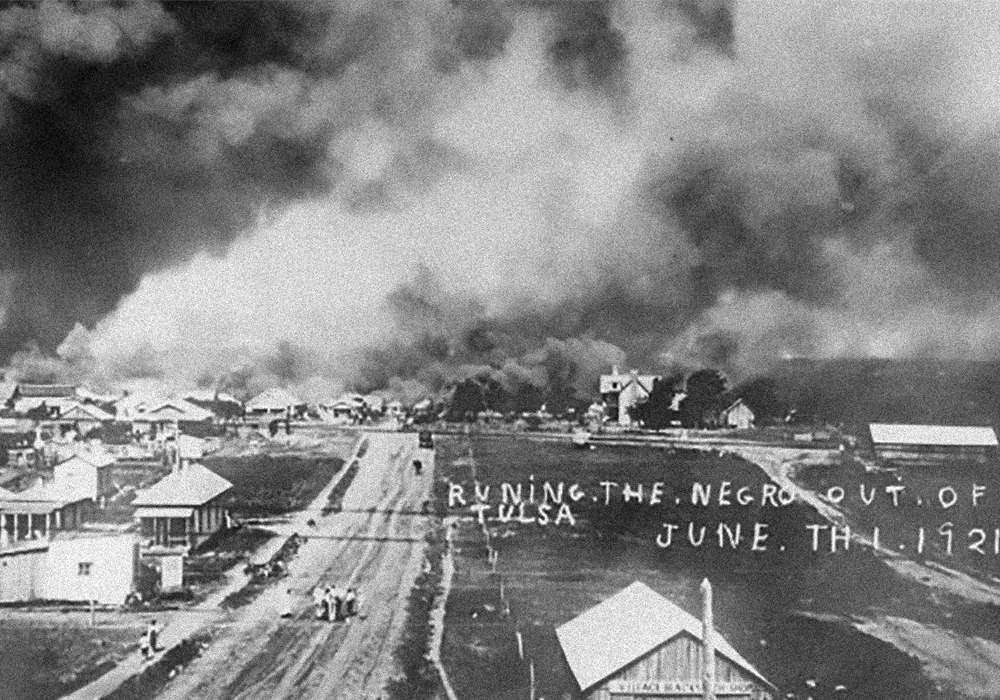
Teaching about racist patterns of murder, theft, displacement, and wealth inequality through the 1921 Tulsa Massacre.
Continue reading
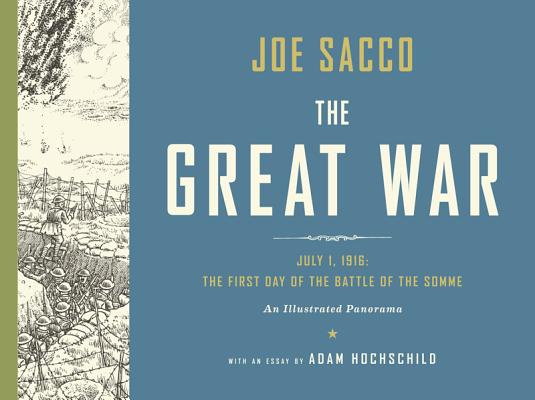
Book — Non-fiction. By Joe Sacco. 2013. 54 pages.
Illustrated book depicting the horrific Battle of Somme, emblematic of a hideous war.
Teaching Activity by Joe Sacco
Continue reading
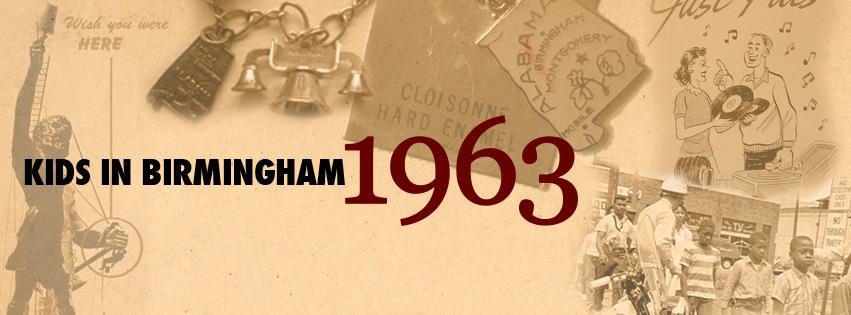
Digital collection. A resource for the stories of people who were children in Birmingham in 1963.
Continue reading
Teaching Activity. By Ursula Wolfe-Rocca.
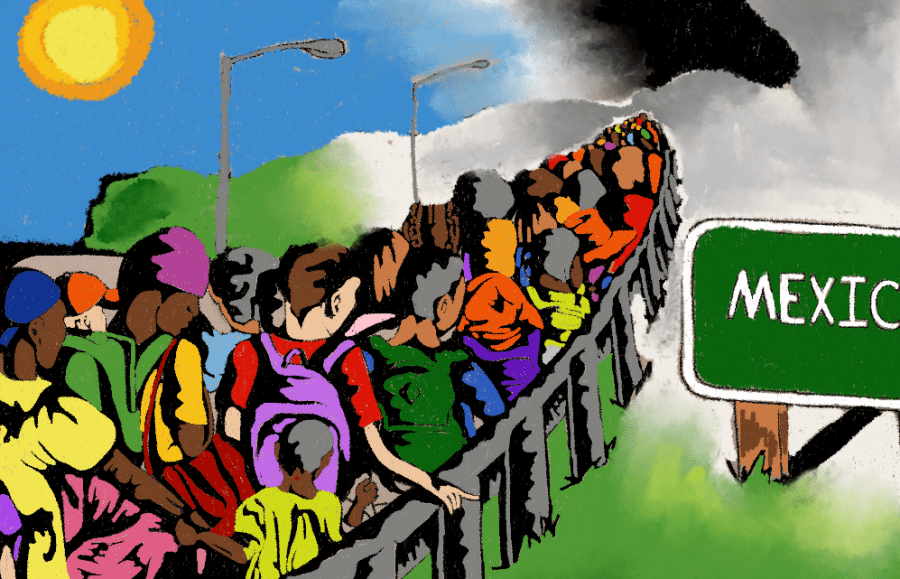
In this lesson, students analyze who is to blame for the illegal, mass deportations of Mexican Americans and immigrants during the Great Depression.
Continue reading
Teaching Activity. By Matt Reed and Ursula Wolfe-Rocca.
A mixer activity, inspired by the 2016 Democracy Now! documentary Thirsty for Democracy, introduces students to the struggle of residents to access safe water for drinking, cooking, and bathing in the majority-Black cities of Flint, Michigan; Jackson, Mississippi; and Newark, New Jersey.
Continue reading
Teaching Activity. By Matt Reed. Published by Rethinking Schools. 2023.
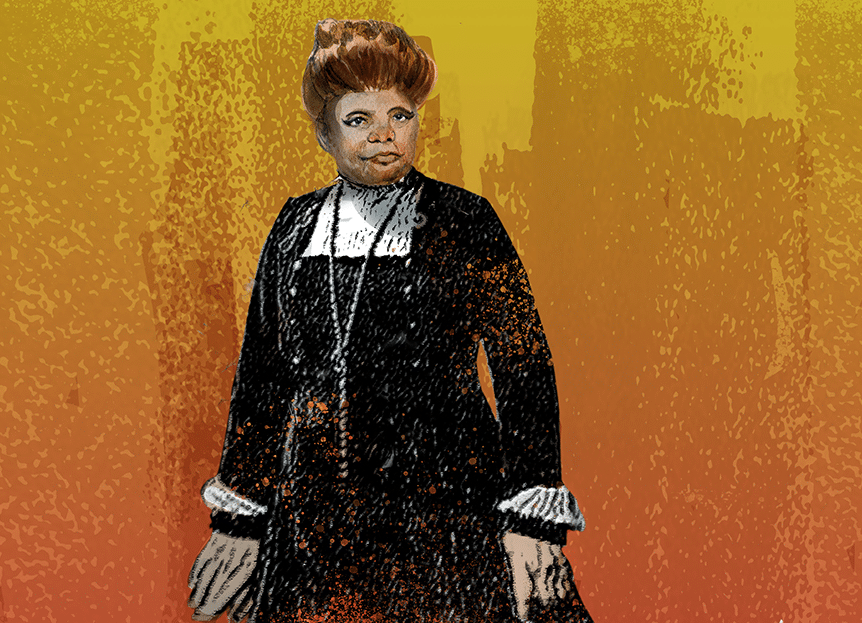
This mixer activity helps students uncover the radical legacy of Ida B. Wells.
Continue reading
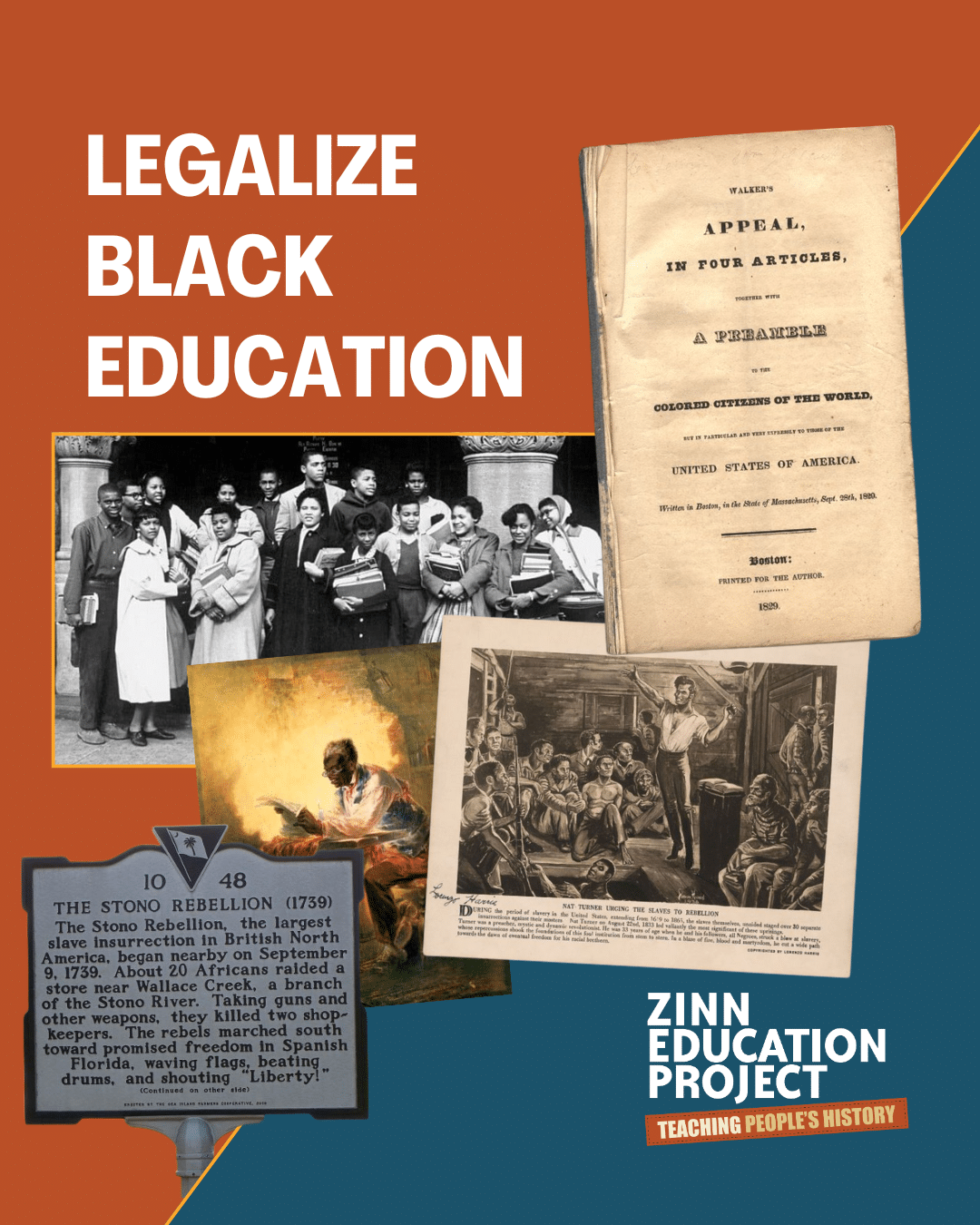
Teaching Activity. By Jesse Hagopian. 2025. 40 pages.
This lesson explores major examples of laws passed to suppress Black education in the wake of major victories for the Black Freedom Struggle, highlighting the historical context and motivations behind these legislative efforts.
Continue reading
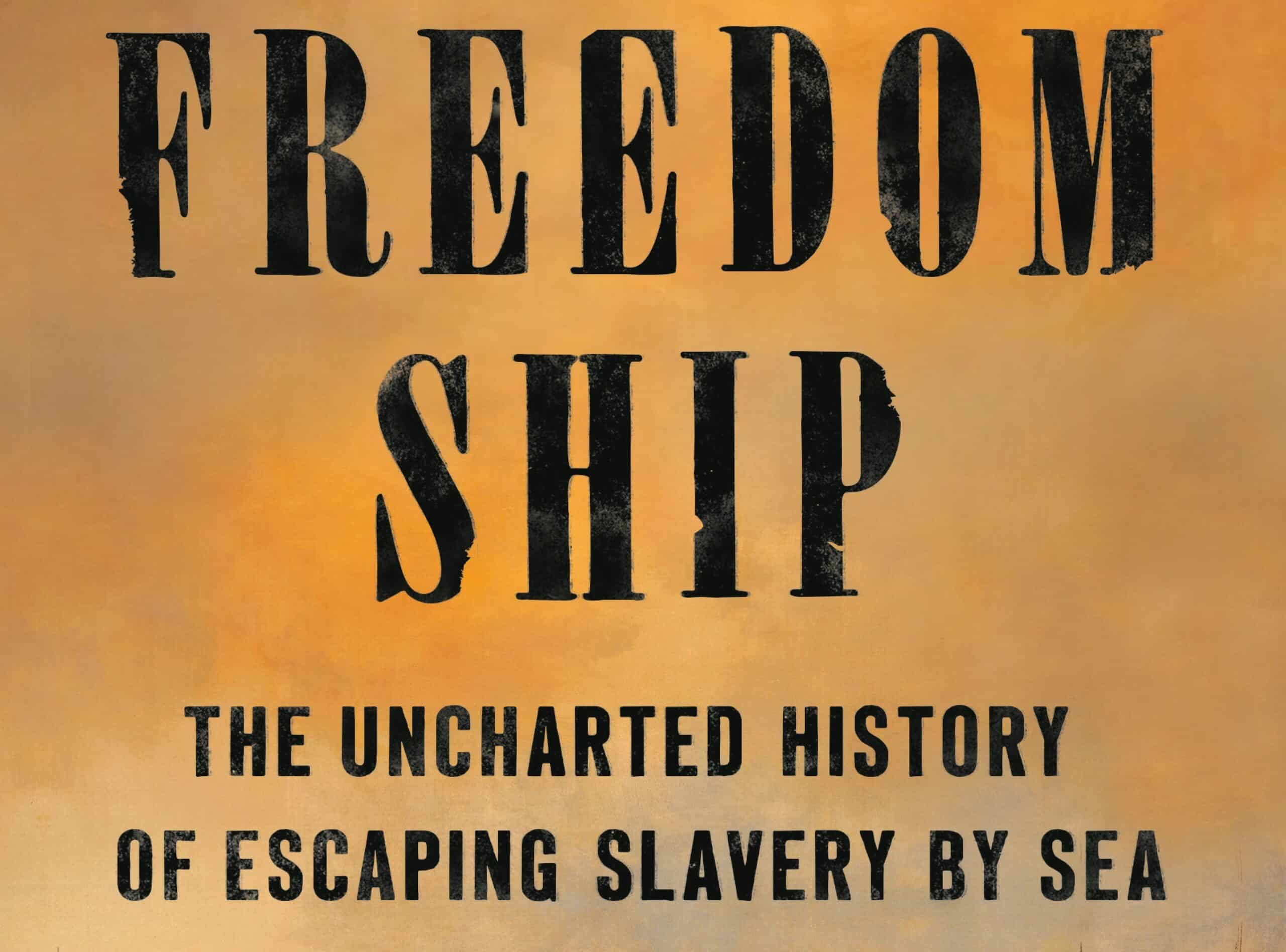
Book — Non-fiction. By Marcus Rediker. 2025. 416 pages.
A sweeping account of the Underground Railroad’s long-overlooked maritime origins.
Continue reading
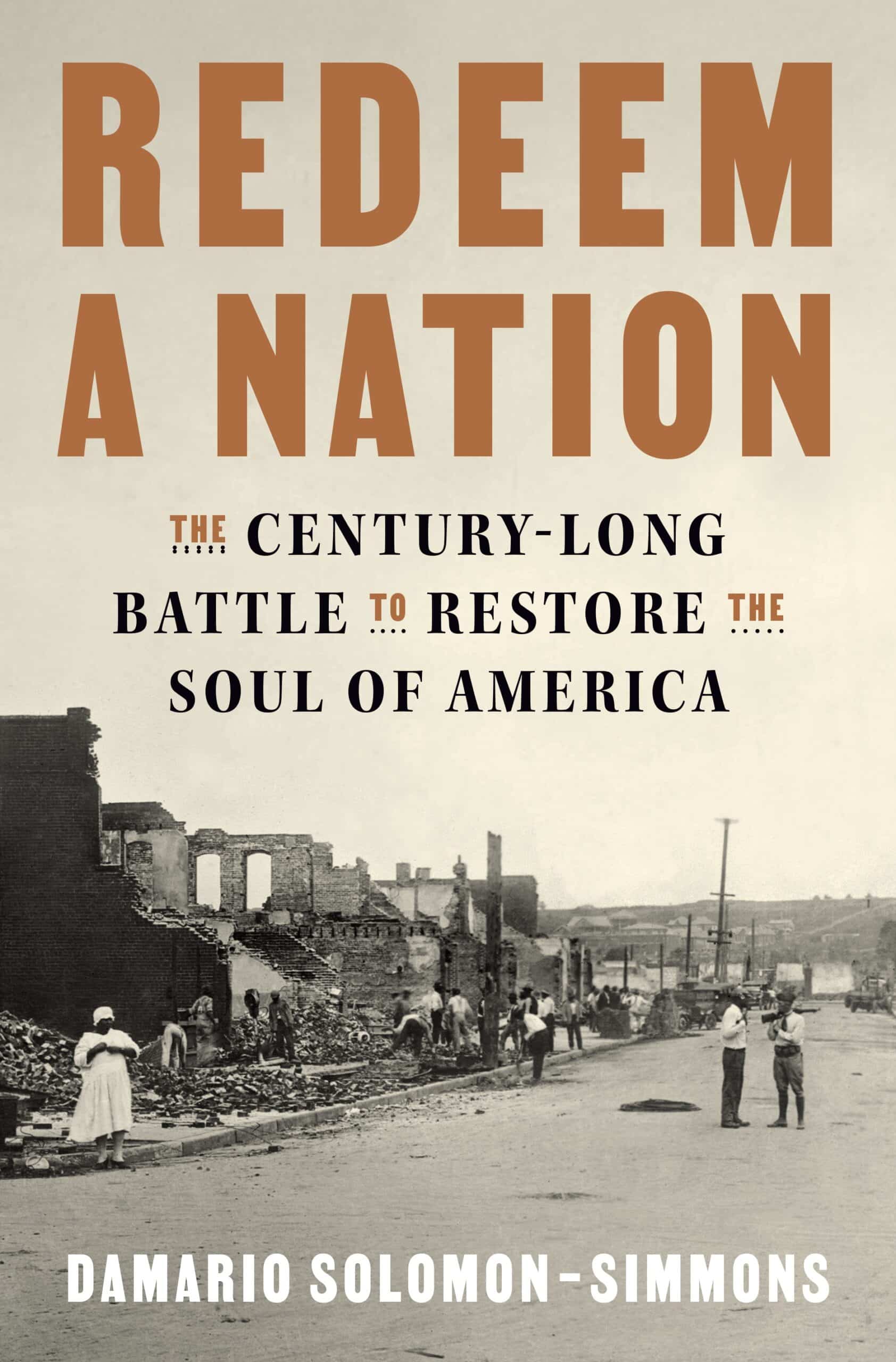
Book — Non-fiction. By Damario Solomon-Simmons. 2026. 400 pages.
The story of the Tulsa Race Massacre as told through the historic legal case for reparations and the deeply moving stories of survivors and descendants of the Massacre.
Continue reading
Digital collection. Publishes public-facing research about the broad consequences of U.S. military operations and spending, including their domestic effects, and the ongoing costs of the U.S. post-9/11 wars in Afghanistan, Iraq and beyond.
Continue reading
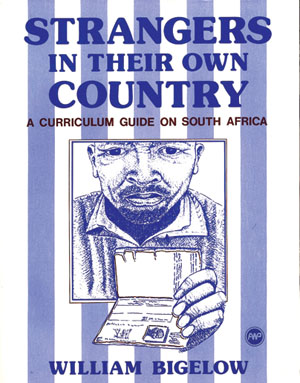
Teaching Guide. By Bill Bigelow. 1985.
Lessons on apartheid in South Africa and the global anti-apartheid movement.
Continue reading
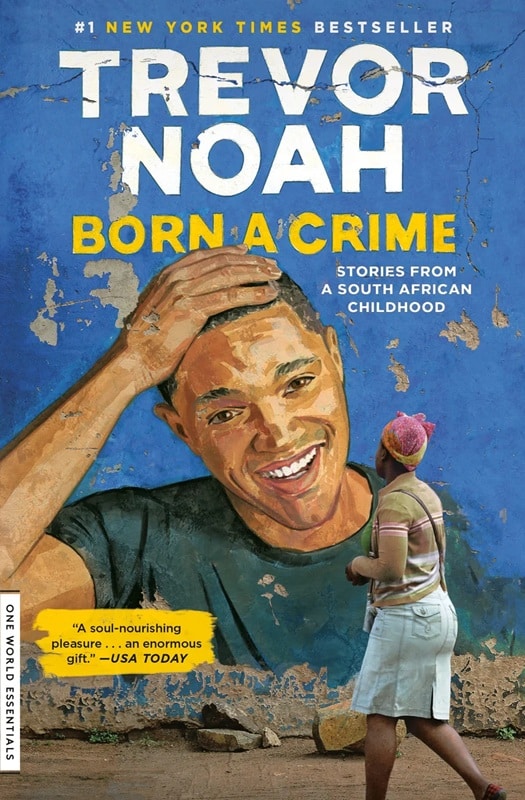
Book — Non-fiction. By Trevor Noah. 2019. 304 pages.
The story of a mischievous young boy who grows into a restless young man as he struggles to find himself in a world where he was never supposed to exist.
Continue reading
Teaching Activity. By Bill Bigelow and Norm Diamond. 5 pages.
Activity for students to write from the point of view of one of the women featured in the film Union Maids.
Continue reading
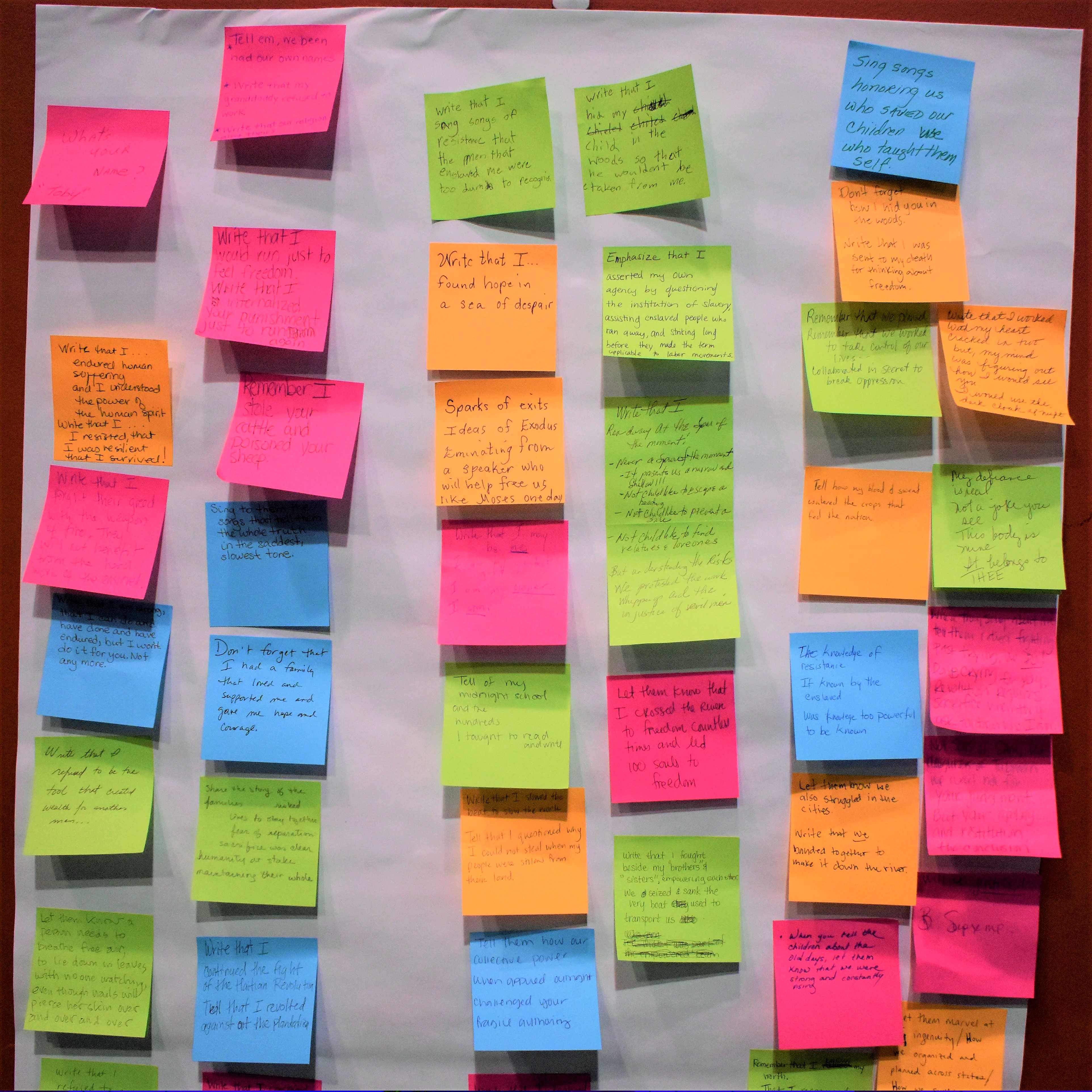
Teaching Activity. By Adam Sanchez.
Through a mixer activity, students encounter how enslaved people resisted the brutal exploitation of slavery. The lesson culminates in a collective class poem highlighting the defiance of the enslaved.
Continue reading
Teaching Activity. By Ursula Wolfe-Rocca, Alex Stegner, Chris Buehler, Angela DiPasquale, and Tom McKenna.
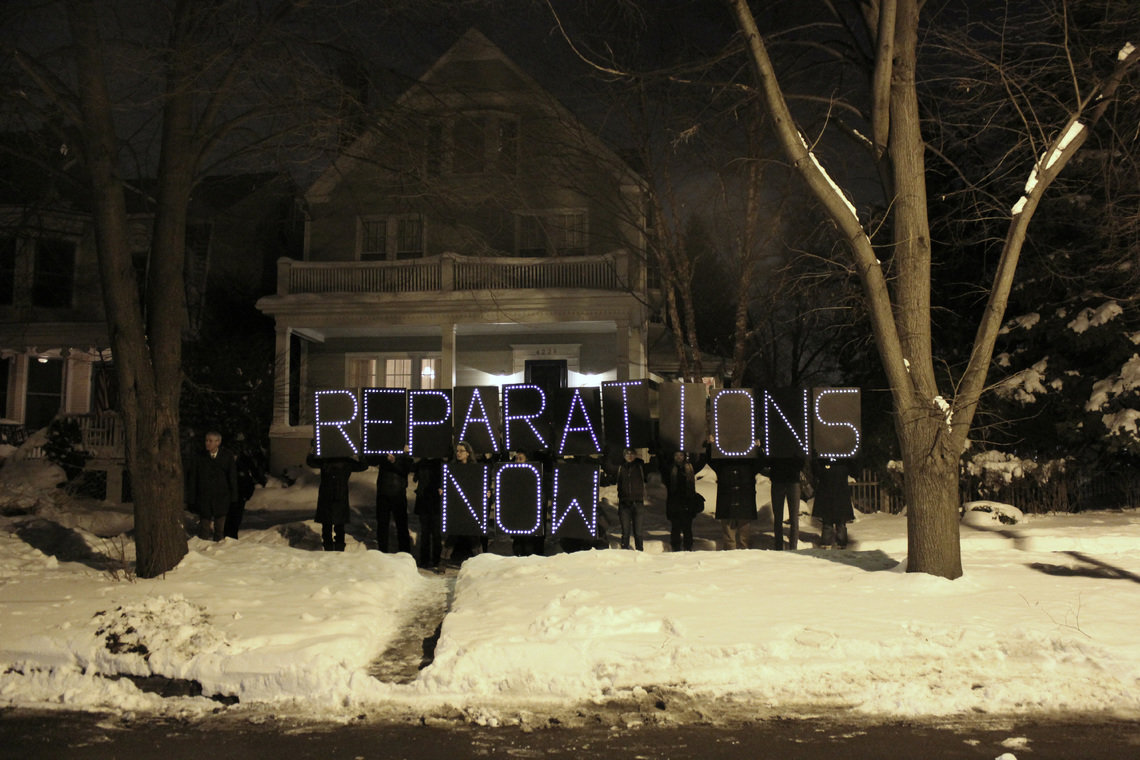
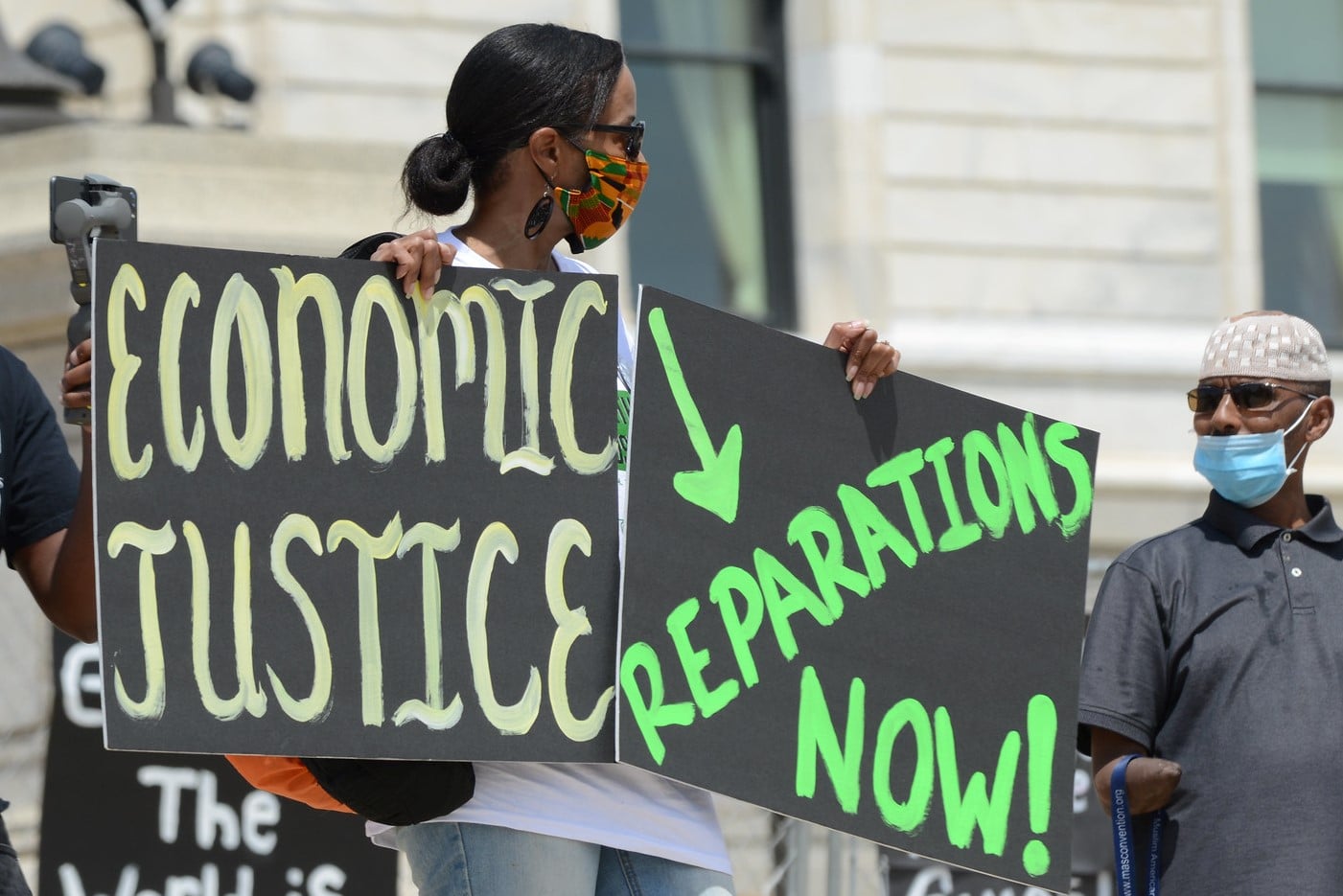
Students meet dozens of advocates and recipients of reparations from a variety of historical eras to grapple with the possibility of reparations now and in the future.
Continue reading
Teaching Activity. By Ursula Wolfe-Rocca.
In this activity, students take on the role of activist-experts to improve upon a Congressional bill for reparations for Black people. They talk back to Congress’ flimsy legislation and design a more robust alternative.
Continue reading
Teaching Activity. By Jesse Hagopian. 2025. 19 pages.
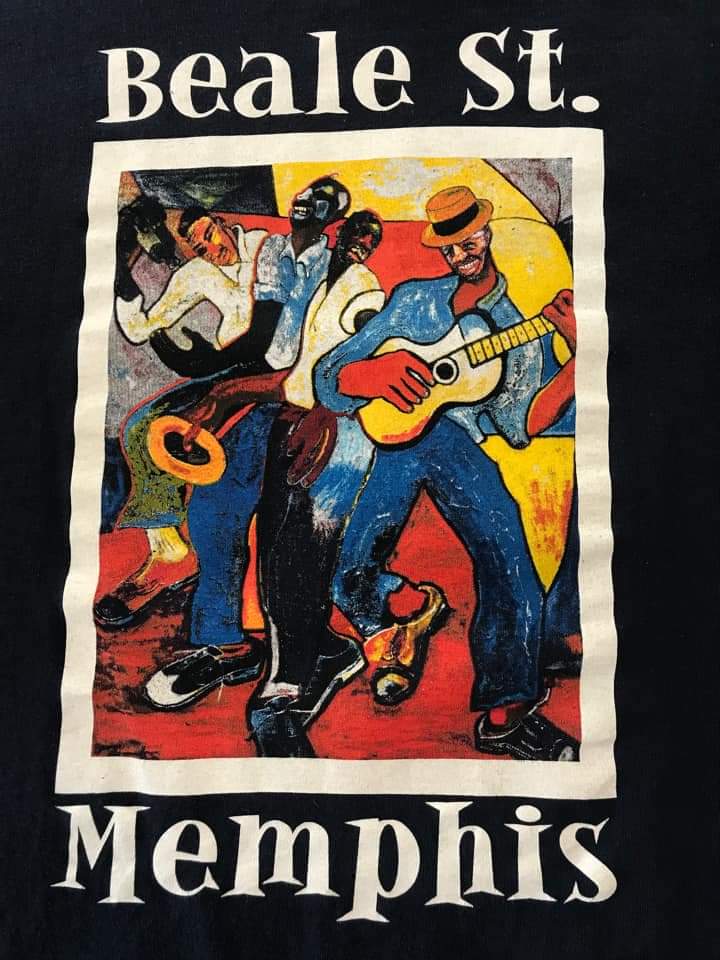
A lesson for the 250th anniversary of the U.S. founding exploring the blues as both a cultural art form and a vehicle for political resistance.
Continue reading
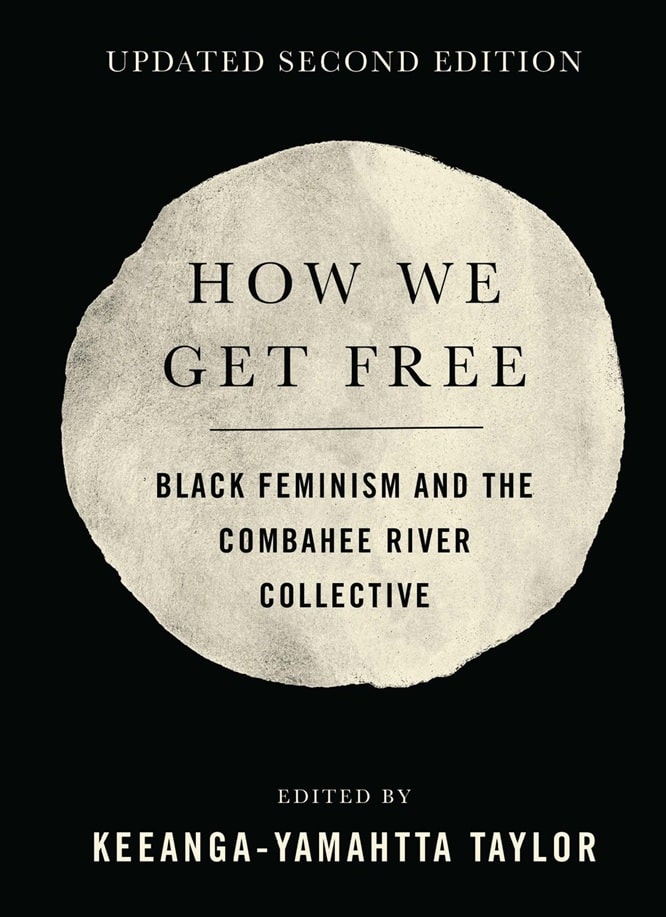
Book — Non-fiction. Edited by Keeanga-Yamahtta Taylor. 2026. 264 pages.
A collection of essays and interviews with founding members of the Combahee River Collective and contemporary activists who reflect on the organization’s contributions to Black feminism and its impact on today’s struggles.
Continue reading
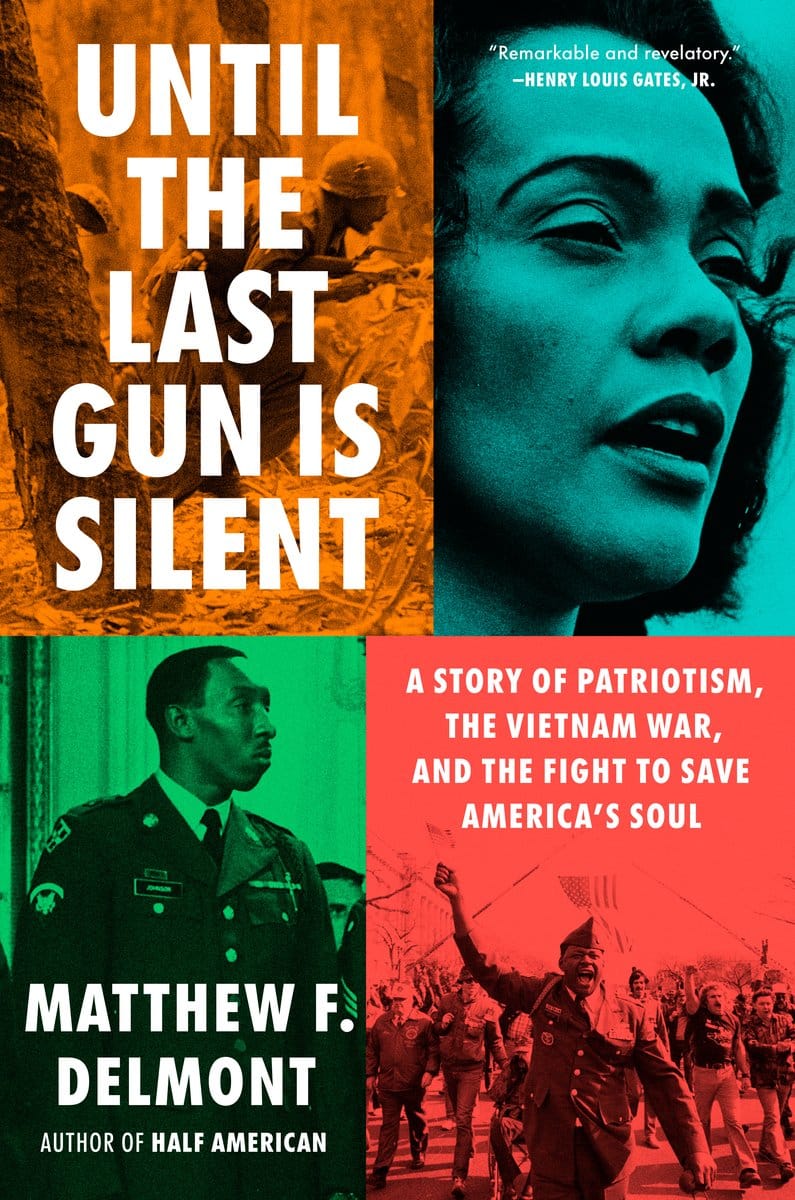
Book — Non-fiction. By Matthew F. Delmont. 2026. 368 pages.
The history of the Vietnam War with a focus on the African American experience in the antiwar movement and as returning soldiers.
Continue reading
Film. By Deb Ellis and Denis Mueller. 2010. 78 minutes.
Documentary on life and work of Howard Zinn.
Continue reading
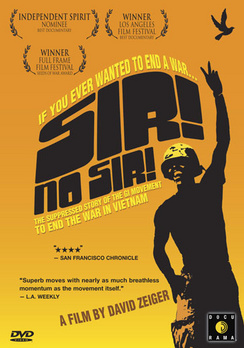
Film. By David Zeiger. 2005. 84 minutes.
This award-winning film demonstrates the role soldiers and veterans played in the anti-Vietnam War movement.
Continue reading
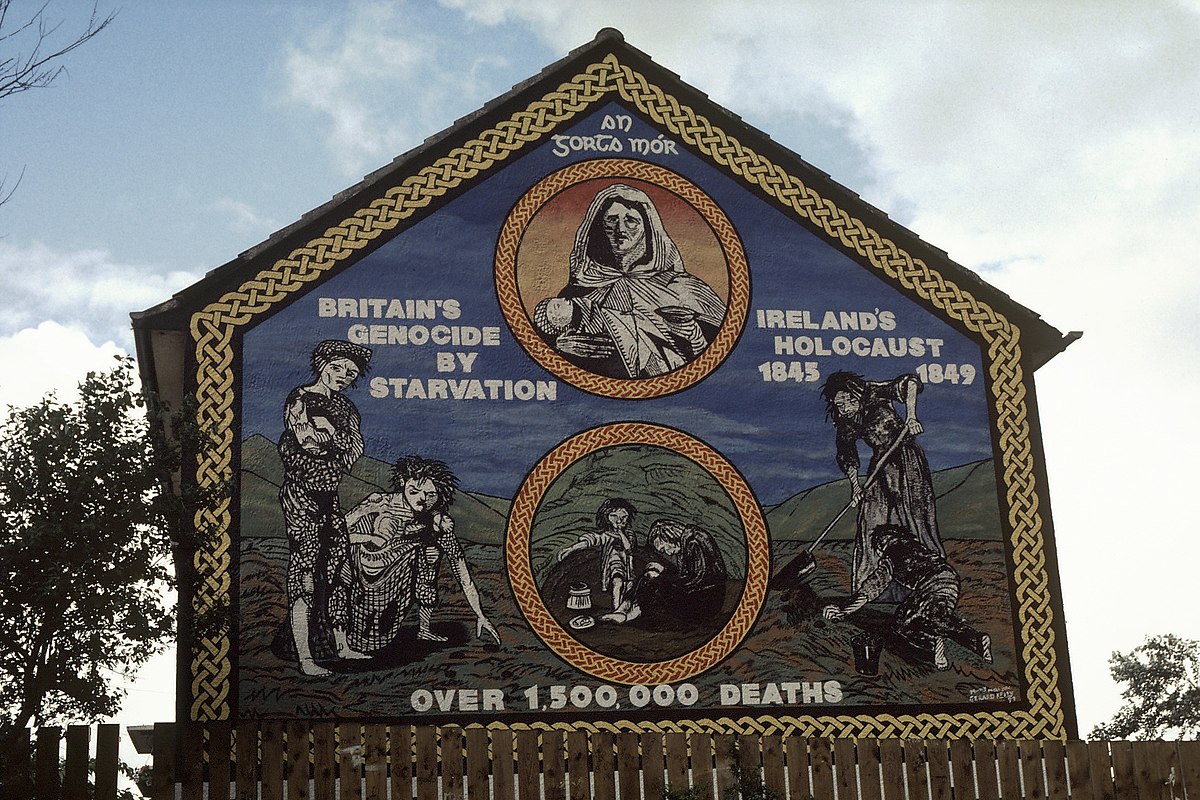
Teaching Activity. By Bill Bigelow. Rethinking Schools. 13 pages.
A trial role play helps students reflect on responsibility for the deaths of Irish peasants during the so-called potato famine.
Continue reading
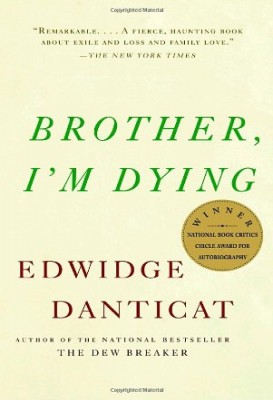
Book — Non-fiction. By Edwidge Danticat. 2008. 288 pages.
A gripping autobiographical book, about one Haitian woman's experience as a young immigrant and her family's struggle to survive in the United States while fearing for those they left behind.
Continue reading