Teaching Activity. By Samia Shoman. Rethinking Schools. 2014.
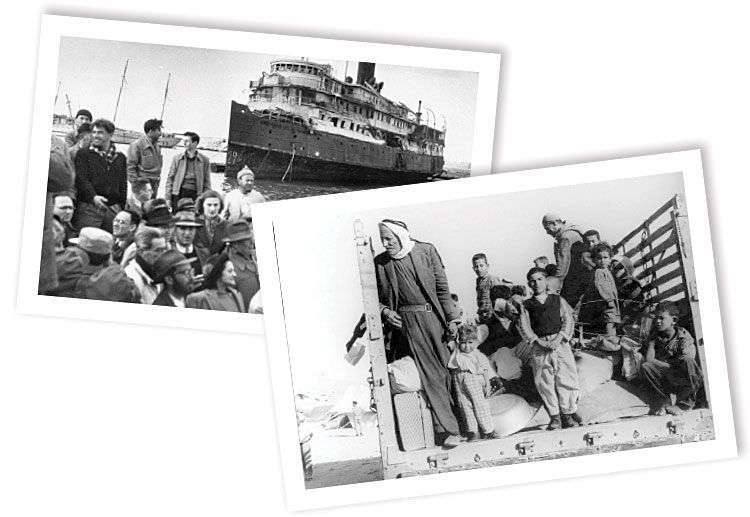
A social studies teacher uses conflicting narratives to engage students in studying the history of Palestine and Israel, focusing on the events of 1948.
Continue reading
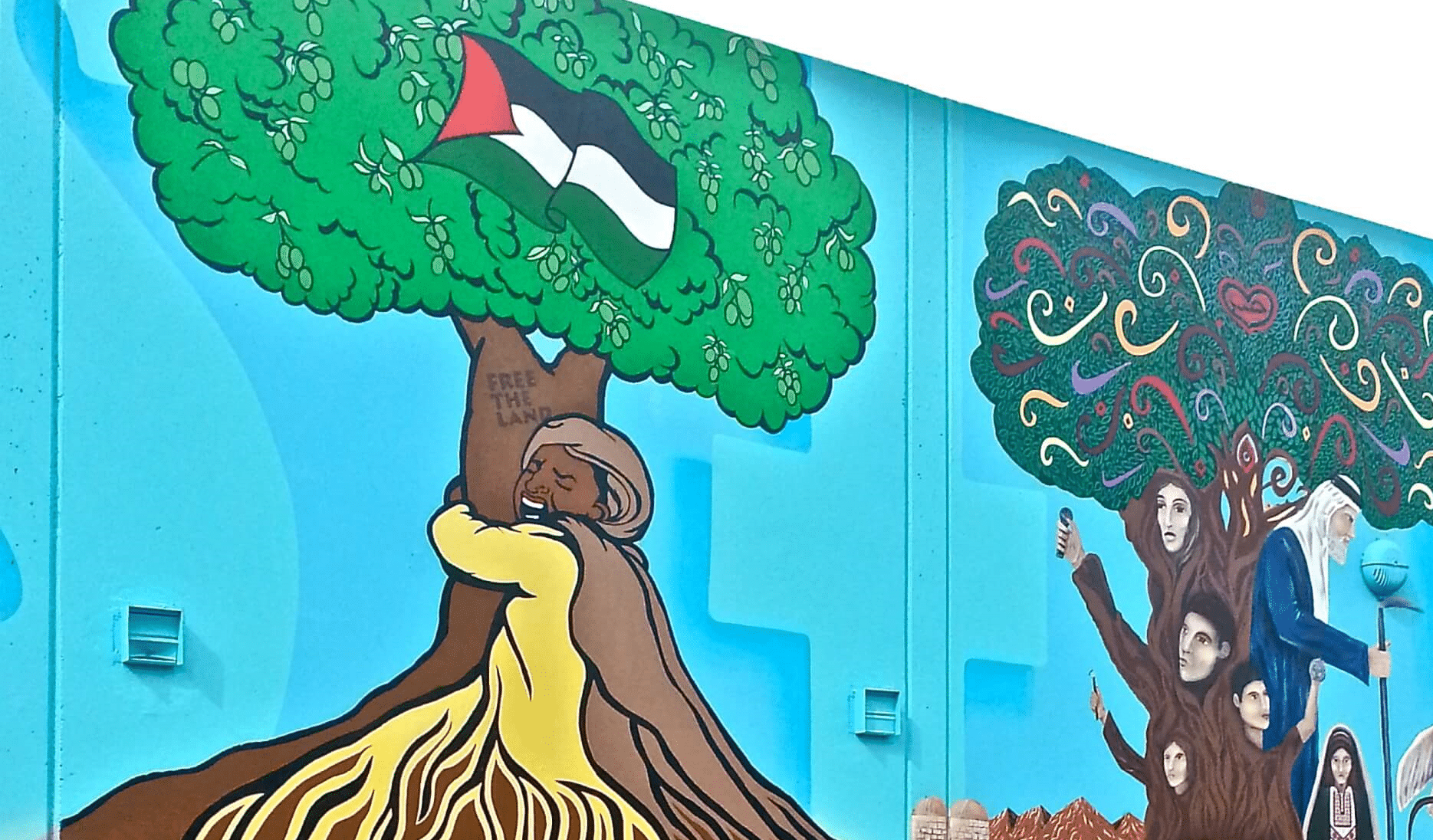
A lesson to accompany the 2001 documentary Promises, which explores the Palestinian-Israeli conflict from the eyes and experiences of Israeli and Palestinian children living in the West Bank.
Continue reading
Teaching Activity. By Hannah Gann, Nick Palazzolo, Keziah Ridgeway, and Adam Sanchez. Rethinking Schools. 2024. 23 pages.
This lesson highlights the complexity and diversity of thought as Civil Rights and Black Power leaders and organizations developed their views on Palestine-Israel.
Continue reading
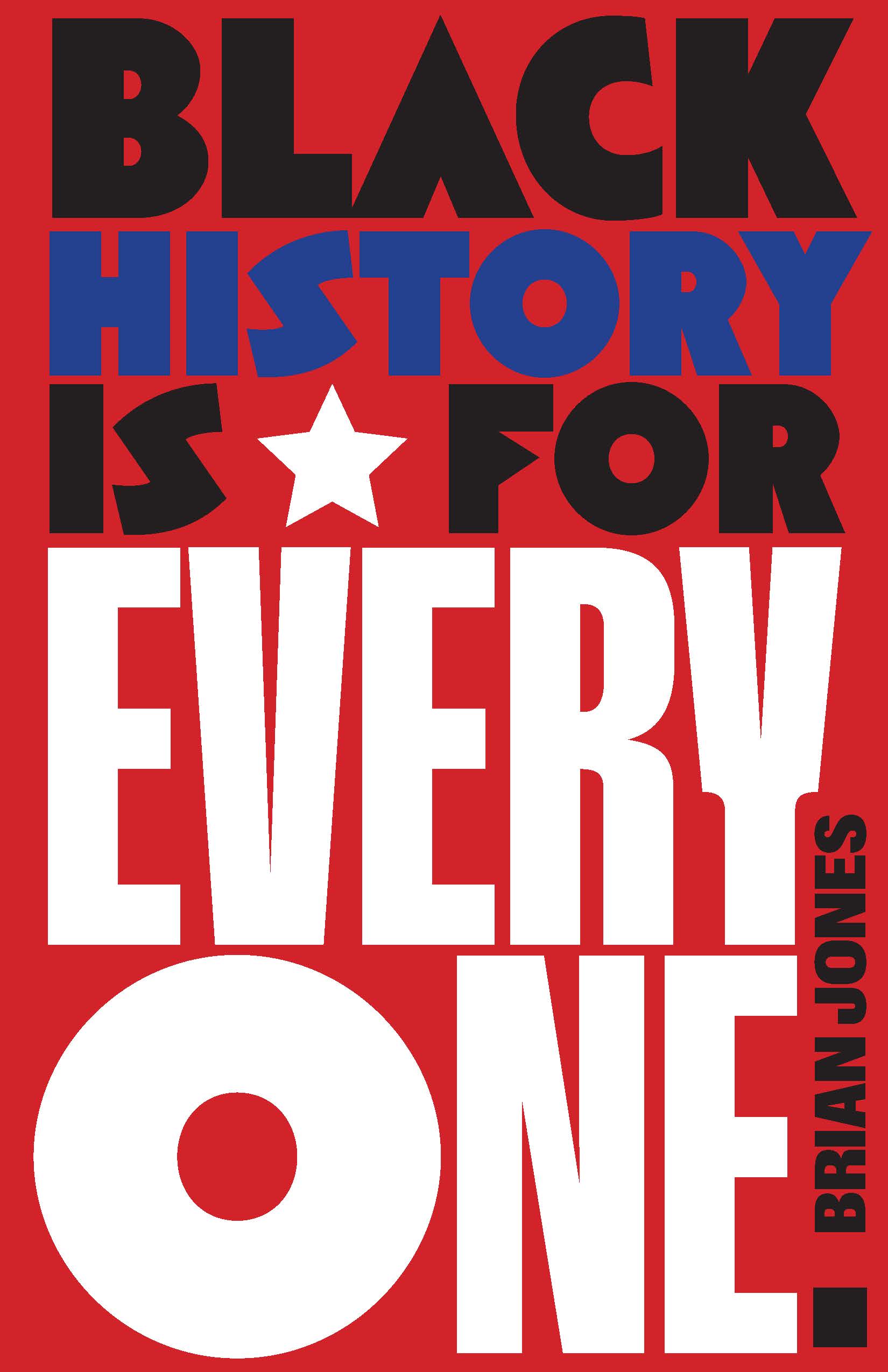
Book — Non-fiction. By Brian Jones. 2025. 208 pages.
A look at how the study of Black history challenges our understanding of race, nation, and the stories we tell about who we are.
Continue reading
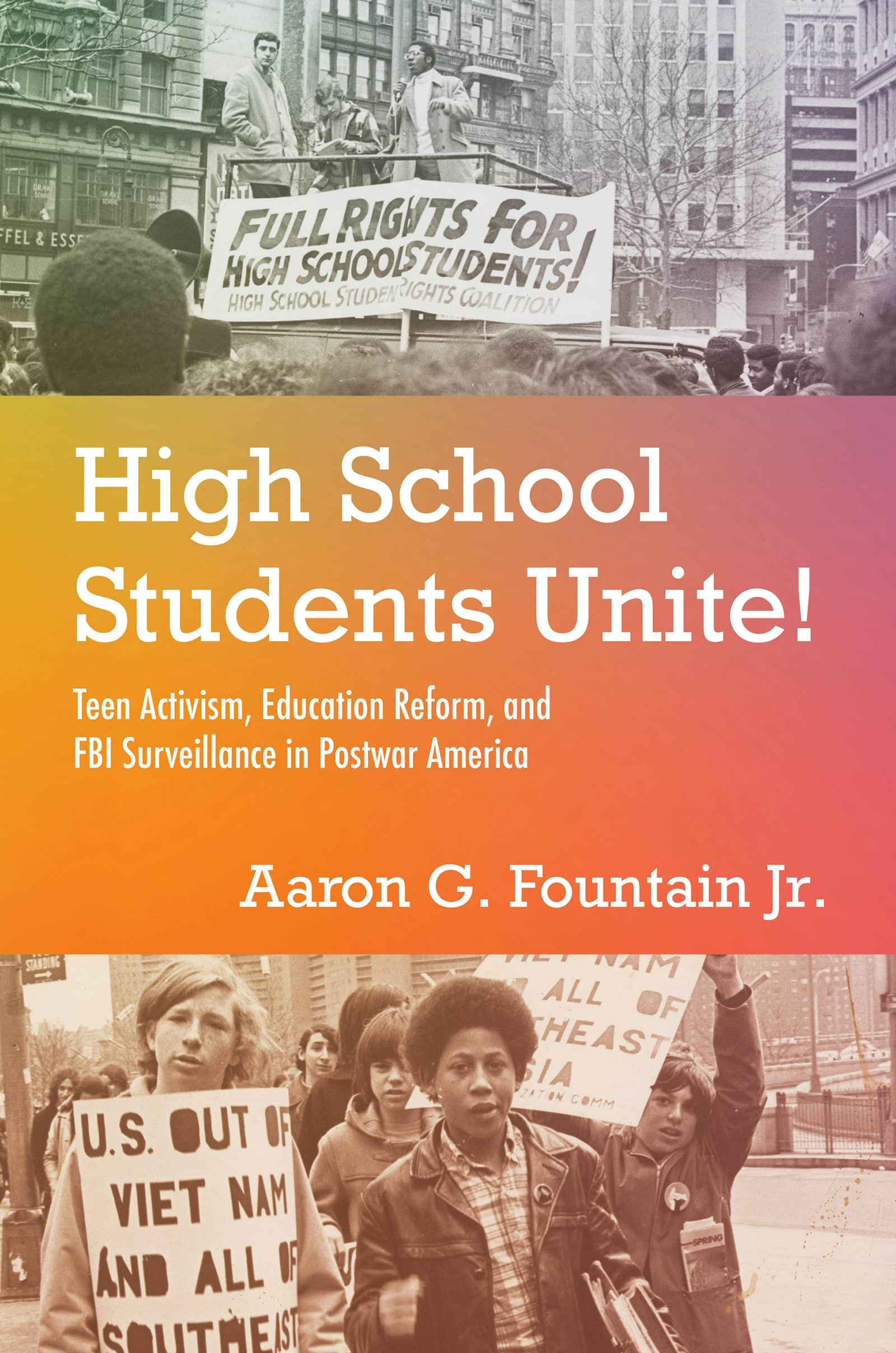
Book — Non-fiction. By Aaron G. Fountain Jr. 2025. 398 pages.
Highlights the crucial impact of high school activists in the 1960s and 1970s.
Continue reading
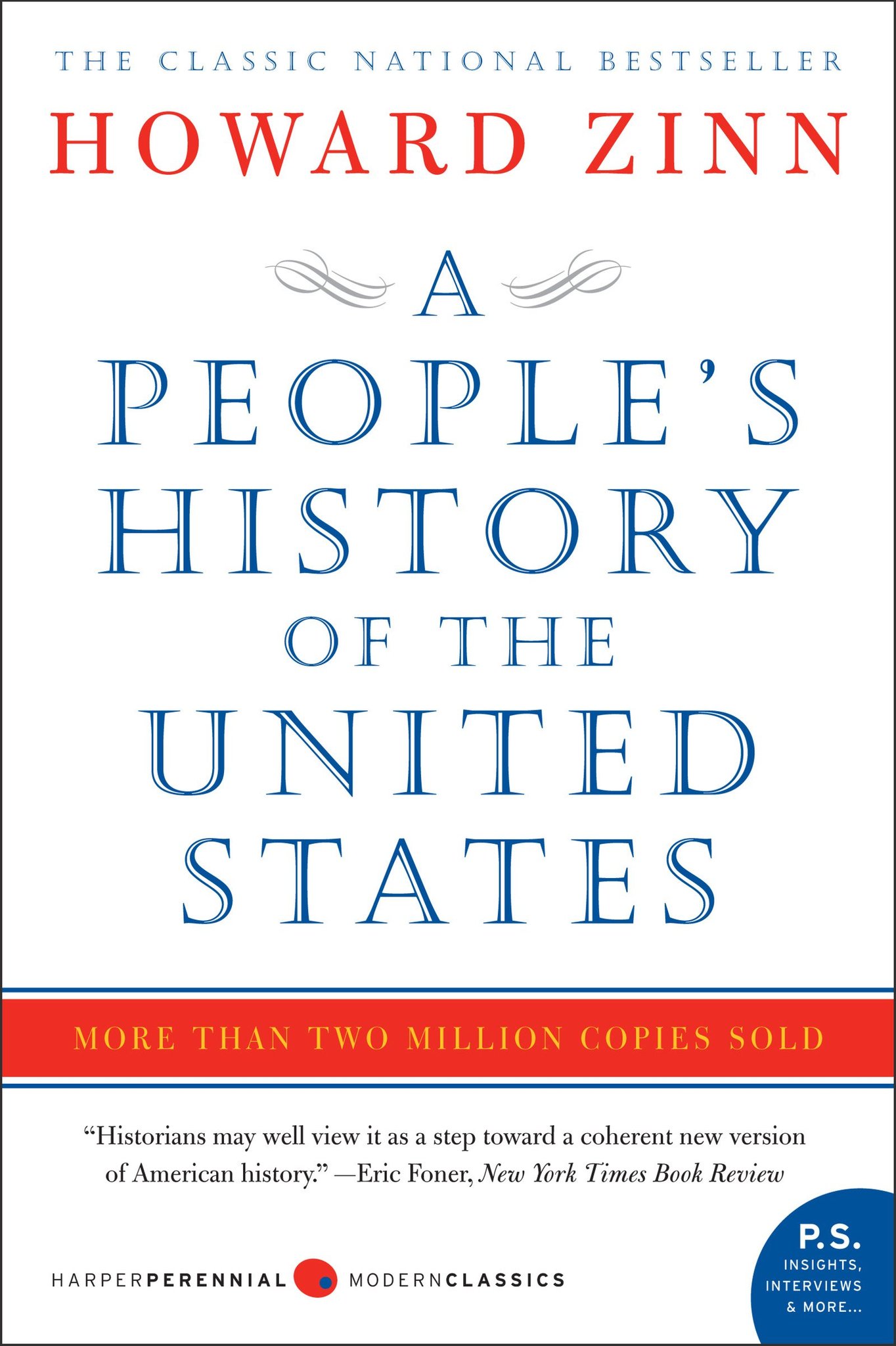
Book — Non-fiction. By Howard Zinn. 2005, with a new introduction by Anthony Arnove in 2015. 784 pages.
Howard Zinn's groundbreaking work on U.S. history. This book details lives and facts rarely included in textbooks—an indispensable teacher and student resource.
Continue reading
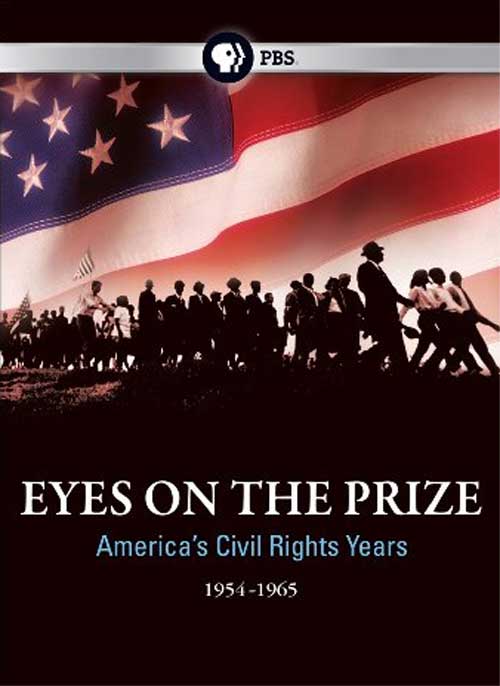
Film. Produced by Henry Hampton. Blackside. 1987. 360 minutes.
Comprehensive documentary history of the Civil Rights Movement.
Continue reading
Teaching Activity. By Bill Bigelow. Rethinking Schools.
The Thingamabob Game helps students grasp the essential relationship between climate and capitalism.
Continue reading
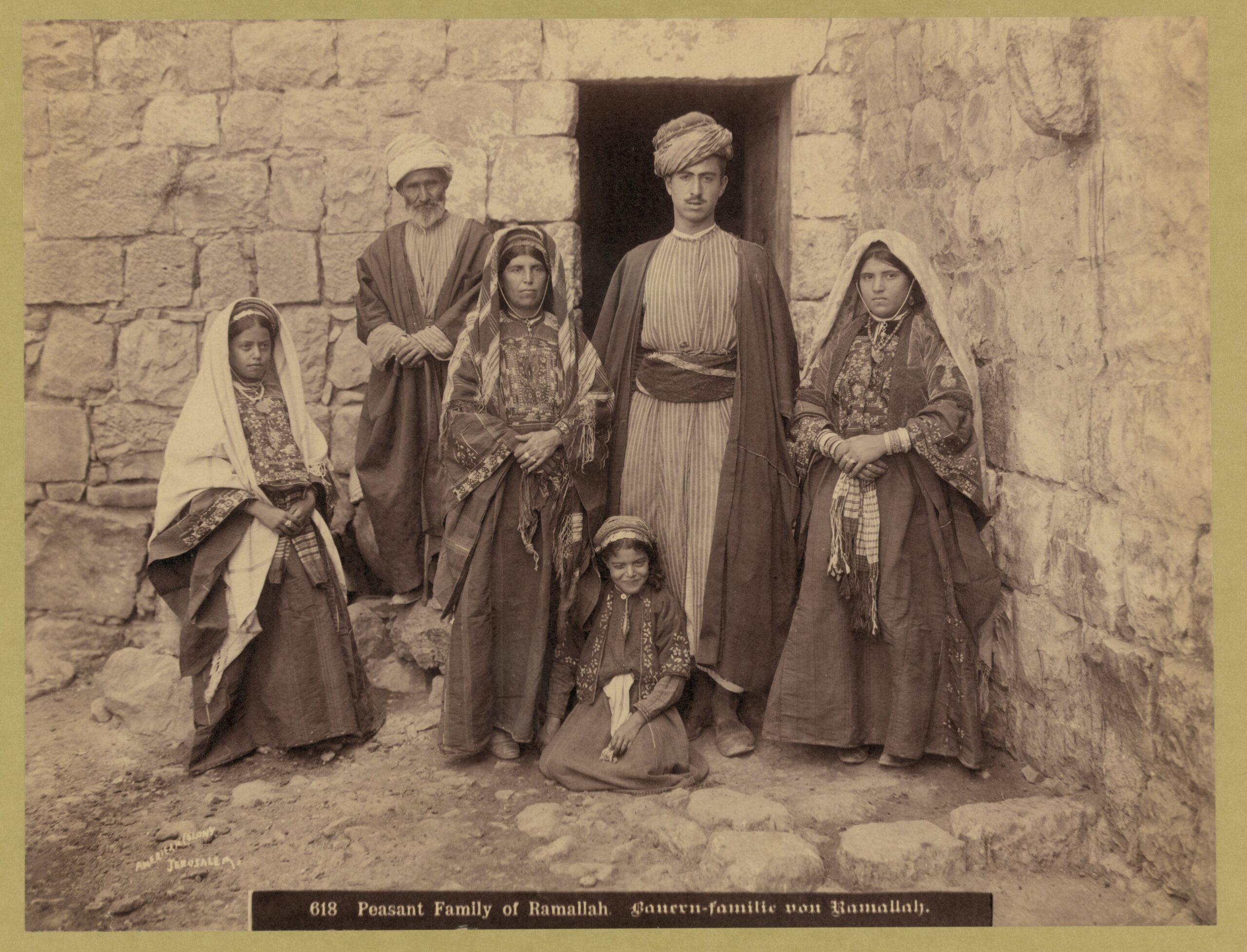
Teaching Activity. By Bill Bigelow. 2024. 33 pages.
A mixer/mystery activity on Zionism, anti-Zionism, peasant resistance, the Great War, the British Mandate, and more.
Continue reading
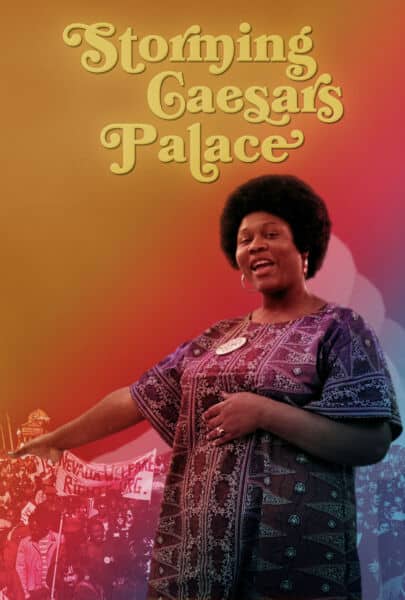
Film. Directed by Hazel Gurland-Pooler. 2023. 85 minutes.
Tells the story of how Las Vegas activist Ruby Duncan's grassroots movement of moms fought for guaranteed income.
Continue reading
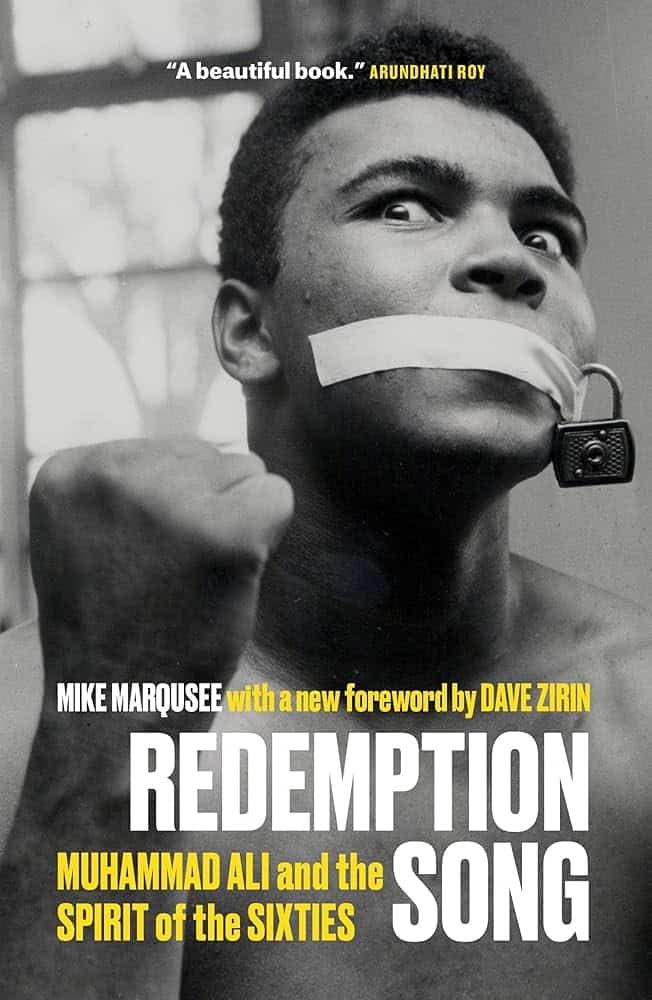
Book — Non-fiction. By Mike Marqusee. 2017. 352 pages.
Tells the story of Muhammad Ali as not only a boxer but a remarkable political figure in a decade of tumultuous change.
Continue reading
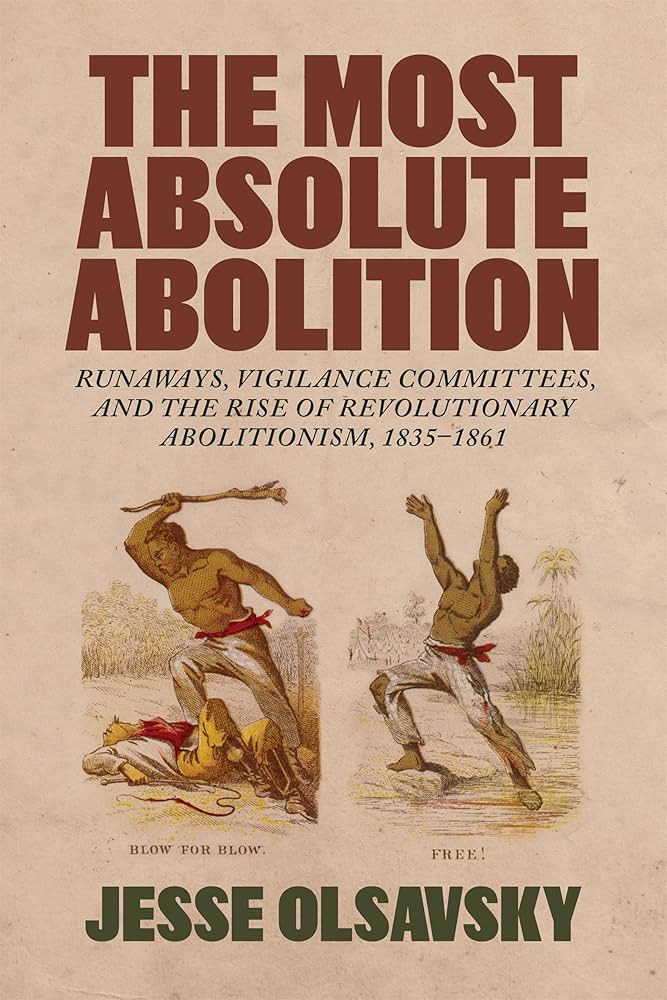
Book — Non-fiction. By Jesse Olsavsky. 2022. 294 pages.
Tells the story of how vigilance committees organized the Underground Railroad and revolutionized the abolitionist movement.
Continue reading
Teaching Activity. By Bill Bigelow. 9 pages.
Students are invited to solve a mystery, using historical clues, about the real story of the Draft Riots.
Continue reading
Teaching Activity. By Mimi Eisen and Ursula Wolfe-Rocca. 47 pages.
A follow-up lesson to “Reconstructing the South,” using primary source documents to reveal key outcomes of the Reconstruction era.
Continue reading
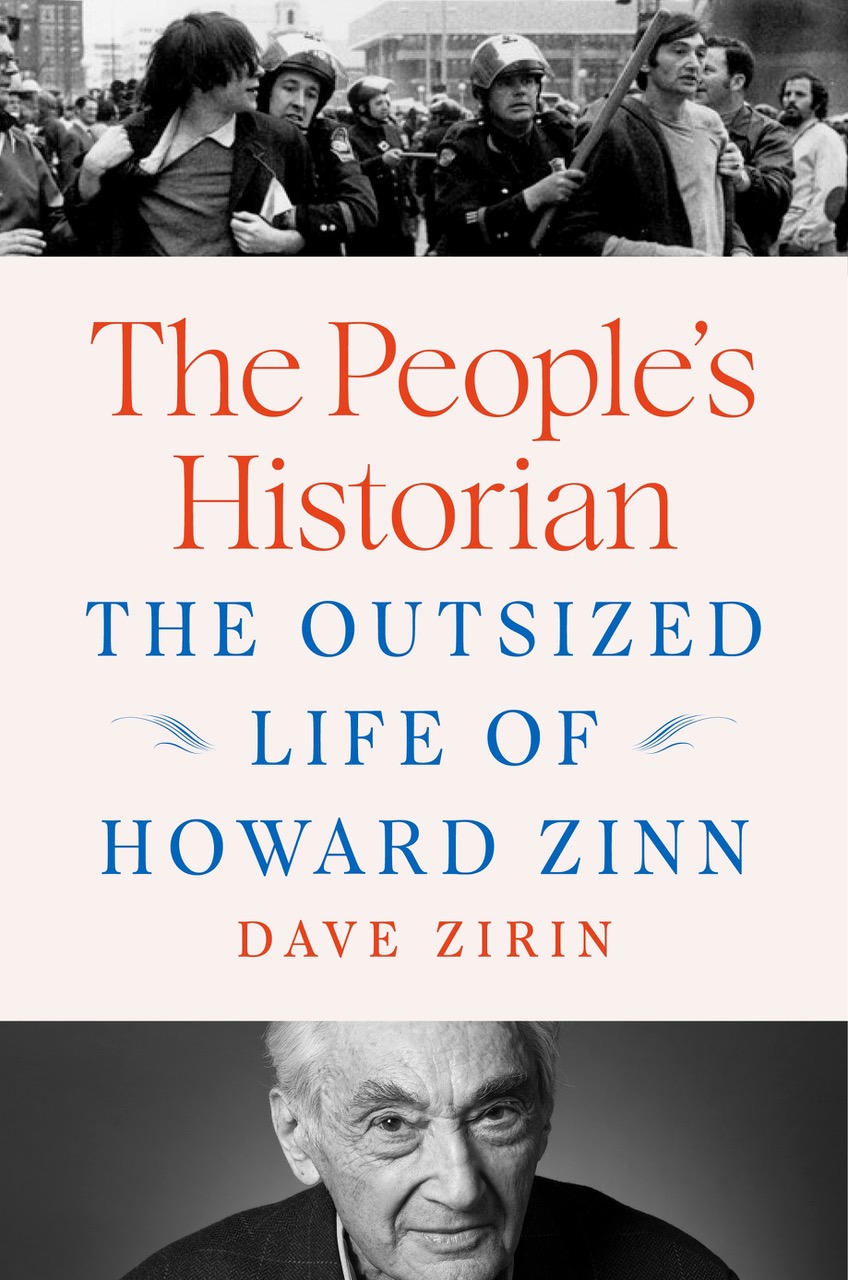
Book — Non-fiction. By Dave Zirin. 2026. 400 pages.
A biography of iconic radical historian Howard Zinn, examining his life and work as a progressive icon and thought leader through the story of the times that shaped him and the world.
Continue reading
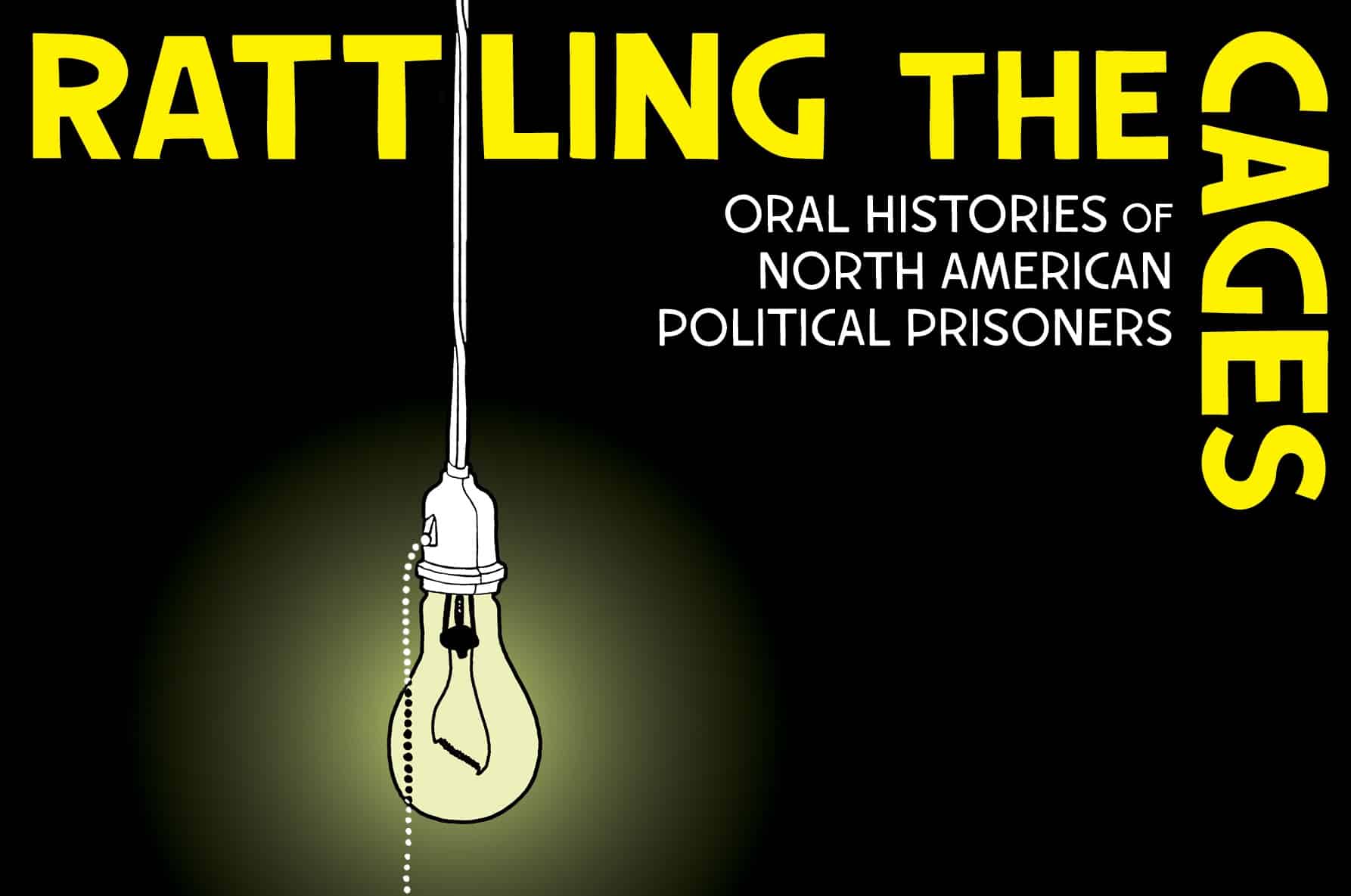
Book — Non-fiction. Edited by Josh Davidson, with Eric King. 2023. 420 pages.
Oral histories of 36 current and former political prisoners of different liberation movements who describe what led them to prison, how they survived, and how they continue to struggle for a better world.
Continue reading
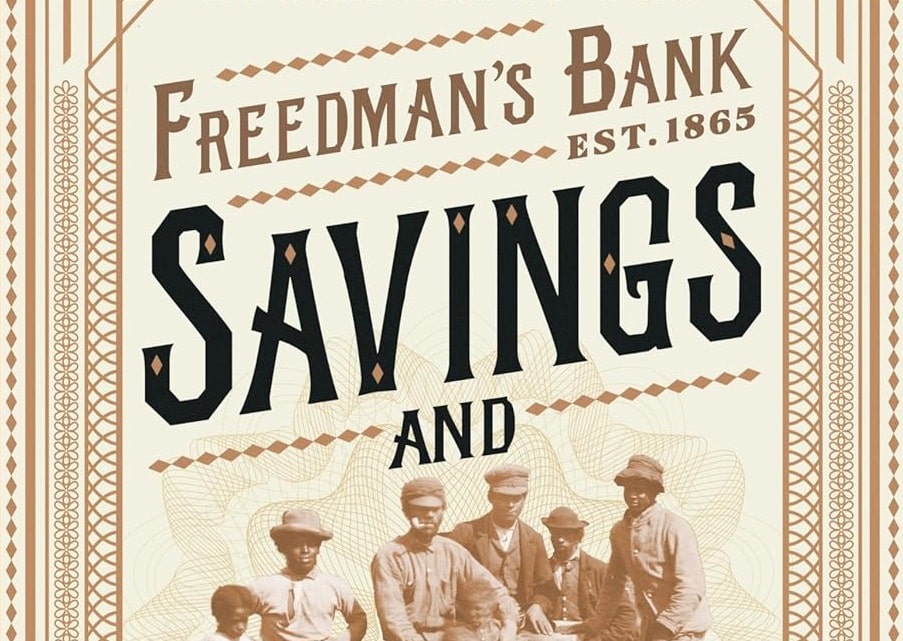
Book — Non-fiction. By Justene Hill Edwards. 2024. 336 pages.
Following the Civil War, tens of thousands of the formerly enslaved deposited millions of dollars into the Freedman’s Bank, but their trust was betrayed when the Freedman’s Bank collapsed within the decade.
Continue reading
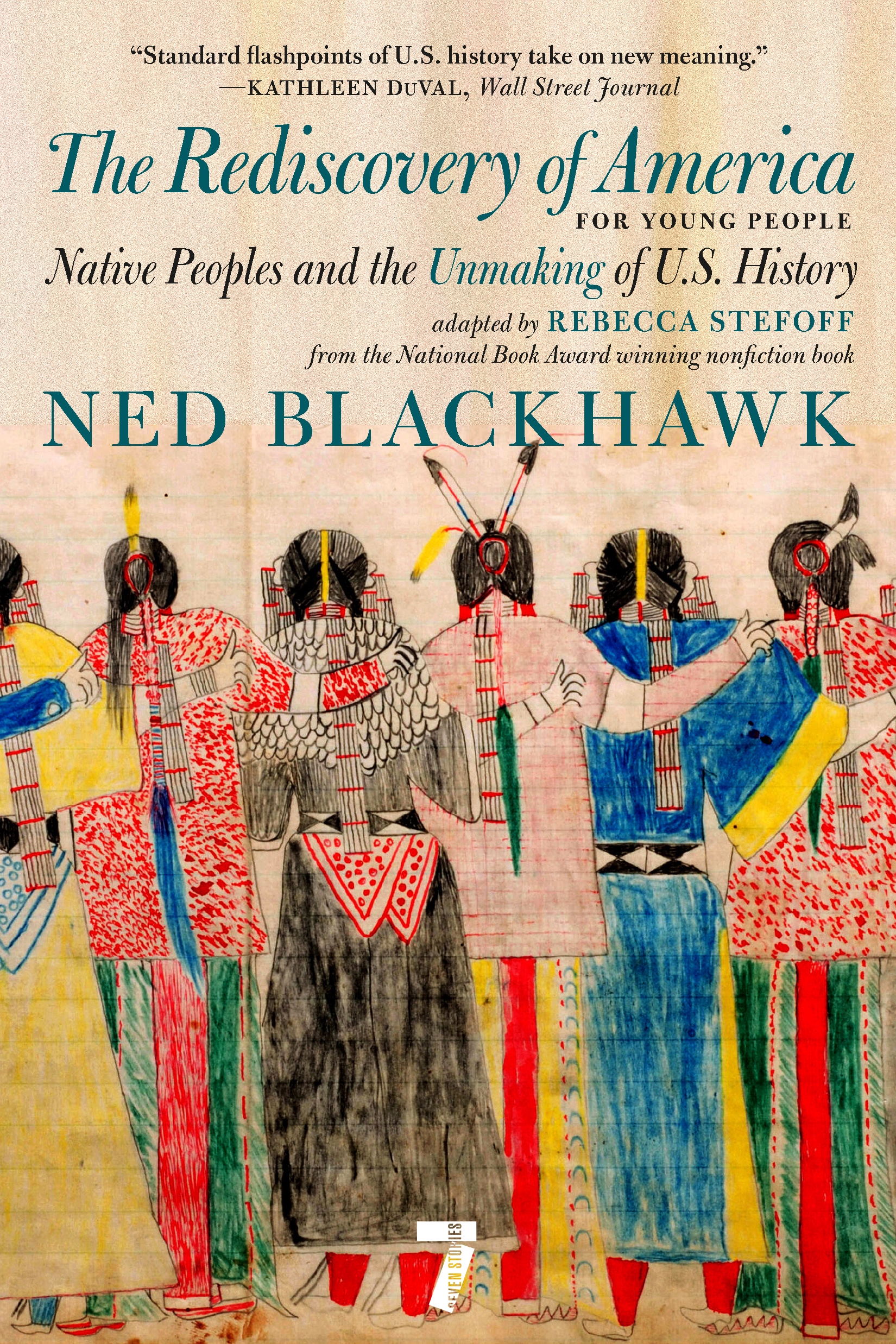
Book — Non-fiction. By Ned Blackhawk, adapted by Rebecca Stefoff. 2026. 576 pages.
Weaves five centuries of Native and non‑Native histories, from Spanish colonial exploration to the rise of Native American self-determination in the late twentieth century and its evolution in the twenty-first century.
Continue reading
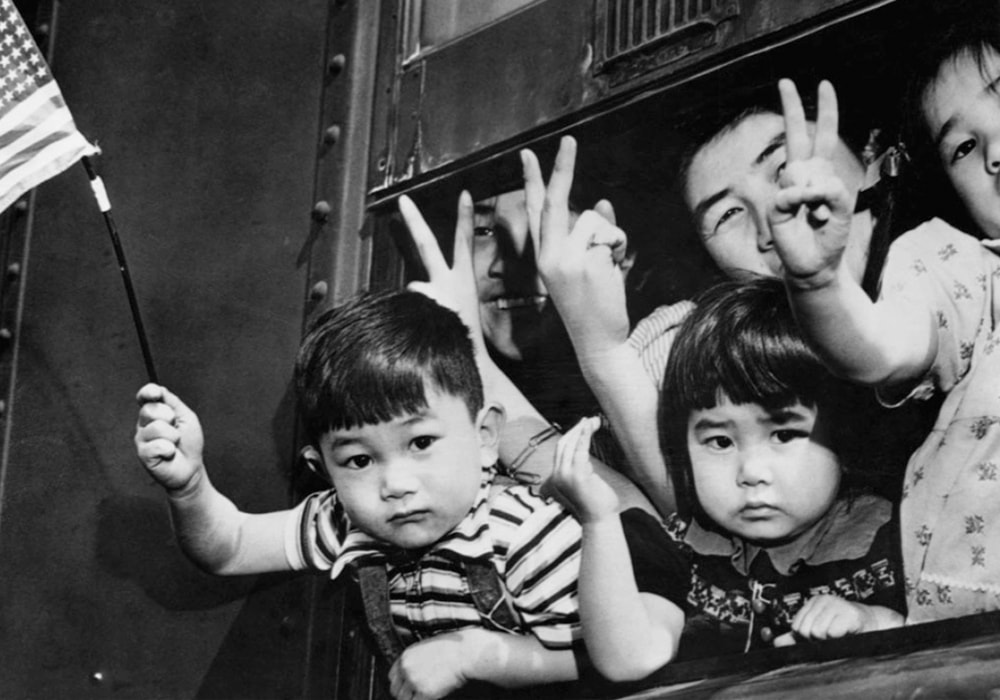
Teaching Activity. By Mark Sweeting. Rethinking Schools. 4 pages.
How one teacher engaged his students in a critical examination of the language used in textbooks to describe the Japanese American incarceration.
Continue reading
Teaching Activity. By Bill Bigelow. 10 pages.
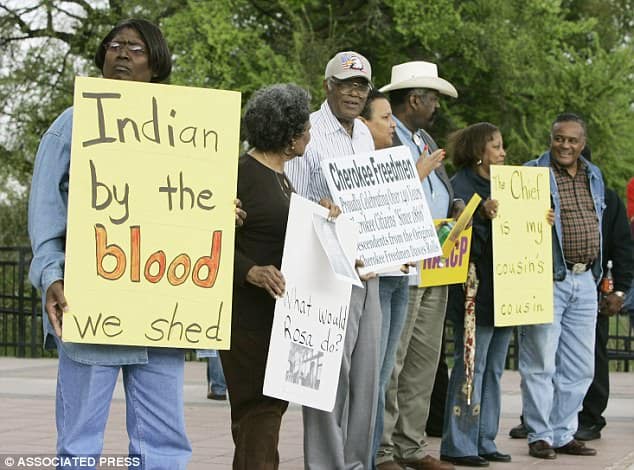
What led up to the Trail of Tears? In this lesson, students learn about the decision to remove the Cherokee and Seminole people from their lands.
Continue reading
Teaching Activity. By Gayle Olson-Raymer. 18 pages.
Questions and teaching ideas for Chapter 7 of Voices of a People's History of the United States on the American policy of "Manifest Destiny" and Native American resistance to their own displacement.
Continue reading
Teaching Activity. By Bill Bigelow. Rethinking Schools. 6 pages.
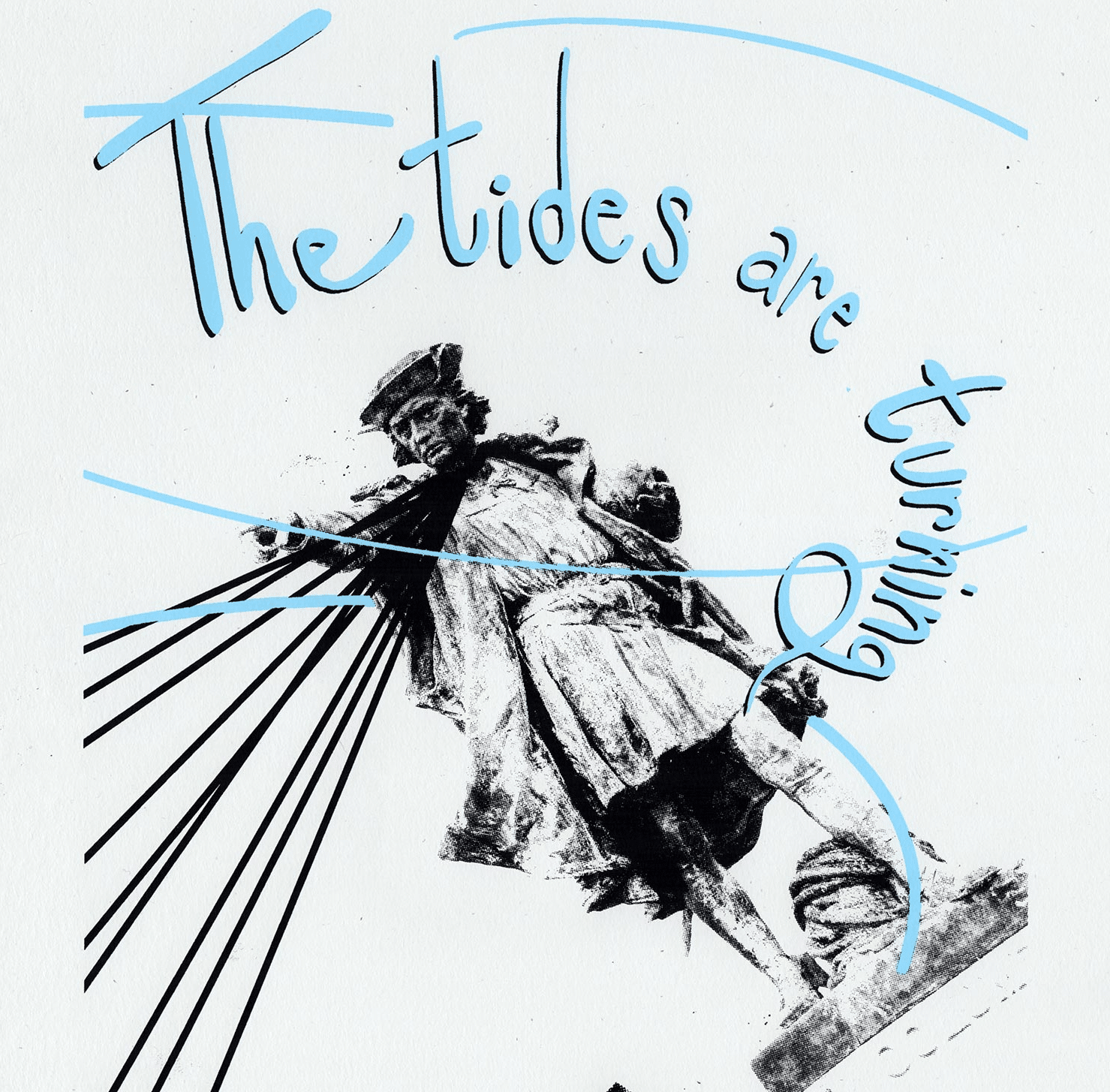
How to engage students in a critical analysis of the textbook version of "discovery."
Continue reading
Teaching Activity. By Gayle Olson-Raymer. 15 pages.
Questions and teaching ideas for Chapter 12 of Voices of a People's History of the United States on internal dissent over American expansionist policies.
Continue reading
Teaching Activity. By Mike Benbow and Robin Pickering. 17 pages.
Questions and teaching ideas for Chapter 18 of Voices of a People's History of the United States on opposition to the Vietnam War.
Continue reading
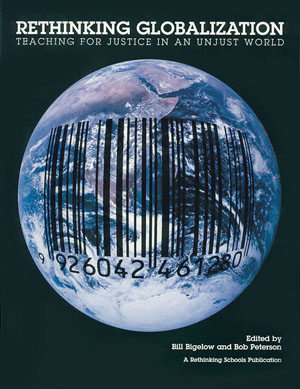
Teaching Guide. Edited by Bill Bigelow and Bob Peterson. 2002. 402 pages.
An extensive collection of readings and source material on critical global issues, plus teaching ideas, lesson plans, and rich collections of resources for classroom teachers.
Continue reading