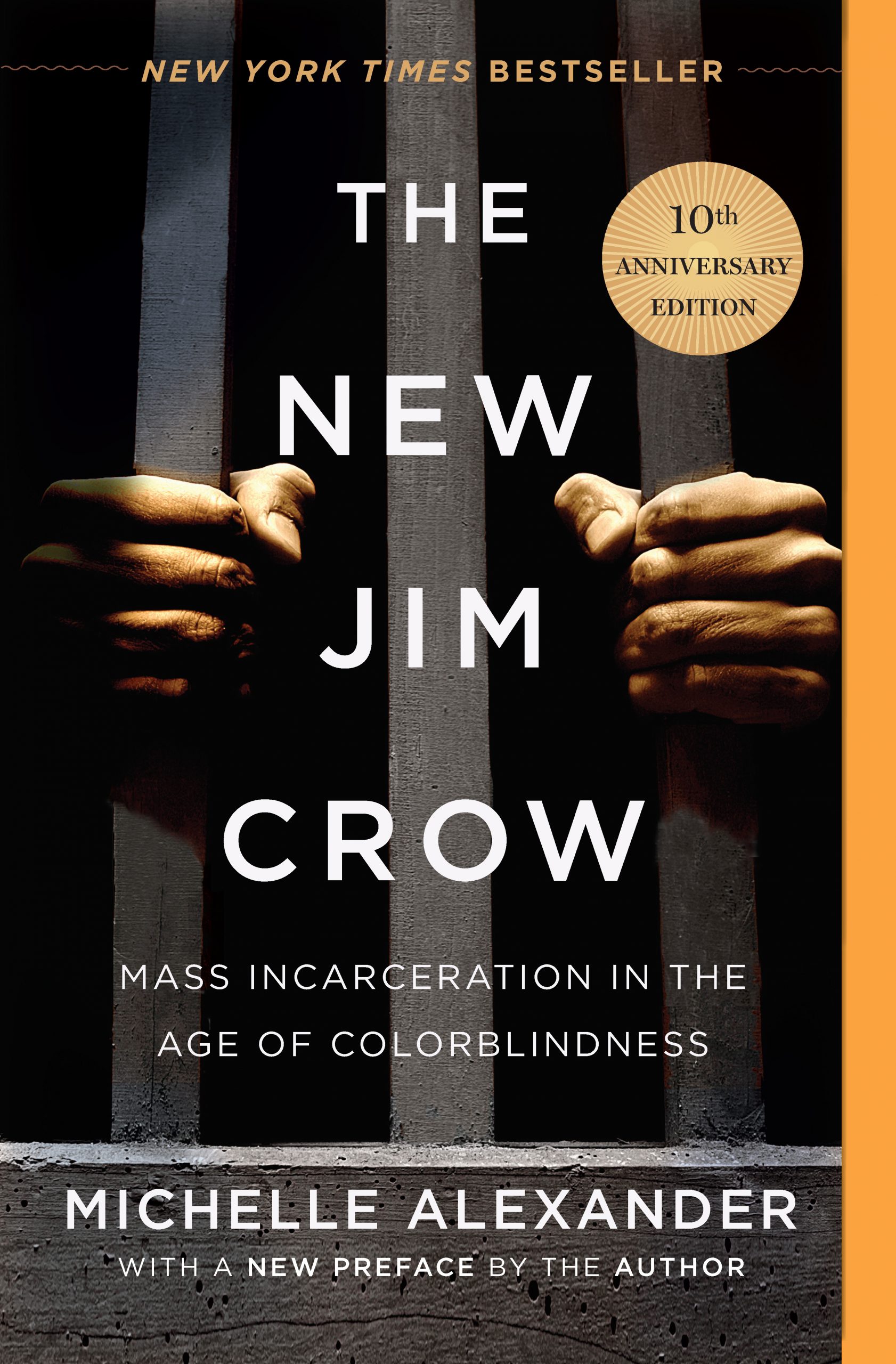
Book — Non-fiction. By Michelle Alexander. Introduction by Cornel West. 2010, updated 10th-anniversary edition released in 2020. 336 pages.
A critical analysis of the role the justice system plays in the oppression of African Americans in the United States.
Continue reading
Poem. By Josh Healey.
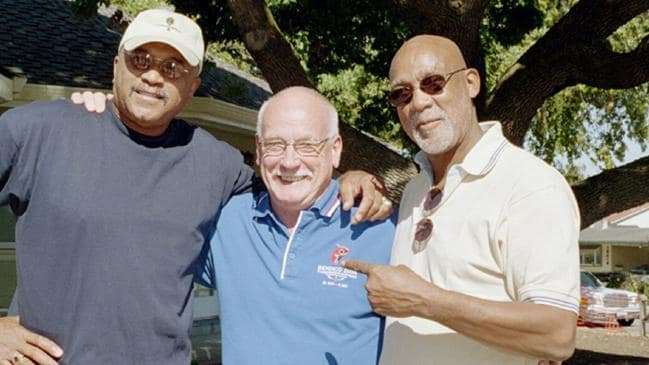
Poem about Peter Norman, the white Australian athlete in the historic protest and iconic photo at the 1968 Olympics.
Continue reading
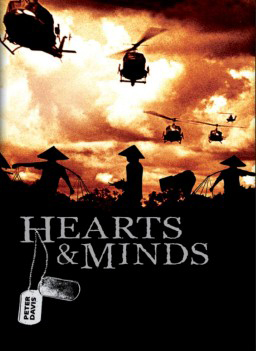
Film. Directed by Peter Davis. 1974. 112 minutes.
Documentary about the Vietnam War.
Continue reading
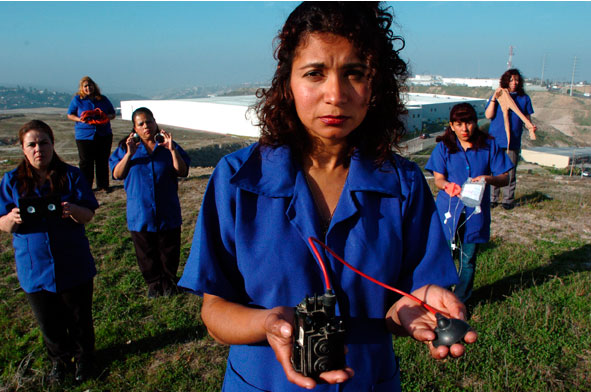
Film. Directed and produced by Vicky Funari and Sergio De La Torre. 2006. 68 minutes.
The impact of globalization as told through the lives of the women who experience it in Tijuana, Mexico.
Continue reading
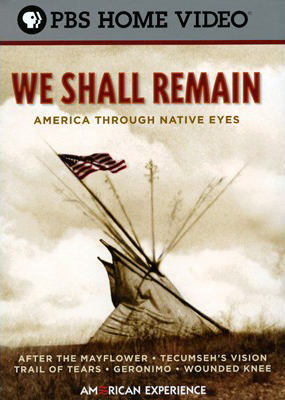
Film. PBS. 2009. 450 minutes.
Three hundred years of Native American history.
Continue reading
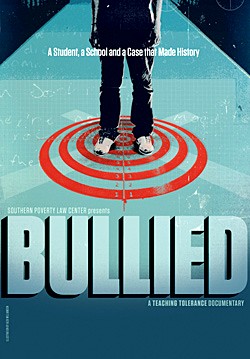
Film. Southern Poverty Law Center. 2010. 40 minutes.
This documentary shows the devastating impact of bullying on students, in this case a gay student who works with lawyers to win a precedent setting case to create a safe place for students in school.
Continue reading
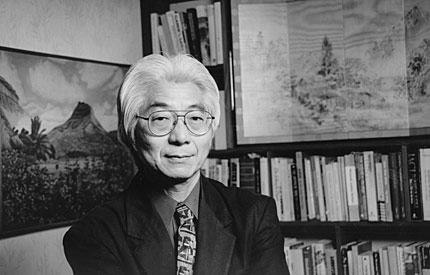
Profile.
Ronald Takaki (April 12, 1939 - May 26, 2009) was an academic, historian, ethnographer, author, and activist who is credited with founding ethnic studies.
Continue reading
Digital collection. Information and resources on the 1934 truckers strikes in Minneapolis, Minnesota.
Continue reading
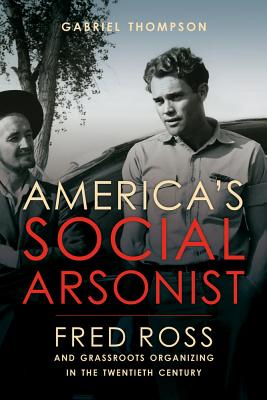
Profile. By Gabriel Thompson. 2013.
Introduction to little-known but influential labor organizer Fred Ross (1910-1992), who trained many activists of note including Dolores Huerta and Cesar Chavez.
Continue reading
Teaching Activity. By Linda Christensen. Rethinking Schools. 9 pages.
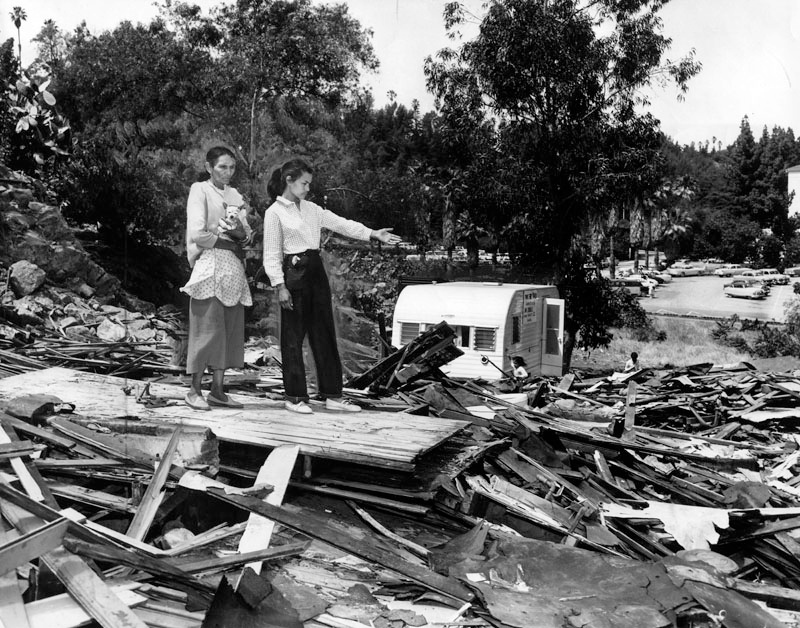
Teaching about patterns of displacement and wealth inequality through the history of Palo Verde, La Loma, and Bishop communities and the building of Dodger Stadium.
Continue reading
Film. Center for Investigative Reporting and Two Tone Productions. 2007. 84 minutes.
Filmmaker Marco Williams examined four examples of primarily white communities violently rising up to force their African-American neighbors to flee town.
Continue reading
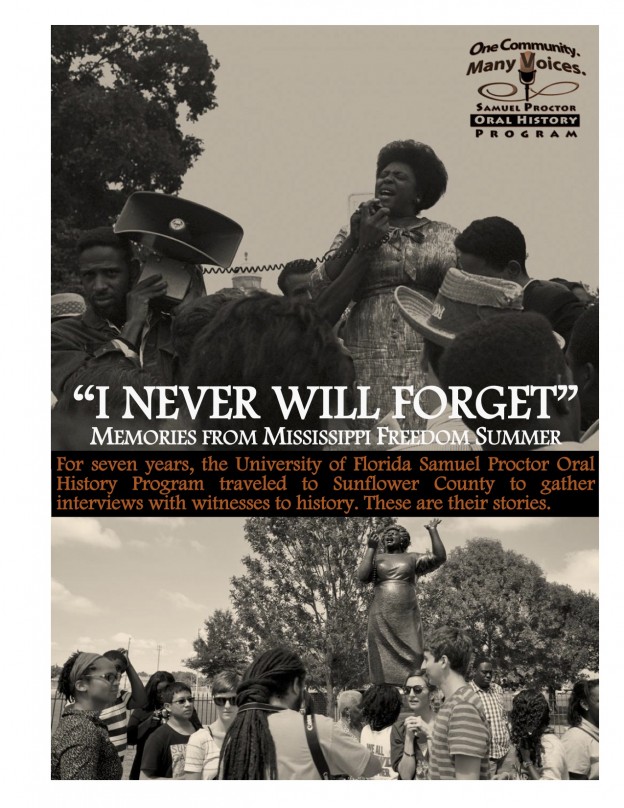
Book — Non-fiction. Edited by Sarah Blanc. 2014. 115 pages.
A collection of interviews conducted by the Samuel Proctor Oral History Program over seven years in Sunflower County, Mississippi. The stories provide a powerful first person introduction to the history of the Mississippi Civl Rights Movement.
Continue reading
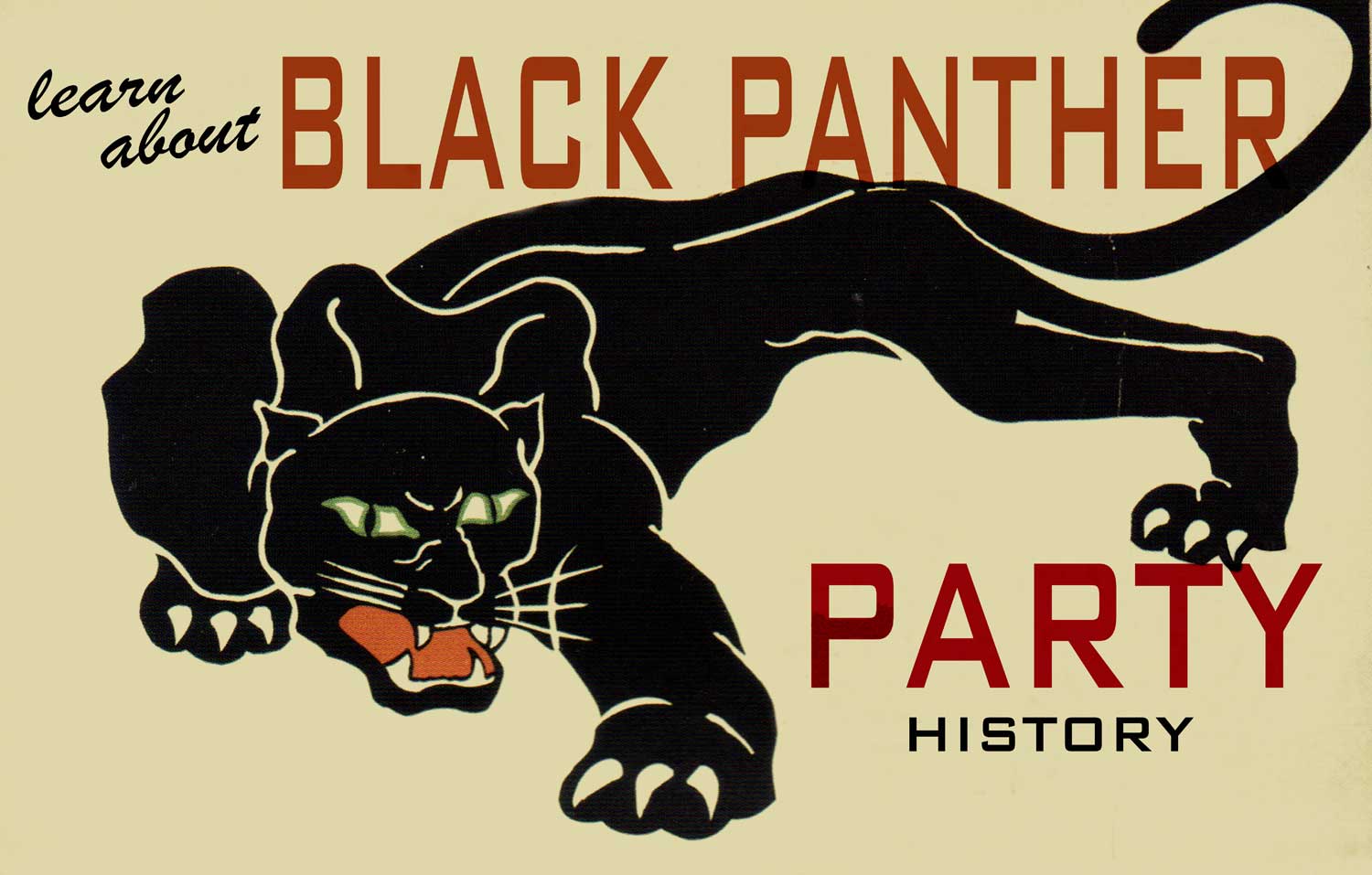
Teaching Activity. By Adam Sanchez and Jesse Hagopian. Rethinking Schools. 33 pages.
A mixer lesson introduces students to the pivotal history of the Black Panthers.
Continue reading
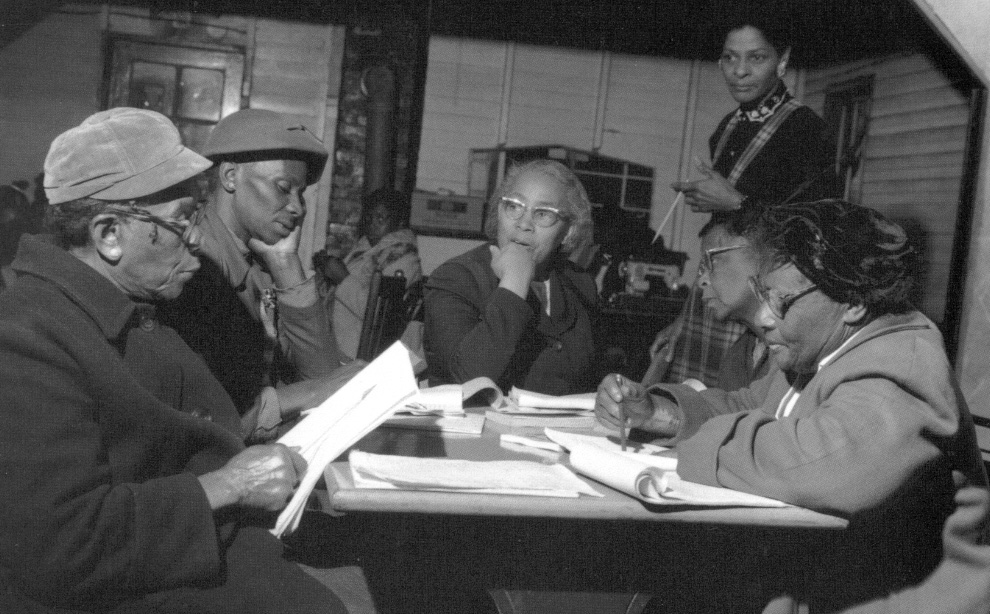
Film. Directed by Lucy Massie Phenix and Catherine Murphy. 2019. 9 minutes.
Documentary about Citizenship Schools.
Continue reading
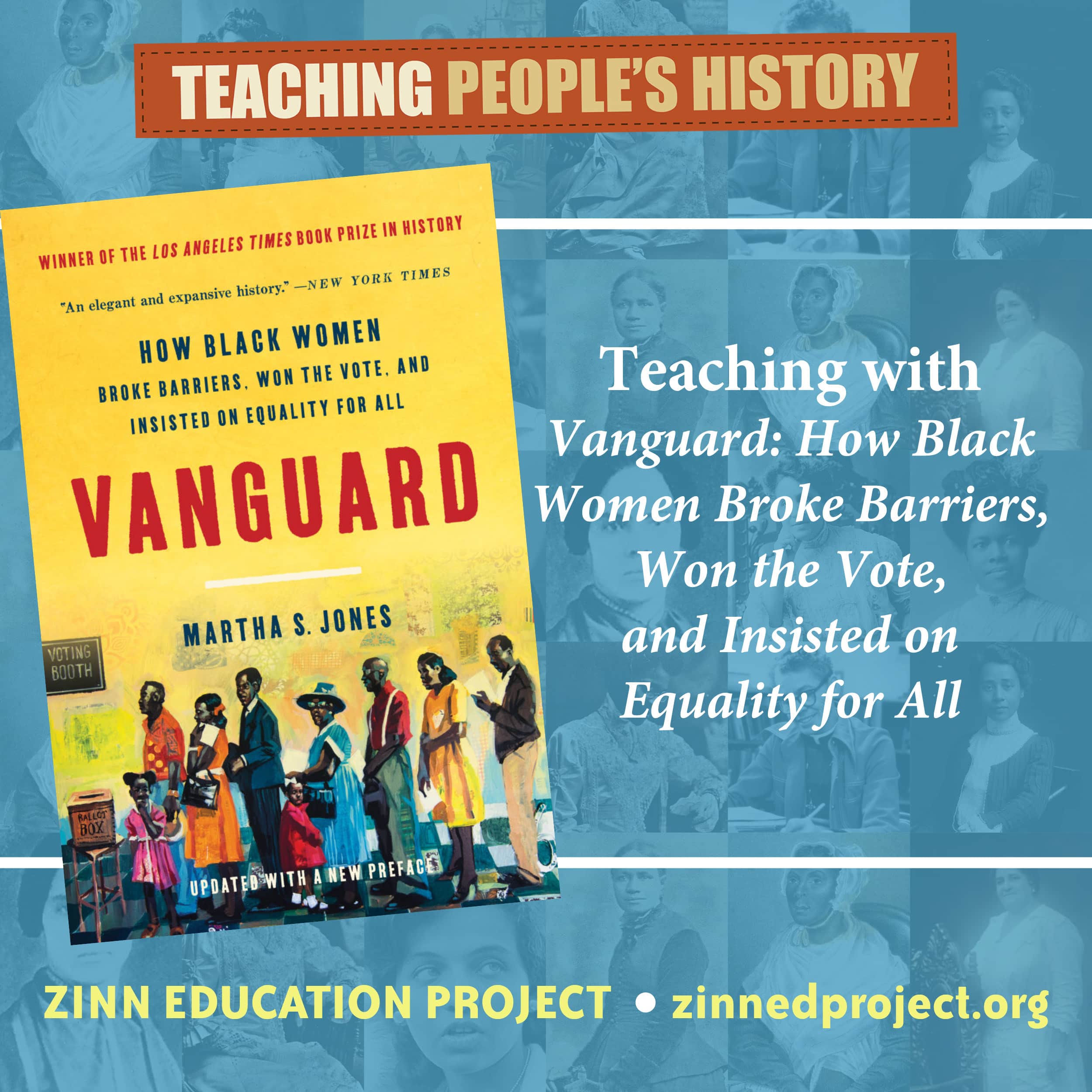
Teaching Activity. By Ursula Wolfe-Rocca. 25 pages.
Students engage in an interactive activity with short excerpts from Martha Jones’ book to learn about the leading role of Black women in the fight for voting rights throughout U.S. history.
Continue reading
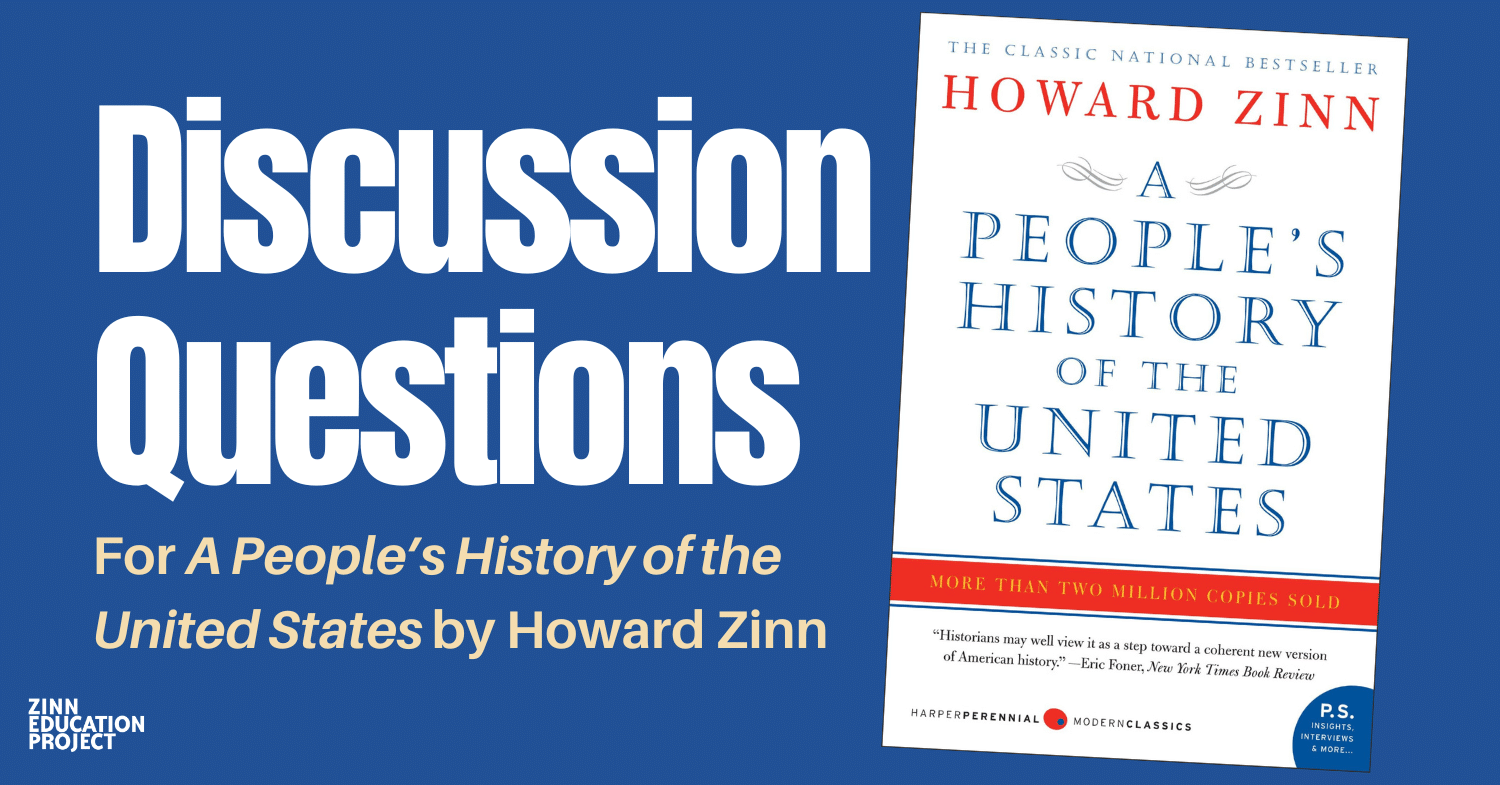
Questions and selected activities to accompany A People’s History of the United States by Howard Zinn.
Continue reading
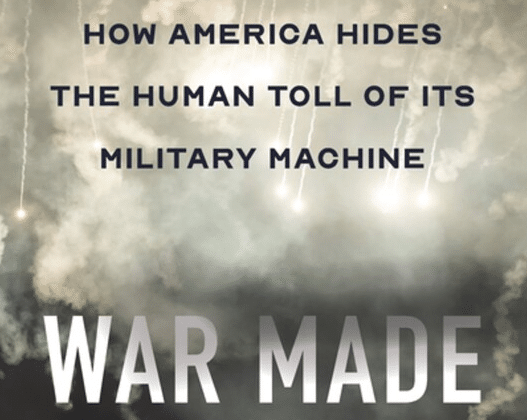
Book — Non-fiction. By Norman Solomon. 2023. 240 pages.
Too often, our curriculum “makes war invisible.” Too often, the ravages of U.S. militarism go unexamined in our classes. This fact-filled book insists: Teach about this; people’s lives depend on it.
Continue reading
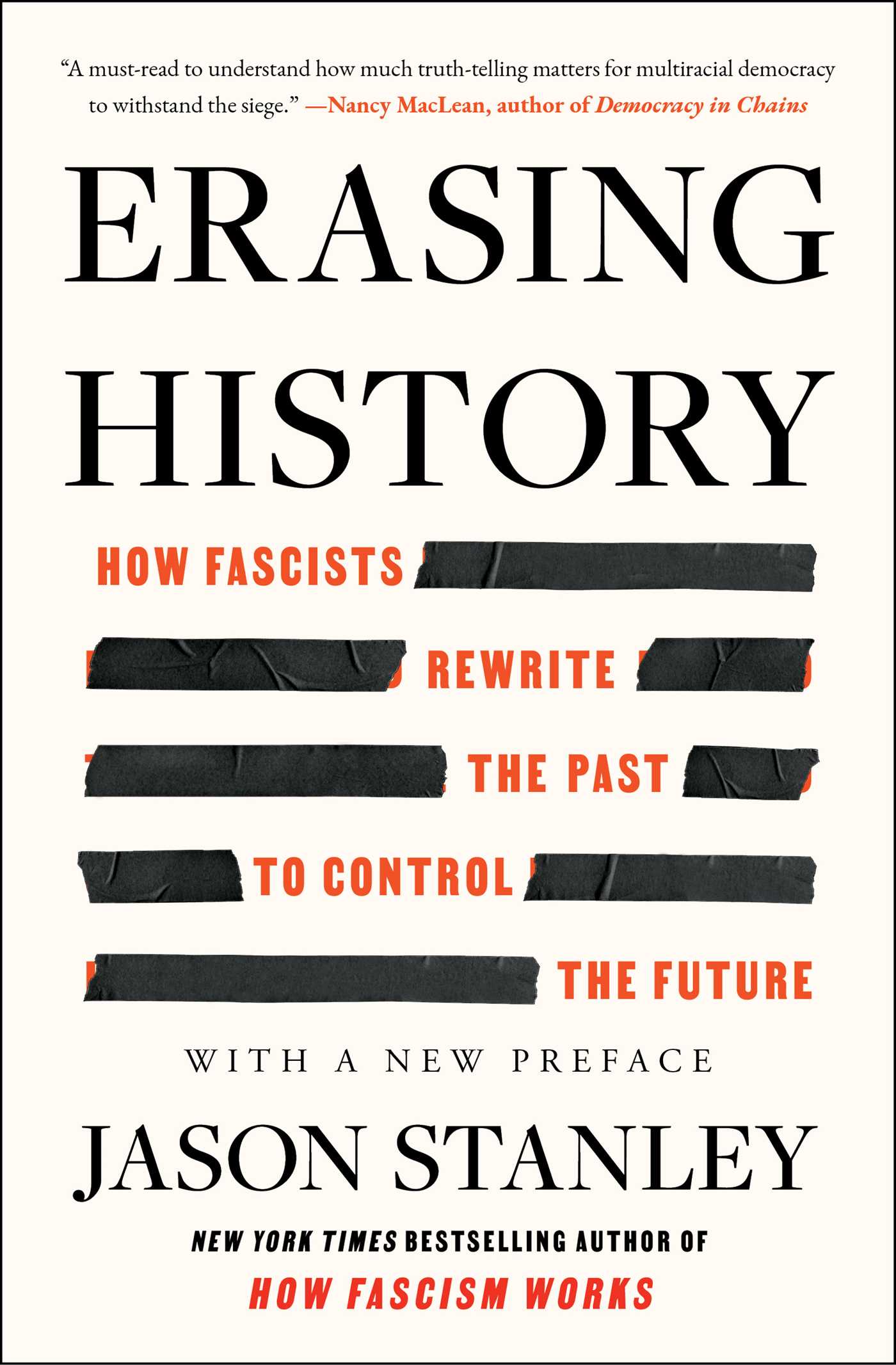
Book — Non-fiction. By Jason Stanley. 2026. 272 pages.
A global call to action for those who wish to preserve democracy — in the United States and abroad — before it is too late.
Continue reading
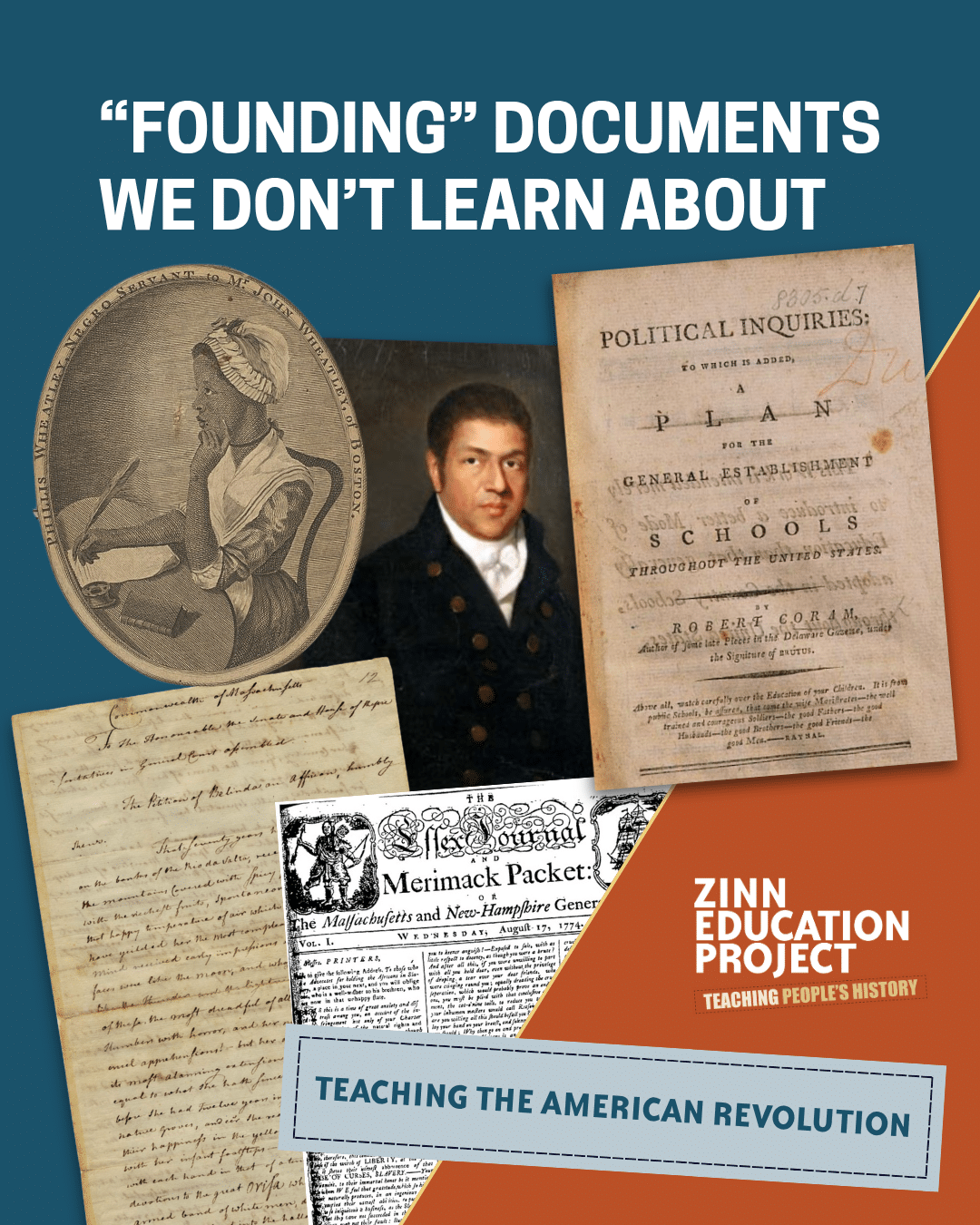
Teaching Activity. By Mimi Eisen. 2025. 51 pages.
A set of primary source documents and teaching activities reveal a profound cast of voices from the era of the American Revolution. None of them are “Founding Fathers.”
Continue reading
Teaching Activity. By Bill Bigelow. 2025. 36 pages.
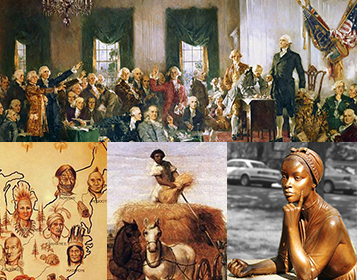
This is a unit with three lessons. The first invites students to think critically about key issues that confronted the framers of the Constitution — examining the perspectives not only of the elites attending the actual Constitutional Convention, but also of enslaved African Americans, poor white farmers, and white workers. The other two lessons are: The Constitutional Convention: Who Really Won? — with students exploring whose interests the Constitution advanced — and Federalist Paper #10: Suppressing “Wicked Projects,” a critical reading activity on James Madison's seminal defense of the Constitution.
Continue reading
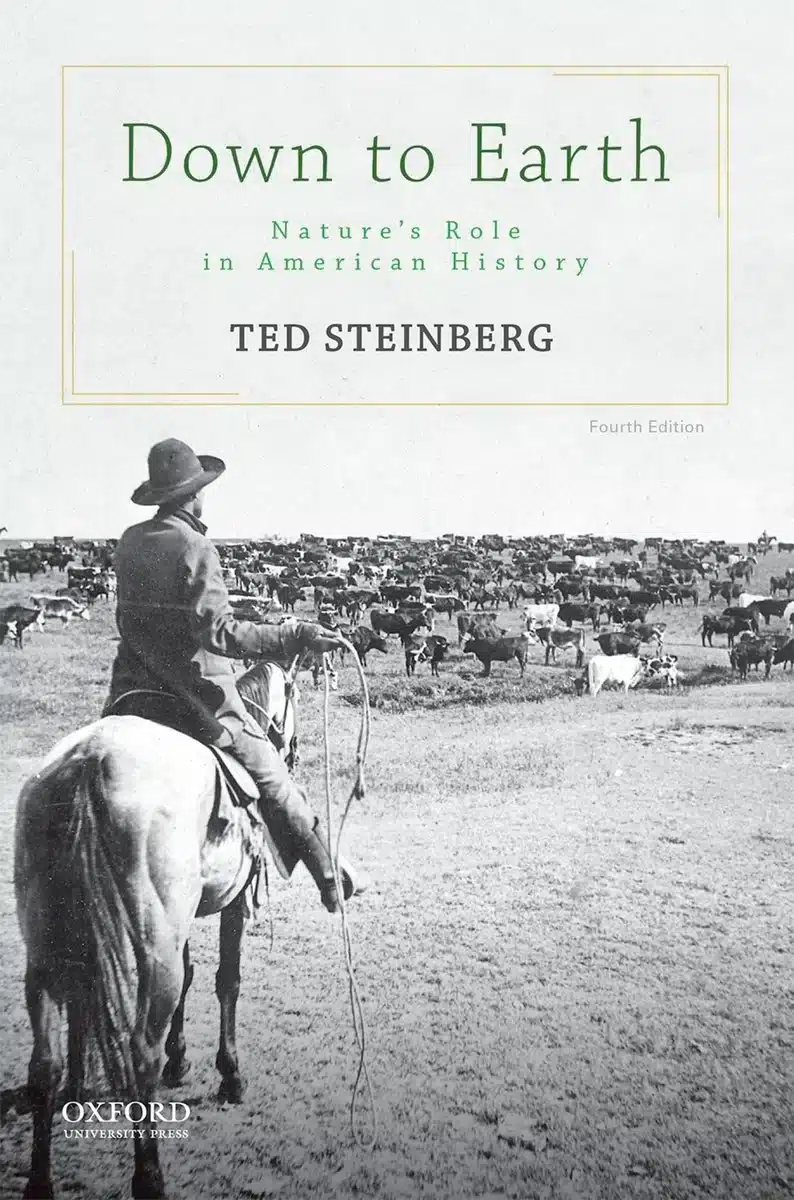
Book — Non-fiction. By Ted Steinberg. 2018. 370 pages.
A sweeping history of the United States — a history that places the environment at the very center of the narrative.
Continue reading
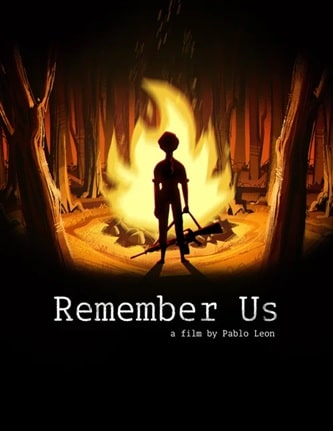
Short Film. By Pablo Leon. 2024. 14 minutes.
In this animated historical fiction film, a journalist documents the experiences of three people who lived through the tragic 12-year-long Salvadoran Civil War in the 1980s.
Continue reading
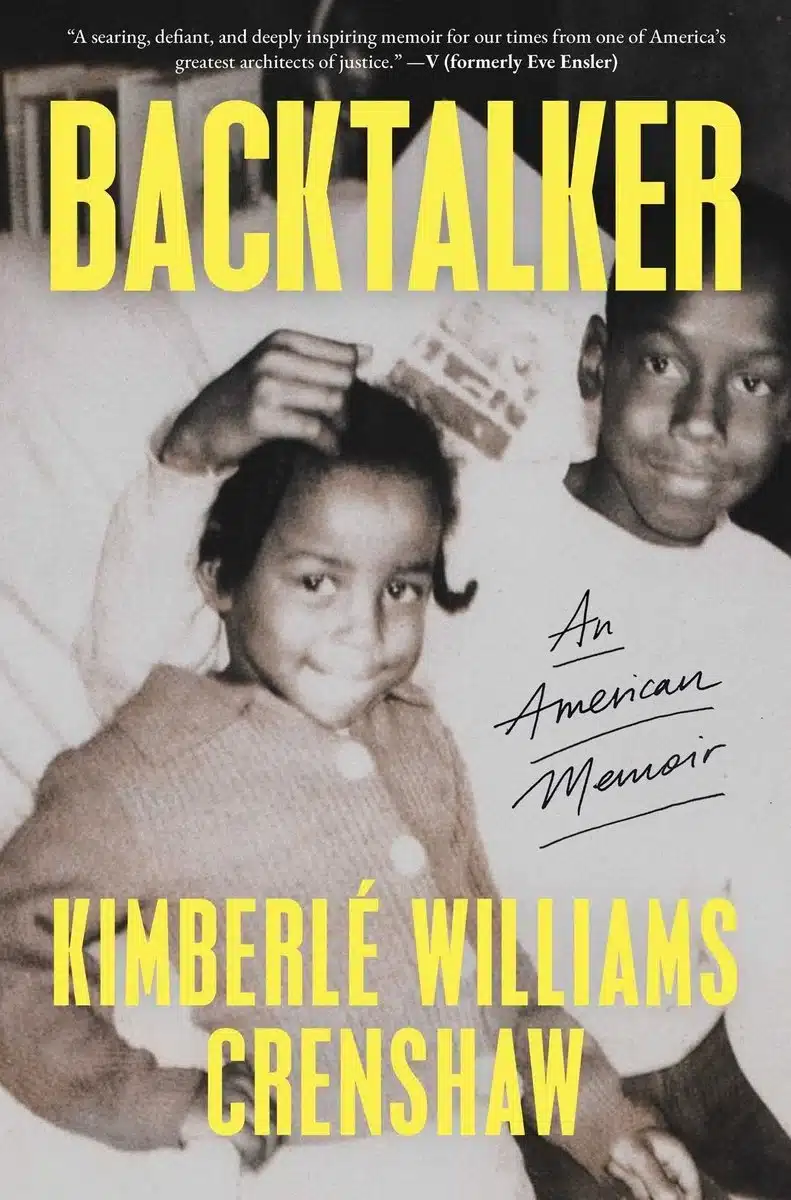
Book — Non-fiction. By Kimberlé Williams Crenshaw. 2026. 400 pages.
This memoir traces the way Crenshaw’s lived experiences led her to articulate the concepts of intersectionality and critical race theory.
Continue reading
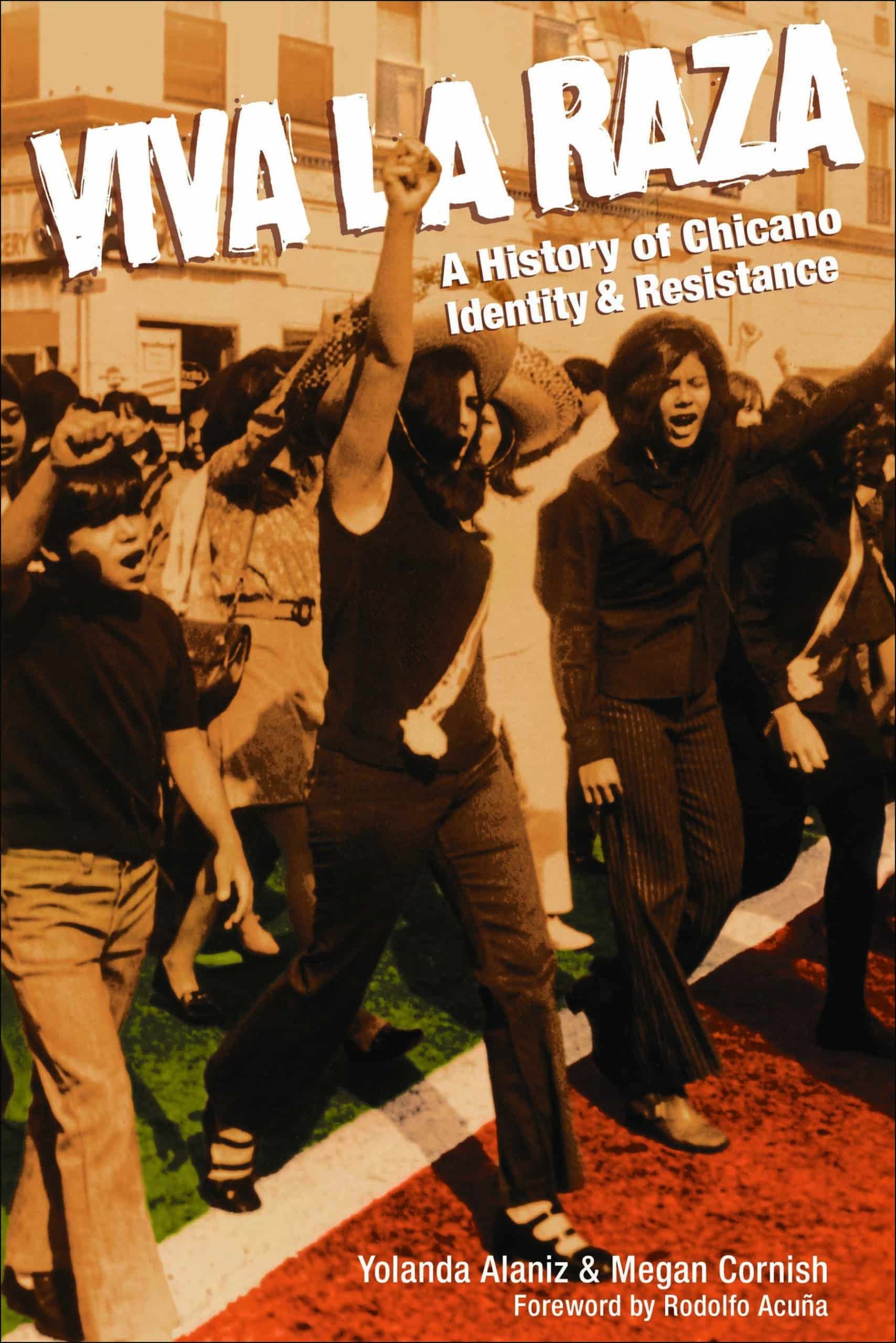
Book — Non-fiction. By by Yolanda Alaniz and Megan Cornish, with a foreword by Rodolfo Acuña. 2008. 368 pages.
A history of Chicana/o militancy, from the occupation of Northern Mexico to the 1990s.
Continue reading
Digital collection. This archive increases the accessibility of transgender history by providing an online hub for digitized historical materials, born-digital materials, and information on archival holdings throughout the world.
Continue reading