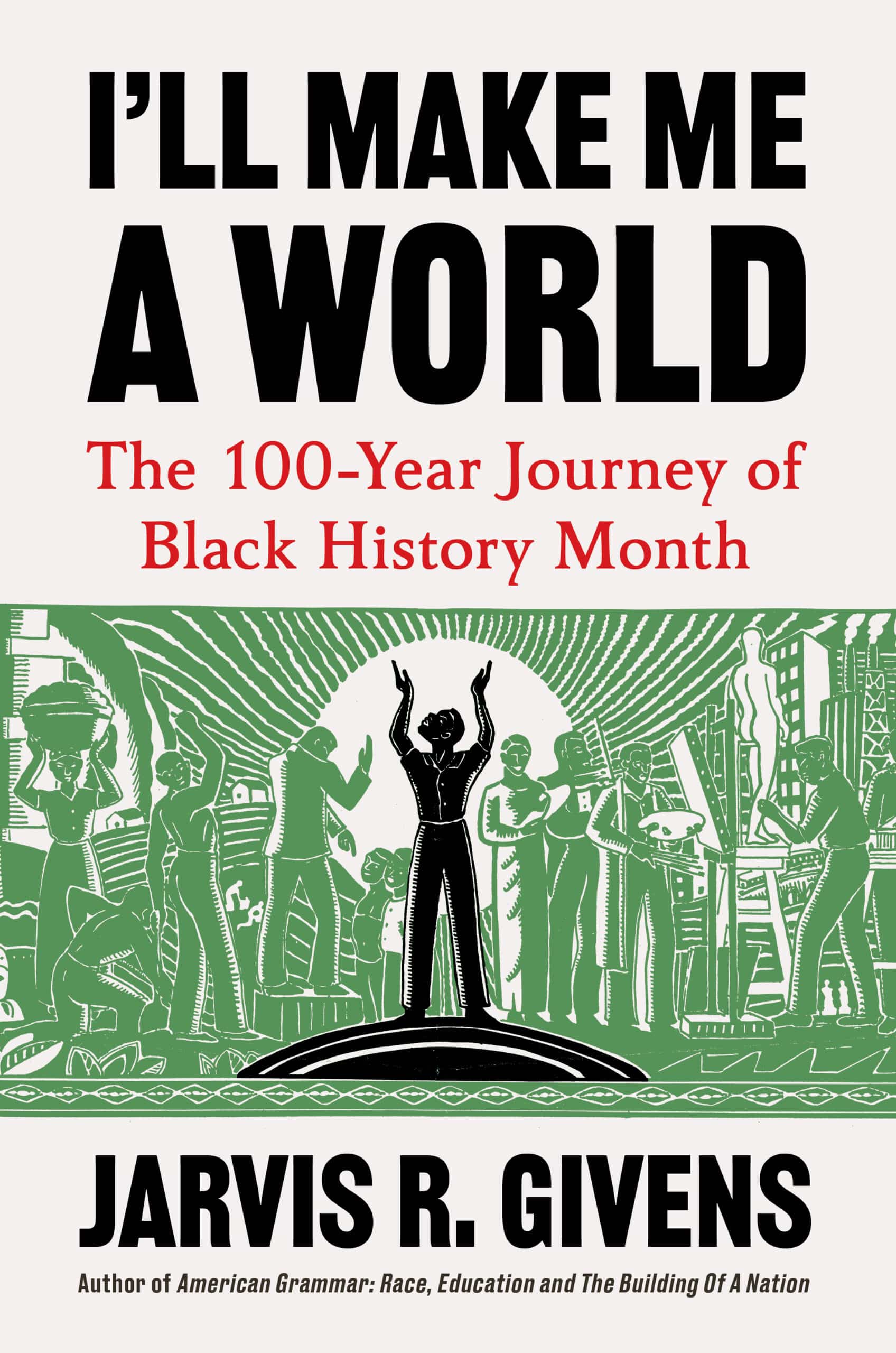
Book — Non-fiction. By Jarvis R. Givens. 2026. 208 pages.
At a time when Black history is under attack, this book offers an inspiring vision for how it can still be a source of power, truth, and possibility.
Continue reading
Book — Non-fiction. By Ray Raphael. Series editor: Howard Zinn. 2002. 528 pages.
Using hundreds of primary sources, this book tells the more accurate, populist, complicated, and interesting story of the American Revolution.
Continue reading
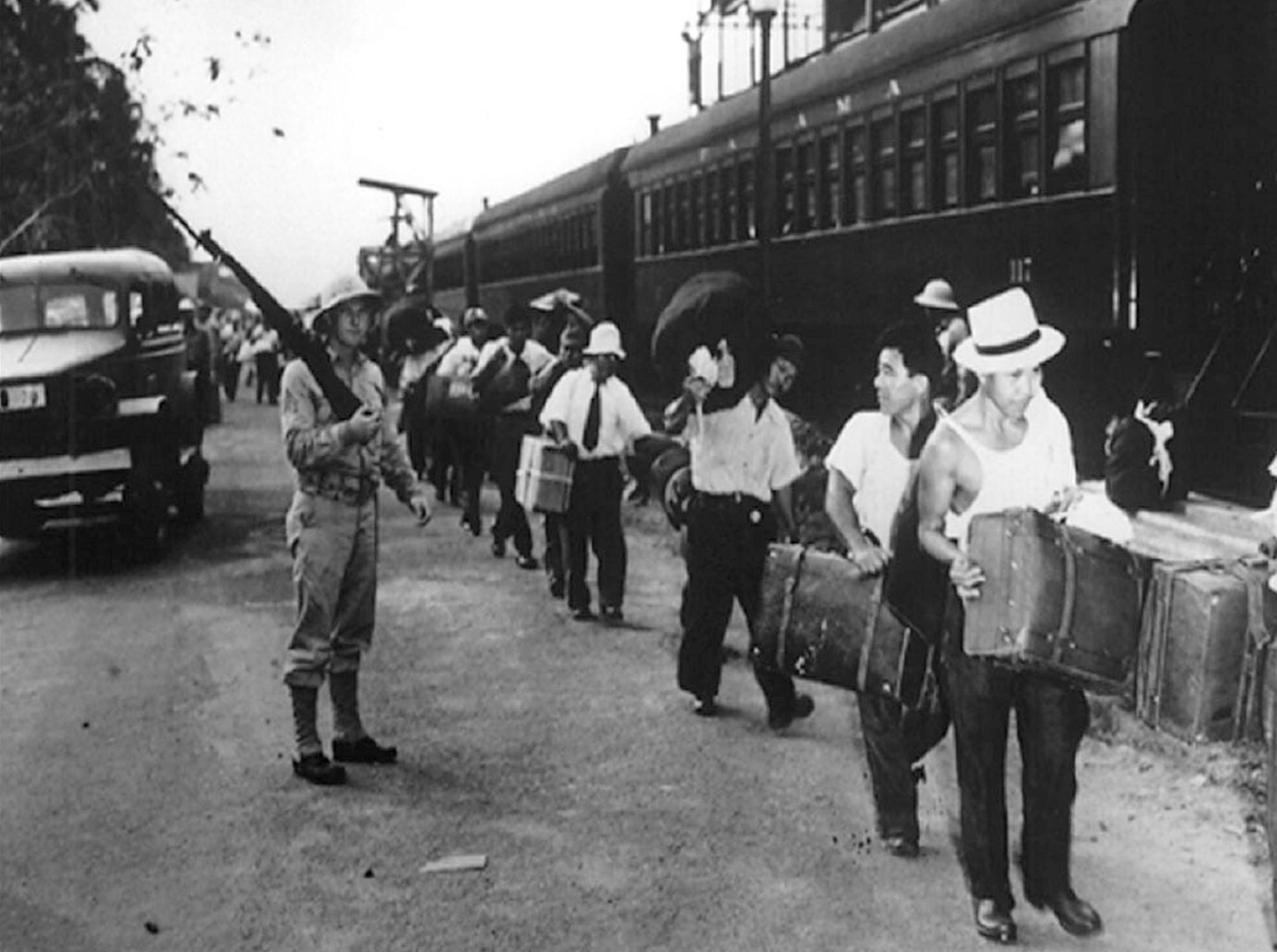
Teaching Activity. By Moé Yonamine. Rethinking Schools. 18 pages.
Poetry, photography, and text are used in this role play to teach about the seldom told history of Japanese Latin American incarceration during WWII.
Continue reading
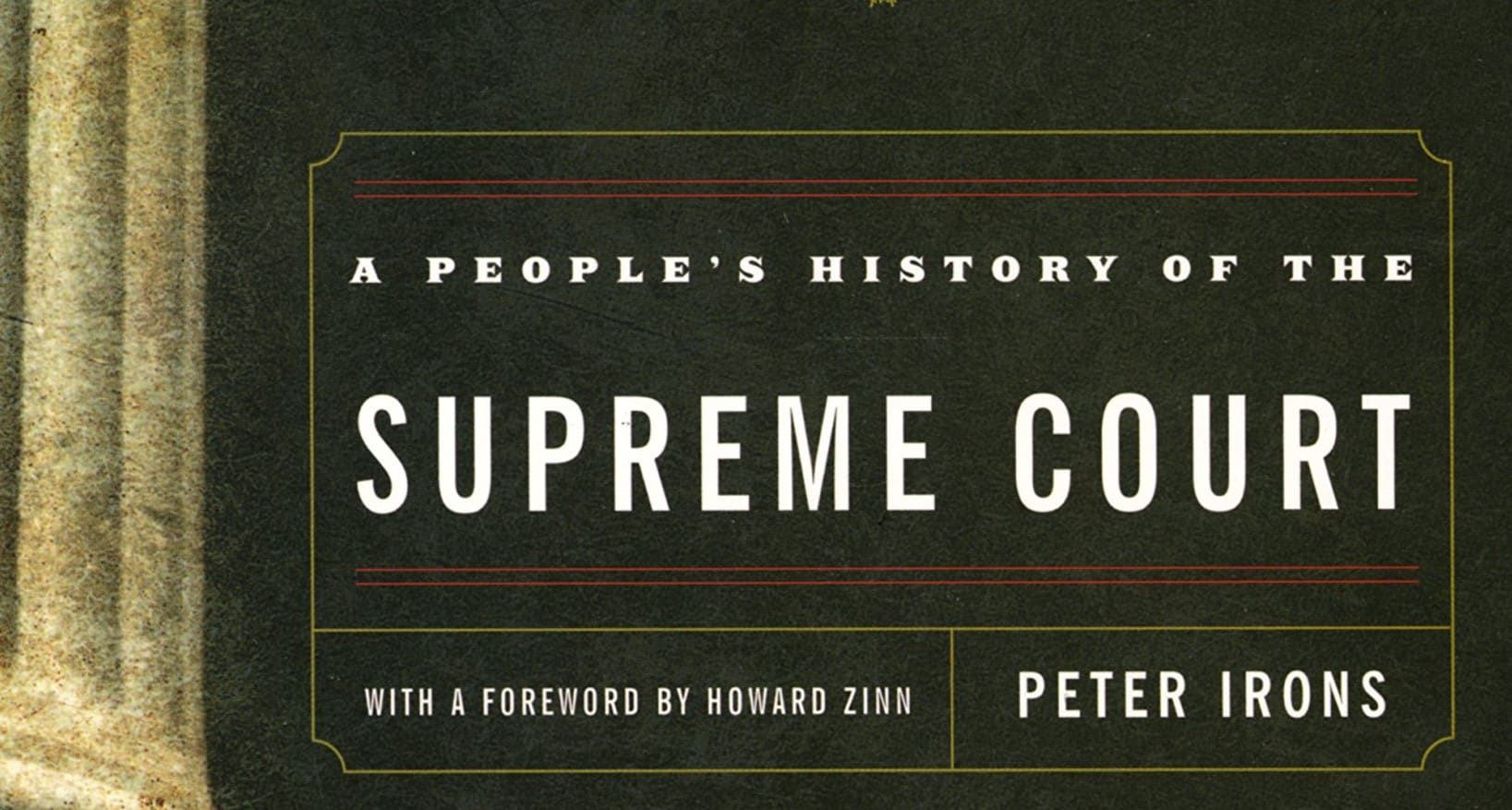
Book — Non-fiction. By Peter Irons. Foreword by Howard Zinn. 2006. 588 pages.
A detailed and critical history of the Supreme Court.
Continue reading
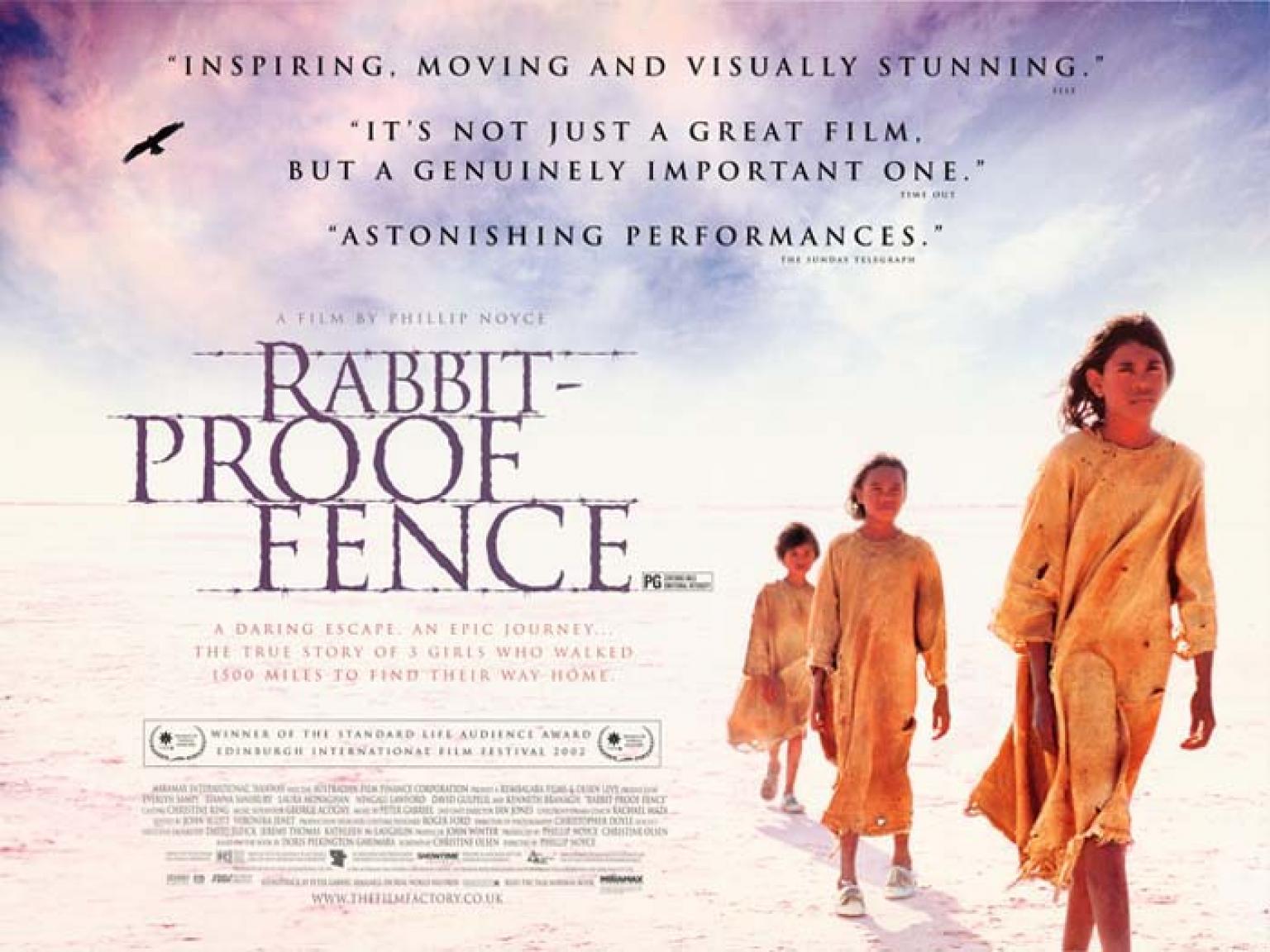
Film. Directed by Phillip Noyce. 2002. 79 minutes.
In 1931, three aboriginal girls escape after being plucked from their homes to be trained as domestic staff and set off on a journey across the Outback.
Continue reading
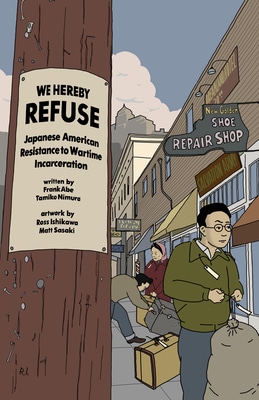
Book — Non-fiction. By Frank Abe and Tamiko Nimura; illustrated by Ross Ishikawa. 2021. 160 pages.
This graphic novel tells the story of Japanese American imprisonment during World War II, and the resistance and defiance that existed in these incarceration camps.
Continue reading
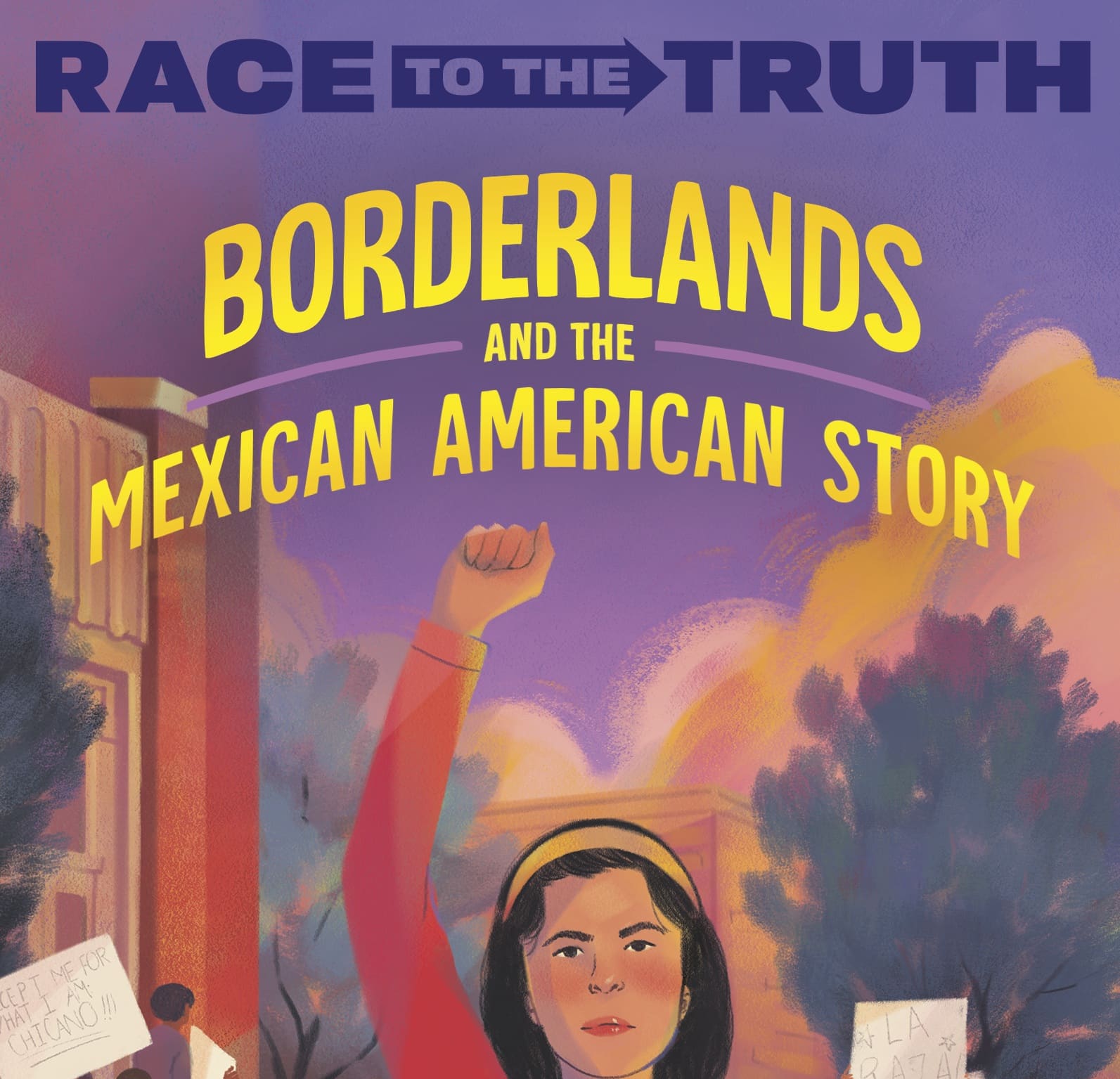
Book — Non-fiction. By David Dorado Romo. 352 pages.
From missions and the Alamo to muralists, revolutionaries, and teen activists, this is the true story of the Mexican American experience.
Continue reading
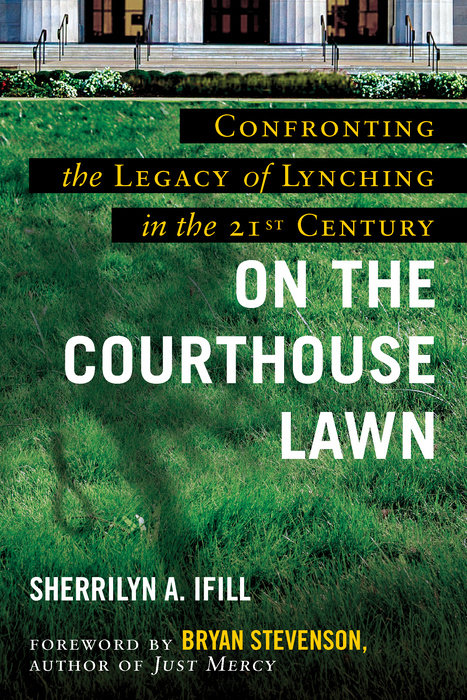
Book — Non-fiction. By Sherrilyn A. Ifill. 2018. 240 pages.
Examines the lynchings of Black Americans between 1890 and 1960 and the racial trauma still resounds across the country.
Continue reading
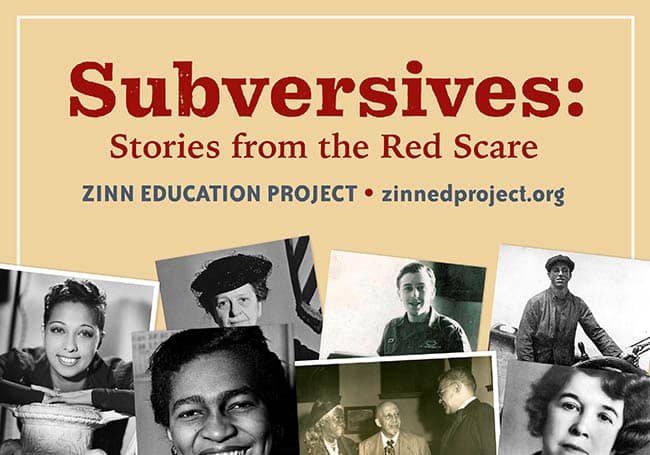
Digital collection. Explores the historical context and stories of individuals who have been targets of U.S. government surveillance during the 20th century.
Continue reading
Teaching Activity. By Ursula Wolfe-Rocca.
In this mixer lesson, students meet 27 different targets of government harassment and repression to analyze why disparate individuals might have become targets of the same campaign, determining what kind of threat they posed in the view of the U.S. government.
Continue reading
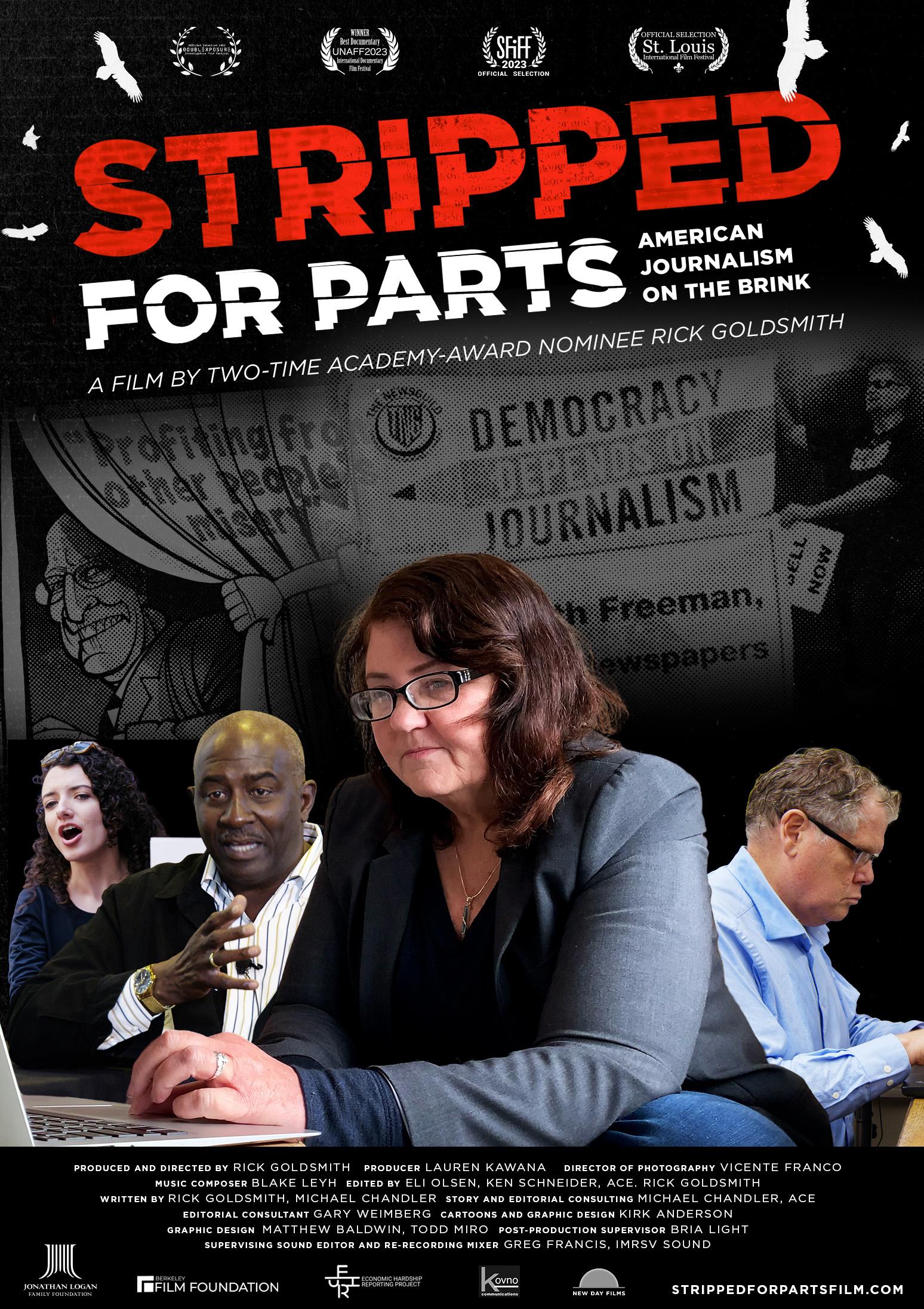
Film. Directed by Rick Goldsmith. 2025. 87 minutes.
The story of a secretive hedge fund that is plundering what is left of newspapers in the United States, and the journalists who are fighting back.
Continue reading
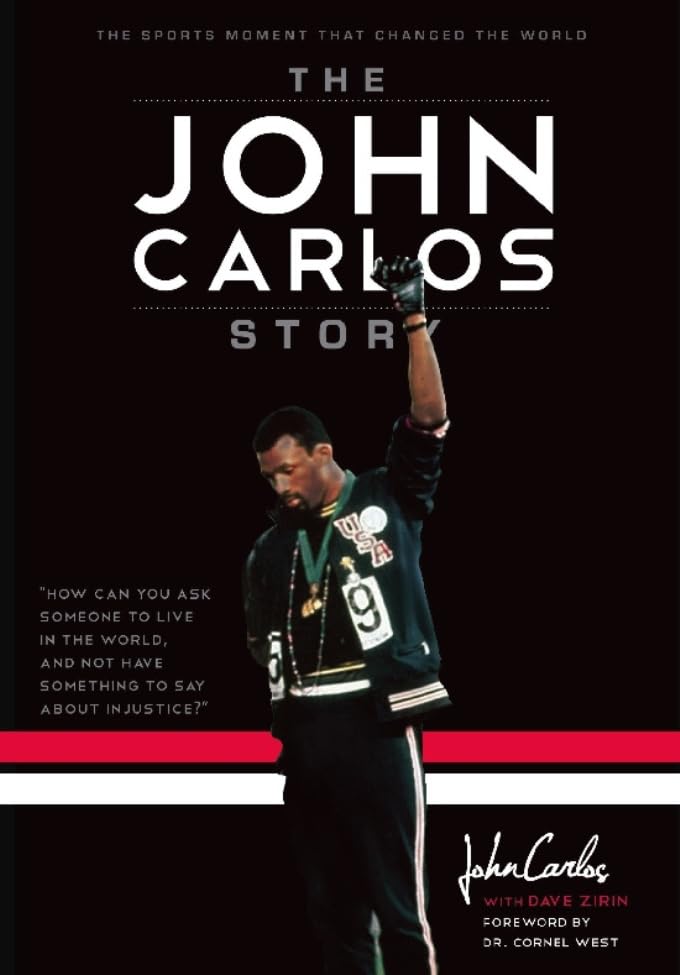
Book — Non-fiction. By John Carlos and Dave Zirin. Foreword by Cornel West. 2011. 220 pages.
Written for grades 7+, this biography of John Carlos recounts his childhood, his legendary act of courage at the '68 Olympics, and the backlash.
Continue reading
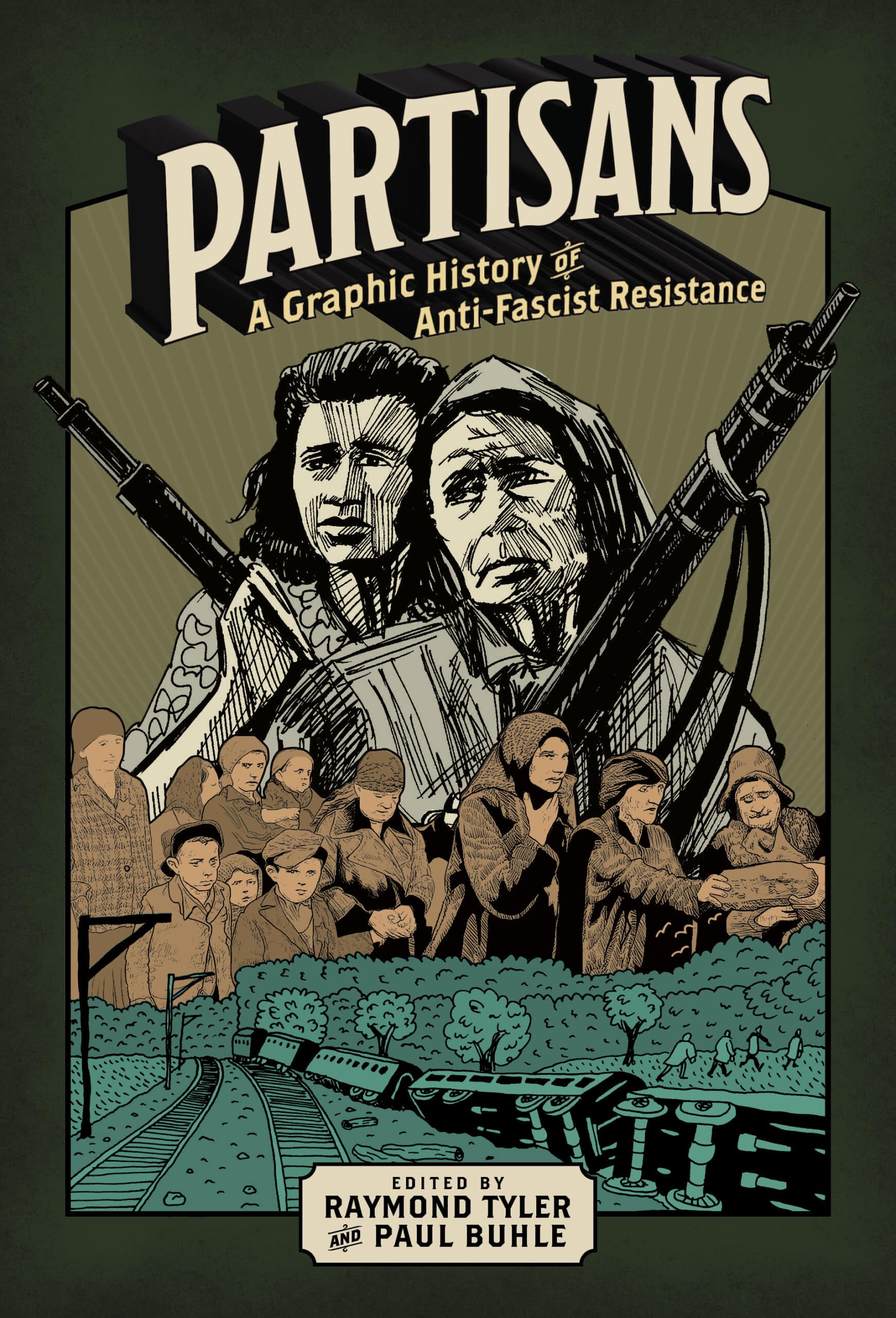
Book — Historical non-fiction. By Paul Buhle and Raymond Tyler. 2025. 96 pages.
Through vivid illustrations and compelling narratives, Partisans brings to life the struggles and triumphs of those who resisted fascism.
Continue reading
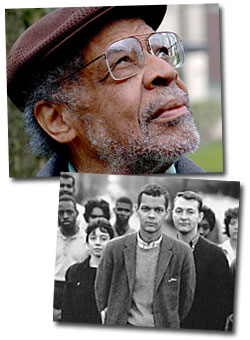
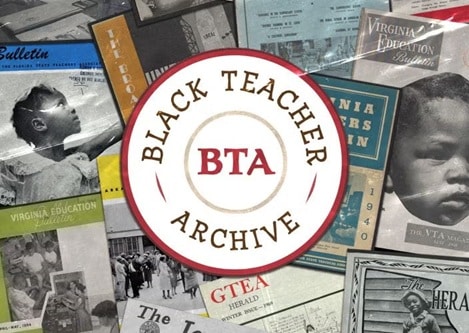
Digital collection. Intellectual, political, and cultural contributions of Black educators during the Jim Crow era through the Civil Rights era.
Continue reading
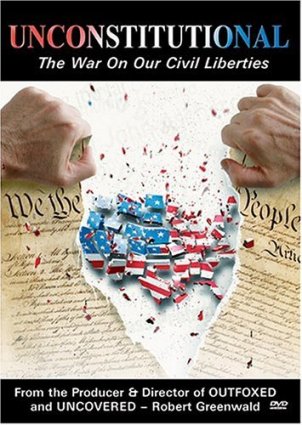
Film. By Nonny de la Peña. 2004. 69 minutes.
A documentary that investigates the ways in which the civil liberties of U.S. citizens and immigrants have been rolled back since 9/11/2001 and the passage of the Patriot Act.
Continue reading
Book — Non-fiction. By Kelly Lytle Hernández. 2022. 384 pages.
Taking readers to the frontlines of the magonista uprising and the counterinsurgency campaign that failed to stop them, Kelly Lytle Hernández puts the magonista revolt at the heart of U.S. history.
Continue reading
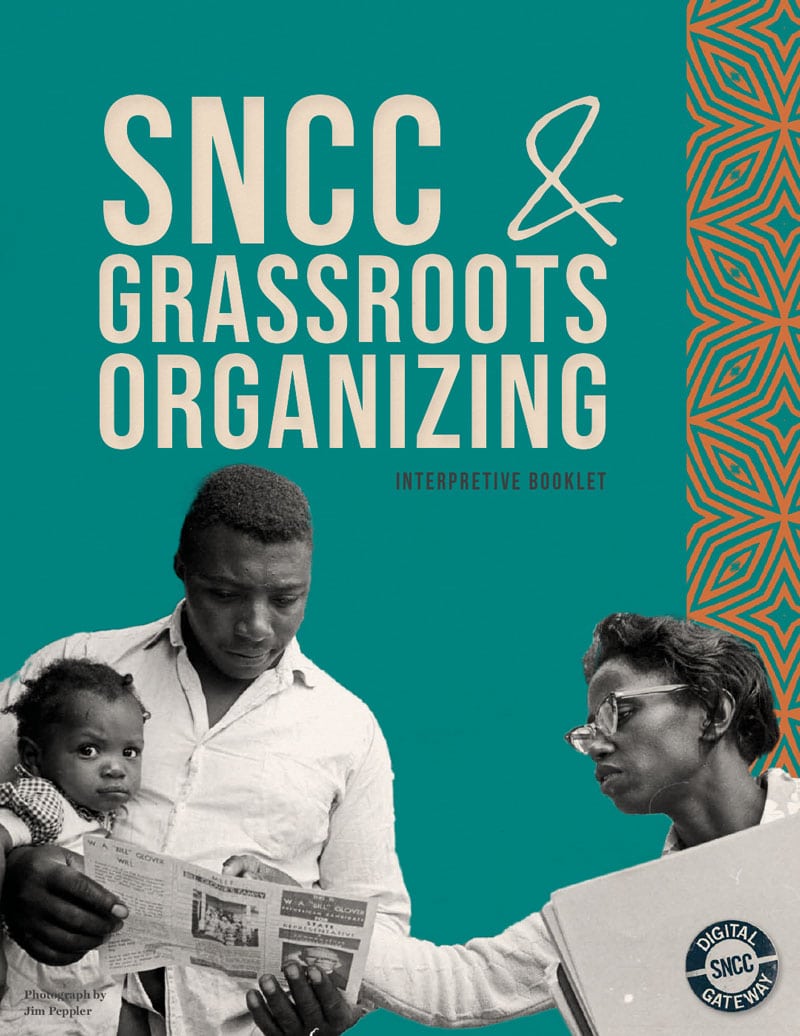
Teaching Guides. By the SNCC Legacy Project. 2025.
Six toolkits that are free to download, each with primary documents, narrative history, photos, and discussion questions.
Continue reading
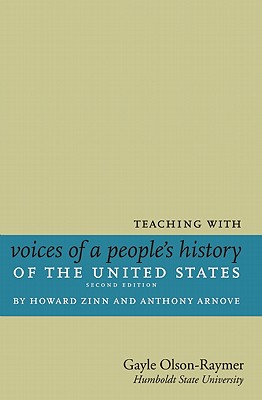
Teaching Activity. By Jack Bareilles.
Questions and teaching ideas for Chapter 19 of Voices of a People's History of the United States on the emergence and legacy of the 1960s counterculture, as well as the movements it helped create.
Continue reading
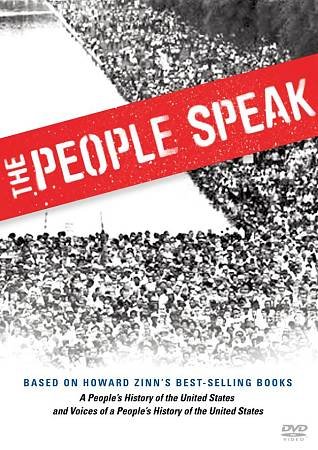
Film. Directed by Howard Zinn, Chris Moore, and Anthony Arnove. 2009. 110 minutes.
Dramatic readings and performances based on Voices of a People's History and A People's History of the United States.
Continue reading
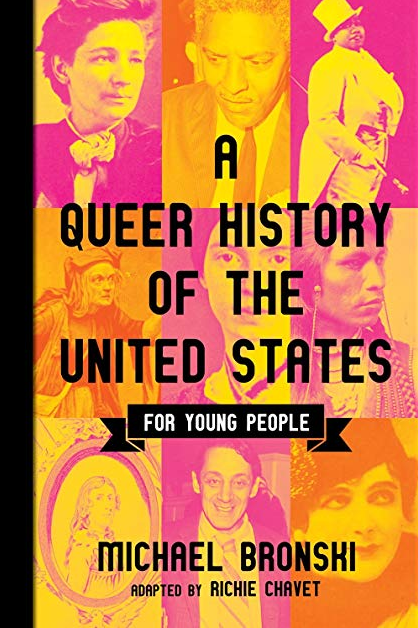
Book — Non-fiction. By Michael Bronski, adapted for by Richie Chevat. 2019. 336 pages.
A young adult readers edition of the original text explores the history of LGBTQ+ experiences in the U.S. since 1500.
Continue reading
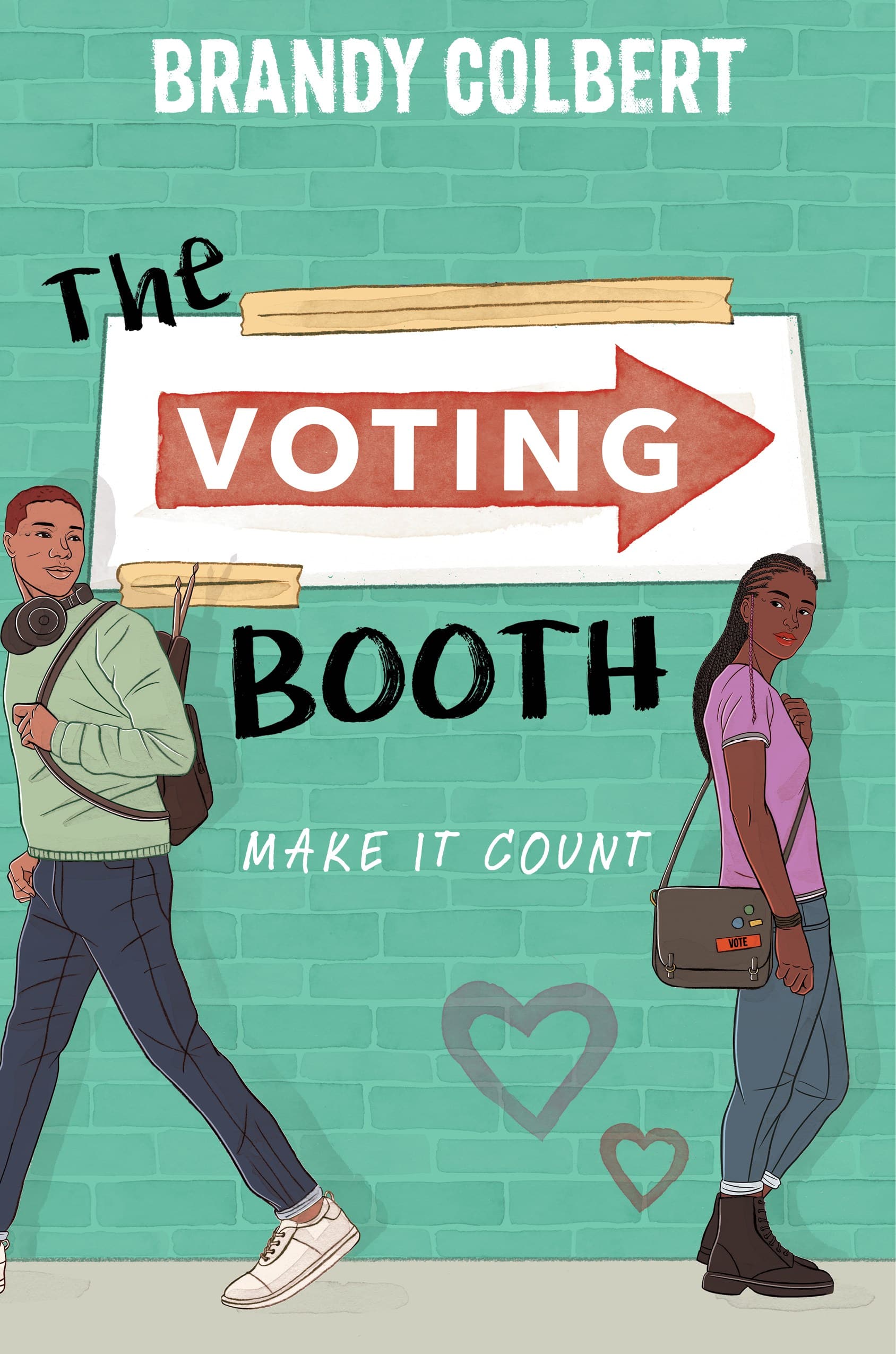
Book — Fiction. By Brandy Colbert. 2020. 304 pages.
A novel for high school students that centers on voting rights — weaving in a myriad of voter suppression tactics and the importance of everyone playing a role in fighting for the right to vote.
Continue reading
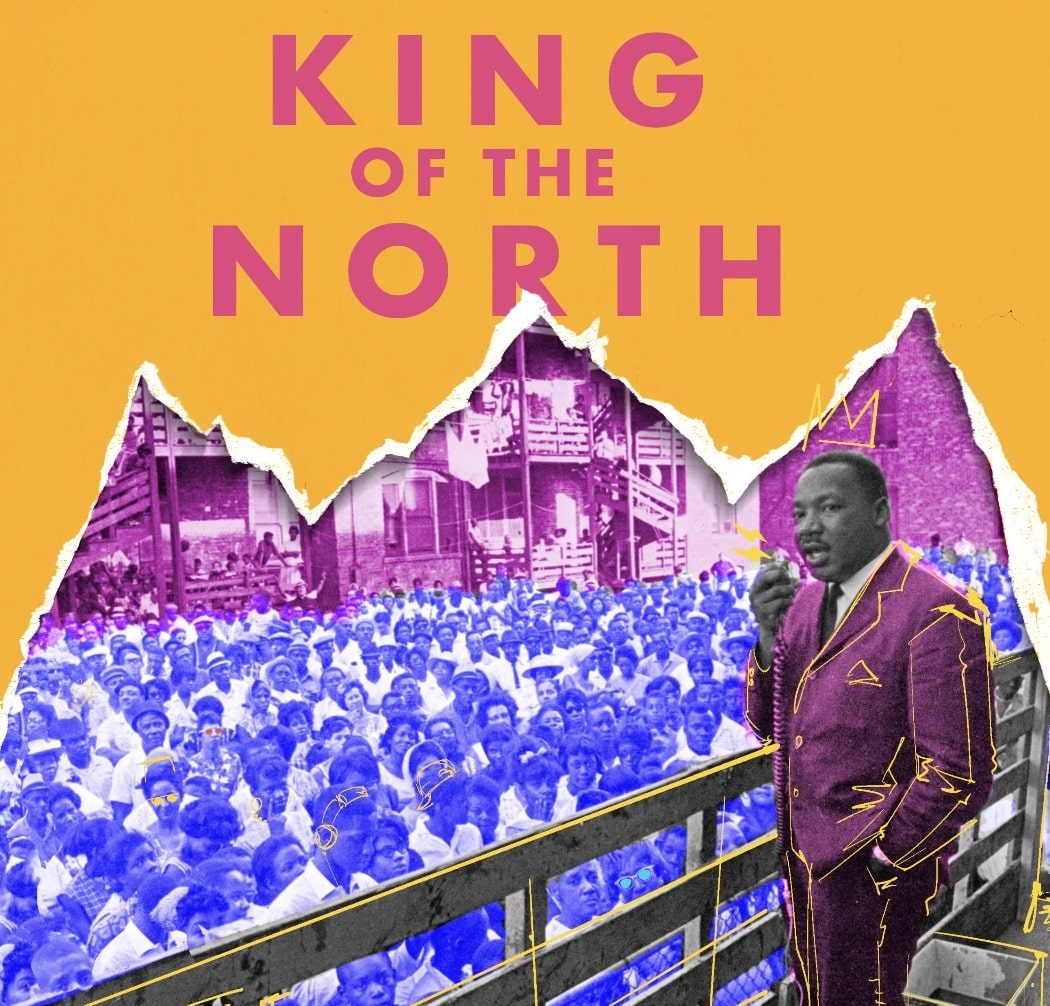
Book — Non-fiction. 2025. By Jeanne Theoharis. 400 pages.
Illustrates how King’s time in Boston, New York, Los Angeles, and Chicago — outside Dixie — was at the heart of his campaign for racial justice.
Continue reading
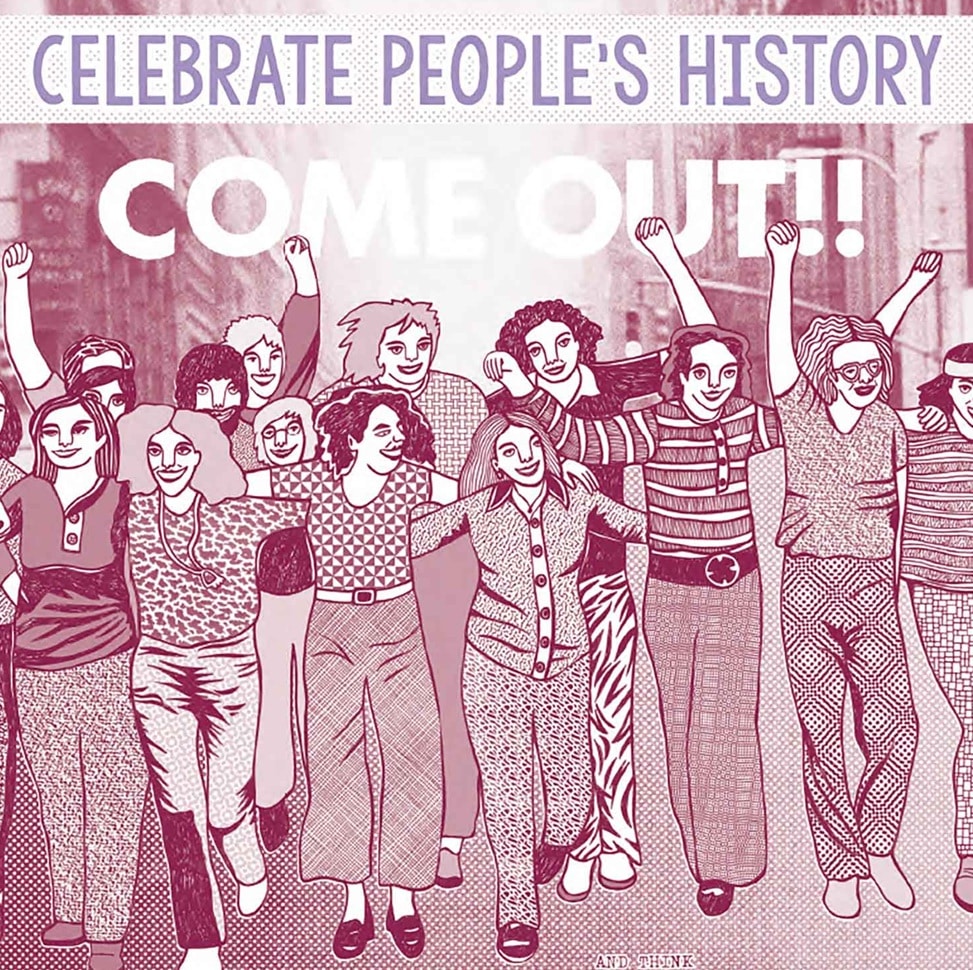
Teaching Activity. By Nick Palazzolo. Rethinking Schools. 2025. 74 pages.
A dilemma-based, problem-solving lesson on the history of the fight for queer liberation in the United States.
Continue reading
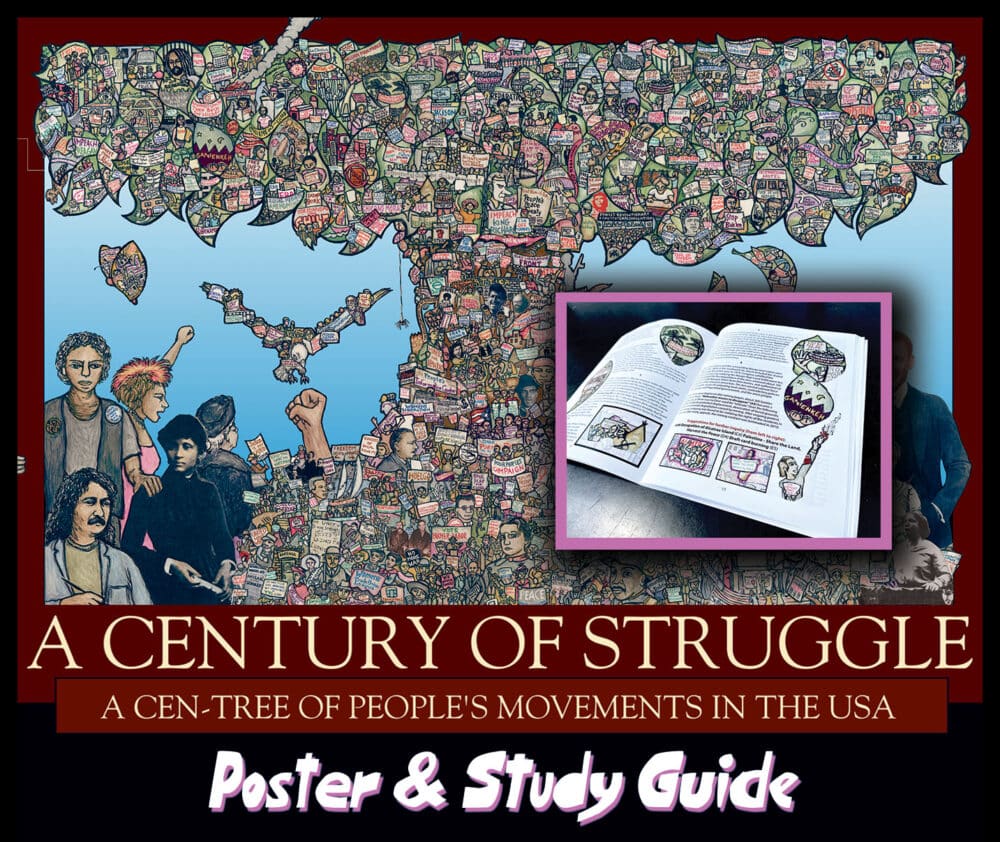
Poster. By Ricardo Levins Morales and Janna Schneider, with a Companion Guide by Jennings Mergenthal and Jaime Hokanson. 2025. 50 pages.
Chronicles U.S. social justice struggles, groups, activists, campaigns, slogans, publications, and events from 1900–2000.
Continue reading
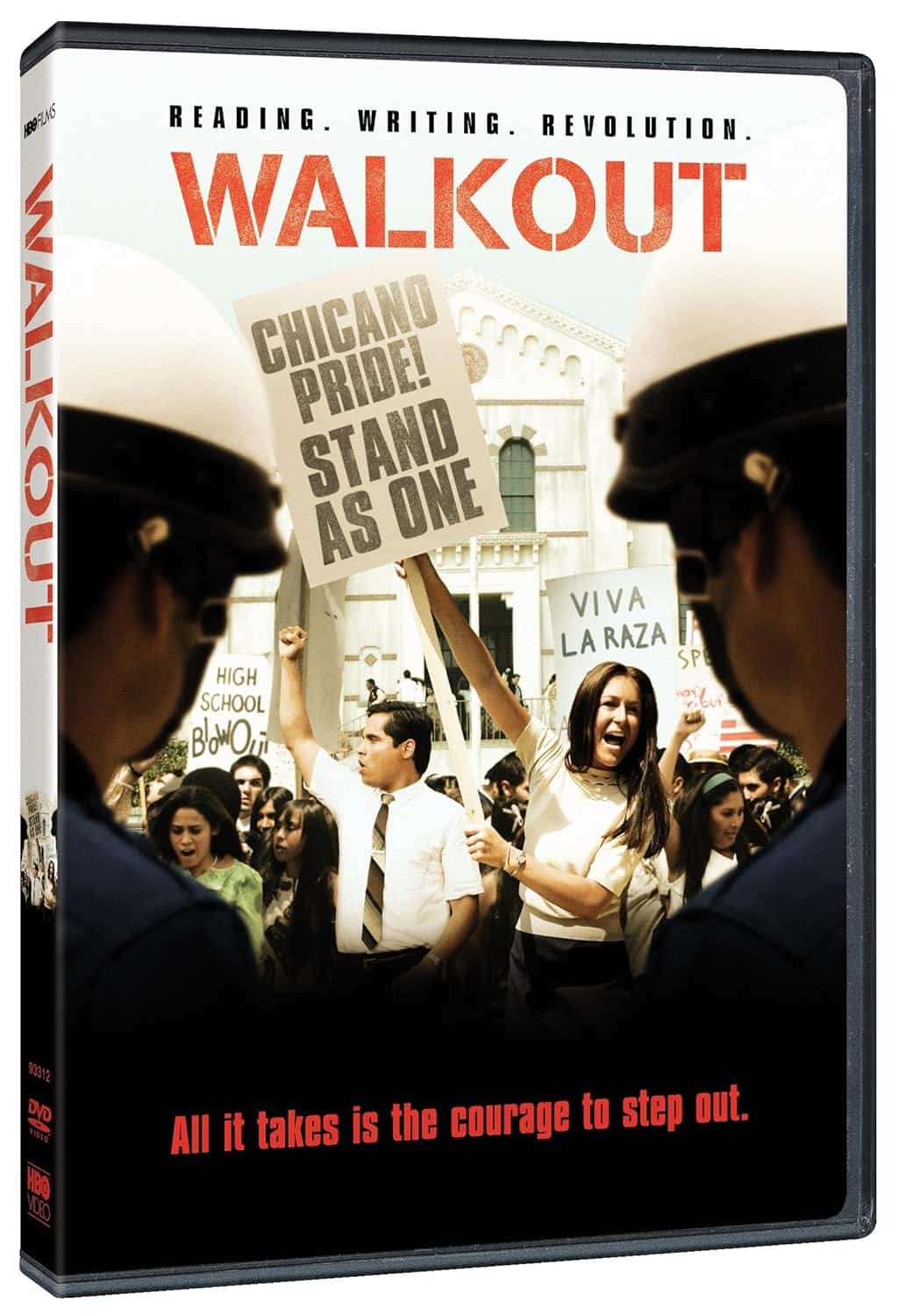
Film. Produced by Moctesuma Esparza. 2006. 111 minutes.
Walkout tells the true story of the Chicano students of East L.A., who in 1968 staged several dramatic walkouts in their high schools to protest academic prejudice and dire school conditions.
Continue reading