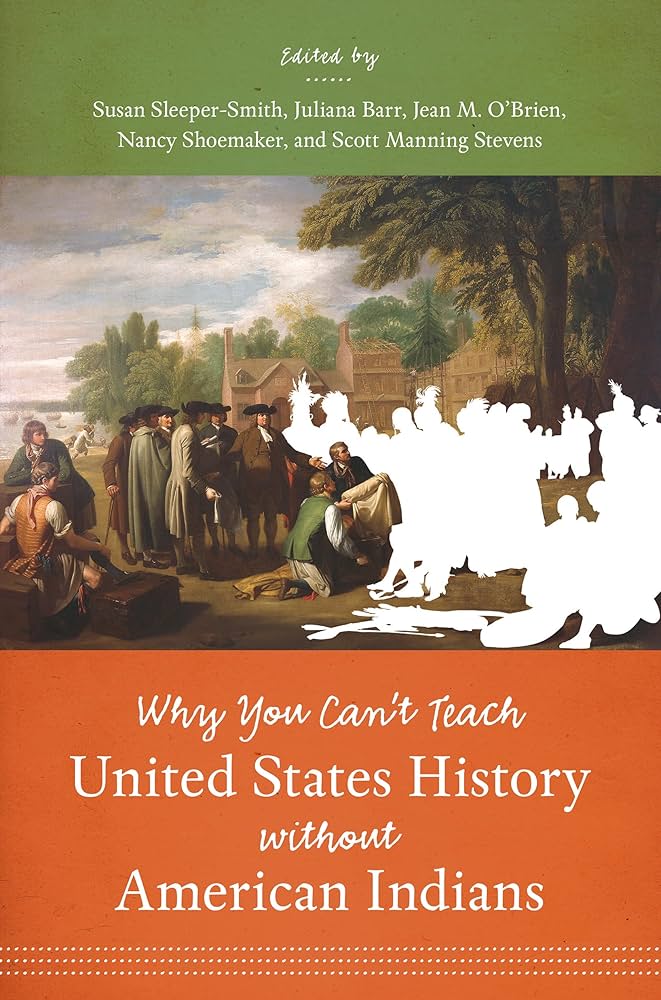
Book — Non-fiction. Edited by Susan Sleeper-Smith, Juliana Barr, Jean M. O’Brien, Nancy Shoemaker, and Scott Manning Stevens. 2015. 352 pages.
Written by leading scholars in the field of Native American history, these essays reflect the newest directions of the field and are organized to follow the chronological arc of the standard U.S. history survey.
Continue reading
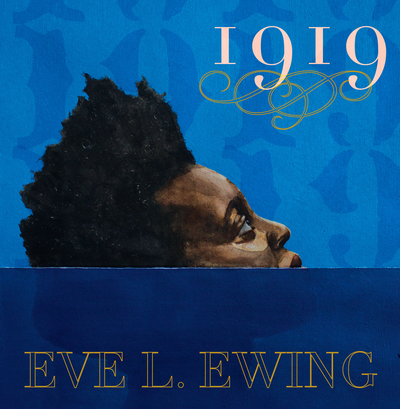
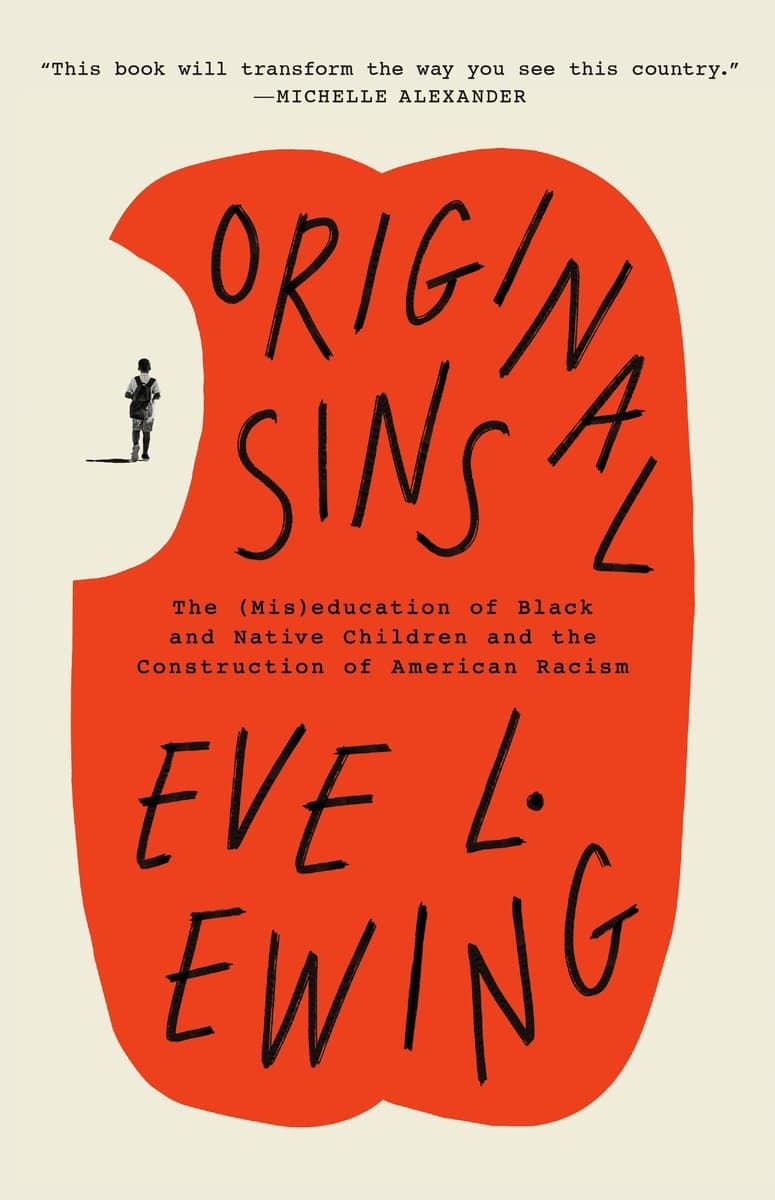
Book — Non-fiction. By Eve L. Ewing. 2019. 96 pages.
Poetic reflections on the Chicago Race Riots of 1919 — part of 'Red Summer' — in a history told through Ewing's speculative and Afrofuturist lenses.
Continue reading
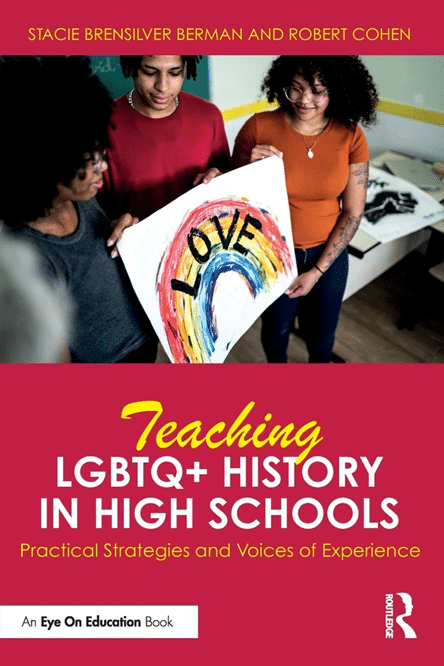
Book — Non-fiction. By Stacie Brensilver Berman and Robert Cohen. 2025. 250 pages.
Insights, concrete strategies, and lesson plans for teaching LGBTQ+ history in high schools.
Continue reading
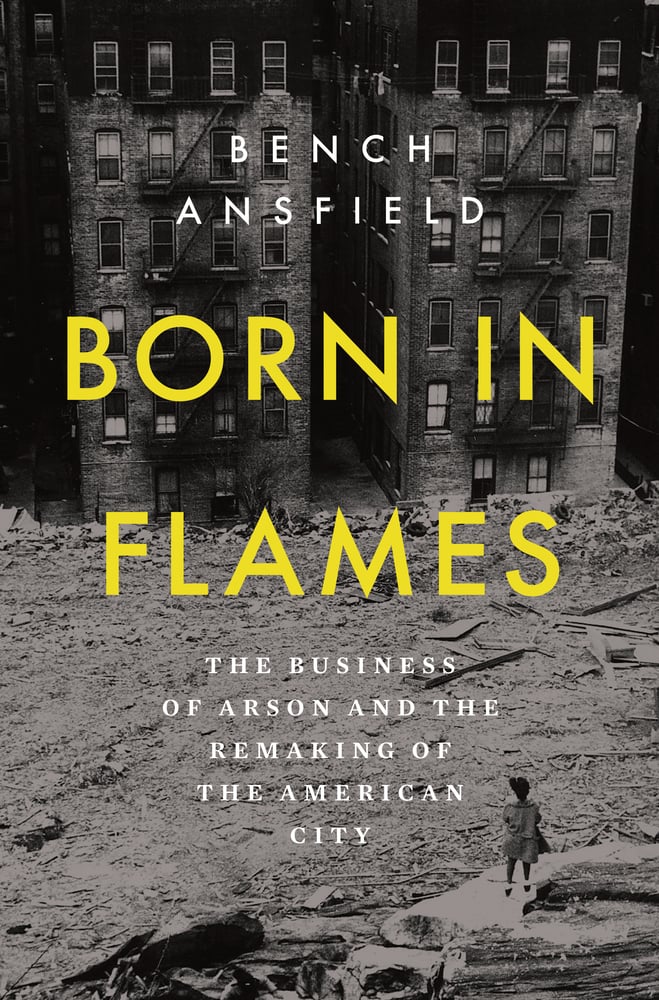
Book — Non-fiction. 2025. By Bench Ansfield. 368 pages.
Examines the arson wave that hit the Bronx and other U.S. cities in the 1970s — and its legacy today.
Continue reading
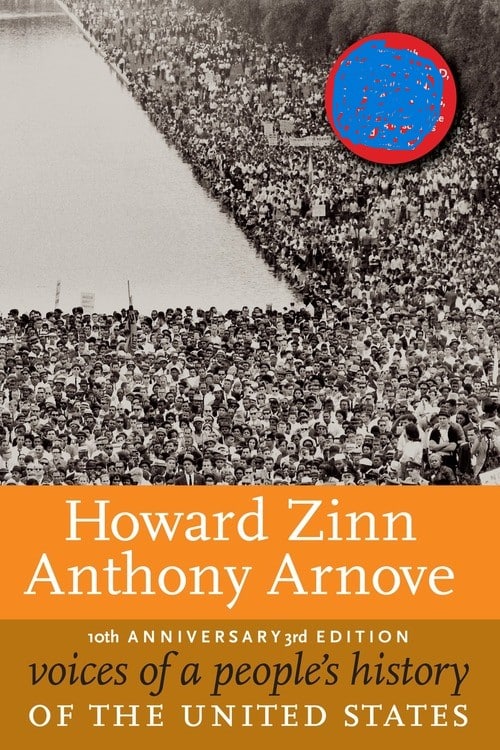
Book — Non-fiction. Edited by Howard Zinn and Anthony Arnove. 2014. 704 pages.
Speeches, letters, poems, and songs for each chapter of A People’s History of the United States.
Continue reading
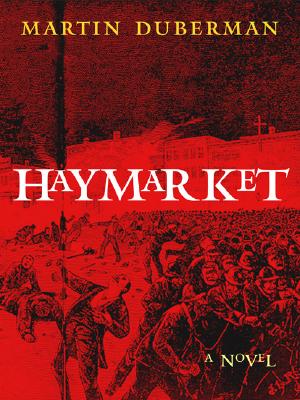
Book — Fiction. By Martin Duberman. 2005. 330 pages.
Historical novel for high school and adults on the Haymarket struggle.
Continue reading
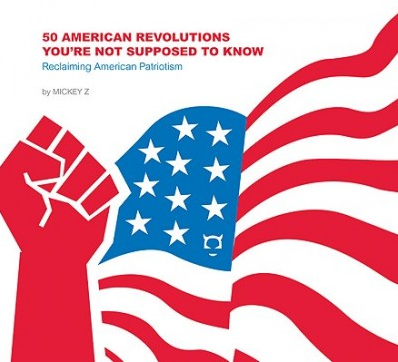
Book — Non-fiction. By Mickey Z. 2005. 128 pages.
A pocket-sized collection of stories about dissent throughout U.S. history.
Continue reading
Book — Non-fiction. By Mariah Blake. 2025. 320 pages.
An investigation of the chemical industry’s decades-long campaign to hide the dangers of forever chemicals, told through the story of a small town on the frontlines of an epic public health crisis.
Continue reading
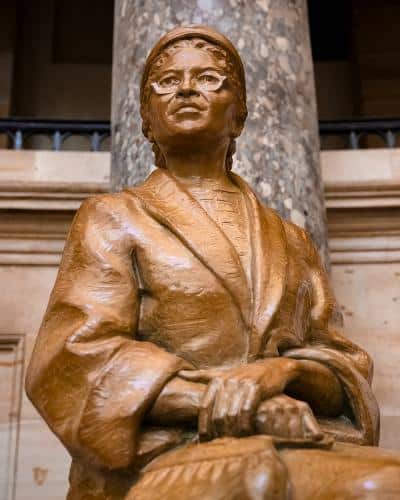
This lesson by Cierra Kaler-Jones invites students to consider how Rosa Parks’ legacy is memorialized by critically examining her statue at the U.S. Capitol. Students learn the fuller story of Rosa Parks’ life and use that information to determine how they would memorialize her legacy.
Continue reading
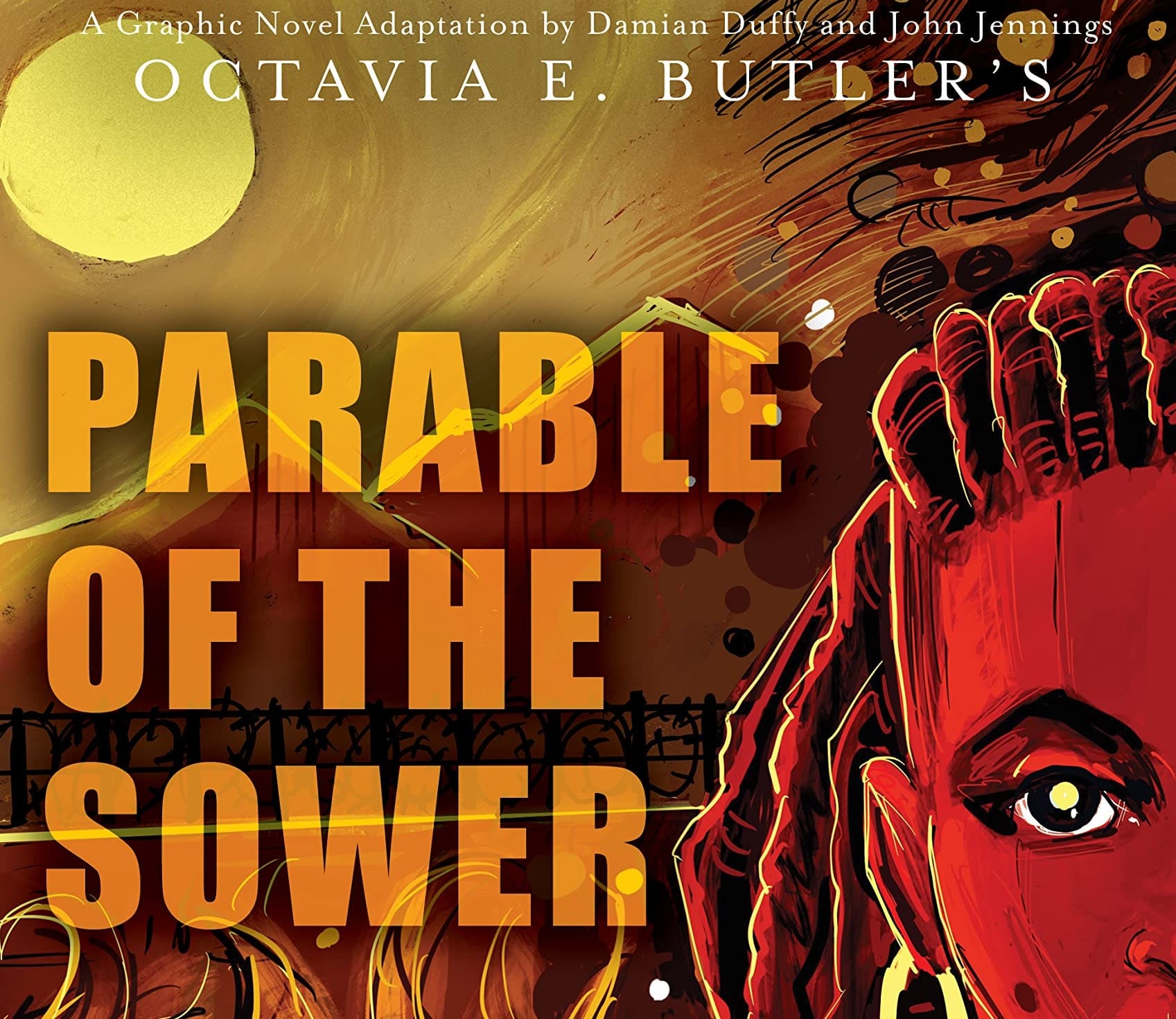
Book — Fiction. By Octavia E. Butler, adapted by Damian Duffy and illustrated by John Jennings. 2021. 288 pages.
A graphic novel adaptation of Octavia E. Butler’s dystopian novel about unattended environmental and economic crises.
Continue reading
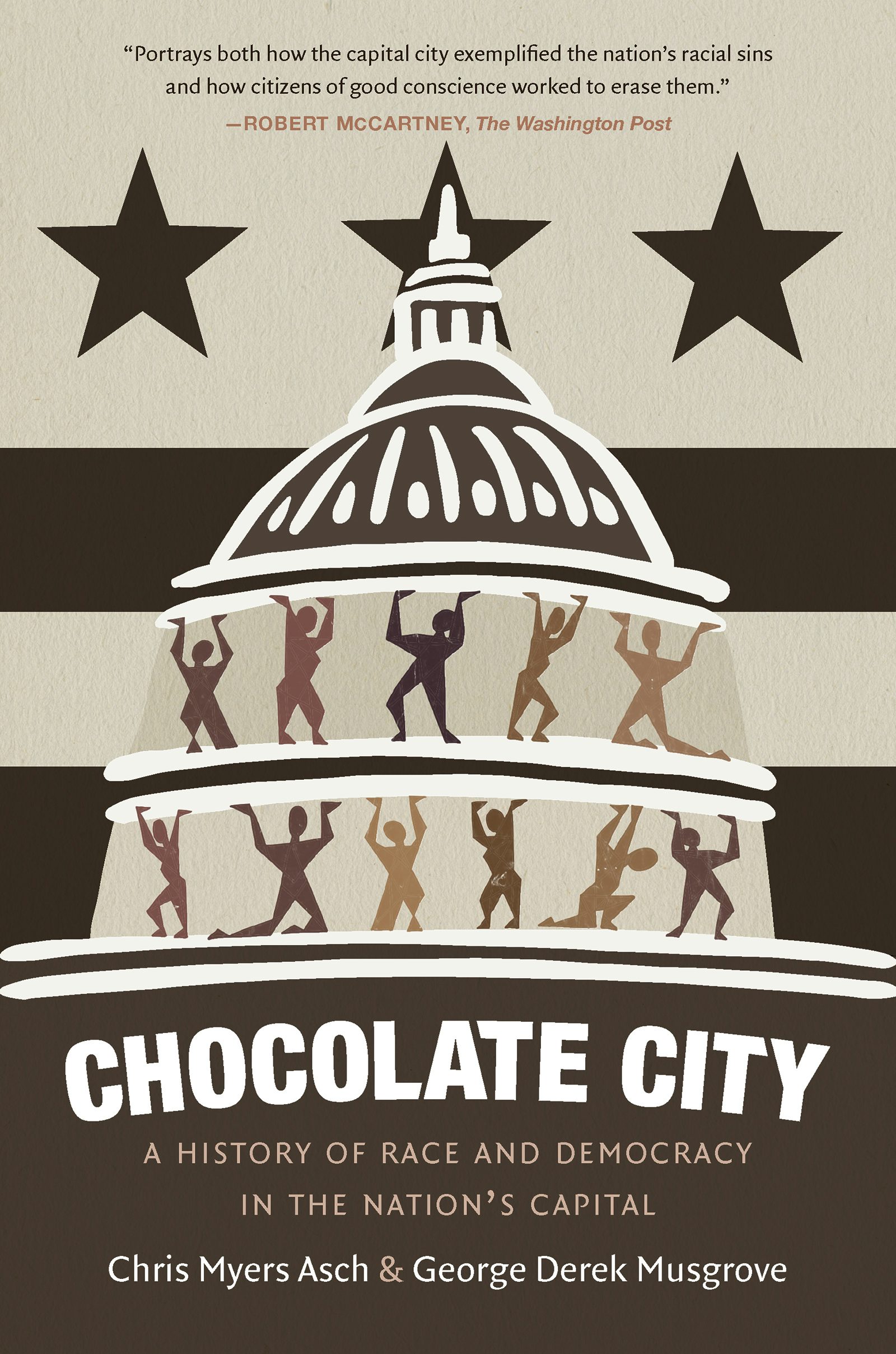
Book — Non-fiction. By Chris Myers Asch and George Derek Musgrove. 2019. 624 pages.
Tells the tumultuous, four-century story of race and democracy in our nation’s capital.
Continue reading
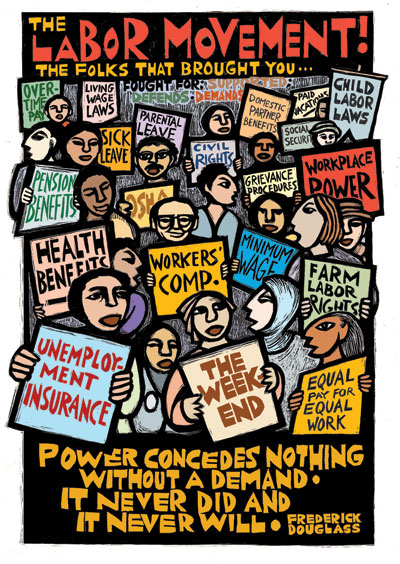
Teaching Activity. By Learning for Justice.
Introduces students to the role of the labor movement in securing contemporary benefits such as the 40-hour work week, the minimum wage, and workplace safety regulations.
Continue reading
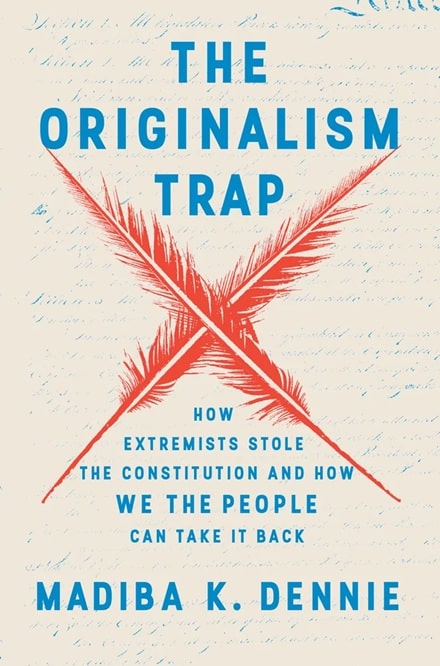
Book — Non-fiction. By Madiba K. Dennie. 2024. 304 pages.
Shows readers that the Constitution belongs to them and how, by understanding its possibilities, they can use it to fight for their rights.
Continue reading
Teaching Activity. By Bill Bigelow and Norm Diamond. 8 pages.
This lesson teaches some of the nuts and bolts of labor unions and then moves beyond to ask students to consider what rights they have at work, and to recognize that “rights” depend in large part on what people have fought for and won.
Continue reading
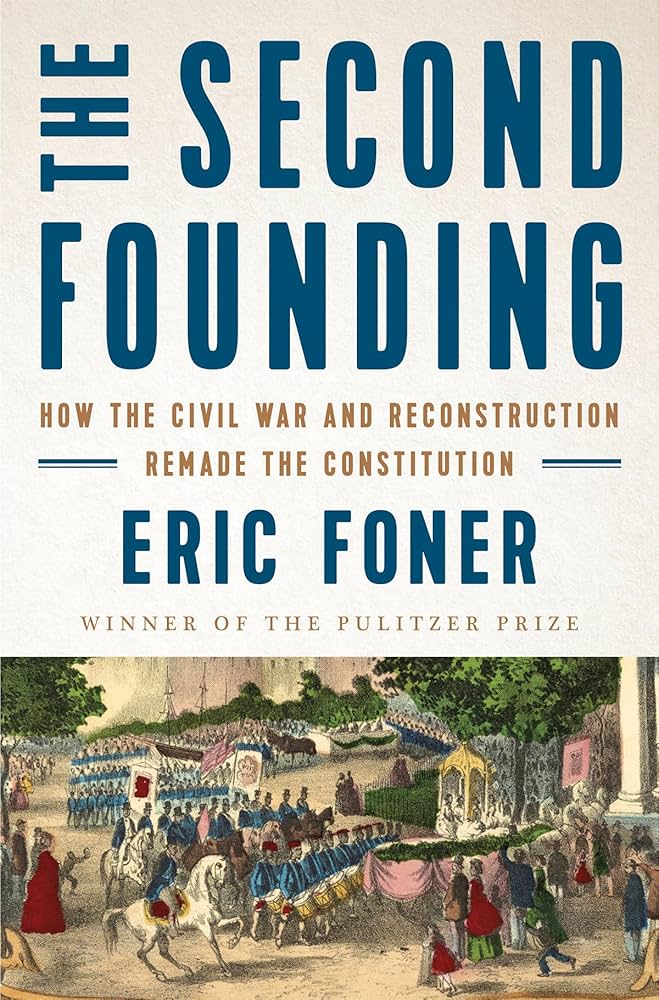
Book — Non-fiction. By Eric Foner. 2020. 304 pages.
Traces the arc of the three foundational Reconstruction amendments from their origins in antebellum activism to their virtual nullification by narrow Supreme Court decisions and Jim Crow state laws.
Continue reading
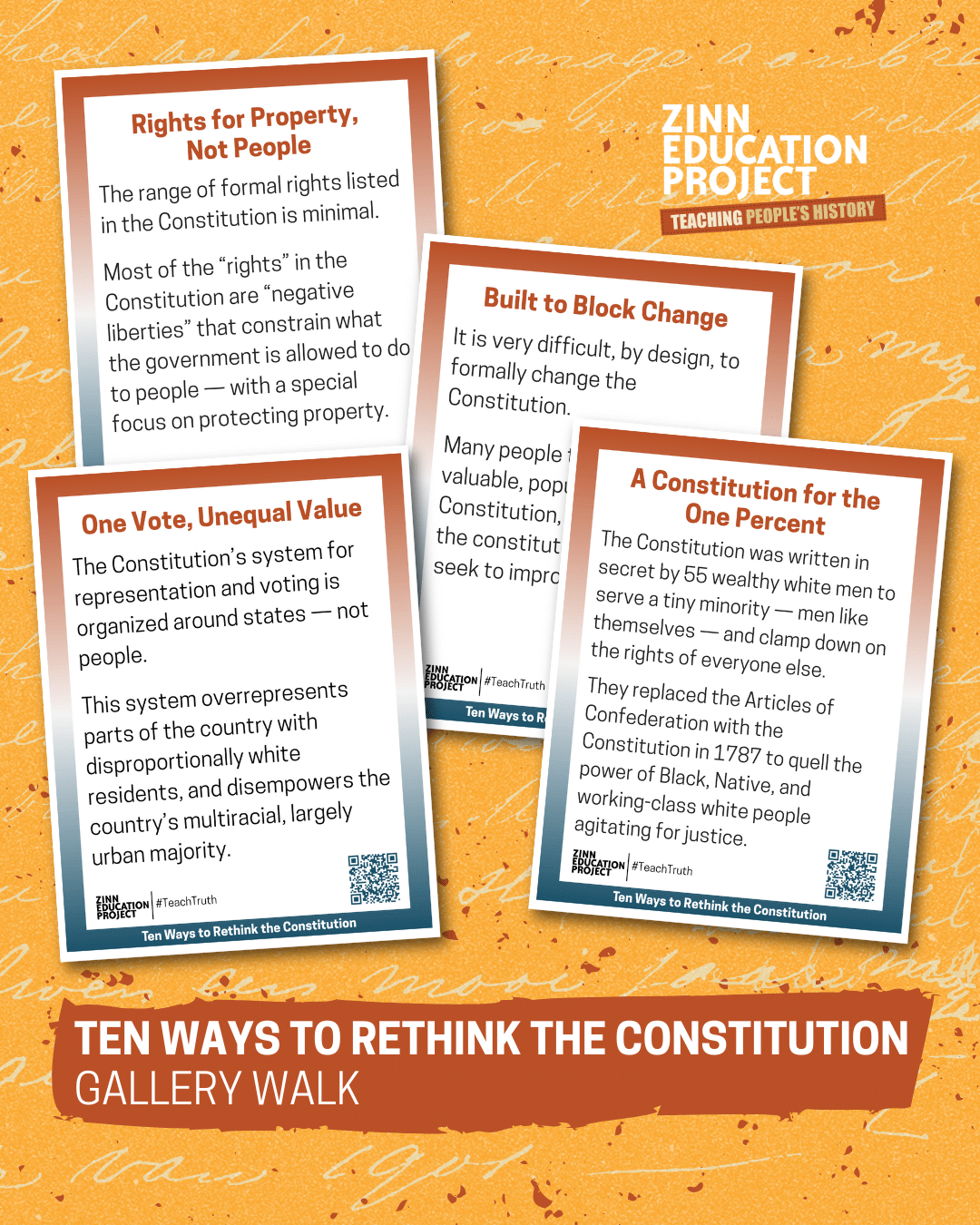
The "Ten Ways to Rethink the Constitution" framework is available in a shortened form for participatory gallery walks.
Continue reading
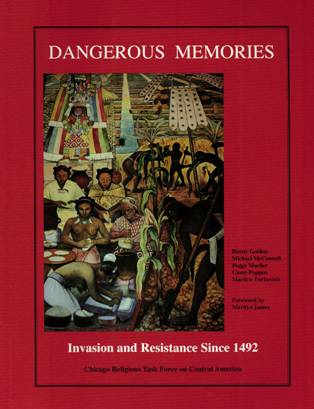
Book — Non-fiction. By Golden, McConnell, Poppen, and Mue. 1991. 272 pages.
Essential text on U.S. history; includes many primary sources on people's movements.
Continue reading
Teaching Activity. By John DeRose. Rethinking Schools. 4 pages.
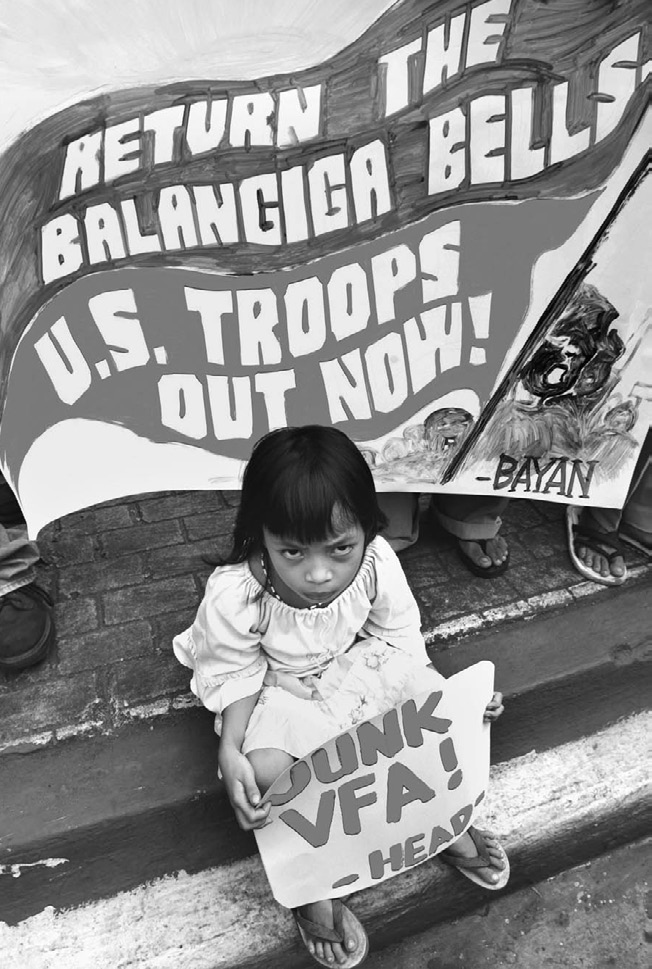
Analysis of textbook passages from different countries, videos and books are used to explore different perspectives about the same event in history, i.e. "Philippine-American War" vs. "War of Philippine Independence."
Continue reading
Teaching Activity. Lesson by Bill Bigelow and student reading by Howard Zinn. Rethinking Schools. 21 pages.
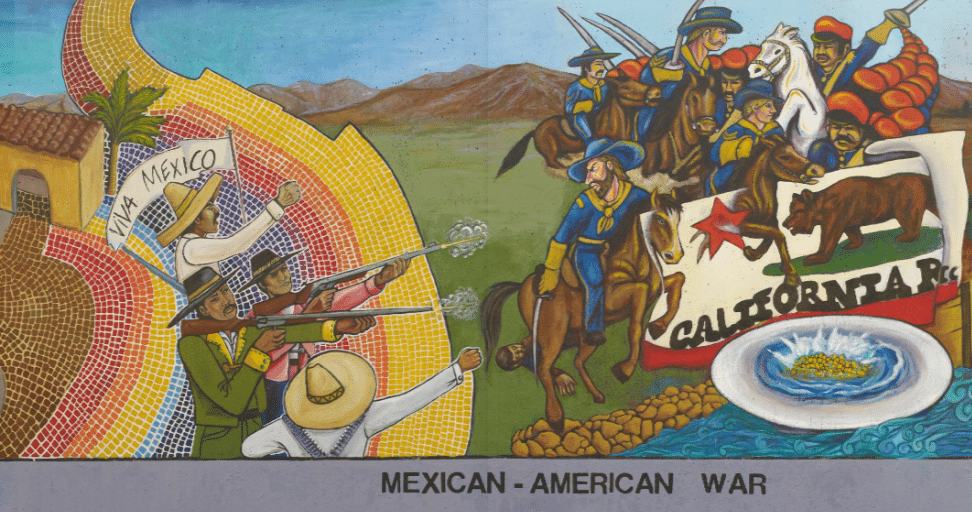
Interactive activity introduces students to the history and often untold story of the U.S.-Mexico War. Roles available in Spanish.
Continue reading
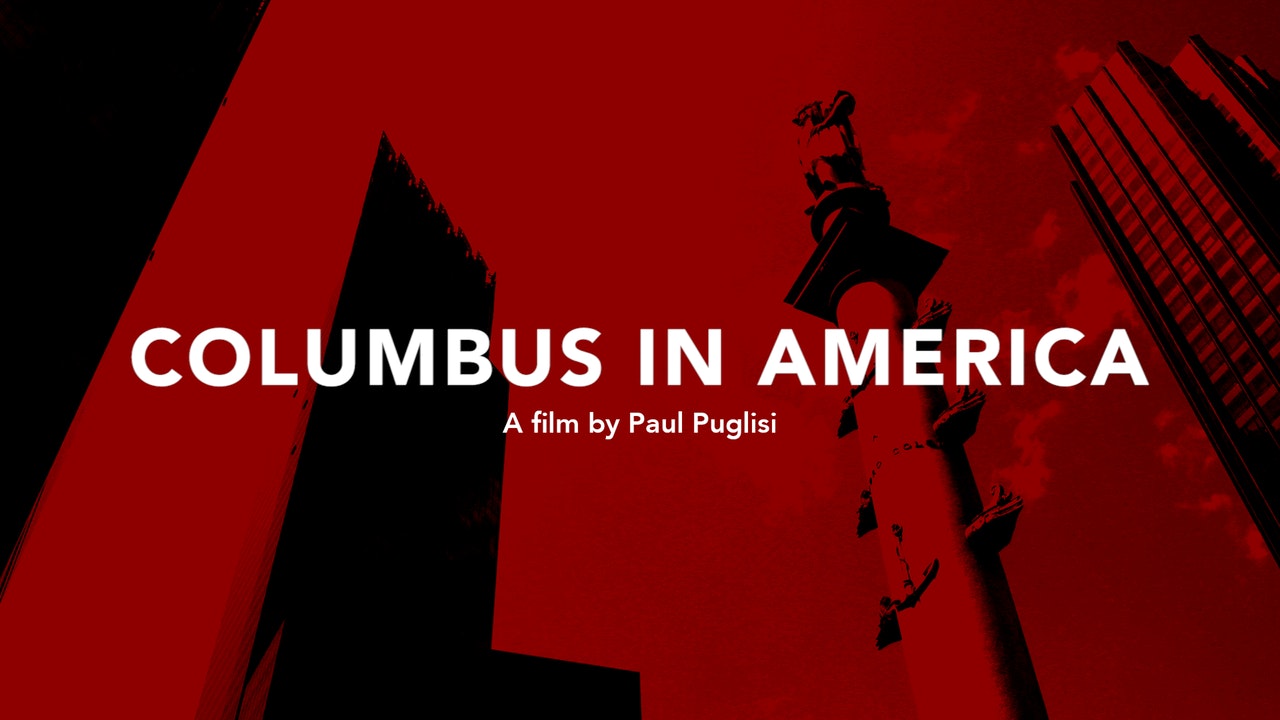
Film. By Paul Puglisi. 2017. 89 minutes.
Documentary on the symbol of Columbus in the United States and the campaign for Indigenous Peoples' Day.
Continue reading
Teaching Activity. By Bill Bigelow, Jesse Hagopian, Cierra Kaler-Jones, Ana Rosado, and Ursula Wolfe-Rocca.
Students read about sites of memory in How the Word Is Passed and imagine how to commemorate what occurred there. They then compare that to how the respective site is currently commemorated and described by docents.
Continue reading
Book — Non-fiction. By Eve L. Ewing. 2026. 400 pages.
An examination of how the U.S. school system helps maintain racial inequality and social hierarchies.
Continue reading
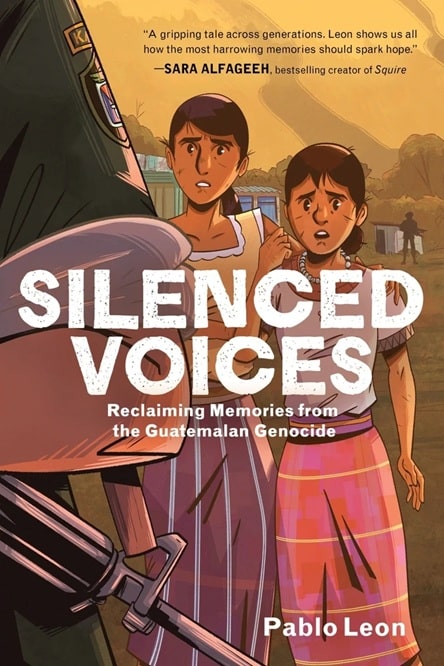
Book — Historical fiction. Written and illustrated by Pablo Leon. 2025. 240 pages.
A graphic novel about Guatemalan immigrant youth who learn about the dictatorship in Guatemala through conversations with their mother.
Continue reading
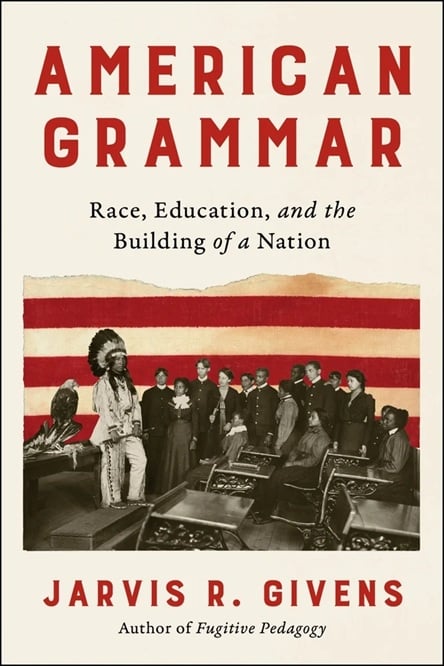
Book — Non-fiction. By Jarvis R. Givens. 2025. 464 pages.
A new history of U.S. education through the nineteenth century that rigorously accounts for Black, Native, and white experiences.
Continue reading
Book — Non-fiction. By Carter G. Woodson, with an introduction by Jarvis Givens. 2023. 224 pages.
Originally released in 1933, The Mis-Education of the Negro continues to resonate today, raising questions about the legacy of slavery and enduring white supremacy.
Teaching Activity by Carter G. Woodson
Continue reading