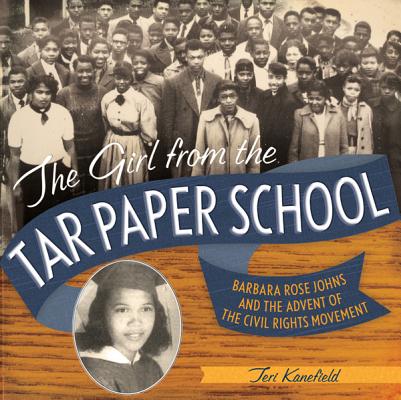
Book — Non-fiction. By Teri Kanefield. 2014. 56 pages.
Illustrated book of a teenager who led a student walk out to protest substandard conditions at a Virginia high school in 1951.
Continue reading
Teaching Activity. By Ursula Wolfe-Rocca, Bill Bigelow, and Andrew Duden. Article by Ursula Wolfe-Rocca. Rethinking Schools. 15 pages.
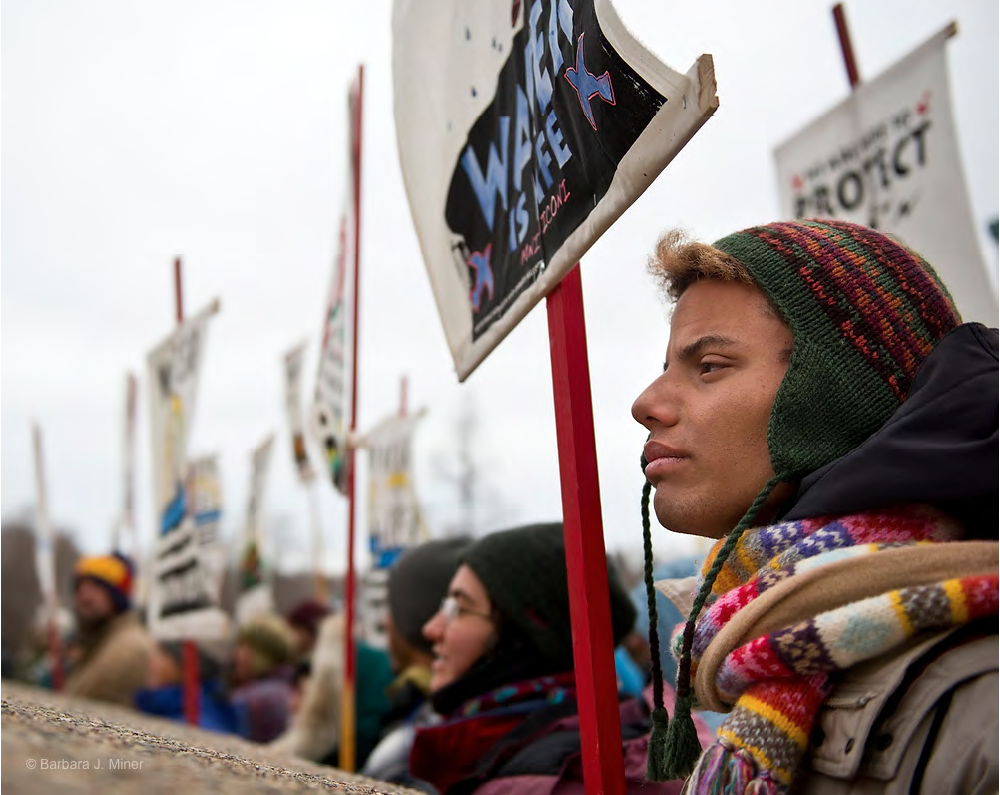
A role play helps students recognize the issues at stake in the historic struggle of the Standing Rock Sioux to block construction of the Dakota Access oil pipeline.
Continue reading
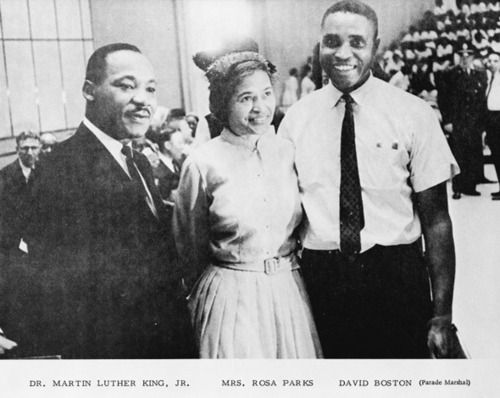
Dr. Martin Luther King Jr. gave the speech titled “The Other America” focusing on economic inequalities and white complicity in the North.
Continue reading
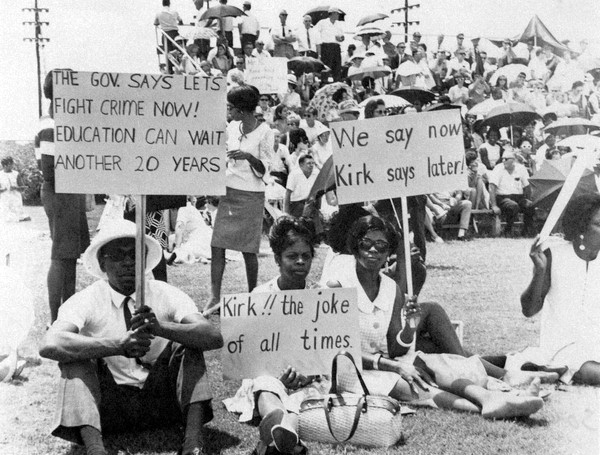
Teachers and administrators from the Florida Education Association (FEA) walked out in what is reported to be the first statewide teachers’ strike.
Continue reading
Howard University students seized the Administration Building, demanding changes in the discipline policy, the addition of courses in African American history, and more.
Continue reading
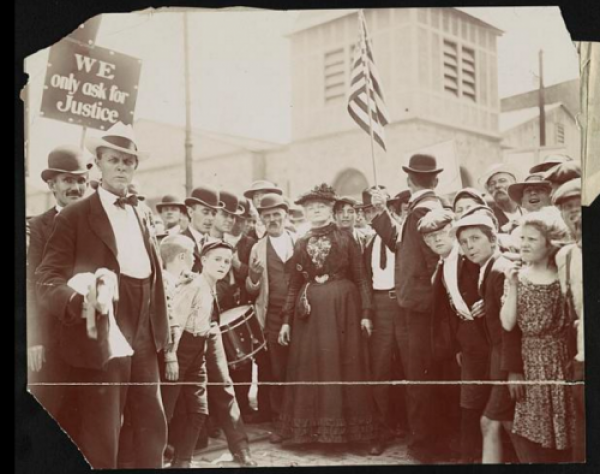
Mary Harris “Mother” Jones began the “March of the Mill Children.”
Continue reading
Teaching Activity. By Adam Sanchez. Rethinking Schools.
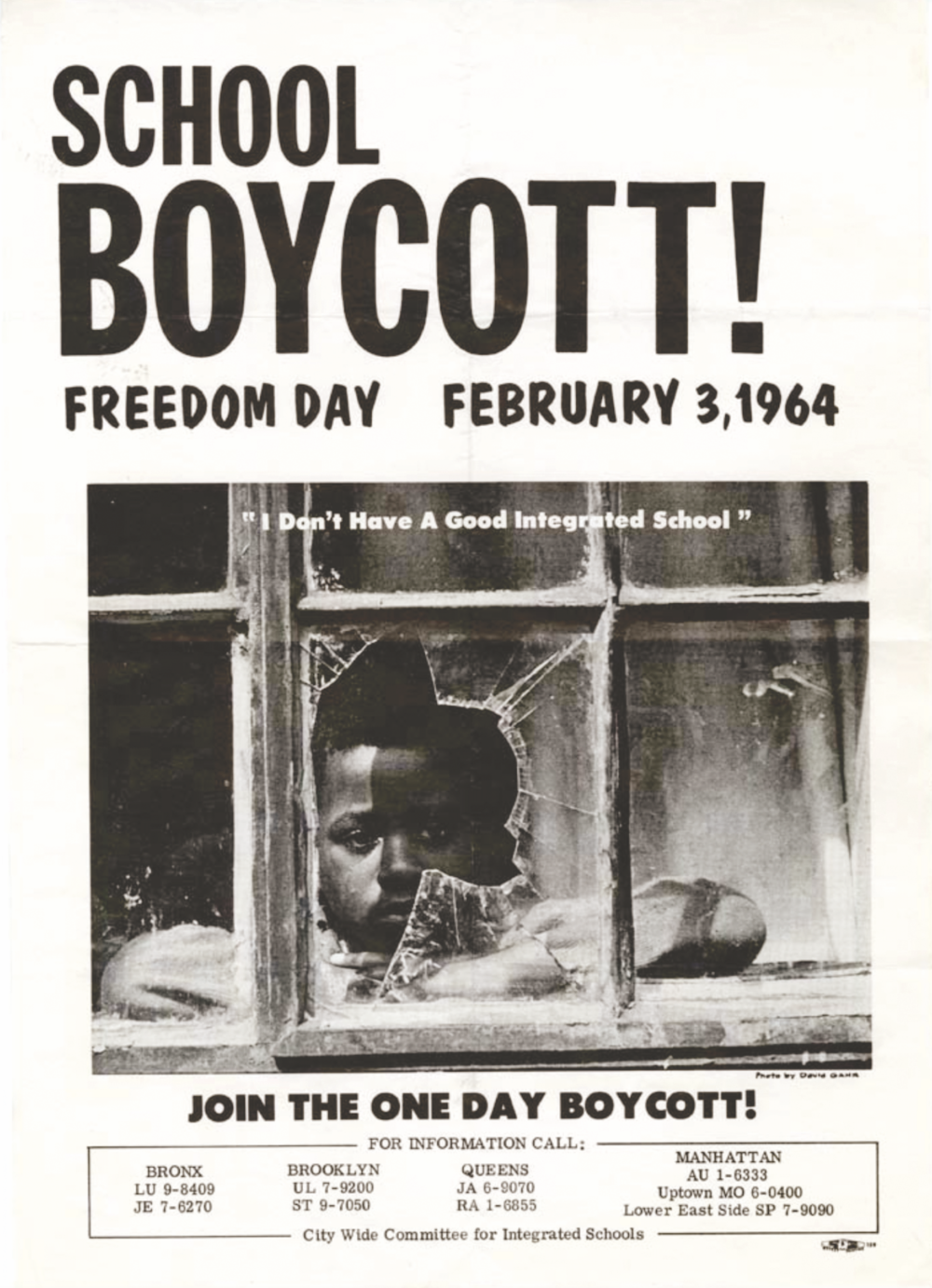
This lesson and accompanying article teach about the largest civil rights protest of the 1960s was in New York City, when hundreds of thousands of students stayed home to protest school segregation.
Continue reading
Teaching Activity. By Jessica Lovaas and Adam Sanchez. Rethinking Schools. 2021. Updated in 2023.
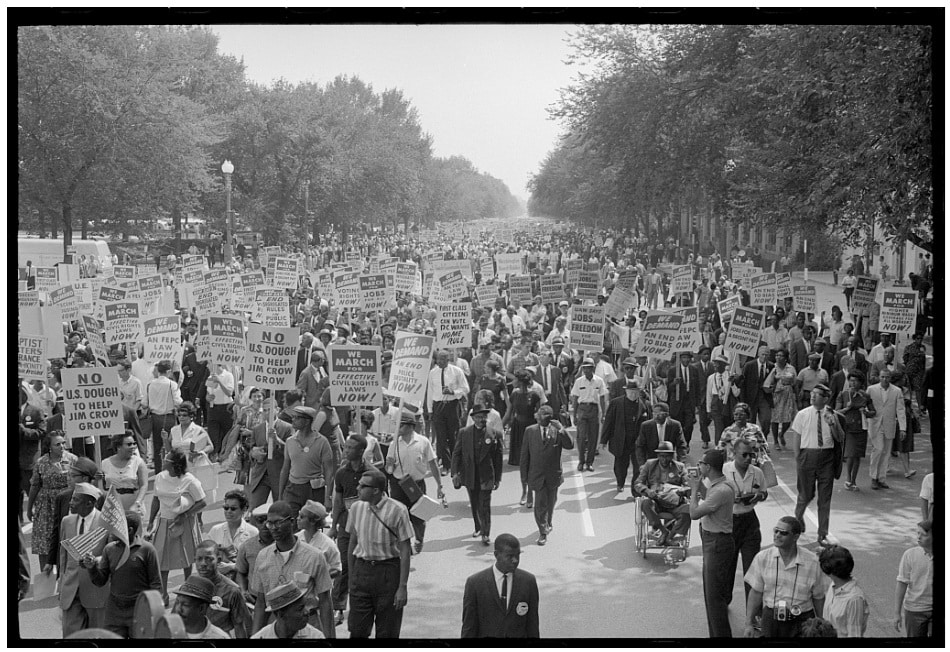
A lesson with case studies from Los Angeles; Birmingham, Alabama; Brooklyn; Detroit; Philadelphia, Pennsylvania; Albany, Georgia; and Cambridge, Maryland — to introduce students to the diverse struggles across the United States that were represented at the March on Washington.
Teaching Activity by Adam Sanchez
Continue reading
Teaching Activity. By Matt Reed. Published by Rethinking Schools. 2023.
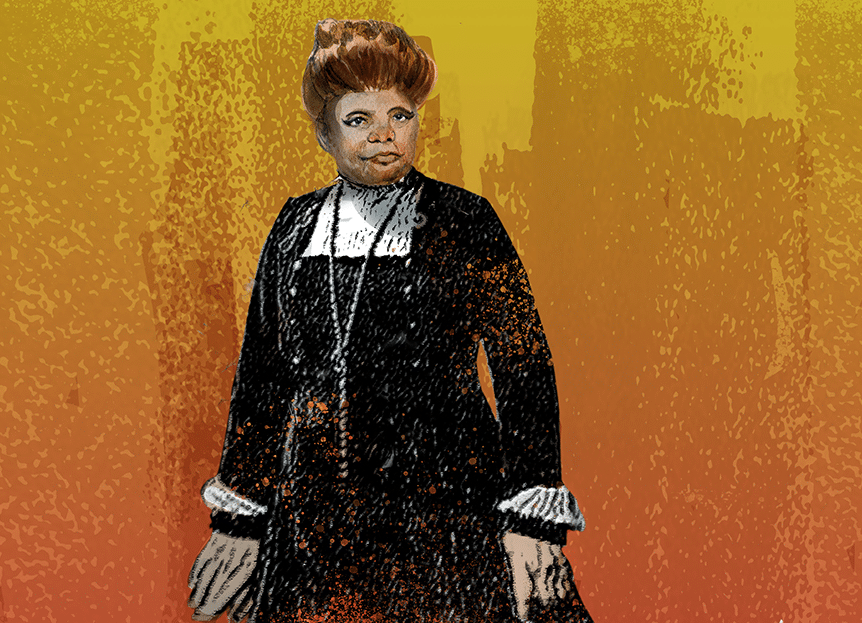
This mixer activity helps students uncover the radical legacy of Ida B. Wells.
Continue reading
Teaching Activity. By Jessica A. Rucker. 2021. Rethinking Schools.
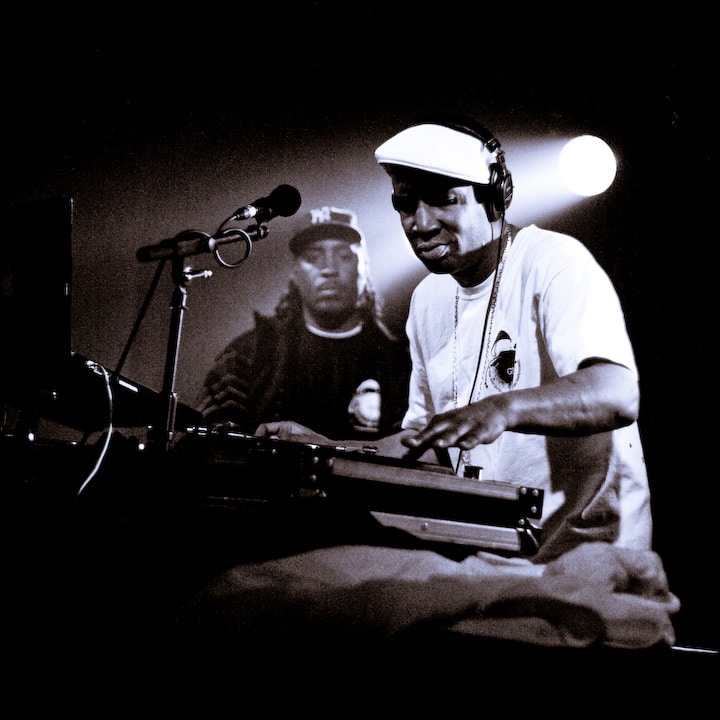
A high school teacher and her students question “Who owns and controls hip-hop?” — and put the hip-hop industry on trial.
Continue reading
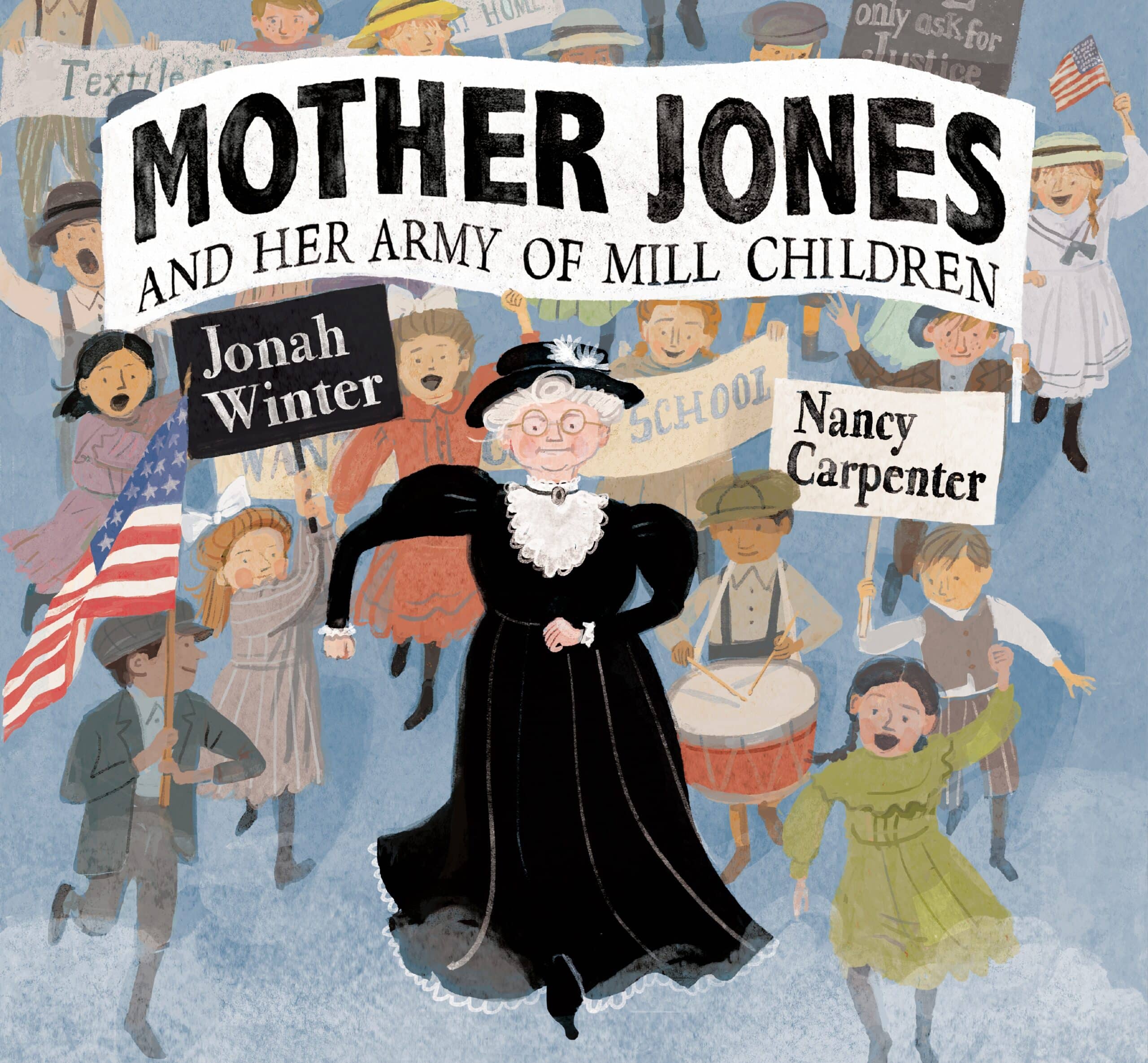
Picture book. By Jonah Winter, with illustrations by Nancy Carpenter.2020. 40 pages.
The story of Mary “Mother” Jones and the 100 children who marched from Philadelphia to New York in a fiery protest against child labor.
Continue reading
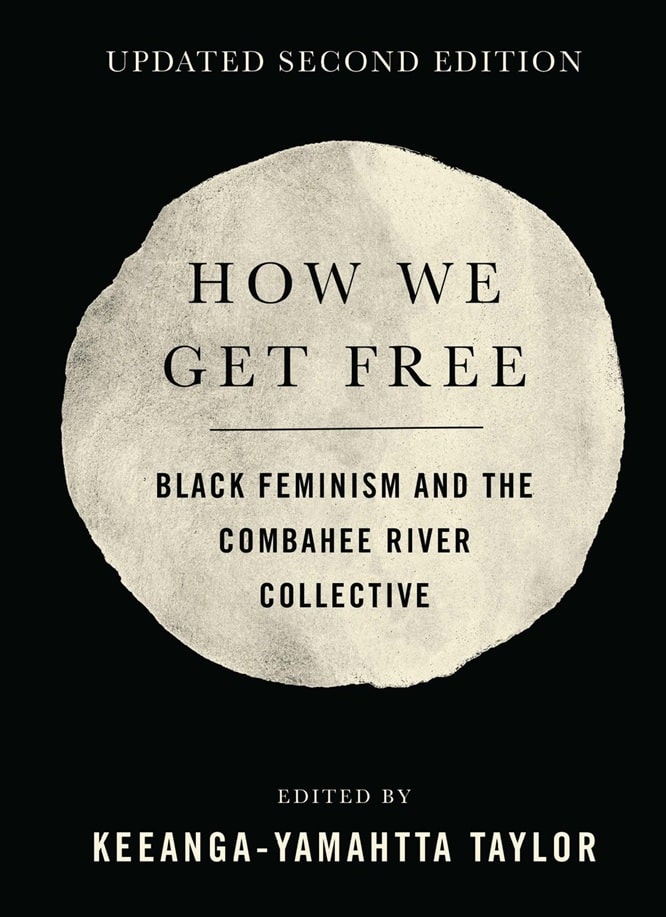
Book — Non-fiction. Edited by Keeanga-Yamahtta Taylor. 2026. 264 pages.
A collection of essays and interviews with founding members of the Combahee River Collective and contemporary activists who reflect on the organization’s contributions to Black feminism and its impact on today’s struggles.
Continue reading
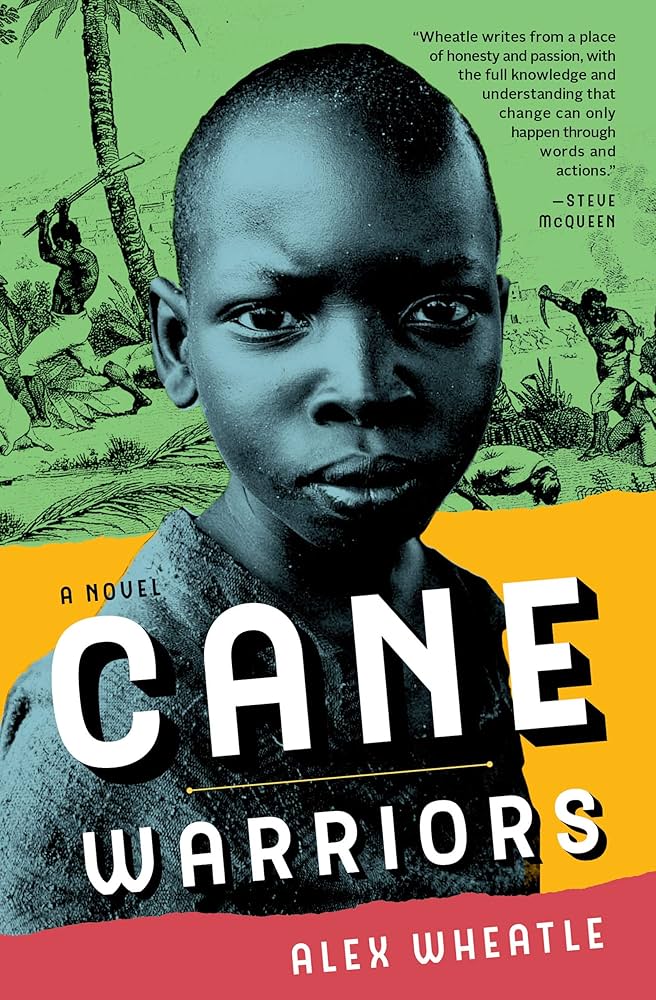
Book — Historical fiction. By Alex Wheatle. 2020. 192 pages.
Cane Warriors follows the true story of Tacky's War in Jamaica in 1760.
Continue reading
Teaching Activity. By Ursula Wolfe-Rocca, Alex Stegner, Chris Buehler, Angela DiPasquale, and Tom McKenna.
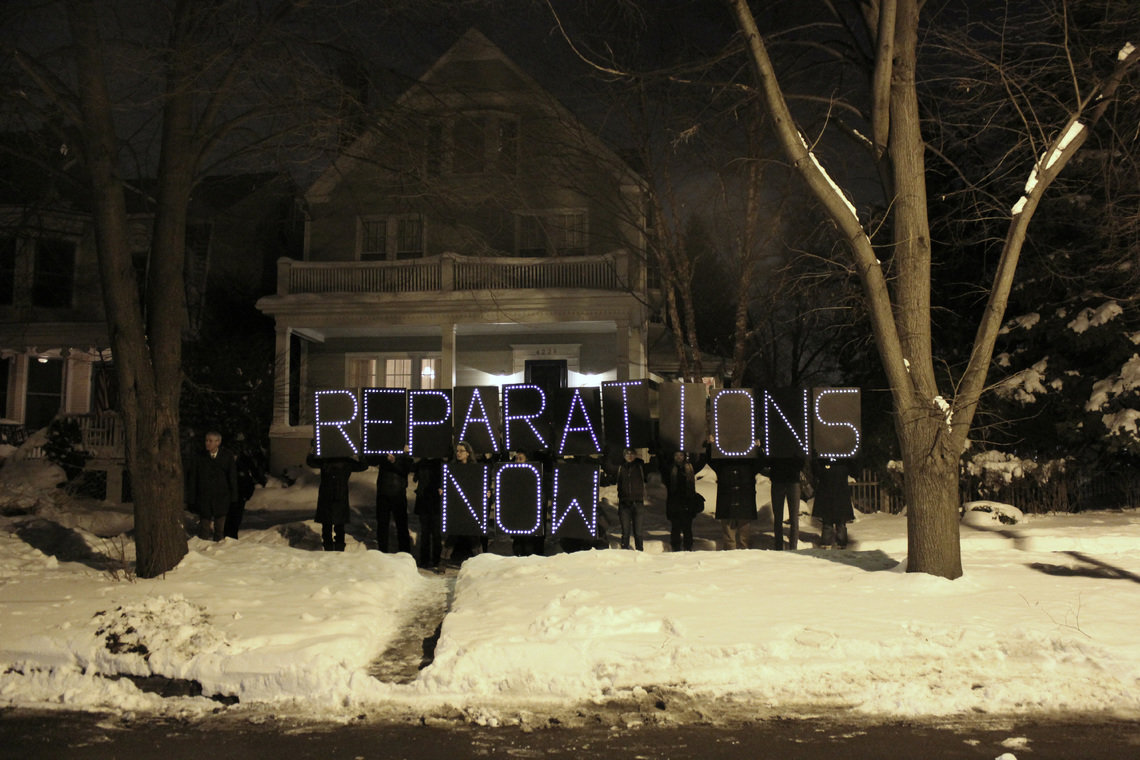
Students meet dozens of advocates and recipients of reparations from a variety of historical eras to grapple with the possibility of reparations now and in the future.
Continue reading
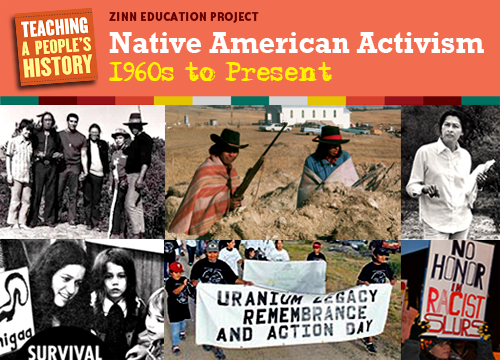
Overview of Native American activism since the late 1960s, including protests at Mt. Rushmore, Alcatraz, Standing Rock, and more.
Continue reading
Film. By Deb Ellis and Denis Mueller. 2010. 78 minutes.
Documentary on life and work of Howard Zinn.
Continue reading
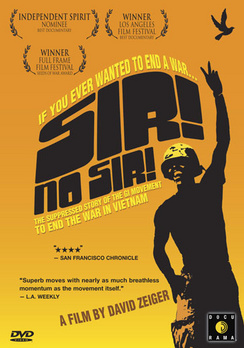
Film. By David Zeiger. 2005. 84 minutes.
This award-winning film demonstrates the role soldiers and veterans played in the anti-Vietnam War movement.
Continue reading
Poem. By Josh Healey.
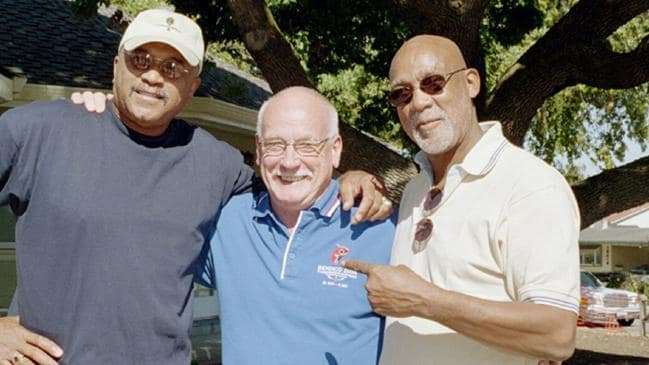
Poem about Peter Norman, the white Australian athlete in the historic protest and iconic photo at the 1968 Olympics.
Continue reading
Film. Directed and produced by Vicky Funari and Sergio De La Torre. 2006. 68 minutes.
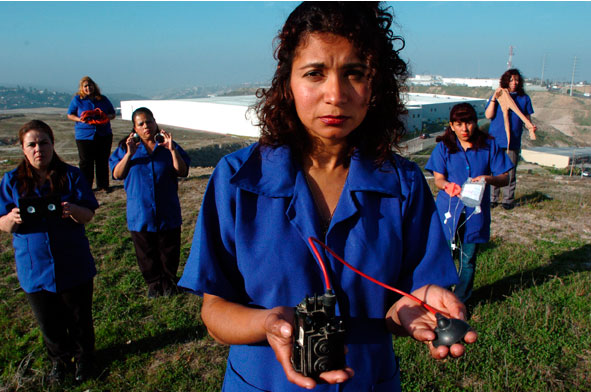
The impact of globalization as told through the lives of the women who experience it in Tijuana, Mexico.
Continue reading
Profile.
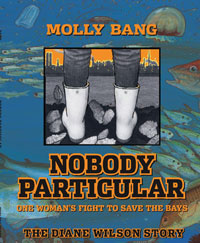
Diane Wilson (born 1948) is a shrimp fisher, environmentalist, and activist.
Continue reading