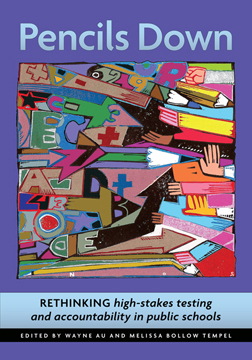
Book — Non-fiction. By Wayne Au and Melissa Bollow Tempel. 2012. Rethinking Schools. 360 pages.
Collection of articles from Rethinking Schools magazine takes high-stakes standardized tests to task.
Continue reading
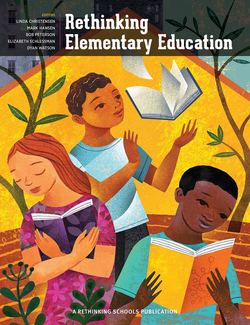
Teaching Guide. Edited by Linda Christensen, Mark Hansen, and Bob Peterson. Rethinking Schools. 2012. 360 pages.
The best collection of writing from Rethinking Schools magazine about how to teach for social justice at the elementary level. Published by Rethinking Schools.
Continue reading
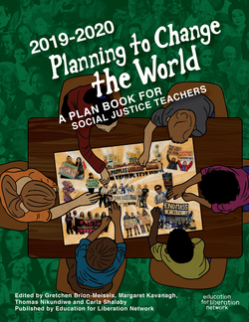
Plan book. Edited By Gretchen Brion-Meisels, Thomas Nikundiwe, Carla Shalaby. Rethinking Schools.
Plan book designed to help teachers translate their vision of a just education into concrete classroom activities.
Continue reading
Digital collection. A comprehensive online reference guide to African American history.
Continue reading
Film. Directed by Tom Trinley. 2023. 51 minutes.
Inspired by the book, Lies Across America, this film presents the historic myths and facts about a few iconic monuments in the United States.
Continue reading
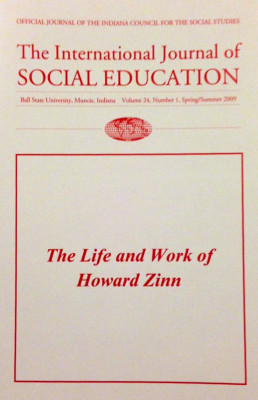
Article. By Robert J. Helfenbein and Rose A. Jackson. Indiana University. 2013.
Introduction to a special edition of "International Journal of Social Education" by scholars presenting and discussing perspectives on the important influences of Howard Zinn to education, history, and citizenship.
Continue reading
Book — Non-fiction. By Bronx Leadership Academy. 2008. 80 pages.
Public high school students turn the tables on high-stakes testers, uncovering the strengths and skills that youth call on every day.
Continue reading
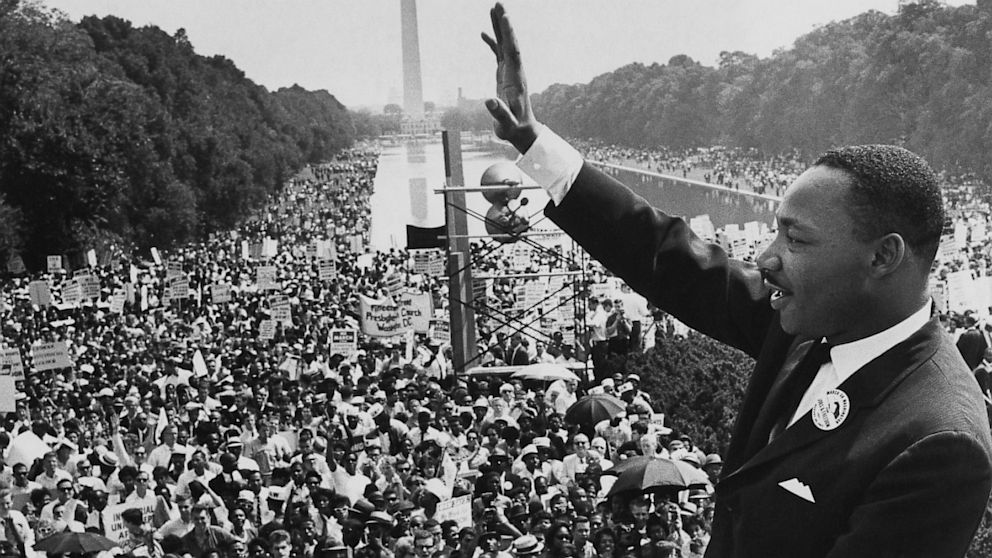
Article. By Derrick Alridge. 2006. 25 pages.
Critique of textbook representation of Martin Luther King Jr. as messiah, embodiment of the Civil Rights Movement, and a moderate.
Continue reading
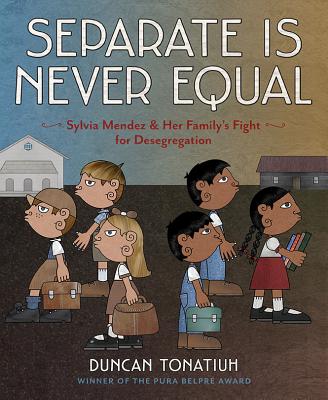
Picture book. By Duncan Tonatiuh. 2014. 40 pages.
Upper elementary school picture-book about the Mendez v. Westminster case to desegregate California schools.
Continue reading
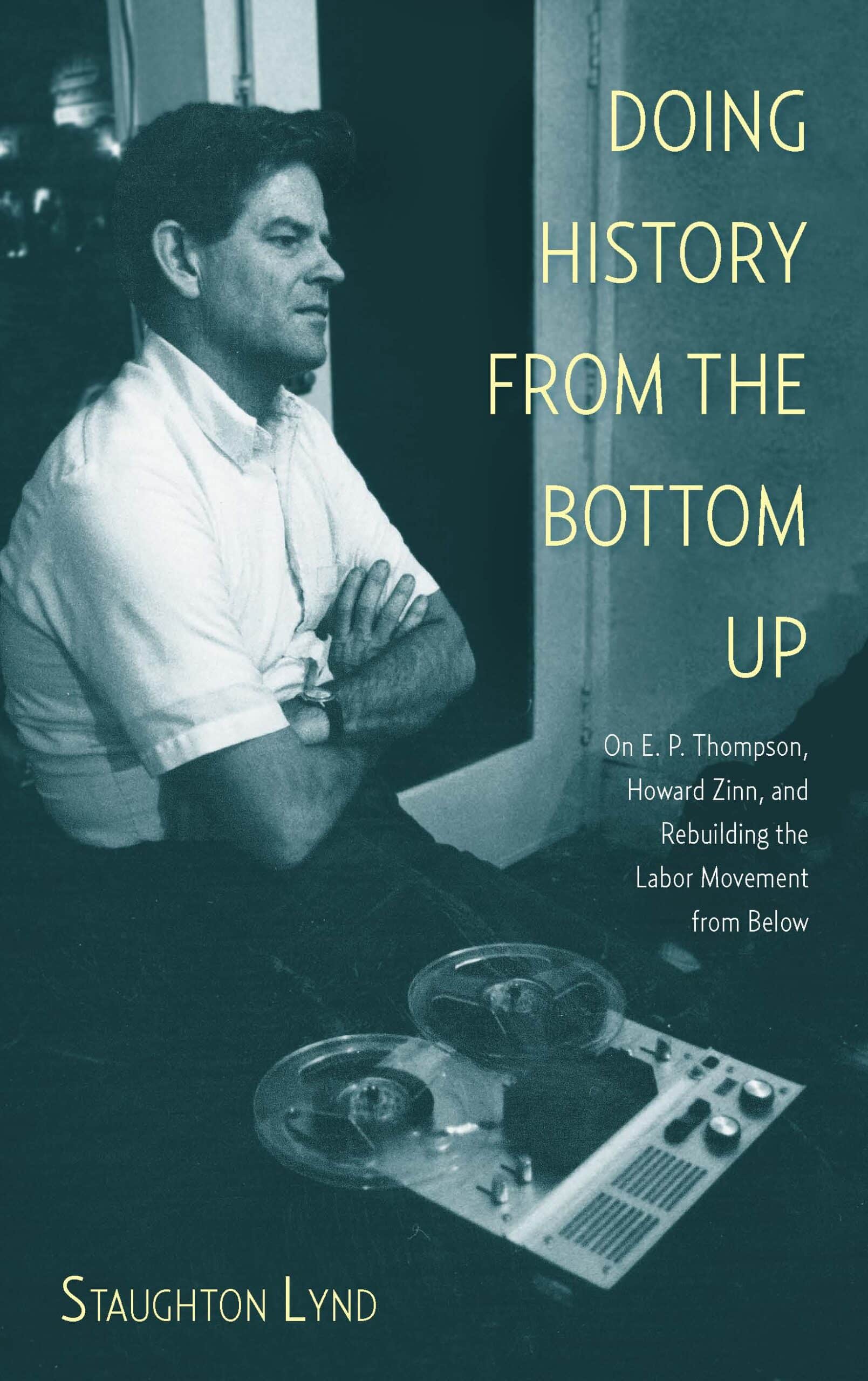
Book — Non-fiction. By Staughton Lynd. 2014. 250 pages.
Reflections on the documentation and teaching of history.
Continue reading
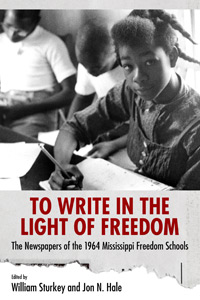
Book — Non-fiction. Edited by William Sturkey and Jon N. Hale. 2015. 176 pages.
A collection and examination of the creative literary work of students published during 1964 Freedom Summer in Mississippi.
Continue reading
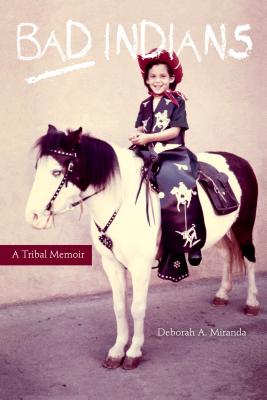
Book — Non-fiction and prose. Deborah A. Miranda. 2012. 240 pages.
A compilation of documents, photos, and memoir that recounts the establishment of missions in California and the impact on Indigenous people—then and today.
Continue reading
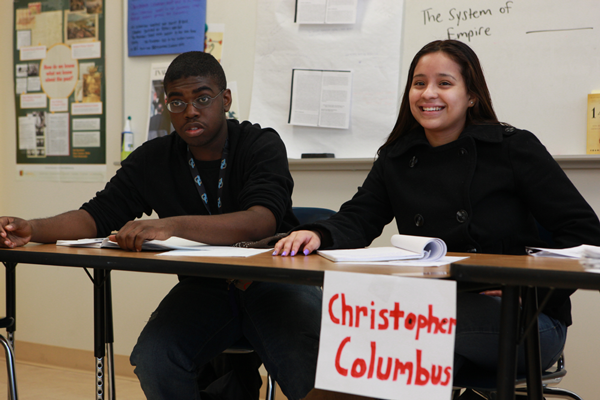
Film. Written, directed, and produced by Nick Kaufman. 1992. 23 minutes.
Contrasting views and scenes from the classroom on teaching about Columbus.
Continue reading
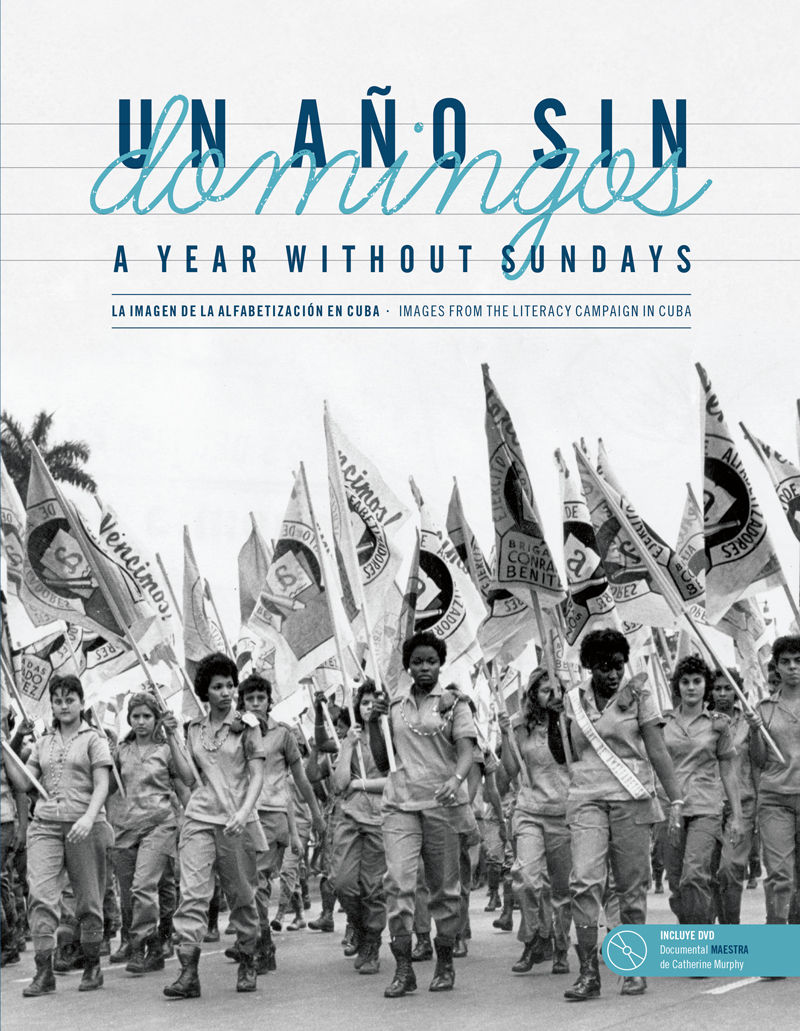
Book — Non-fiction. By Catherine Murphy and Carlos Torres Cairo. 2014. 132 pages (& DVD).
Photos and stories about the highly successful Cuban literacy campaign of 1961.
Continue reading
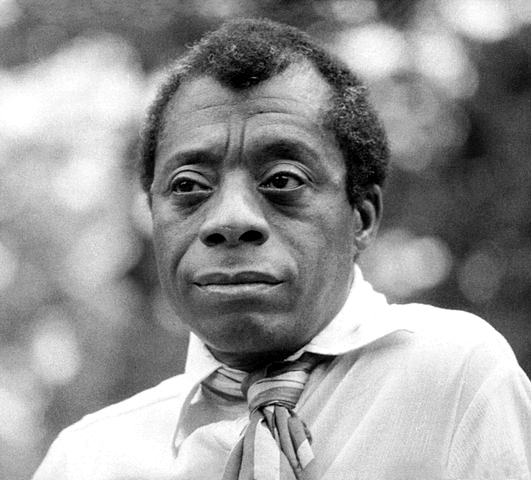
Article. By James Baldwin. October 16, 1963.
Baldwin addresses the challenges of education to prepare children to grapple with the myths and realities of U.S. history.
Continue reading
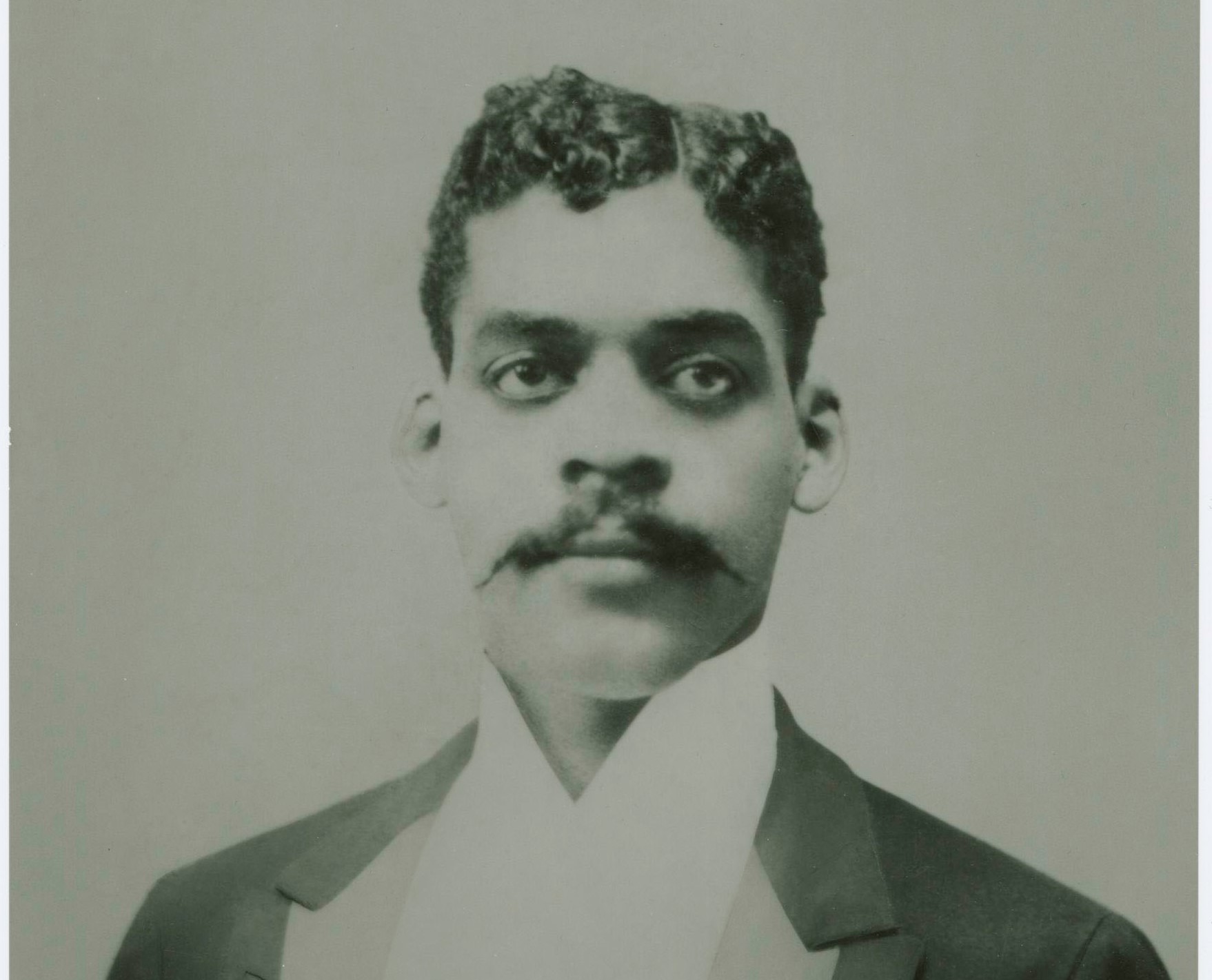
Arturo Alfonso Schomburg, bibliophile, collector, writer, who spent his life championing Black history, was born on this day.
Continue reading
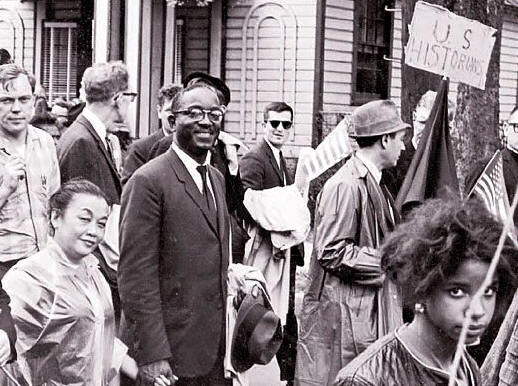
John Hope Franklin, born this day in Rentiesville and raised in Tulsa, Oklahoma, was one of most important historians of the 20th century.
Continue reading
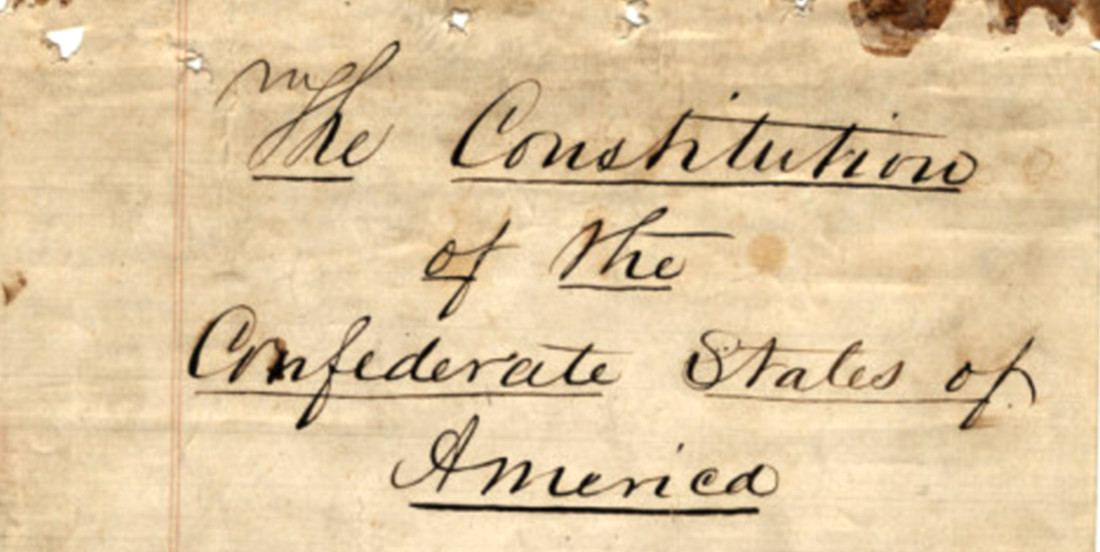
The Constitution of the Confederate States of America was adopted a month before the Civil War started.
Continue reading
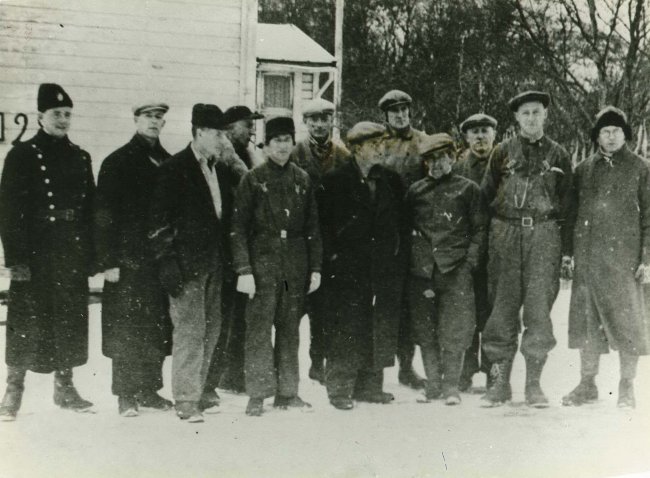
More than 1,300 Norwegian teachers were arrested by the German Nazi-installed government.
Continue reading
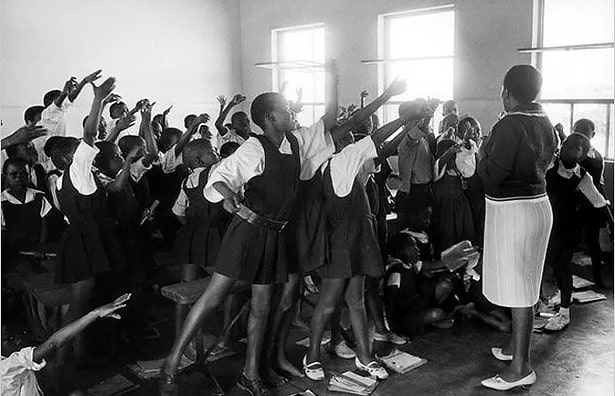
The African National Congress called on parents to withdraw their children from schools to resist the 1953 Bantu Education Act.
Continue reading
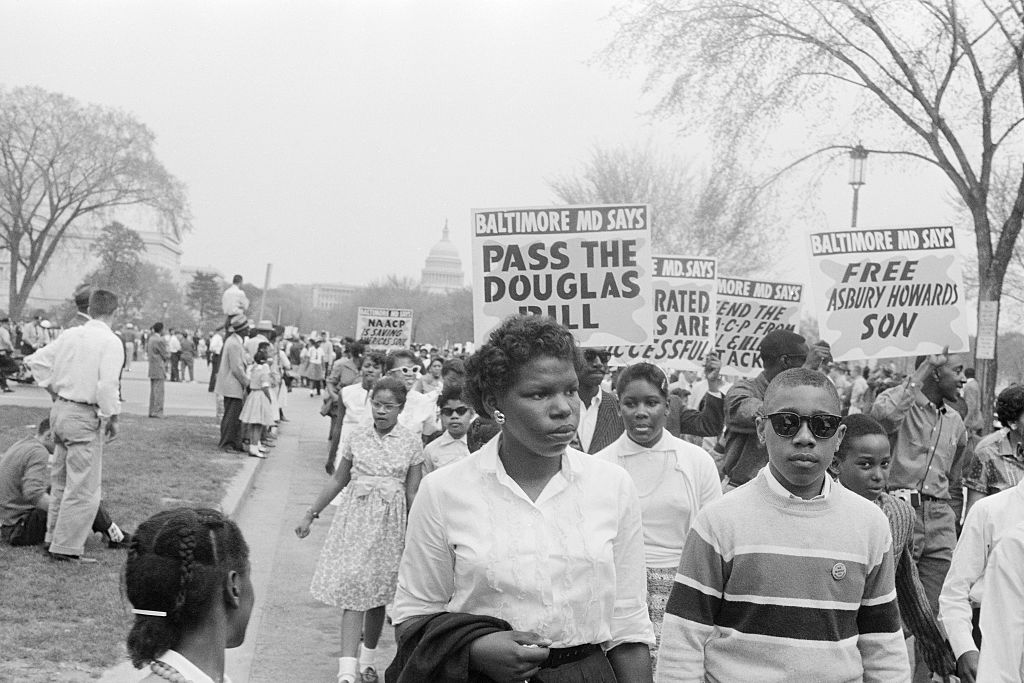
26,000 high school and college students came to Washington, D.C. to demand the end of segregated schools.
Continue reading
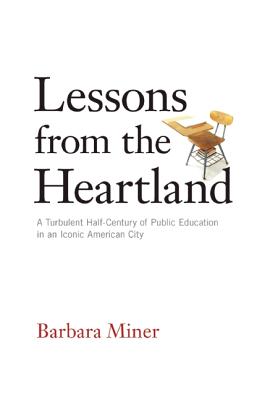
Book — Non-fiction. By Barbara Miner. 2013. 305 pages.
The history of public education in Milwaukee in the context of the broader story of racism in the rust belt.
Continue reading
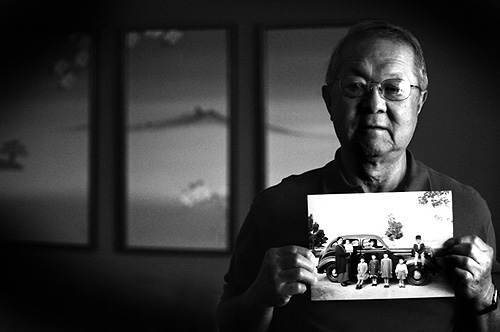
The U.S. Supreme Court ruled that, in the case of nine-year old Chinese-American Martha Lum, her exclusion on account of race from school was justified.
Continue reading
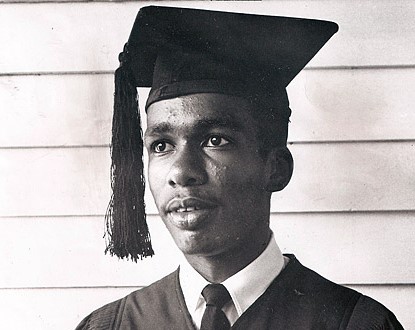
Ernest Green became the first African-American to graduate from Little Rock Central High School in 1958.
Continue reading