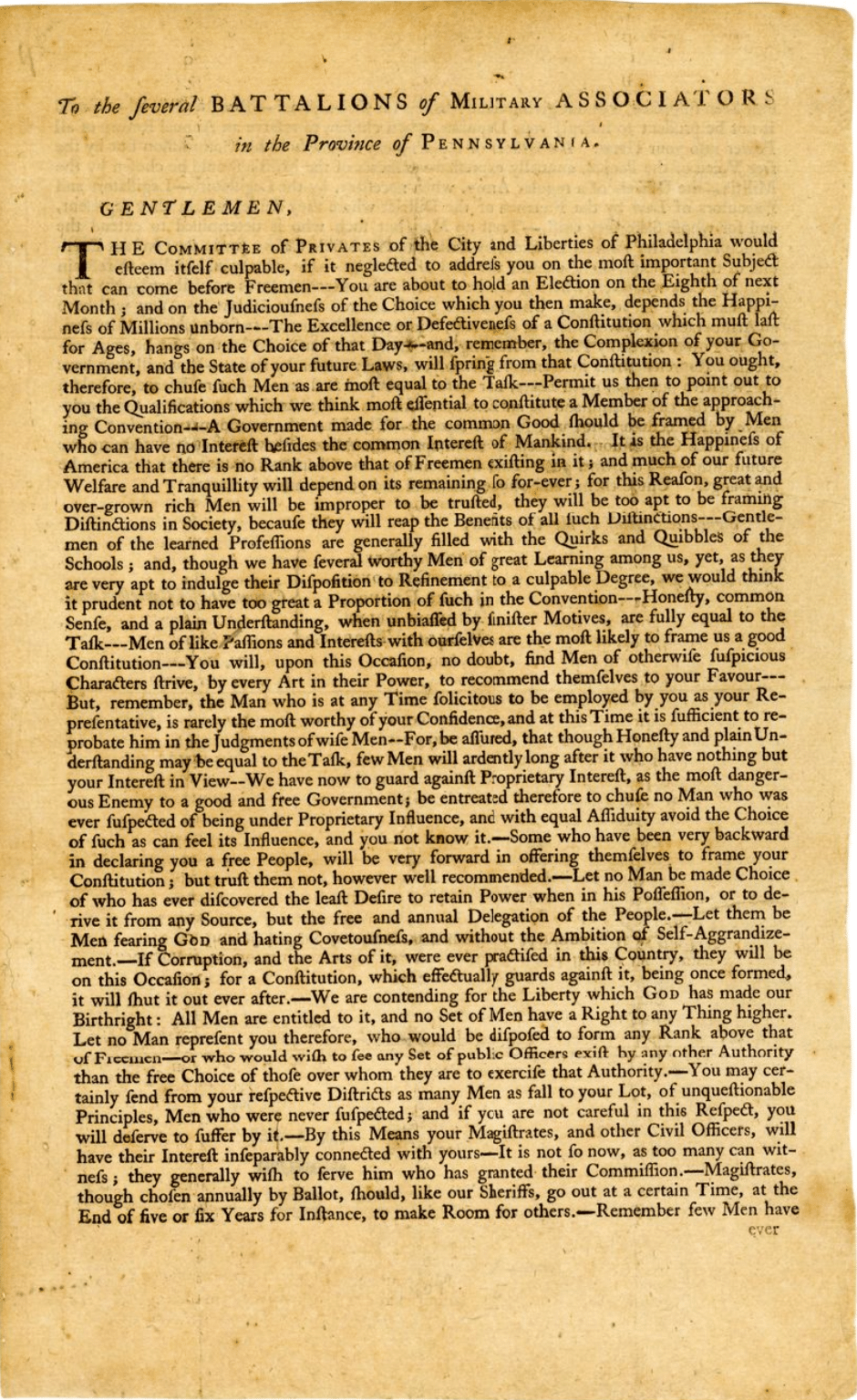
A group of Philadelphians posted a broadside across the city calling for for independence from the British Crown, urging the colony’s militia to instead select delegates of “honesty, common sense, and a plain understanding, when unbiased by sinister motives.”
Continue reading
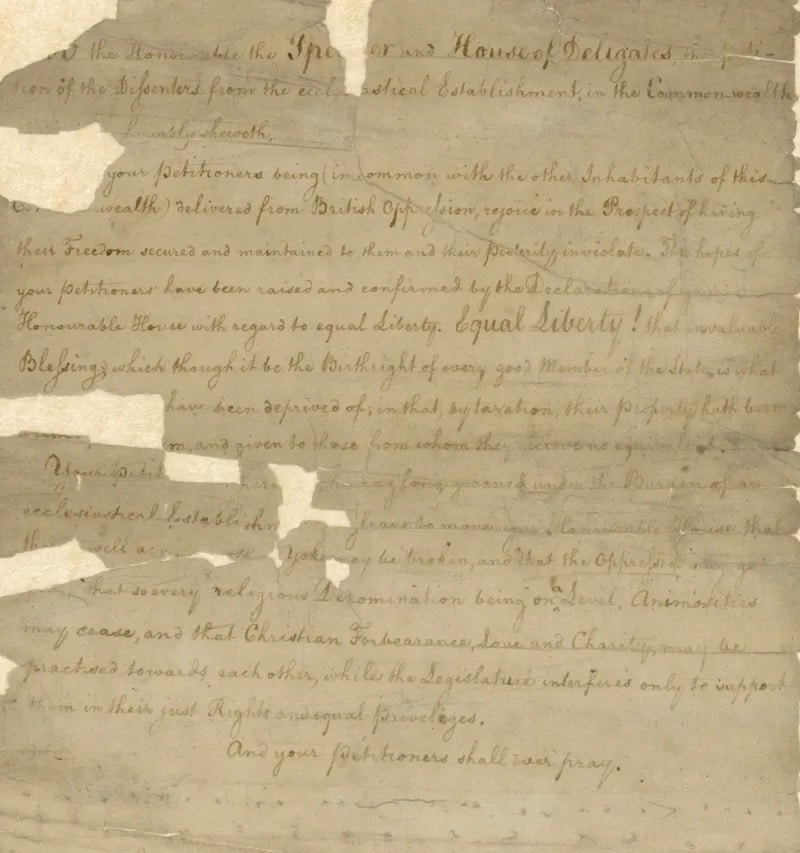
In Virginia, under threat of persecution, Baptists preached and petitioned for freedom of religion to be carved into law.
Continue reading
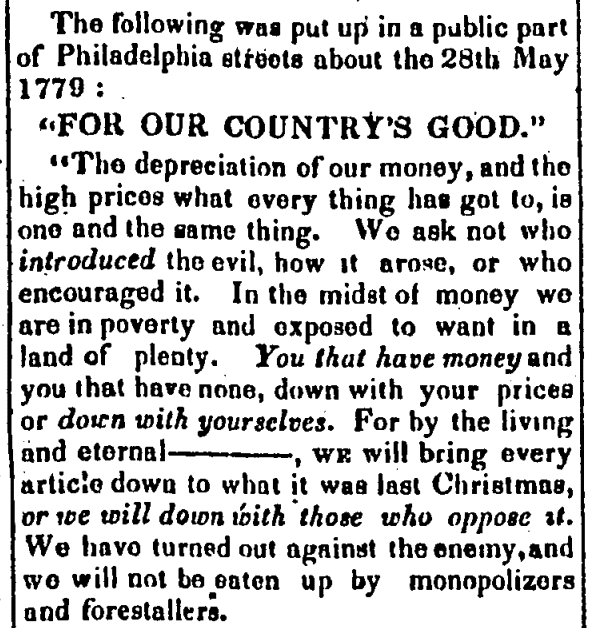
Following British occupation of the city, Revolutionary militia members in Philadelphia denounced and attacked wealthy merchants who benefited from wartime shortages.
Continue reading
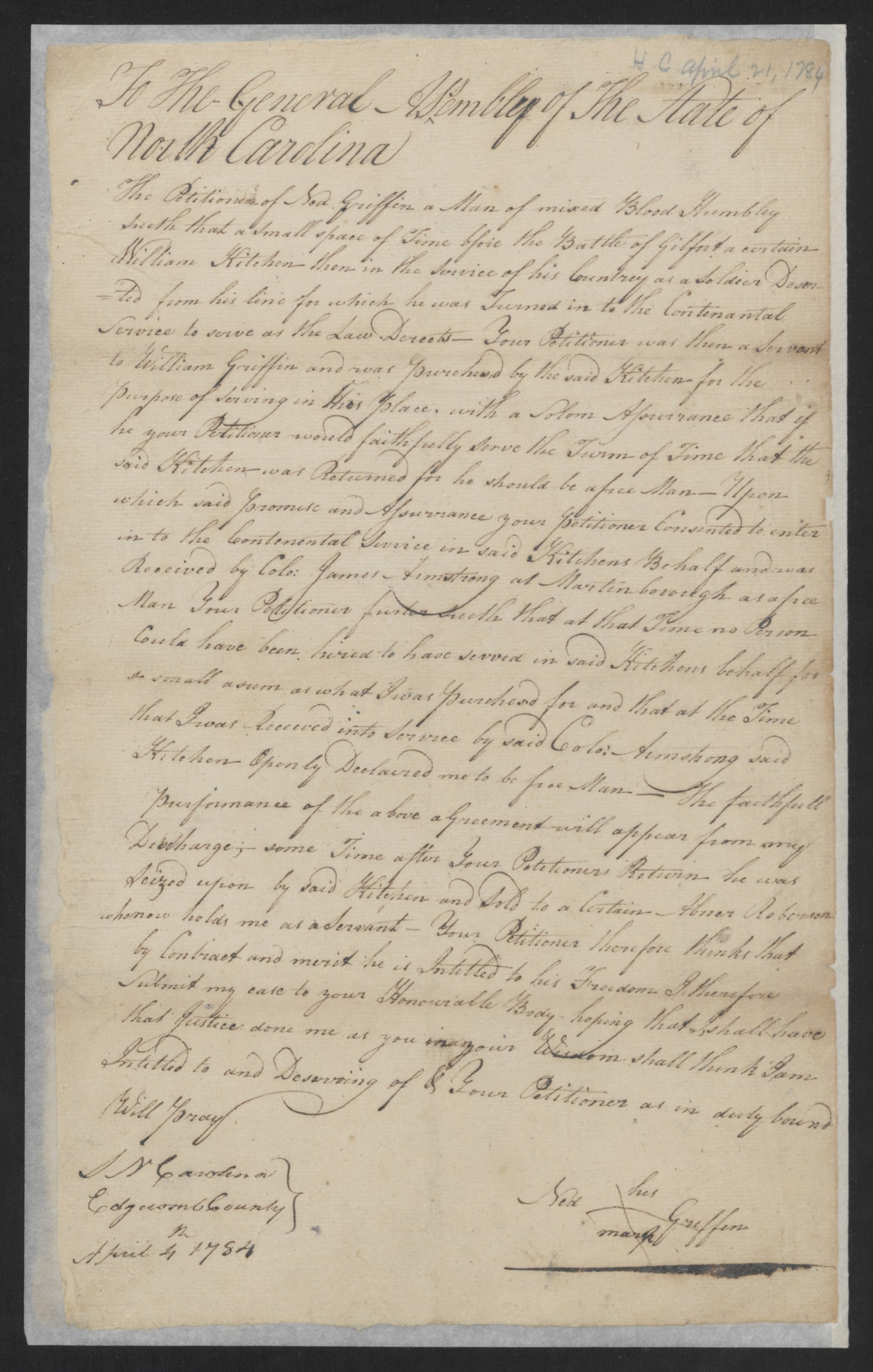
Enslaved Continental Army veteran Ned Griffin successfully sued for his freedom in North Carolina.
Continue reading
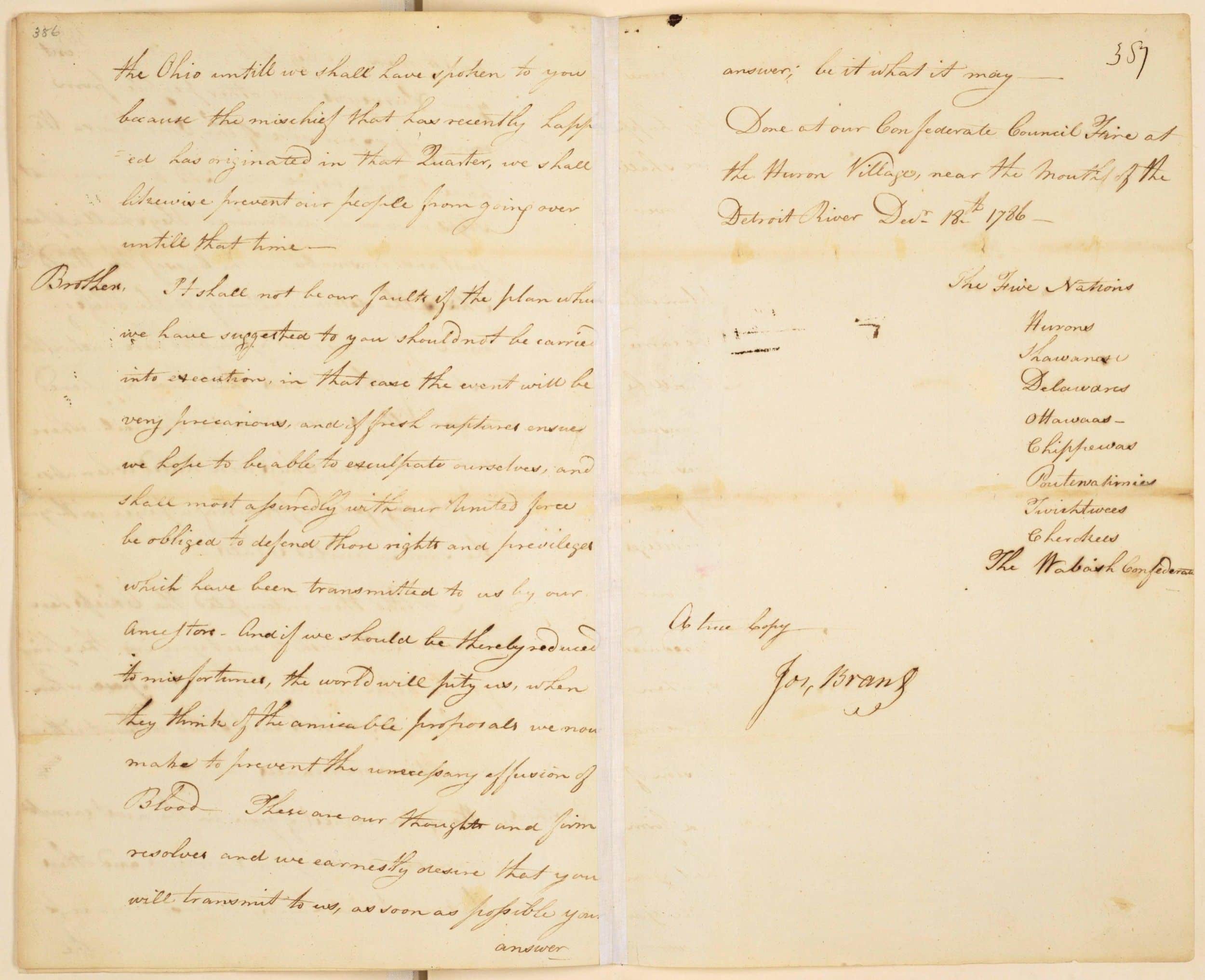
Indigenous tribes formed the United Indian Nations to put a stop to U.S. government seizures of Native lands.
Continue reading
Faced with heavy taxes and threats of land seizure by the government, farmers and working class people of western Massachusetts organized resistance to such policies, leading to “Shays’ Rebellion.”
Continue reading
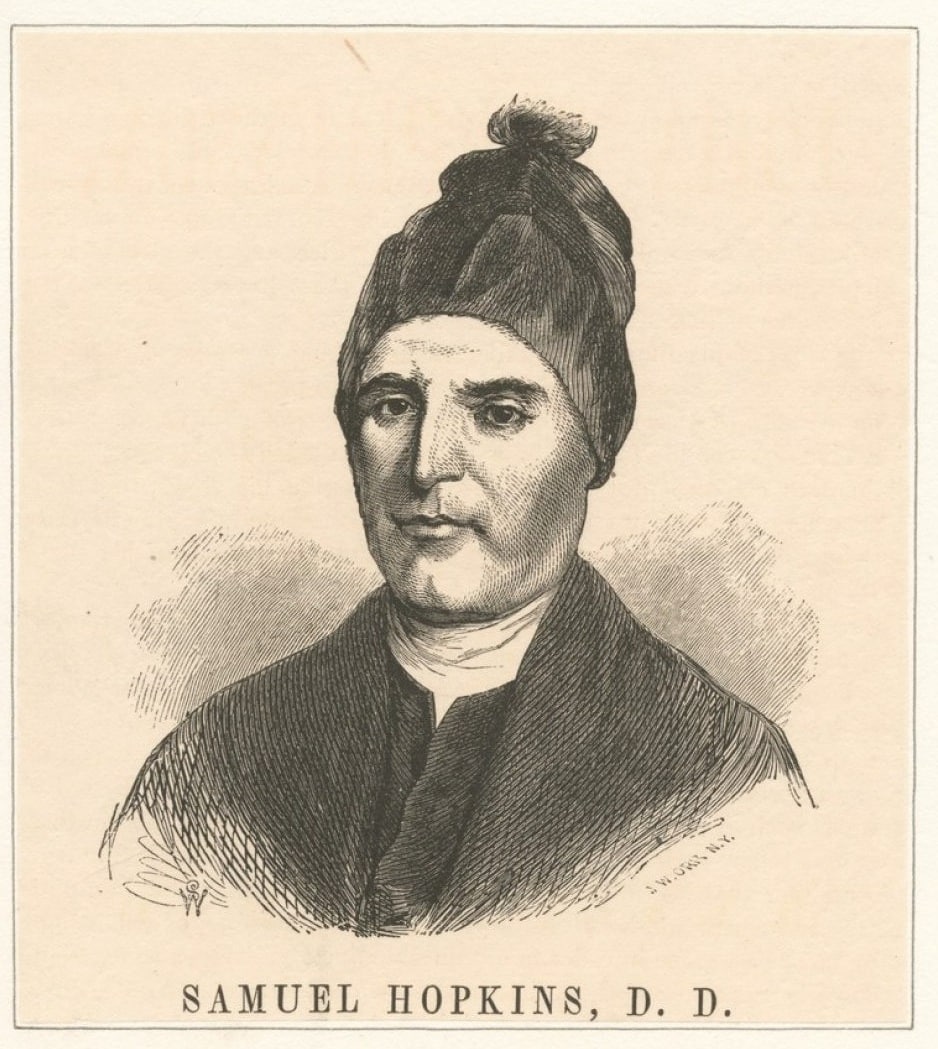
Connecticut abolitionist Samuel Hopkins wrote an essay denouncing the new U.S. Constitution for its hypocrisy in not renouncing slavery.
Continue reading
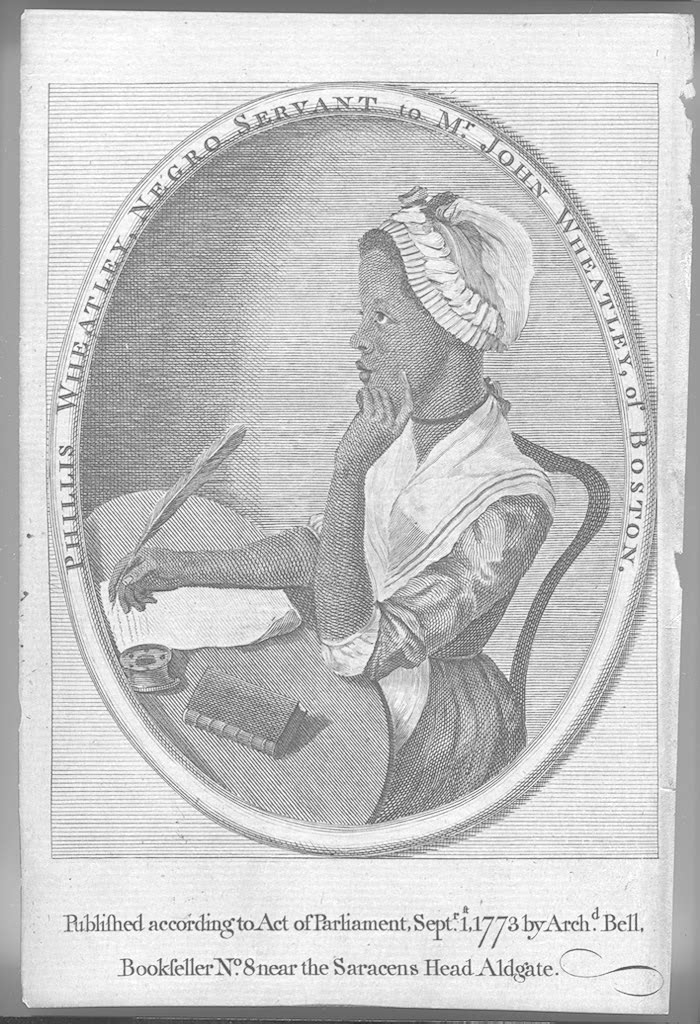
In a letter to a friend, Phillis Wheatley wrote of the idea of natural rights for African Americans, challenging patriot enslavers years before the Declaration of Independence.
Continue reading
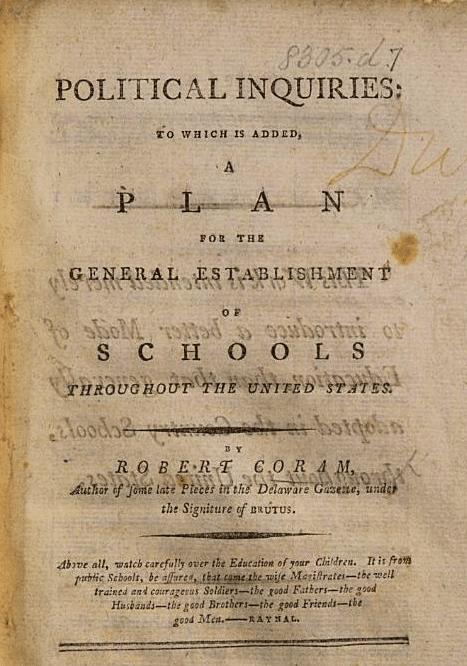
Delaware teacher and librarian Robert Coram authored a pamphlet that advocated for a well-funded public education system to help close the wealth gap in the United States.
Continue reading
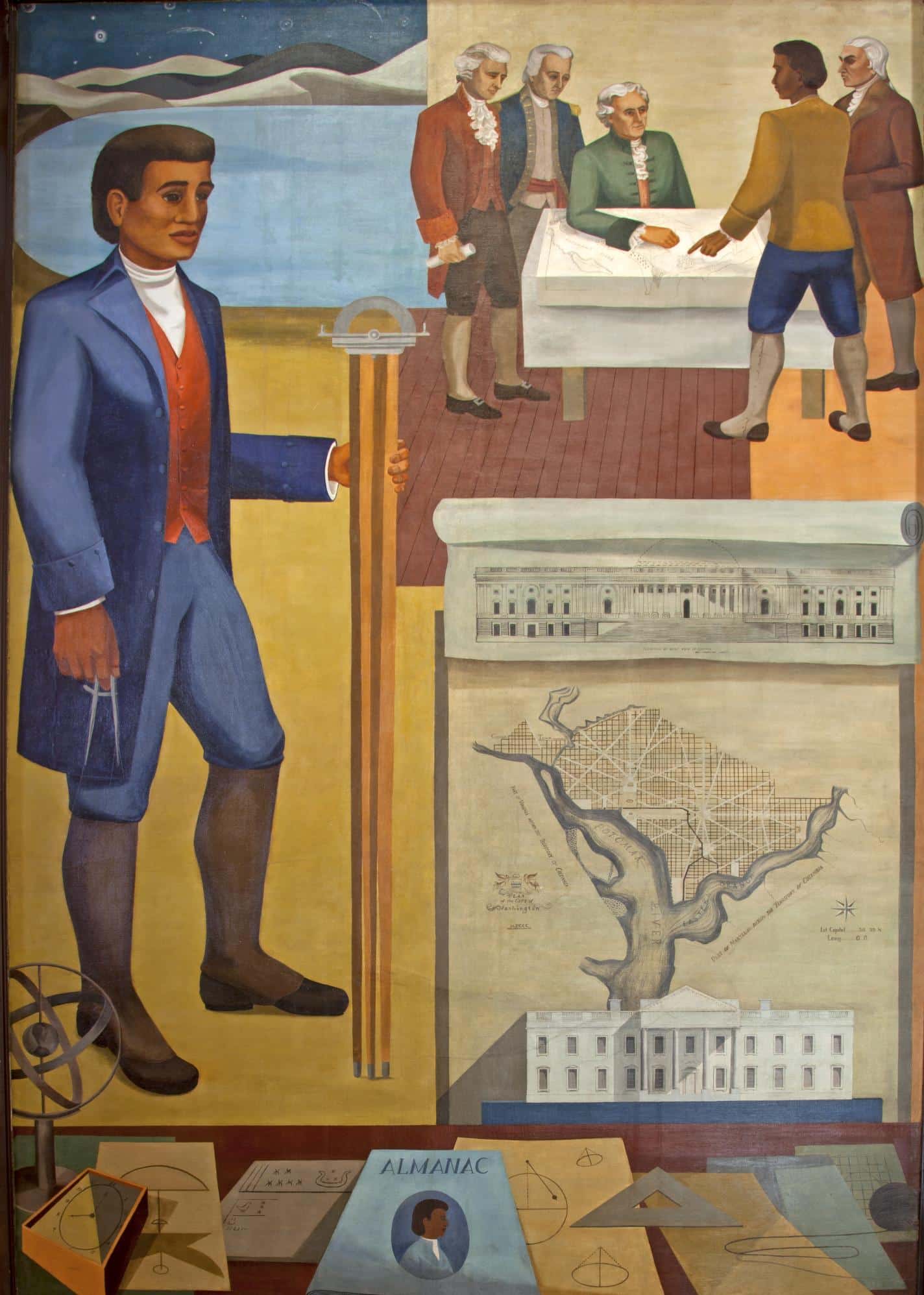
A land surveyor, almanac writer, and correspondent of Thomas Jefferson’s, Benjamin Banneker told Thomas Jefferson to end his “narrow prejudices.”
Continue reading
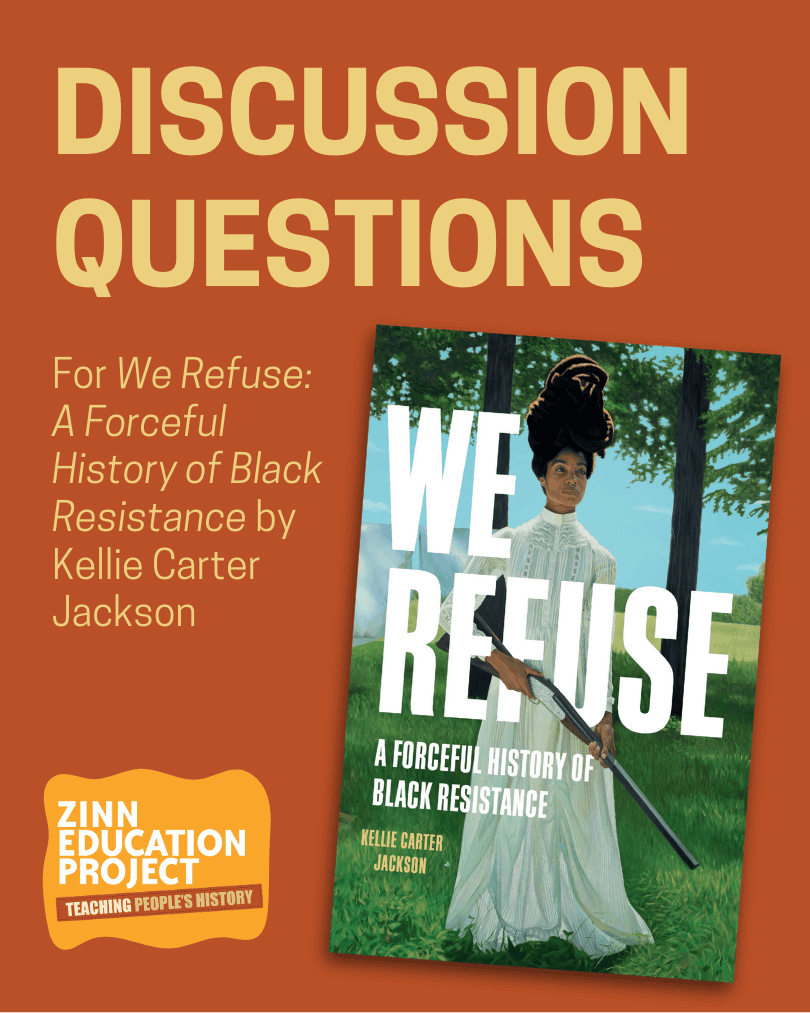
Questions to accompany Chapter One: Revolution of We Refuse: A Forceful History of Black Resistance by Kellie Carter Jackson.
Continue reading
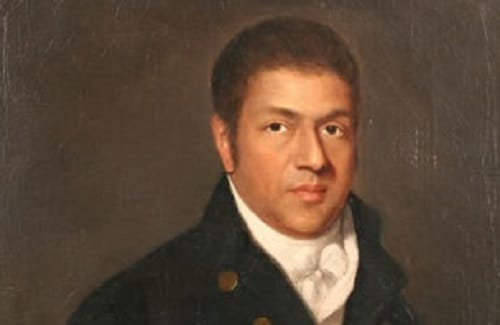
Paul Cuffee and other free Blacks petitioned the Massachusetts government to give African and Native Americans the right to vote.
Continue reading
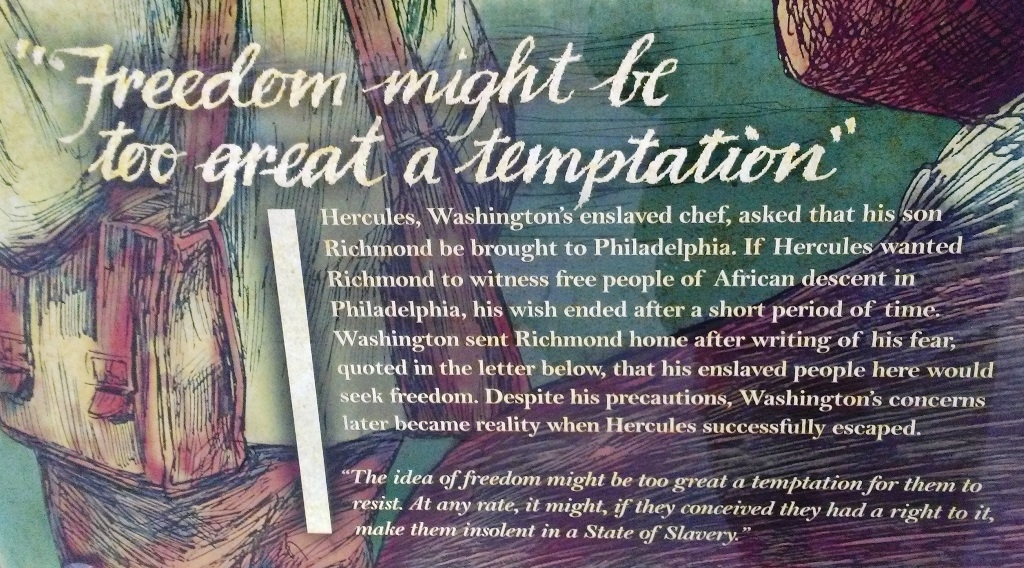
Hercules, the head cook at George Washington’s Mount Vernon estate and slave labor camp, escaped to freedom in Pennsylvania.
Continue reading
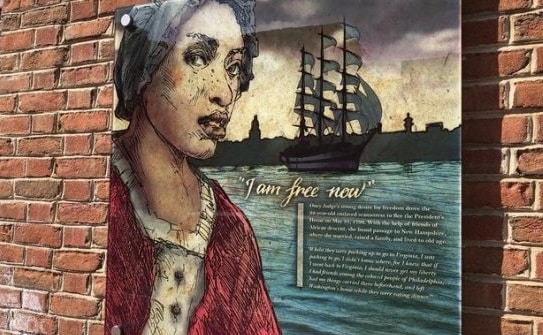
Ona Judge escaped enslavement by U.S. President George Washington.
Continue reading
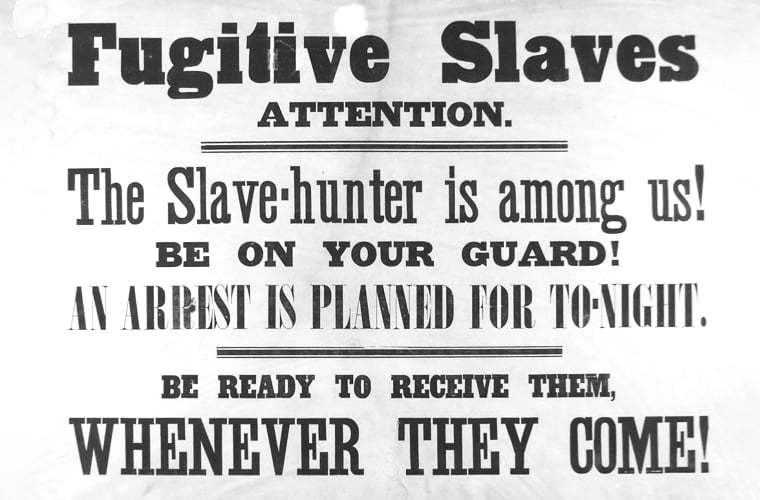
Signed into law by President George Washington, the first Fugitive Slave Act in the United States gave owners of the enslaved the right to reclaim those who escaped.
Continue reading
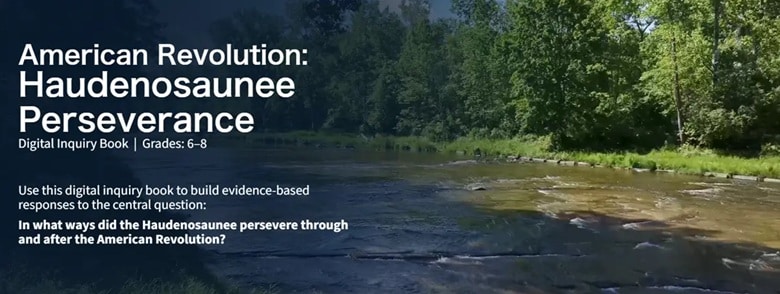
Digital collection. In this lesson offered by the Smithsonian’s National Museum of the American Indian, students examine the challenges faced by the Haudenosaunee resulting from the American Revolution and their acts of perseverance in response.
Continue reading
Teaching Activity. By Adam Sanchez.
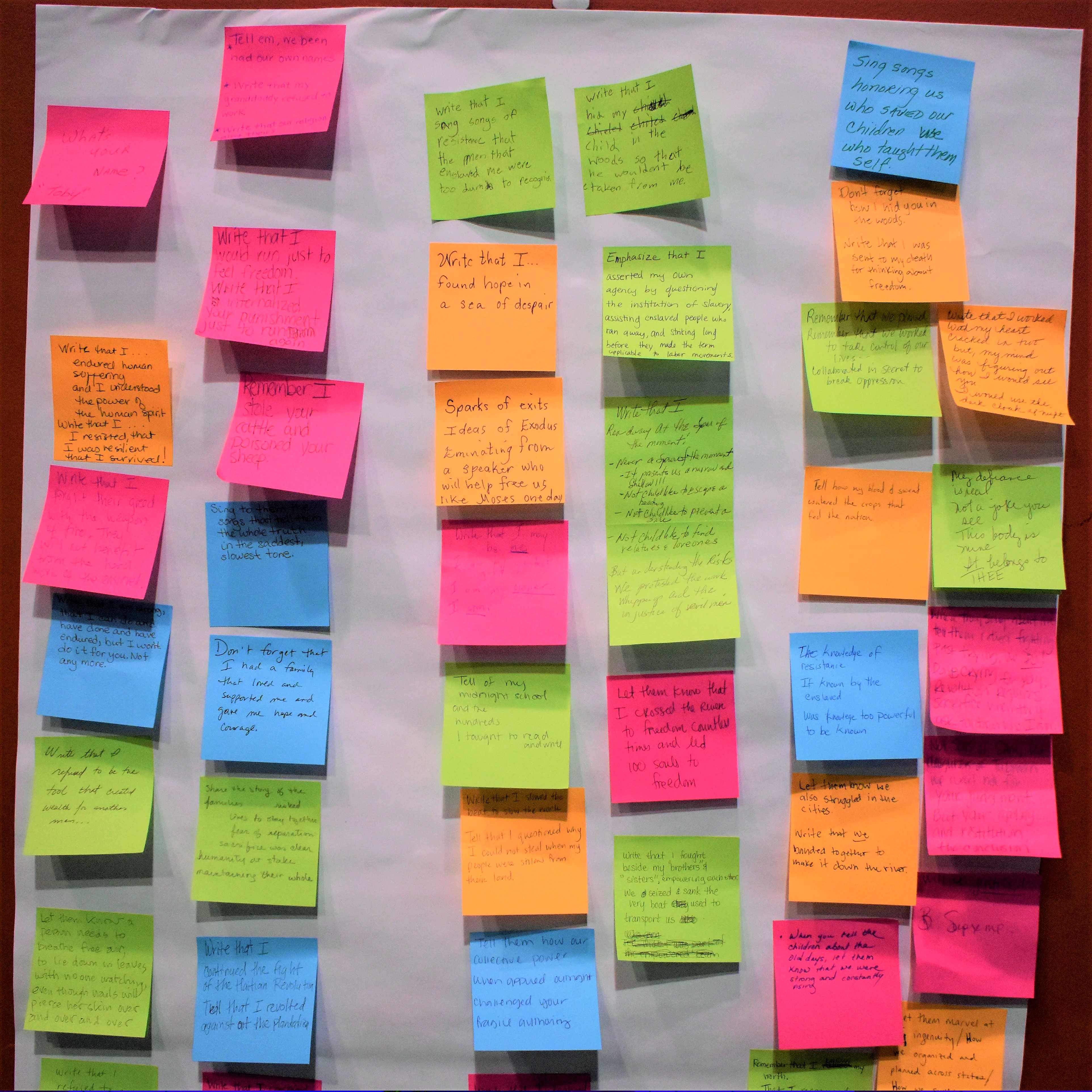
Through a mixer activity, students encounter how enslaved people resisted the brutal exploitation of slavery. The lesson culminates in a collective class poem highlighting the defiance of the enslaved.
Continue reading
Teaching Activity. By Bill Bigelow. 2025. 36 pages.
This is a unit with three lessons. The first invites students to think critically about key issues that confronted the framers of the Constitution — examining the perspectives not only of the elites attending the actual Constitutional Convention, but also of enslaved African Americans, poor white farmers, and white workers. The other two lessons are: The Constitutional Convention: Who Really Won? — with students exploring whose interests the Constitution advanced — and Federalist Paper #10: Suppressing “Wicked Projects,” a critical reading activity on James Madison's seminal defense of the Constitution.
Continue reading
Teaching Activity. By Mimi Eisen. 2025. 51 pages.
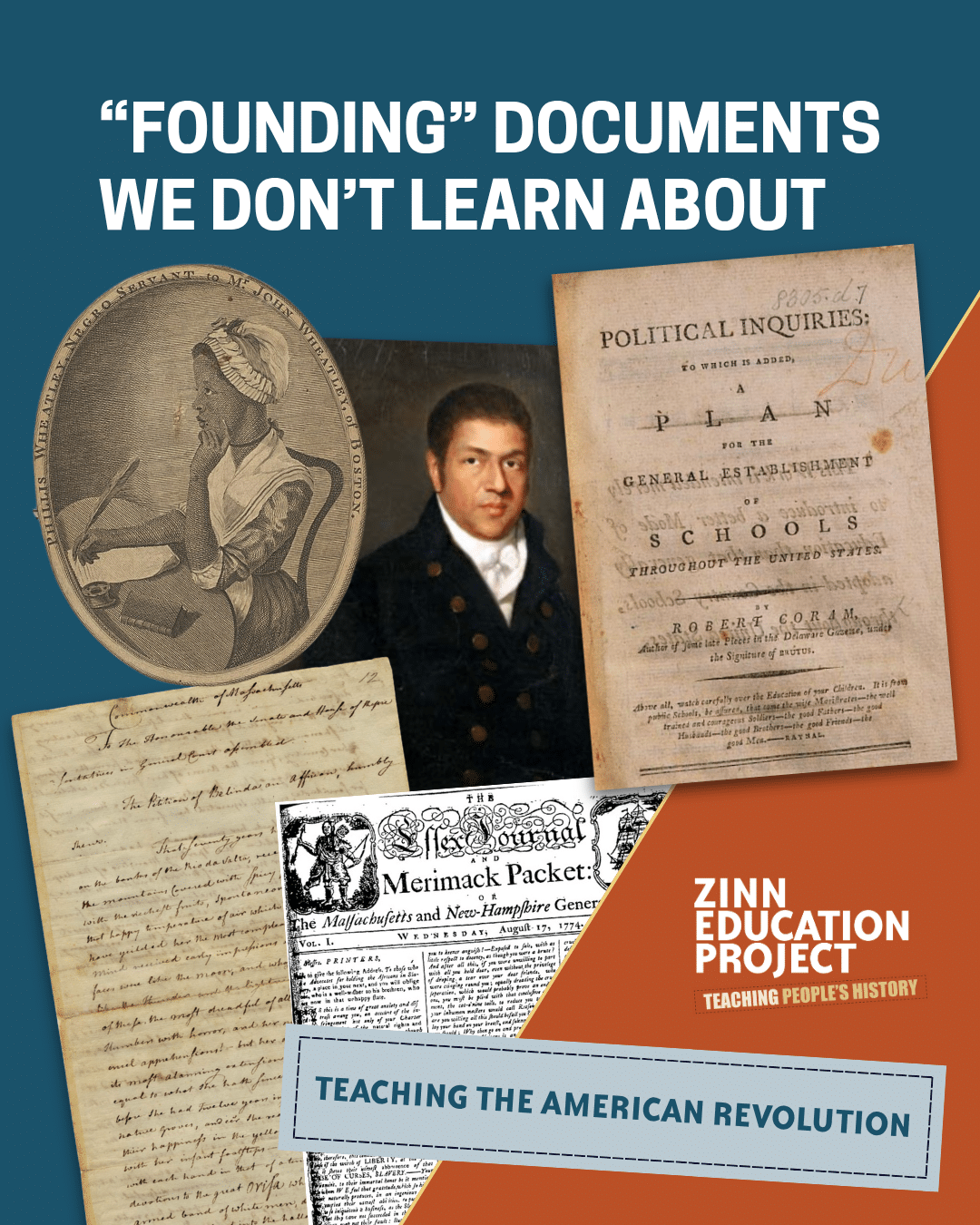
A set of primary source documents and teaching activities reveal a profound cast of voices from the era of the American Revolution. None of them are “Founding Fathers.”
Continue reading
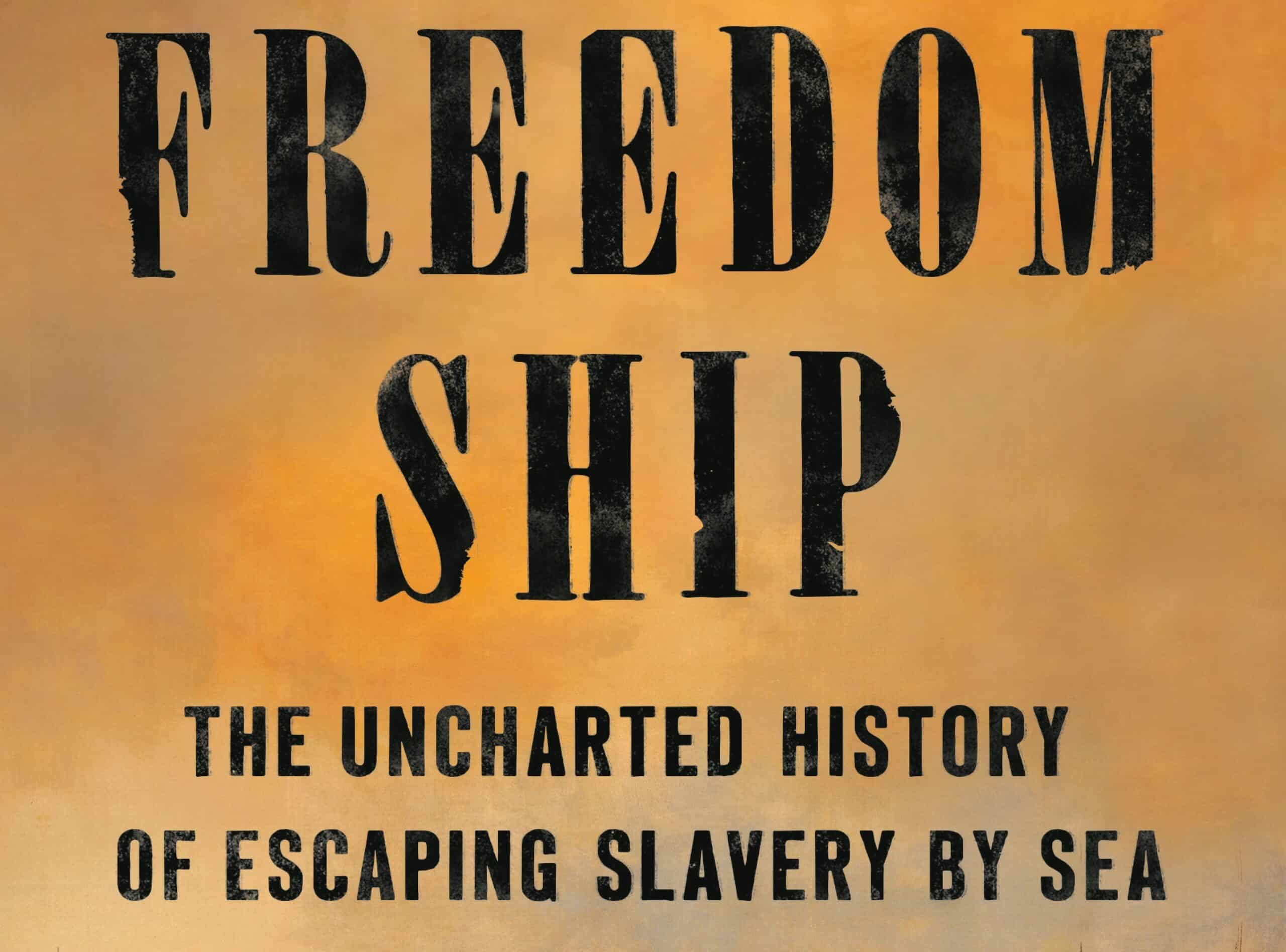
Book — Non-fiction. By Marcus Rediker. 2025. 416 pages.
A sweeping account of the Underground Railroad’s long-overlooked maritime origins.
Continue reading
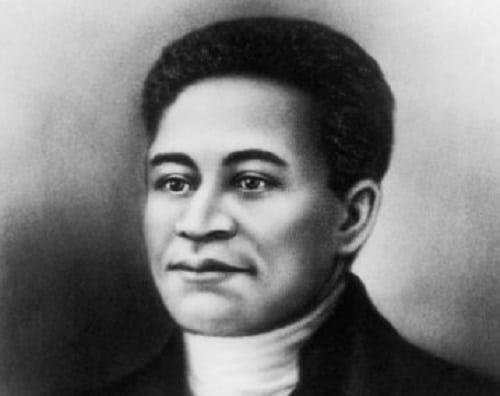
Crispus Attucks was the first person shot to death by the British during the Boston Massacre.
Continue reading
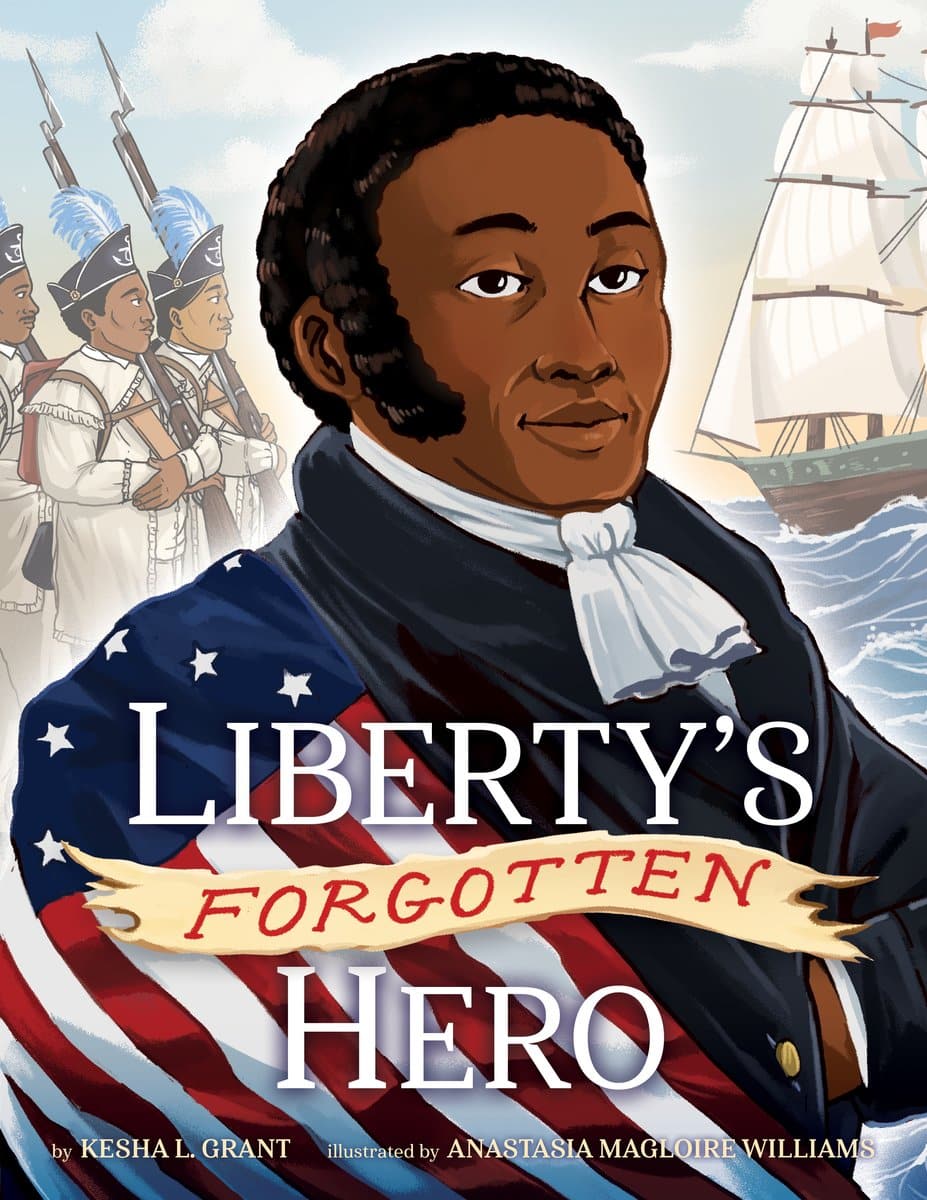
Picture book. By Kesha L. Grant, with illustrations by Anastasia Magloire Williams. 2026. 48 pages.
Tells the story of James Forten, who served in the American Revolution and then dedicated his life to fighting for the ideals set forth by the Declaration of Independence that “all men are created equal.”
Continue reading
Teaching Activity. By Tiferet Ani and Mimi Eisen. 2026. 27 pages.
In this mixer lesson, students surface choices and outcomes navigated by an array of Black and Indigenous people in the American Revolution to examine what freedom meant to those excluded from it at the U.S. founding.
Continue reading