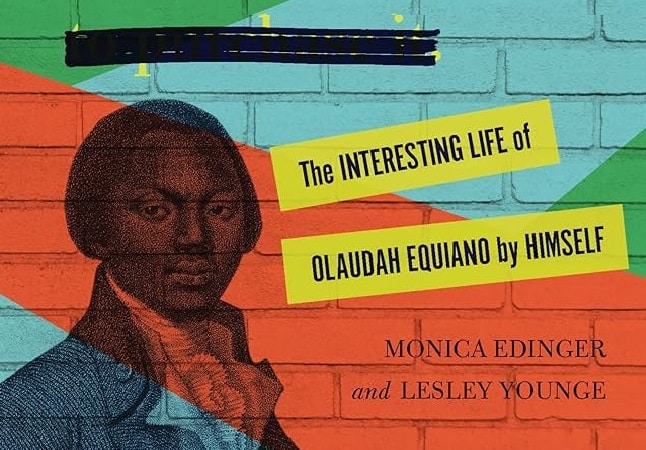
Book — Non-fiction. By Monica Edinger and Lesley Younge. 2023. 216 pages.
The story of Olaudah Equiano, from his childhood in Africa to his capture, enslavement, and eventual liberation.
Continue reading
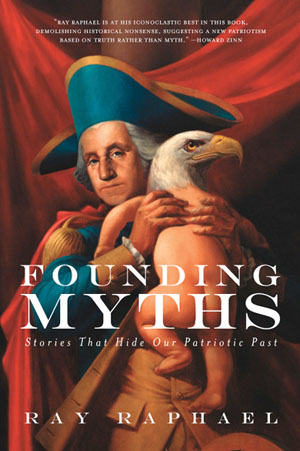
Book — Non-fiction. By Ray Raphael. 2014. 420 pages.
Myths and the reasons that they have come to replace the real stories of the Revolutionary period.
Continue reading
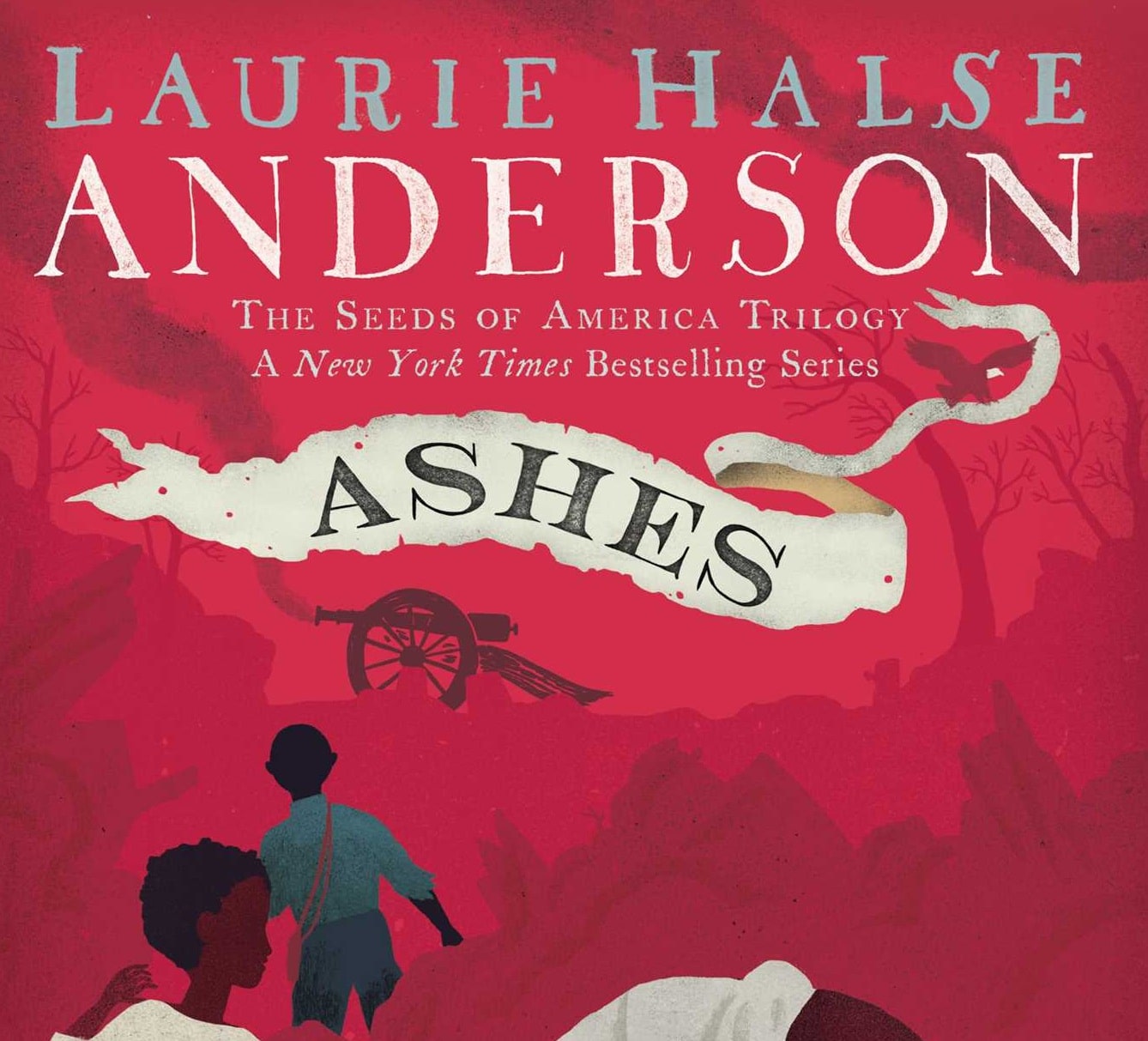
Book — Historical fiction. By Laurie Halse Anderson. 2017. 320 pages.
A historical fiction middle grade adventure about a struggle for freedom during the Revolutionary War.
Continue reading
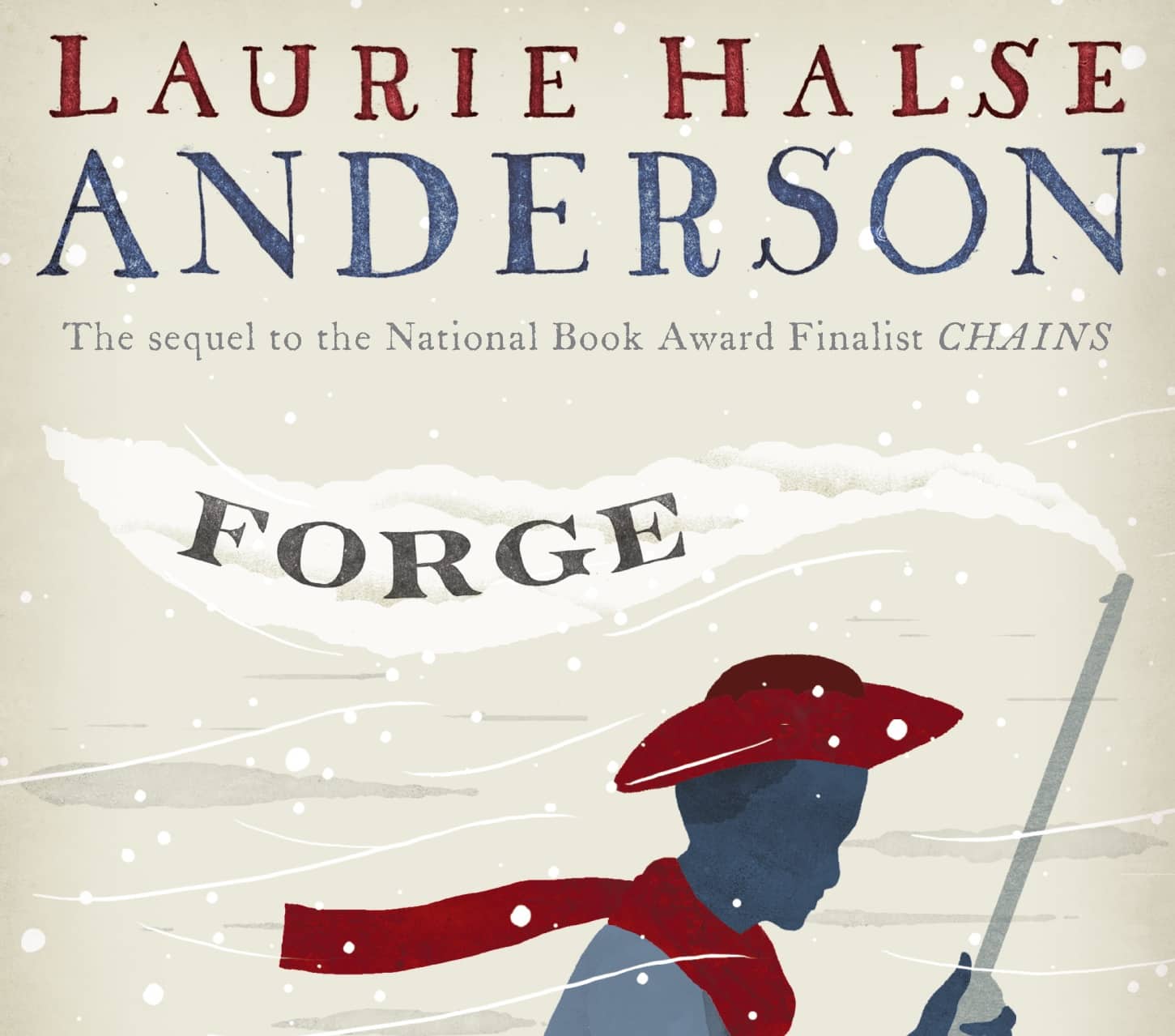
Book — Historical fiction. By Laurie Halse Anderson. 2012. 320 pages.
A historical middle grade story about a young Revolutionary War soldier.
Continue reading
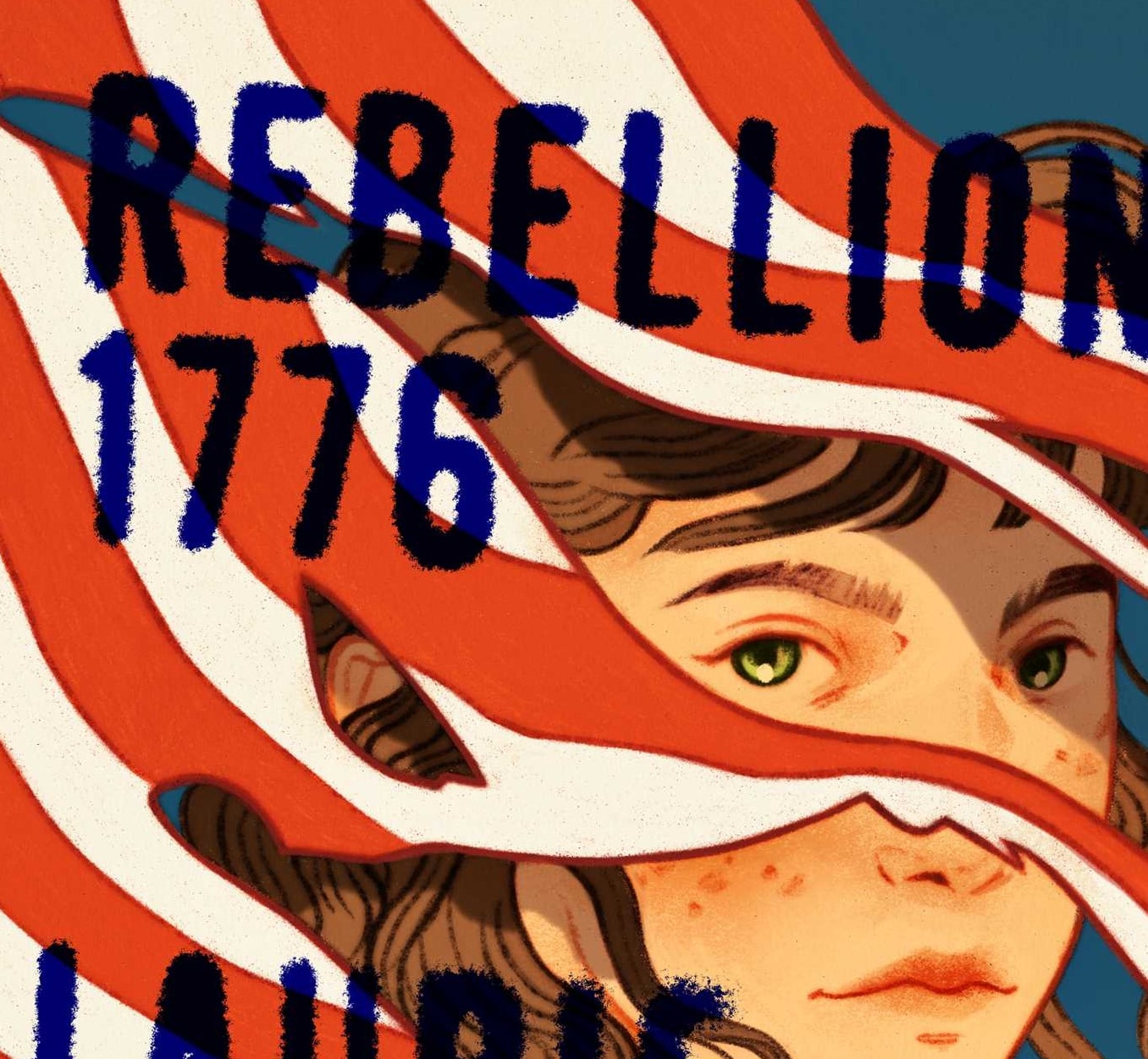
Book — Historical fiction. By Laurie Halse Anderson. 2025. 416 pages.
A historical fiction middle grade adventure about a girl struggling to survive amid a smallpox epidemic, the public’s fear of inoculation, and the seething Revolutionary War.
Continue reading
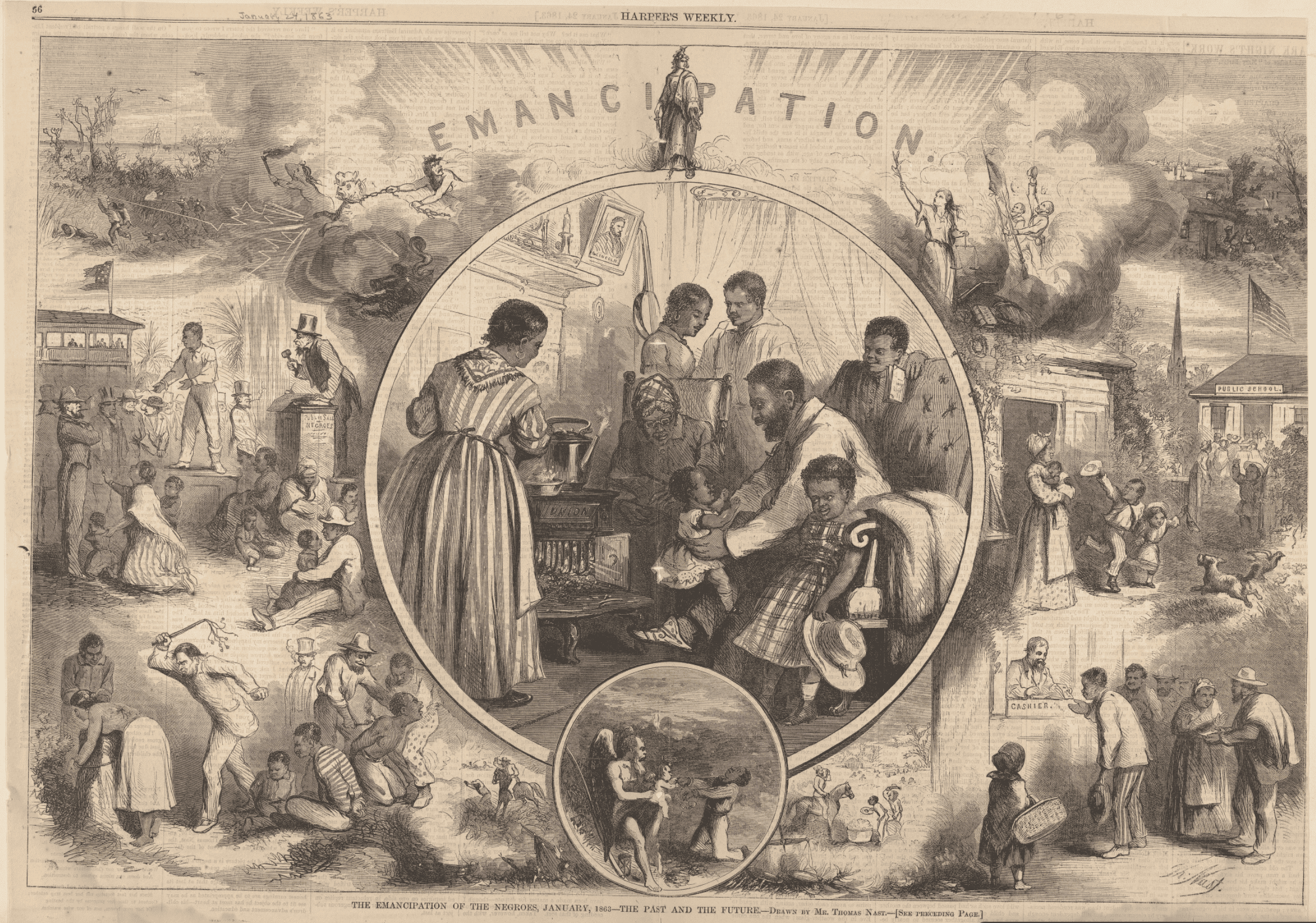
While the state of Rhode Island legally abolished slavery in 1652, it wasn’t until 1784 — after mounting public pressure to do away with the enslavement of other human beings once and for all — that the state passed the Gradual Emancipation Act.
Continue reading
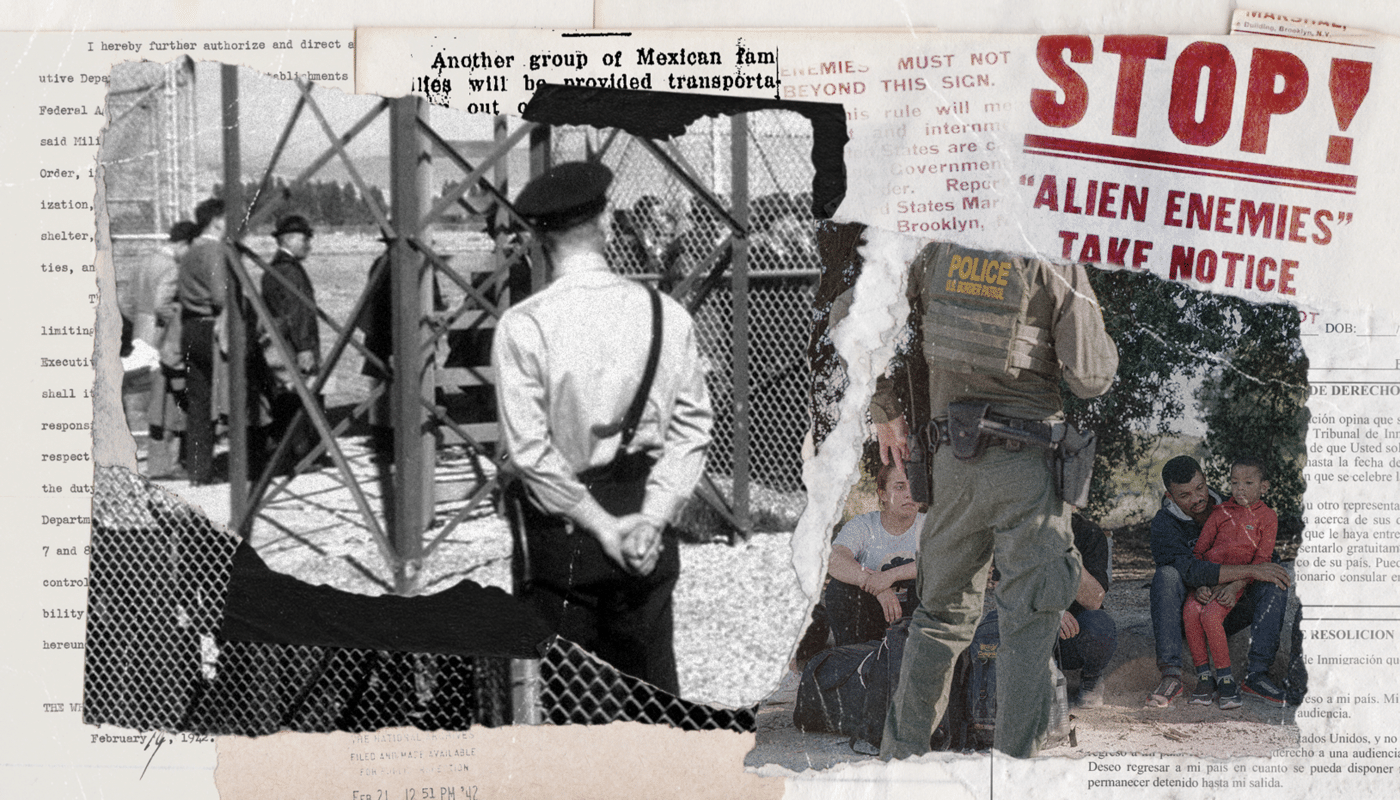
The Alien Enemies Act, one of four laws enacted in 1798 known collectively as the Alien and Sedition Acts, permits the president to target, detain, and deport people in the United States based on their citizenship and nationality without due process.
Continue reading
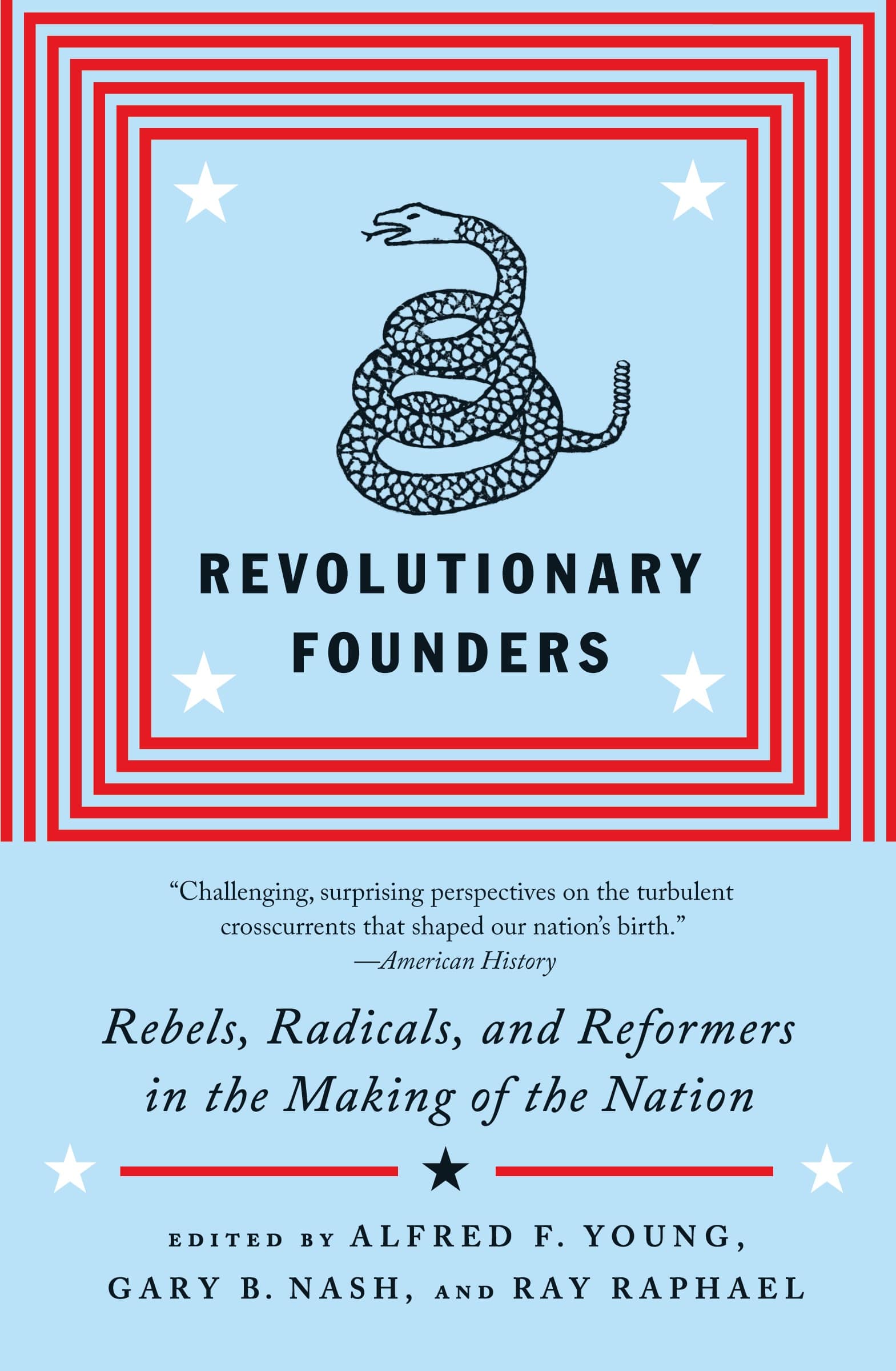
Book — Non-fiction. Edited by Alfred F. Young, Gary Nash, and Ray Raphael. 2012. 464 pages.
In twenty-two original essays, leading historians reveal the radical impulses at the founding of the American Republic.
Continue reading
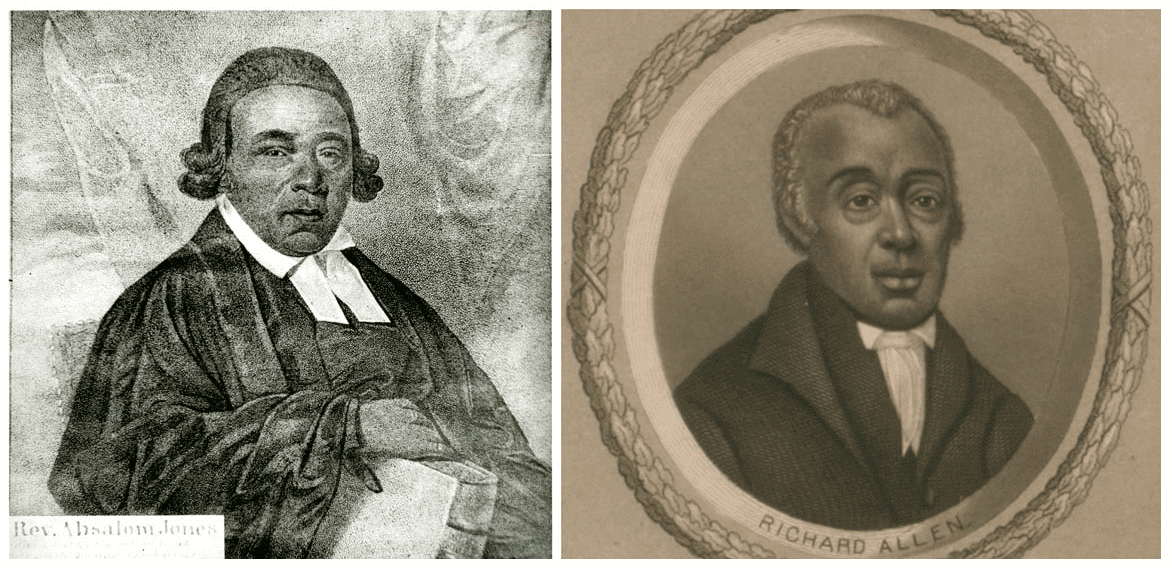
The Free African Society was a benevolent organization grounded in Christian religious faith and operating outside denominational differences to serve the social needs of Black Philadelphians.
Continue reading
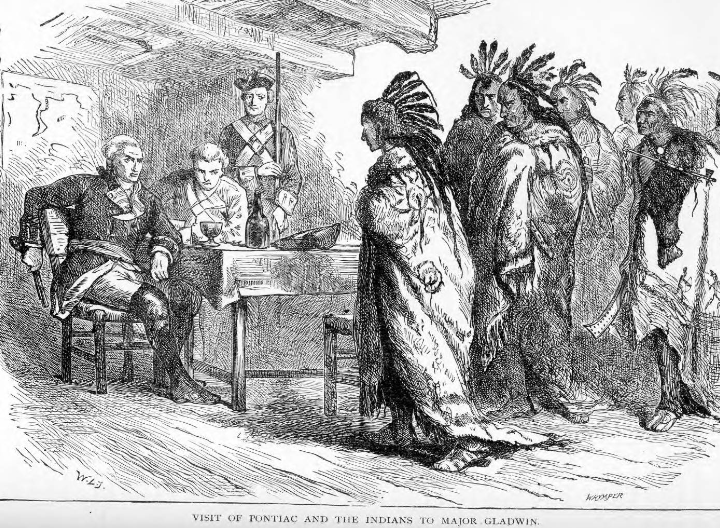
Fighting alongside Odawa Chief Pontiac, the unified Native warriors defeated 250 British soldiers during their siege at Fort Detroit during Pontiac’s War.
Continue reading
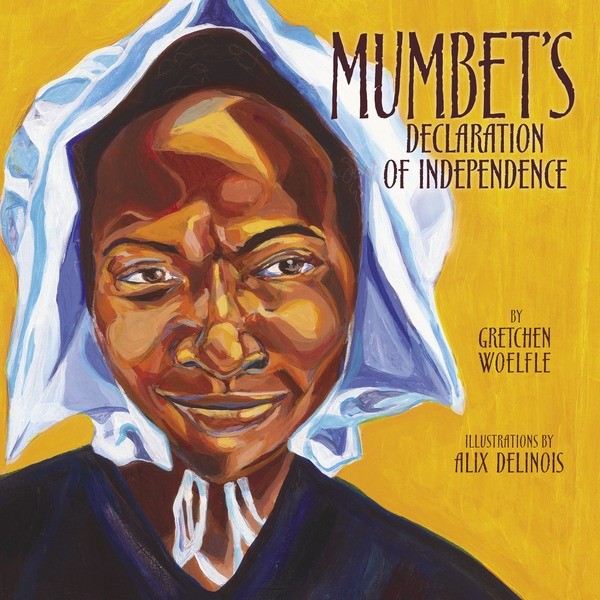
Elizabeth Mumbet Freeman won her freedom after she got an attorney and filed a “freedom suit” under the 1780 State Constitution for Massachusetts.
Continue reading
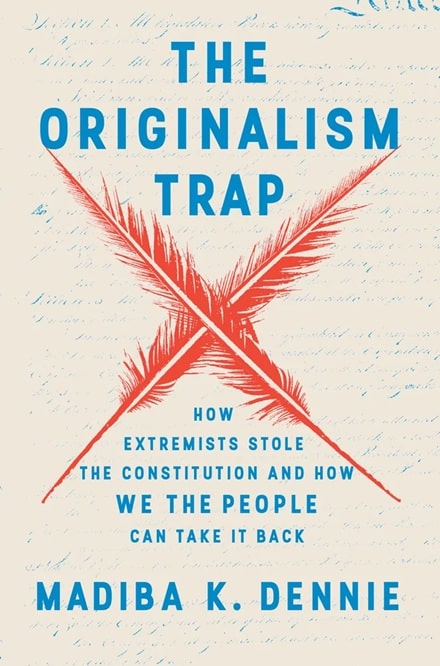
Book — Non-fiction. By Madiba K. Dennie. 2024. 304 pages.
Shows readers that the Constitution belongs to them and how, by understanding its possibilities, they can use it to fight for their rights.
Continue reading
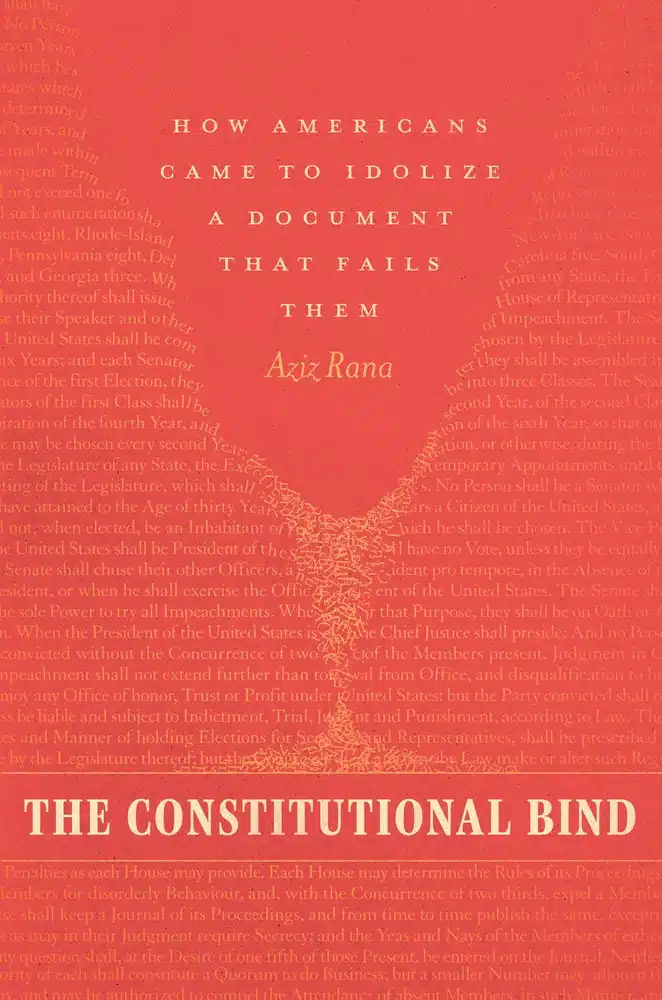
Book — Non-fiction. By Aziz Rana. 2024. 824 pages.
An account of how people in the United States came to revere the Constitution and what this reverence has meant domestically and around the world.
Continue reading
Massachusetts farmers arm themselves and rebel against taxation under the Articles of Confederation.
Continue reading
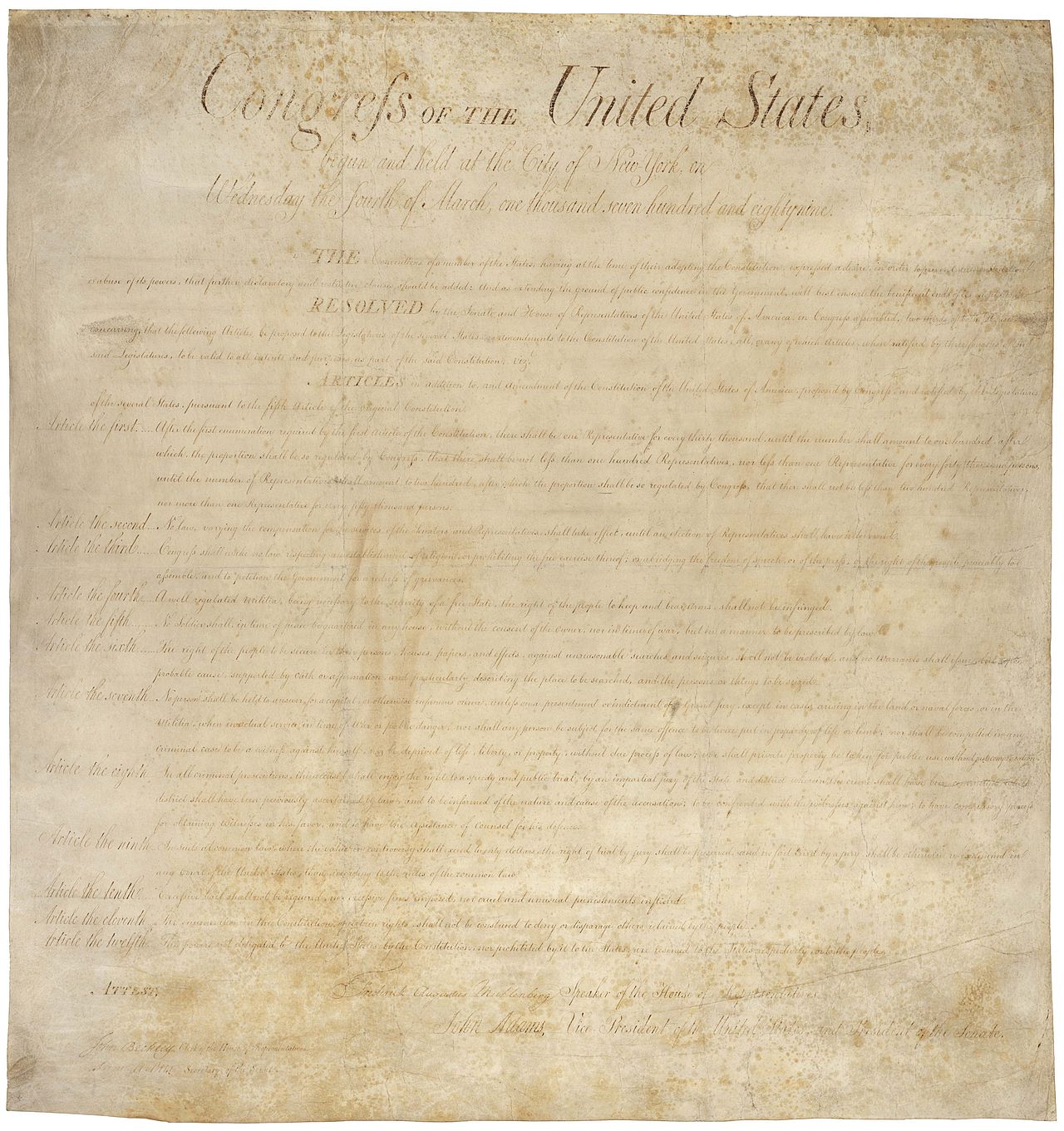
The first ten amendments to the U.S. Constitution, known as the United States Bill of Rights, were ratified.
Continue reading
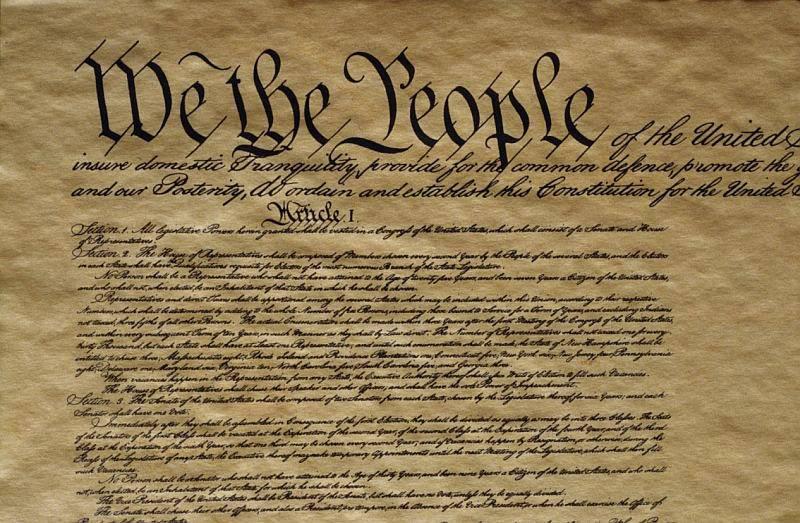
The U.S. Constitution was signed in Philadelphia, Pennsylvania.
Continue reading
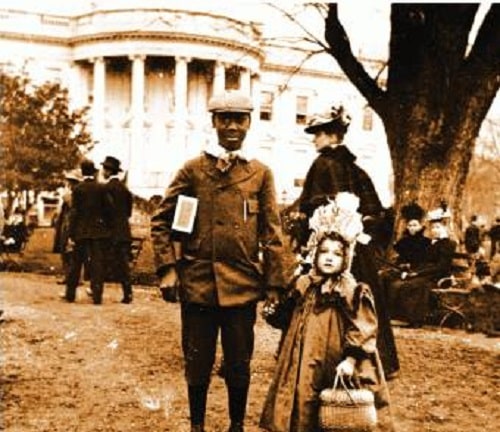
The White House cornerstone was laid. Among those who constructed the building were African Americans, both free and enslaved.
Continue reading
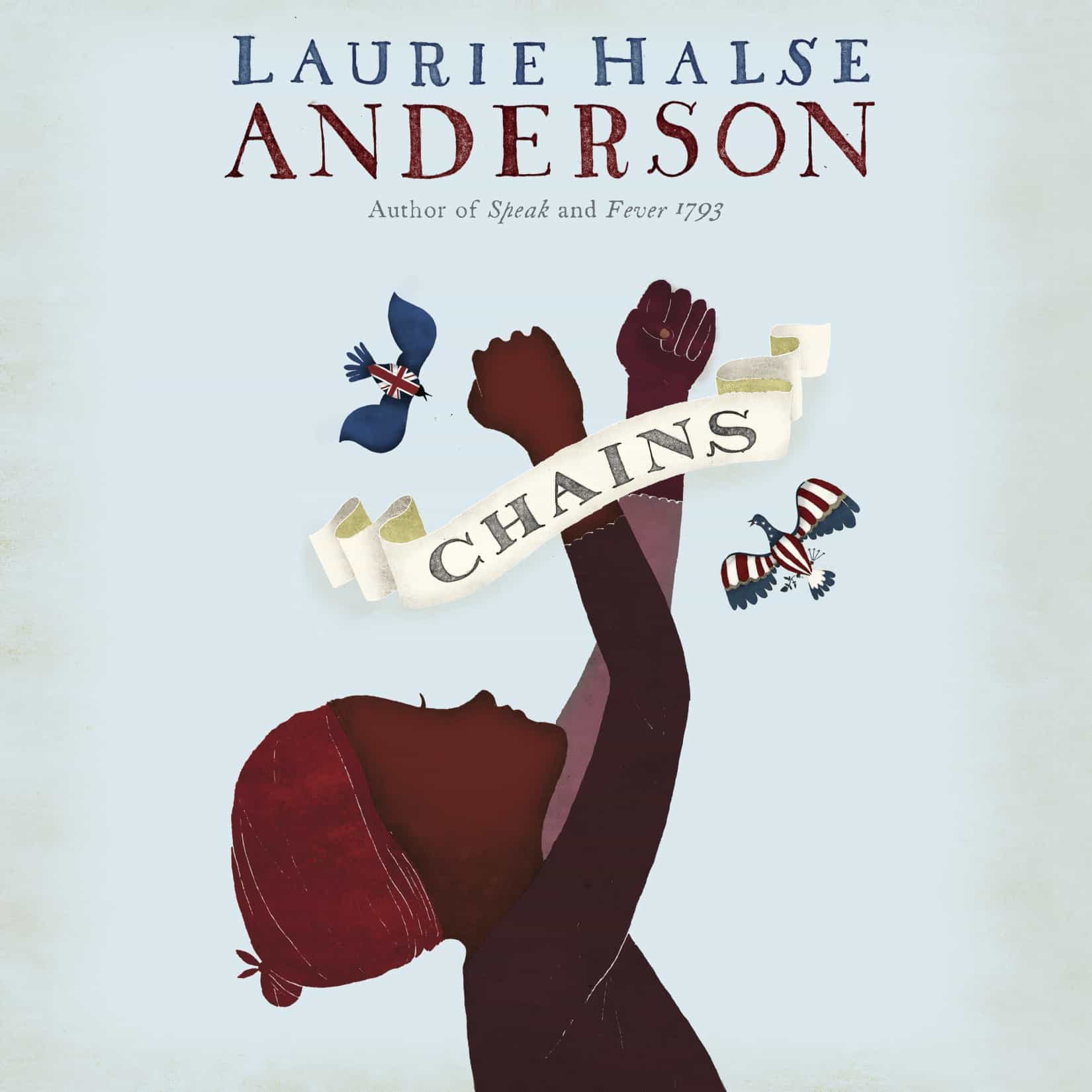
Book — Historical fiction. By Laurie Halse Anderson. 2010. 336 pages.
Historical fiction based on the life of an enslaved teenager during the Revolutionary War.
Teaching Activity by Laurie Halse Anderson
Continue reading
Book — Non-fiction. By Ray Raphael. Series editor: Howard Zinn. 2002. 528 pages.
Using hundreds of primary sources, this book tells the more accurate, populist, complicated, and interesting story of the American Revolution.
Continue reading
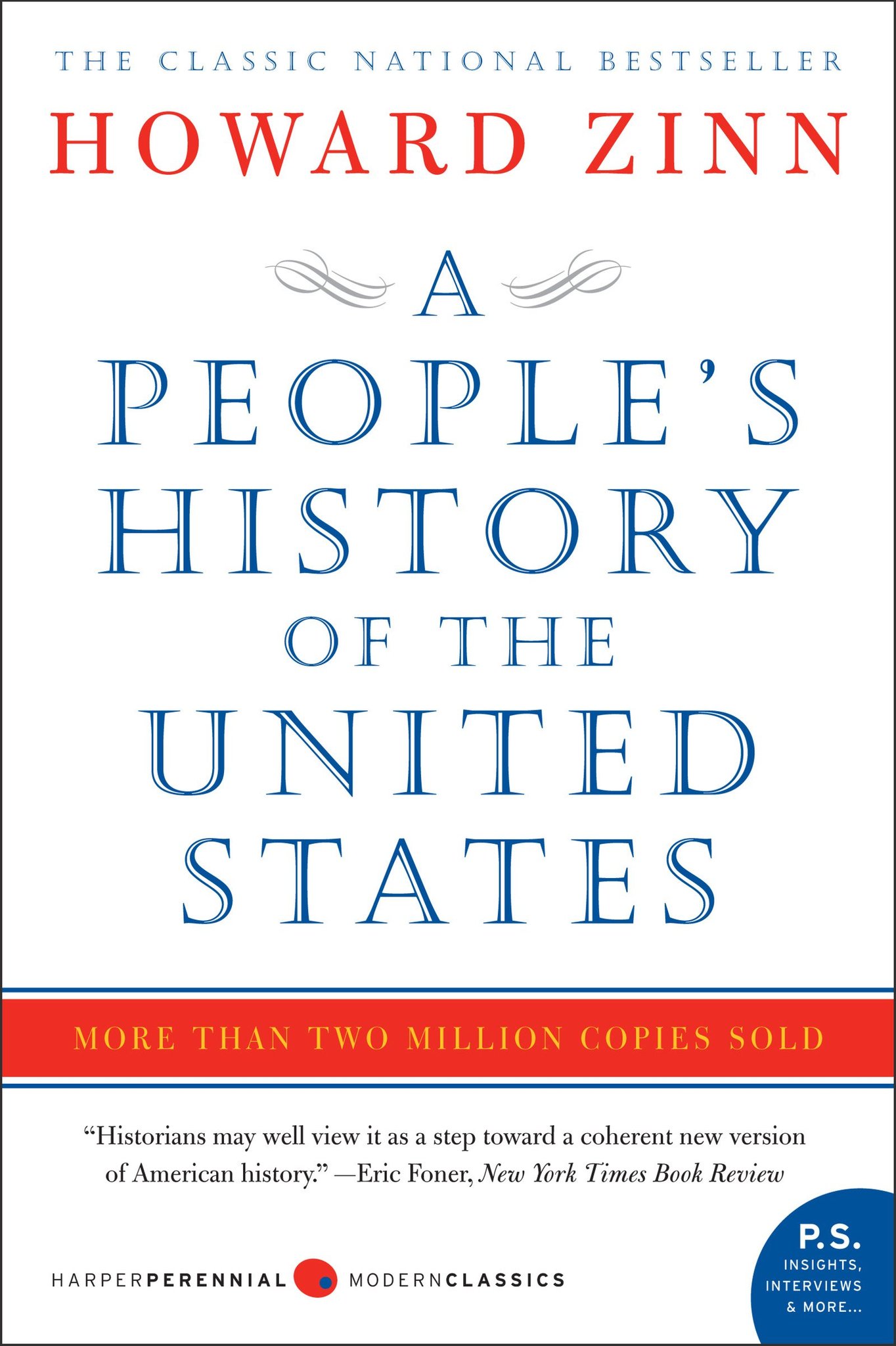
Book — Non-fiction. By Howard Zinn. 2005, with a new introduction by Anthony Arnove in 2015. 784 pages.
Howard Zinn's groundbreaking work on U.S. history. This book details lives and facts rarely included in textbooks—an indispensable teacher and student resource.
Continue reading
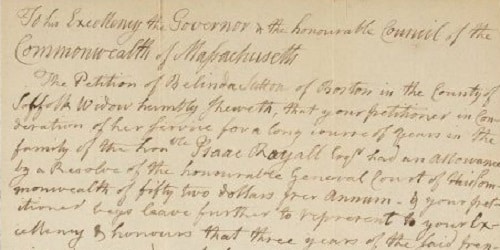
Belinda Sutton petitioned the Massachusetts legislature for a pension as reparations for the wealth she produced and was stolen from her while she was enslaved.
Continue reading
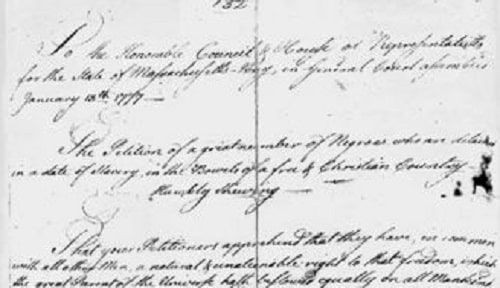
A group of African Americans presented a petition for freedom to the Massachusetts Council and the House of Representatives.
Continue reading
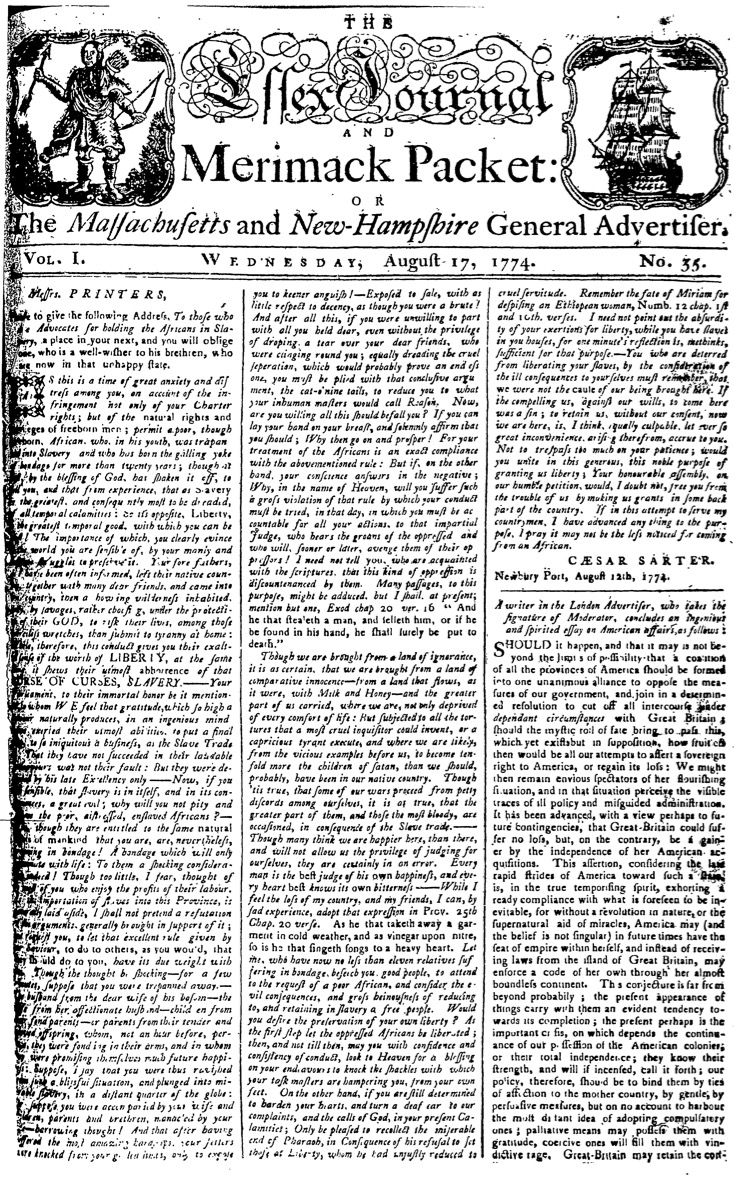
Just months after the Boston Tea Party, formerly enslaved African American Caesar Sarter made front-page news in Newburyport, Massachusetts when he wrote a an essay rebuking “revolutionary” enslavers.
Continue reading
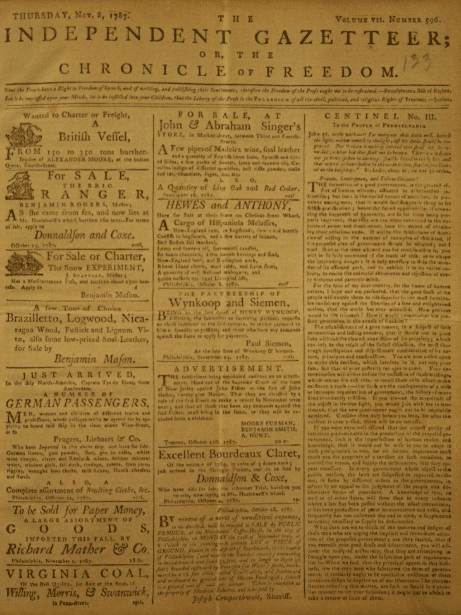
A series of essays appeared in a Philadelphia newspaper from 1787 to 1789, denouncing the new U.S. Constitution, calling the proposed government a “masqued aristocracy” designed to protect the ruling class from the will of the people.
Continue reading
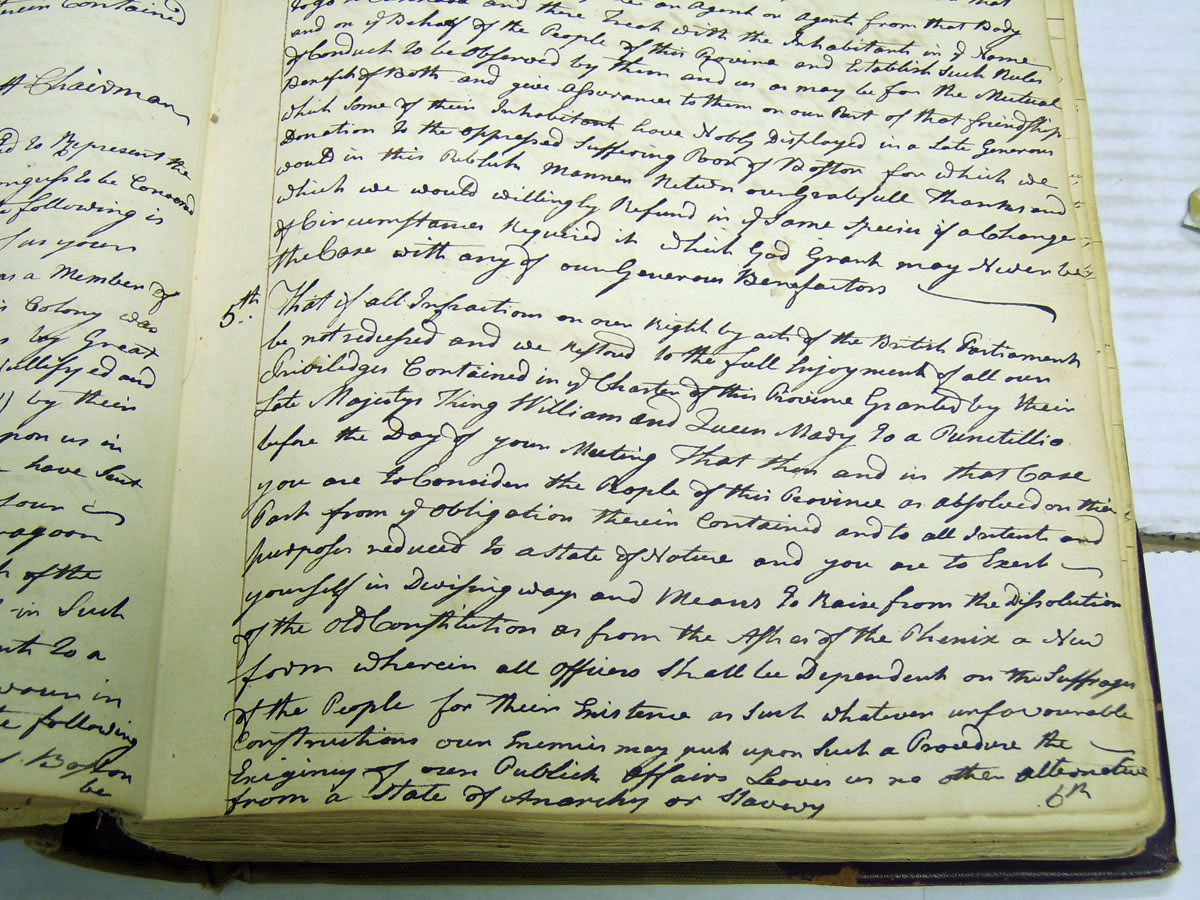
Residents of Worcester, Massachusetts demanded a new government be elected by the people, divorced from the British Crown and Parliament, setting the stage for nearly 100 more declarations that would sweep through the Thirteen Colonies before the summer of 1776.
Continue reading