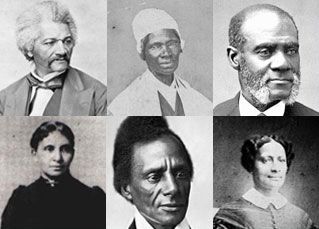
Forty African Americans, elected by communities in nine states, met in Philadelphia, Pennsylvania in 1830 to organize for improving the lives of Black people in North America. That week, they founded the National Colored Conventions movement and held its first official series of formal meetings.
Continue reading
Teaching Activity. By Adam Sanchez, Brady Bennon, Deb Delman, and Jessica Lovaas.
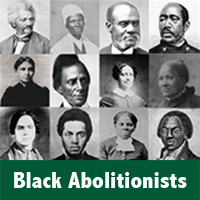
This mixer role play introduces students to the stories of famous and lesser-known abolitionists, through biography and investigation.
Continue reading
Radical abolitionists organized to liberate kidnapped Black New Yorkers and fight racist police violence in the decades after New York abolished slavery.
Continue reading
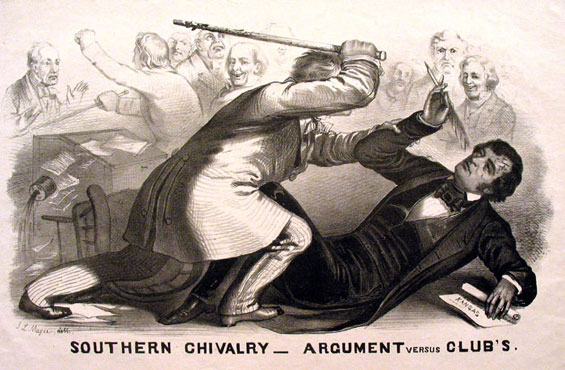
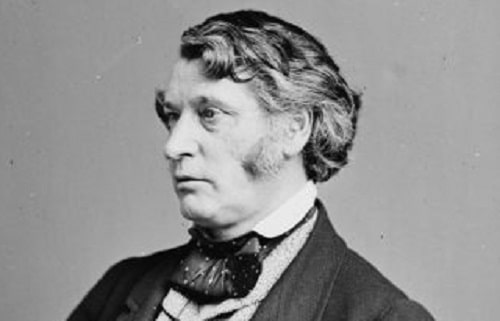
Charles Sumner delivered a speech denouncing slavery and the need for Kansas to become a free state.
Continue reading
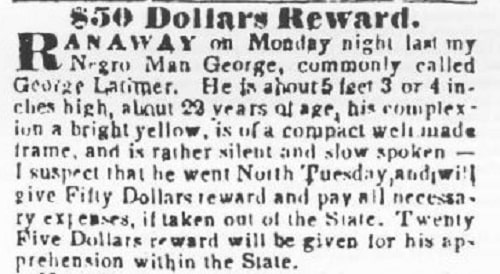
A Boston judge stopped the extradition of George Latimer, who had escaped enslavement in Virginia, and allowed him to raise funds for his own manumission.
Continue reading
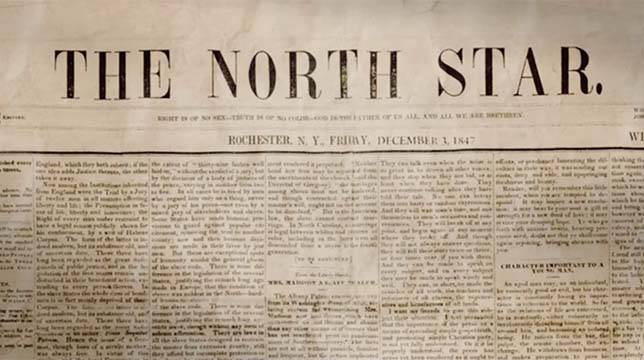
Frederick Douglass and Martin Delany launched the abolitionist North Star newspaper.
Continue reading
Born on this day in Massachusetts, Charles Sumner was outspoken against slavery, for full recognition of Haiti, against the U.S.-Mexico War, for true reconstruction with land distribution, against school segregation, and much more.
Continue reading
The Slave Revolt of 1842 — when dozens of enslaved Black people in Webbers Falls, Oklahoma fought back and briefly escaped from their Cherokee overseers — was the largest rebellion of enslaved people in Indian Territory history.
Continue reading
Book — Non-fiction. By Gerald Horne. 2022. 632 pages.
A detailed history of counterrevolutionary forces in Texas state history.
Continue reading
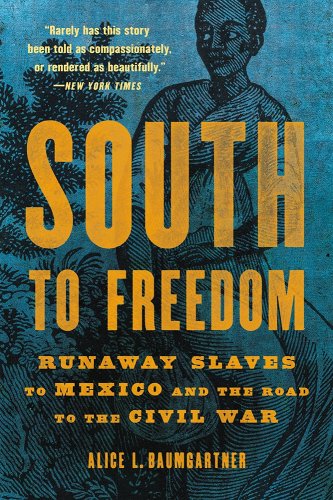
Book — Non-fiction. By Alice L. Baumgartner. 2020. 384 pages.
The story of why Mexico abolished slavery and how its increasingly radical antislavery policies fueled the sectional crisis in the United States.
Continue reading
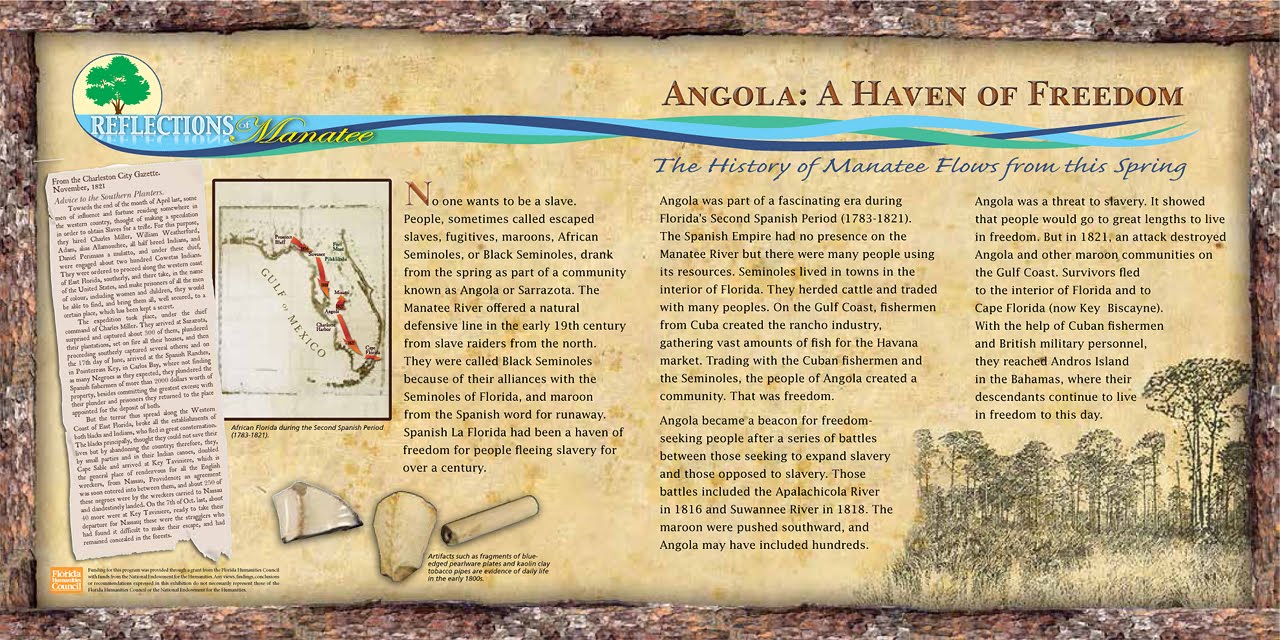
After becoming governor of Florida in 1821, Andrew Jackson attacked the native and Black maroon community at Angola.
Continue reading
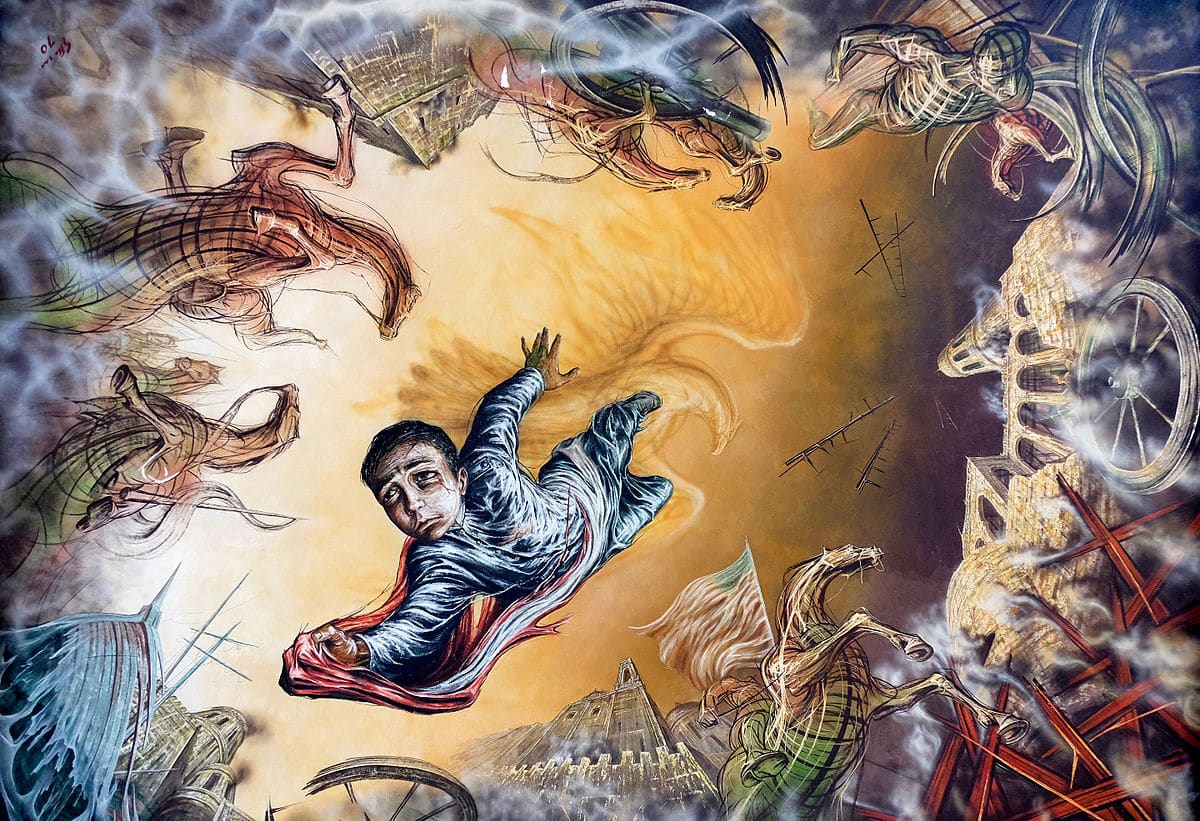
The Niños Héroes (translated as Boy Heroes or Heroic Cadets) were six military cadets killed in the Battle of Chapultepec, one of the last battles of the U.S. Mexico War.
Continue reading
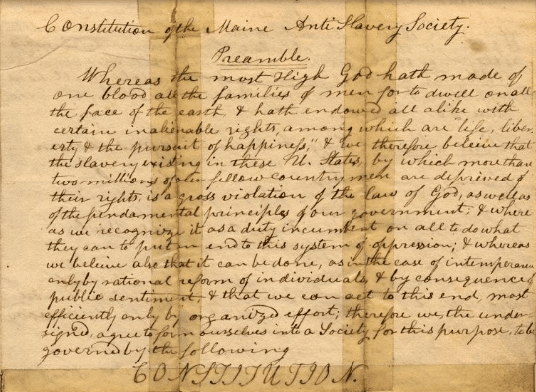
The first Maine Anti-Slavery Society Convention was held in Augusta.
Continue reading
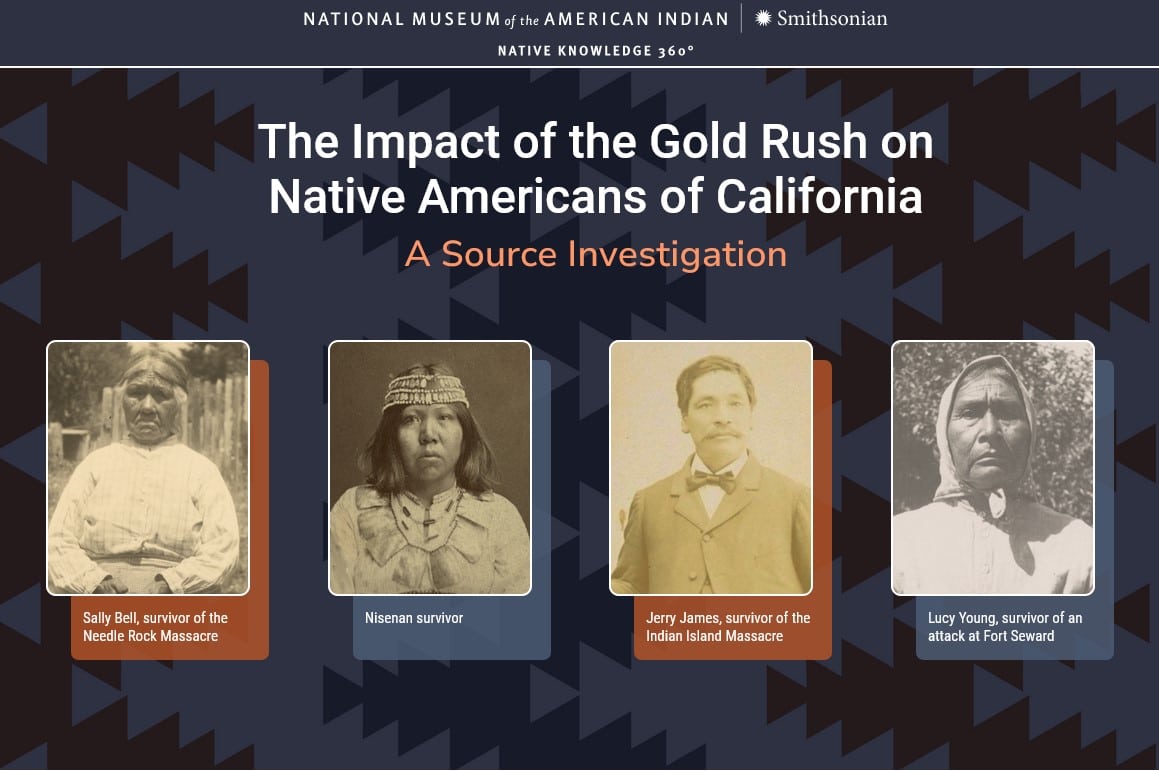
Teaching Activity. Smithsonian’s National Museum of the American Indian Native Knowledge 360° initiative. 9 pages.
Provides primary sources, maps, images, and background history to offer teachers and students insight into the impact of the California gold rush on Native Americans.
Continue reading
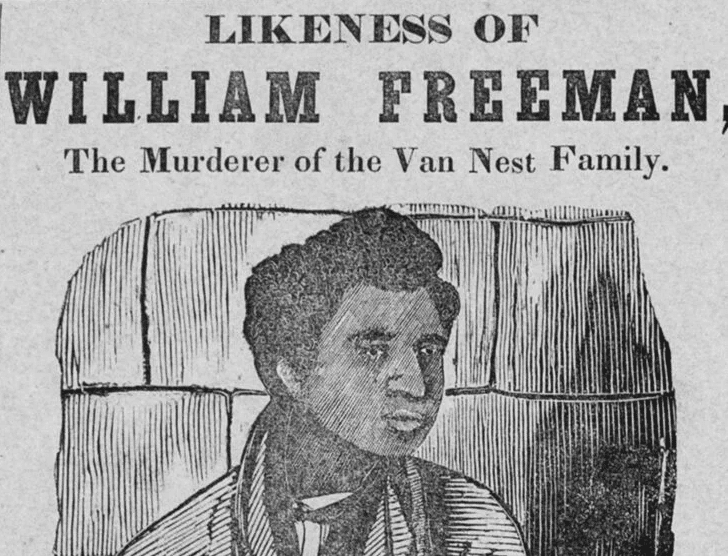
At 15 years old, William Freeman was incarcerated in the Auburn State Prison, America’s original prison for profit. From the start, he challenged the system of convict leasing.
Continue reading
Book — Historical fiction. By Louise Erdrich. 1999. 244 pages.
Historical fiction set in the mid-19th century in the Lake Superior area. Part of a series of chapter books.
Continue reading
David Walker published An Appeal to the Coloured Citizens of the World, one of the most important documents of the 19th century.
Continue reading
Teaching Activity. By Bill Bigelow. Rethinking Schools. 16 pages.
In this lesson, students explore many of the real challenges faced by abolitionists with a focus on the American Anti-Slavery Society.
Continue reading
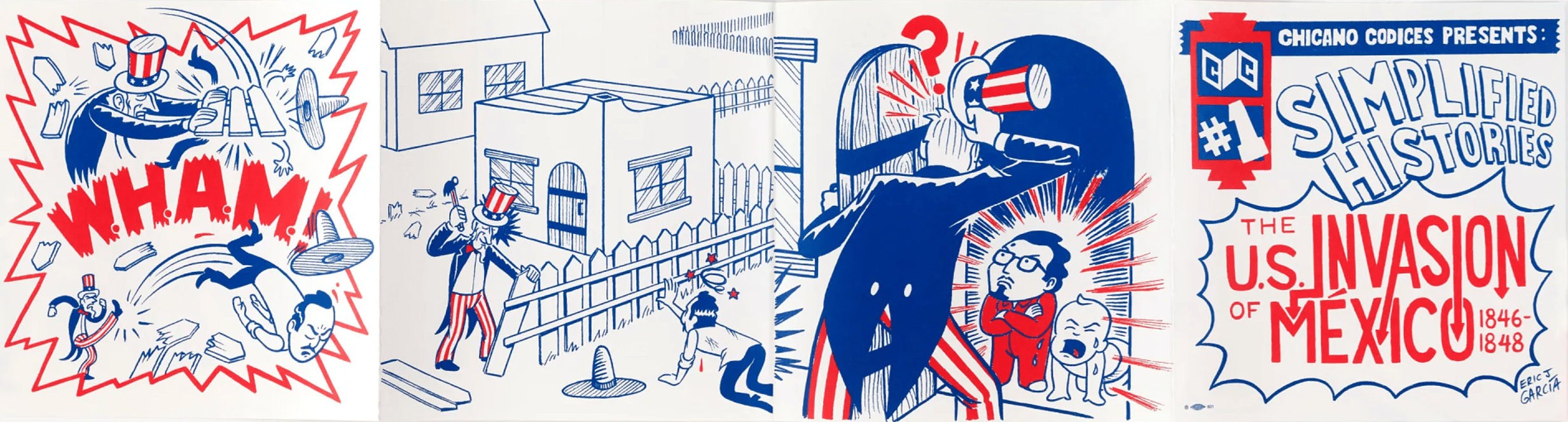
Today’s border with Mexico is the product of invasion and war. Grasping some of the motives for that war and some of its immediate effects begins to provide students the kind of historical context that is crucial for thinking about the line that separates the United States and Mexico.
Continue reading
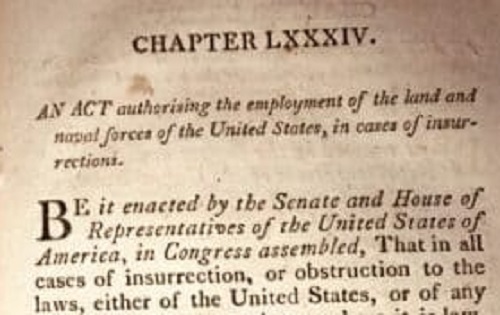
President Thomas Jefferson put his signature on the law known as the Insurrection Act.
Continue reading
Teaching Activity. By Ursula Wolfe-Rocca.
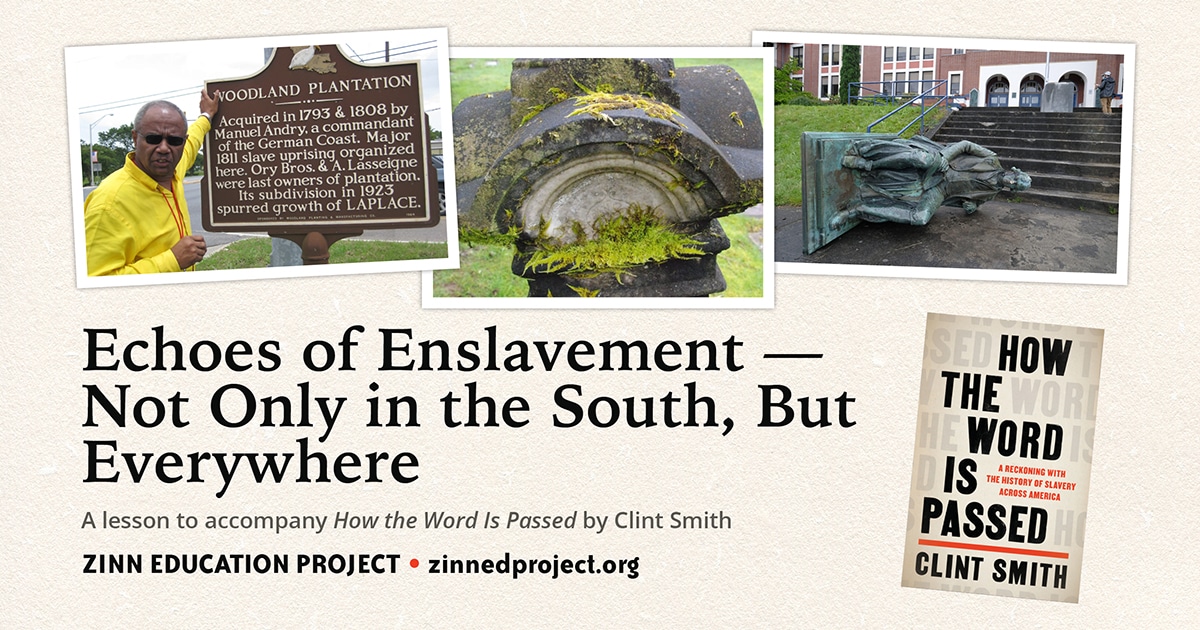
Students discover “echoes of enslavement” in their own state — discrete sites of remembering, forgetting, honoring, lying, or distorting — in this lesson based on the book How the Word Is Passed by Clint Smith.
Continue reading
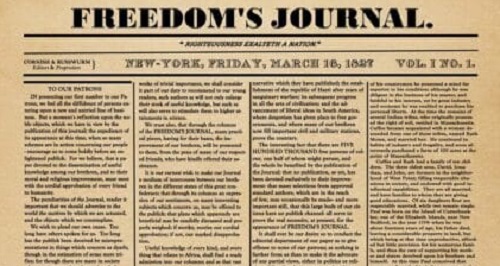
Freedom’s Journal was the first African American owned and operated newspaper in the United States.
Continue reading
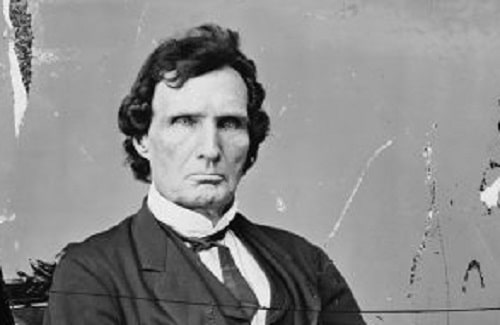
Thaddeus Stevens gave a speech in the Pennsylvania House of Representatives in defense of the Free Schools Act of 1834, which moved the state House to vote against repeal and the Senate to take another vote in support of free public schools.
Continue reading
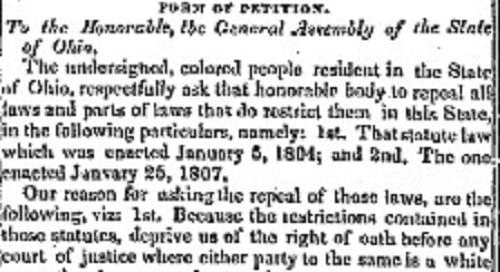
The first general convention of African American Ohioans met in Columbus and pledged to continue raising their voices in order to repeal the Black Codes.
Continue reading
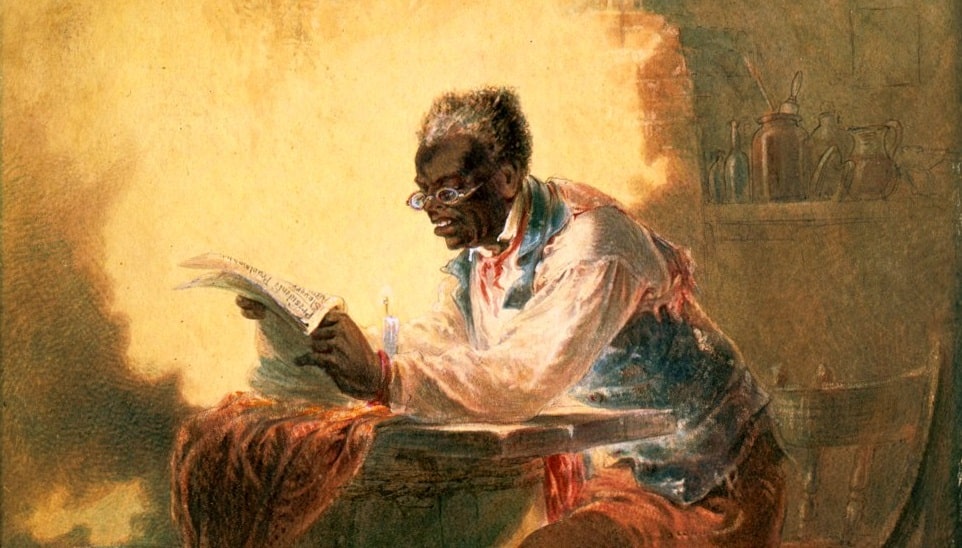
Enacted in response to David Walker’s Appeal, this law criminalized the distribution of materials that could incite rebellion to slavery, reflecting fears of literacy empowering resistance.
Continue reading