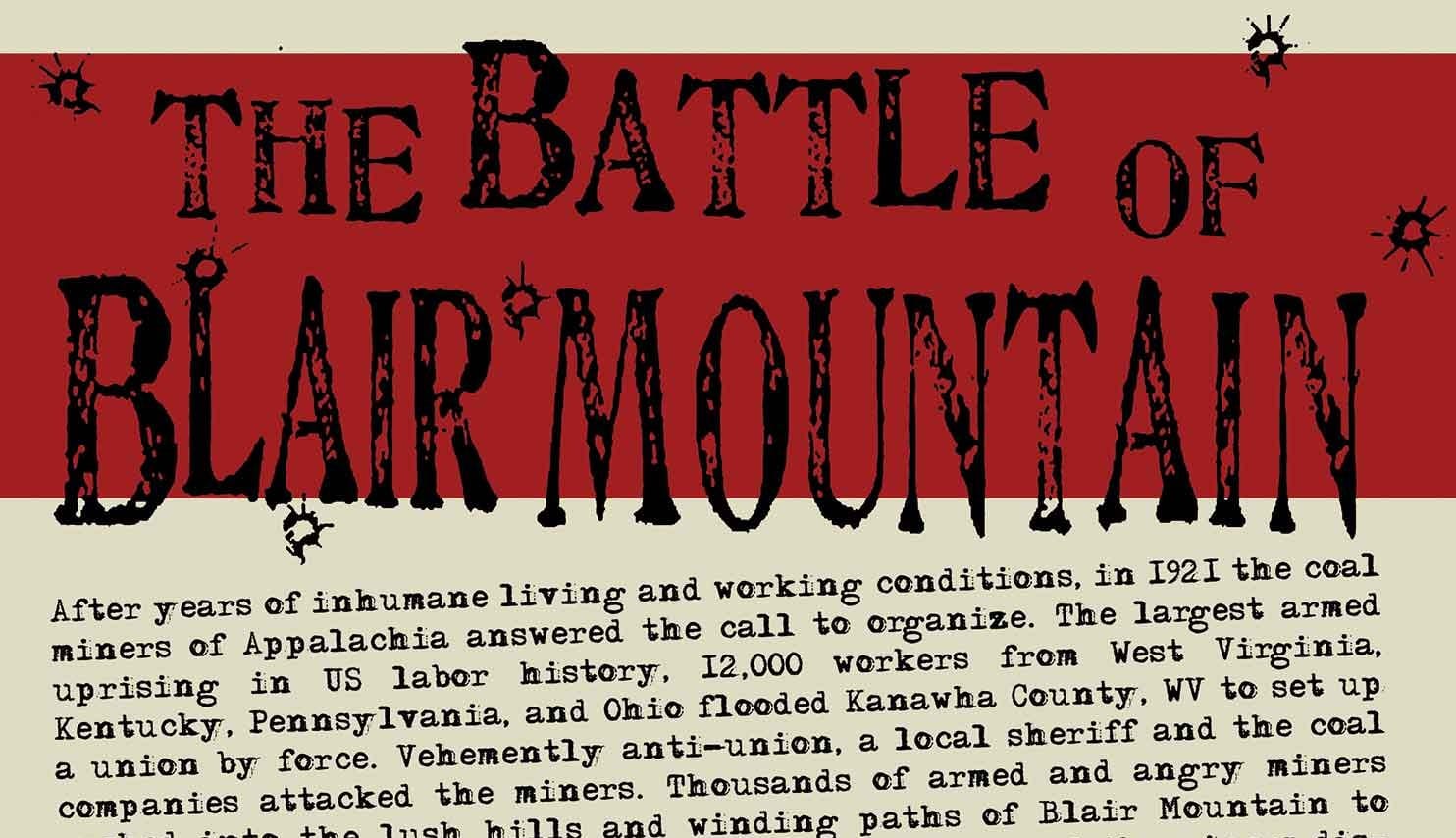
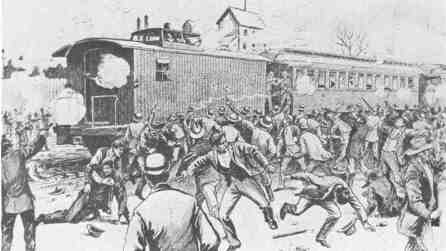
The Battle of Blair Mountain was the climax of two mine wars fought in the West Virginia coalfields.
Continue reading
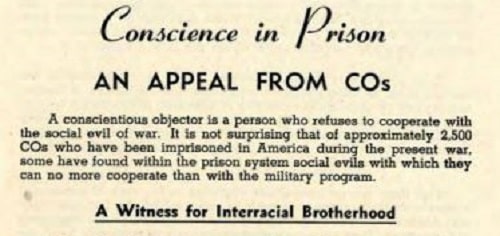
Conscientious objectors began a hunger strike at Lewisburg Federal Penitentiary.
Continue reading
Teaching Activity. By Suzanna Kassouf, Matt Reed, Tim Swinehart, Ursula Wolfe-Rocca, and Bill Bigelow.
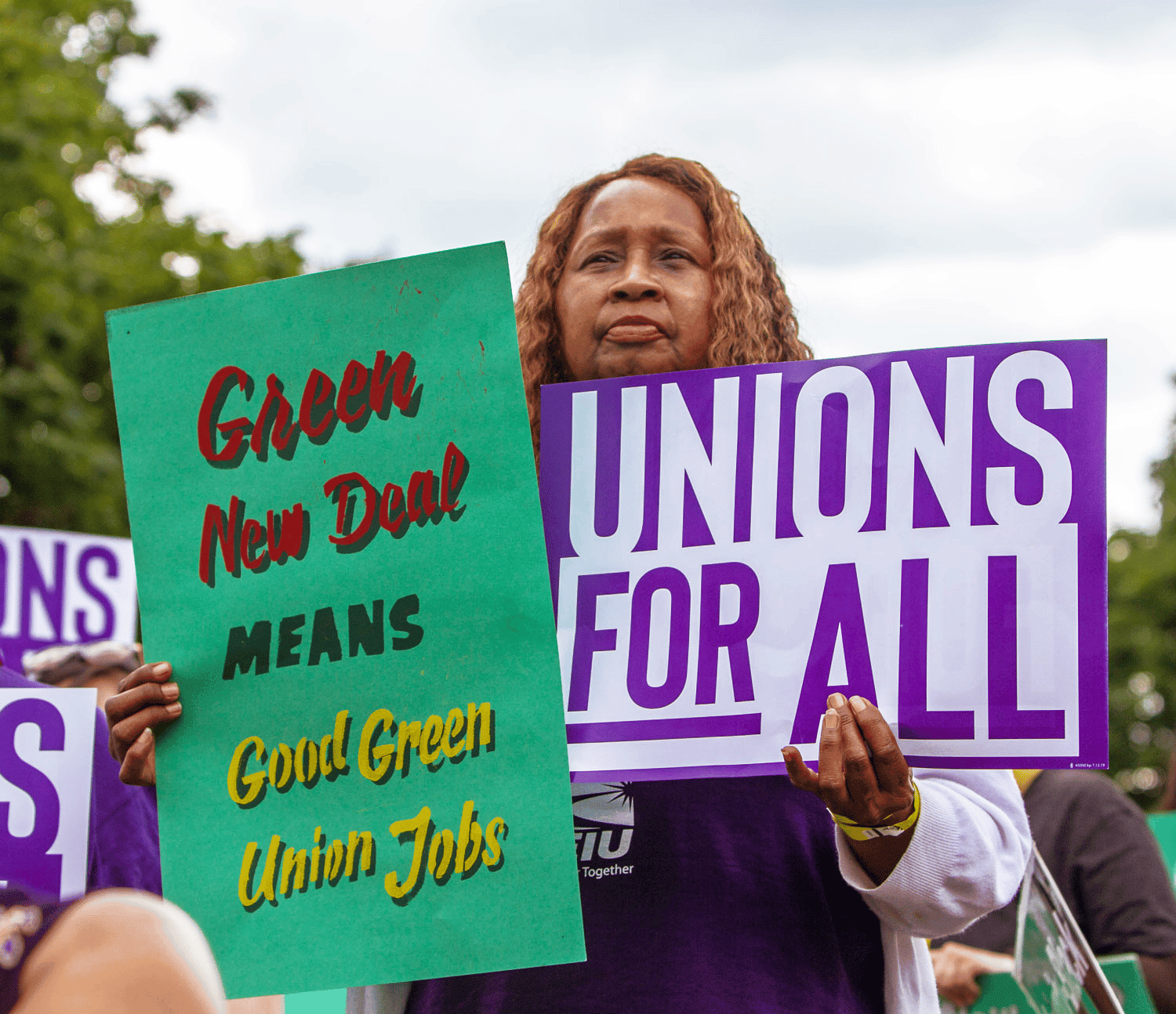
The stories of twenty people whose lives were touched by the New Deal of the 1930s come to life in this classroom activity, intended to open students' minds to the possibilities of a Green New Deal.
Continue reading
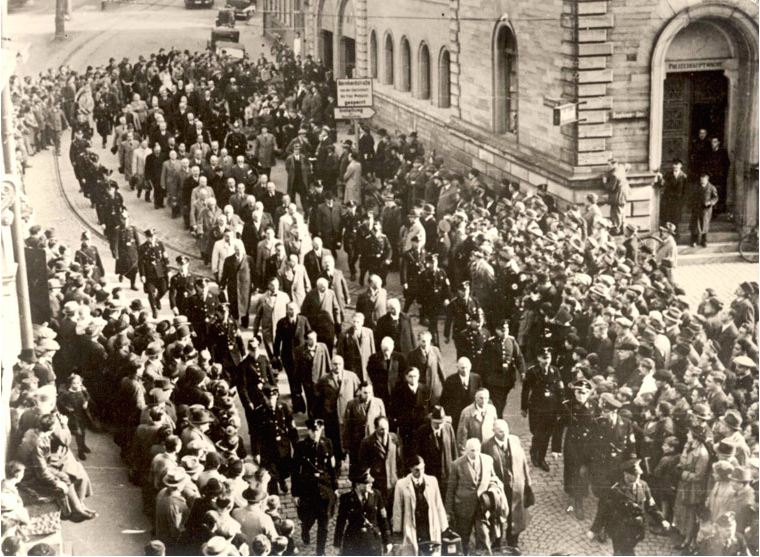
Violent anti-Jewish demonstrations in Europe in which hundreds of synagogues were destroyed; 7,500 Jewish-owned businesses, homes, and schools were plundered; 91 Jews were murdered; and 30,000 Jewish men were arrested and sent to concentration camps.
Continue reading
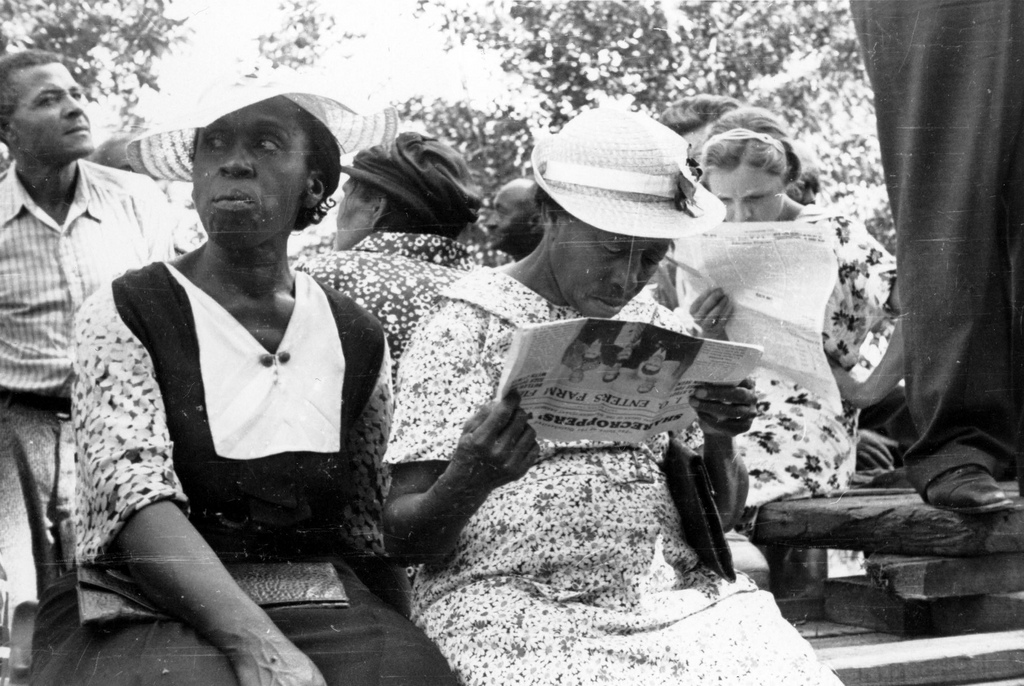
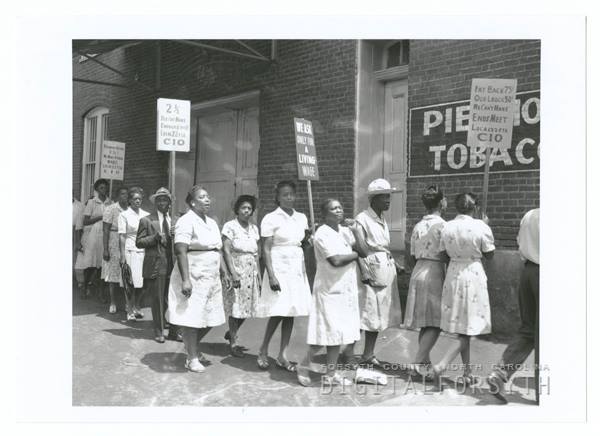
The Southern Tenant Farmers Union broke away from a larger organization and became a racially integrated workers union.
Continue reading
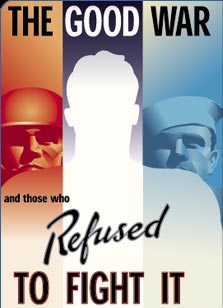
Film. Produced by Rick Tejada-Flores and Judith Ehrlich. 2002. 60 minutes.
Documentary film on WWII conscientious objectors and excellent online resources for the classroom.
Continue reading
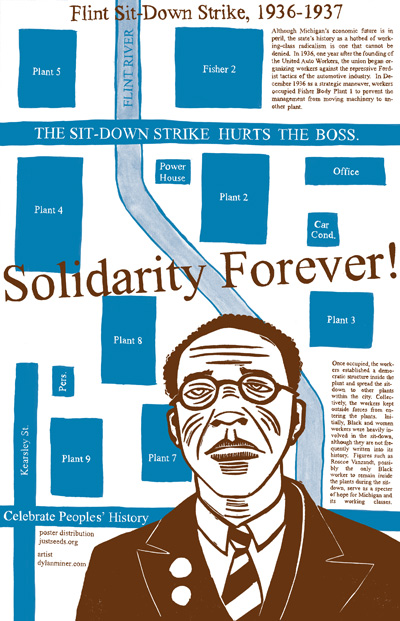
Poster. By Dylan Miner.
Informational poster about Roscoe Van Zandt and the Flint Sit-Down Strike.
Continue reading
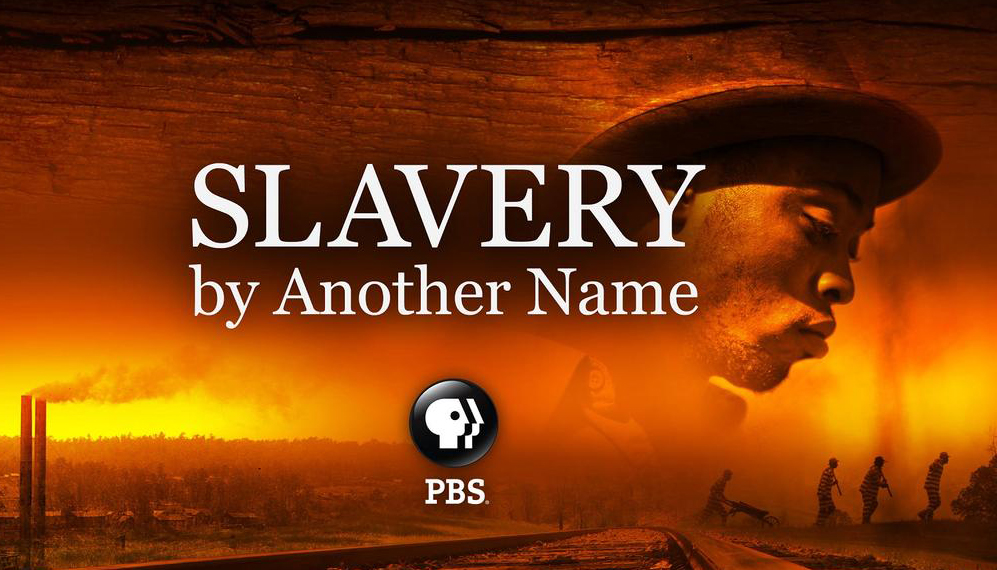
Film. By Sam Pollard, Catherine Allan, Douglas Blackmon and Sheila Curran Bernard. 2012. 90 minutes.
Reveals the interlocking forces in the South and the North that enabled “neoslavery” post-Emancipation Proclamation.
Continue reading
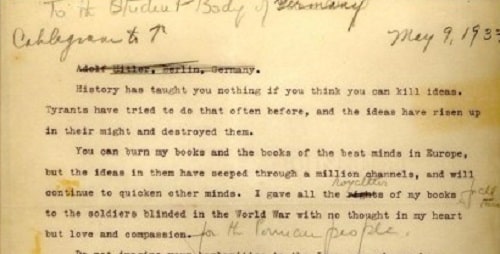
Helen Keller wrote a letter to the students who planned on burning all books deemed “un-German.”
Continue reading
Harriet Elizabeth Brown, a teacher from Maryland, sued for equal pay for Black teachers and won the case.
Continue reading
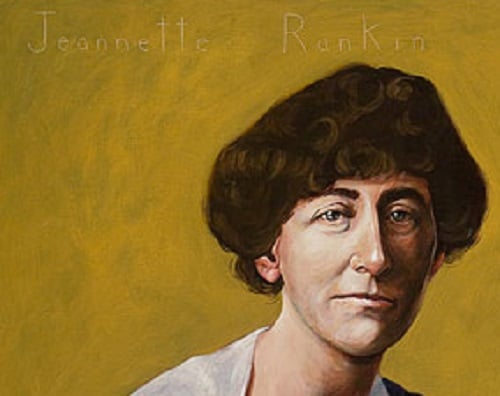
Congresswoman Jeannette Rankin was the only member of Congress to vote against declaring war on Japan after the attack on Pearl Harbor.
Continue reading
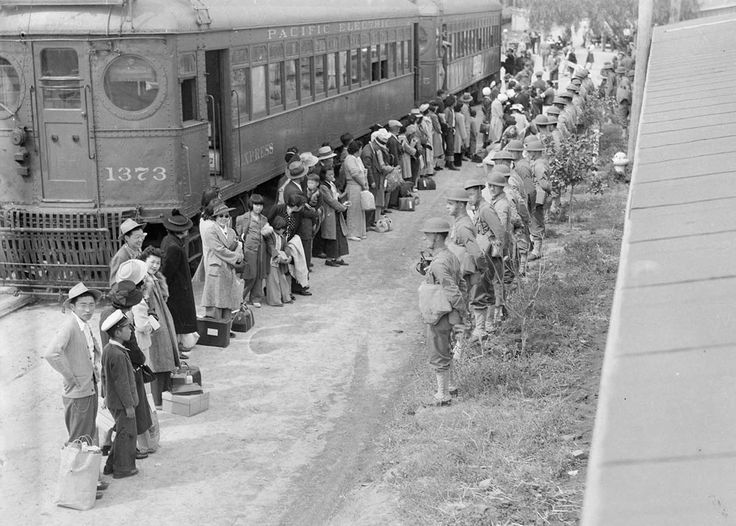
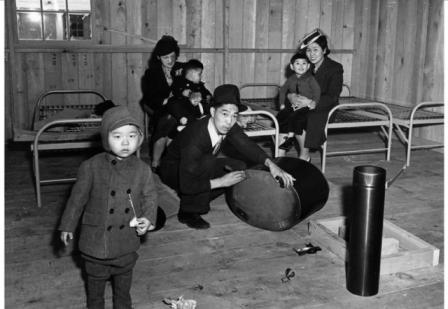
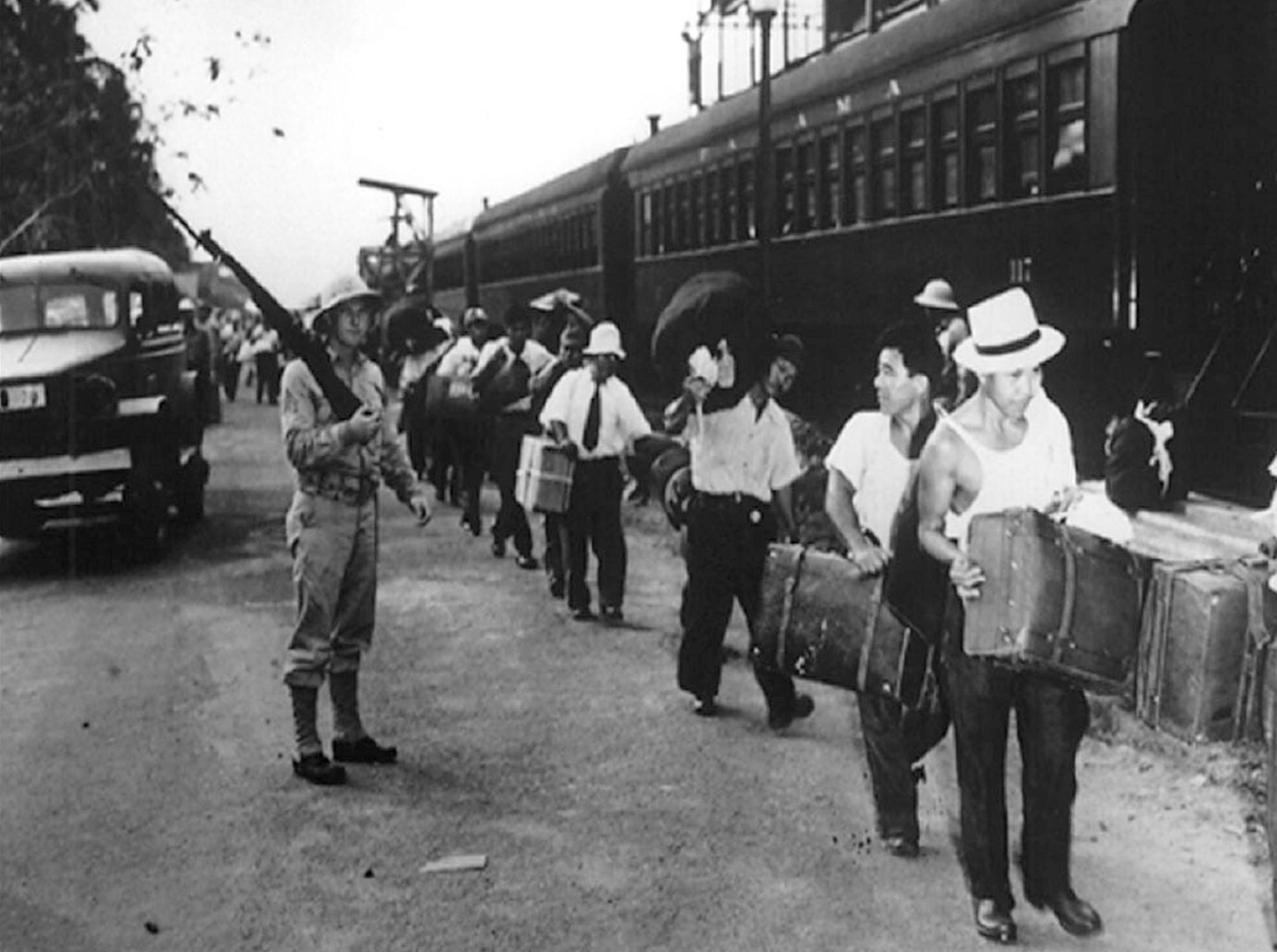
Executive Order 9066 issued by President Roosevelt authorized the incarceration (internment) of U.S. citizens of Japanese descent.
Continue reading
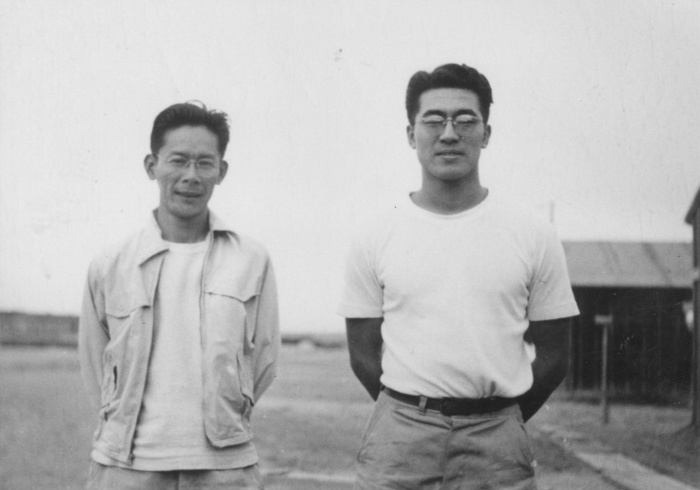
Frank S. Emi protested the draft during Japanese American incarceration and was interrogated.
Continue reading
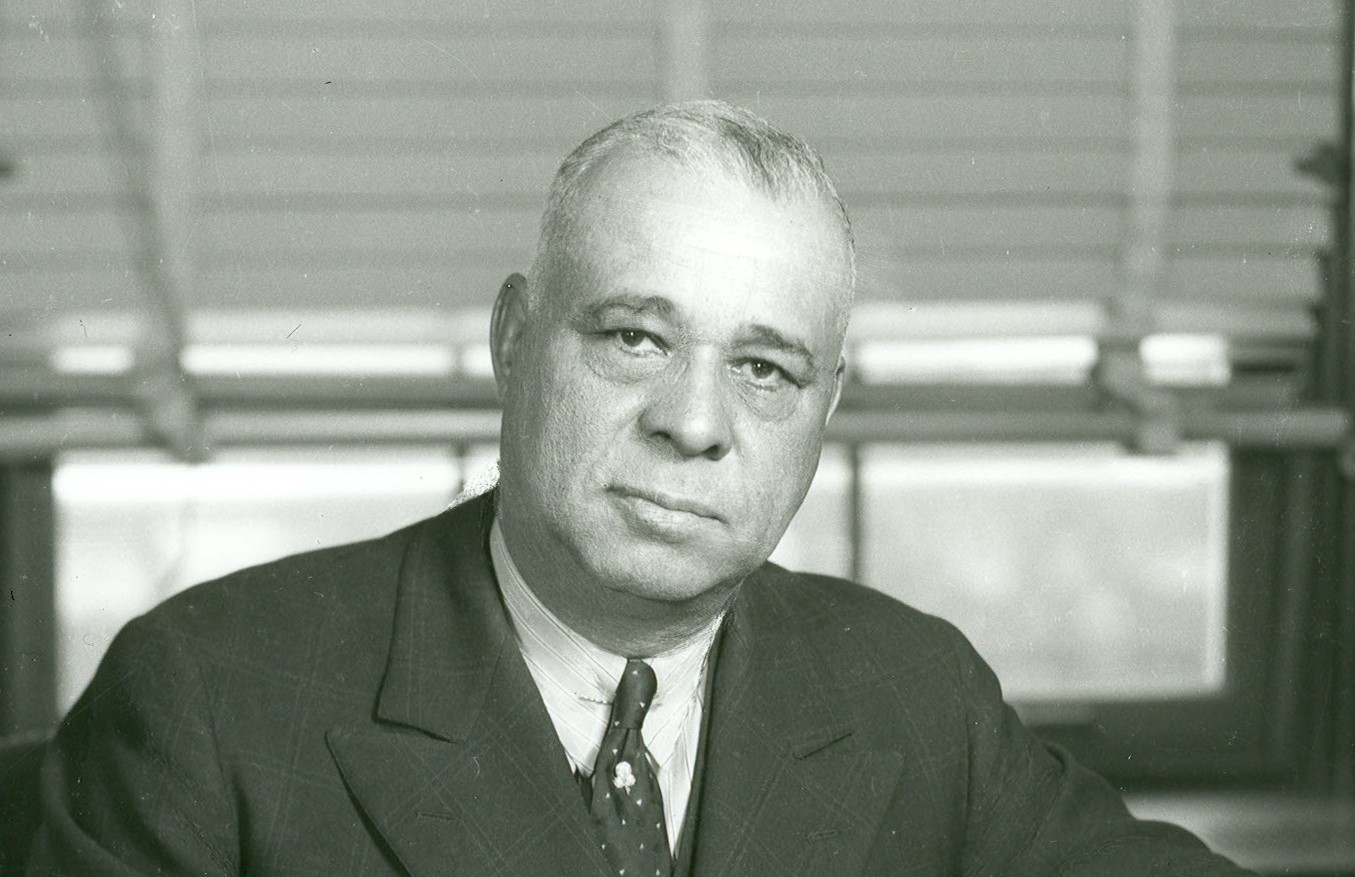
Illinois congressman Arthur W. Mitchell was ordered to move to the Jim Crow car of the train once it entered Arkansas.
Continue reading
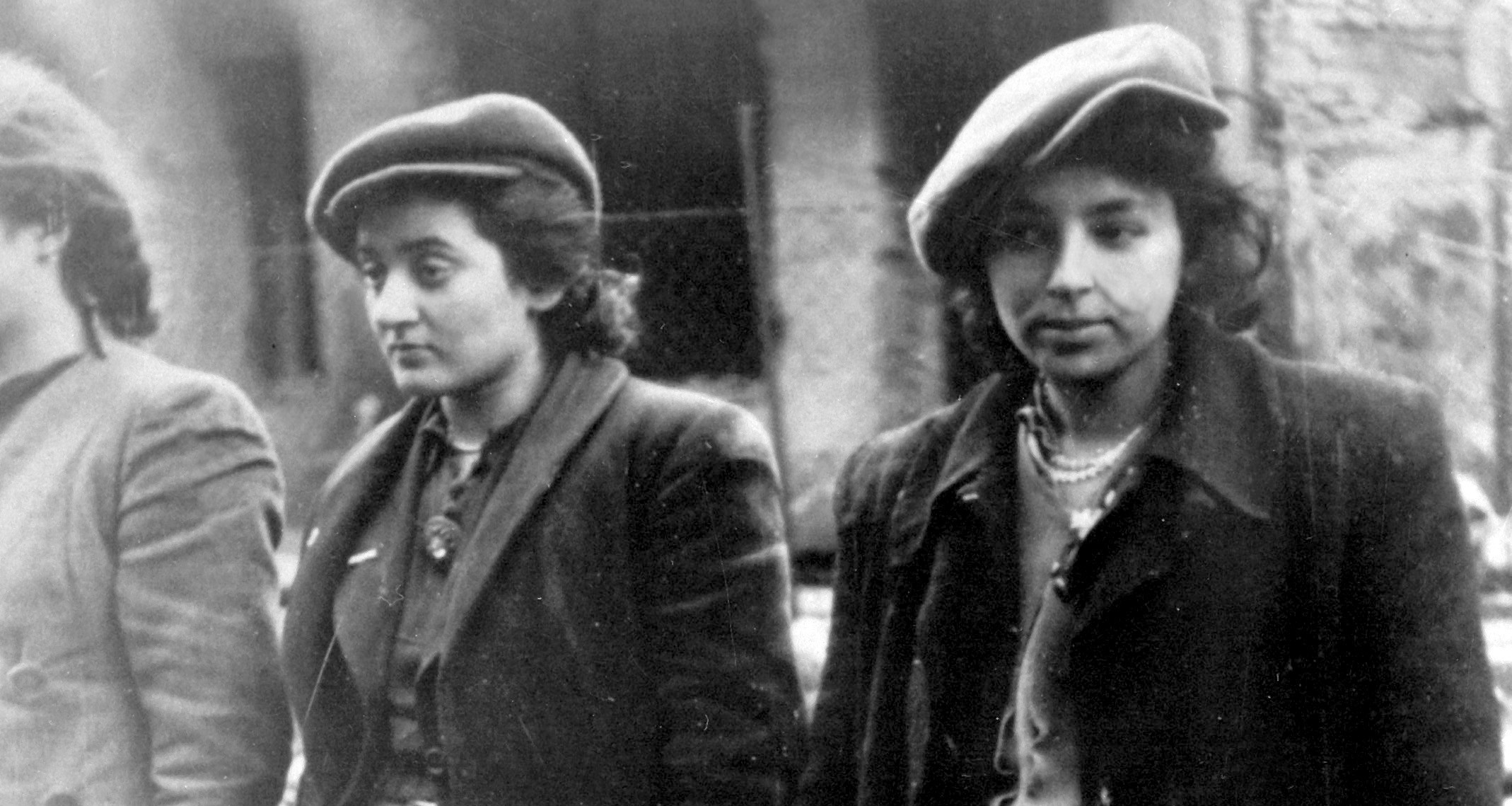
The Warsaw Ghetto Uprising began, on the eve of Passover, when Nazi forces attempted to clear out the Jewish ghetto in Warsaw, Poland, to send them to concentration camps.
Continue reading
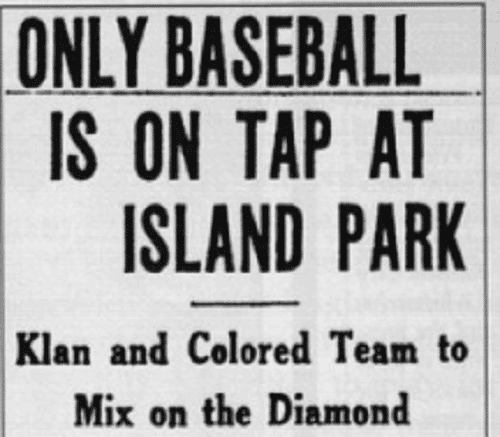
The Wichita Monrovians bested a squad fielded by the white-supremacist Ku Klux Klan terrorist organization at the height of Jim Crow apartheid.
Continue reading
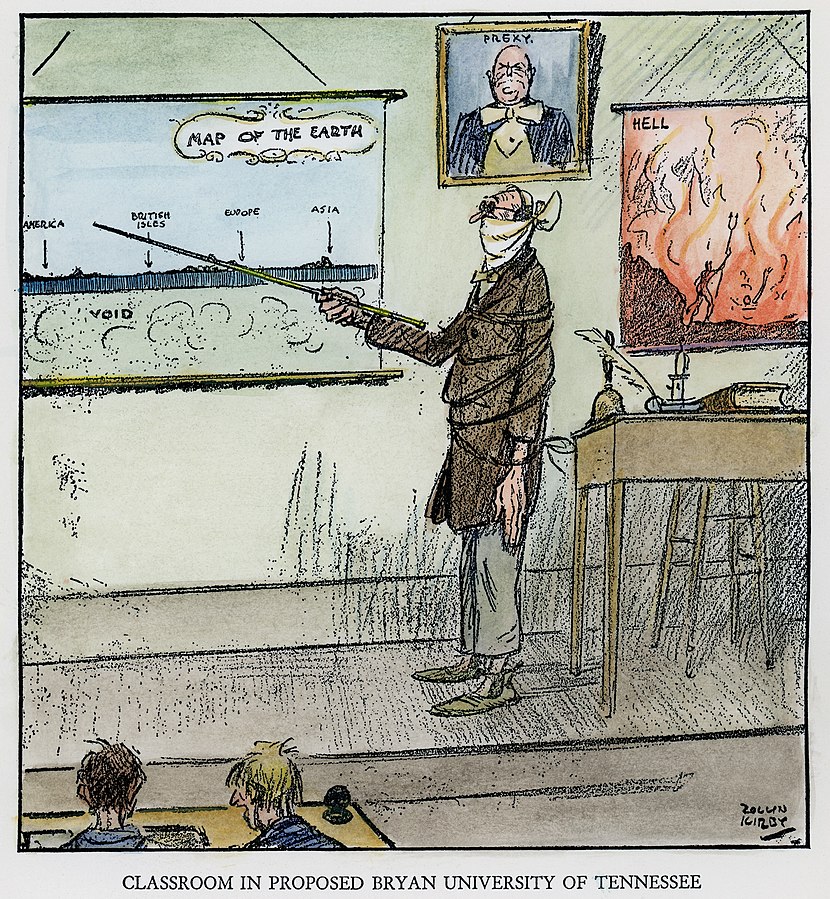
In the case of John T. Scopes v. the State of Tennessee, the defendant, Scopes, was found guilty and fined $100 for teaching about evolution — which was illegal in the state at the time.
Continue reading
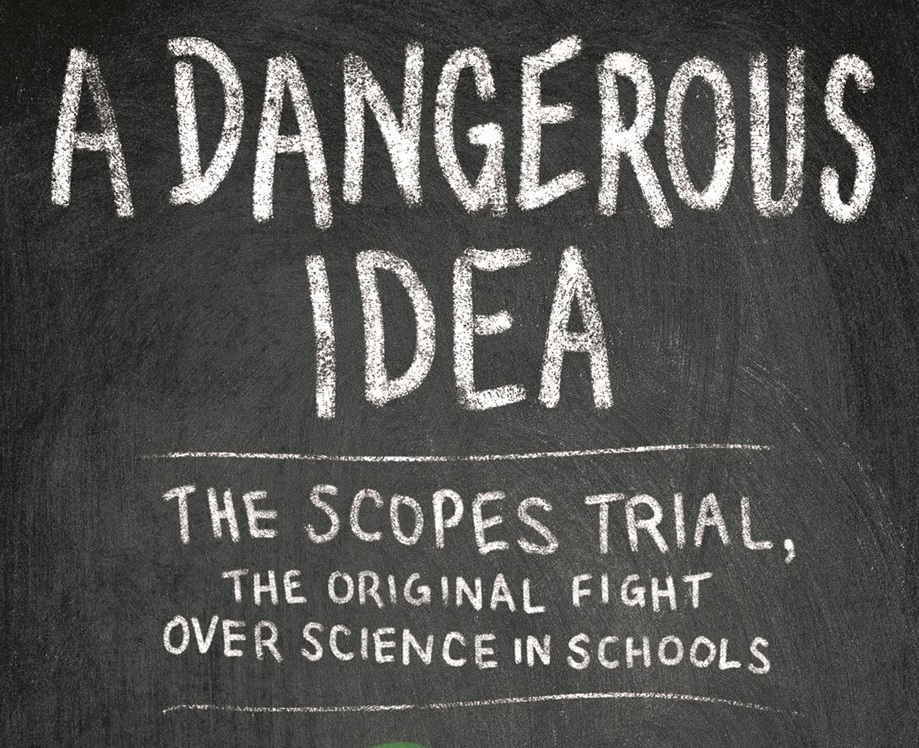
Book — Non-fiction. By Debbie Levy. 2025. 288 pages.
The story of John Scopes, a Tennessee teacher who was found guilty of teaching about evolution, and the nationwide debate that followed about what students should learn in school.
Continue reading
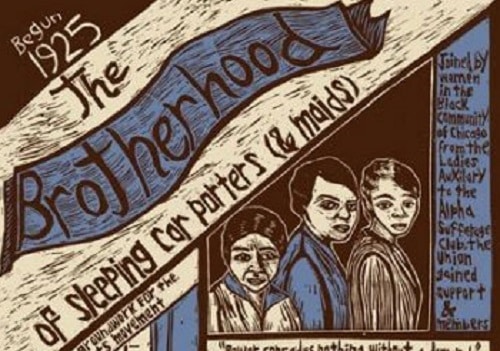
The Brotherhood of Sleeping Car Porters was launched in New York.
Continue reading
Teaching Activity. By Learning for Justice.
Introduces students to the role of the labor movement in securing contemporary benefits such as the 40-hour work week, the minimum wage, and workplace safety regulations.
Continue reading
Teaching Activity. By Katie Baydo-Reed. Rethinking Schools. 10 pages.
Students hold a mixer and a mock trial in preparation for reading literature about Japanese American incarceration.
Continue reading
Teaching Activity. By Moé Yonamine. Rethinking Schools. 18 pages.
Poetry, photography, and text are used in this role play to teach about the seldom told history of Japanese Latin American incarceration during WWII.
Continue reading
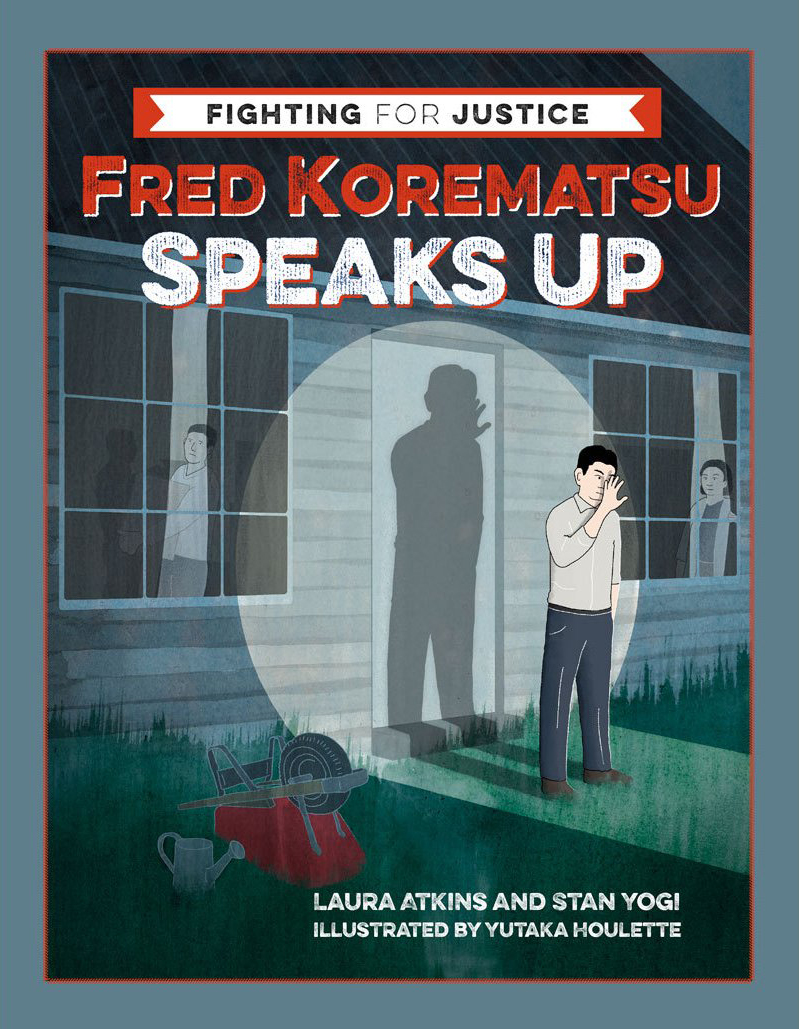
Book — Non-fiction. By Laura Atkins and Stan Yogi. Illustrated by Yutaka Houlette. 2017. 112 pages.
Story of Fred Koretmatsu, jailed for resisting incarceration by the U.S. government during WWII. He took his case to the U.S. Supreme Court twice.
Continue reading
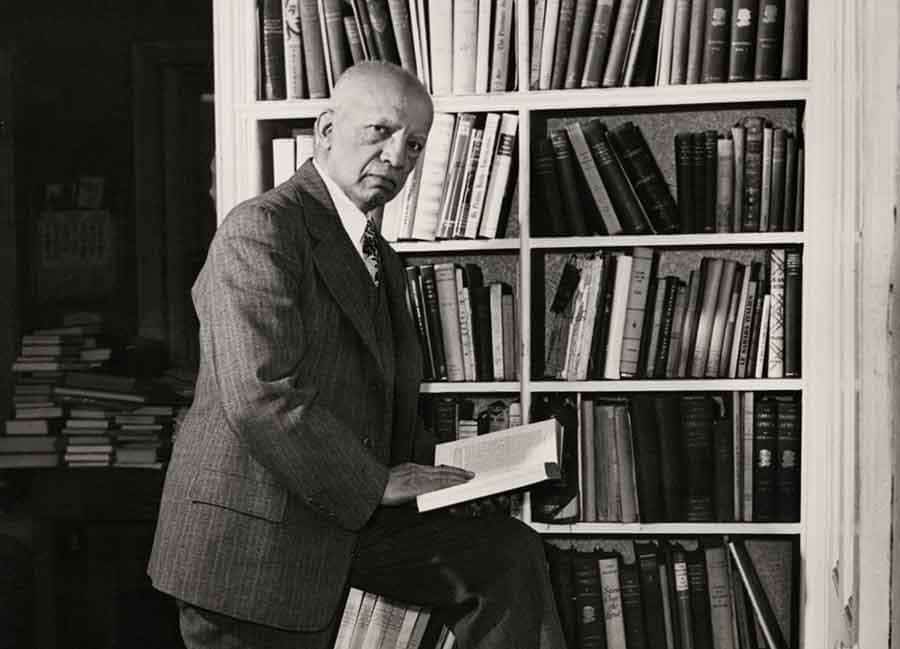
Carter G. Woodson initiated the first celebration of Negro History Week which led to Black History Month.
Continue reading