Film clip. Voices of a People's History.
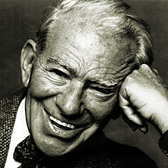
E.Y. "Yip" Harburg's "Brother Can You Spare a Dime" (1932) is performed by Allison Moorer.
Continue reading
Film clip. Voices of a People's History.
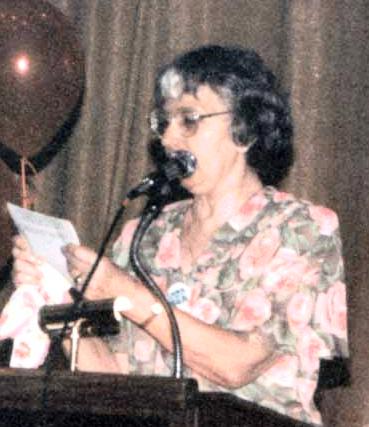
Dramatic reading of Vicky Star's "Back of the Yards" by Christina Kirk.
Continue reading
Film clip. Voices of a People's History.
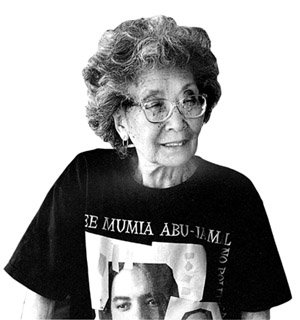
Dramatic reading of Yuri Kochiyama's "Then Came the War" (1991) by Deepa Fernandes.
Continue reading
Film clip. Voices of a People's History.
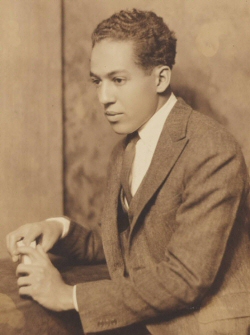
Dramatic reading of Langston Hughes' "Ballad of Roosevelt" (1934) by Danny Glover.
Continue reading
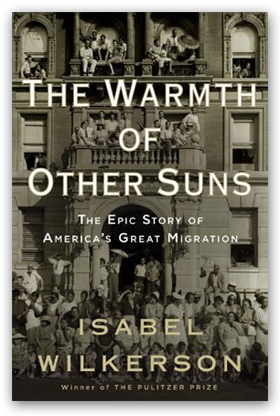
Book — Non-fiction. By Isabel Wilkerson. 2010. 640 pages.
The story of the great migration told through in-depth descriptions of three families.
Continue reading
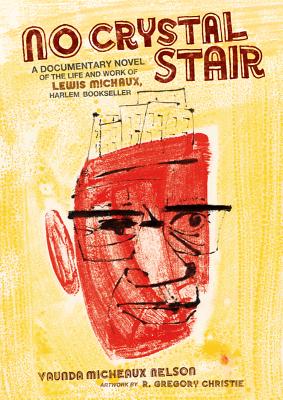
Book — Non-fiction. By Vaunda Micheaux Nelson. Artwork by R. Gregory Christie. 2012. 188 pages.
The story of Lewis Micheaux, owner of the famous National Memorial African Bookstore for grades 7+ .
Continue reading
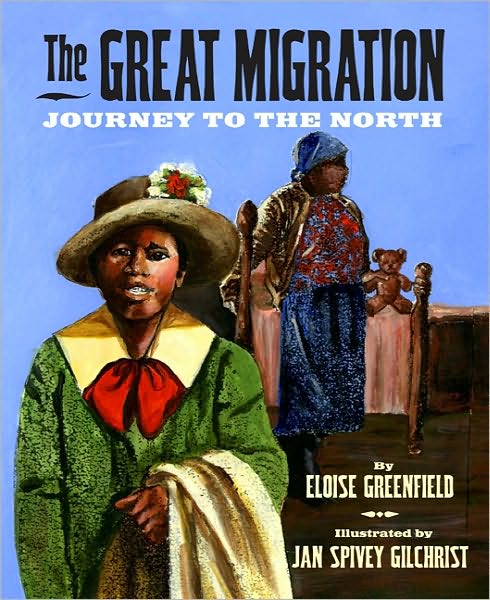
Picture book. By Eloise Greenfield. Illustrated by Jan Spivey Gilchrist. 2011. 32 pages.
A picture book that introduces the historic story of the Great Migration to young readers.
Continue reading
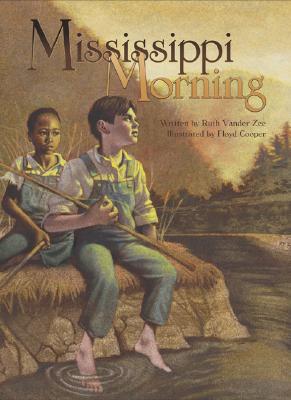
Picture book. By Ruth Vander Zee. Illustrated by Floyd Cooper. 2004. 32 pages.
A thought-provoking story of one boy's loss of naivete in the face of racism and harsh historical realities.
Continue reading
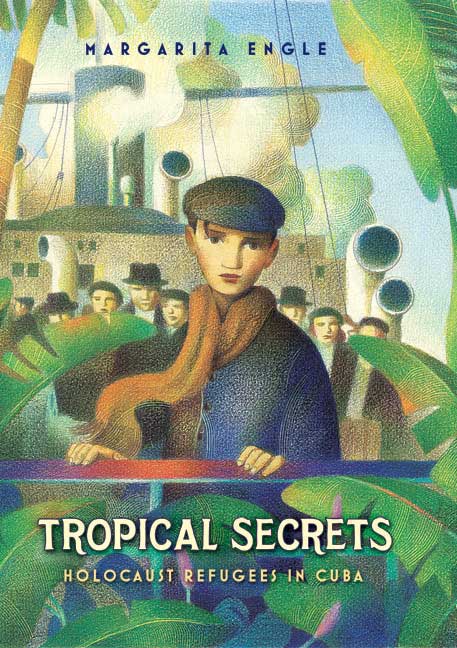
Book — Fiction. By Margarita Engle. 2009. 208 pages.
Daniel has escaped Nazi Germany and must make his way in Cuba once New York turns away his ship full of refugees.
Continue reading
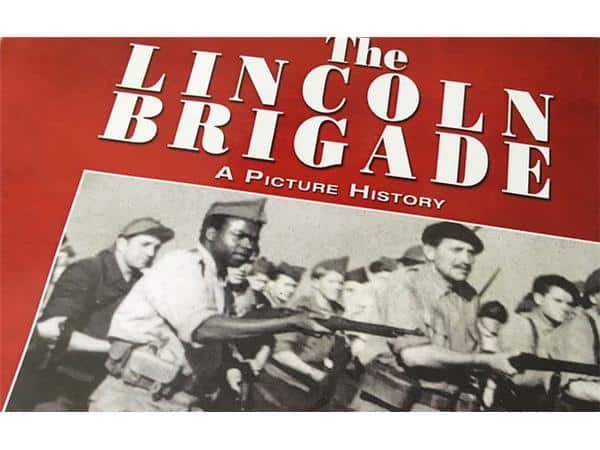
Book — Non-fiction. By William Loren Katz and Marc Crawford. 2013. 196 pages.
Interviews, documents, and photos from the first fully integrated United States army, who volunteered to help Spain defend its democracy against fascism.
Continue reading
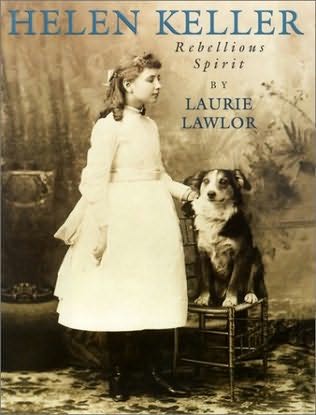
Book — Non-fiction. By Laurie Lawlor. 2001. 176 pages.
A biography that sheds light on Helen Keller as rebel and activist.
Continue reading
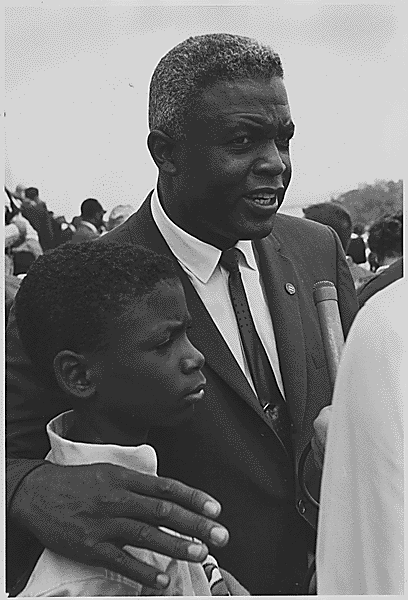
Article. By Dave Zirin. 2013.
Dave Zirin describes how 42 limits the story to a tale of “individual triumph through singular greatness,” ignoring the social movements and broader context of the time.
Continue reading
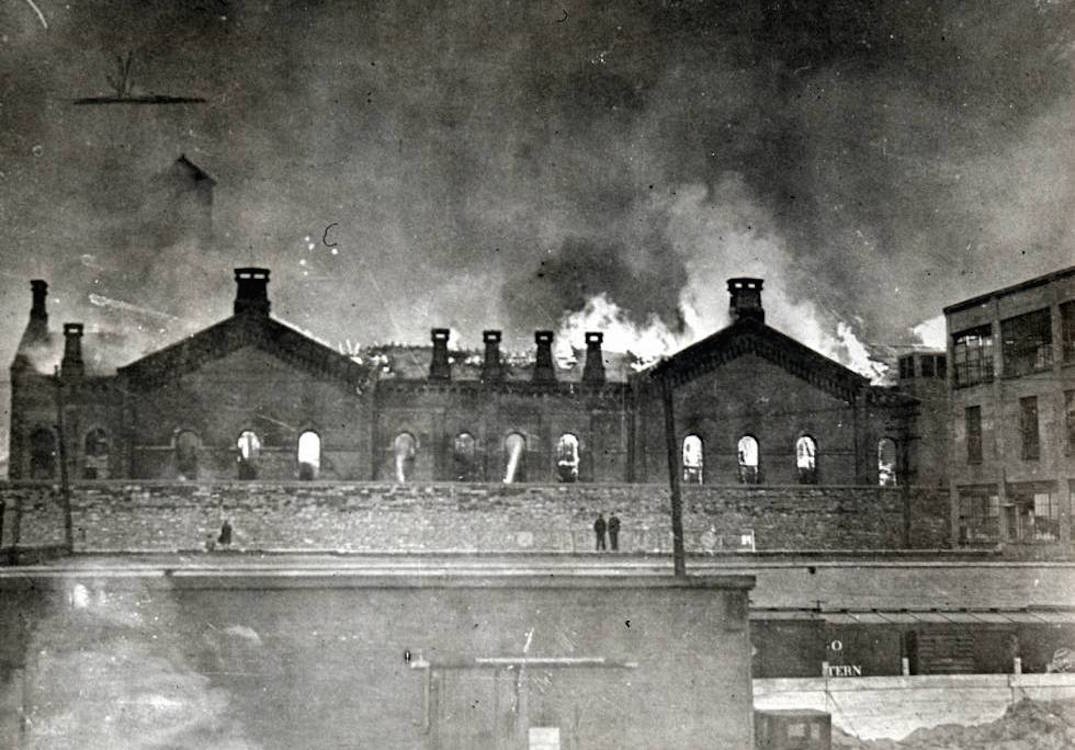
Three hundred and twenty-two inmates were killed in a fire at the Ohio State Penitentiary.
Continue reading
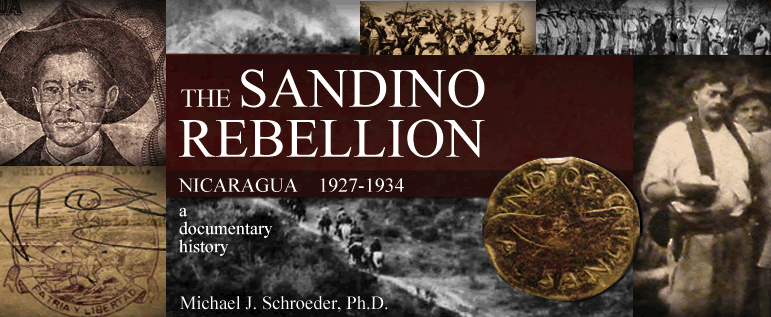
Digital collection. Over 3,300 documents from the Sandino Rebellion in Nicaragua, 1927-1934.
Continue reading
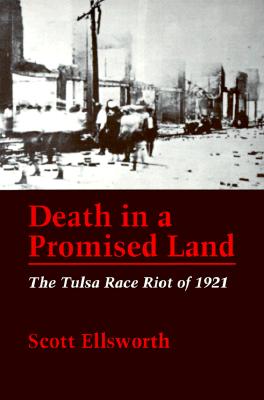
Book — Non-fiction. By Scott Ellsworth. 1992. 159 pages.
A compelling story of racial ideologies, Southwestern politics, and yellow journalism, and of an embattled Black community's struggle to hold onto its land and freedom.
Continue reading
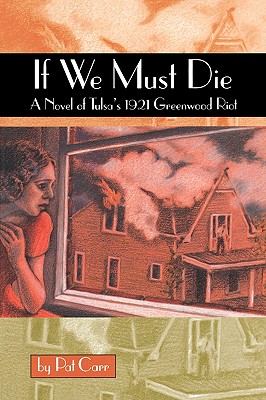
Book — Fiction. By Pat Carr. 2002. 166 pages.
Historical fiction account of the 1921 attack on Tulsa's Black neighborhood Greenwood, known as "Black Wall Street."
Continue reading
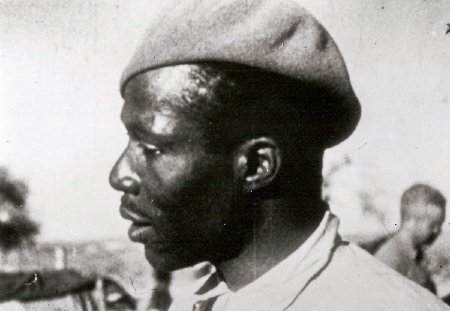
Oliver Law became first Black commander of a U.S. army, the integrated Abraham Lincoln Brigade.
Continue reading
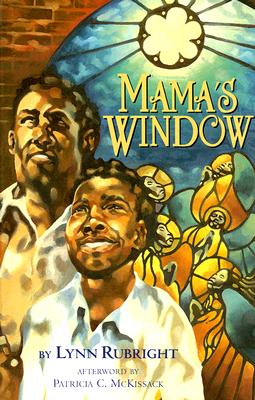
Book — Historical fiction. By Lynn Rubright. 2008. 89 pages.
Historical fiction inspired by incidents in the early life of sharecropper Owen Whitfield, the organizer of the Southern Tenant Farmers Union.
Continue reading
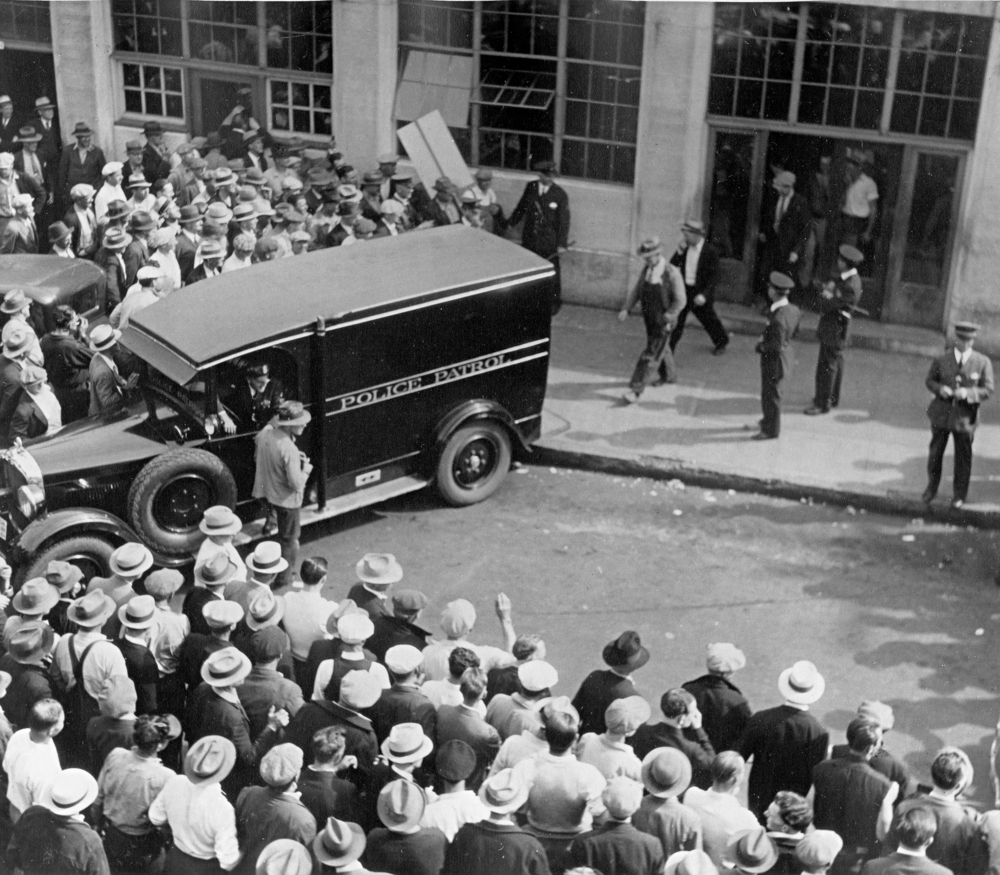
Teaching Activity. By Bill Bigelow and Norm Diamond. 20 pages.
Students “become” several of the social groups who participated in the 1934 Longshore Workers Strike — some of whom had to answer the question, “Which side are you on?”
Continue reading
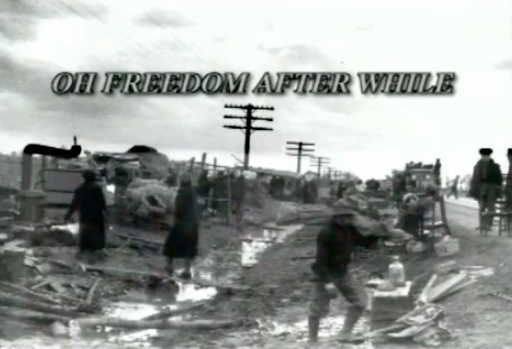
Film. Directed Steven John Ross and written by Candace O'Connor. 1999. 56 minutes.
Archival footage, photographs, and first-hand accounts of sharecroppers — Black and white — organizing in Missouri.
Continue reading
Digital collection. Resources and programs on the history and legacy of the Abraham Lincoln Brigades.
Continue reading
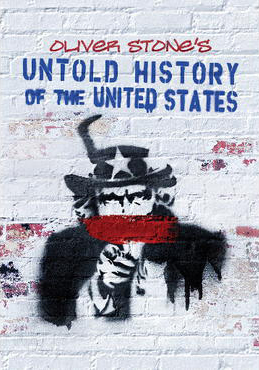
Film. By Oliver Stone and Peter Kuznick. 2014. 4 discs – 796 minutes.
TV series that re-examines various under-reported events of U.S. history since World War II.
Continue reading
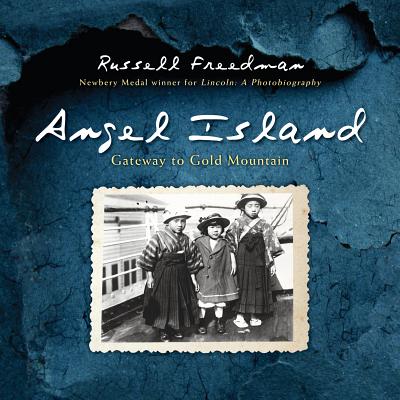
Book — Non-fiction. By Russell Freedman. 2014. 96 pages.
An account of Angel Island, California, the entry point for one million Asian immigrants in the early 20th century.
Continue reading
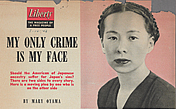
Digital collection. Firsthand accounts and primary sources of the incarceration of Japanese Americans during WWII.
Continue reading
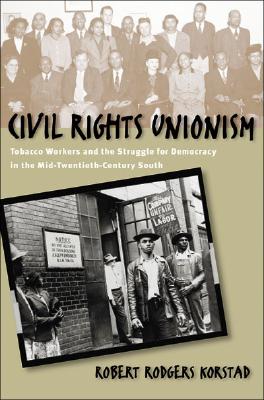
Book — Non-fiction. By Robert Rodgers Korstad. 2003. 576 pages.
Chronicles the rise and fall of the union that represented thousands of African American tobacco factory workers in Winston-Salem, N.C.
Continue reading