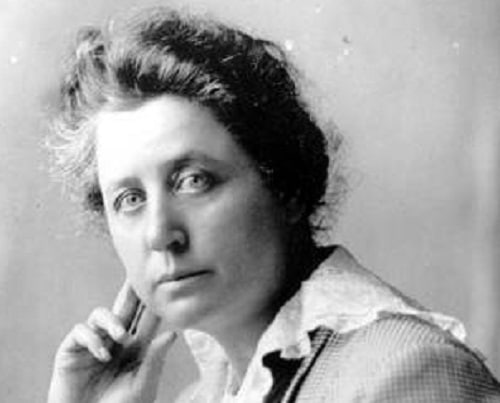
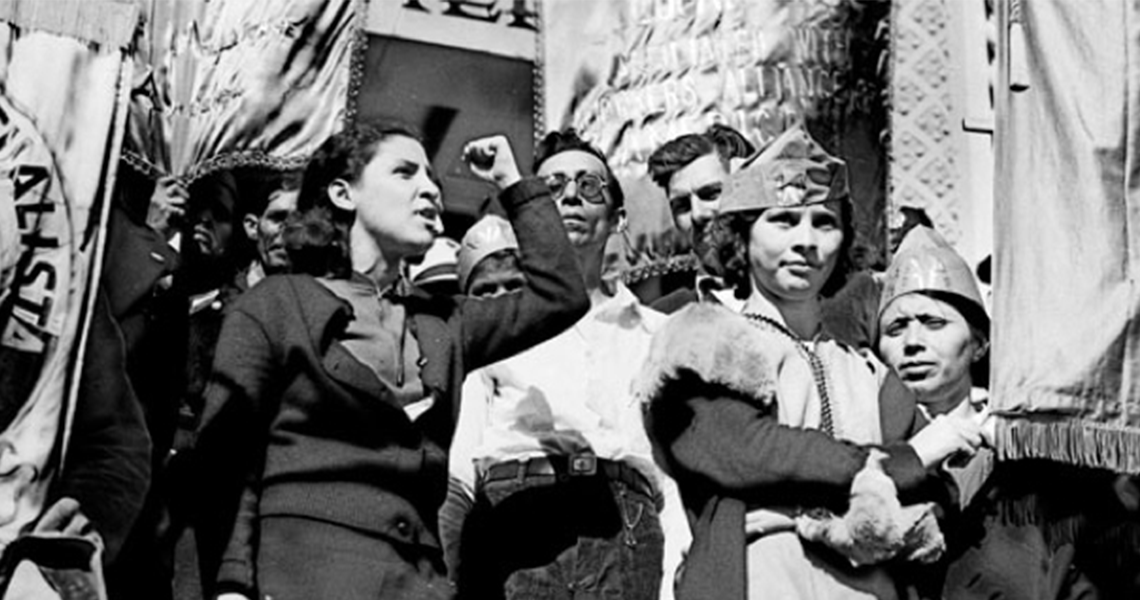
Marie Equi entered San Quentin prison to serve a one-year term for her anti-war protests.
Continue reading
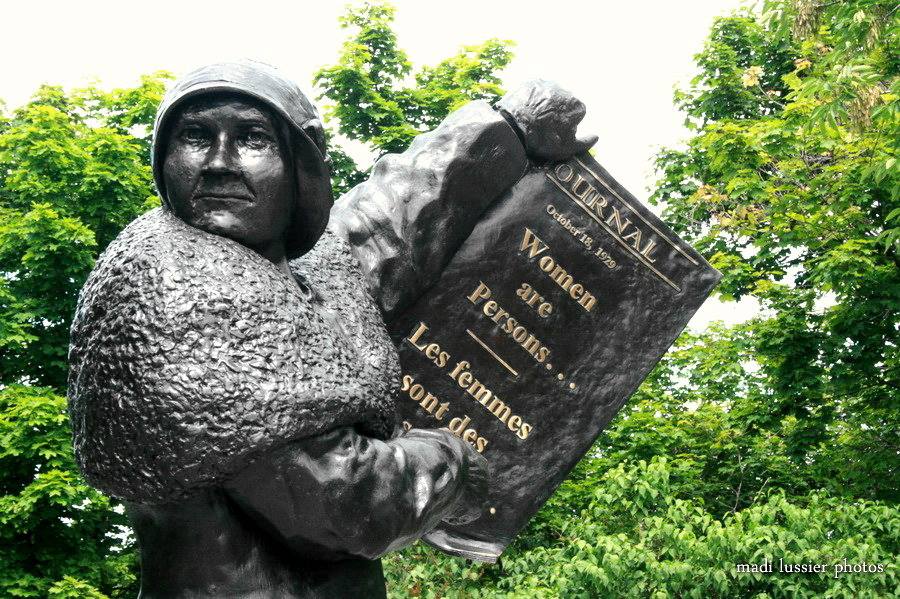
The Persons Case, a legal milestone in Canada, established the right of women to sit in the Senate of Canada.
Continue reading
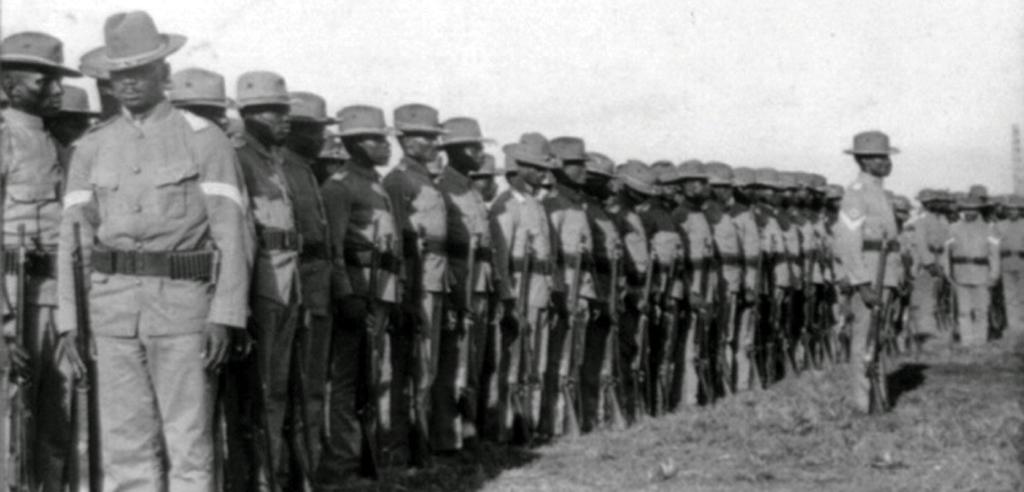
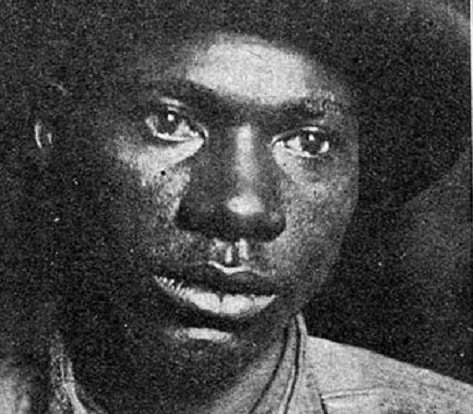
Sergeant Edgar Caldwell, a Black man, was hanged before a crowd of spectators in the yard of the Calhoun County jail for riding in a white streetcar.
Continue reading
Tenayuca was known as “La Pasionaria de Texas” for her commitment to justice for Mexican American laborers.
Continue reading
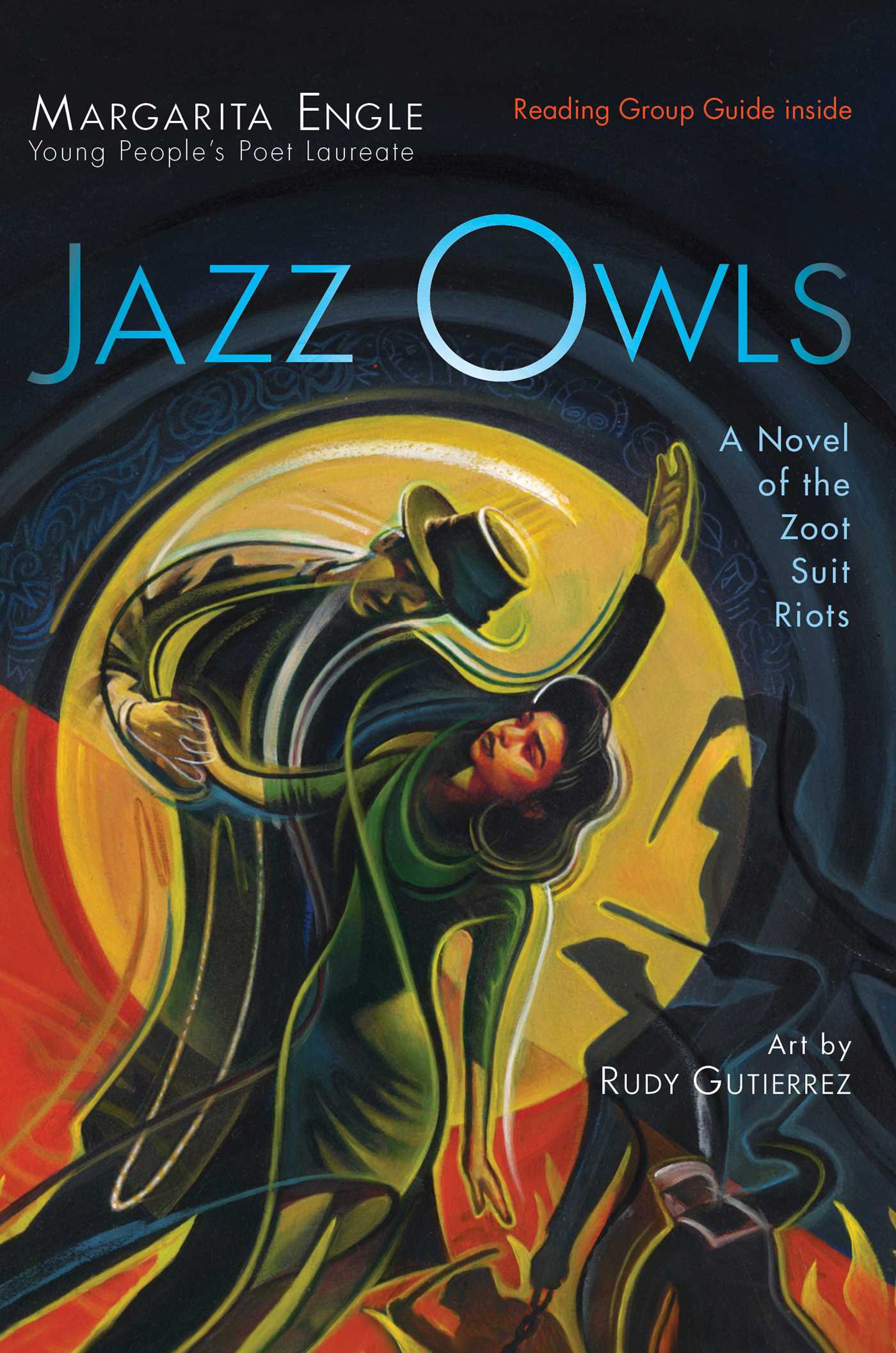
Book — Historical fiction. By Margarita Engle. 2018. 192 pages.
A novel that uses free verse to tell the story of the 1943 Zoot Suit (or Sailor) Riots through a wide range of characters.
Continue reading
A. Philip Randolph, president of the Brotherhood of Sleeping Car Porters union, made the official call for a march on Washington, with the demand to end segregation in defense industries.
Continue reading
A white mob of between 5,000 to 15,000 lynched African American Will Brown. The Army arrested mob ringleaders. Even though photographs identified them, all of the suspects were eventually released.
Continue reading
A group of white people rioted after forming a mob to lynch Maurice Mays, a Black man in custody on for the alleged (with no evidence) murder of a white woman in Knoxville, Tennessee.
Continue reading
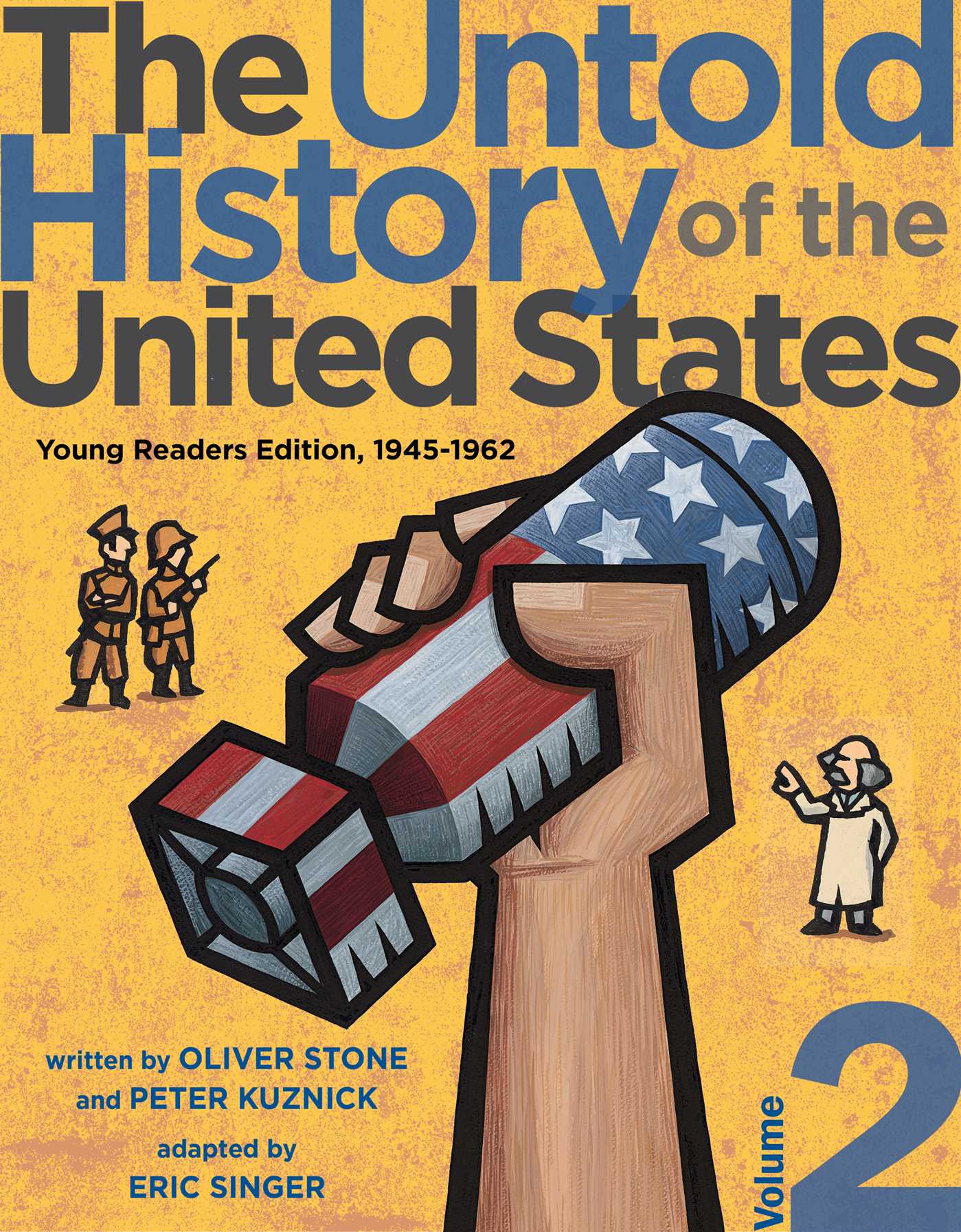
Book — Non-fiction. By Oliver Stone and Peter Kuznick. Adapted by Susan Campbell Bartoletti and Eric S. Singer. Vol 1. 2014. 400 pages. Vol 2. 2019. 320 pages.
These are two volumes of illustrated histories, adapted for students from a documentary book and film of the same name.
Continue reading
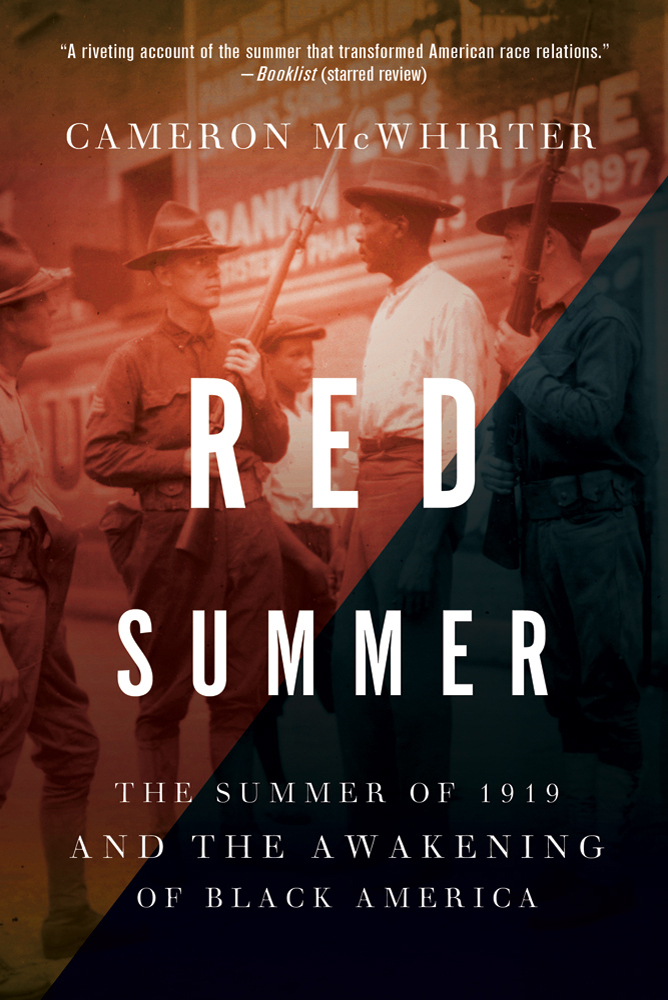
Book — Non-fiction. By Cameron McWhirter. 2012. 368 pages.
A chronicle of white supremacist violence in major U.S. cities across the nation after World War I.
Continue reading
Teaching Activity. By Adam Sanchez. Rethinking Schools.
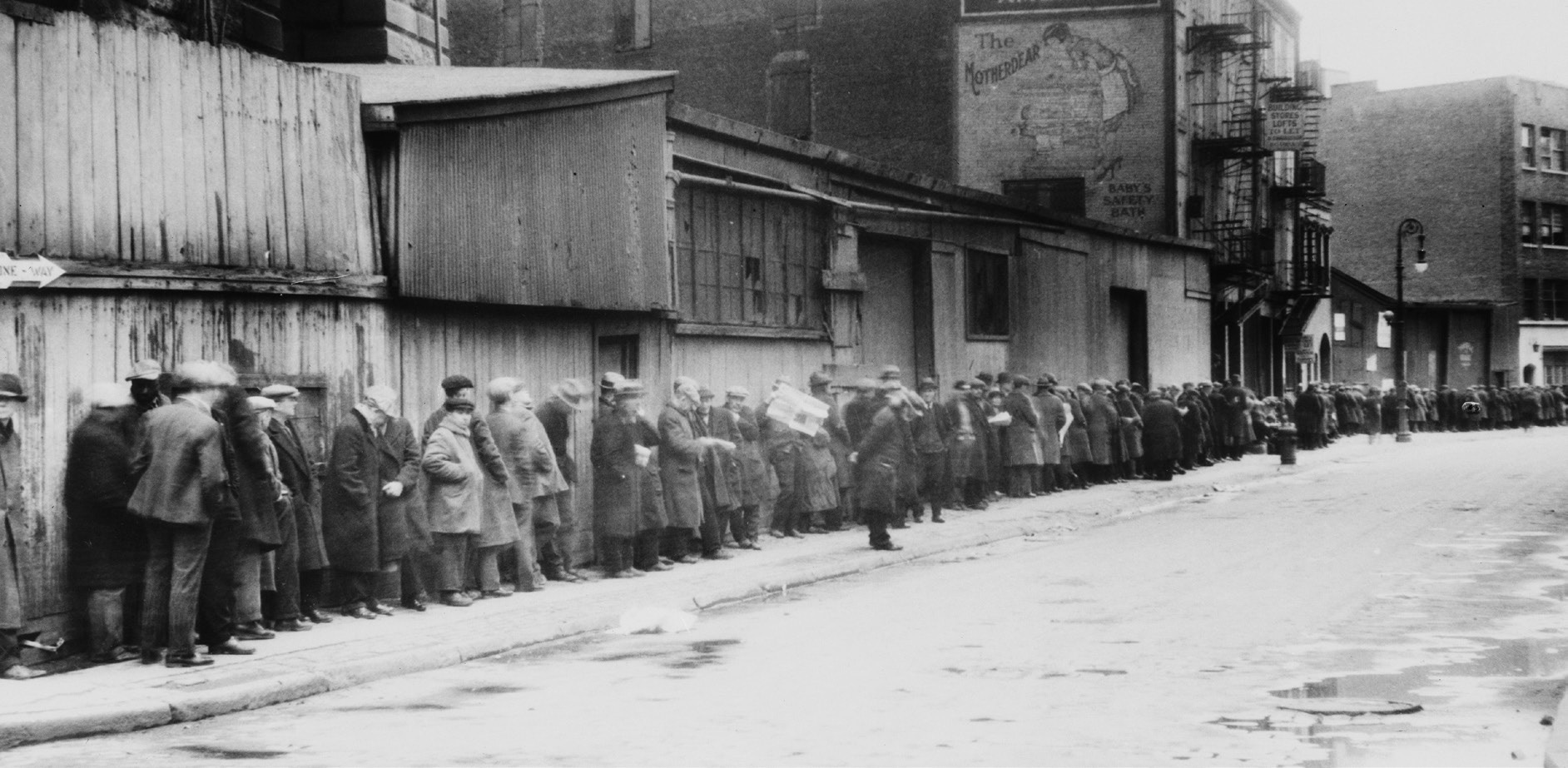
Through role play, students explore how different social groups influenced New Deal legislation.
Continue reading
Teaching Activity. By Adam Sanchez. Rethinking Schools.
A simulation helps students understand the causes of economic crises.
Continue reading
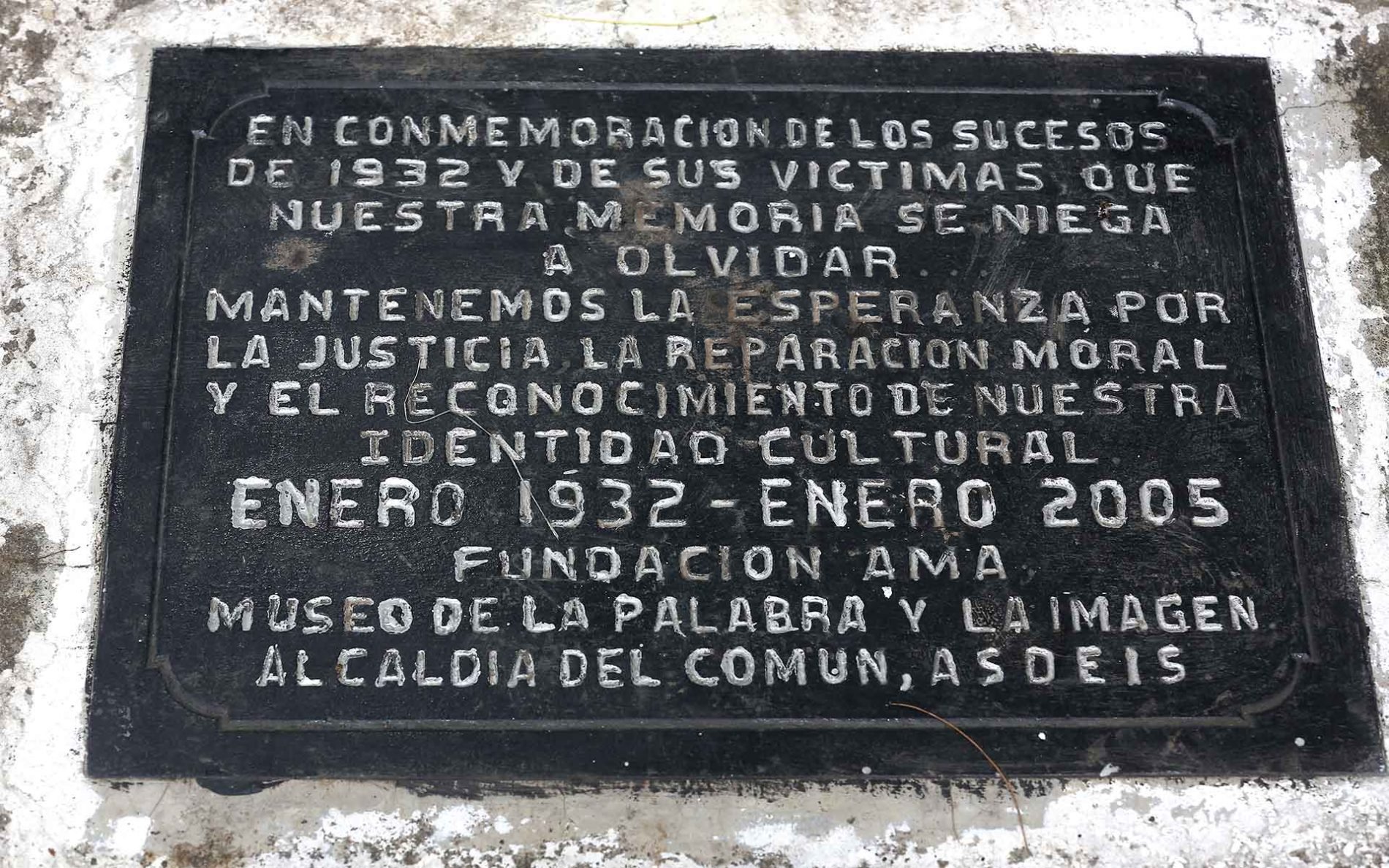
The government of El Salvador launched a murderous, anti-indigenous and anti-leftist campaign that led to the deaths of 30,000 Salvadorans.
Continue reading
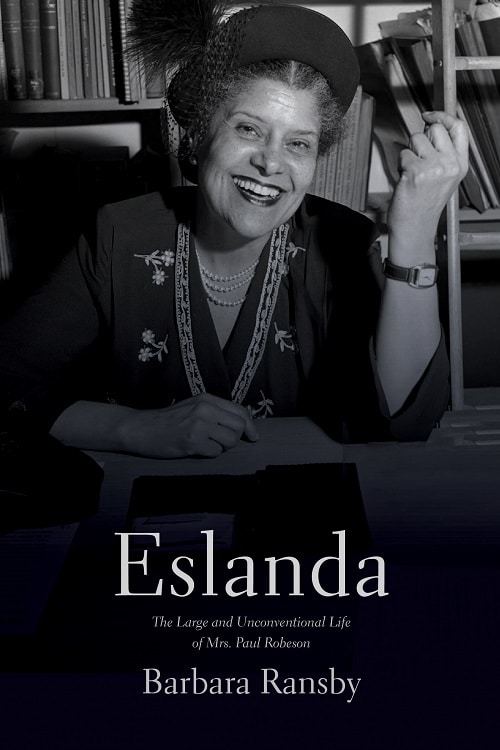
Book — Non-fiction. By Barbara Ransby. 2013. 373 pages.
This biography of cosmopolitan anthropologist Eslanda Cardozo Goode Robeson explores her influence on her husband's early career, their open marriage, and her life as a prolific journalist, a tireless advocate of women's rights, and an outspoken anti-colonial and antiracist activist.
Continue reading
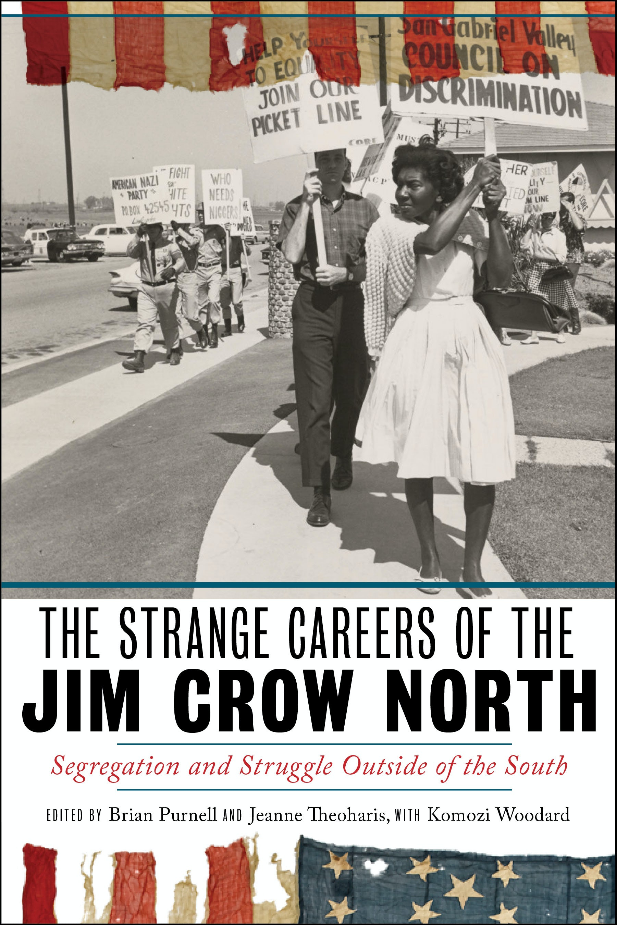
Book — Non-fiction. Edited by Brian Purnell and Jeanne Theoharis with Komozi Woodard. 2019. 352 pages.
This important work shows how the Jim Crow North maintained inequality in the nation’s most liberal places, and chronicles how activists worked to undo those inequities born of Northern Jim Crow.
Continue reading
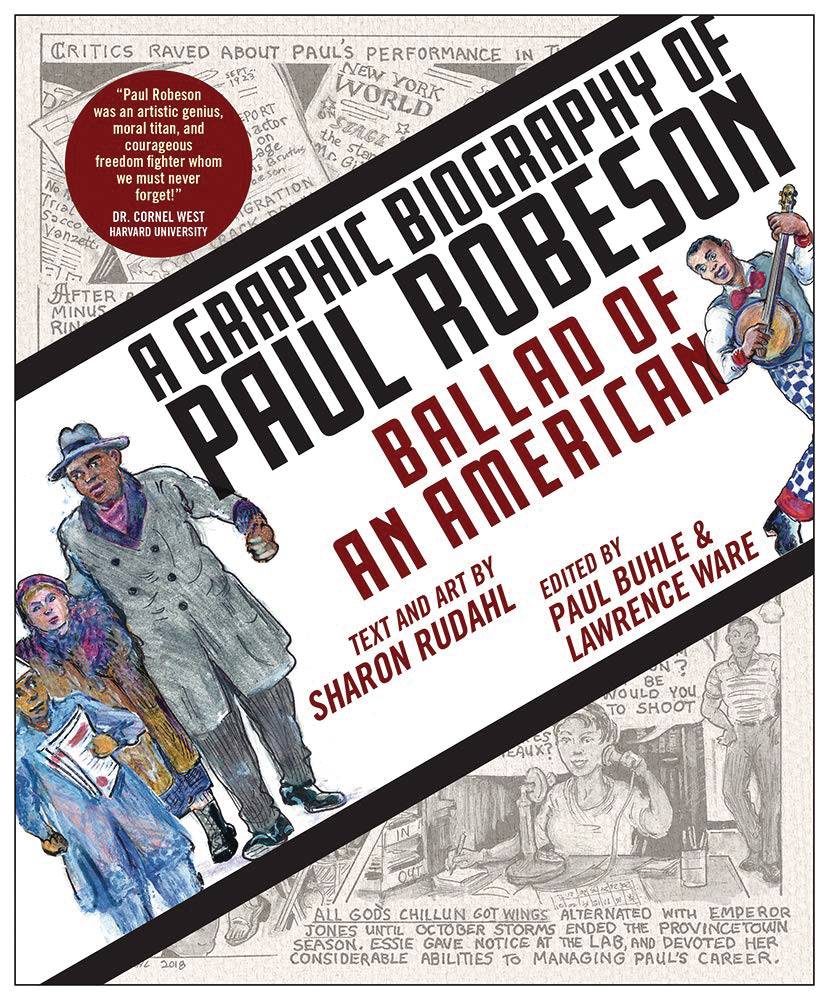
Book — Non-fiction. Written and illustrated by Sharon Rudahl. Edited by Paul Buhle and Lawrence Ware. 2020. 142 pages.
The first-ever graphic biography of Paul Robeson charts Robeson’s career as a singer, actor, scholar, athlete, and activist who achieved global fame.
Continue reading
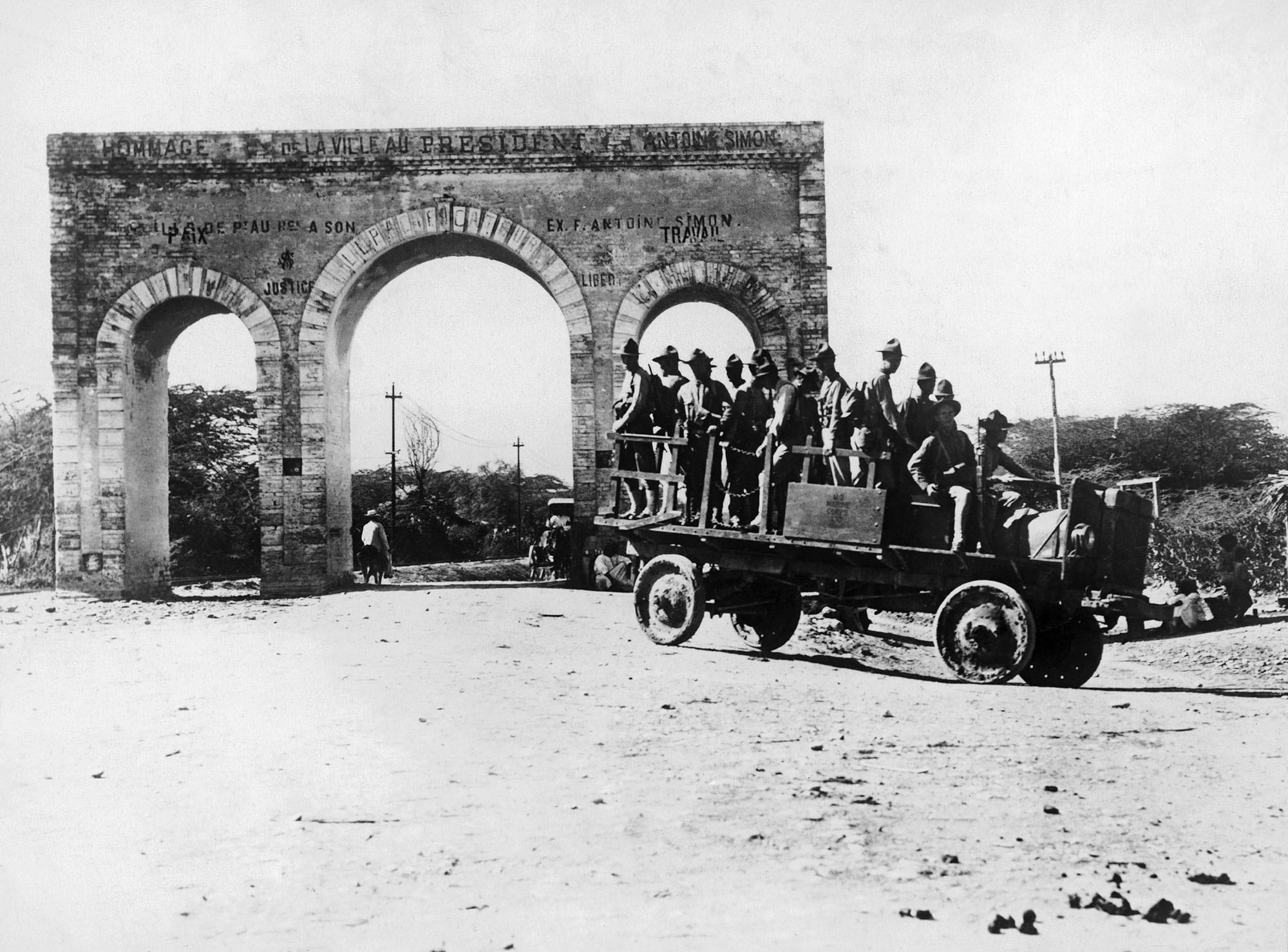
One of the worst massacres of civilians during the 19-year American occupation of Haiti took place in Les Cayes.
Continue reading
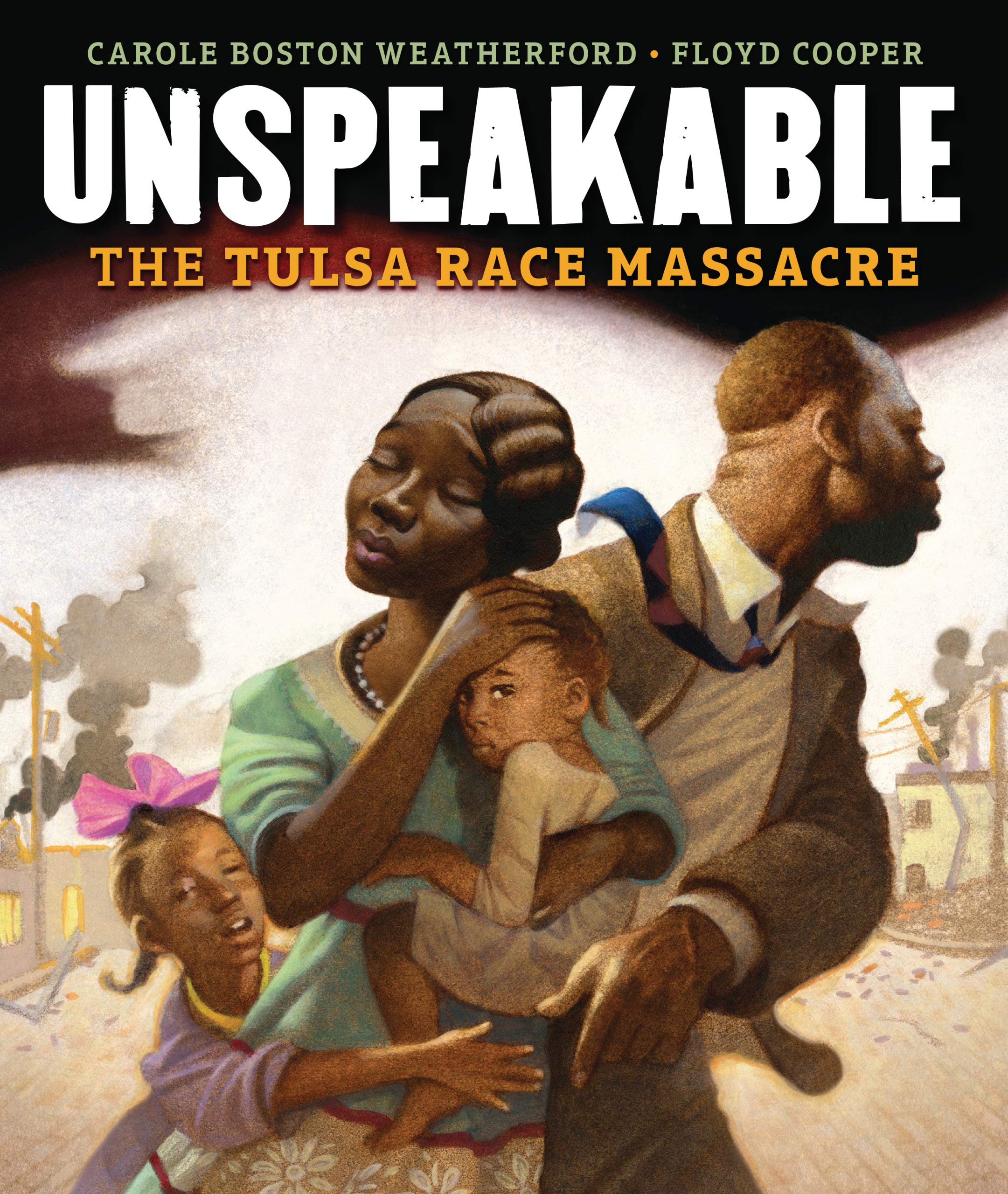
Picture book. By Carole Boston Weatherford and illustrated by Floyd Cooper. 2021. 32 pages.
This children's book centers the history of the thriving Black community of Greenwood before the 1921 Tulsa Massacre.
Continue reading
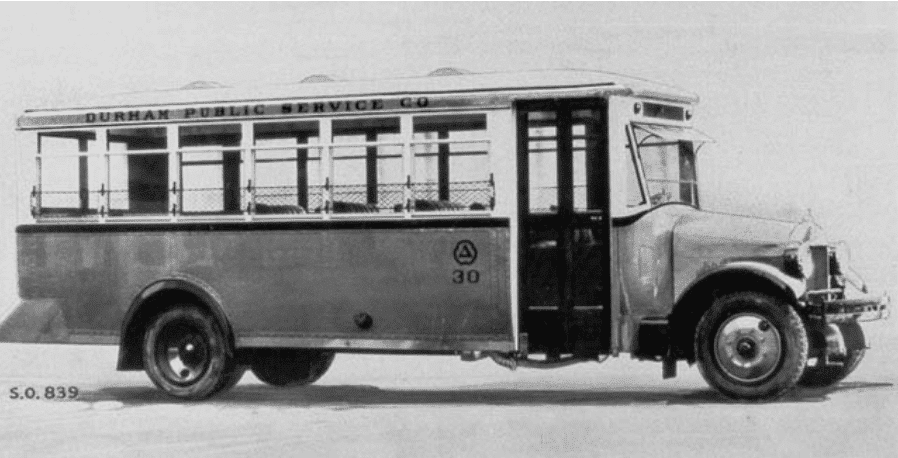
Ellen Harris told the bus driver she would accept a refund and get off the bus, but the driver refused to accept her terms and had her arrested for breaking segregation law.
Continue reading
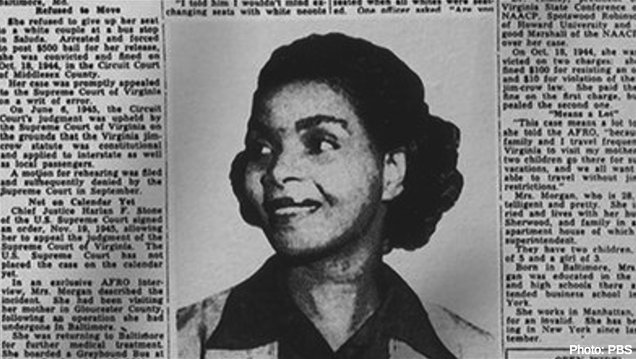
Irene Morgan refused to change her seat on a segregated bus in Virginia.
Continue reading
Book — Non-fiction. By Steve Sheinkin. 2014. 208 pages.
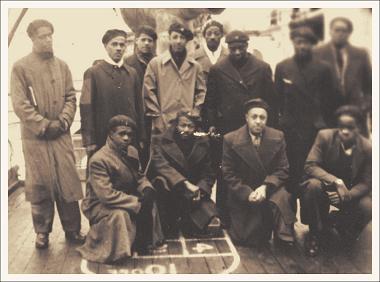
The story of 50 African American sailors charged with mutiny during World War II for challenging working conditions after a deadly munitions explosion.
Continue reading
Lifelong organizer in SNCC and with the Algebra Project, Robert Parris Moses, was born on this day in Harlem, New York.
Continue reading