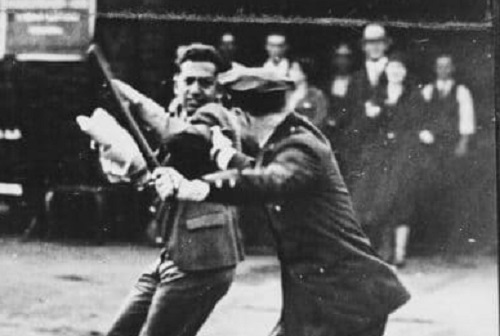
Starting in the spring of 1934, longshoremen across every port on the West Coast struck against the unfair hiring tactics that they experienced daily.
Continue reading
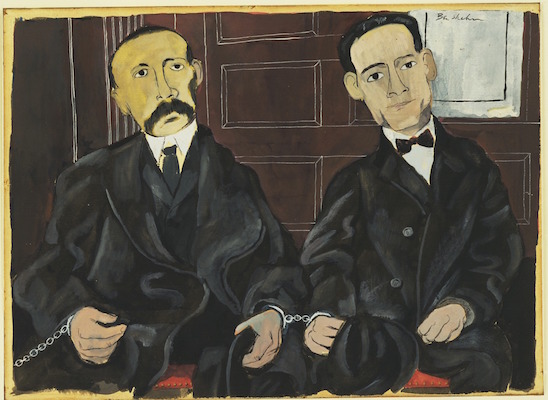
Italian-born immigrants, workers, and anarchists Sacco and Vanzetti were executed in Boston, Massachusetts.
Continue reading
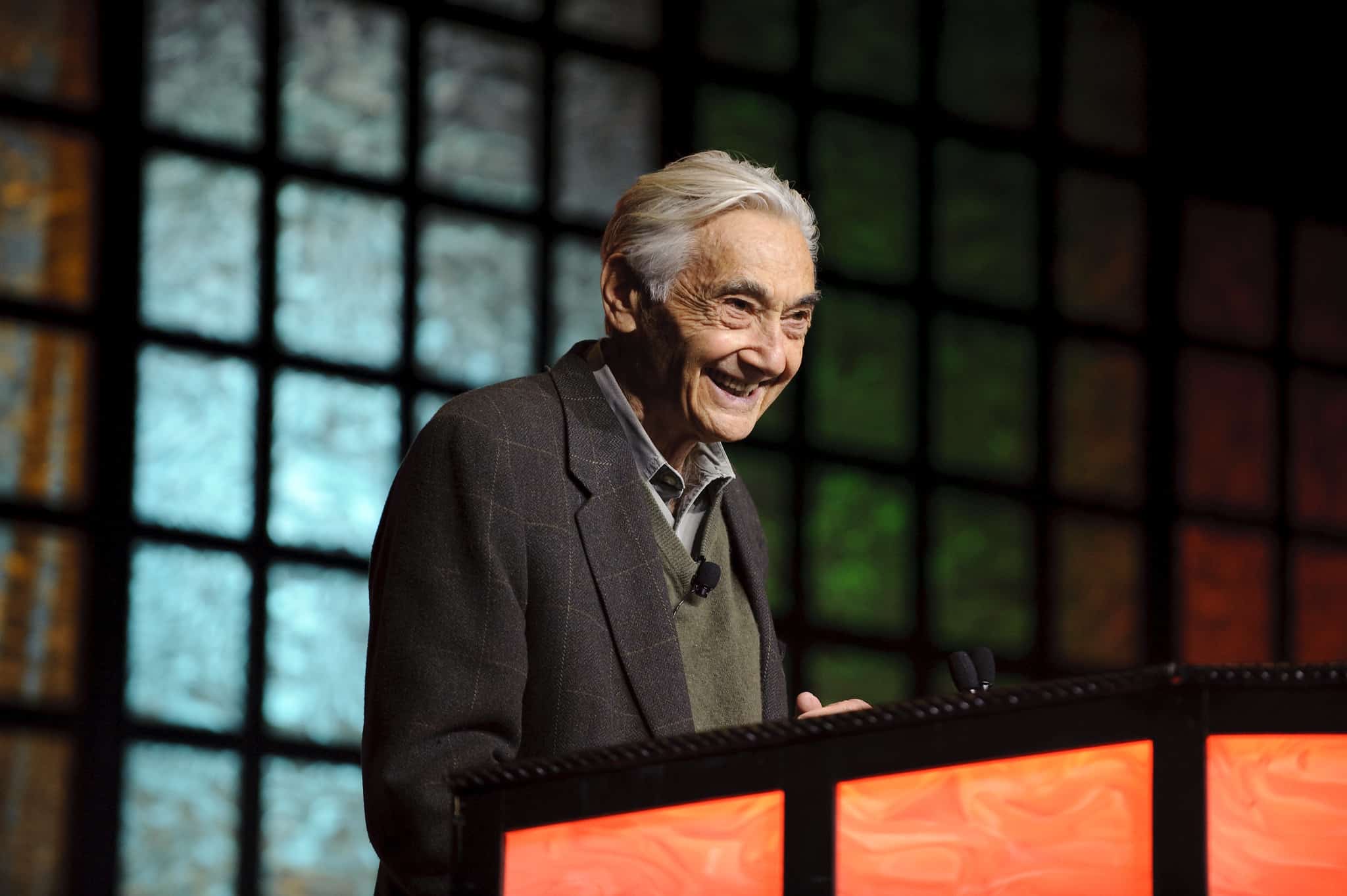
Howard Zinn, a historian, author, professor, playwright, and activist, was born in Brooklyn, New York.
Continue reading
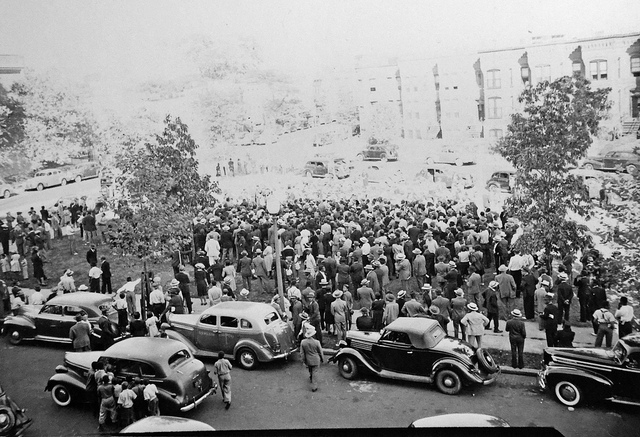
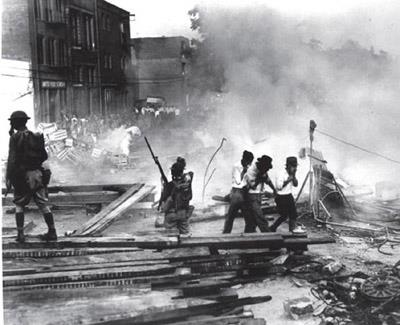
Following years of organizing against police brutality, four marches from different points in the city of Washington, D.C. converged at 10th and U Streets NW.
Continue reading
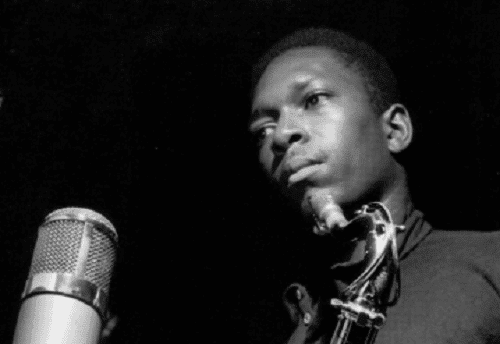
John Coltrane was born. Also born #tdih: Mary Church Terrell (1863), Ray Charles (1930), and Bruce Springsteen (1949).
Continue reading
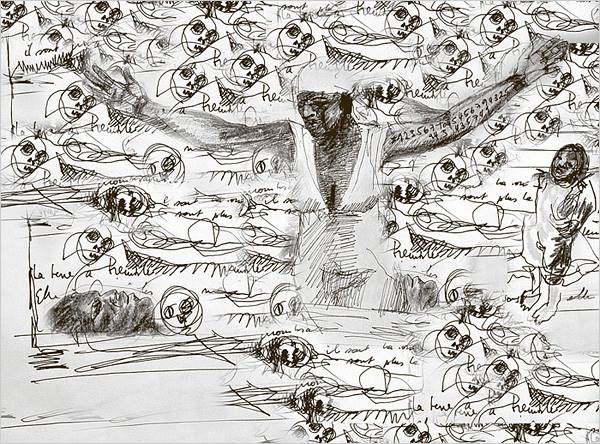
Under the orders of U.S.-backed Dominican dictator President Rafael Trujillo, the execution of more than 20,000 Haitians began in what is now known as the Parsley Massacre at Massacre River.
Continue reading
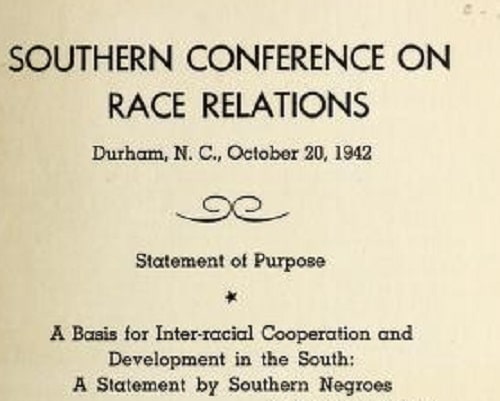
The Southern Conference on Race Relations (SCRR) was held in Durham, North Carolina to address dichotomy between African American soldiers fighting overseas in the name of democracy while in the U.S. they were facing racial violence and being denied basic human rights.
Continue reading
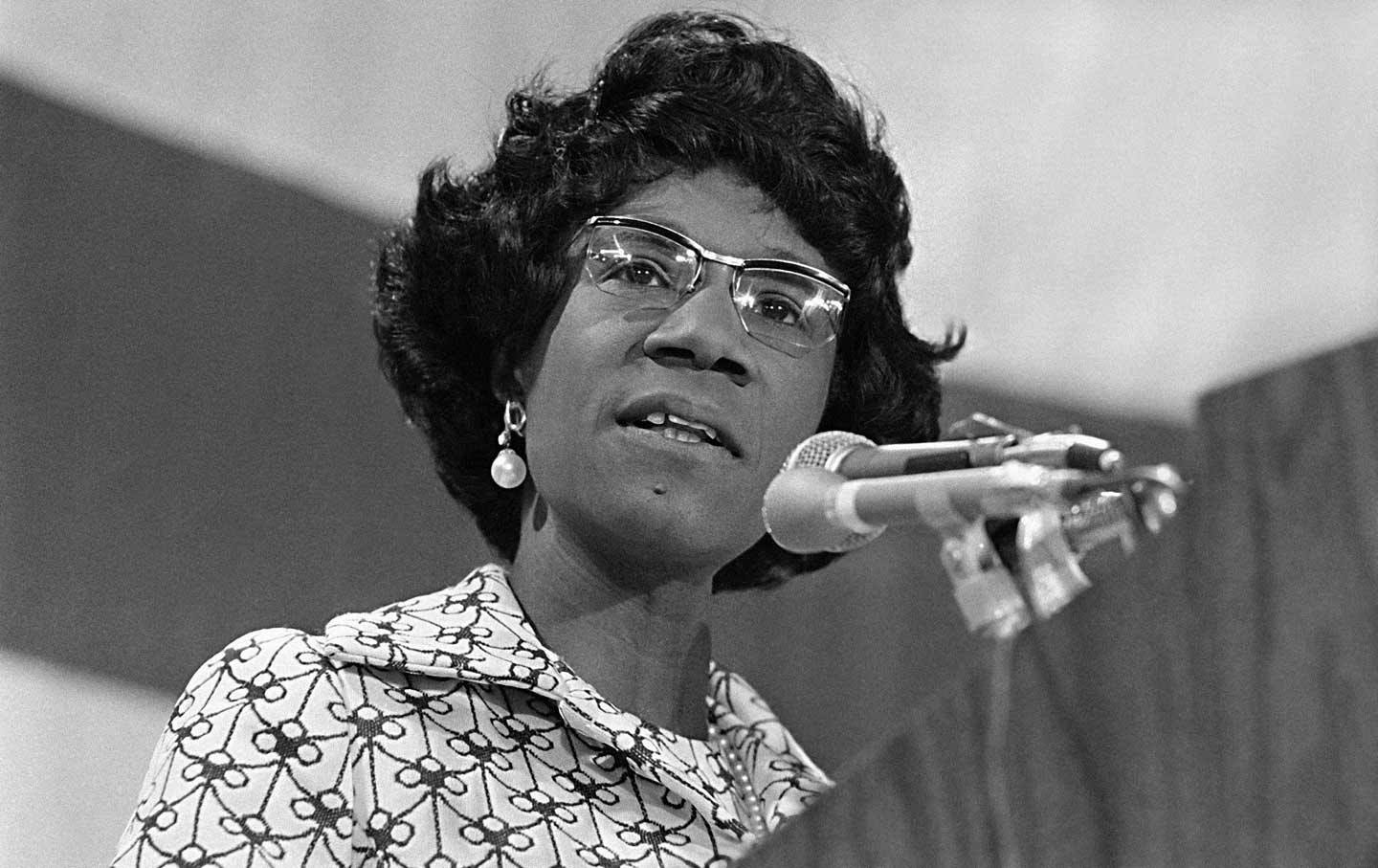
Born on this day, Shirley Chisholm was the first Black woman elected to the U.S. Congress
Continue reading
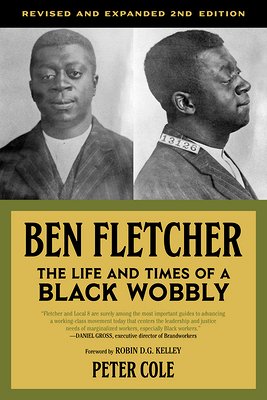
Book — Non-fiction. Edited by Peter Cole. 2021. 352 pages.
This biography details the life of Black IWW organizer Ben Fletcher and the working class struggles he took part in.
Teaching Activity by Peter Cole (editor)
Continue reading
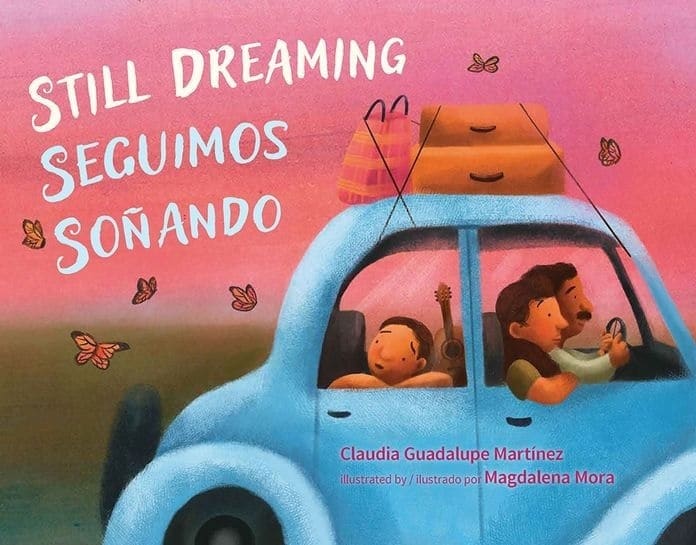
Picture book. Written by Claudia Guadalupe Martínez, illustrated by Magdalena Mora, and translated by Luis Humberto Crosthwaite. 2022. 40 pages.
The story of a boy and his family who leave their beloved home to avoid being separated by the government during the Mexican Repatriation.
Continue reading
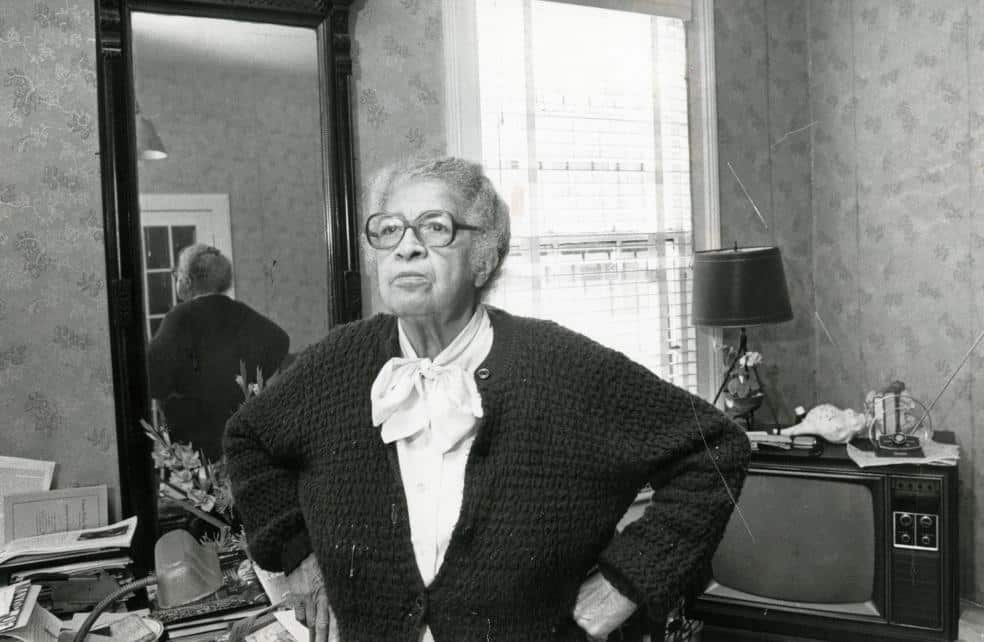
Prompted by South Carolina’s all-white political primary system, civil rights advocate Modjeska Monteith Simkins wrote a letter to Governor Olin D. Johnston of South Carolina challenging him to a debate on white supremacy.
Continue reading
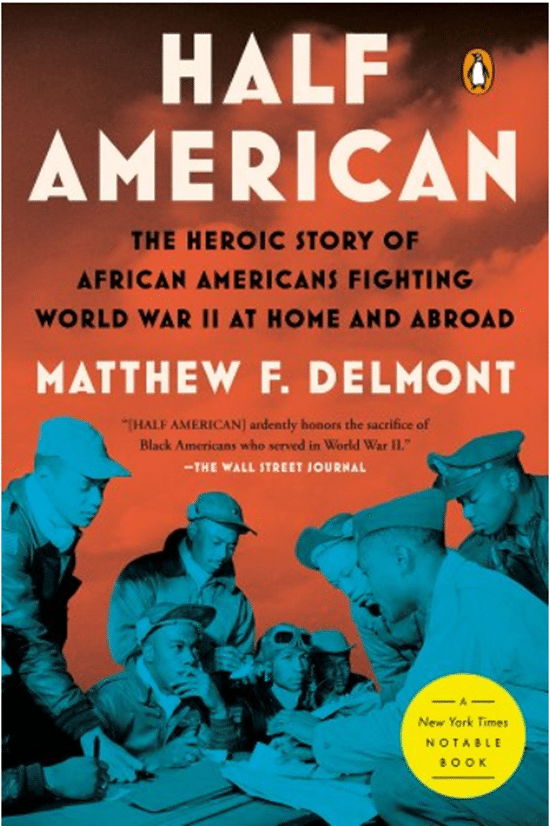
Book — Non-fiction. By Matthew Delmont. 2024. 400 pages.
Accounts from the Black press, Black workers and veterans, and civil rights activists, will help teachers and students tell a fuller, truer, and more historically useful story of World War II.
Continue reading
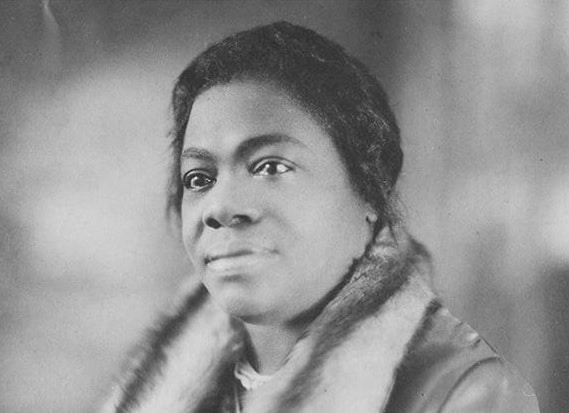
Mary McLeod Bethune faced off against the Ku Klux Klan in defense of Black voting rights in Daytona, Florida.
Continue reading
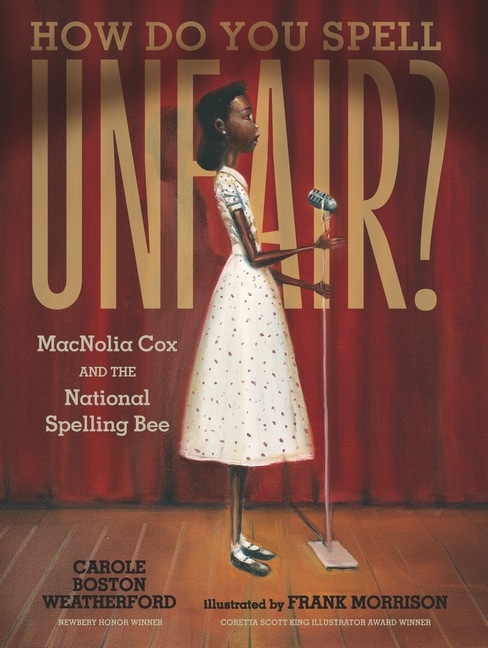
Picture Book. By Carole Boston Weatherford. Illustrated by Frank Morrison. 2023. 40 pages.
The story of eighth grader MacNolia Cox, the first African American to win the Akron, Ohio, spelling bee, and the racism she faced during her journey to compete at the prestigious National Spelling Bee in Washington, D.C.
Continue reading
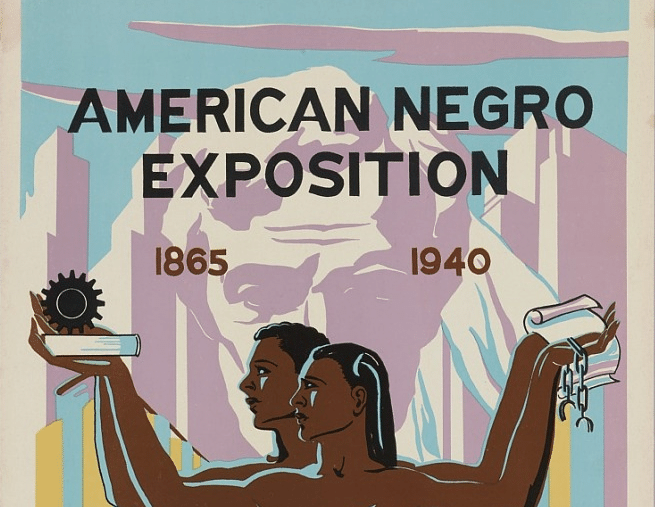
To celebrate the 75th anniversary of the ending of slavery in the United States, the Black World’s Fair, also known as the American Negro Exposition, was held at the Chicago Coliseum from July through September 1940.
Continue reading
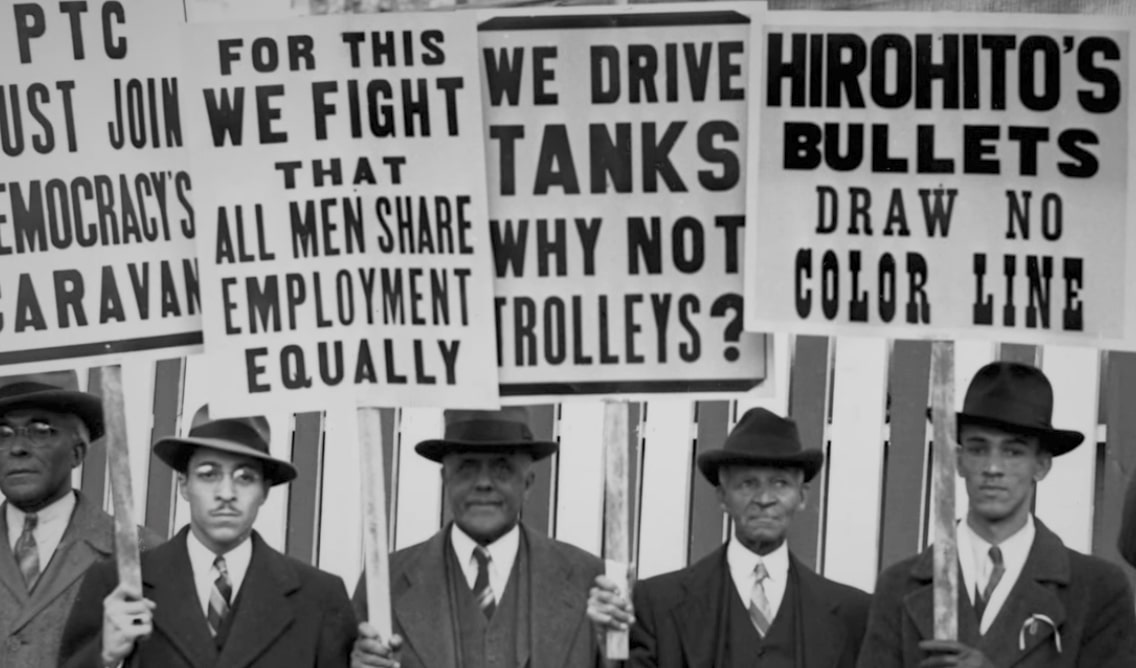
Not wanting Black coworkers to be given the same positions and pay, a contingent of Philadelphia Transit Company (PTC) workers staged a wildcat strike and withheld their labor.
Continue reading
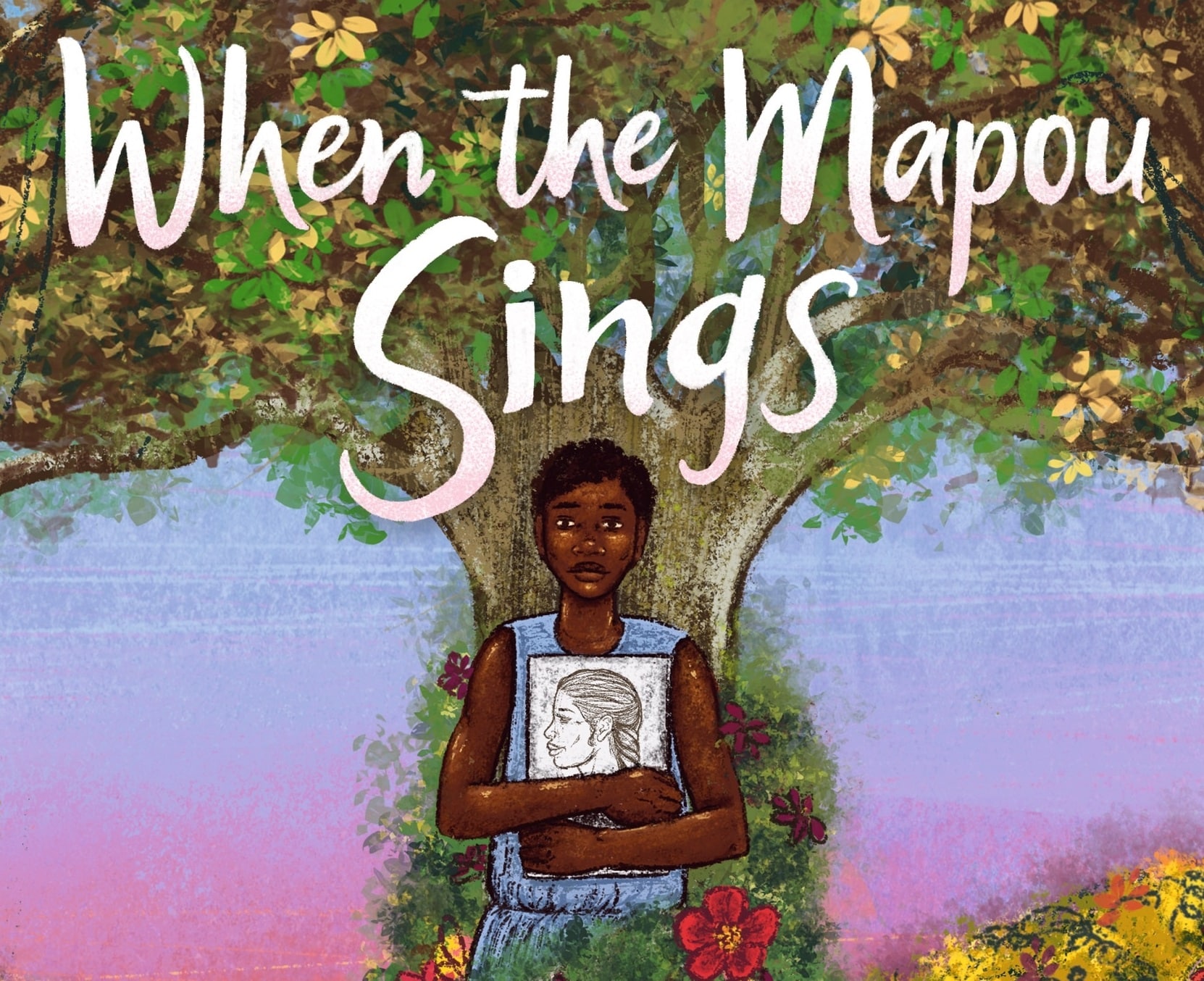
Book — Fiction. By Nadine Pinede. 2024. 432 pages.
This story blends first love and political intrigue with a quest for justice and self-determination in 1930s Haiti.
Continue reading
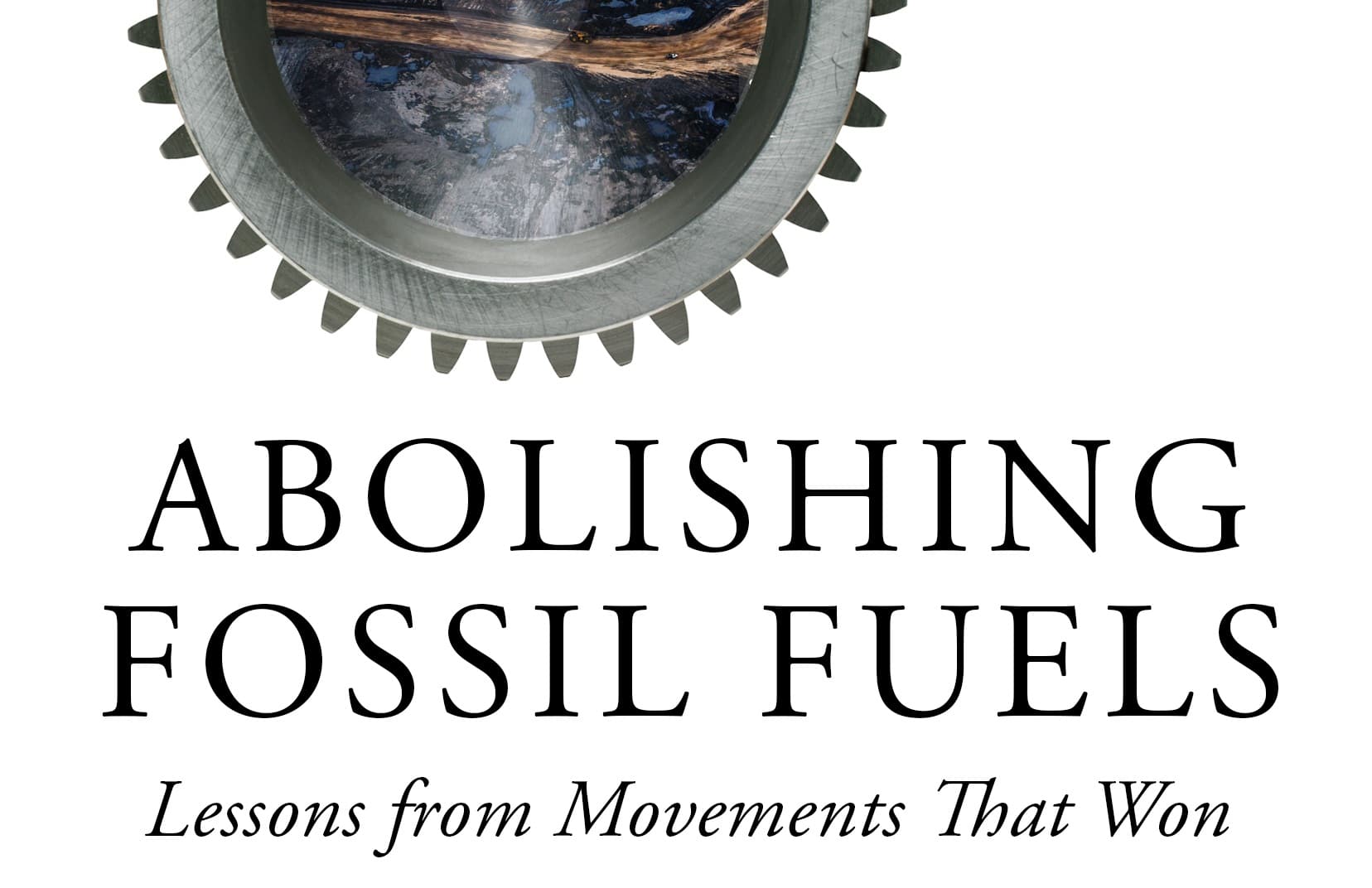
Book — Non-fiction. By Kevin A. Young. 2024. 264 pages.
Offers lessons for building a multiracial, working-class climate movement that can win a global green transition that’s both rapid and equitable.
Continue reading
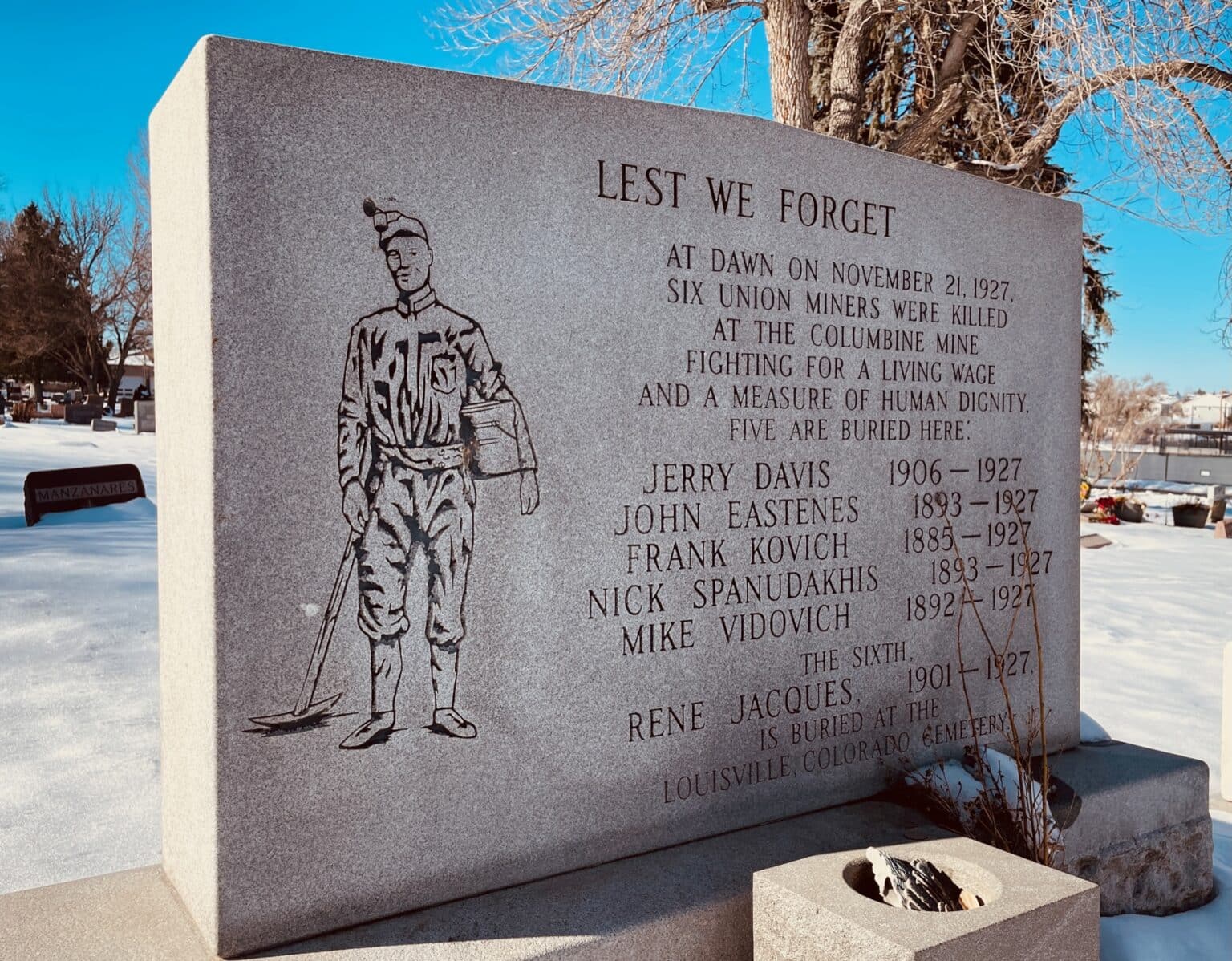
In the midst of the 1927–1928 Colorado Coal Strike, police indiscriminately opened fire on hundreds of coal miners and their families who were picketing the Columbine Mine.
Continue reading
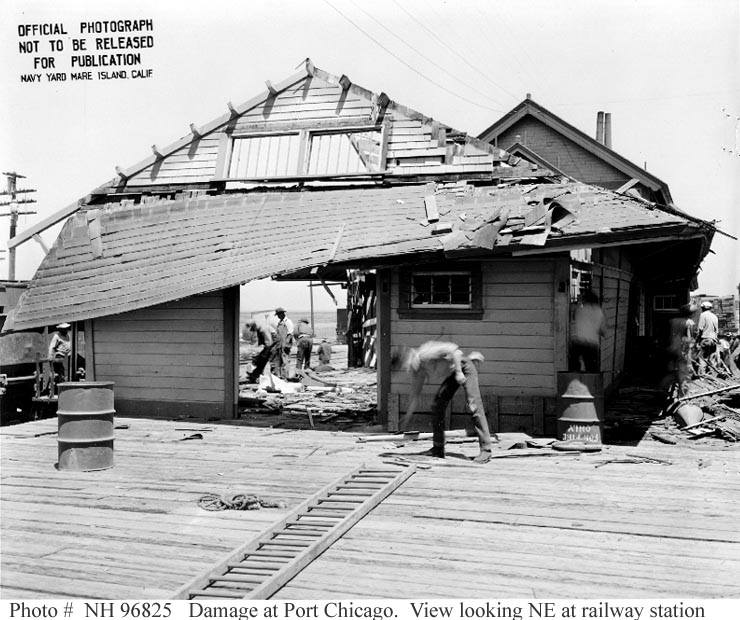
A deadly munitions explosion occurred at the Port Chicago Naval Magazine in Port Chicago, California. When the surviving African Americans sailors demanded safer conditions before returning to work, they faced court martial and jail.
Continue reading
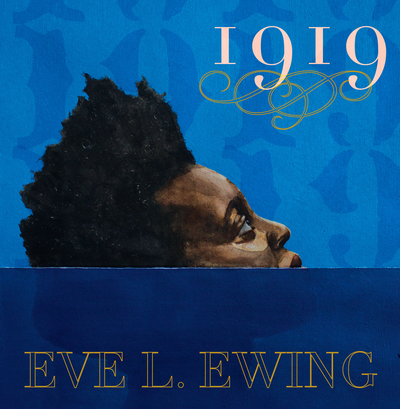
Book — Non-fiction. By Eve L. Ewing. 2019. 96 pages.
Poetic reflections on the Chicago Race Riots of 1919 — part of 'Red Summer' — in a history told through Ewing's speculative and Afrofuturist lenses.
Continue reading
The U.S. government attacked an encampment of Black and white WWI veterans with tanks, bayonets, and tear gas.
Continue reading