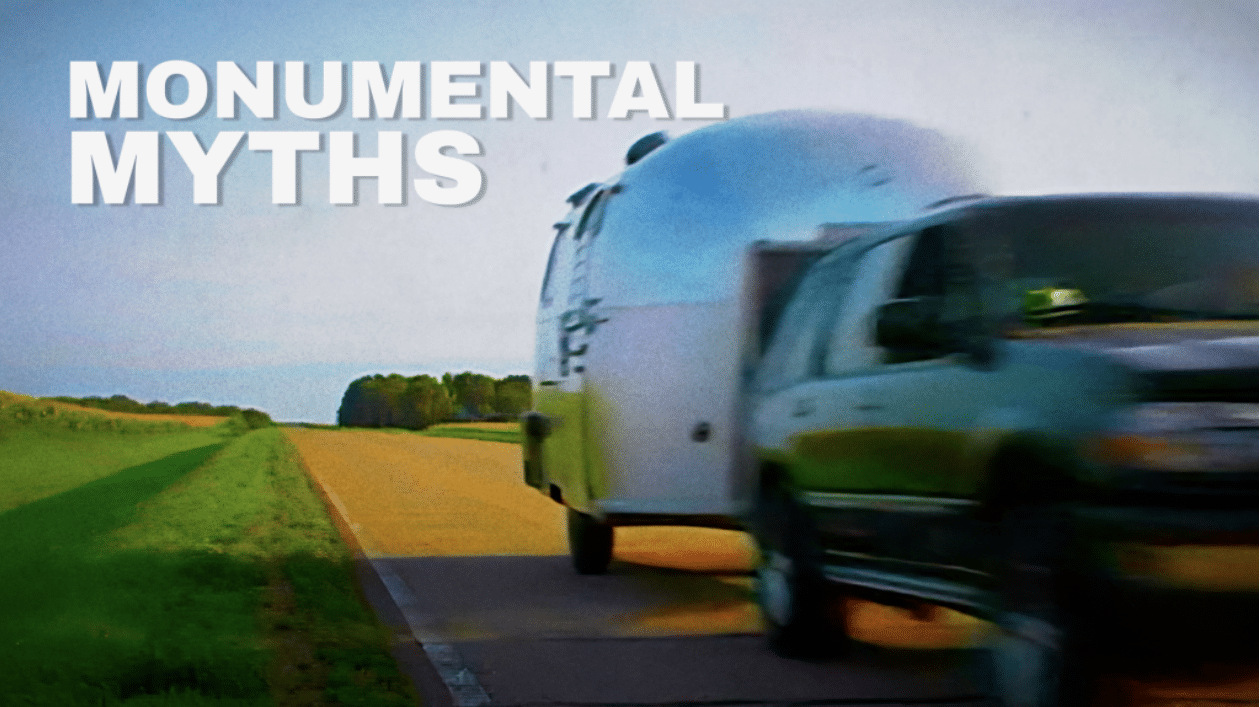
Film. Directed by Tom Trinley. 2023. 51 minutes.
Inspired by the book, Lies Across America, this film presents the historic myths and facts about a few iconic monuments in the United States.
Continue reading
Film. Directed by Eduardo López & Peter Getzels. 2012. 90 minutes.
Documentary that examines the direct connection between the long history of U.S. intervention in Latin America and the immigration crisis we face today.
Continue reading
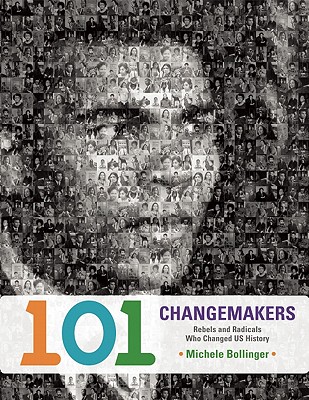
Book — Non-fiction. By Michele Bollinger and Dao Tran. 2012.
A collection of 101 brief and accessible profiles of rebels, radicals, and fighters for social justice.
Continue reading
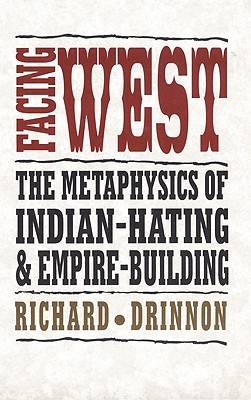
Book — Non-fiction. By Richard Drinnon. 1997.
History of American expansion and the infliction of repression and racist tactics on the communities.
Continue reading
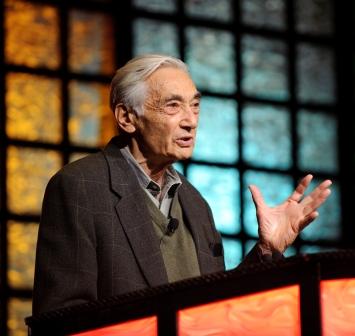
Article. Howard Zinn interview by Barbara Miner. 1994. Rethinking Schools magazine.
I started studying history with one view in mind: to look for answers to the issues and problems I saw in the world about me. By the time I went to college I had worked in a shipyard, had been in the Air Force, had been in a war. I came to history asking questions about war and peace, about wealth and poverty, about racial division.
Continue reading
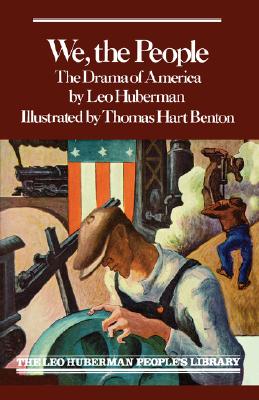
Book — Non-fiction. By Leo Huberman, illustrations by Thomas H. Benton. 1932. 371 pages.
A people's history of labor with charts, diagrams, and illustrations.
Continue reading
Book — Non-fiction. By Howard Zinn, Kathy Emery, and Ellen Reeves. 2003.
Howard Zinn's original text, abridged for high school students.
Continue reading
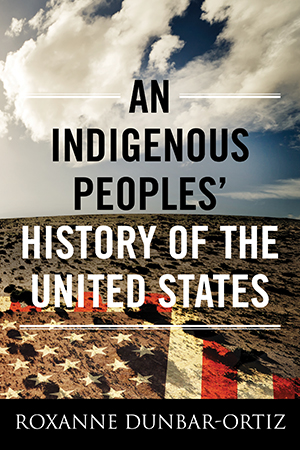
Book — Non-fiction. By Roxanne Dunbar-Ortiz. 2015. 312 pages.
Four hundred years of Native American history from a bottom-up perspective.
Continue reading
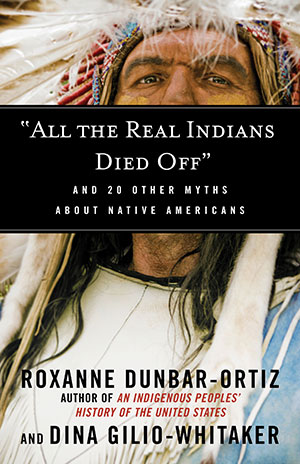
Book — Non-fiction. By Roxanne Dunbar-Ortiz and Dina Gilio-Whitaker. 2016. 224 pages.
Deconstructs persistent myths about American Indians rooted in fear and prejudice — an astute and lively primer of European-Indian relations.
Continue reading
Website.
An online collection of lessons, book lists, biographies of noted historical figures, and readings for free use by classroom teachers.
Continue reading
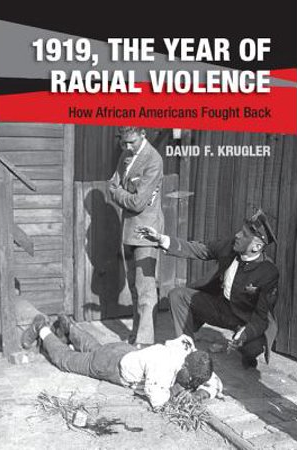
Book — Non-fiction. By David F. Krugler. 2015.
This book details the wave of racist violence that swept the United States in 1919, through the lens of Black armed resistance and freedom struggle.
Continue reading
Article. By Bill Bigelow. Rethinking Schools, Spring 2019.
For too long, the fossil fuel industry has tried to buy teachers’ and students’ silence. But teaching climate justice has never been more urgent.
Continue reading
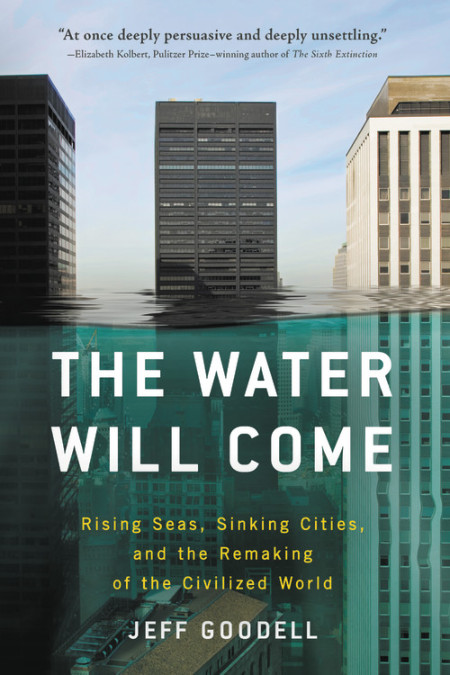
Book — Non-fiction. By Jeff Goodell. 2018. 352 pages.
Early 21st century societies scramble to fight rising seas and science journalist Jeff Goodell predicts what will happen if (and when) we fail.
Continue reading
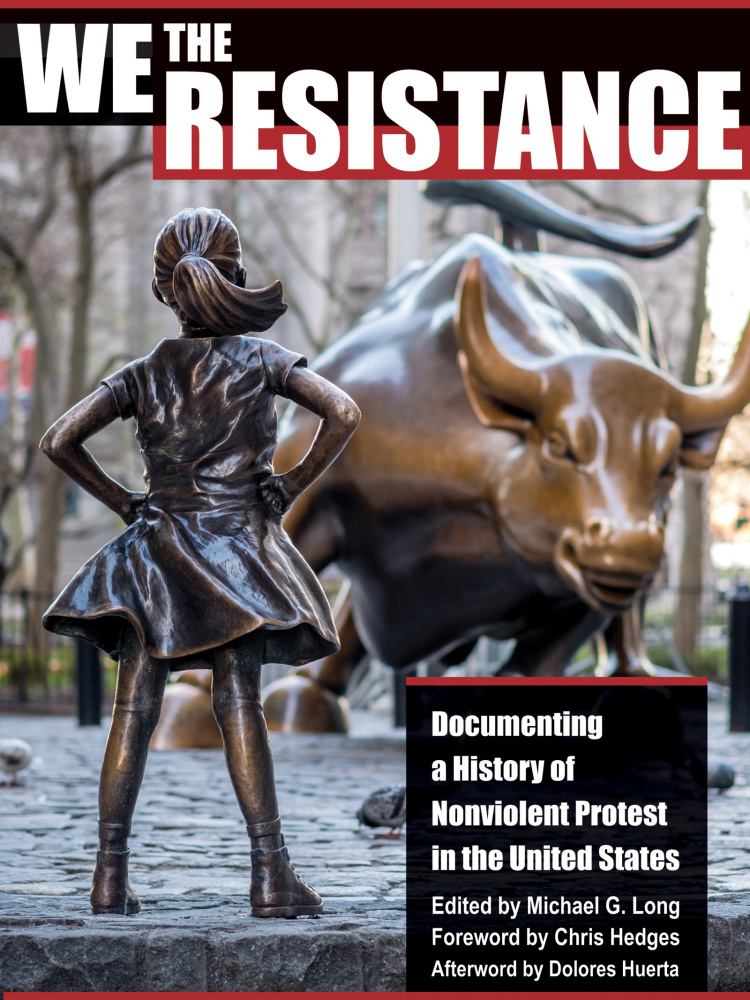
Book — Non-fiction. Edited by Michael G. Long, foreword by Chris Hedges, afterword by Dolores Huerta. 2019. 610 pages.
Encounter the voices of activists sharing instructive stories through narrative and primary documents.
Continue reading
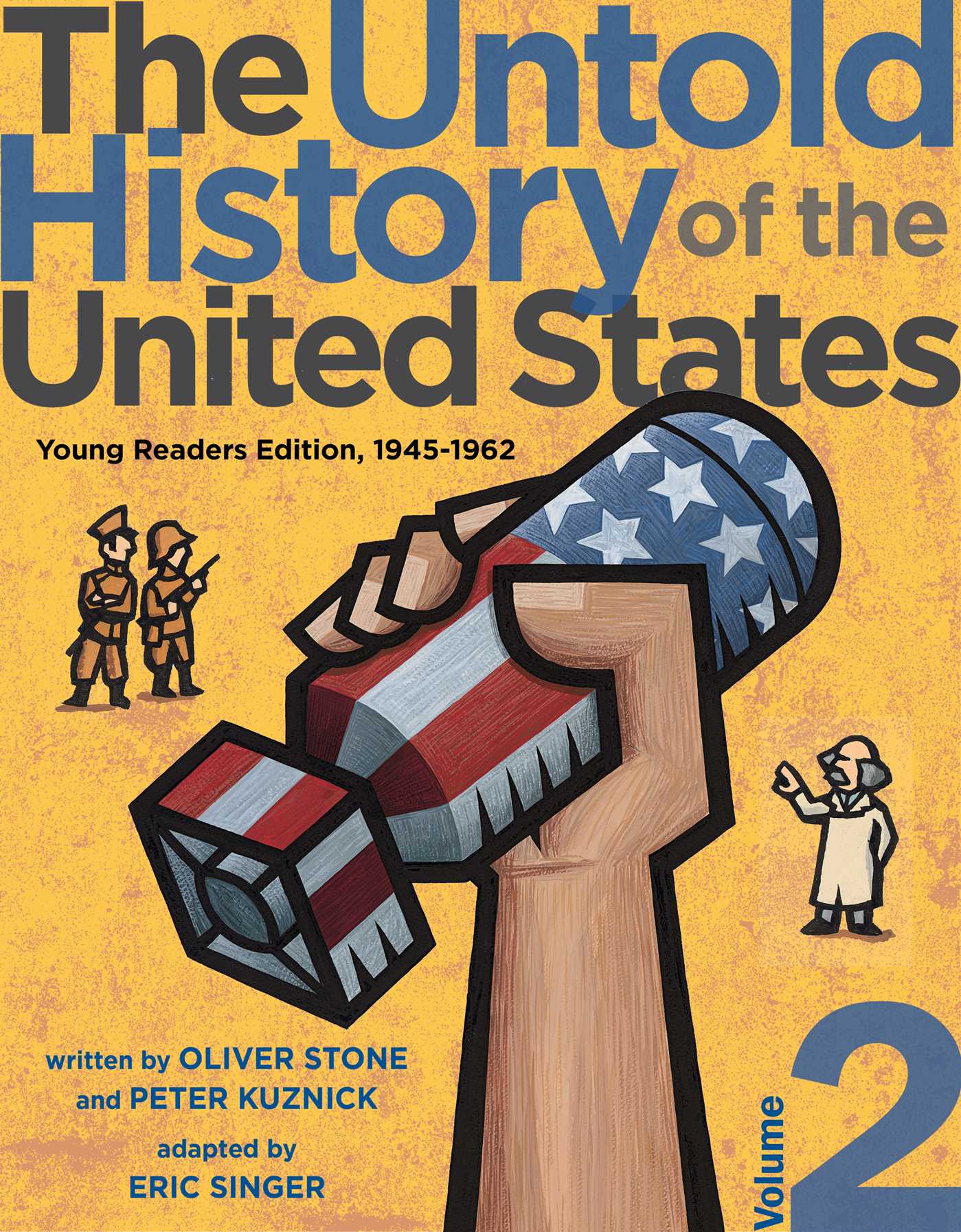
Book — Non-fiction. By Oliver Stone and Peter Kuznick. Adapted by Susan Campbell Bartoletti and Eric S. Singer. Vol 1. 2014. 400 pages. Vol 2. 2019. 320 pages.
These are two volumes of illustrated histories, adapted for students from a documentary book and film of the same name.
Continue reading
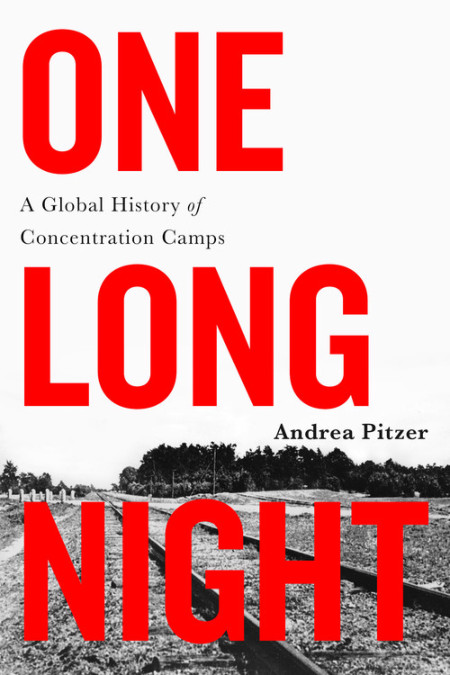
Book — Non-fiction. By Andrea Pitzer. 2017. 480 pages.
Starting with 1890s Cuba, this book is a chronological and geopolitical history of concentration camps that is filled with prisoner perspectives.
Continue reading
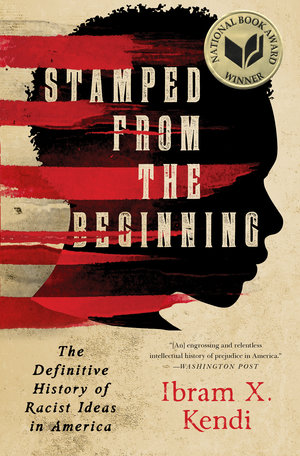
Book — Non-fiction. By Ibram X. Kendi. 2016. 608 pages.
This book chronicles the origins and growth of anti-Black racist ideas, and their power, over the course of U.S. history.
Continue reading
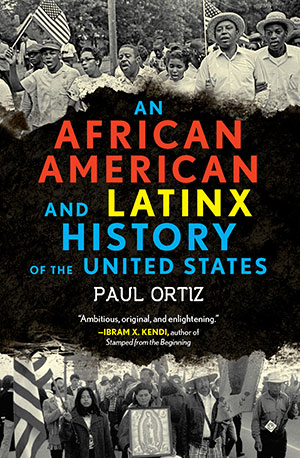
Book — Non-fiction. By Paul Ortiz. 2018. 296 pages.
This narrative, intersectional history describes the shared struggle for African American and Latinx civil rights, and argues that the “Global South” was crucial to the development of the United States.
Continue reading
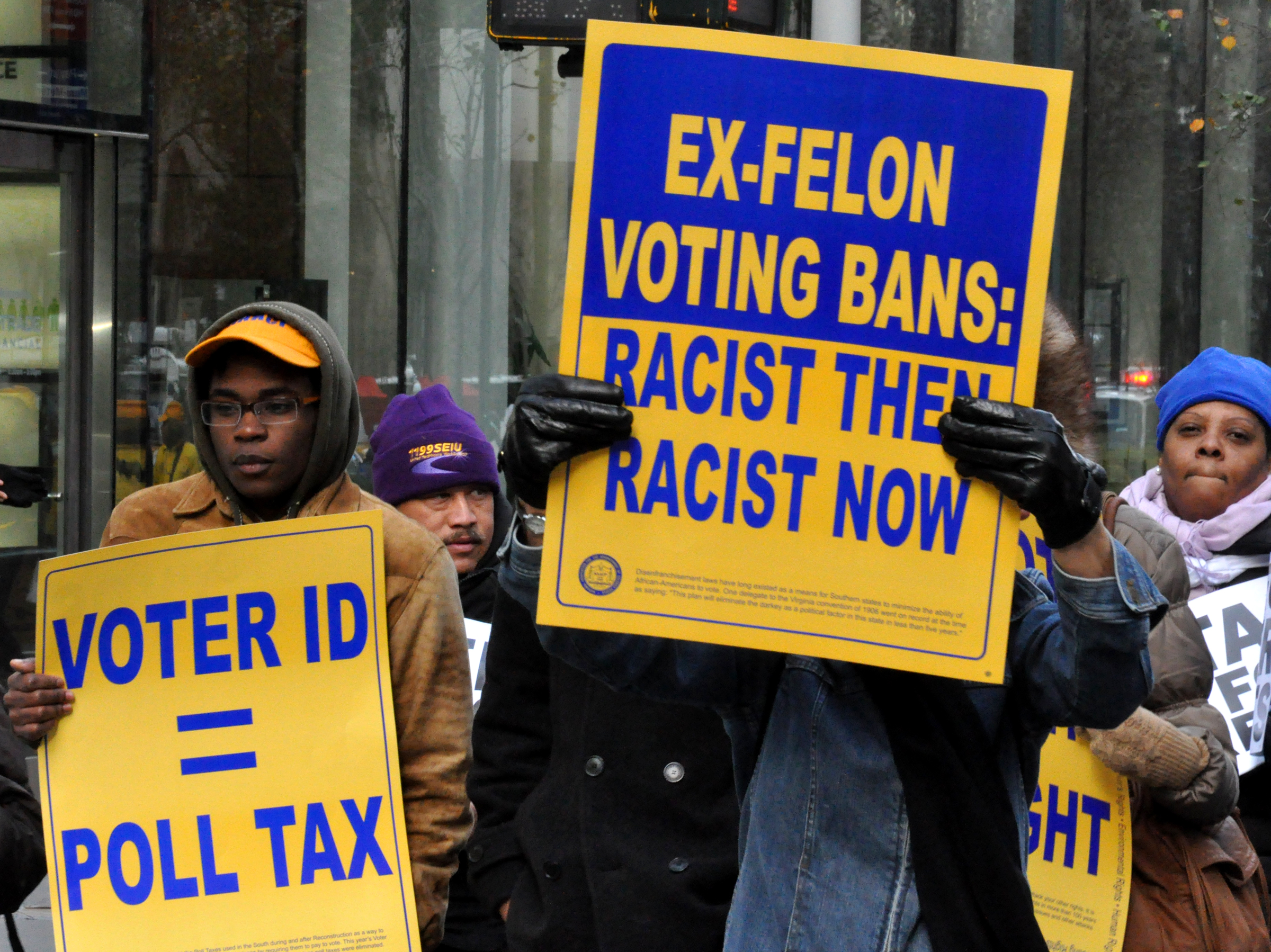
Though our students' textbooks suggest otherwise, on this 150th anniversary of the 15th Amendment the struggle for ballot access is not over.
Continue reading
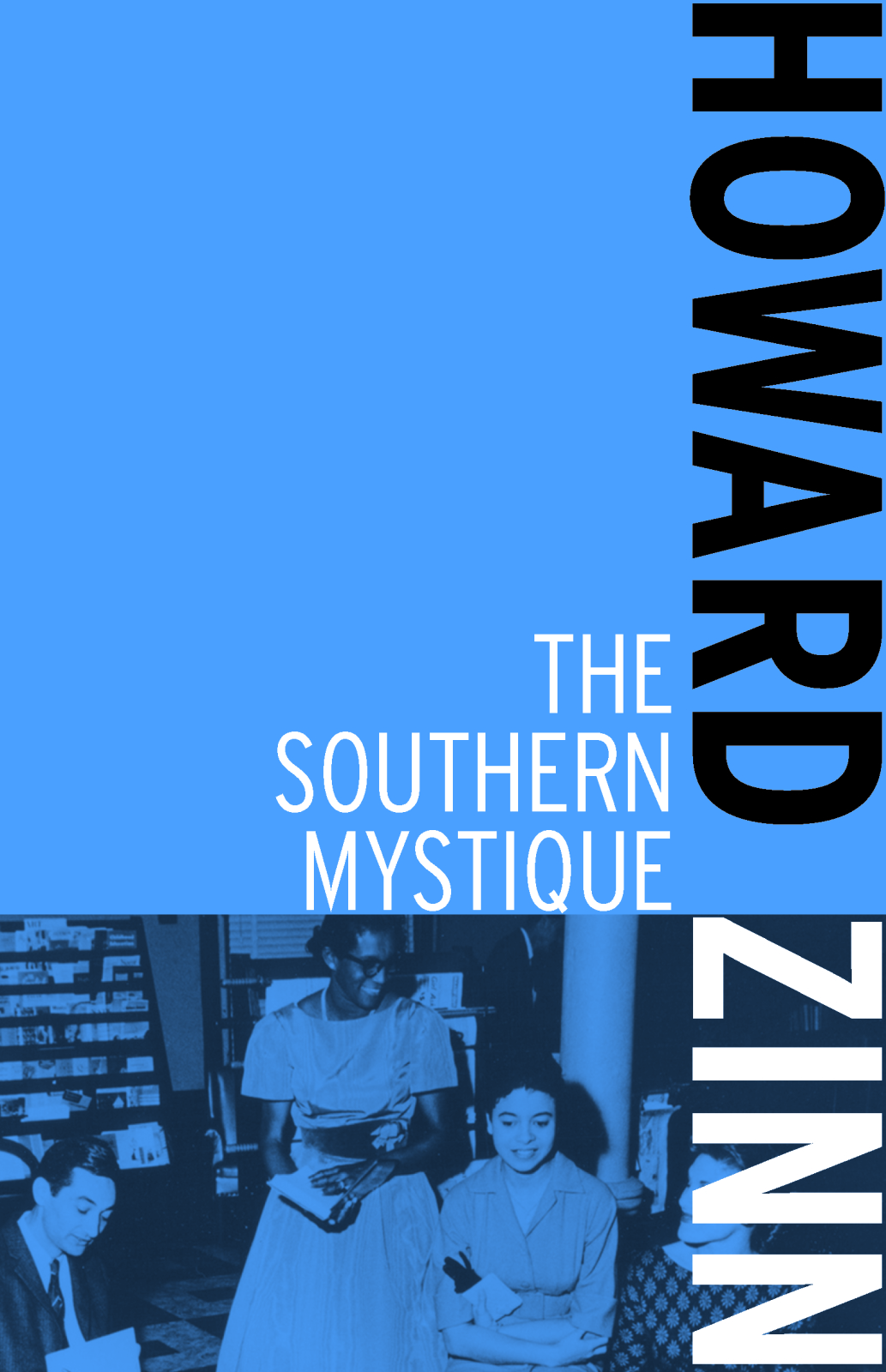
Book — Non-fiction. By Howard Zinn. 1964.
In one of his earliest published works, Howard Zinn writes about his experiences teaching and organizing with the Civil Rights Movement in the South.
Continue reading
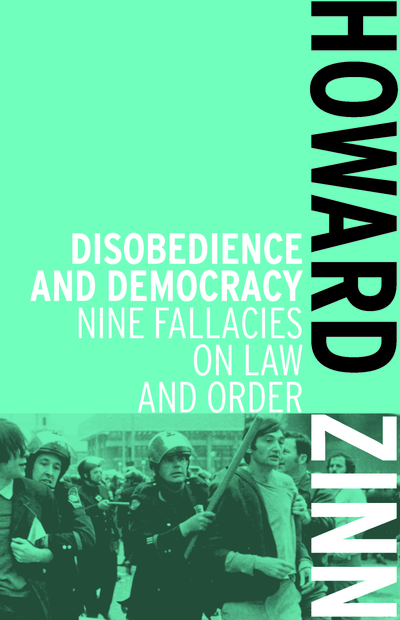
Book — Non-fiction. By Howard Zinn. 1968.
A cogent defense of civil disobedience.
Continue reading
Podcast. Produced by John Biewen with co-host Chenjerai Kumanyika. 2020. Center for Documentary Studies.
This twelve-part series tells a story of the United States from its beginnings up to the present that questions the traditional narrative about democracy as a foundational value.
Continue reading
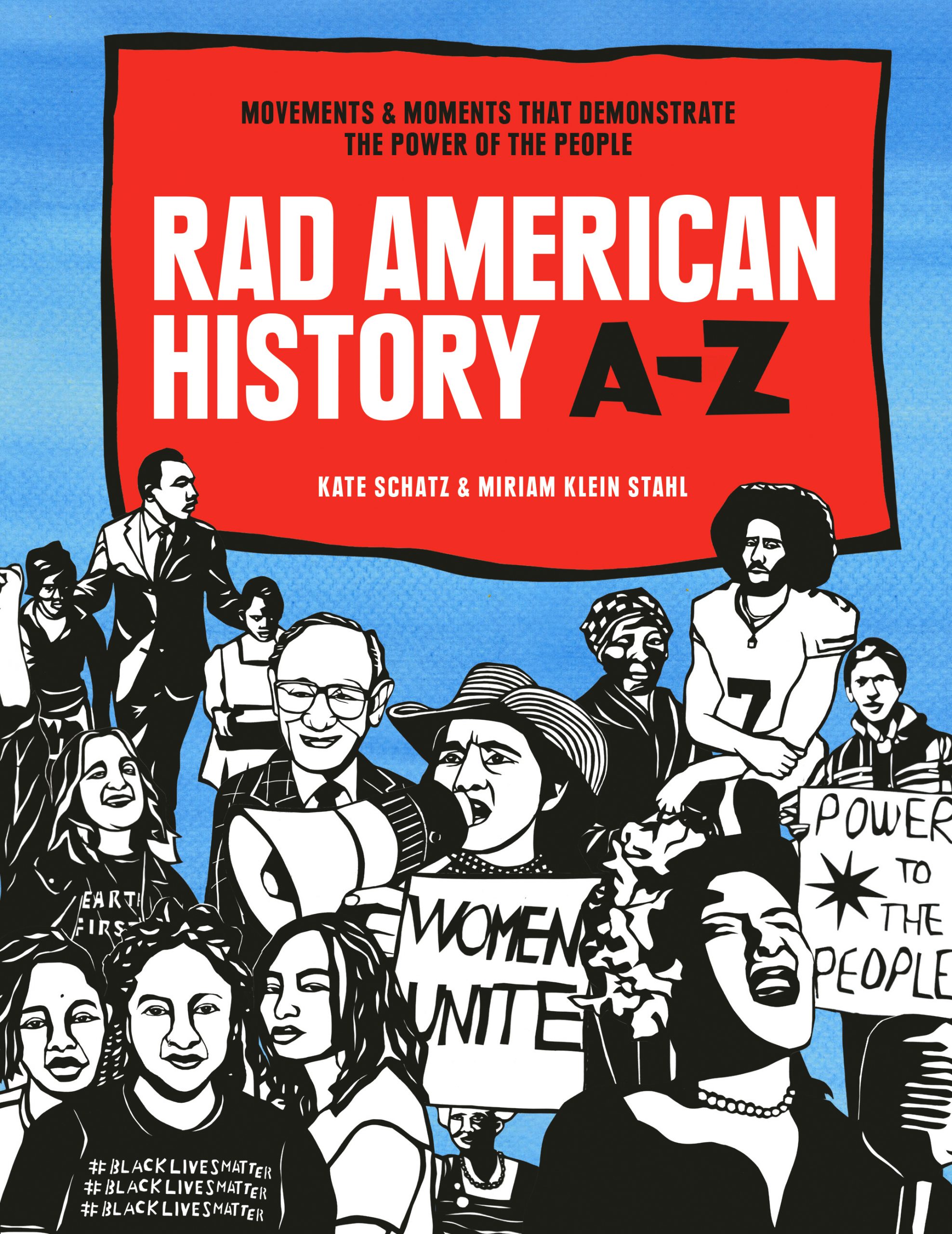
Book — Non-fiction. By Kate Schatz and illustrated by Miriam Klein Stahl. Ten Speed Press. 2020. 176 pages.
Paired with dynamic paper-cut art, readers explore several centuries of U.S. politics, culture, art, activism, and liberation.
Continue reading
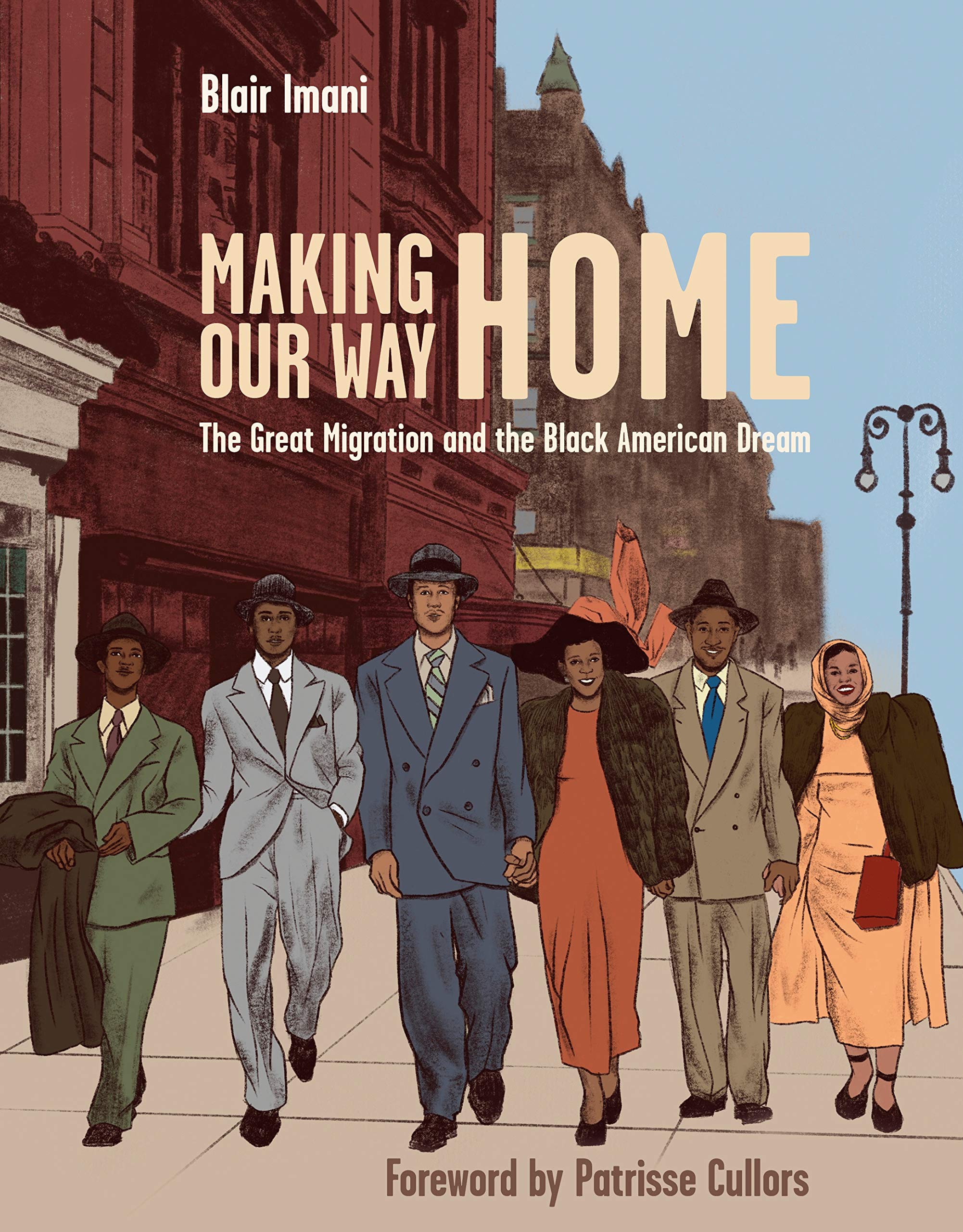
Book — Non-fiction. By Blair Imani. 2020. 192 pages.
An illustrated chronicle of the Great Migration and African American history in the 20th century.
Continue reading