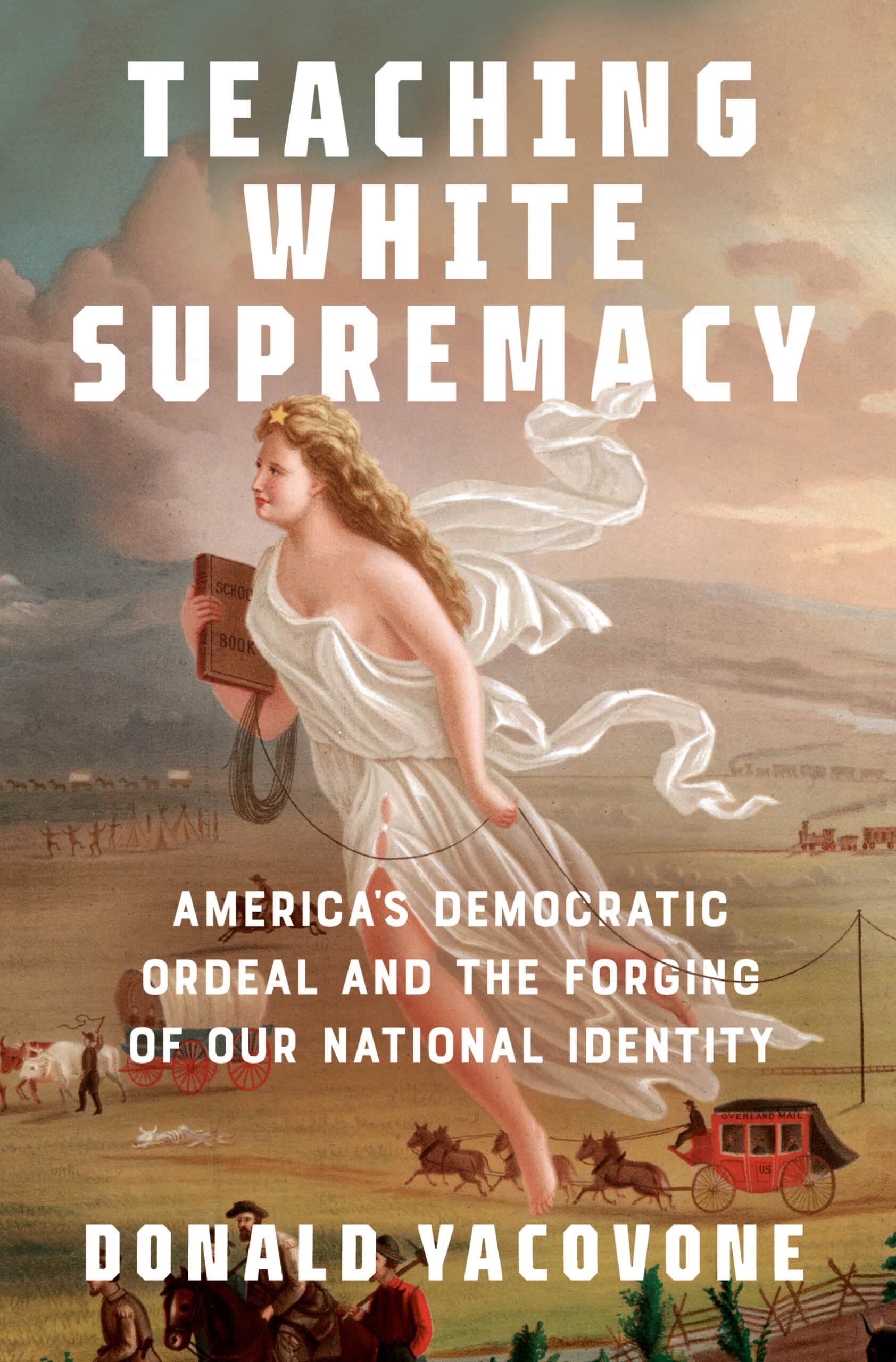
Book — Non-fiction. By Donald Yacovone. 2022. 464 pages.
This book details the battle over historical memory in public schools and how the white elite has devoted extraordinary resources to perpetuating racist ideas in each generation through K-12 curriculum.
Continue reading
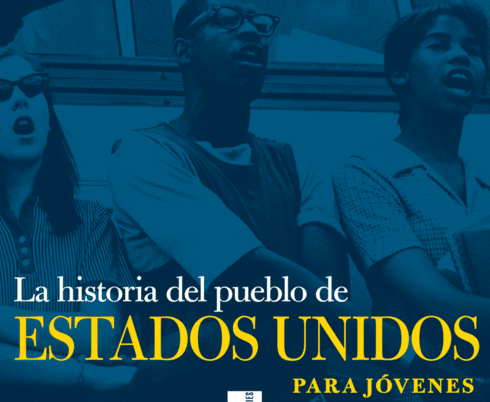
Book — Non-fiction. By Howard Zinn, adapted by Rebecca Stefoff with additions by Ed Morales. Translated by Hugo García Manríquez. 2023. 608 pages.
A Spanish translation of the young adult version of the best-selling A People’s History of the United States.
Continue reading
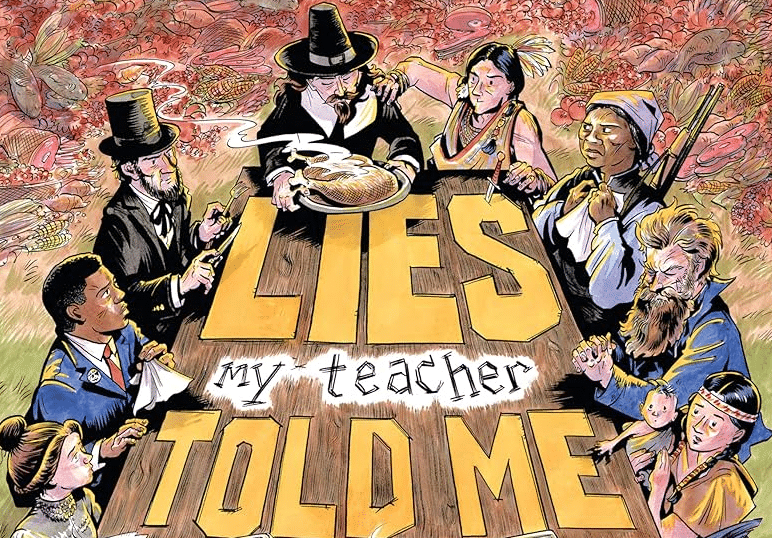
Book — Non-fiction. By James W. Loewen and illustrated by Nate Powell. 2024. 272 pages.
A graphic adaptation of the classic history book Lies My Teacher Told Me.
Continue reading
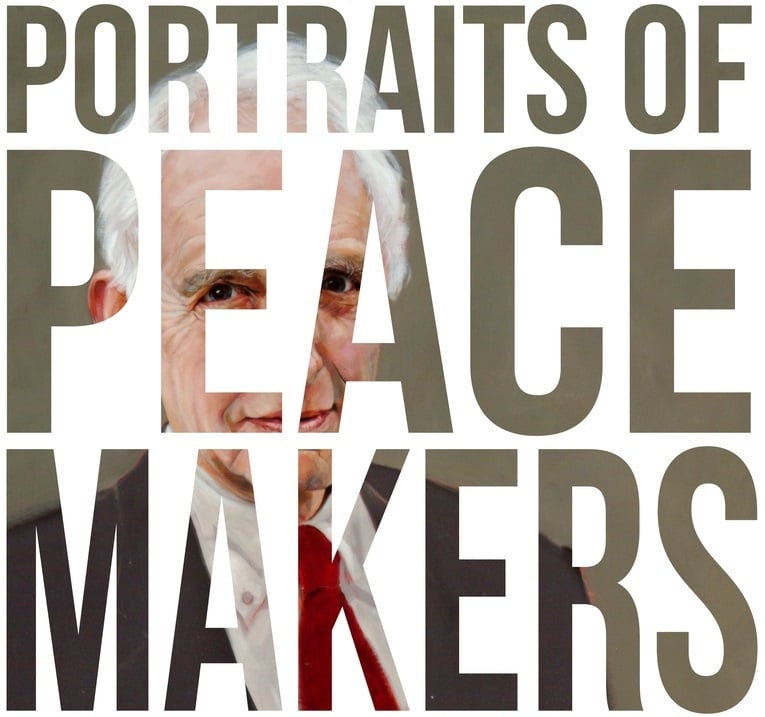
Book — Non-fiction. By Robert Shetterly. 2024. 128 pages.
Loving, colorful portraits and short biographies of 50 peace activists.
Continue reading
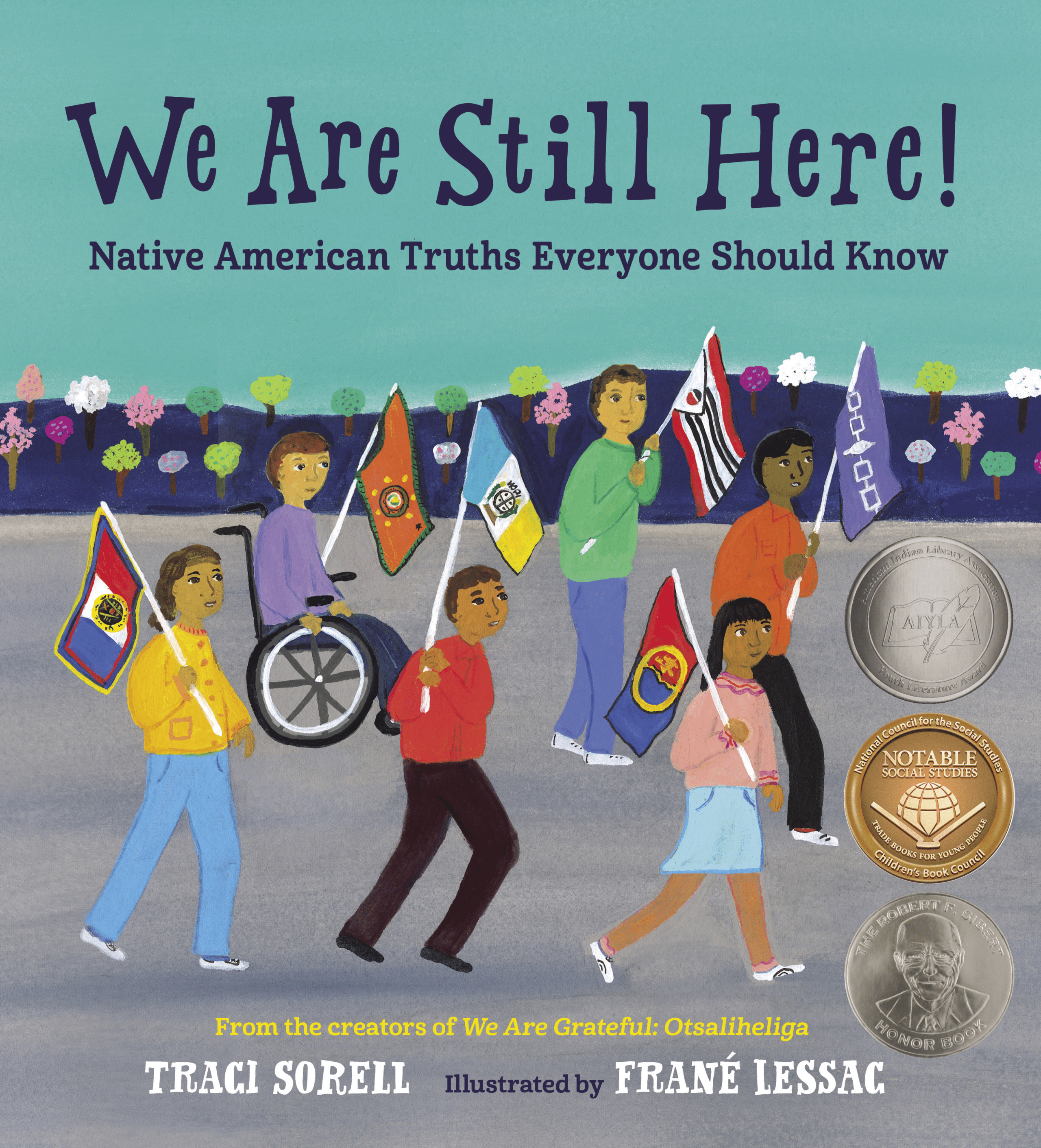
Picture book. By Traci Sorell, and illustrated by Frane Lessac. 2021. 40 pages.
Twelve Native American kids present historical and contemporary laws, policies, struggles, and victories in Native life.
Continue reading
Book — Non-fiction. By Dana Frank. 2025. 336 pages.
Four stories of resilience, mutual aid, and radical rebellion that transforms how we understand the Great Depression.
Continue reading
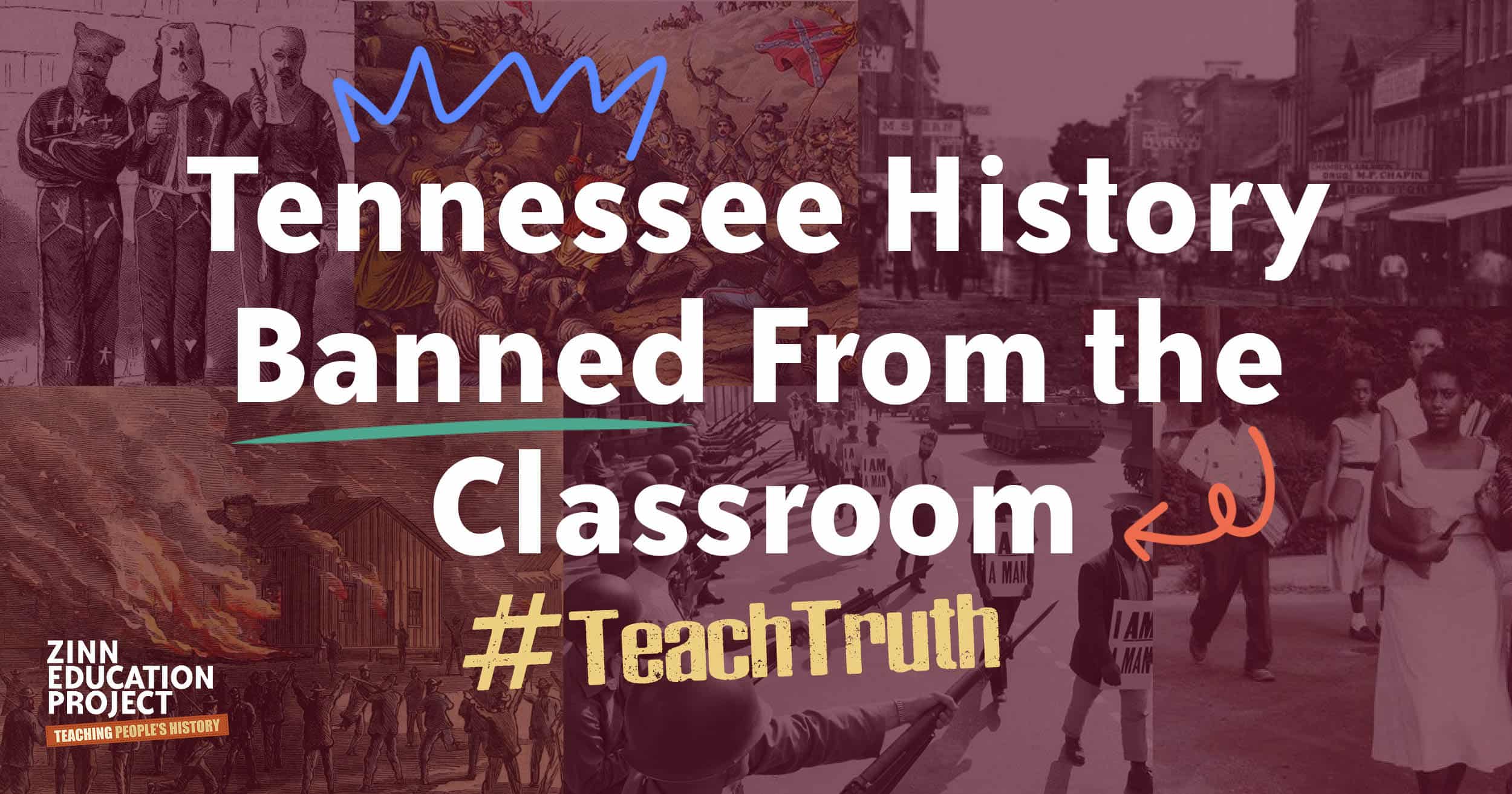
Here are stories from the people's history of Tennessee, central to lessons on history and language arts.
Continue reading
Book — Non-fiction. Edited by Roxane Gay. 2025. 672 pages.
Writings on multicultural perspectives, ecofeminism, feminism and disability, feminist labor, gender perspectives, Black feminism, and more.
Continue reading
Digital collection. A project by the American Social History Project (ASHP) that aims to revitalize interest in history by challenging traditional ways of learning about the past, focusing on the working men and women who shaped U.S. history.
Continue reading
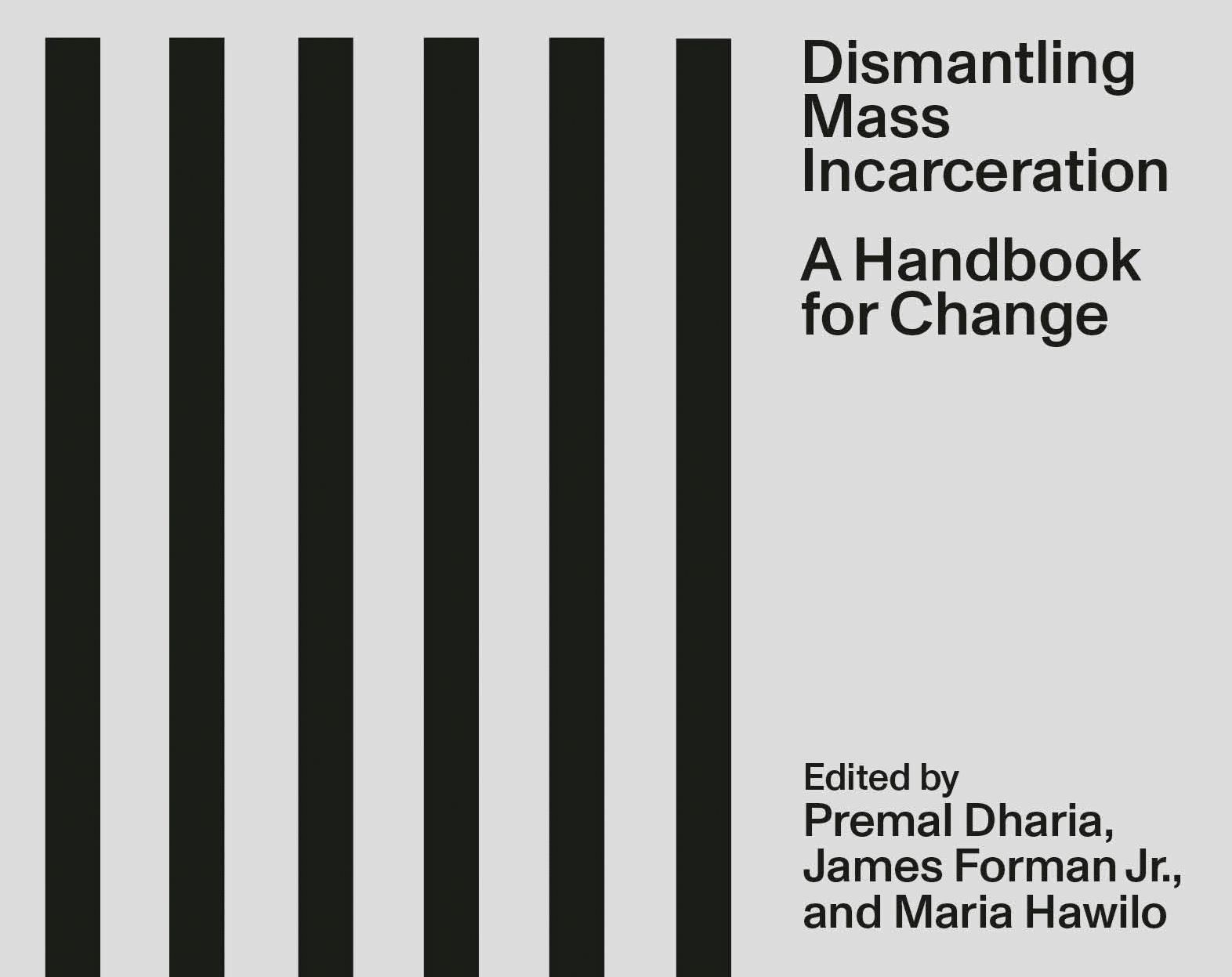
Book — Non-fiction. Edited by James Forman, Premal Dharia, and Maria Hawilo. 2024. 496 pages.
Surveys various approaches to confronting the carceral state, exploring bold but practical interventions involving police, prosecutors, public defenders, judges, prisons, and even life after prison.
Continue reading
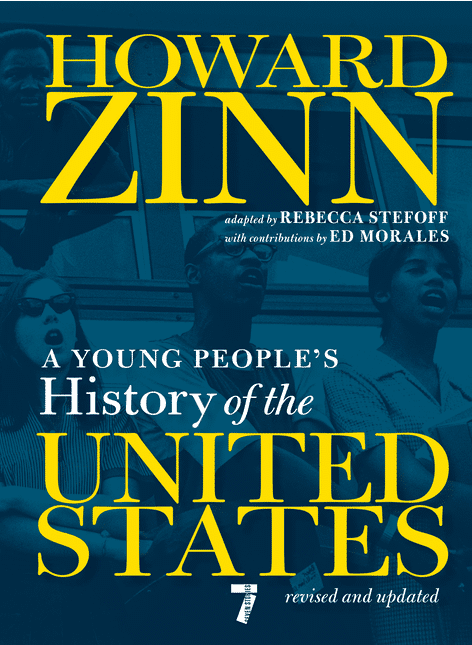
Book — Non-fiction. By Howard Zinn, adapted by Rebecca Stefoff with additions by Ed Morales. 2022. 544 pages.
A young adult version of the best-selling A People’s History of the United States, ideal for 6th through 9th grade students.
Continue reading
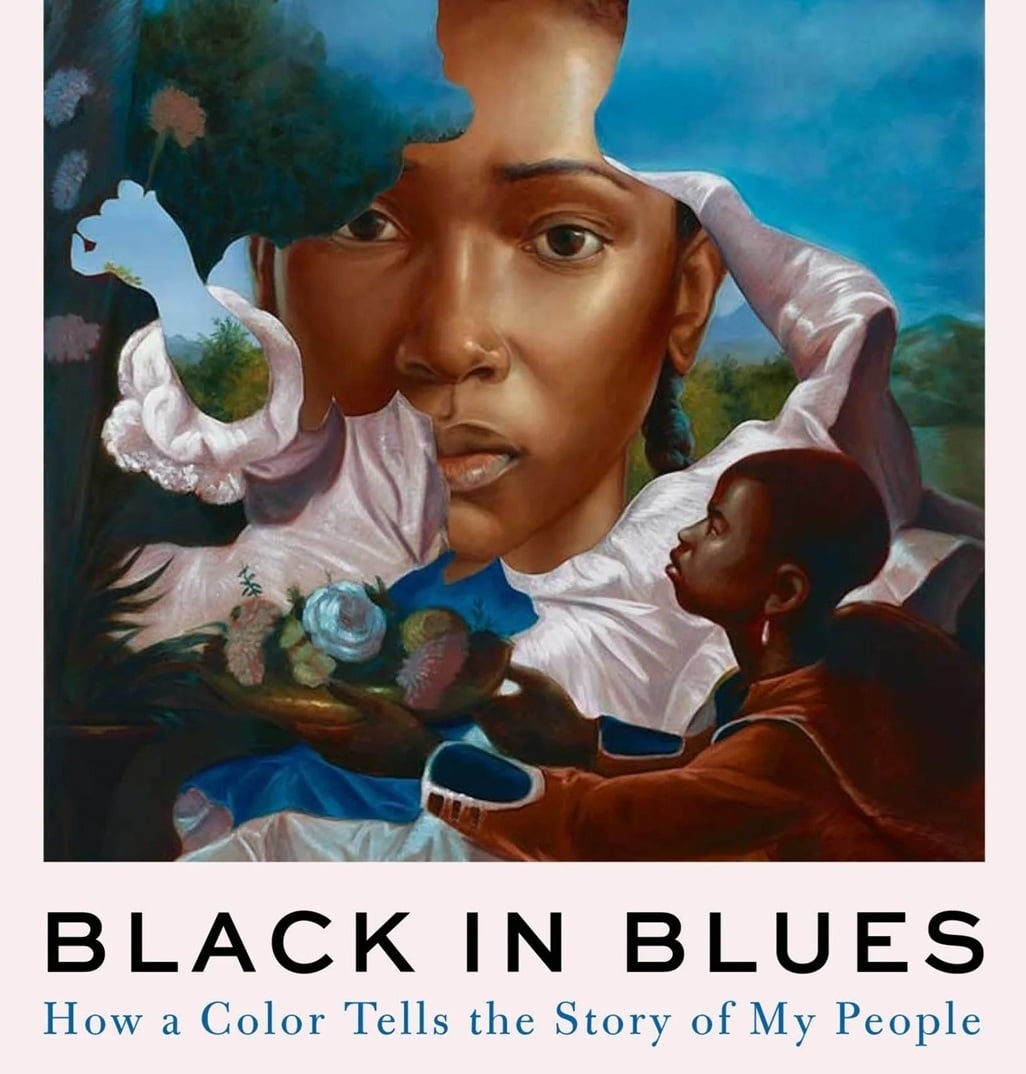
Book — Non-fiction. By Imani Perry. 2025. 256 pages.
A meditation on the color blue and its fascinating role in Black history and culture.
Continue reading
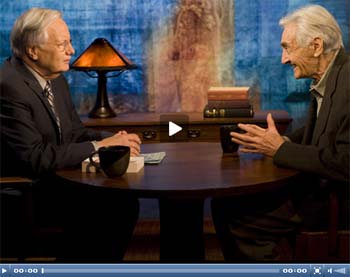
Article. Interview of Howard Zinn by Bill Moyers. 2009.
Book excerpt of Howard Zinn on The People Speak and a range of topics in U.S. history and contemporary issues.
Continue reading
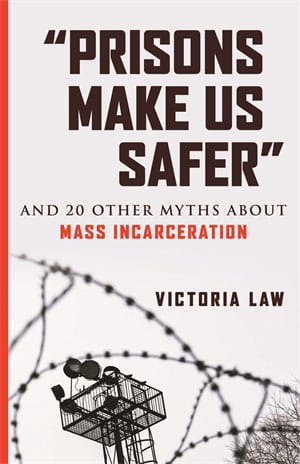
Book — Non-fiction. By Victoria Law. 2021. 240 pages
An accessible guide for activists, educators, and all who are interested in understanding how the prison system oppresses communities and harms individuals.
Teaching Activity by Victoria Law
Continue reading
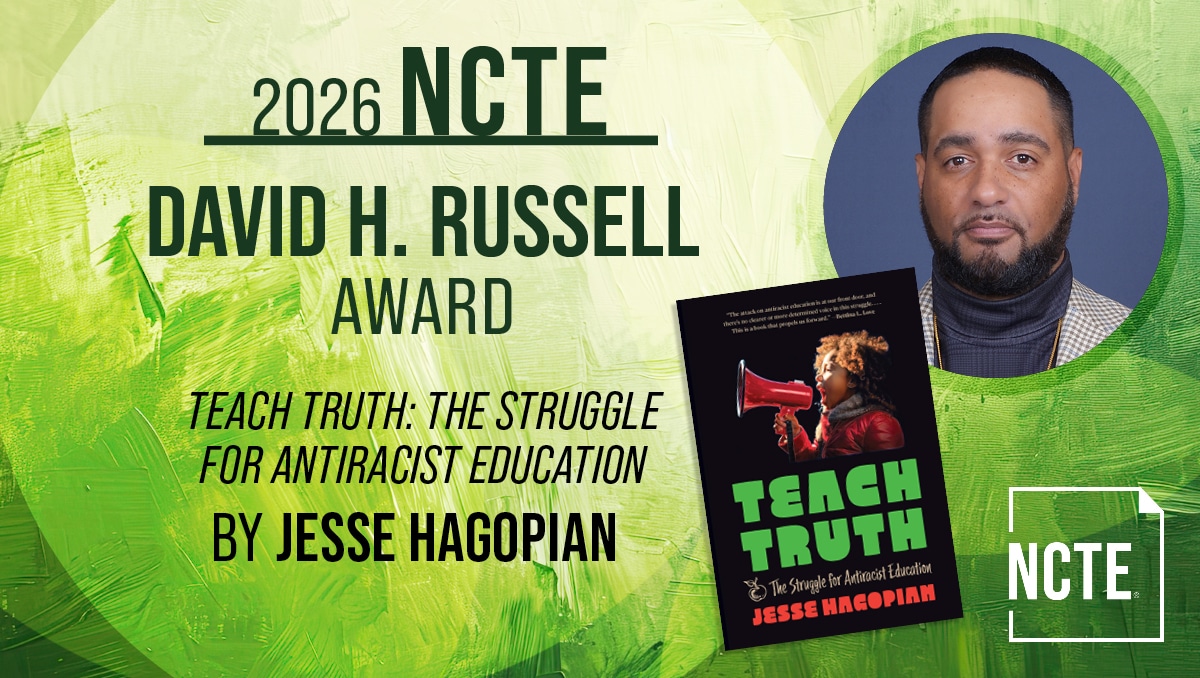
Book — Non-fiction. By Jesse Hagopian. 2025. 302 pages.
A call to defend honest education for our students, showing how we can reclaim suppressed history by creating beloved classroom communities and healthy social movements.
Continue reading
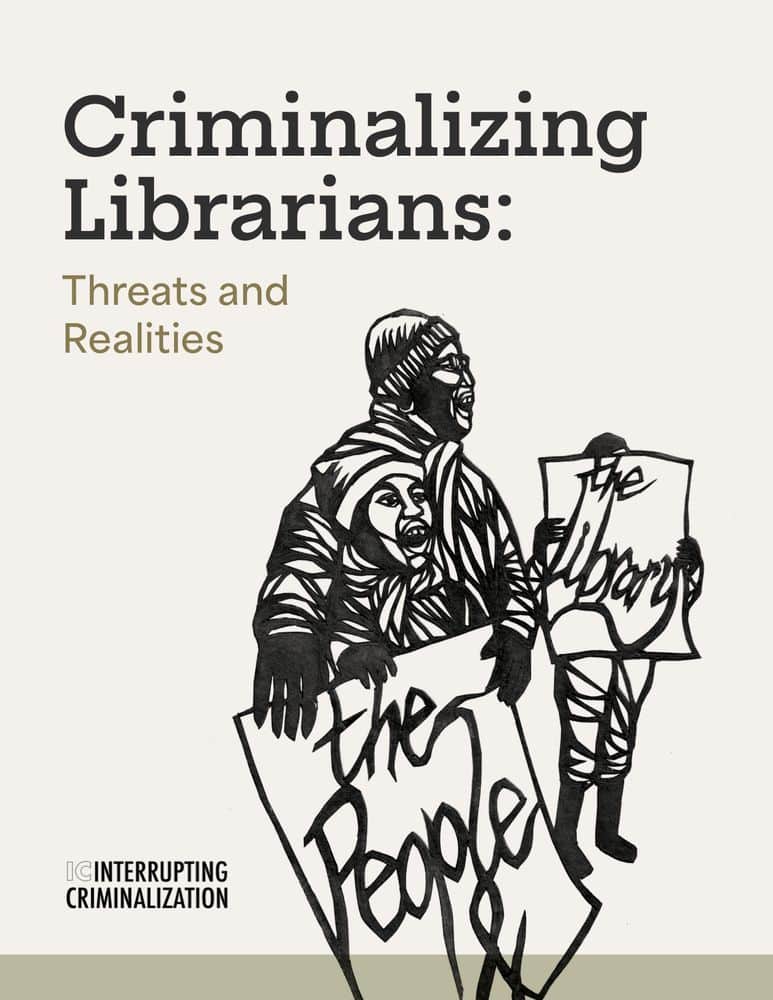
Article. By Mariame Kaba, design by Cindy Lau, artwork by Erik Ruin, and research support by Noah Berlatsky. 2025. 12 pages.
Walks readers through the history of assaults on librarians and examples of library workers pushing back.
Continue reading
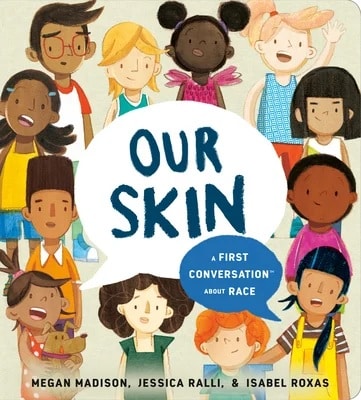
Picture book. By Megan Madison and Jessica Ralli , and illustrated by Isabel Roxas. 2021. 38 pages.
This read-aloud board book on race offers the opportunity to begin important conversations with young children in an informed, safe, and supported way.
Continue reading
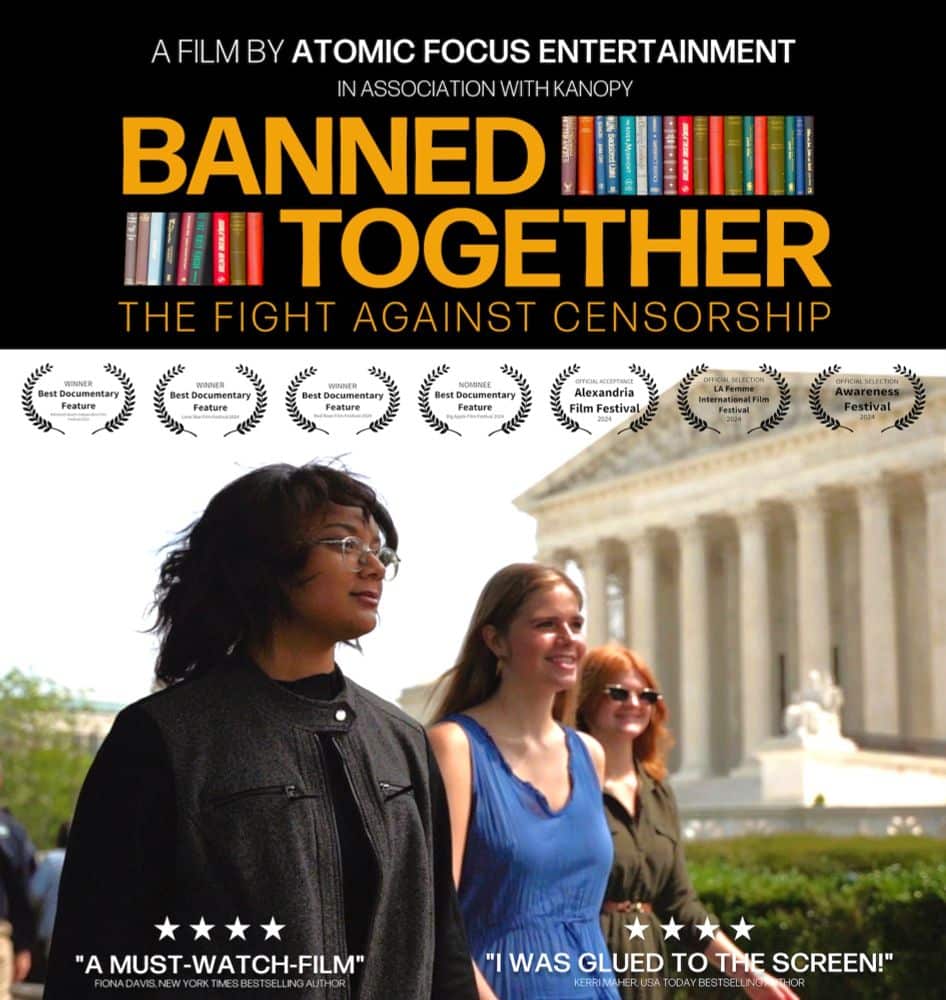
Film. Directed by Kate Way. 2024. 93 minutes.
Follows three students and their adult allies as they fight to reinstate 97 books suddenly pulled from their school libraries.
Continue reading
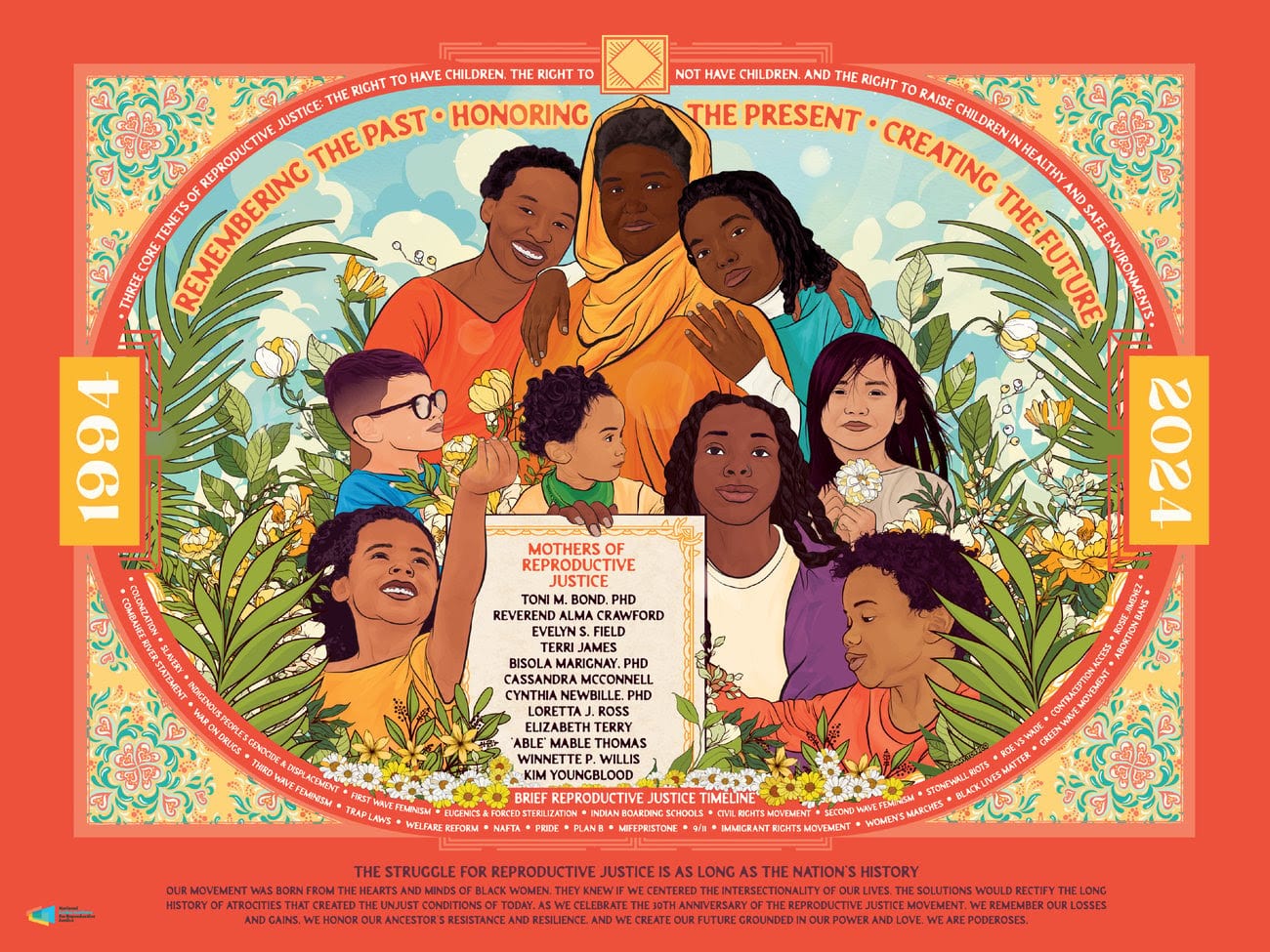
Article. By Wesley Hogan. 2024.
A collection of primary sources to illustrate the history of abortion care in the United States.
Continue reading
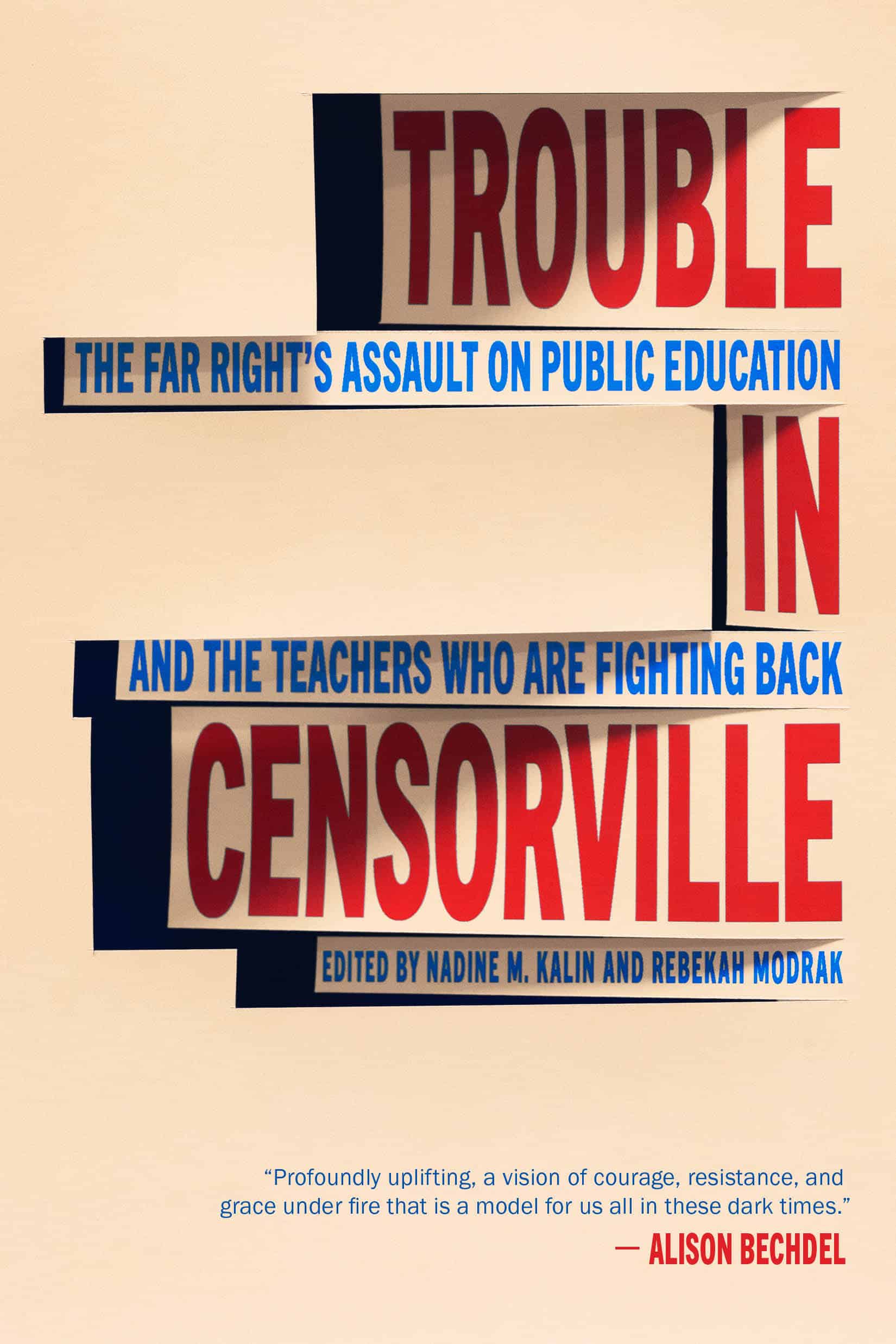
Book — Non-fiction. Edited by Nadine M. Kalin and Rebekah Modrak. 2024. 296 pages.
Gives readers a teacher’s-eye view of the radical right crusade to take down public education, coordinated by well-funded, well-connected far-right political interests.
Continue reading
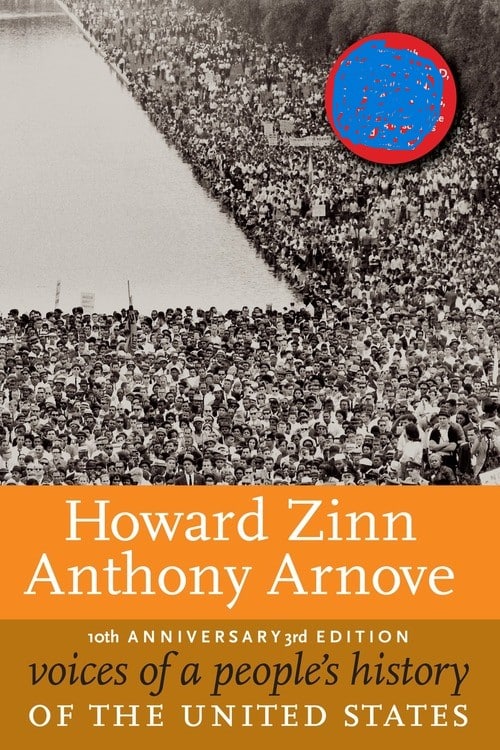
Book — Non-fiction. Edited by Howard Zinn and Anthony Arnove. 2014. 704 pages.
Speeches, letters, poems, and songs for each chapter of A People’s History of the United States.
Continue reading
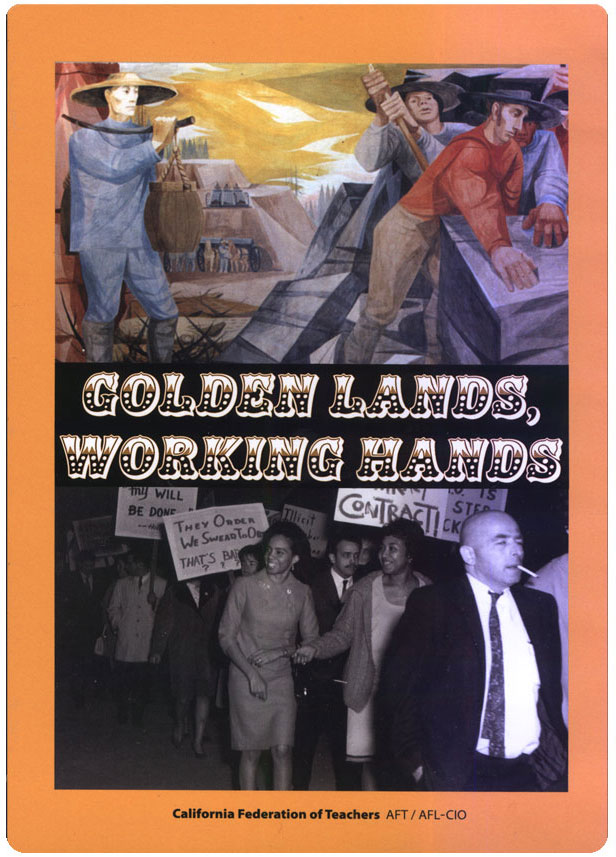
Film. By Fred Glass for the California Federation of Teachers. 1999. 170 minutes.
Ten-part film series brings the hidden history of working people in California to light, from the Gold Rush through the present.
Continue reading
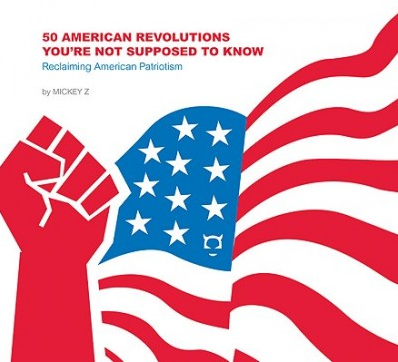
Book — Non-fiction. By Mickey Z. 2005. 128 pages.
A pocket-sized collection of stories about dissent throughout U.S. history.
Continue reading
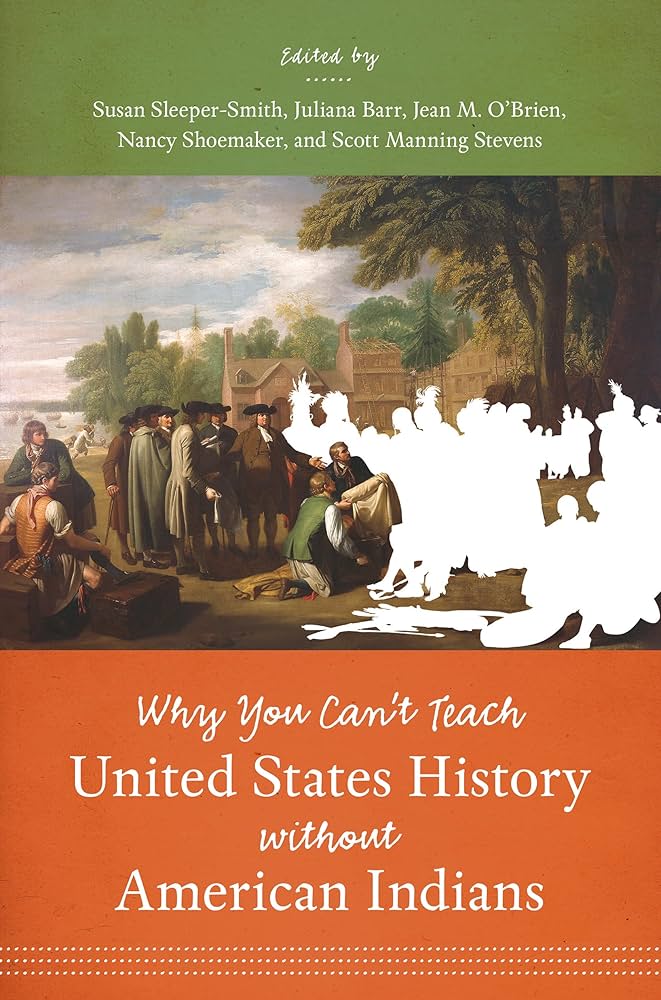
Book — Non-fiction. Edited by Susan Sleeper-Smith, Juliana Barr, Jean M. O’Brien, Nancy Shoemaker, and Scott Manning Stevens. 2015. 352 pages.
Written by leading scholars in the field of Native American history, these essays reflect the newest directions of the field and are organized to follow the chronological arc of the standard U.S. history survey.
Continue reading
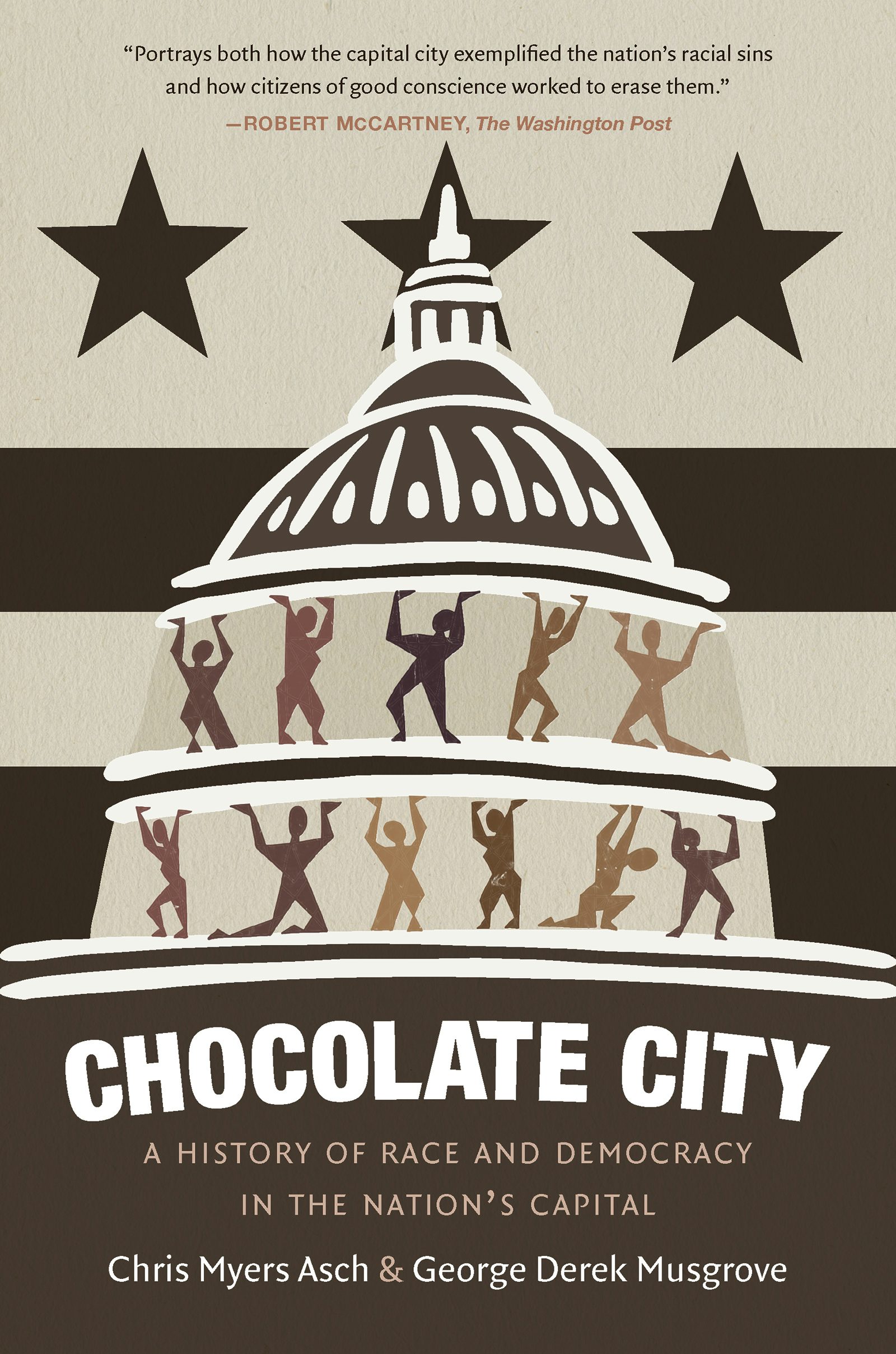
Book — Non-fiction. By Chris Myers Asch and George Derek Musgrove. 2019. 624 pages.
Tells the tumultuous, four-century story of race and democracy in our nation’s capital.
Continue reading