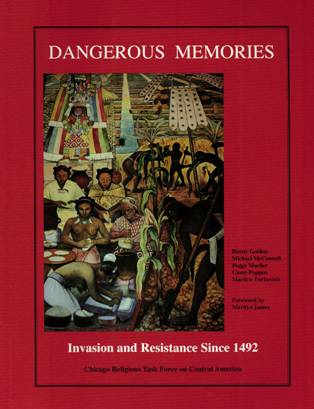
Book — Non-fiction. By Golden, McConnell, Poppen, and Mue. 1991. 272 pages.
Essential text on U.S. history; includes many primary sources on people's movements.
Continue reading
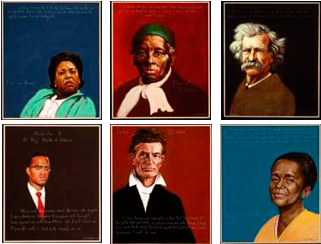
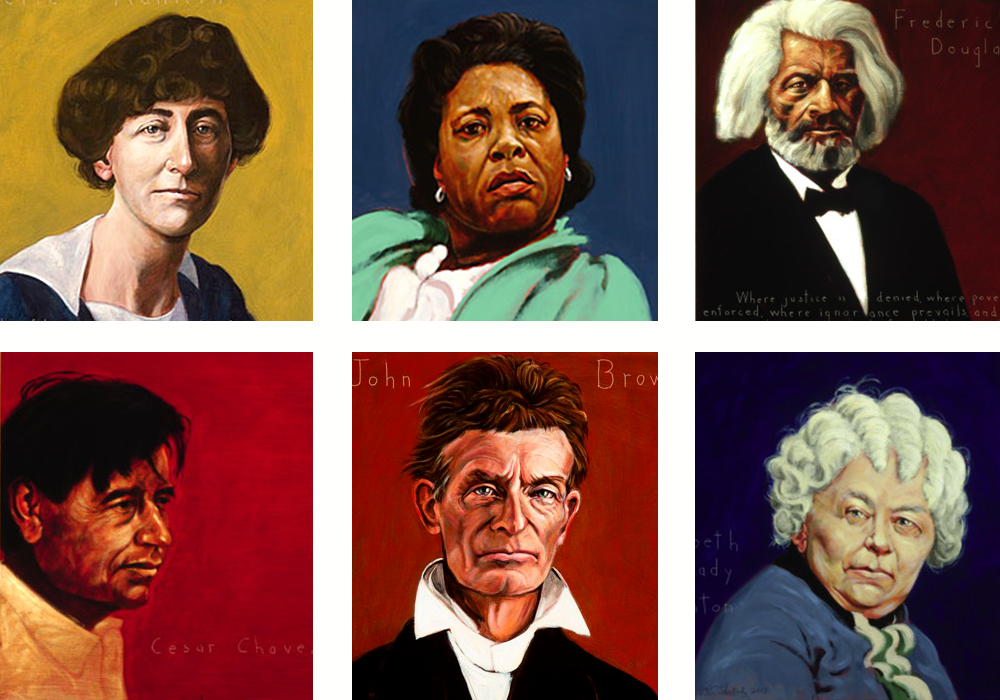
Posters.
Portraits by Robert Shetterly and biographies of individuals who have taken a stand for justice.
Continue reading
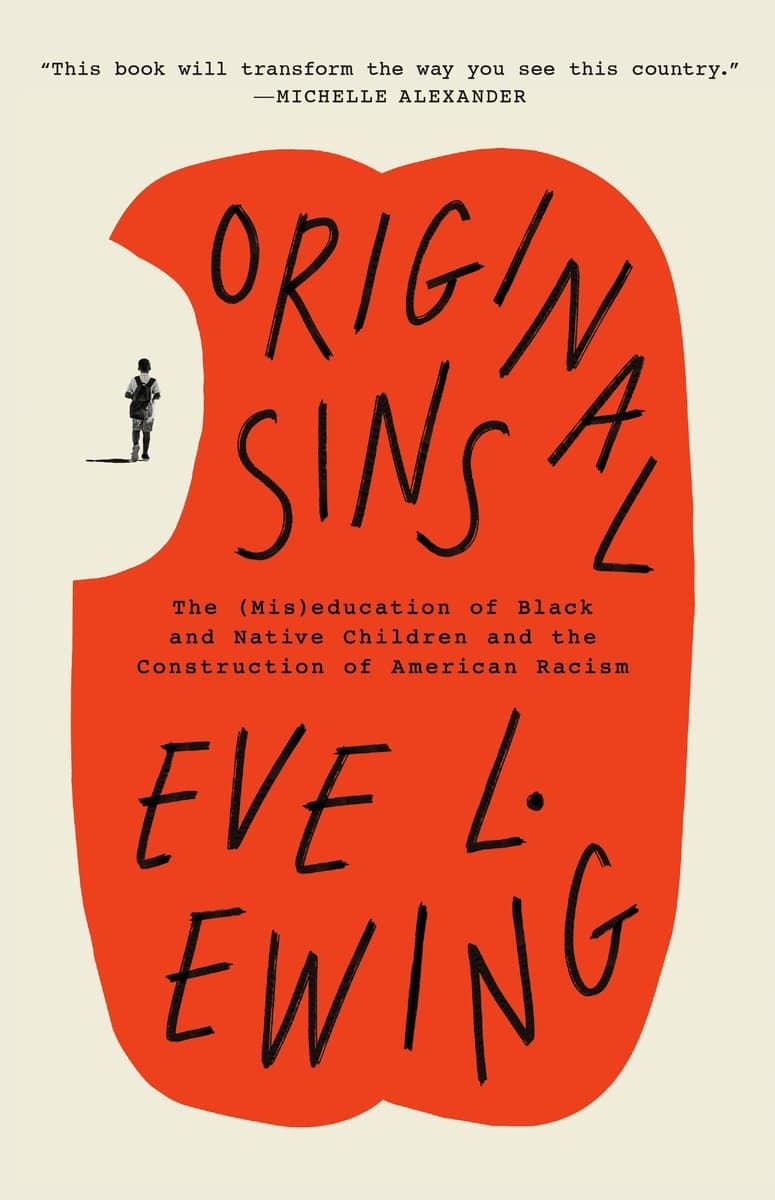
Book — Non-fiction. By Eve L. Ewing. 2026. 400 pages.
An examination of how the U.S. school system helps maintain racial inequality and social hierarchies.
Continue reading
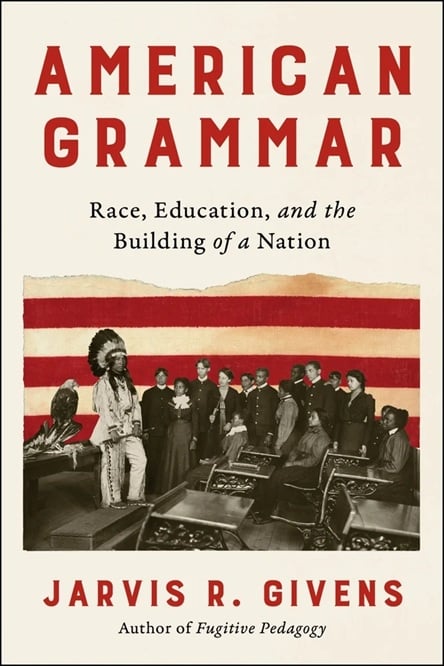
Book — Non-fiction. By Jarvis R. Givens. 2025. 464 pages.
A new history of U.S. education through the nineteenth century that rigorously accounts for Black, Native, and white experiences.
Continue reading
Book — Non-fiction. By Kyle Ward. 2007. 374 pages.
From the widely acclaimed co-author of History Lessons comes an examination of ways in which Americans tell the history their country has changed over time.
Continue reading
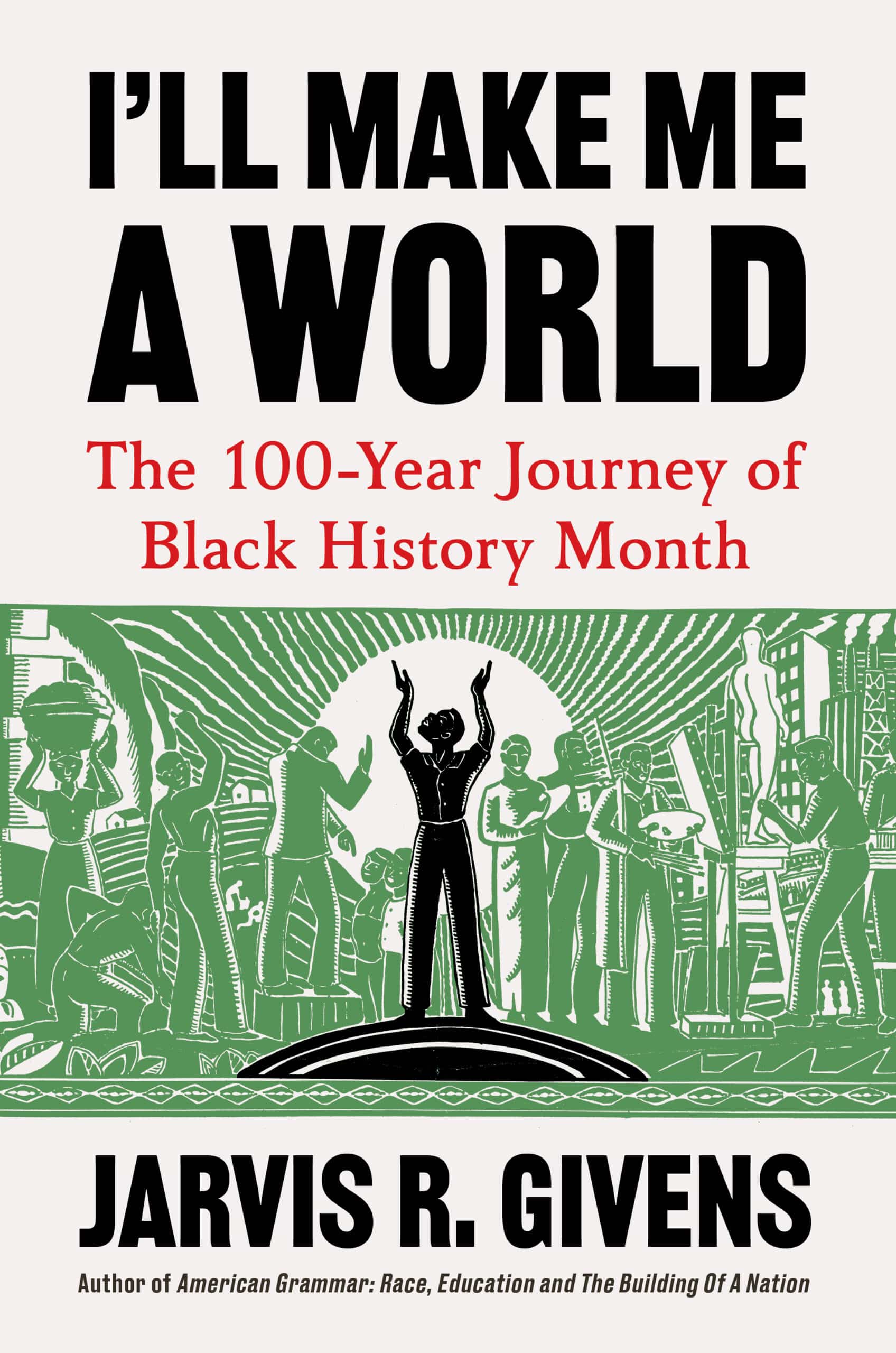
Book — Non-fiction. By Jarvis R. Givens. 2026. 208 pages.
At a time when Black history is under attack, this book offers an inspiring vision for how it can still be a source of power, truth, and possibility.
Continue reading
Book — Non-fiction. By Howard Zinn. 2005, with a new introduction by Anthony Arnove in 2015. 784 pages.
Howard Zinn's groundbreaking work on U.S. history. This book details lives and facts rarely included in textbooks—an indispensable teacher and student resource.
Continue reading
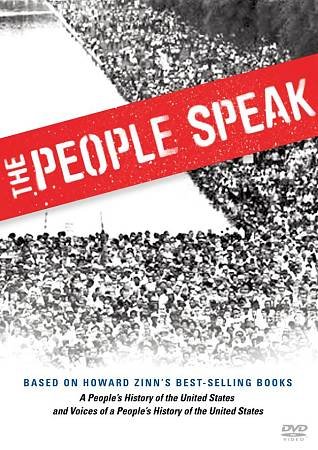
Film. Directed by Howard Zinn, Chris Moore, and Anthony Arnove. 2009. 110 minutes.
Dramatic readings and performances based on Voices of a People's History and A People's History of the United States.
Continue reading
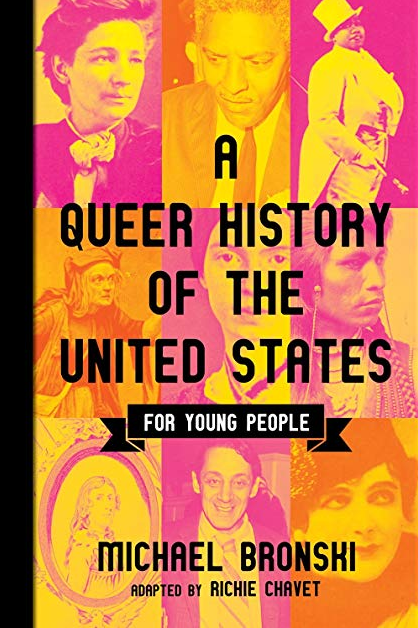
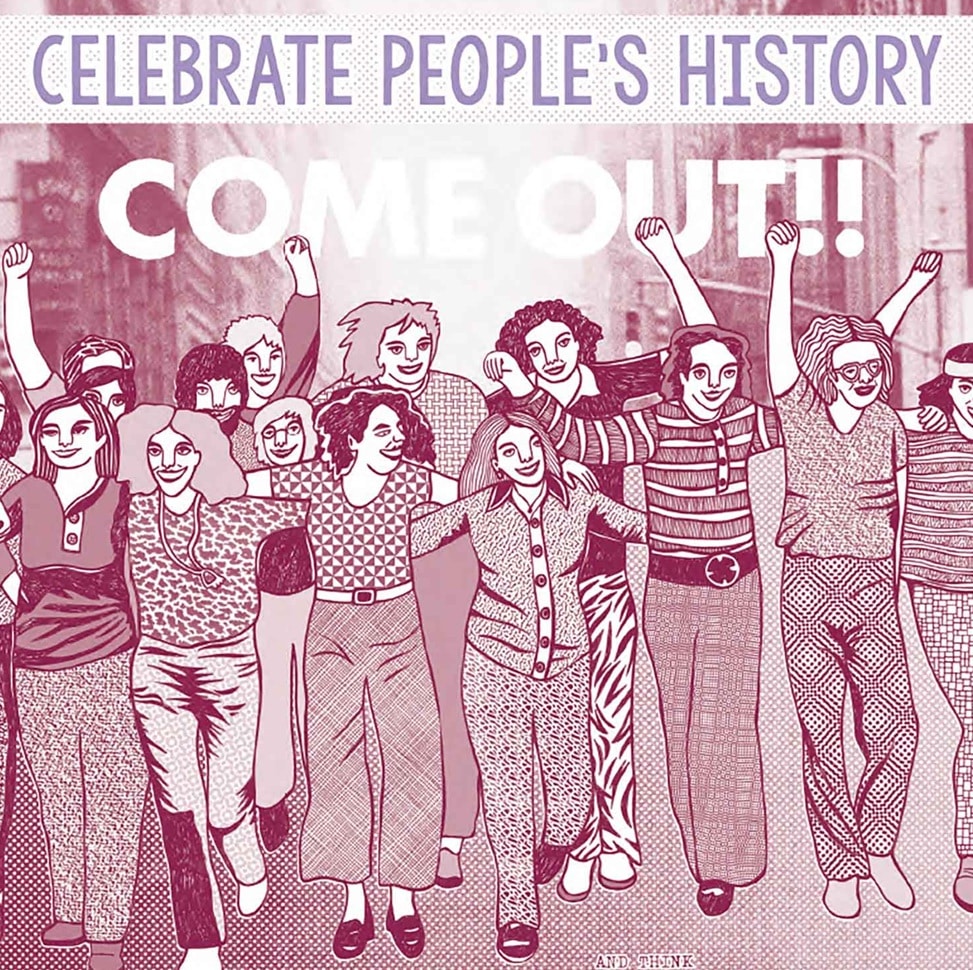
Book — Non-fiction. By Michael Bronski, adapted for by Richie Chevat. 2019. 336 pages.
A young adult readers edition of the original text explores the history of LGBTQ+ experiences in the U.S. since 1500.
Continue reading
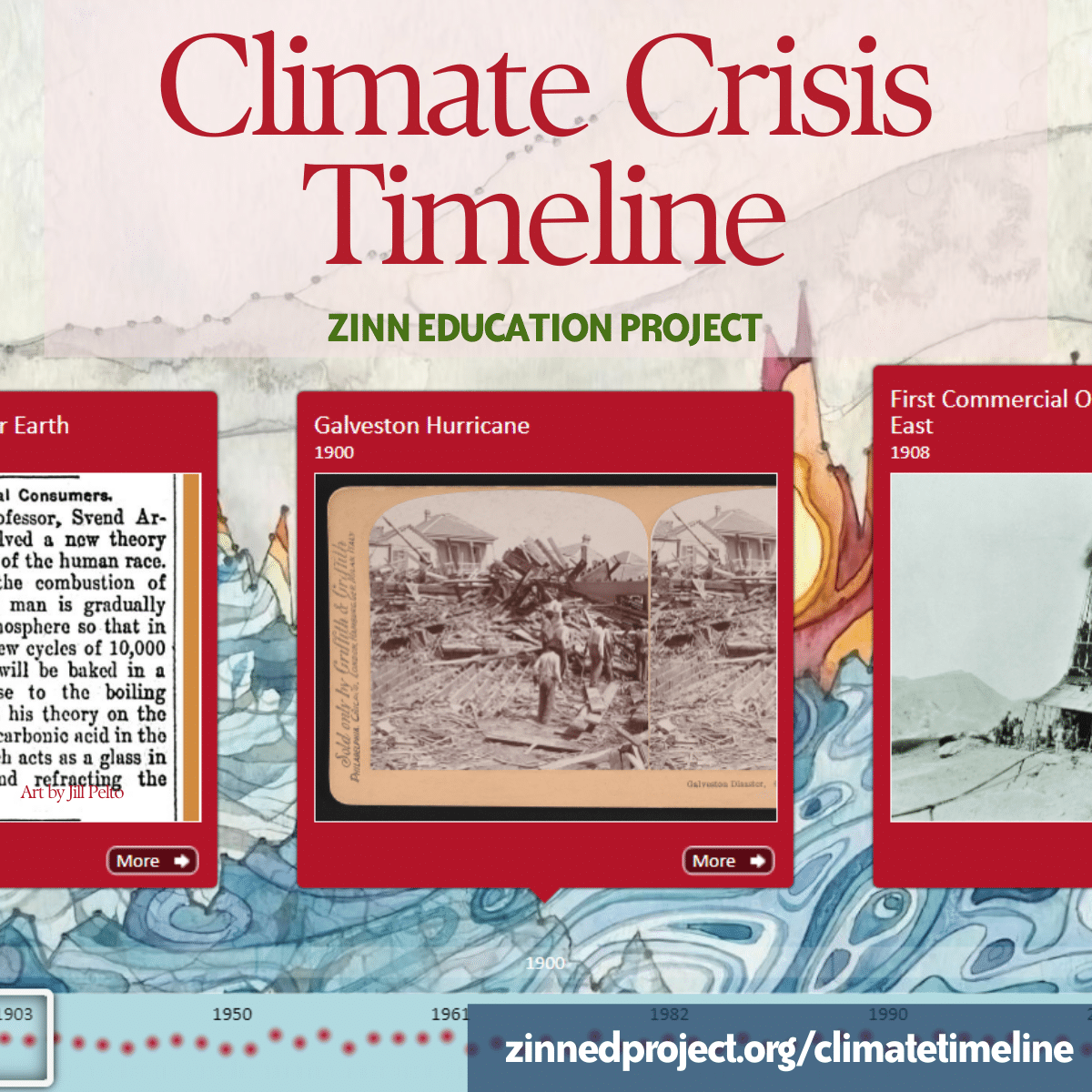
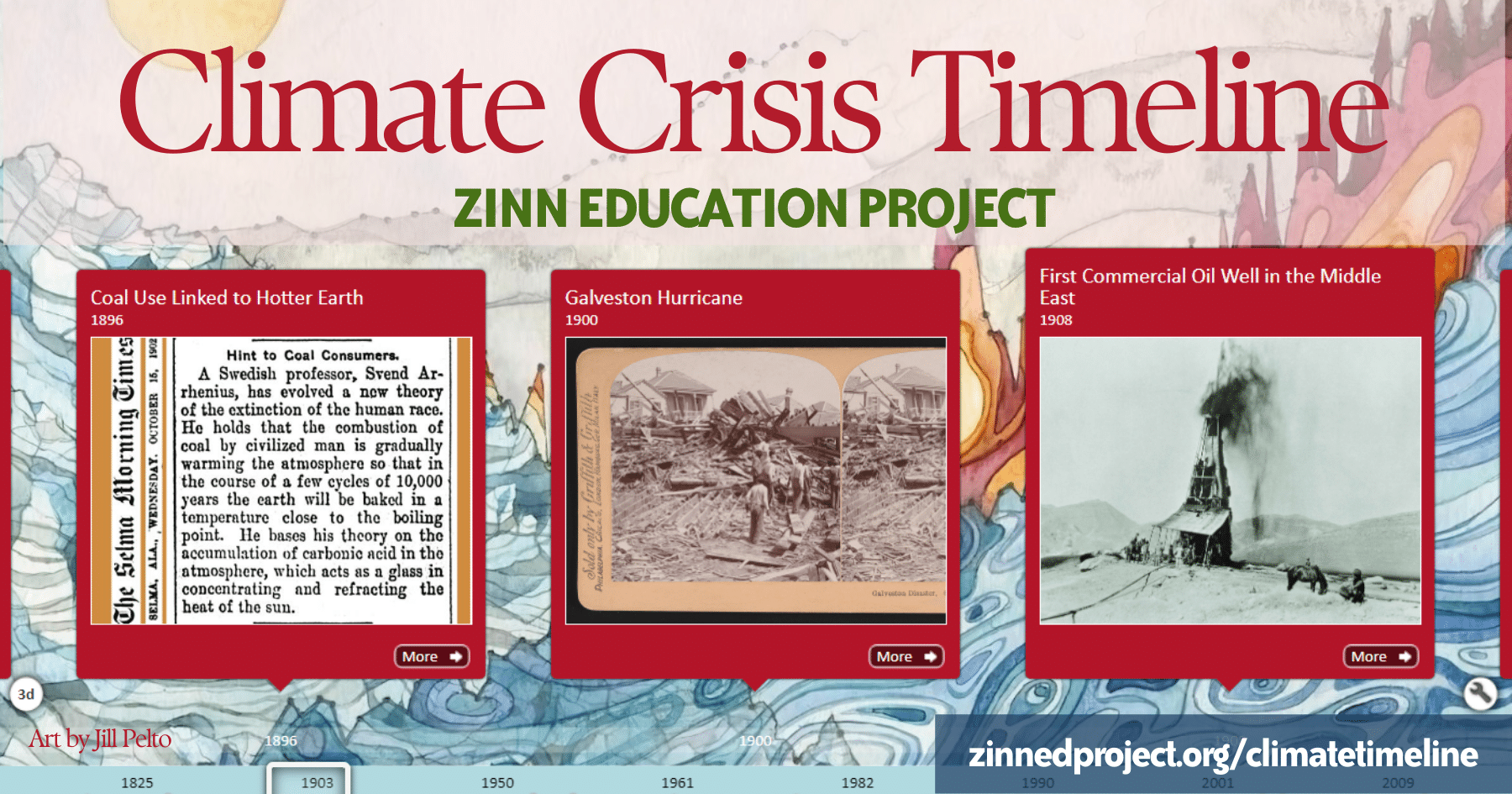
We offer a new timeline of the climate crisis that traces its roots from European colonial expansion and racial capitalism to present-day fossil fuel industry and government projects that exploit and destroy the Earth in the name of maximum profit. It also emphasizes moments and movements of resistance and activism that inform climate justice work today.
Continue reading
Teaching Activity. By Nick Palazzolo. Rethinking Schools. 2025. 74 pages.
A dilemma-based, problem-solving lesson on the history of the fight for queer liberation in the United States.
Continue reading
Digital collection. Intellectual, political, and cultural contributions of Black educators during the Jim Crow era through the Civil Rights era.
Continue reading
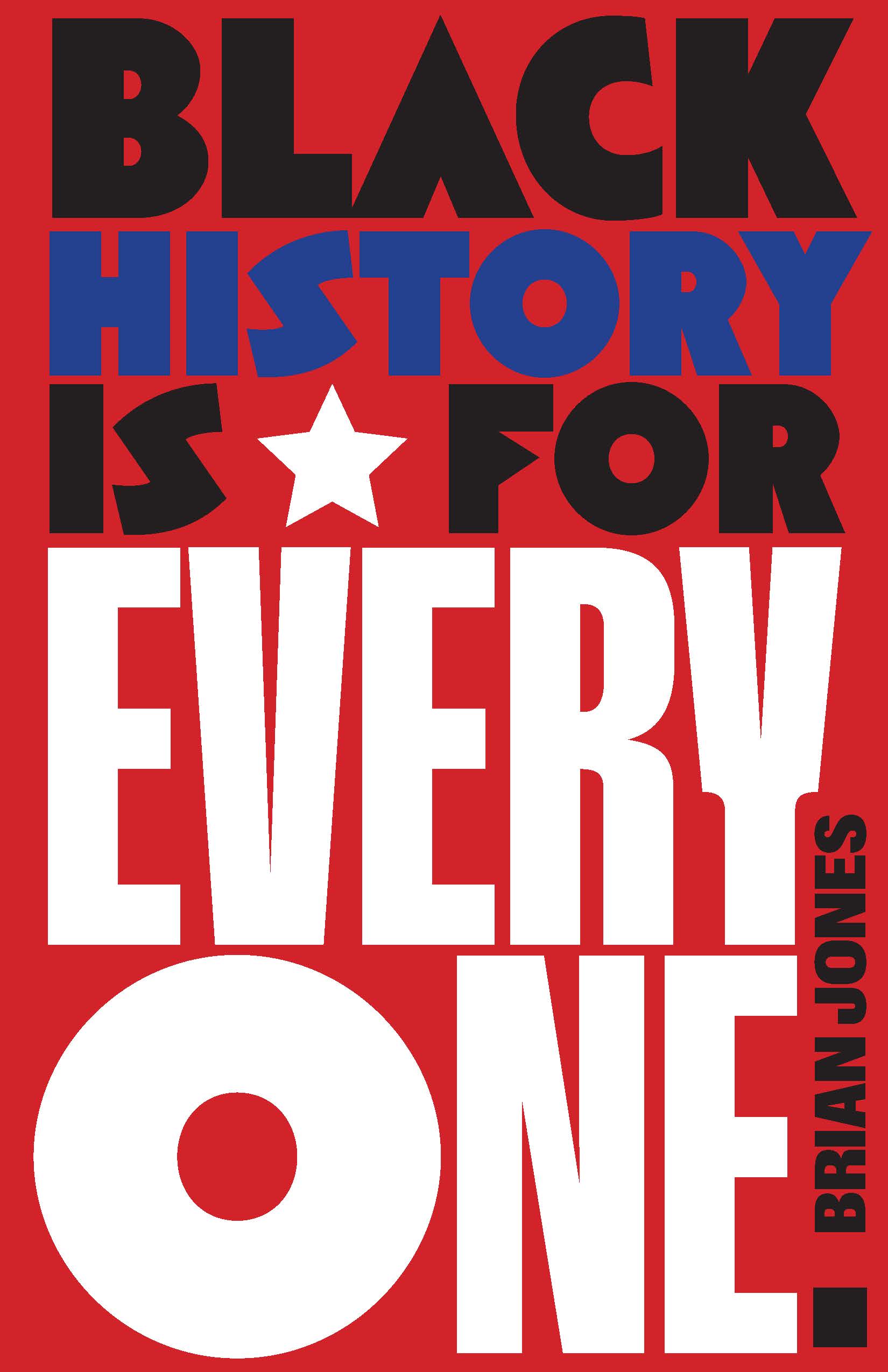
Book — Non-fiction. By Brian Jones. 2025. 208 pages.
A look at how the study of Black history challenges our understanding of race, nation, and the stories we tell about who we are.
Continue reading
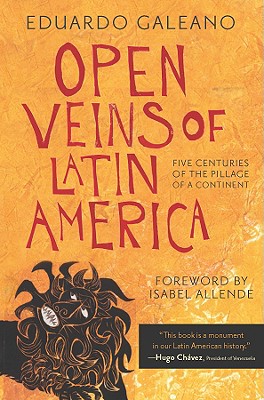
Book — Non-fiction. By Eduardo Galeano. 1997. 360 pages.
Gripping history of the land and people of Latin America.
Continue reading
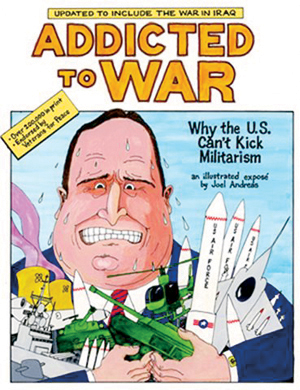
Book — Non-fiction. By Joel Andreas. 2024. 88 pages.
A comic book expose on militarism in graphic format, making it accessible for high school and above.
Teaching Activity by Joel Andreas
Continue reading
Teaching Activity. Essay by Howard Zinn and lesson by Bill Bigelow. Rethinking Schools. 18 pages.
Students research and write stories about unsung heroes in U.S. history.
Continue reading
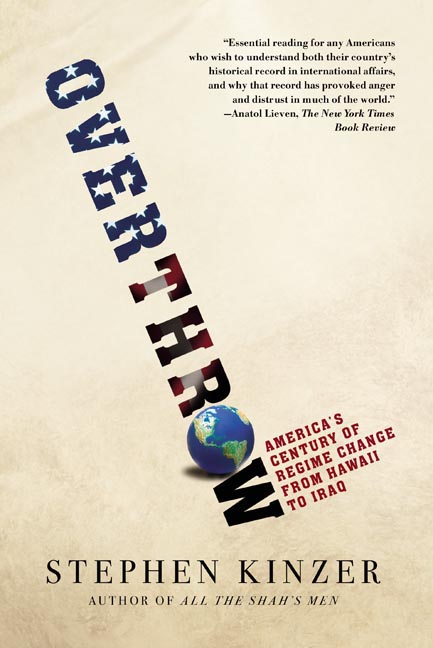
Book — Non-fiction. By Stephen Kinzer. 2007. 416 pages.
A history of U.S. government-supported (often initiated) regime change around the world.
Continue reading
Article. By Mimi Eisen and Ursula Wolfe-Rocca. 2023.
A rationale for a new timeline of the climate crisis.
Continue reading
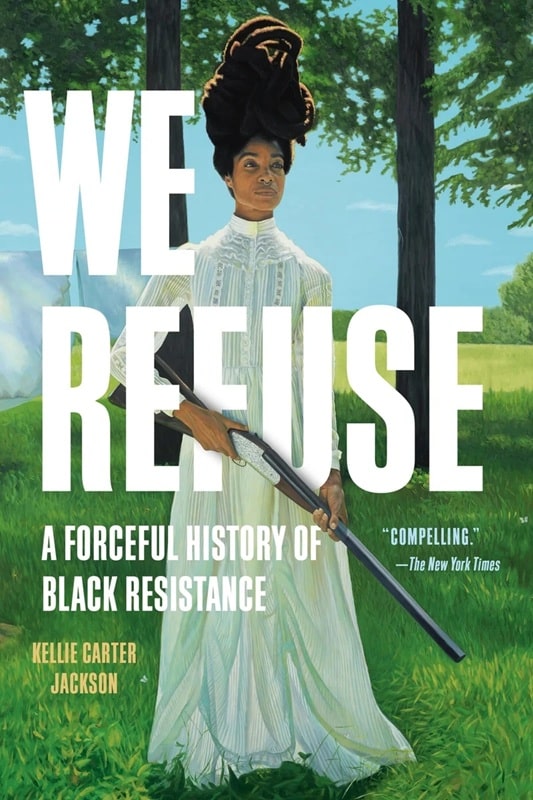
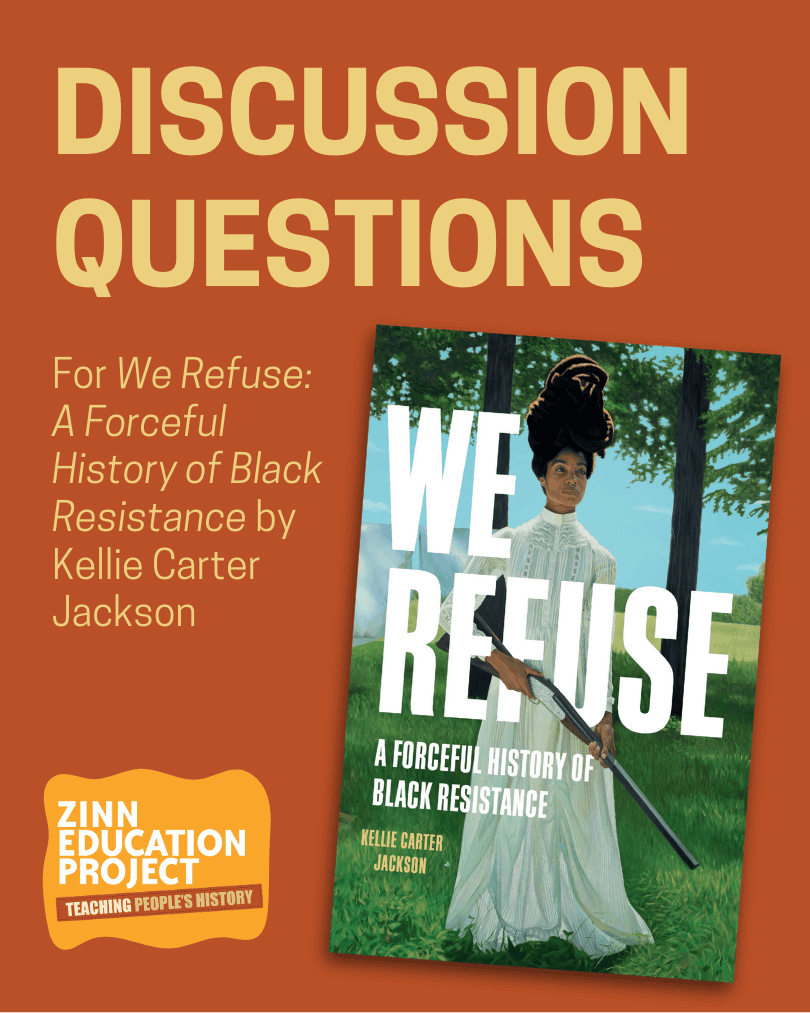
Book — Non-fiction. By Kellie Carter Jackson. 2026. 304 pages.
A reframing of the past and present of Black resistance — both nonviolent and violent — to white supremacy.
Continue reading
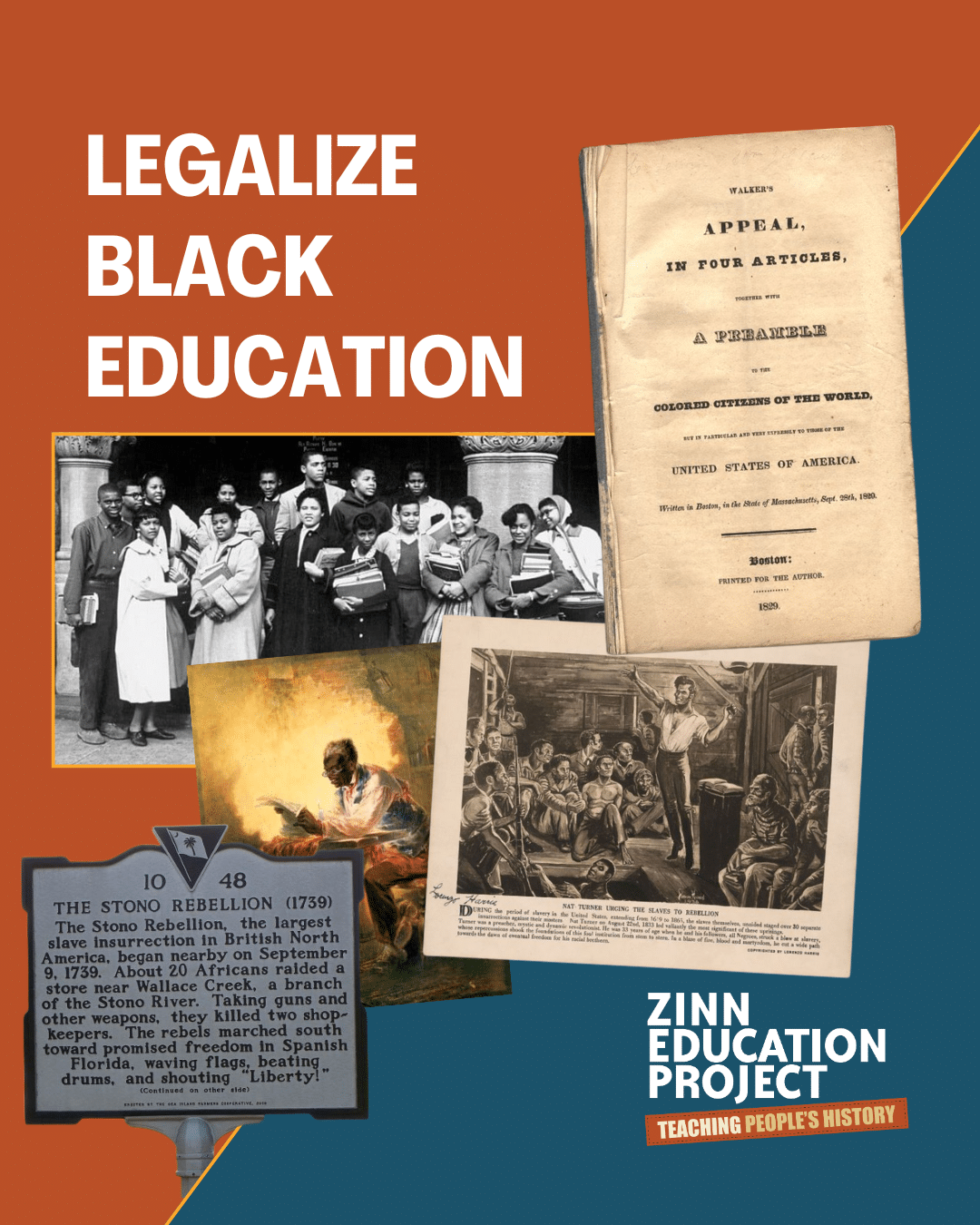
Teaching Activity. By Jesse Hagopian. 2025. 40 pages.
This lesson explores major examples of laws passed to suppress Black education in the wake of major victories for the Black Freedom Struggle, highlighting the historical context and motivations behind these legislative efforts.
Continue reading
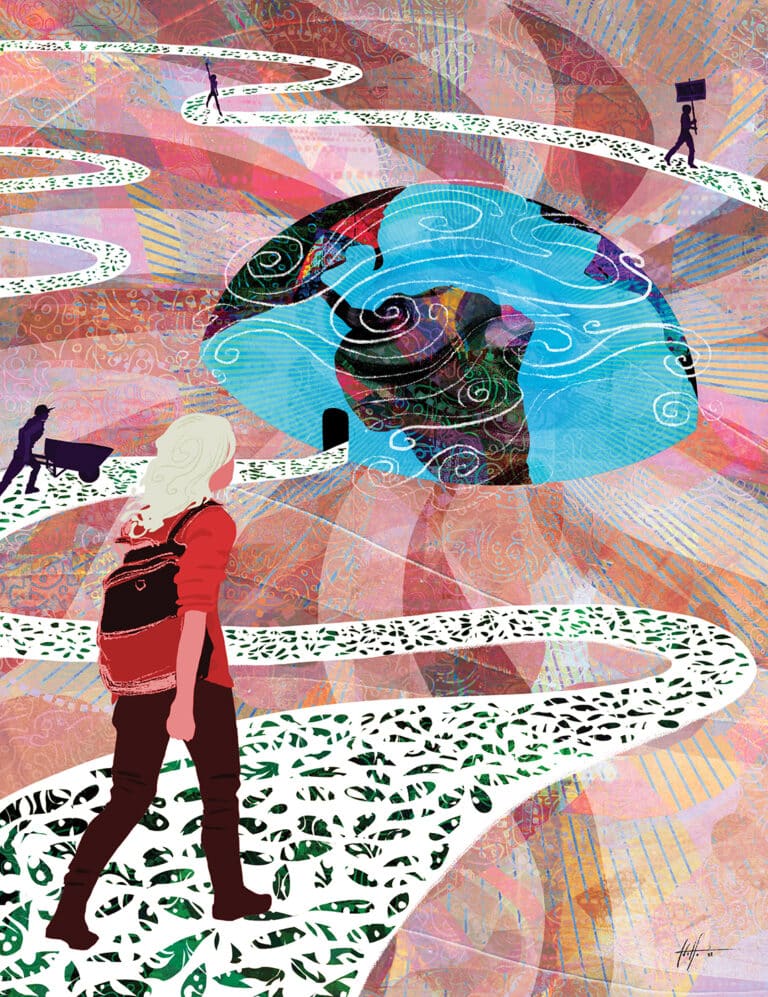
Teaching Activity. By Suzanna Kassouf. 2023. Rethinking Schools.
To imagine a better future, high school students role-play activists at a visioning conference and then create murals.
Continue reading
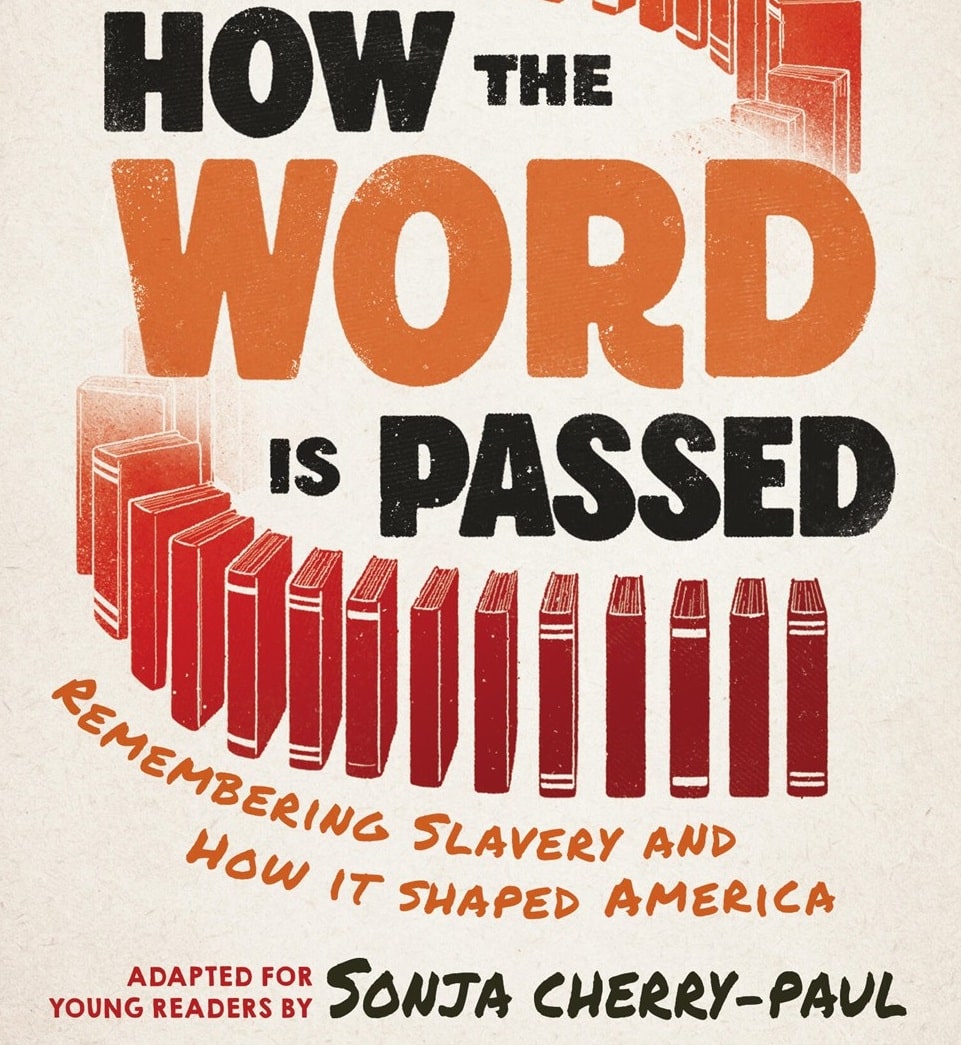
Book — Non-fiction. By Clint Smith and adapted by Sonja Cherry-Paul. 2025. 272 pages.
Takes readers to historical sites across America, exploring the legacy of slavery to help readers make sense of our nation's past and present, and be better stewards of their own future.
Continue reading
Questions to accompany Chapter One: Revolution of We Refuse: A Forceful History of Black Resistance by Kellie Carter Jackson.
Continue reading
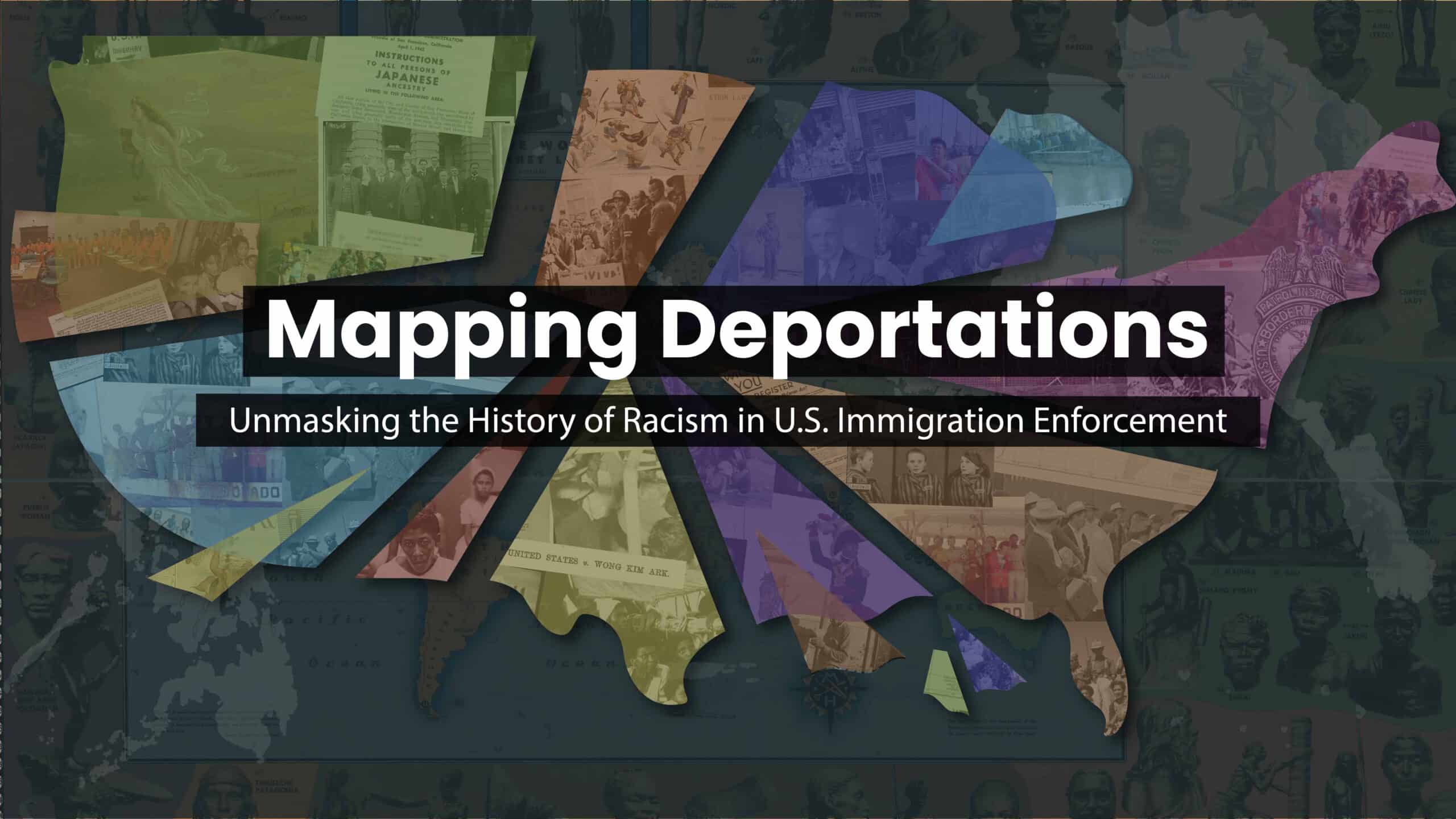
Digital collection. Invites you to see the history of U.S. immigration enforcement not as a series of disconnected events, but as a pattern.
Continue reading