
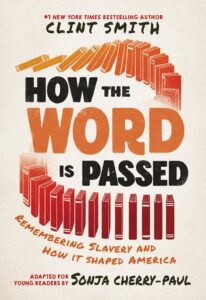
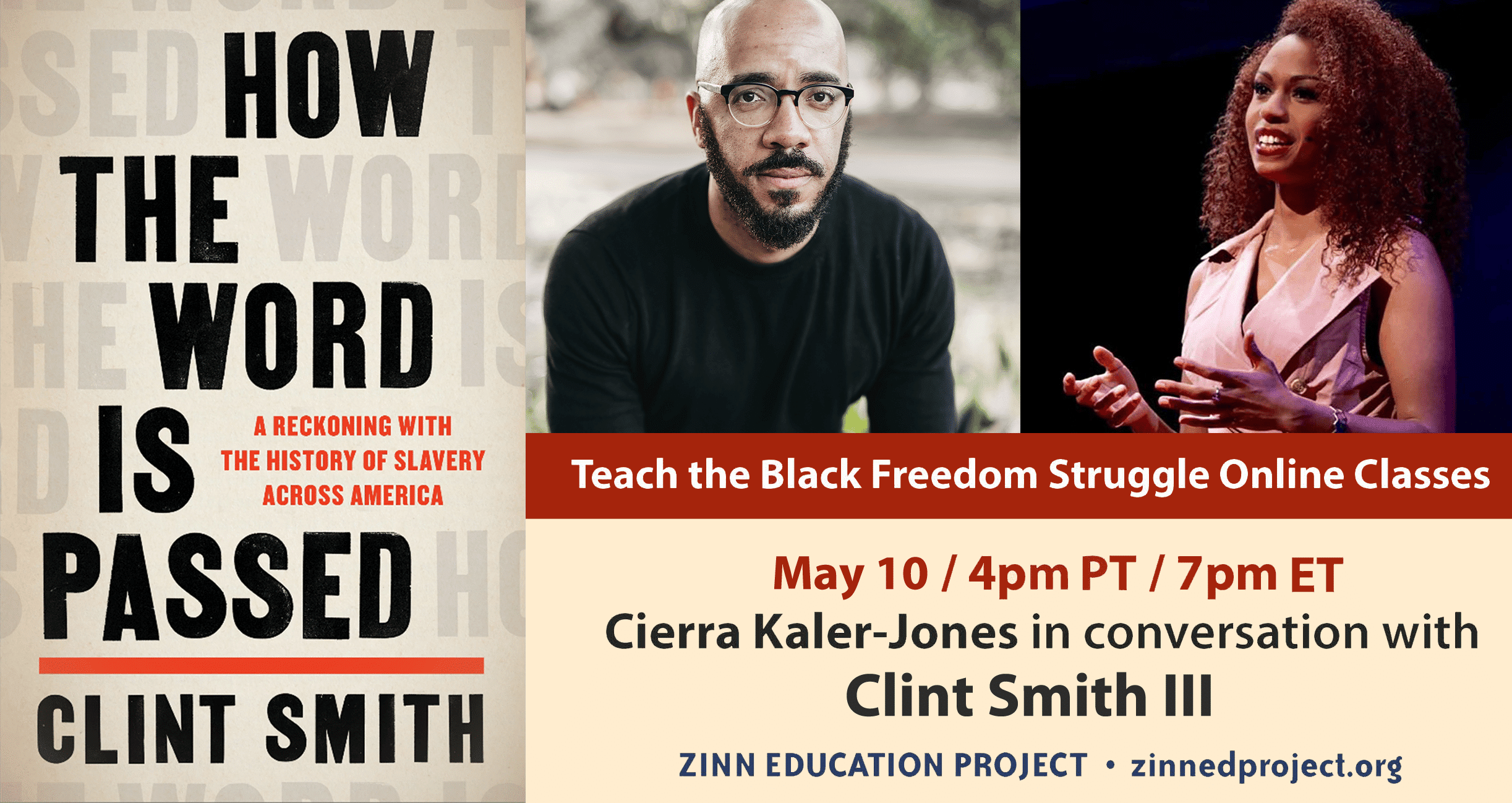
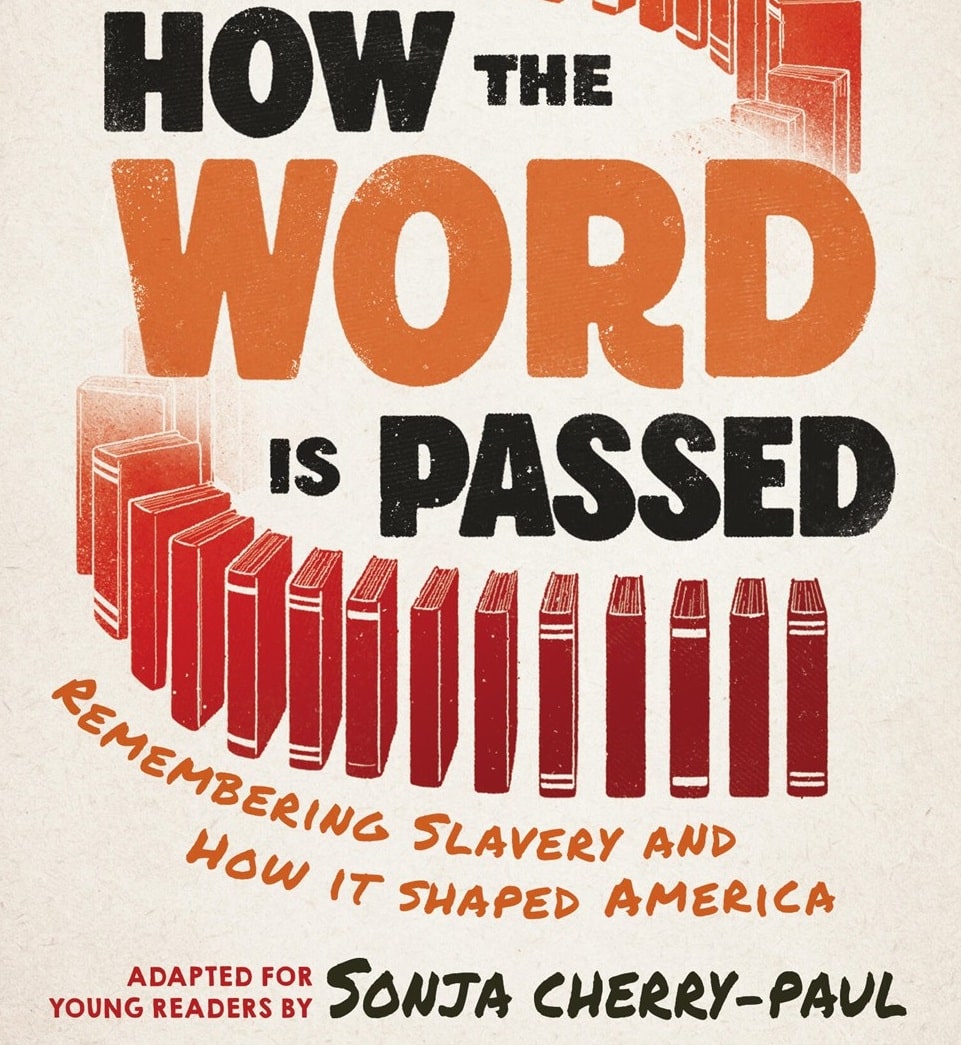
 On August 25, author Clint Smith spoke with Rethinking Schools editor Jesse Hagopian and educator Jessica A. Rucker about the new young readers edition of How the Word Is Passed, adapted by Sonja Cherry-Paul. You can pre-order a signed copy of the new book from Loyalty Bookstores.
See our previous Teach the Black Freedom Struggle online classes and register for upcoming classes here.
In the excerpt below, Smith reminds us that the history of slavery continues to shape the landscape of inequality across the United States — and that people realizing en masse its present-day impacts threatens an unjust status quo that thrives on historical ignorance.
This session gave me courage to go on, and more to use in the resistance space I have access to.
If teachers see their work as activism, then we can change the world.
I really appreciated what Clint Smith touched on about the relation of time — particularly how the institution of slavery lasted for 250 years and we have only lived 160 years past that. As a 5th grade teacher, it can seem like a really long time ago for my 10-and-11-year-old students, but when put in the context of “your grandma’s grandma was alive during this time,” it becomes much more real.
From the time Jessica Rucker dropped that she was coming from D.C. under military occupation, every moment was profound.
The most important idea I heard today was the recognition of the important role we play as educators in this unique moment in history. As Clint Smith said, “fascism is here” and we need to be frank and transparent with students about this if we are going to prepare them to tackle the current climate of the world.
The entire event was valuable — but to me, at this point in history, the hope we were left with at the very end was so powerful. Anytime I feel like I’m unsure how to keep fighting the good fight, I’ll remember that this fight is multigenerational and that doing my part will always matter. I so deeply appreciated that perspective.
This is the most profound Teach the Black Freedom Struggle online class that I’ve ever attended, and I’ve attended for years. Thank you for this work!
I don’t know what I would do without the Zinn Education Project. You give me hope in a dark world.
Event Recording
Transcript
Click below for the full transcript with resources mentioned in the discussion.
Transcript
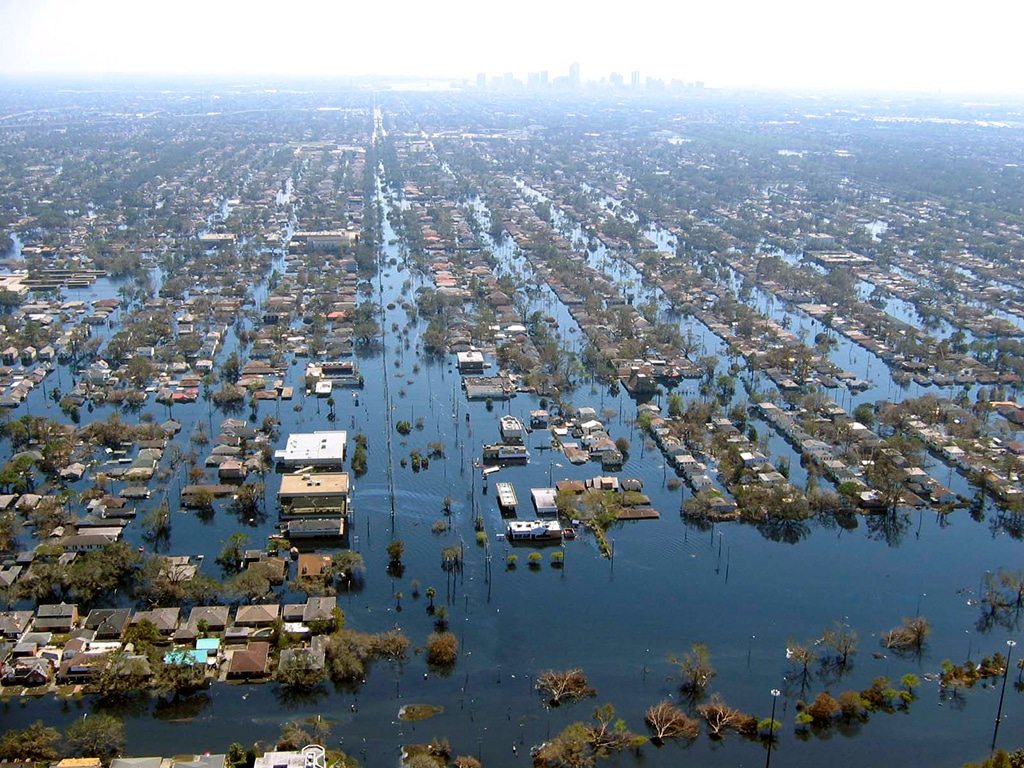
Jessica Rucker: This session comes at the beginning of a very difficult school year. We say that every year now, but this one falls on the 20th anniversary of Hurricane Katrina, amid the military occupation of my home city, Washington, D.C, the ongoing genocide in Gaza, and a fire hose of crises under fascism. So your presence here, and your dedication to freedom, to the freedom to learn, creates a path to justice. As Howard Zinn said, “They have the guns, and we have the poets and the teachers. Therefore we will win.”
Now, I am happy to welcome Clint Smith! He is the #1 New York Times best-selling author of How the Word Is Passed. I am so fortunate to have a copy. A poet, a teacher, a parent, and a host of A Crash Course on Black American History. He also is my neighbor, he lives in the D.C. metro area and is a native in New Orleans, and we are here to discuss, again, the new young readers edition of his book. Alright, Jesse, I’m passing it over to you.
Jesse Hagopian (he/him): Thank you, Jessica. It’s great to be with you, Clint. Thanks for joining us. I really appreciated your original version, and I’m so happy about this young adult version. You can tell it’s written by a teacher. You’re a teacher, you write beautifully about your time as a high school English teacher in Prince George’s County, Maryland. Jessica and I have both been teachers in Washington, D.C. I first began teaching in southeast D.C. just across the line from PG County. And Jessica was also a high school student and a teacher in D.C. And you continue to teach young people who are incarcerated. So I was hoping you could talk to us about what your students teach you about the kind of questions young people are already asking and what gaps in history have you seen reflected in the students’ understanding of history?
Clint Smith: Well, first off, thank y’all so much for having me. I love the Zinn Education Project, I love Teaching for Change, [and] I love the work you do. If you are a K–12 educator and you are not hip to the work that this organization does . . . Since I was a teacher, I’ve been using it. When I was a high school teacher, they were resources that I used, it was a community that I leaned on, there were webinars that I attended. Before I was on this side of the webinar, I was on the other side of it. And I’m so, so grateful, for everything you do.
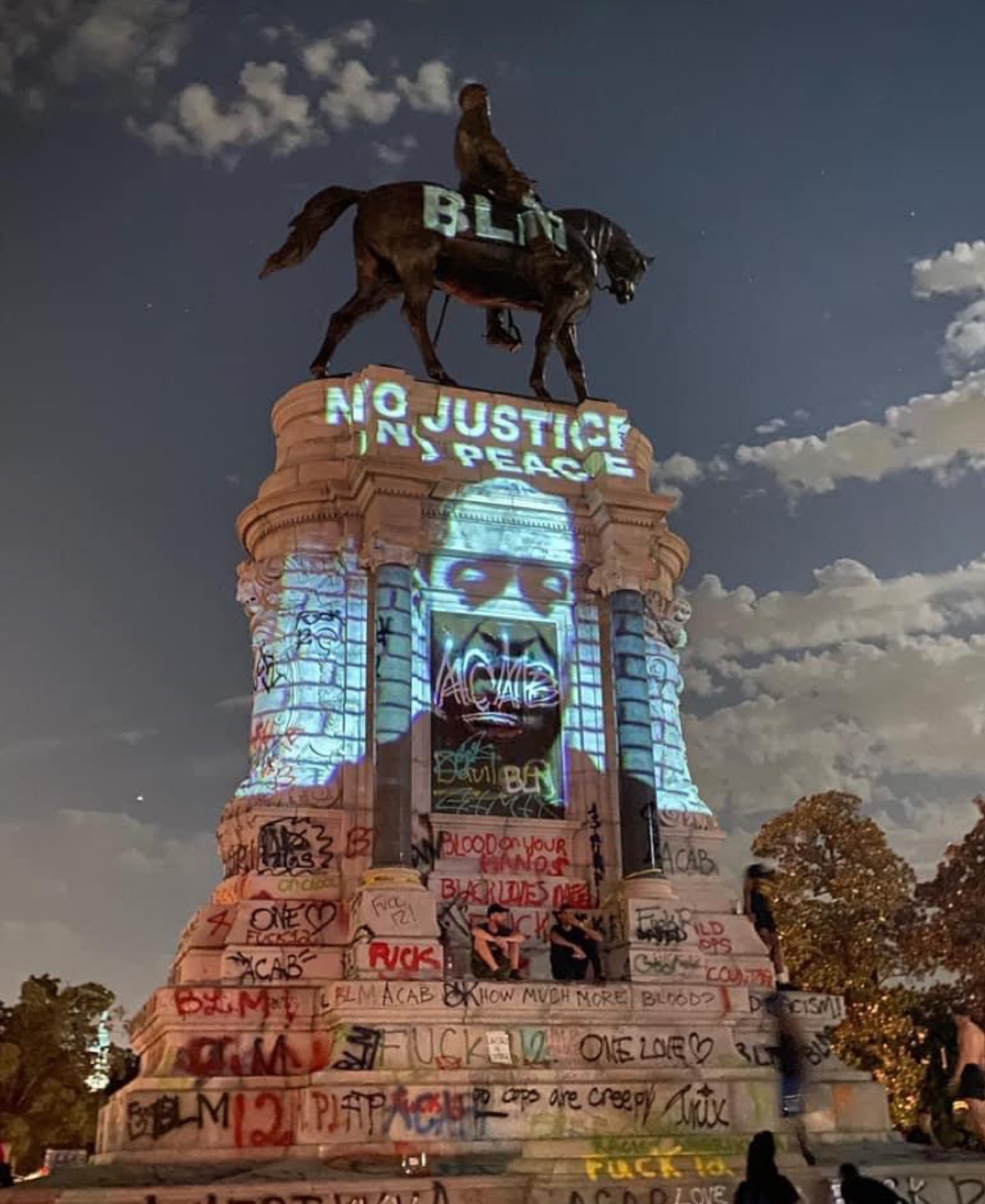
And obviously, the thing that hangs over all of this, and you alluded to this at the beginning, Jessica, is that this is all happening amid the backdrop of a profoundly unsettling time in this country, and across the world. And for those of us in the D.C. area, it’s literally happening in our backyard. We are bearing witness to the very sort of flagrant attempts to rewrite history in order to justify so much of the draconian crackdown that we’re seeing now. It’s impossible to disentangle the history of slavery, the history of Jim Crow, the history of Reconstruction, from the federal government’s attempt to thwart control of a Black-run city. It is impossible to disentangle attempts to strip control of a majority Black-run city from the fact that they are trying to distort, misrepresent, and remove the history that explains why Washington, D.C. looks the way that it does, why the landscape of social inequality in this city and cities across the country look the way that it does. And they want you to believe that the violence that manifests itself in these cities is somehow a manifestation of a cultural disposition. The worst elements of this movement, of this MAGA movement, almost go back to a sort of eugenics, a sort of biological, genetic [history]. Sometimes they allude to it, sometimes they say it explicitly. That it is Black cities, and Black people, and brown people, who don’t belong here, or who are incapable of controlling themselves, who are incapable of controlling cities, of self-governing.
There’s a long, profound history of this, and I think that it is really important for us to understand. You can look back at the speeches Frederick Douglass was making when he lived in D.C. after Reconstruction. After Reconstruction was destroyed, years after the Civil War, and he’s talking about the ways in which the federal government is attempting to reconstitute power over Black people, but in a different way. We could have a whole thing about that, but I just wanted to name that, because that’s the space that we’re all coming to this, and so many of you all as teachers.
That’s what’s animating these early days of the school year, right? You are entering a school year perhaps unlike any we’ve ever entered, right? Fascism is, I don’t even know if it’s right to say it’s on the doorstep, right? It’s here. I think we would delude ourselves into believing that somehow we are not in a place that is itself profoundly dangerous. And to be sure, it can get worse. We’ve seen what happens throughout history when it can get worse. But we are entering a moment in which the necessity of teachers to be able to explain to students and help students understand so much of what is happening now, and to be able to put it in conversation with the history of this country, the history of our world, is really important.
But back to your original question: What have my students taught me? My students have taught me everything. I mean, I am here. Before any of this, I was a high school English teacher in Prince George’s County, Maryland. There is no world in which I become a writer, there is no world in which I write How the Word Is Passed, there is no world in which there is a Crash Course in Black American History, there is no world in which I am writing for The Atlantic, that exists were I not a high school English teacher and working with those students. It remains true that it is the best job I’ve ever had. For me, the idea of sitting with young people in a circle and sitting with teenagers and discussing literature and talking about, trying to understand and help them understand the way literature shapes the relationship they have to each other, the relationship they have to the world, the relationships that they have to their interior selves. It was such an incredible job. The worst part was how early I had to wake up, so shout out to all y’all who have that early wake-up. I had to set like five alarms. It was crazy.
But my students taught me so much. One of the first books I read when I was a teacher was Paulo Freire’s Pedagogy of the Oppressed, something that I think has shaped so many of our understandings of teaching, and really believing that my students were not simply receptacles that I was meant to pour ideas and information or values into, but that there really was a reciprocal relationship, and that I was learning so much about the landscape of inequality in the communities that they were a part of. It was first-hand experience in them reading books and then being able to explain in these really sophisticated and profound ways the connections between this scene in Song of Solomon and something they saw on their block at home, a scene they read in Elie Wiesel’s Night and things that they saw happening in the world today. It would continue to be the case that my students were able to make really remarkable connections, and in making connections of their lives to the literature, they were able to make connections to one another. I think one of the most rewarding things was the way that I saw them create relationships among one another in ways that previously hadn’t existed. And that’s something that I’ve seen also in the prisons and jails that I’ve been teaching in, that there’s an immense power in having access to literature and to books and ideas that transform how they understand their own social condition.
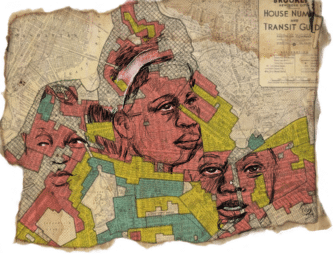
I’ll always remember Richard Rothstein’s The Color of Law. One of my students read The Color of Law in the D.C. jail and he came back, and the way that he understood his social position within the D.C. jail as being related to an intergenerational project of housing disenfranchisement, of redlining, of housing segregation. That’s not to say that he blamed that history for his condition, but it was that he was able to more fully contextualize how the world he grew up in, and the context in which he was navigating as a young person, the choices that he had to make. In a way I think that restored a sense of agency, almost. Like, it made it clear to him that his life was an inevitability, but in fact was tied to a history of public policy decisions that animated the decisions that he was able to make and the context in which he was able to make them. So, seeing the way that that almost restored a sense of it wasn’t just something about me, but it actually was the fact that I was born into this situation that, again, made certain decisions available to me and certain decisions not available. And he never at any point said, It’s not my fault, I’m not responsible, but I think the ability to more fully contextualize your position in the world is a really, really important thing.
Hagopian: Thank you for that.
Rucker: Yeah, thank you. And Clint, I want to say, Jesse and I have an ocean of questions, so I’m going to just jump right into our next one. You introduce the book with a letter to readers, and you start the letter by explaining that, as a teacher, you sat along with my students where we use books to make sense of our lives and to make sense of the world. What we were just talking about. This month, the administration has attacked the Smithsonian museums for teaching the public about how bad slavery was. We’re in 2025, in this current articulation of anti-truth teaching and anti-history teaching. I’m curious, is there anything different that readers need to learn now from the history you describe as compared to when you published the adult version of the book in 2021? Then, what types of insights and connections do you hope readers will glean through the young adult version of How the Word Is Passed?
Smith: That’s a beautiful question. Obviously, we’re publishing this at a very different moment. I published the original version in June 2021. Joe Biden was president, we were still in COVID [lockdowns], I didn’t have a book tour. People had started getting vaccines, but it was clear that COVID was still a real and profound danger. And I think that we see every single day the way that that period of time has changed this country, and has changed the world. We are going to be living through the reverberations of that moment for the rest of our lives, politically [and] socially. When I first published How the Word Is Passed, the thing that I wanted people to understand, that felt most revelatory to me, was the idea that this history of slavery that we were told was a long time ago was, in fact, not that long ago. Not that long ago at all, right?
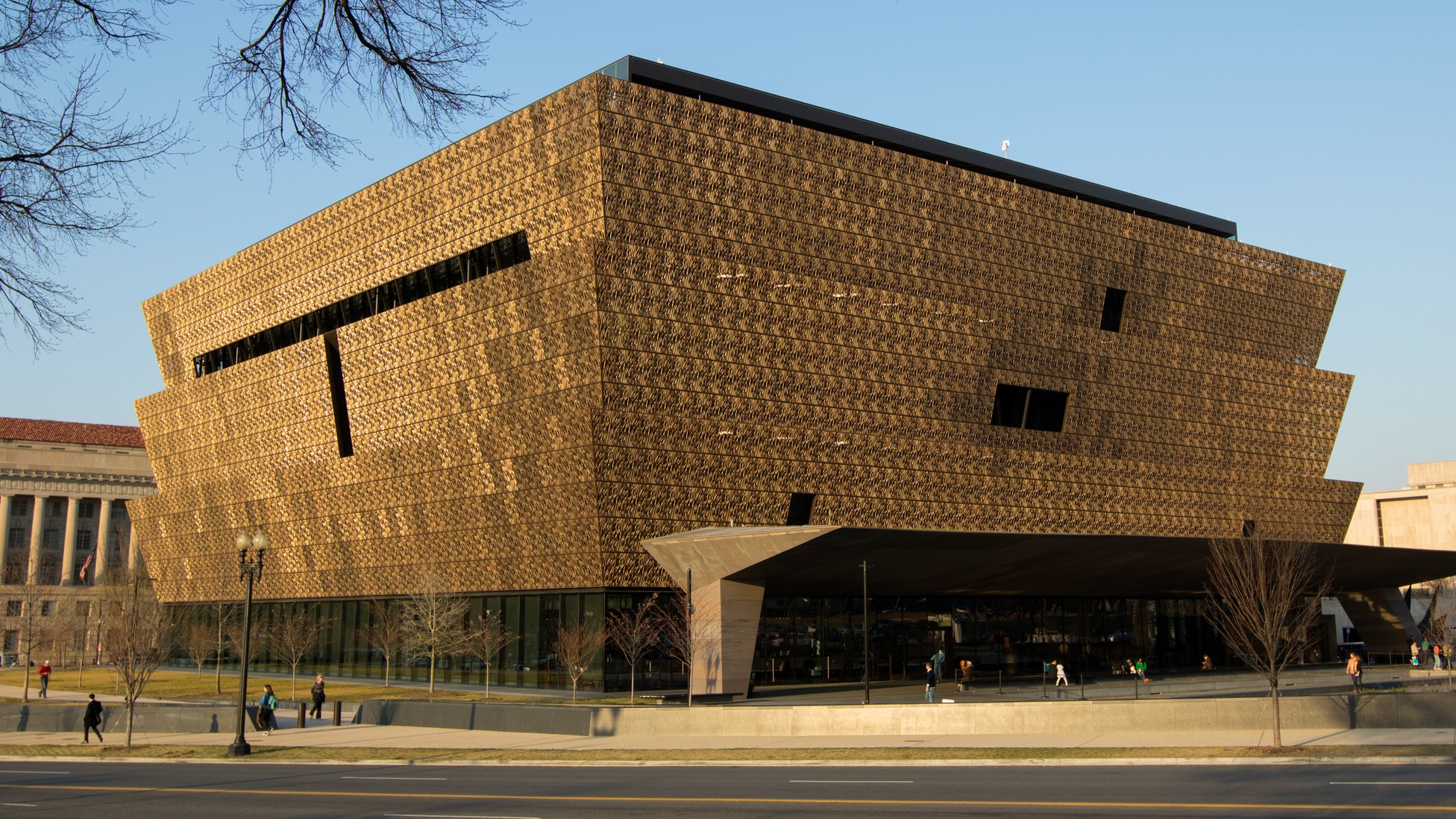
I have this scene at the end of the book, where I go to the National Museum of African American History and Culture with my grandparents — my grandmother, born in 1939 in Florida, my grandfather born in 1930 in Jim Crow Mississippi — and I’m pushing my grandfather in his wheelchair. His cane is laid across his lap. My grandmother’s walking a few paces ahead of us, and I have this moment where I’m watching them look at the exhibits that are in this museum and realizing that so many of the things that they experienced, that they were bearing witness to in the museum, are things that they experienced firsthand. I asked my grandparents about it later, and my grandma had this refrain, she said, “I lived it. I lived it. I lived it.”
The woman who opened the National Museum of African American History and Culture in 2016 was the daughter of a man who was born into slavery. Not the granddaughter, not the great-granddaughter. The woman who rang the bell with the Obama family to open the National Museum of African American History and Culture in 2016 was the daughter of a man who was born into slavery. My grandfather’s grandfather was enslaved. So when my two young kids, my 8-year-old and my 6-year-old, sit on my grandfather’s lap, I imagine my grandfather sitting on his grandfather’s lap, and I’m reminded that this history we tell ourselves, again, was a long time ago, wasn’t that long ago at all. Slavery existed for almost 250 years, and has only not existed for a little over 90 [years]. You have an institution that existed for 250-some-odd years, and it’s only not existed for 160 [years]. The history of slavery in this country and in the colonies that preceded it existed for almost a century longer than it hasn’t.
There are people who are alive today who knew, who loved, who were raised by people who were born into chattel slavery. So the thing that I came away from How the Word Is Passed in the adult version thinking is that I went to all these different places trying to get a different sense of our collective physical proximity to this history, but what I got instead, and or in addition to, was a deeper sense of our collective temporal proximity to this history. This history is so recent and our country is so young relative to the rest of the world. And that history of slavery continues to shape the landscape of inequality in ways that shape the social, political, and economic infrastructure of this country. And that that realization, the naming of that, is not an ideological project, it’s not a project of attempting to indoctrinate. It’s an empirical reality. I think to understand it as such is so important and I want people, in this young readers version, to understand the same thing.
I think in the context of the moment that we’re in, the thing that I keep thinking about is that the current administration’s efforts to prevent slavery from being taught in schools, to remove and change and dilute the nature of what is presented in the Smithsonian and museums across the country, the fact that the president of the United States would make a statement that says our museums are focusing too much on how bad slavery was. The thing to understand, I think, about this administration and this president is that it is not so much that the MAGA movement doesn’t believe slavery existed, or that they don’t think that slavery was bad. What I believe is that they recognize that the more we focus on the history of slavery, the history of Jim Crow, the history of the 250 years of slavery, 100 years of Jim Crow, and the continued mass criminalization that happens in our country, the more people across this country begin to understand that in the way that they have over the course of the 10 years of the Black Lives Matter movement. The more they begin to understand that the contemporary landscape of social inequality is a direct result of that history. It’s not like, let’s not teach it because we don’t think it existed. It is the fact that if we teach it, then people will begin to understand that the world around us doesn’t look this way by accident. That the world around us, that this country, doesn’t simply look this way because of the sort of cultural dispositions or genetic backgrounds of certain people.
They recognize that once you begin to tell a fuller story about America and its past you can tell a fuller, more honest story about America today. And that’s incredibly threatening, because then you begin to understand that the reason one part of D.C. looks one way and one part of D.C. looks another way is not because of the people in those communities, but because of what has been done to those communities, or what has been extracted from those communities, generation after generation after generation. So the attempts to thwart, distort, misrepresent, [and] erase history are attempts to prevent a collective recognition from millions of people of more fully understanding, in a way that I think many more do than they did ten years ago. There are structural, systemic, and intergenerational factors that shape why our society looks the way that it does today. And once people begin to realize that en masse, it threatens the political power, that political power that thrives on a certain sort of historical ignorance in order to persist.
Hagopian: No doubt. Your point about how recent slavery was was driven home for me this summer. My dad recently found out which plantation our family had been enslaved on, and our whole family went to Mississippi and New Orleans. We’ve been going the last few summers, but we went again this summer, and I met a woman in her 90s who was friends with my enslaved great-great-grandmother, Laura. She was able to tell us stories about what my enslaved great-great-grandmother was like. She was a midwife, and she was kind and caring, and it just was incredible to me that this history wasn’t dead and buried, it was breathing right next to me.
It was an incredible revelation, and one of the most striking scenes in the first chapter of your book is when two visitors at Monticello realized for the first time the depths of Thomas Jefferson’s involvement and how much of that history they were never taught in school. And one woman says, quote, “It took the shine off the guy.” Well, another reflects, “Jefferson is not the man I thought he was.” As you rewrote How the Word Is Passed for a young audience, how did you think about helping students do the same kind of unlearning that you heard these women doing, especially humanizing those who were enslaved to make them more than just a footnote in somebody else’s legacy? And how do you hope teachers use this chapter of the book to spark conversations that are often left out of the textbook?
Smith: Thank you for that. I’ve got to give a shout-out, and I should have done this at the very beginning, to Sonya Cherry-Paul, who adapted the book. It’s got this great new cover, which is exciting, and a slightly different subtitle. And Sonya, many of you will know, she worked with Jason Reynolds and Ibram Kendi to adapt Stamped from the Beginning, and did an incredible job, obviously, with that. She worked so diligently on this, and really I can’t say enough about how thoughtful she was in terms of taking [on] my book.
The thing is, I was really reticent to even create a young readers edition of this book. I tried to write the original version in a way that would already be accessible to young people to a degree. Not necessarily an 8-year-old, but I wanted to write it in a way that felt like it could be taught in high schools. People would often ask me, over the last four years since the book has been out, they would say, “Who is the original audience you had in mind for the book?” And I would always tell them it was like a high school version of me. I wanted to write the sort of book that I felt like I needed in my 10th grade American history class, the sort of book that would have given me the language, the toolkit, the historical context with which to more fully understand the country I was living in, to more fully understand how I existed and how I was situated in this country that I was living in.
I also wanted to write a book that was at once historical and literary. I wanted to write a history book that feels like a novel, and I didn’t know how I would translate the literary part of it, which I felt was as much a part of it as the historical part, into a young adult version. But Sonya did an amazing job, and the essence of the book is still there. The reason I ultimately decided to create the young readers edition, and it’s appropriate that I’m here, [is because] teachers hold me down more than anybody. I’ve been on a book tour functionally for four years. I just travel all the time, I’m always on the road. And I go places, and I swear, every place I go I’ll say, “Who in the audience are teachers?” And half the audience, every place I go, at least, raise their hand and are teachers. I love teachers, educators have always been the people who shape why I do the work that I do. Like, I made A Crash Course on Black American History because I wanted to create a resource for teachers. I tried to write How the Word Is Passed in the way that I did because I wanted teachers to be able to teach it in their classrooms.
I mean, I can’t say enough, this is kind of an aside, but I cannot say enough about the work you all do. I know how hard it is, I know how important it is. You’re also teaching in the post-COVID phone-centric era, and I think that that is just important to name. I taught before COVID, I taught before phones and social media were as ubiquitous as they are. What it means to teach children today is a fundamentally different project. You are fighting against so many different factors. It’s so hard, and yet it is so important. So, for me, anything that I could do to present resources to teachers that might be helpful, I wanted to do, because I know how hard the job is.
Ultimately, I decided to create this young readers edition because I had so many teachers at these events over the last four years coming up to me and saying, “I love the book and I would love to teach it to my middle schoolers, but I think there might be a couple things that are too much for them,” or “it’s a little long.” So I was thinking of those late elementary and middle school teachers who came up to me and came to my events and sent me emails and tweets and DMs — this is for you.
And Tonya, again, did an amazing job. She kept the essence of the book. It’s about half the length as the original, and has removed some of the more gruesome scenes, and has streamlined a lot of the historiography so that it is really propelled forward by the narrative itself. It has fewer parts that might feel slow to a 10-year-old, and it really tries to keep the story going and focus on the people and the places that I go.
As you said, some of those people are like the women at Monticello. That was in 2018 when I met those women and it was such an important moment at the beginning of the book project because Black Lives Matter was at its height, we were having national conversations about history and Jefferson and the founding fathers, and just encountering these women who . . . I went up to them after — the scene is obviously with this guy David. For those who haven’t read the book, David is the tour guide at Monticello, and he’s got this brown-brimmed hat, these glasses, these crisp khaki pants, this Oxford shirt that sort of billowed in the wind, very professorial in his disposition — and he was telling us all of the things about Jefferson that were not present in the dominant narrative of Jefferson for so long. That Jefferson was at once the person who wrote the Declaration of Independence but is also the person who wrote in Notes on the State of Virginia that Black people were inferior to whites in both endowments of body and mind, just as he was writing that “all men are created equal.” That he is someone who wrote one of the most important documents in the history of the Western world, and is also someone who enslaved over 600 people over the course of his lifetime, including four of his own children that he had by Sally Emmings. And so David is presenting the sort of duality of Jefferson and these women, as you said, I went up to them after, and I’ll always remember, she turned around and she was like, “Man, he really took the shine off the guy.” And they continue this: “I had no idea Jefferson would own slaves.” “I had no idea that Monticello was a plantation.” And these are folks who bought plane tickets, rented cars, got hotel rooms, who came to this site as a pilgrimage to see the home of one of our founding fathers, and yet had no idea he was an enslaver. But it’s also important in the context of realizing that even as we’re having this national reorientation around how we talk about race and history, there are still millions of people in this country who don’t understand the history of the founding of this country in a way that tells the full and more complicated story.
Also, it was important for me because it was also a moment where it became clear to me what the essence of the project was, in that I wasn’t interested in trying to shame people. I wasn’t interested in trying to be like “How come you didn’t know this?” This project is one that’s grounded in inquiry. I wanted to go to people and understand what they knew, what they understood, where they were, and meet them where they were in a way that was not laden with judgment, again, when that was not antagonistic. But for me, it was an attempt to try to understand where people were. And I tried to carry that instinct through the rest of the project, whether it was at the Confederate cemetery or Angola Prison, to really try to go on a journey with the reader, or a journey that the reader could come alongside with me, to try to genuinely understand how people are experiencing these places.
This book is not a ‘here are the 10 things you should have always known about slavery’ because that wouldn’t be honest about my experience or what I wanted the book to do. I wrote this book because I didn’t understand the history of slavery in a way that was commensurate with the impact and legacy that it left on this country. So why would I, in the project itself, engage in any sort of antagonism or judgment of people who, for a whole host of structural reasons — because of the school systems we all grew up in, because of the history of that they grew up in the same schools that I did that didn’t teach this history? What position am I in to judge anybody for not knowing this information, if the whole reason I’m reading this book is to learn this information for myself? I really wanted the reader to feel like they were invited in to join me on this journey, and not to feel as if they were being called out.
Hagopian: Right on.
Rucker: Thank you for that, because I definitely felt like the book was an invitation. And this idea of a national reorientation, I definitely had several of those moments as I was reading the YA version. Just a couple of weeks ago, I was at karaoke with my partner, who’s a middle school social studies teacher here in D.C., and some of our other teacher friends, and one of our teacher friends with roots in New York City chose Frank Sinatra’s “New York, New York” and immediately I thought of two things. I thought about Jay-Z and Alicia Keys’ song, “Empire State of Mind” and then I thought about your powerful chapters on New York.
You show how slavery in the North was not only widespread, but foundational. How places like Wall Street and the Statue of Liberty are steeped in that history, even if the public memory rarely reflects it. So I would love for you to talk to us about slavery in New York, which I feel like is under-taught and I’ve not read as much about, the Black abolitionists [and] the significance of the African burial ground, where my partner and I got a chance to visit a few years ago, shortly after the release of the adult version. So, what did it look like and sound like? Who was involved and how? When did it start? When was it legally abolished in terms of slavery in New York? Why is it important to teach about slavery in the North and outside of the South? And why is it so carefully hidden and so rarely taught? Tell us a little bit about your process of how you learned this history.
Smith: I was not very familiar with the history of slavery in New York, which is why I went. I went with a group called Inside Out Tours, they do tours in New York, walking tours on many things, including the history of slavery in New York. It was striking, my tour guide, Damaras Obi, it was this really eclectic international group of folks and she just did an incredible job of both physically and metaphorically walking us through this history to help us understand that . . . For example, at one point, New York City was the second largest slave market in the country, after Charleston, South Carolina. People talked about New York almost as if slavery never existed in the city of New York, when it was, in fact, one of the first places, and certainly one of the most populous places in which enslaved people, captive Africans and enslaved Americans, were brought to and later held. That slavery was so central to the political, social, and economic infrastructure of New York, that on the eve of the Civil War in 1861, the mayor of New York City, Fernando Wood, actually suggested that New York City secede from the Union, alongside with the states of the Confederacy because the financial and economic interest of New York City was so deeply entangled in the slaveocracy of the South that the banks and the insurance companies and other financial institutions held slavery up, quite literally. Without the financial power that existed in New York City, the plantations in the South simply wouldn’t be able to persist, and the factories in New York City and across the North. And again, that is all after the fact that New York City had slavery itself.
One of the places that you can most profoundly see this is the Statue of Liberty. When you go to the Statue of Liberty, one of the things you learn on Liberty Island — and I credit the National Park Service for this, and it’s an example of why it’s so important, and why attacks on our National Park Service are so incredibly concerning — you learn that the Statue of Liberty, even though it is presented to us as having been a celebration of immigration, a celebration of existing in the cultural imagination as in conjunction with Ellis Island, welcoming new immigrants to this land, what it was originally for was a gift to the United States to celebrate the abolition of slavery after the Civil War. Édouard René de Laboulaye, the French legal scholar who was in many ways the greatest proponent of this gift, was himself a fervent abolitionist. And in the original design, you can see that before there was a tablet, it was originally chains held in Lady Liberty’s hand. And those broken chains, these were meant to symbolize slavery having been abolished. But the design was so controversial in the years immediately after the Civil War, especially for a project that they needed to fundraise for across the country. The country was so fractious, and still needing to heal after a war that killed 700,000 people, that they decided to change the design. They replaced the chains and they moved them from her hands to her feet, under a robe near her feet, and it’s this apt metaphor, because when you’re standing near Lady Liberty you can’t see the chains that are hidden under her robe. You can only see it from an aerial view, from a helicopter, from a plane. And I had this moment where I didn’t realize the chains were there, even as I was standing right next to it. It’s an apt metaphor for how the history of slavery is sometimes hidden in plain sight, and it’s somehow very proximate to you even though you might not be aware of its presence.
There’s so much to say about New York City, and I wanted to write about New York because even though I wrote about New York, I could have written about Providence, Rhode Island [or] Boston, Massachusetts [or] Detroit, Michigan. I could have written about so many other places in the North and the Midwest, but I wanted to do that because it was so important to understand that slavery touched every single part of this country. There’s another version of How the Word Is Passed that’s twice as long, where I also go to California, Oregon, Missouri, Nevada. You can go on and on and on because slavery was omnipresent. The impact of slavery is omnipresent here in this country, even though it was obviously most saturated in the South. So, New York City was a really important part of the story, and I knew that this was a book that would be among the first entry points that a lot of people would read on their journey of learning about the history of slavery, and I didn’t want it to misrepresent by omission the fact that slavery was also something that existed north of the Mason-Dixon line.
Rucker: Thank you for that. I mean, it really was do or die, best die.
Smith: Jessica, can I say something real quick? I’m going to put a link to my book in the chat where you can get a signed copy from Loyalty Bookstore. If you order from there, you can order as many copies as you want.
Rucker: Thank you, Clint.
[breakout rooms]
Hagopian: I want to kick it over to my son, Miles. We brought Miles on the trip with us down to Mississippi and New Orleans this summer to learn the history of our family being enslaved, both in Morgantown, Mississippi, and also near the Whitney Plantation that you write about, Clint. We got to visit that several times. and Miles got to take the book with him and read. So I thought hey, it’s a YA book, let’s have my son ask some of the questions. So, Miles, you got something for Clint here?
Miles: Yeah, I liked the book, it was really cool. I was reading the chapter about Angola prison and it was just crazy to hear how it was on a plantation. and how the parallels between then and now, still not paying prisoners to do work. So I was wondering, how do you compare the forced prison labor today, where people are basically paid nothing, to slavery in the South during that time? What do you think would change if kids were taught that one of the largest plantations in the country became a prison? And what happens when people are asked to confront that whole connection?
Smith: I appreciate your reading, Miles, [and] your thoughtful synthesis and analysis. And shout out to you, Dad. My son’s 8, so I love seeing that moment, and y’all being able to share that. That’s awesome.
Yeah, Angola is a wild place. It is a place where 70 percent of the people held there are Black men, a place where 75 percent of the people are serving life sentences. As you said, it is on a former plantation. I’m in the midst of doing revisions on my next book, Just Beneath the Soil, about the history of World War II and World War II memory. For that, I traveled to South Korea, to Japan, to Germany, to France, to Argentina, to California, to New Mexico, to Argentina, to all these different places to examine how the memory of World War II is preserved, and how the story is told in different places. One of the places I went, obviously, as I said, was Germany. The thing that I tell people, and I’ve been telling people this for years just as a thought exercise, is that I remember going to Germany and one of the first things I did was I went to the concentration camp Dachau.
I remember walking through the iron gates. I remember the sound of the gravel beneath my feet as I stepped into this space, this vast, haunting expanse of empty gray land. You look to your left, you see the remnants of the crematorium. You look to your right, you see the remnants of the barracks. I remember walking through the gas chamber, and looking up and seeing the holes through which the gas would have been released. I remember the feeling of claustrophobia. I remember how tight the space felt, how low the ceilings felt. The door behind me shutting, the sort of movement of all of us in that room collectively imagining to the degree that it’s even possible to imagine what it must have been like to have that room locked behind you. It is one of the most haunting places I’ve ever been, one of the most devastating things that you can make yourself proximate to. So I remember being at Dachau, this was a few years after I had visited Angola, and I thought, what would it mean if on this concentration camp they built a prison and in that prison the vast majority of the people held there were Jewish, or of Jewish descent. I couldn’t even finish the thought exercise because I couldn’t even bring myself to imagine what it would mean if Germany built a prison that disproportionately incarcerated Jewish people on land that was once a death camp.
And yet, here in the United States, we have the largest maximum security prison in the country, where the vast majority of people held there are Black men serving life sentences — many of whom were sentenced by non-unanimous juries, which has since been rendered unconstitutional by the Supreme Court of the United States for being an explicit vestige of white supremacy — many of whom were sentenced as children. Given that the United States is the only country in the world that sentences children to life without the possibility of parole, where people continue to pick crops for virtually no pay while someone watches over them on horseback with a gun over their shoulder. Now, to be clear, the Holocaust and slavery are two profoundly different historical phenomena. And it’s not to compare in a way that is meant to say one is worse; they are each horrific in their own context. But it can be helpful, I think, to put those ideas in conversation with one another, those histories in conversation with one another, to get a better sense of what seems implausible in one geopolitical context and what manifests itself in another.
I would argue that part of what prevents a prison from being built on a concentration camp in Germany is the way in which memory of the Holocaust has been preserved over the course of the last 80 years. And Germany has its own stuff. Germany is not perfect. Germany’s relationship to Holocaust memorialization is not perfect. There are many people who have issues with it, but regardless of what you think about it, they have been incredibly proactive in attempting, on a nationwide level, to ensure that it is part of the iconography of the landscape of that country, and that it is present in the daily lives of people in a way that is so different than what exists here in the United States. I think that Angola is a place that can exist because we have collectively failed to memorialize the history of slavery in a way that allows us to fully understand the connection between the history of mass incarceration today and enslavement 160 years ago. I think that it was such an important place for me to go to more fully understand the connection.
I tell this story all the time, but I remember walking into the gift shop that is adjacent to, and at the entrance of, Angola prison. In this Angola gift shop, you can buy coffee mugs, shot glasses, baseball caps, sweatshirts, and stuffed animals dressed in prison uniforms. And on some of the coffee mugs, on some of the shirts, they have this design of a man standing in a watchtower with a rifle, and above and below the watchtower, it reads, Angola, a gated community, as if to make a mockery, to belittle the experiences of the tens of thousands of people over the course of generations who have been held there, who have died there. Angola is a deeply unsettling place. And you can go, unless they’ve changed it in the last couple weeks. You can look it up right now and find the Angola gift shop memorabilia online, and you could get it shipped to your address. So Angola was a really important place to go. As the scholar Saidiya Hartman talks about, it illuminates the afterlife of slavery, how the remnants and the residue and the history of slavery continue to have its tentacles all over the current social, political, and economic infrastructure, and perhaps most profoundly, our carceral infrastructure.
Hagopian: No doubt. There’s so much more we could talk about, Clint, but the way that you just broke that down in terms of the consequences of not learning this history and allowing it to result in things like Angola prison and like the occupation of D.C. The consequences of not learning this history are profound, and that’s why I share your sentiment that you expressed at the beginning of this of just how important it is that all these teachers are here. You know, we had over 300 teachers here today who are teaching many thousands of kids this year. And that, to me, is absolutely electrifying, that because of this course right here, we are reaching thousands of kids in a time of rising fascism with the truth about enslavement and resistance to that enslavement. I’m just grateful to be in the struggle with you, locking arms, and I’m looking forward to the struggle for a better world. So thank you from the bottom of my heart.
Rucker: Thank you!
Smith: Happy to do it. And again, all of you teachers, all of you parents, all of you students, I’m so, so grateful for the work you do. I wish everybody an incredible beginning of the school year. Those of you, I know so many, some have already started, some start tomorrow, but I’m just so grateful to be, as you said, with Jesse, Jessica, and the community with you, in struggle with you. We’ve got a lot ahead of us, and I think that the note I want to end on is the thing that I think about all the time, and some of you may have heard me say this before.
The thing that I think about all the time is that the first enslaved folks came to this country in 1619, or the British colonies that would become the United States in 1619, and slavery didn’t end until 1865. But from the moment enslaved people arrived on these shores, they were fighting for freedom, they were fighting for liberation, they were fighting for emancipation. What that also means is that the vast majority of people who fought for freedom never got a chance to see it for themselves, but they fought for it anyway because they knew that someone would. I think about how my life is only possible, how my children, right outside this door, how their life is only possible, because of generations of people who fought for something they knew they might never see, but who fought for it anyway because they knew that someday someone would. And I think about that. What sort of responsibility does that bestow upon me, does that bestow upon all of us, to build the sort of world that we might not necessarily see ourselves, but to work toward building it anyway — especially in a moment where it feels so precarious, especially in a moment where the winds are no longer propelling us forward, but are headwinds that are prevented, trying to prevent us from moving? That it is our responsibility to keep pushing, to keep going, because that’s what people have done for us. It’s almost like we’re all chipping away at this wall, and you don’t know if the wall is 6 inches thick or 6,000 miles thick. But what you do know is that the more people who chip away at it, the less people who come after will have to chip away at it.
And that is what we do. We are all chipping away. We all have our little chisels, and we’re chipping, we’re chipping, and we’re chipping. Even when it feels like we’ve been chipping our whole lives and we don’t see that light, what we have to know, what we have to remember, is that we are in the process of doing so, making it possible for somebody who comes after us to get to the other side of that wall, to see that light. And that is what keeps propelling me forward, especially in moments like this when things can feel so dark, can feel so daunting. This is the long game and what it feels like right now won’t always feel like this. But it’s only not going to feel like this if there are people who keep going, who keep going. who keep going. If you think about it more as an intergenerational project that we’re a part of, rather than whatever the New York Times or the news has told you that day, I think you can steal yourself for the fight ahead in a different sort of way.
While this transcript was edited, there may be minor errors or typos — if you notice something you believe to be incorrect, please contact us at [email protected].
Audio
Listen to the recording of the session on these additional platforms.


Resources
Here are many of the lessons, books, and other resources recommended by the presenters and participants:
Lessons and Curriculum
Books
|
In addition to How the Word Is Passed: Remembering Slavery and How It Shaped America, the following books by Clint Smith were referenced.
Above Ground (Little Brown and Company) Counting Descent (Write Bloody Publishing) How the Word Is Passed: A Reckoning with the History of Slavery Across America (Little Brown and Company) |
Articles
|
|
Actually, Slavery Was Very Bad by Clint Smith (The Atlantic) What It Means to Tell the Truth About America by Clint Smith (The Atlantic) Clint Smith on Teaching About Structural Racism (Zinn Education Project) Why Do People Believe Myths About the Confederacy? Because Our Textbooks and Monuments Are Wrong by James W. Loewen (The Washington Post) |
Films and Videos
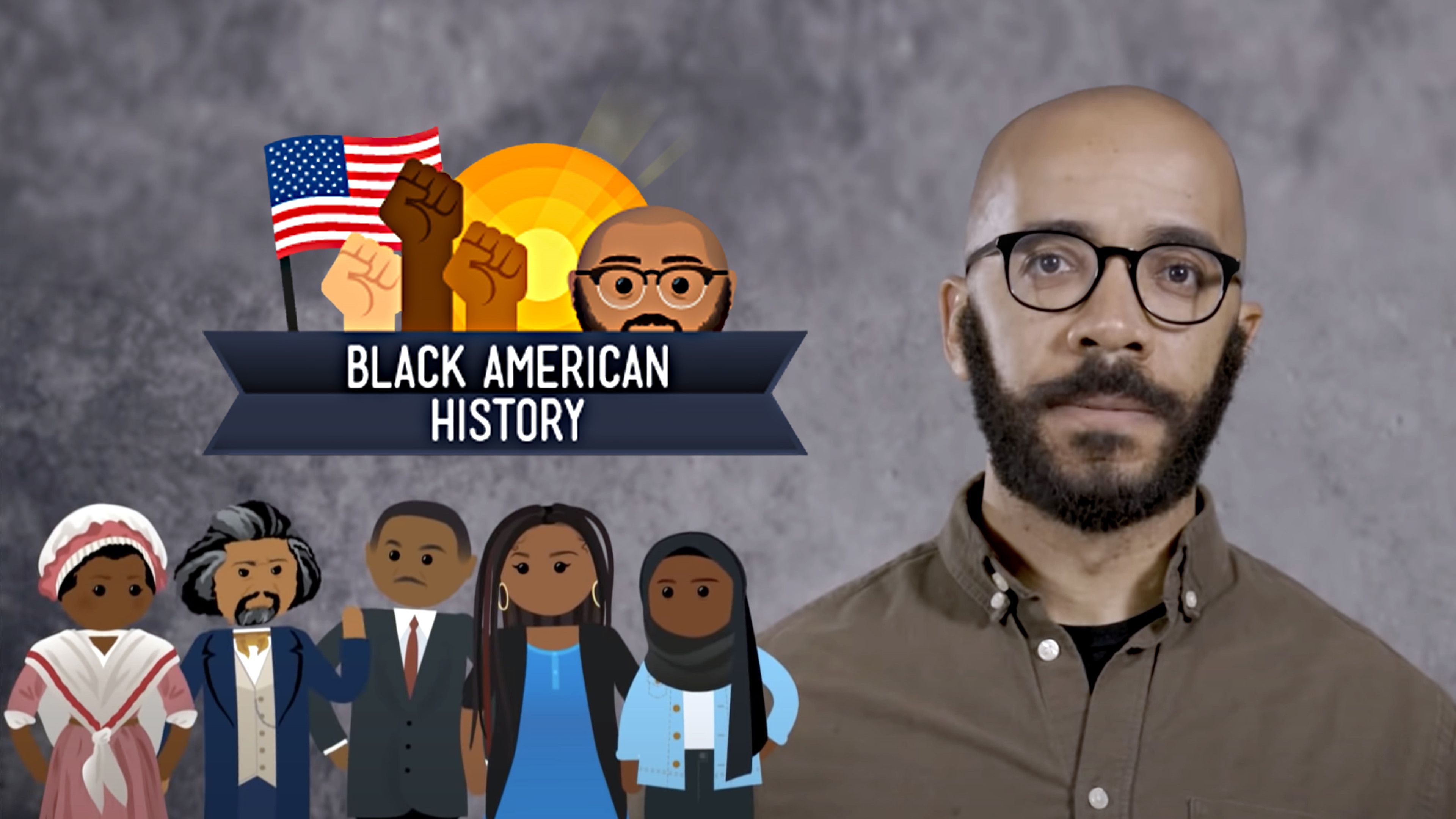 |
Crash Course Black American History, a video series with Clint Smith The Neutral Ground, a film directed by C. J. Hunt Slave Catchers, Slave Resisters, a film produced by Judy Richardson and Northern Light Productions for the History Channel |
This Day In History
The dates below come from our This Day in People’s History collection, which contains hundreds of entries all searchable by date, state, theme, and keywords.
|
|
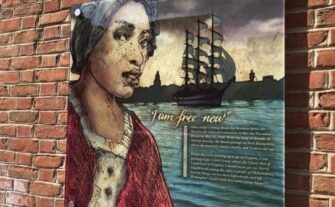
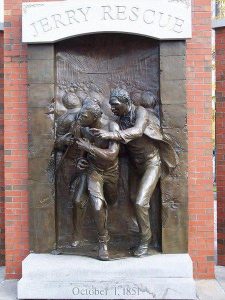
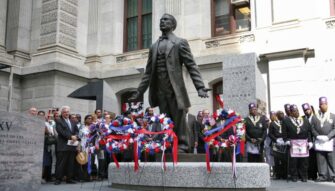
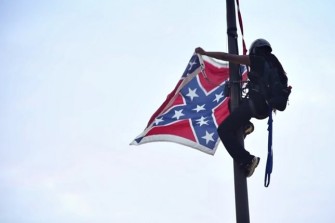
May 21, 1796: Ona Judge Escapes Enslavement by President George Washington Feb. 18, 1797: Hercules Escapes from Enslavement by George Washington Jan. 8, 1811: Louisiana’s Heroic Slave Revolt April 15, 1848: The Escape on the Pearl Schooner Sept. 18, 1850: Fugitive Slave Act Passed Oct. 1, 1851: The Jerry Rescue April 27, 1860: Harriet Tubman Helped Rescue Charles Nalle June 2, 1863: Harriet Tubman Frees Nearly 800 People June 19, 1865: “Juneteenth” Emancipation Day Dec. 6, 1865: 13th Amendment Ratified Oct. 10, 1871: Octavius Catto Killed on Election Day in Philadelphia Aug. 29, 2005: Hurricane Katrina Strikes Louisiana June 27, 2015: Bree Newsome Removes Confederate Flag Aug. 14, 2017: Activists Topple Confederate Monument in Durham |
Participant Reflections
With more than 330 attendees, a poll of participants’ primary roles in education showed 42 percent K–12 teachers, 19 percent teacher educators, 7 percent family members of students, and more.
Here are more comments that participants shared in their end-of-session evaluation:
What was the most important thing (story, idea) you learned today?
The MAGA movement isn’t denying slavery, but rather they are fearful of what confronting the history of slavery will tell people about where we are and why we’re here today — how our very lives are still influenced by the practice of chattel slavery and institutional racism. It just inspired me to speak up more, to share this knowledge more.
Just how many ways slavery is interwoven in U.S. culture — the connections between slavery, racism, and modern day systemic inequalities.
All this history is so much closer to us than we or our students realize, and it has a profound effect on where we are today as a society.
There is more work to do and there are people ready and willing to do it.
The idea that this is an intergenerational project gives me some sense of hope.
New York City was the second largest market of enslaved people in the United States.
The fact that Angola prison (formerly a plantation) has a gift shop really blew me away!
I think this event gave me a good boost of motivation and hope to start the year (today was our first day of class).
I liked that Clint Smith acknowledged that we are literally living in fascist times, and that our role as educators is crucial in the resistance.
I did not know the story about the original design of the Statue of Liberty and the story behind that. It is a powerful living metaphor for how slavery has been swept under the rug.
The idea that the country doesn’t look this way by accident is compelling and something I want to highlight to students. Also, thinking about Angola, Dachau, and the ways our respective countries have handled that history was profound.
There is so much I took away from this discussion, but mostly, as a parent, I am encouraged to see so many educators who are teaching all of our history. I am grateful to have so many people teaching our children and inspiring young minds.
Hearing Clint Smith share his wisdom and illuminate his own thinking from the book was profound and healing.
What will you do with what you learned?
I plan to use the new book with my middle school students in my American History classes. I am doubling down on teaching my students to recognize a fascist government in the making and encourage them to call out injustice when they see it. I want to empower them to make this country a better place.
I’m going to keep teaching truths and encouraging learners to ask questions.
As always, I look forward to using the recording in our organization’s Saturday Freedom School.
I am going to work on telling more stories as opposed to focusing on the standards. The stories matter!
I pre-ordered the young readers edition of the book and I will advocate for our school district to purchase copies, too.
Fight the good fight! We need to continue unlearning the history that has created this “contemporary landscape of inequality.” We need to recognize that the world around us does not look this way by accident, and as educators we need to do this good work every day.
I will be sharing the book with my 5th graders, and I will teach them that they hold the power to change the systems that oppress us.
I will continue to promote Black voices in my classroom library and independent reading program. I will include Clint Smith’s poetry in my AP Literature classes.
I will continue to talk with students about all the nitty gritty, messy details of our country’s history, like Thomas Jefferson’s life, New York City’s flirtation with secession, etcetera.
I hope to use the book as a way to teach students about how we learn history and the dangers of what can happen when people willfully ignore lessons from the past.
How was the format for the class?
I always really enjoy the breakout rooms — talking with folks across the country is invigorating and encouraging.
Everything was perfect.
I love this format. It works well for me as a learner.
Everything was well organized and flowed effortlessly.
I’ve been attending since 2020 and this runs like clockwork.
I loved how you all brought in Jesse’s son, Miles, to ask a question at the end. Great job including the voice of the youth!
Everything was great: the vibe, the humanity of you all, the powerful lessons. I can’t thank you enough.
I loved the breakouts. I loved the volleying between co-facilitators. And I loved Jesse’s son’s questions to Clint Smith toward the end of the session. Do that!
Thank you for hosting this event; it was very insightful and reassuring. I look forward to attending future classes!
Everything worked. As always, this was a phenomenal experience that I am blessed to have experienced.
Presenters
Clint Smith is the #1 New York Times bestselling author of How the Word Is Passed: A Reckoning With the History of Slavery Across America, which won the National Book Critics Circle Award for Nonfiction and was named one of the New York Times 10 Best Books of 2021. He is also the author of the New York Times bestselling poetry collection Above Ground and the award-winning poetry collection Counting Descent. He is a staff writer at The Atlantic. Smith previously taught English in Prince George’s County, Maryland and currently teaches writing and literature in the D.C. Central Detention Facility.
Jessica A. Rucker is a doctoral student in the Department of American Studies at the University of Maryland, College Park, and a Prentiss Charney Fellow. Prior to her graduate work, she was a high school teacher in Washington, D.C.
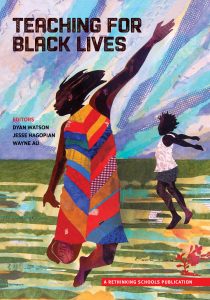
Jesse Hagopian is an editor for Rethinking Schools, co-editor of Teaching for Black Lives, editor of More Than a Score: The New Uprising Against High-Stakes Testing, author of Teach Truth: The Struggle for Antiracist Education, and the Teaching for Black Lives campaign director for the Zinn Education Project. He previously taught Ethnic Studies and was the co-adviser to the Black Student Union at Garfield High School in Seattle.


Twitter
Google plus
LinkedIn