
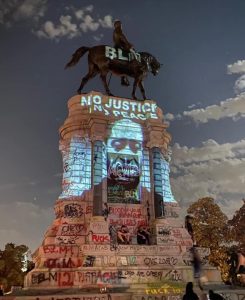
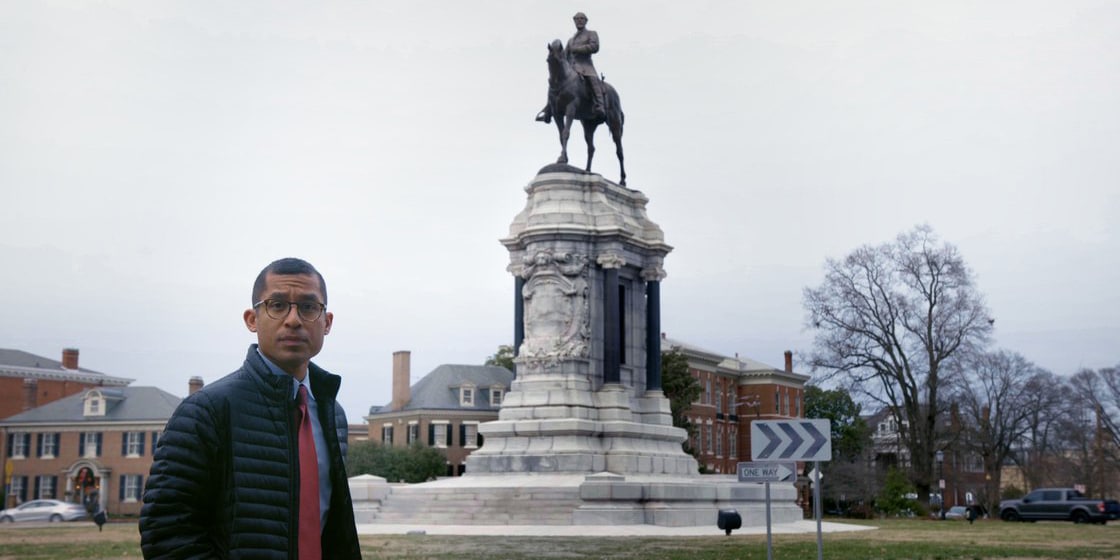
The statue of Robert E. Lee in Richmond during a Black Lives Matter protest in June 2020. Credit: Ron Frazier via Flickr
This administration is turning back the clock on advances made during the racial justice uprising that began in June 2020.
Their policies are blatantly racist. Just like the Daughters of the Confederacy, they are plastering names and images of white supremacists everywhere — erasing alternative visions of who “we” are and could become. They are returning Confederate names to national parks, military bases, and ships — and bringing back Confederate monuments. All while censoring people’s history in schools, libraries, and historic sites.
Let’s invite students to consider why an accurate knowledge of history matters and help them reclaim those stories. Here are resources related to public monuments and historic sites — starting with a past class with award-winning writer Clint Smith.
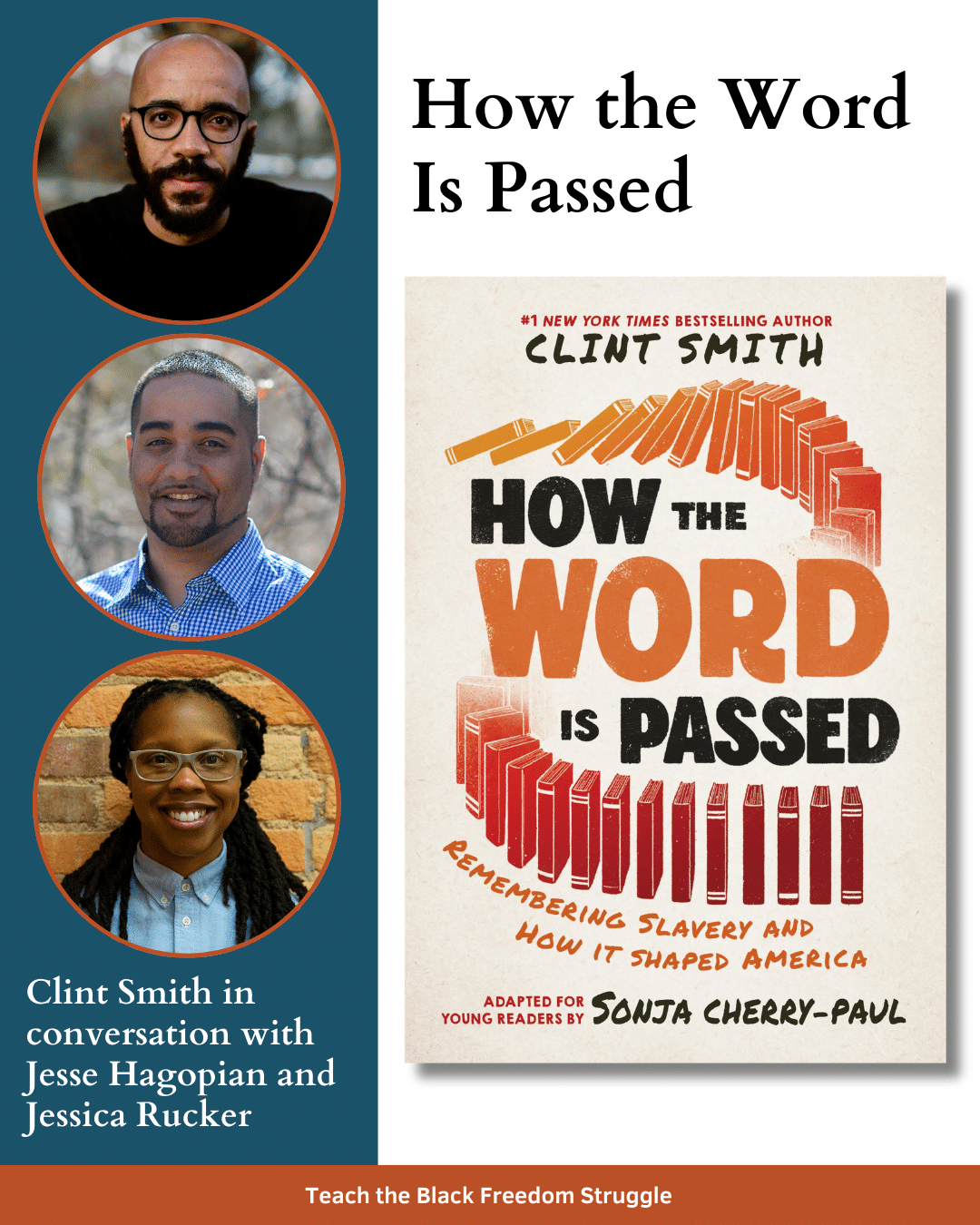
How the Word Is Passed: Class with Clint Smith
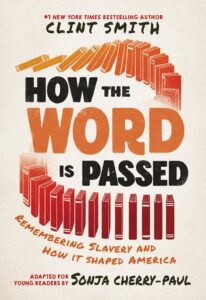
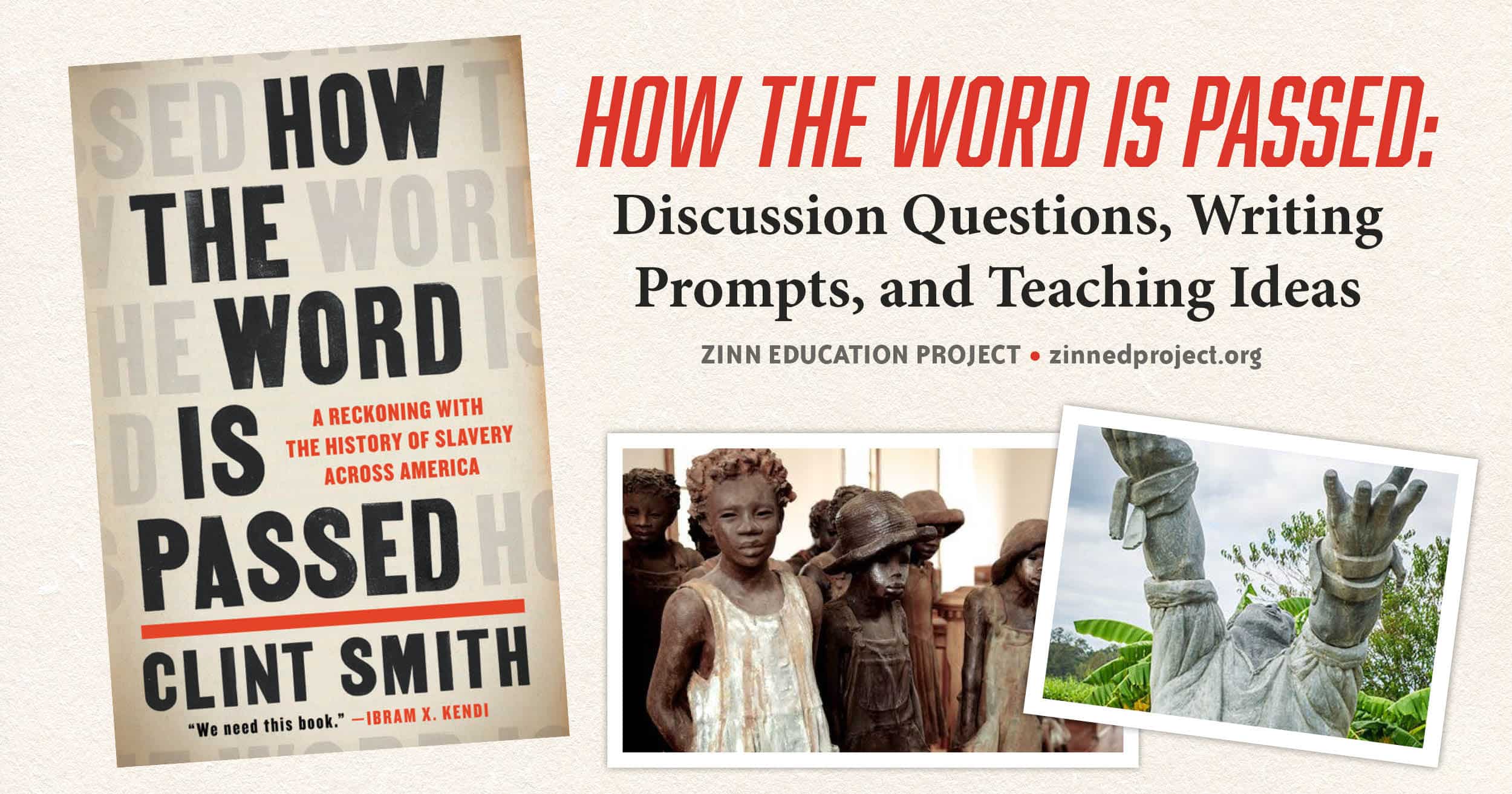
In the Epilogue to his book How the Word Is Passed, Clint Smith writes:
 The history of slavery is the history of the United States.
It was not peripheral to our founding; it was central to it. It is not irrelevant to our contemporary society; it created it.
This history is in our soil, it is in our policies, and it must, too, be in our memories.
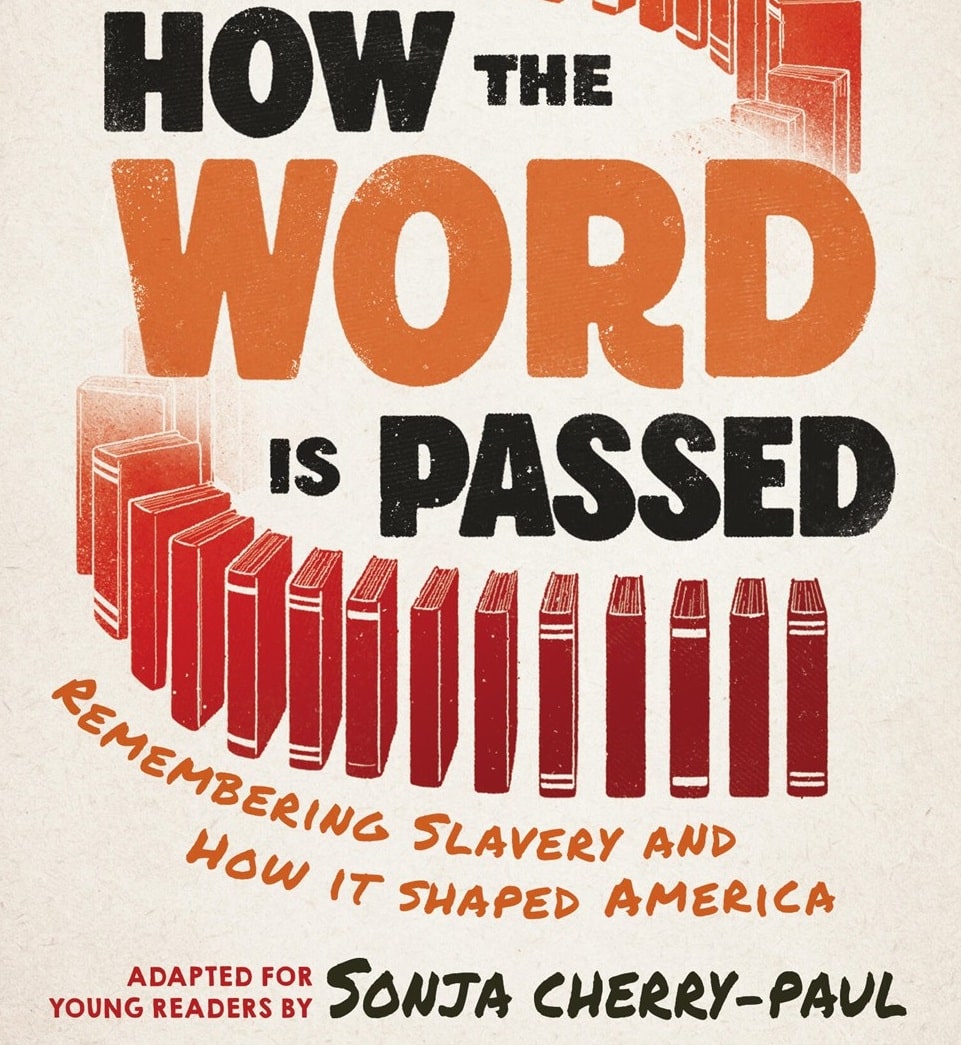
On August 25, 2025, author Clint Smith spoke with Rethinking Schools editor Jesse Hagopian and educator Jessica A. Rucker about the new young readers edition of How the Word Is Passed, adapted by Sonja Cherry-Paul.
See our previous Teach the Black Freedom Struggle online classes and register for upcoming classes here.
All of our Teach the Black Freedom Struggle classes are free, with ASL interpretation provided and PD certificates offered. Assign this class for your high school or teacher education students.
National Monument Audit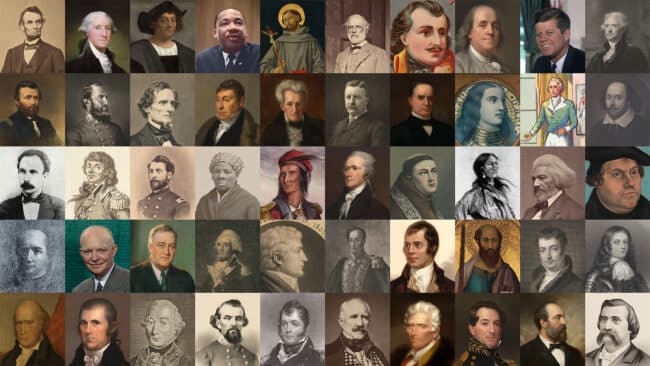
Monument Lab conducted a national audit of more than 50,000 monuments. They found that more than 50 percent honor enslavers. Only 6 percent are of women. The first monument to an individual person of color (Martin Luther King Jr.) was dedicated in 2011. In the introduction to the report, the authors note:
We understand that the more durable monuments do not best represent U.S. history, but are instead the result of the most abundant material resources and hegemony in its many forms: racial, ethnic, religious, gender-based.
We see that the monuments standing on our streets or in our parks have not stood there for time immemorial.
Our built environment is in motion; it always has been in motion. The National Monument Audit calls us all to do our part to change our commemorative landscape and to better capture the multivocality of our country in our public spaces.
The report is available online and includes an educators’ guide by Prentiss Charney Fellow Rabiya Kassam-Clay.
“How We Remember” Lesson on How the Word Is Passed

In “How We Remember the Struggle Over Slavery in Public Places,” students read about sites of memory in How the Word Is Passed and imagine how to memorialize what occurred there. They then compare what they create to how the respective site is currently commemorated and described by docents.
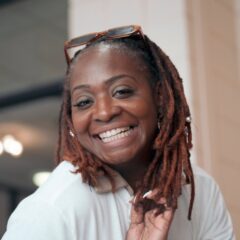 This lesson gave my students the chance to become “public historians.” What I appreciated most was how this work made space for the humanity of the enslaved — especially the children. We paired the lesson with Clint Smith’s Crash Course videos on African American history. — Patrice McCullough, High School Social Studies Teacher, Jamaica, New York
“How Should Rosa Parks’ Legacy Be Memorialized?” Lesson
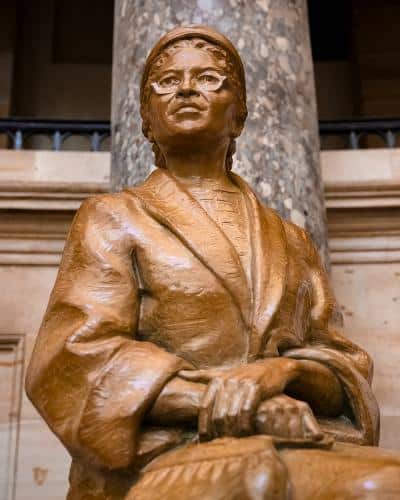 In the lesson How Should Rosa Parks’ Legacy Be Memorialized?, students learn a fuller story of Rosa Parks’ life and use that information to critique her statue at the U.S. Capitol and determine how they would memorialize her legacy. When looking at the truth of Rosa Parks’ life, one sees the story of a lifelong activist, organizer, and militant. Yet the ways she has been memorialized tend to leave out the full story in favor of a sanitized version that upholds the myth of passive resistance.
Through this lesson, students explore the question: How should Rosa Parks be remembered?
The Neutral Ground
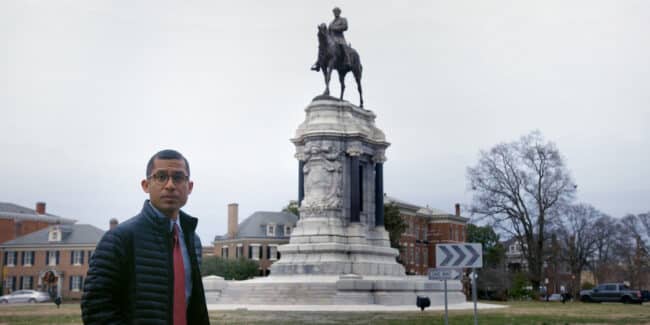
Middle school teacher, stand-up comic, and Daily Show correspondent C. J. Hunt made a brilliant, poignant — and, yes, funny — film about the movement to pull down monuments commemorating the Confederacy.
This classroom-friendly film is a testament to activism and organizing. A review in The Grio observes, “With New Orleans as the main backdrop of the story, the film expands its scope to the country at large, bringing to light the fabricated histories born out of the Civil War and the hard truths much of America has yet to face about slavery.”
Twitter
Google plus
LinkedIn