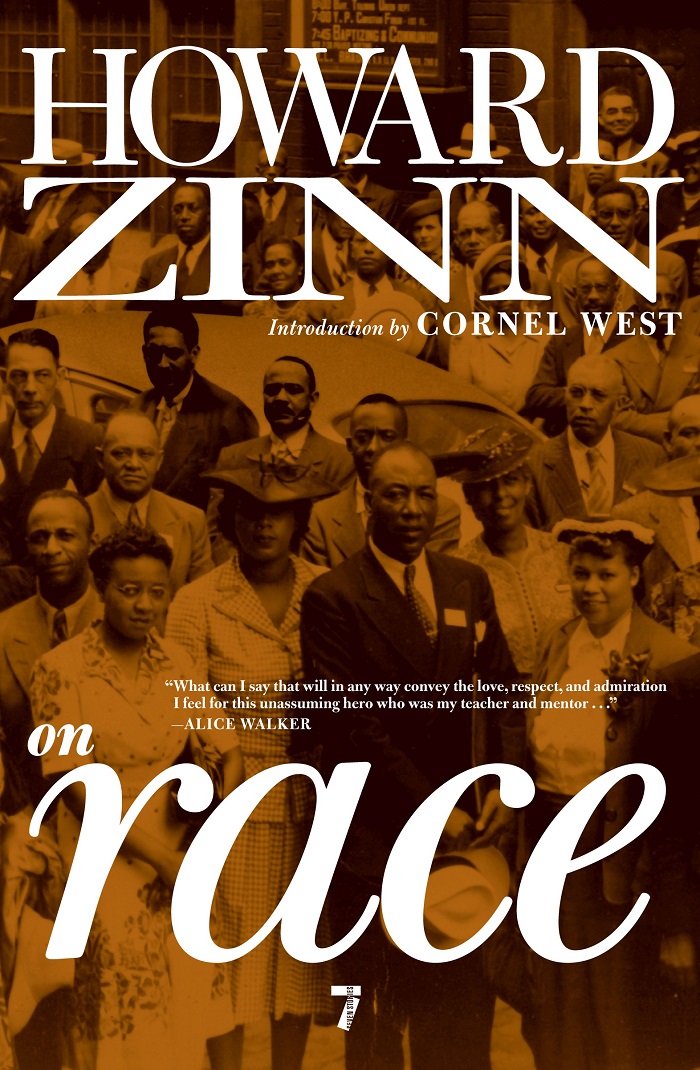
Book — Non-fiction. By Howard Zinn. Introduction by Cornel West. 2011. 192 pages.
Includes some never before published writings, speeches and interviews that illustrate the evolution and fundamental principles around the story of race in the United States.
Continue reading
Website. Interactive timeline that connects moments in history related to the prison industrial complex.
Continue reading
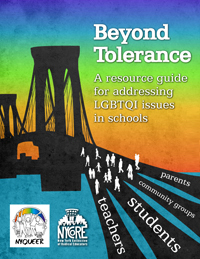
Teaching Guide. Published by New York Collective of Radical Educators. 2010.
A curricular resource guide on Lesbian, Gay, Transgender, Bisexual, Questioning, and Intersex (LGBTQI) for educators.
Continue reading
Teaching Activity. By Bill Bigelow. Rethinking Schools. 16 pages.
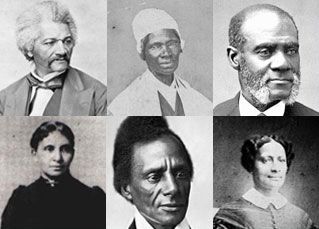
In this lesson, students explore many of the real challenges faced by abolitionists with a focus on the American Anti-Slavery Society.
Continue reading
Article. By Laura Shelton. Rethinking Schools. 2022.
A 5th- and 6th-grade teacher asks her students to wrestle with what “identity” and “intersectionality” mean.
Continue reading
Film. Directed by Patrick Sammon and Bennett Singer. 2020. 82 min. and 35 min. versions
The award-winning PBS documentary Cured chronicles a pivotal moment in LGBTQ+ history: the early 1970s campaign to remove the diagnosis of homosexuality from the American Psychiatric Association’s manual of mental disorders.
Continue reading
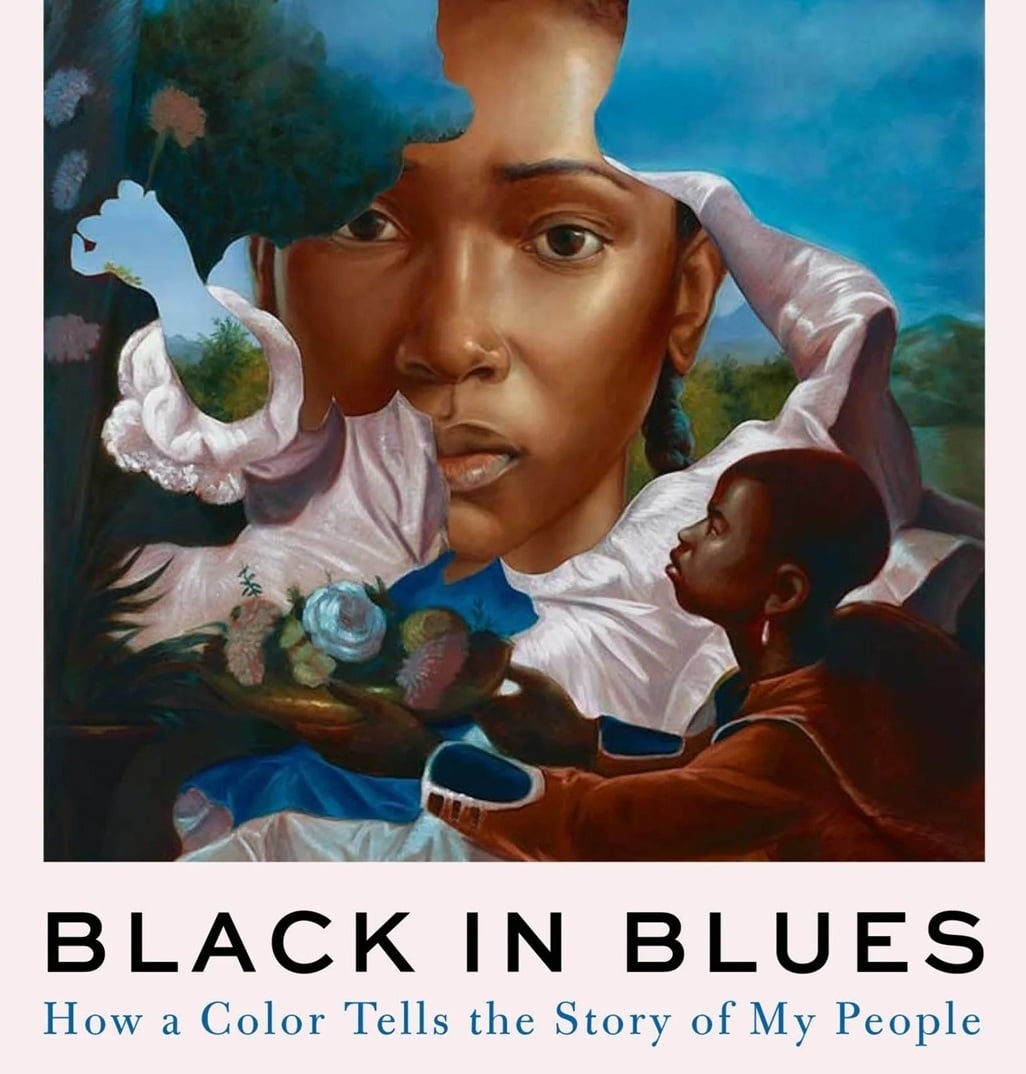
Book — Non-fiction. By Imani Perry. 2025. 256 pages.
A meditation on the color blue and its fascinating role in Black history and culture.
Continue reading
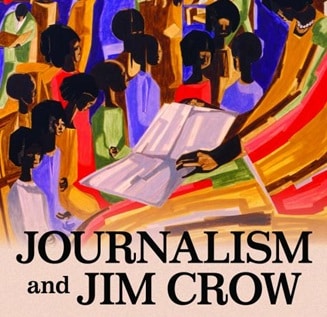
Book — Non-fiction. Edited by Kathy Roberts Forde and Sid Bedingfield. 2021. 360 pages.
A look at roles of the white press and Black press in the Jim Crow South.
Continue reading
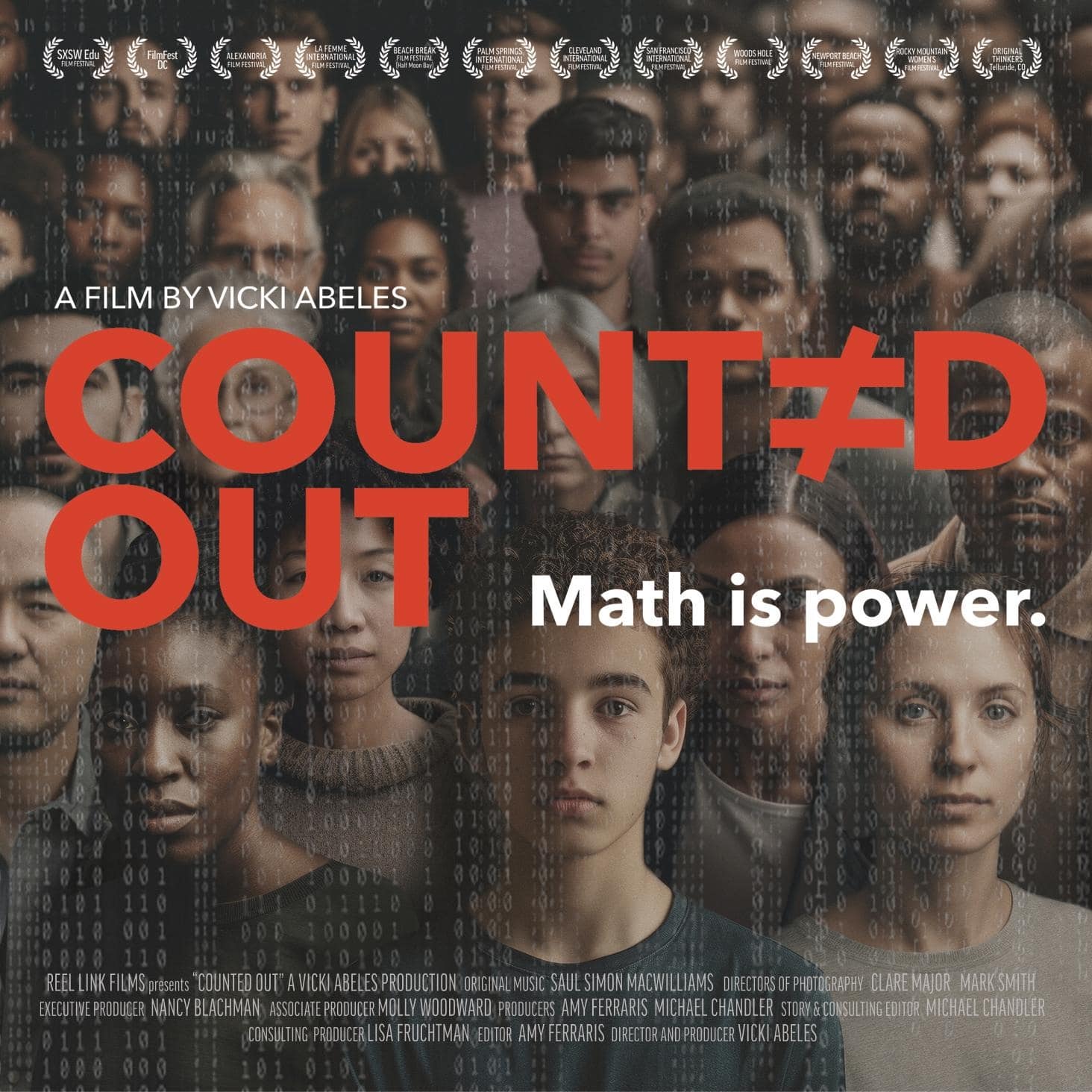
Film. Directed by Vicki Abeles. 2024. 89 minutes.
Explores misconceptions about the role math plays in our lives, who can learn it, and how it should be taught.
Continue reading
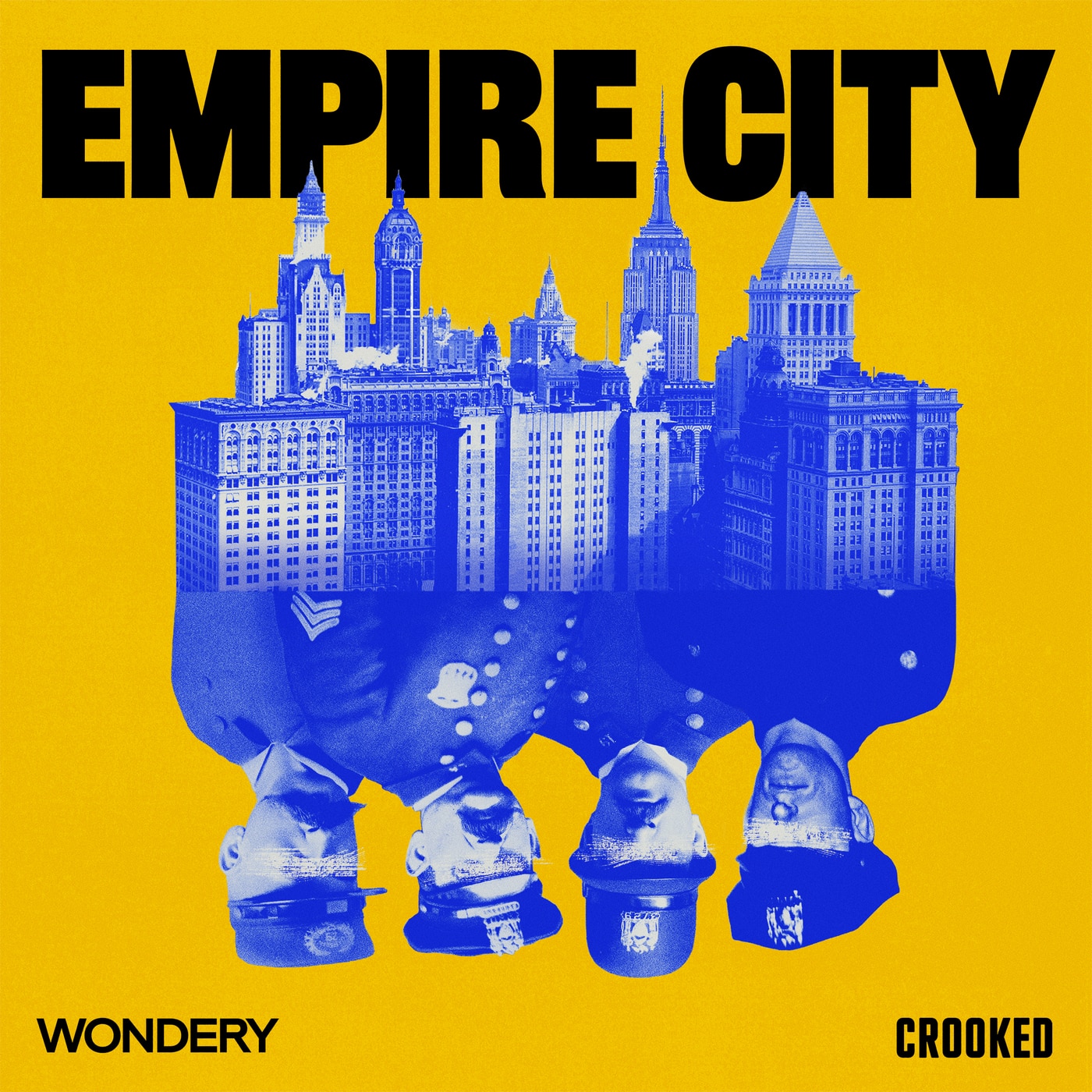
Podcast. Hosted by Chenjerai Kumanyika. 2024.
Uncovers the hidden history of the largest police force in the world — from its roots in slavery, to rival police gangs battling across the city, to everyday people who resisted every step of the way.
Continue reading
Article. Interview of Howard Zinn by Bill Moyers. 2009.
Book excerpt of Howard Zinn on The People Speak and a range of topics in U.S. history and contemporary issues.
Continue reading
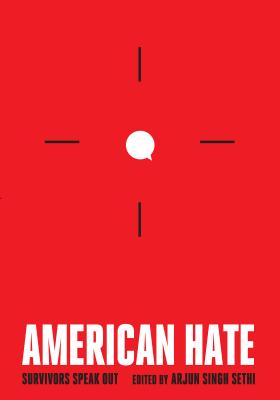
Book — Non-fiction. Edited by Arjun Singh Sethi. 2018. 192 pages.
Testimonials from people impacted by hate before and after the 2016 presidential election.
Continue reading
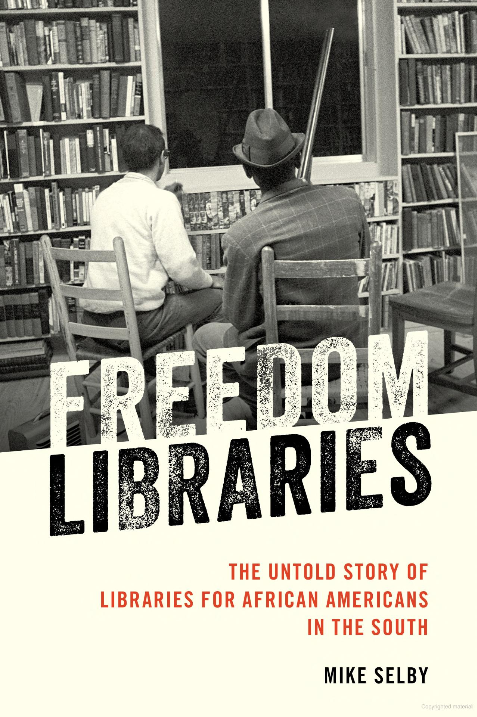
Book — Non-fiction. By Mike Selby. 2019. 208 pages.
This book reveals the histories of grassroots "freedom libraries" that were at the heart of the Civil Rights Movement in the Deep South and tells the stories of courageous people who operated and used them.
Continue reading
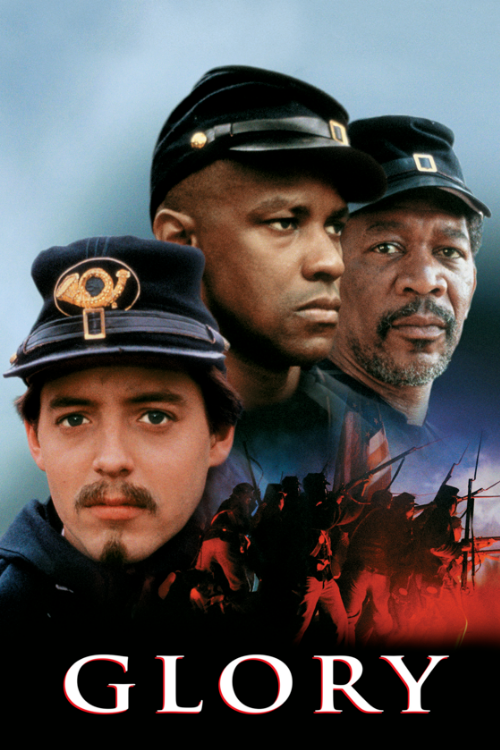
Film. Directed by Edward Zwick. 1989. 122 minutes.
The all-Black 54th Massachusetts Volunteer Infantry Regiment is brought to the screen in this star-studded Civil War film.
Continue reading
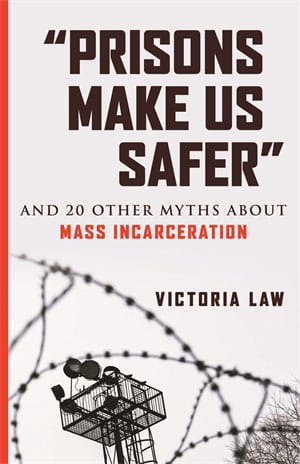
Book — Non-fiction. By Victoria Law. 2021. 240 pages
An accessible guide for activists, educators, and all who are interested in understanding how the prison system oppresses communities and harms individuals.
Teaching Activity by Victoria Law
Continue reading
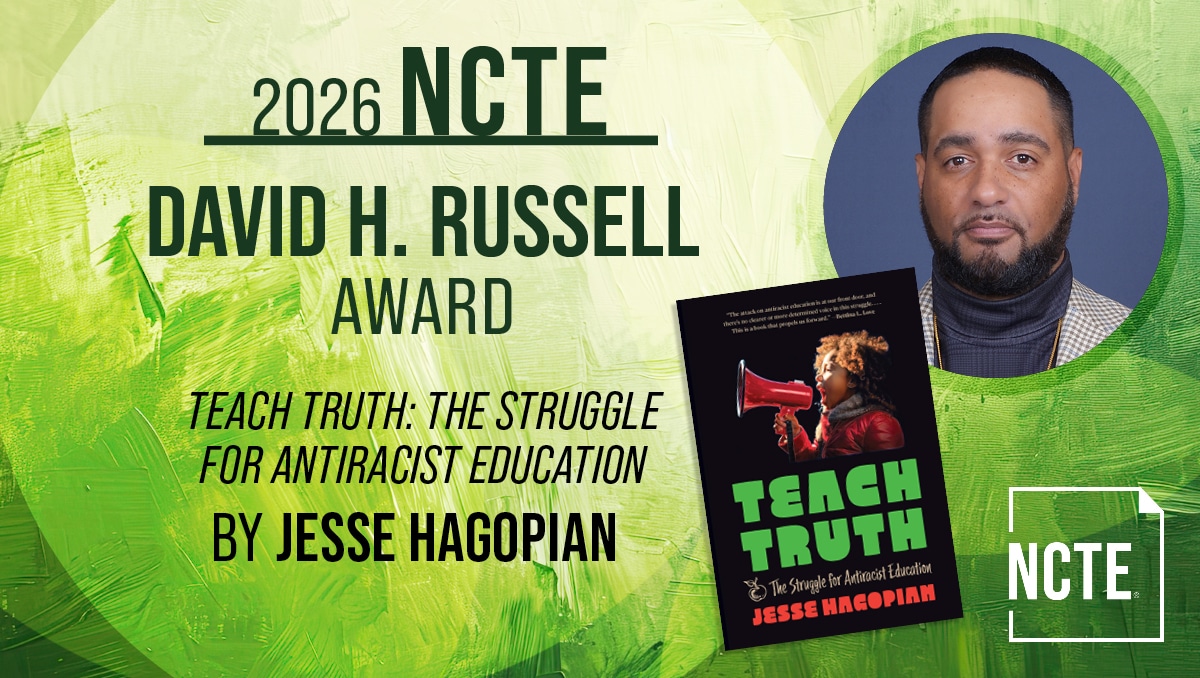
Book — Non-fiction. By Jesse Hagopian. 2025. 302 pages.
A call to defend honest education for our students, showing how we can reclaim suppressed history by creating beloved classroom communities and healthy social movements.
Continue reading
Book — Non-fiction. By Joshua Clark Davis. 2025. 424 pages.
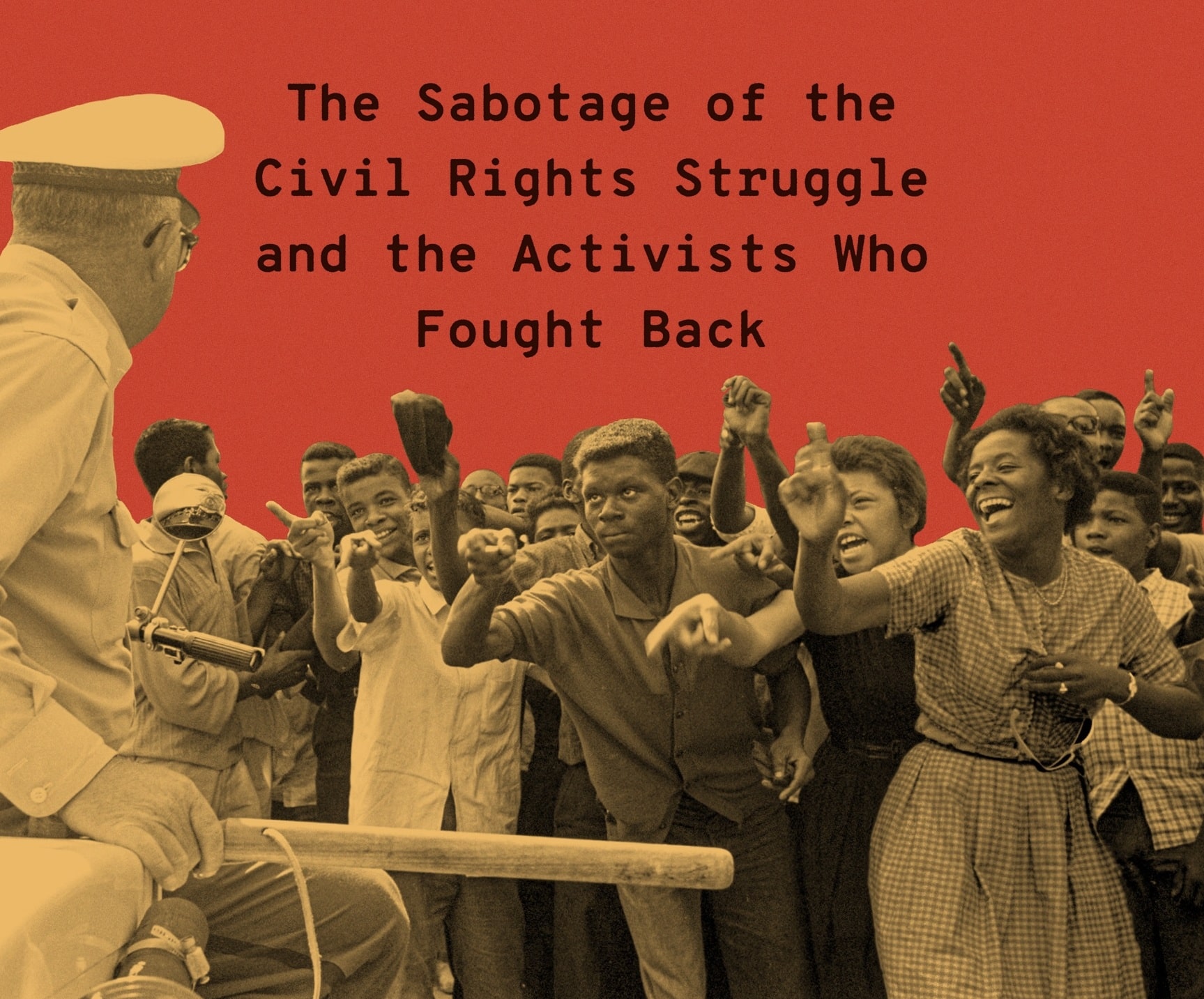
An examination of the civil rights struggle through its work against police violence — and a prehistory of both the Black Lives Matter and Blue Lives Matter movements that emerged half a century later.
Continue reading
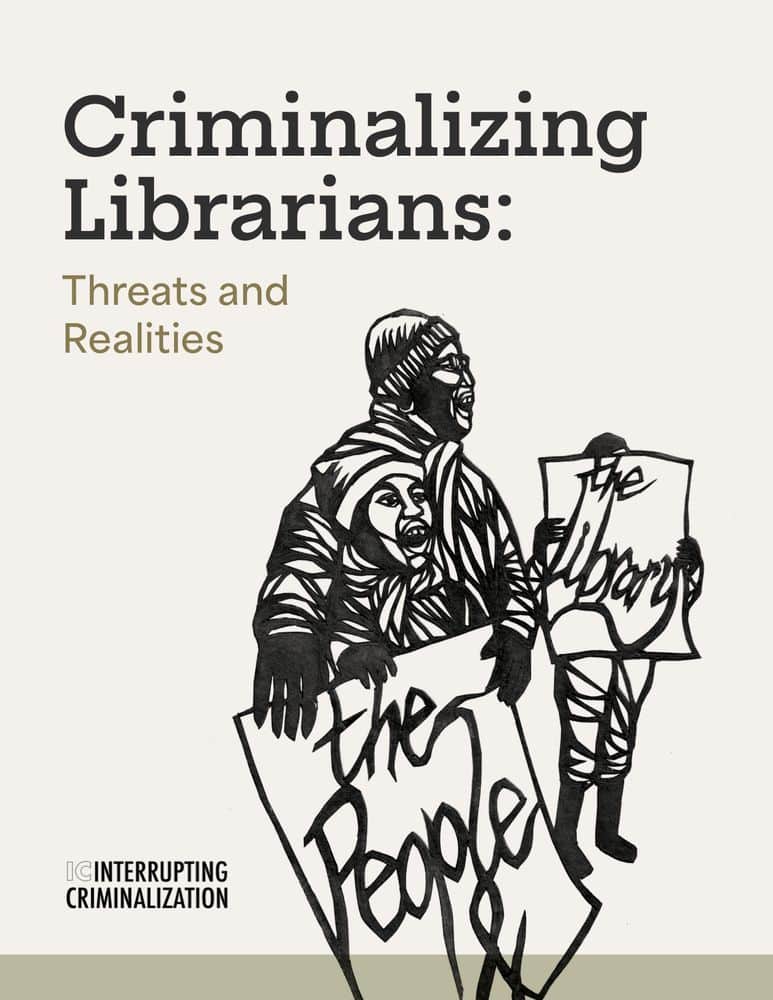
Article. By Mariame Kaba, design by Cindy Lau, artwork by Erik Ruin, and research support by Noah Berlatsky. 2025. 12 pages.
Walks readers through the history of assaults on librarians and examples of library workers pushing back.
Continue reading
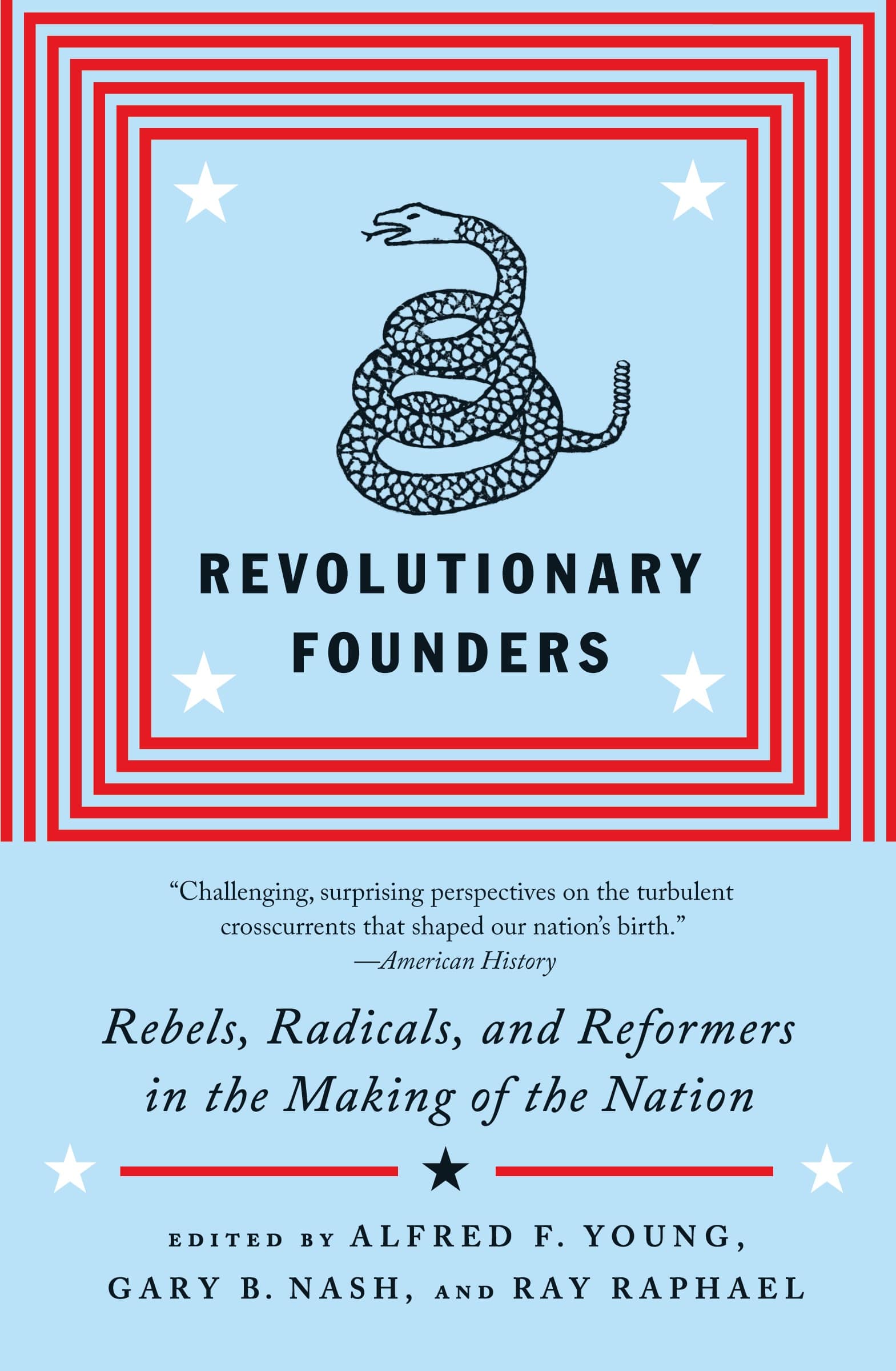
Book — Non-fiction. Edited by Alfred F. Young, Gary Nash, and Ray Raphael. 2012. 464 pages.
In twenty-two original essays, leading historians reveal the radical impulses at the founding of the American Republic.
Continue reading
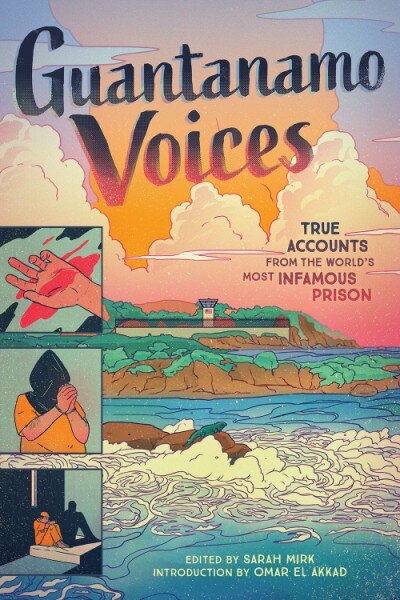
Book — Non-fiction. Edited by Sarah Mirk. 2020. 208 pages.
A graphic novel anthology of illustrated narratives about the prison and the lives it changed forever.
Continue reading
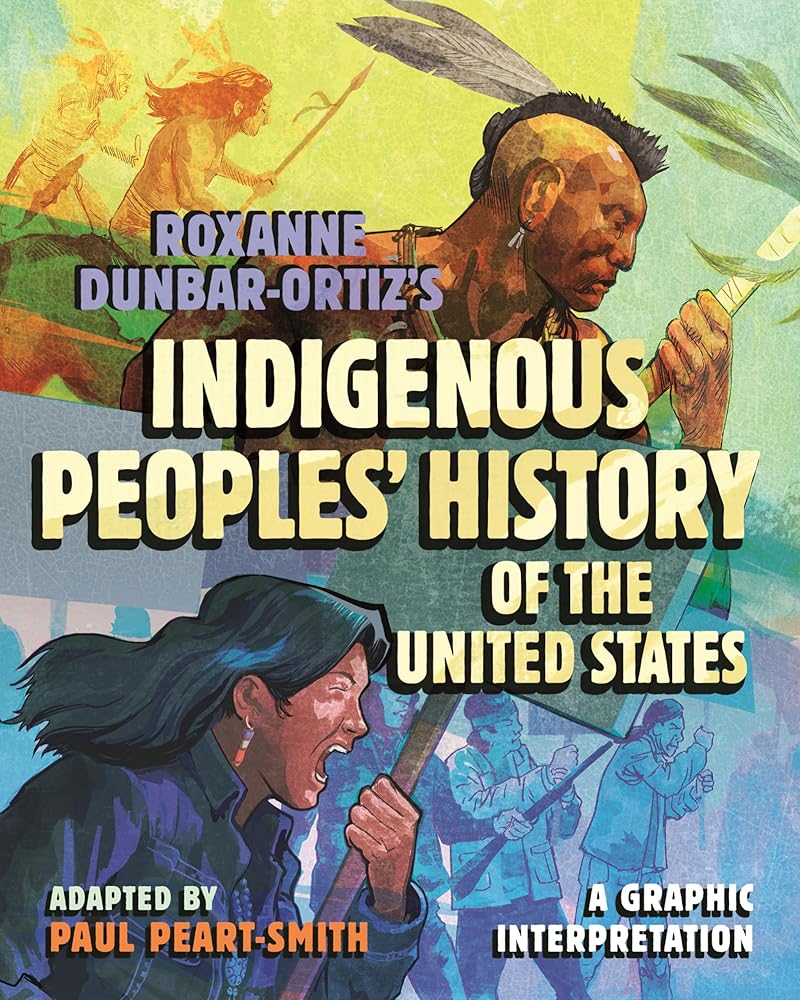
Book — Non-fiction. By Roxanne Dunbar-Ortiz. Adapted by Paul Peart-Smith. 2024. 120 pages.
A profound retelling of U.S. history, turning the “nation of immigrants” narrative on its head.
Continue reading
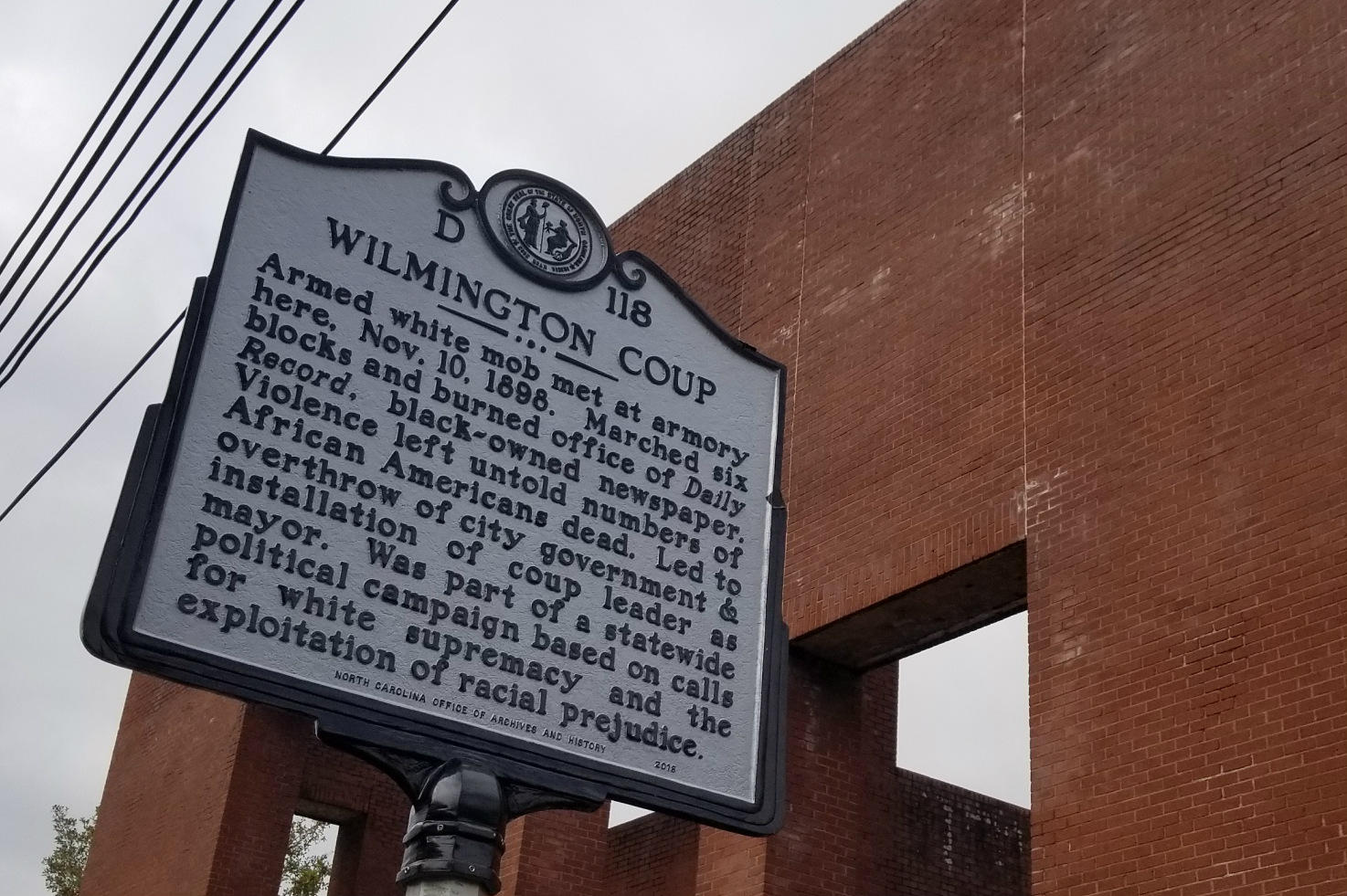
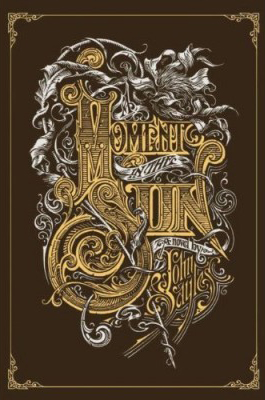
Book — Fiction. By John Sayles. 2011. 955 pages.
Spanning five years and half a dozen countries, Sayles' novel of historical fiction paints a picture of the late 1890s — from the racist coup in Wilmington, North Carolina, to the bloody dawn of U.S. interventionism in Cuba and the Philippines.
Continue reading
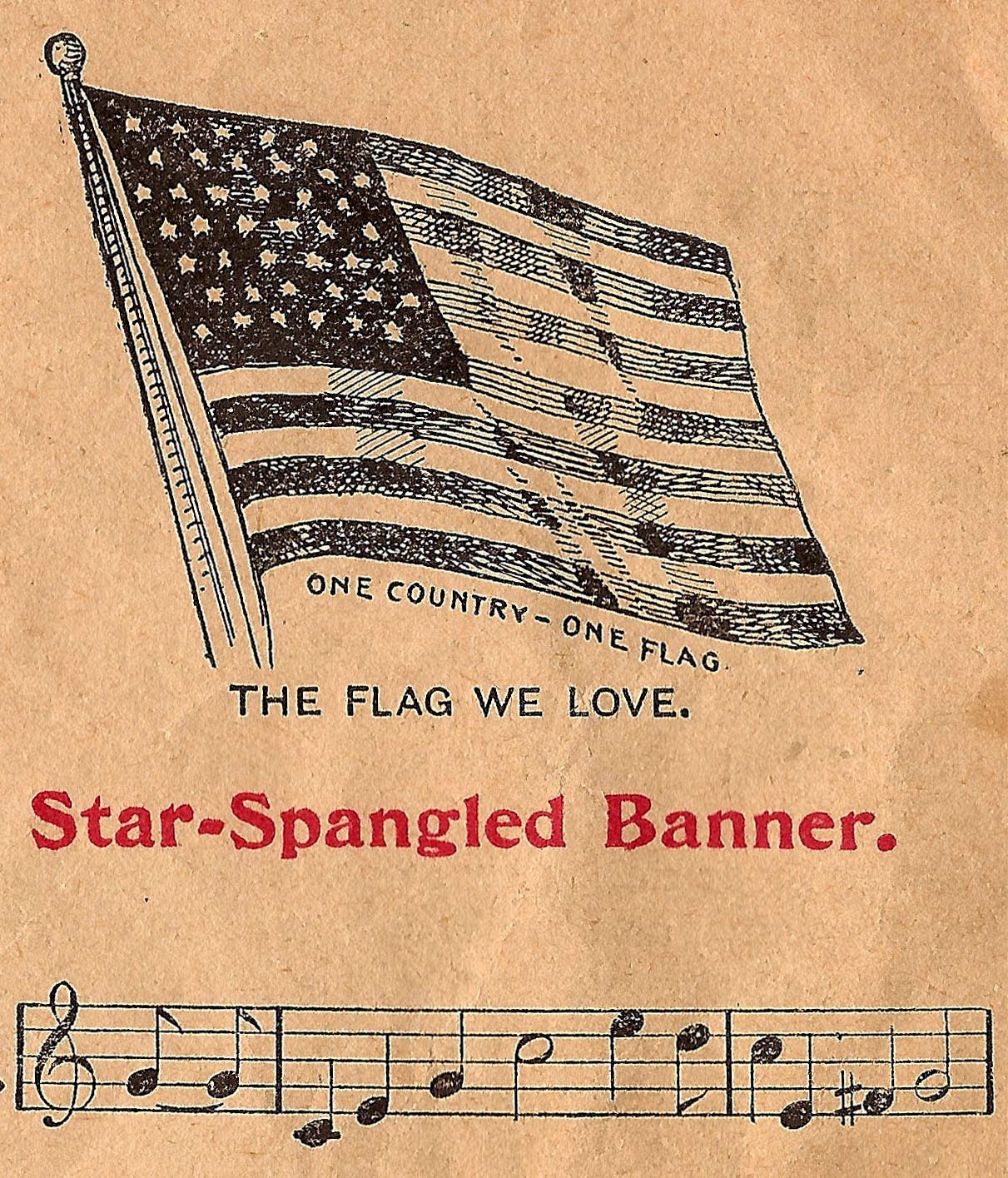
Article. By Jefferson Morley. 2012.
"Star-Spangled Banner" songwriter Francis Scott Key opposed abolitionists and free speech in his role as district attorney of the city of Washington.
Continue reading
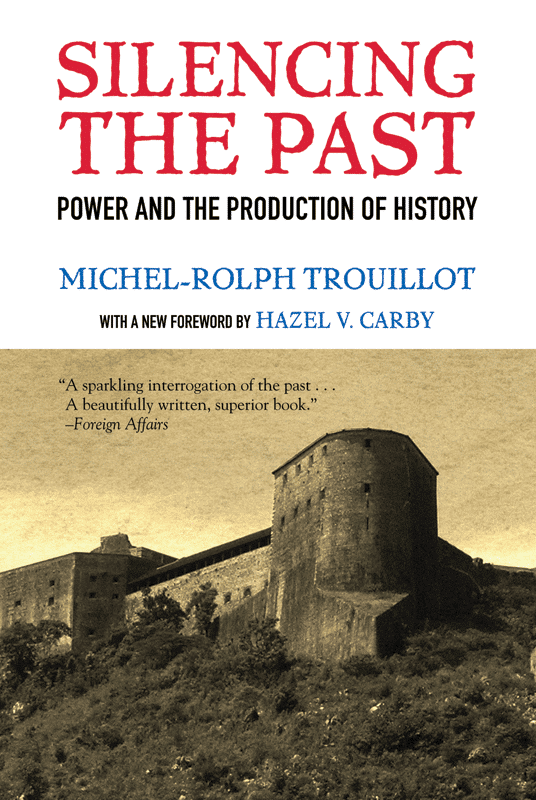
Book — Non-fiction. By Michel-Rolph Trouillot. 2015.
Placing the West’s failure to acknowledge the Haitian Revolution — the most successful slave revolt in history — alongside denials of the Holocaust and the debate over the Alamo, Trouillot offers a stunning meditation on how power operates in the making and recording of history.
Continue reading