Profile.
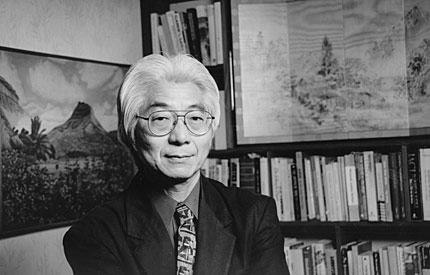
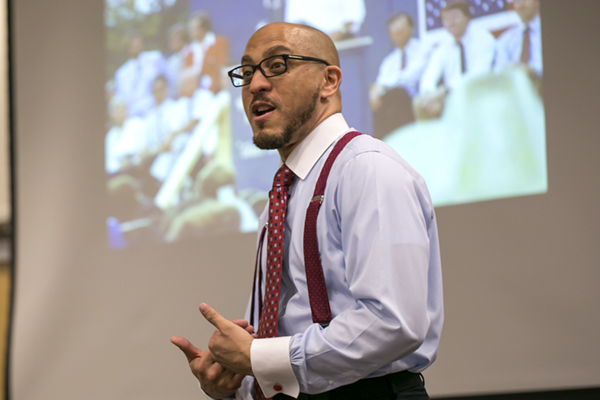
Ronald Takaki (April 12, 1939 - May 26, 2009) was an academic, historian, ethnographer, author, and activist who is credited with founding ethnic studies.
Continue reading
Website.
Films, journal, and readings for teachers on education for equity.
Continue reading
Film. Center for Investigative Reporting and Two Tone Productions. 2007. 84 minutes.
Filmmaker Marco Williams examined four examples of primarily white communities violently rising up to force their African-American neighbors to flee town.
Continue reading
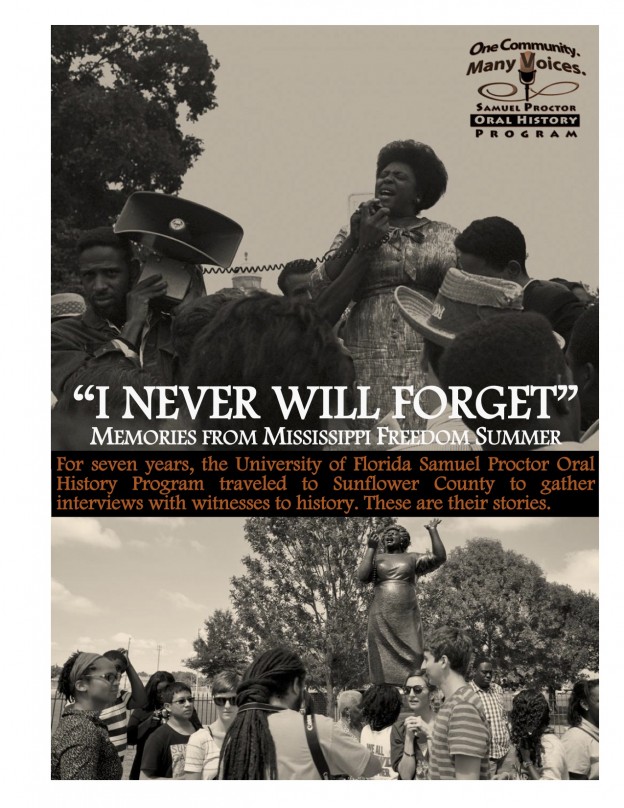
Book — Non-fiction. Edited by Sarah Blanc. 2014. 115 pages.
A collection of interviews conducted by the Samuel Proctor Oral History Program over seven years in Sunflower County, Mississippi. The stories provide a powerful first person introduction to the history of the Mississippi Civl Rights Movement.
Continue reading
Article. By Bill Bigelow.
The story of how teachers, parents, and students in Portland, Oregon organized to demand that climate change be taught honestly and to pass a climate justice resolution.
Continue reading
Article from "Understanding and Teaching the Civil Rights Movement" edited by Hasan Kwame Jeffries.
A critical review of films on the Civil Rights Movement and institutionalized racism, with dozens of recommendations of films to watch and those to avoid.
Continue reading
Film. Directed by Lucy Massie Phenix and Catherine Murphy. 2019. 9 minutes.
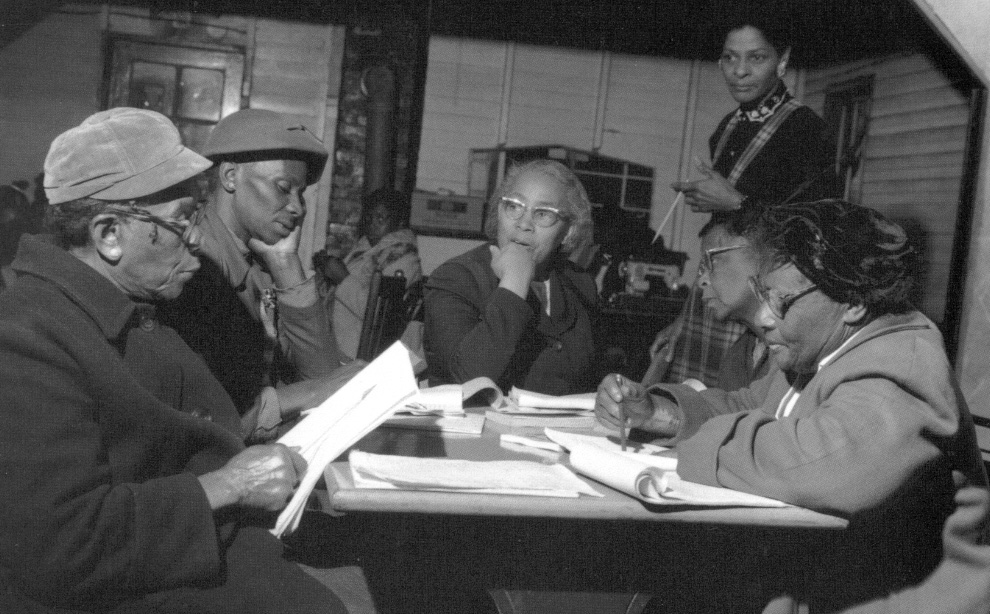
Documentary about Citizenship Schools.
Continue reading
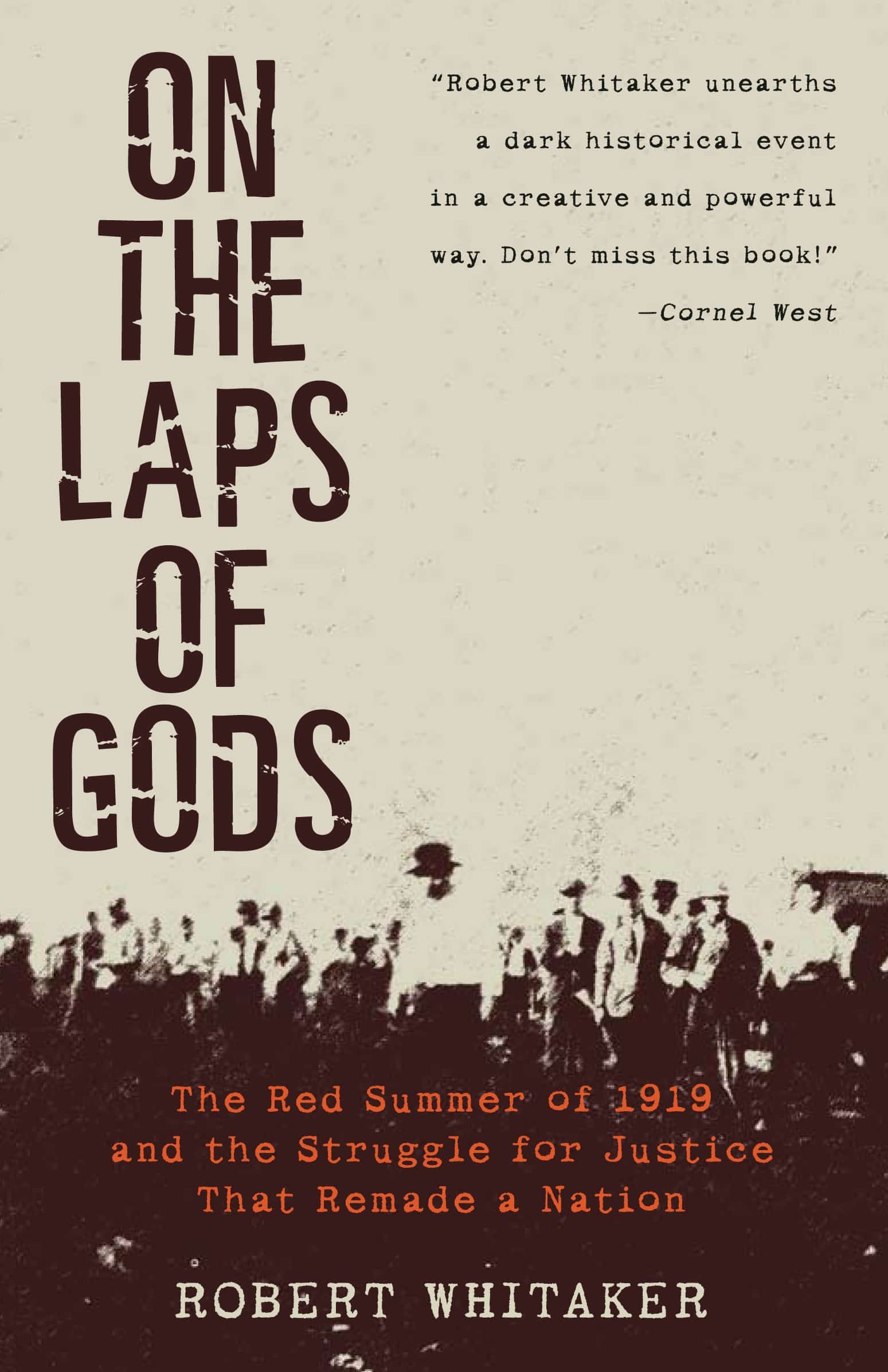
Book — Non-fiction. By Robert Whitaker. 2009. 386 pages.
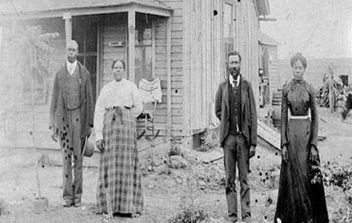
The story of the 1919 Elaine massacre in Hoop Spur, Arkansas.
Continue reading
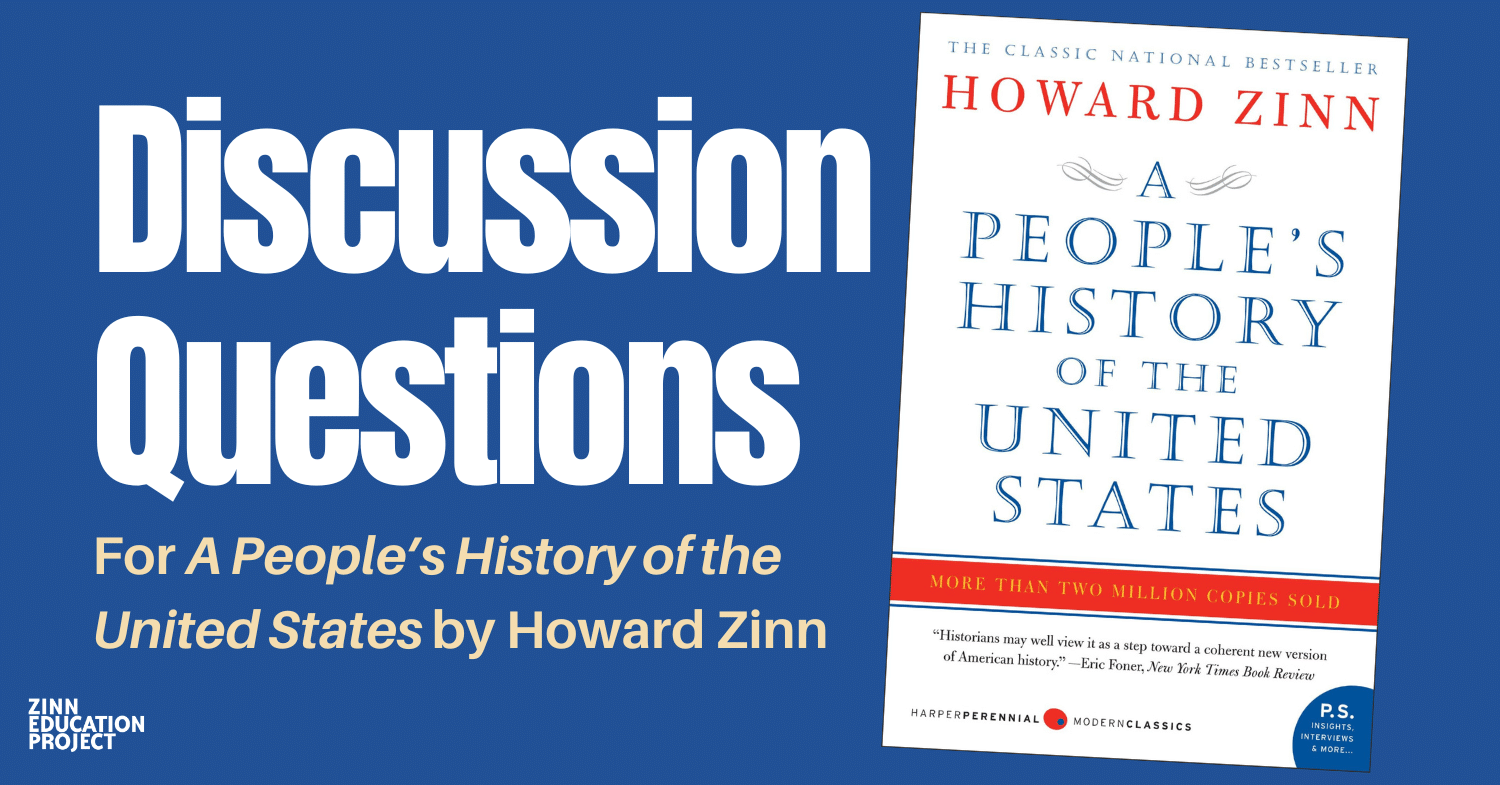
Questions and selected activities to accompany A People’s History of the United States by Howard Zinn.
Continue reading
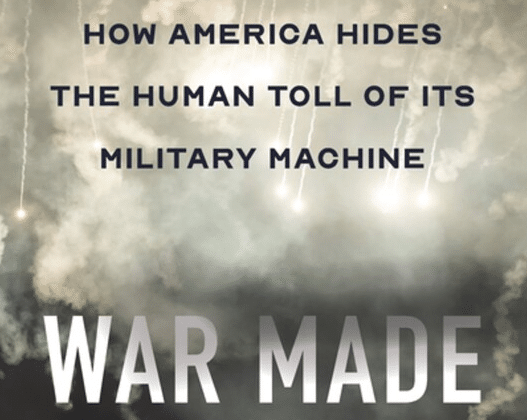
Book — Non-fiction. By Norman Solomon. 2023. 240 pages.
Too often, our curriculum “makes war invisible.” Too often, the ravages of U.S. militarism go unexamined in our classes. This fact-filled book insists: Teach about this; people’s lives depend on it.
Continue reading
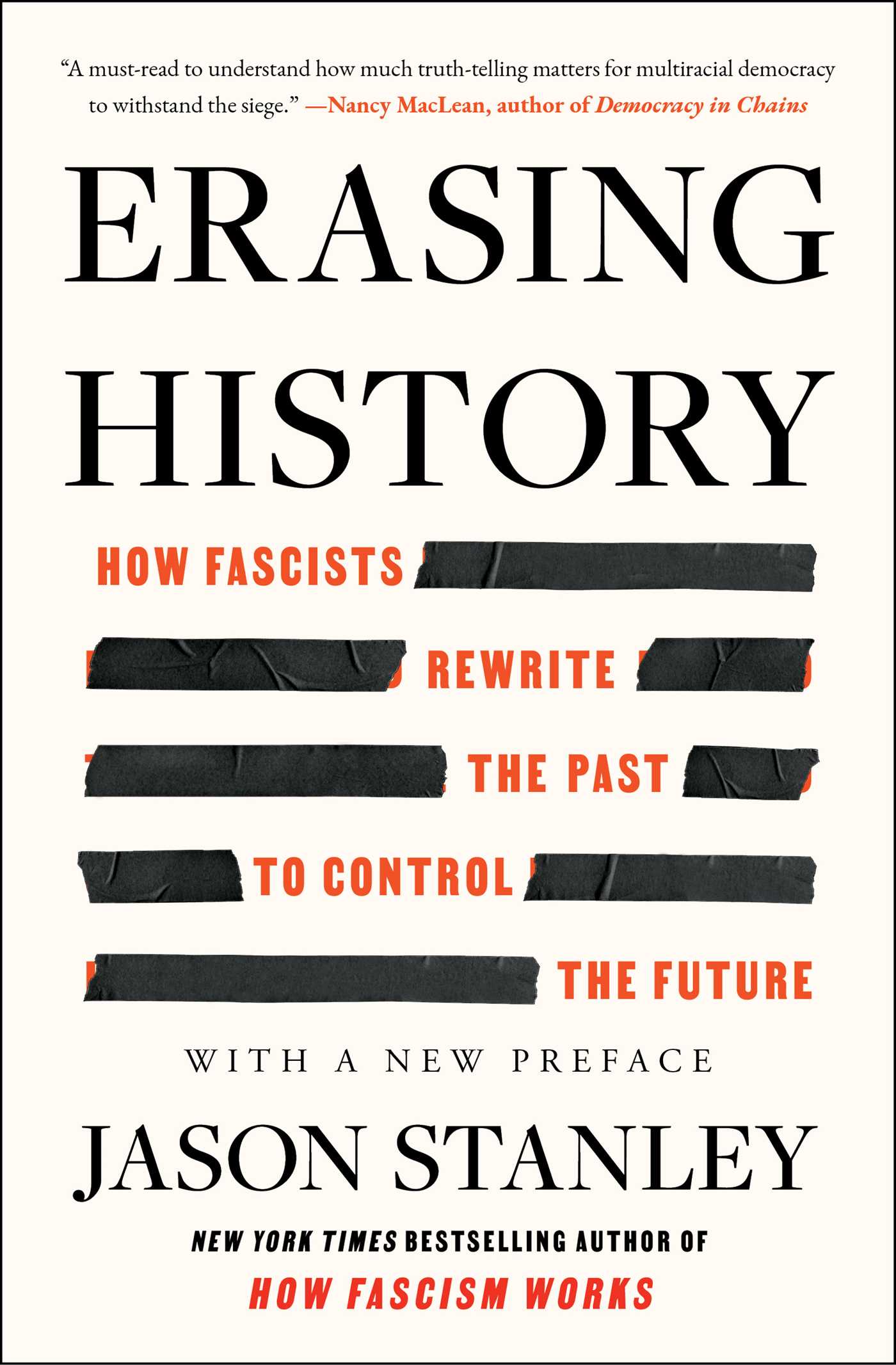
Book — Non-fiction. By Jason Stanley. 2026. 272 pages.
A global call to action for those who wish to preserve democracy — in the United States and abroad — before it is too late.
Continue reading
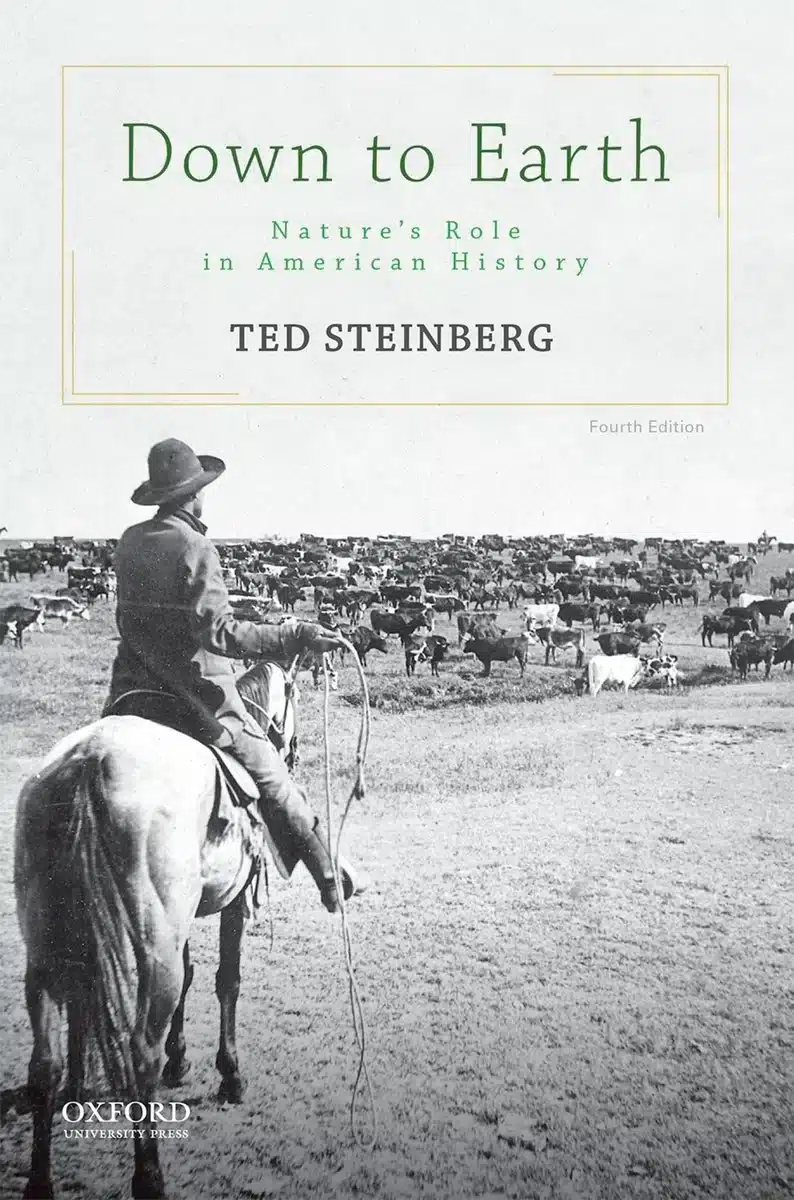
Book — Non-fiction. By Ted Steinberg. 2018. 370 pages.
A sweeping history of the United States — a history that places the environment at the very center of the narrative.
Continue reading
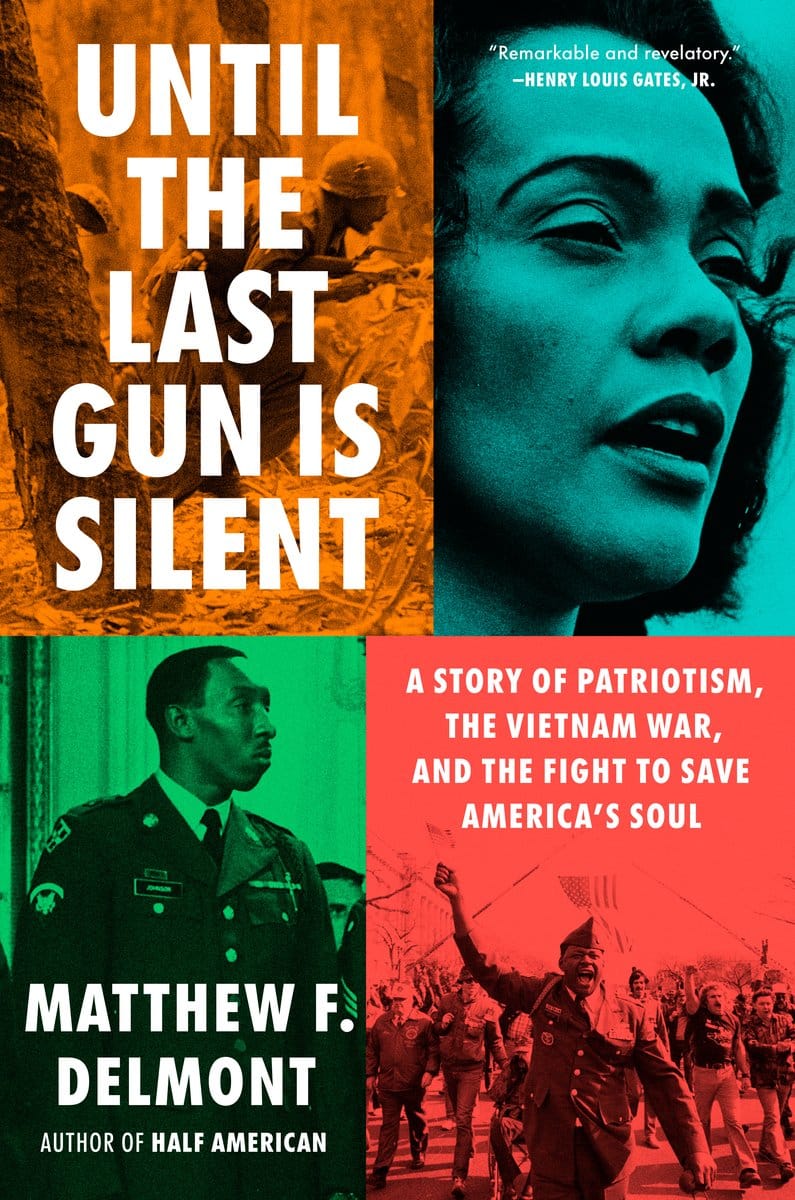
Book — Non-fiction. By Matthew F. Delmont. 2026. 368 pages.
The history of the Vietnam War with a focus on the African American experience in the antiwar movement and as returning soldiers.
Continue reading
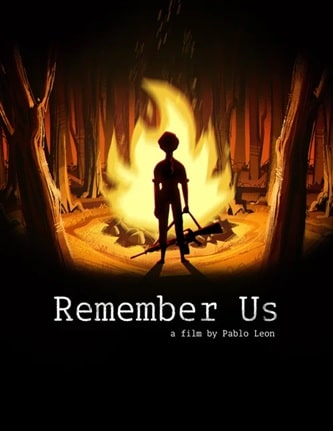
Short Film. By Pablo Leon. 2024. 14 minutes.
In this animated historical fiction film, a journalist documents the experiences of three people who lived through the tragic 12-year-long Salvadoran Civil War in the 1980s.
Continue reading
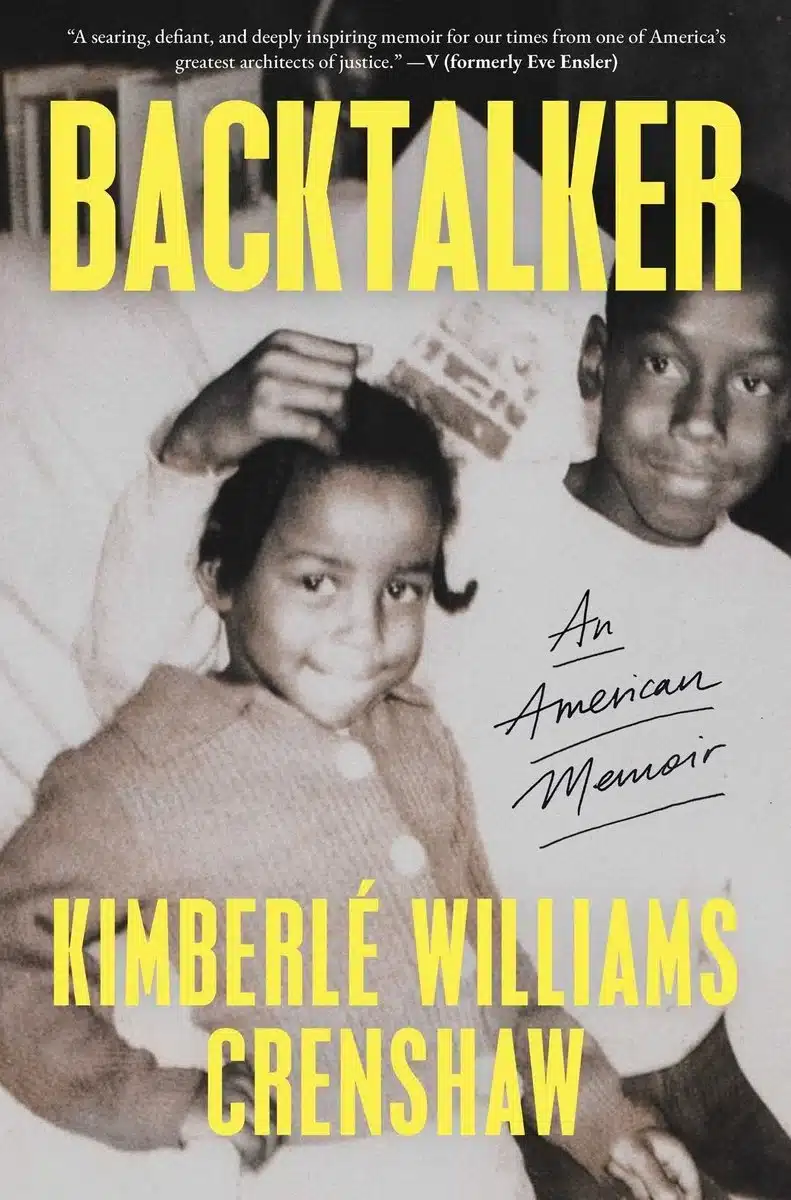
Book — Non-fiction. By Kimberlé Williams Crenshaw. 2026. 400 pages.
This memoir traces the way Crenshaw’s lived experiences led her to articulate the concepts of intersectionality and critical race theory.
Continue reading
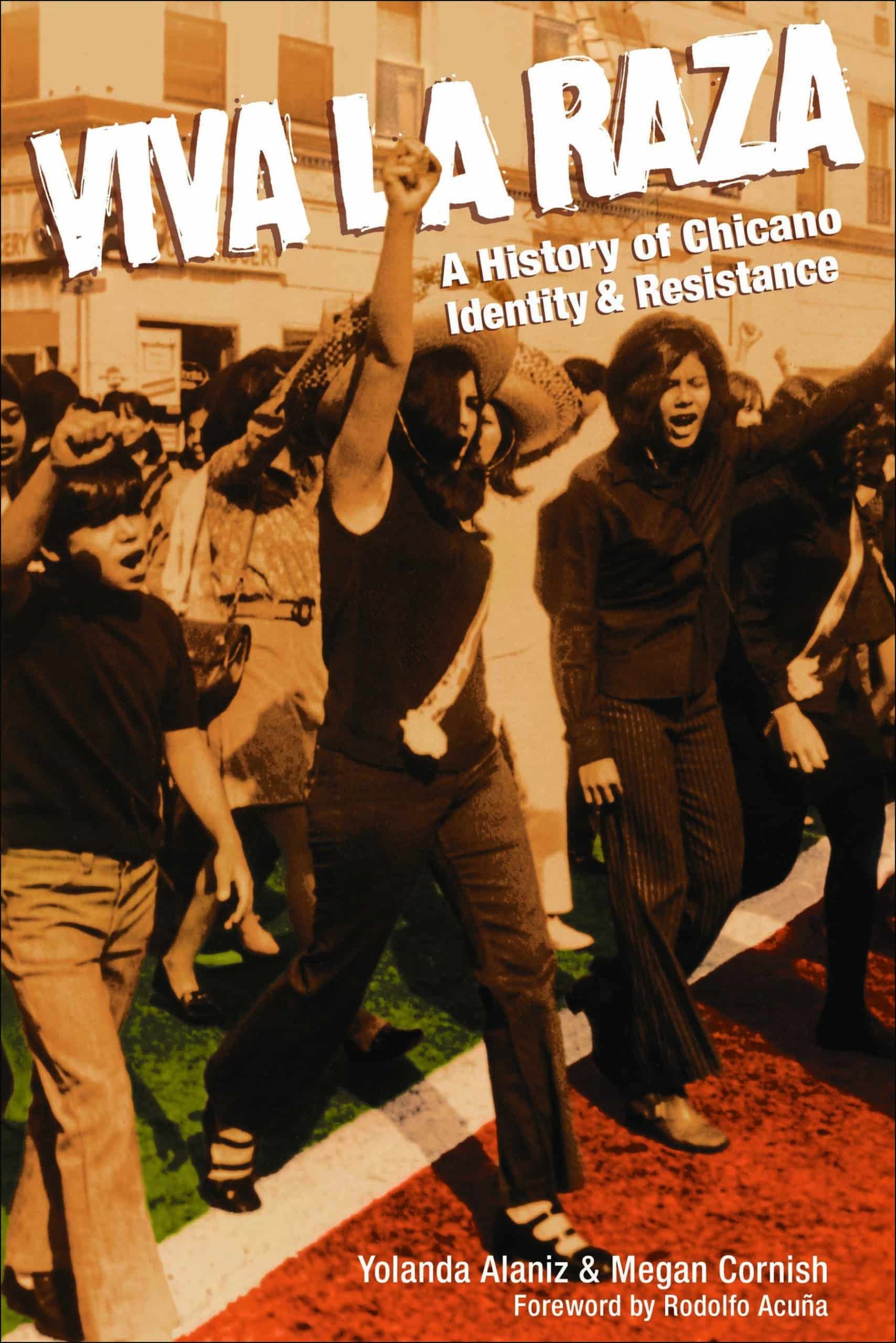
Book — Non-fiction. By by Yolanda Alaniz and Megan Cornish, with a foreword by Rodolfo Acuña. 2008. 368 pages.
A history of Chicana/o militancy, from the occupation of Northern Mexico to the 1990s.
Continue reading
Digital collection. This archive increases the accessibility of transgender history by providing an online hub for digitized historical materials, born-digital materials, and information on archival holdings throughout the world.
Continue reading
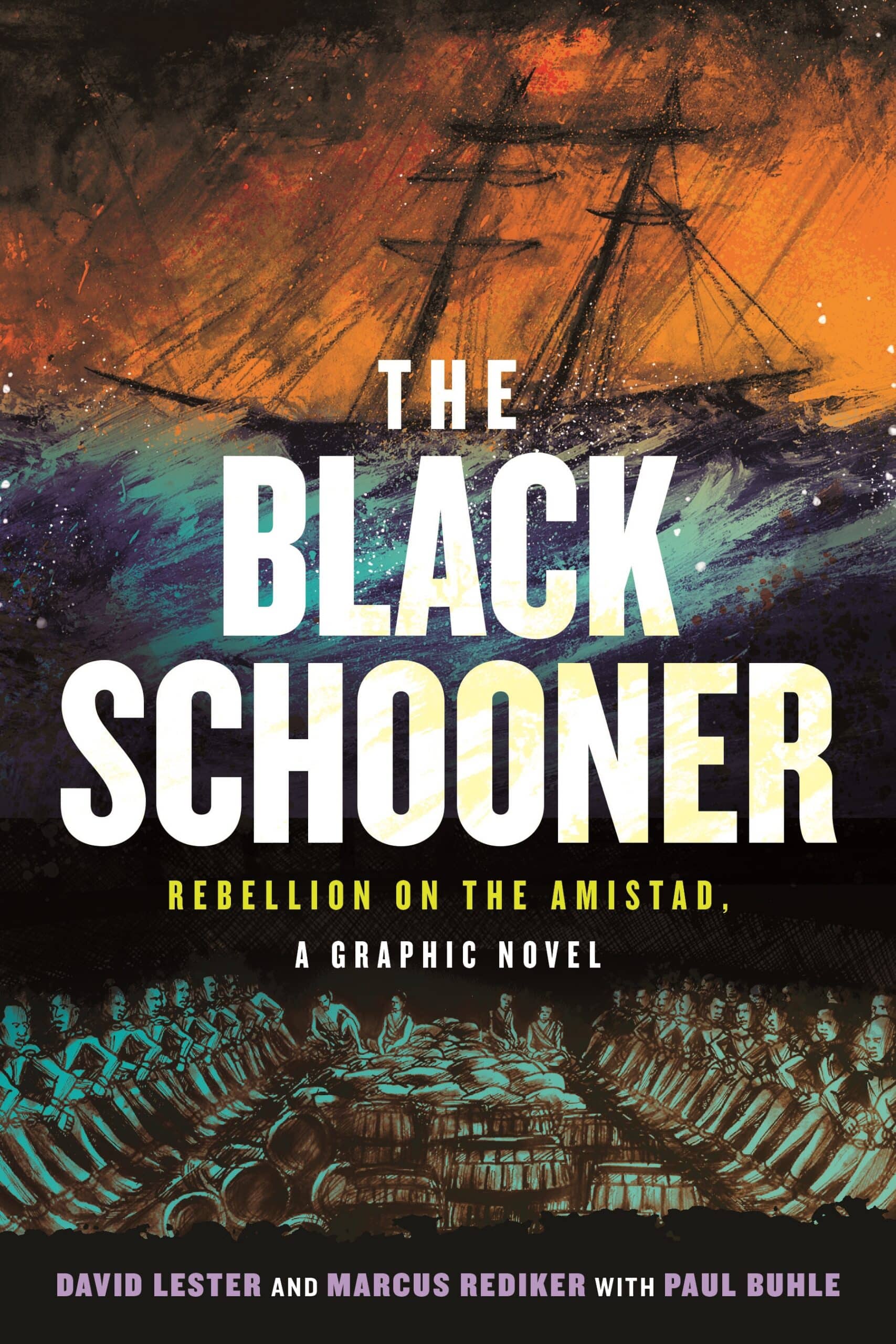
Book — Non-fiction. By David Lester and Marcus Rediker, and edited by Paul Buhle. 2026. 136 pages.
graphic history of how enslaved Africans on board the Amistad rebelled and captured the slave ship in 1839, challenging a whitewashed version of history and putting the Africans back at the center of their own freedom story.
Continue reading
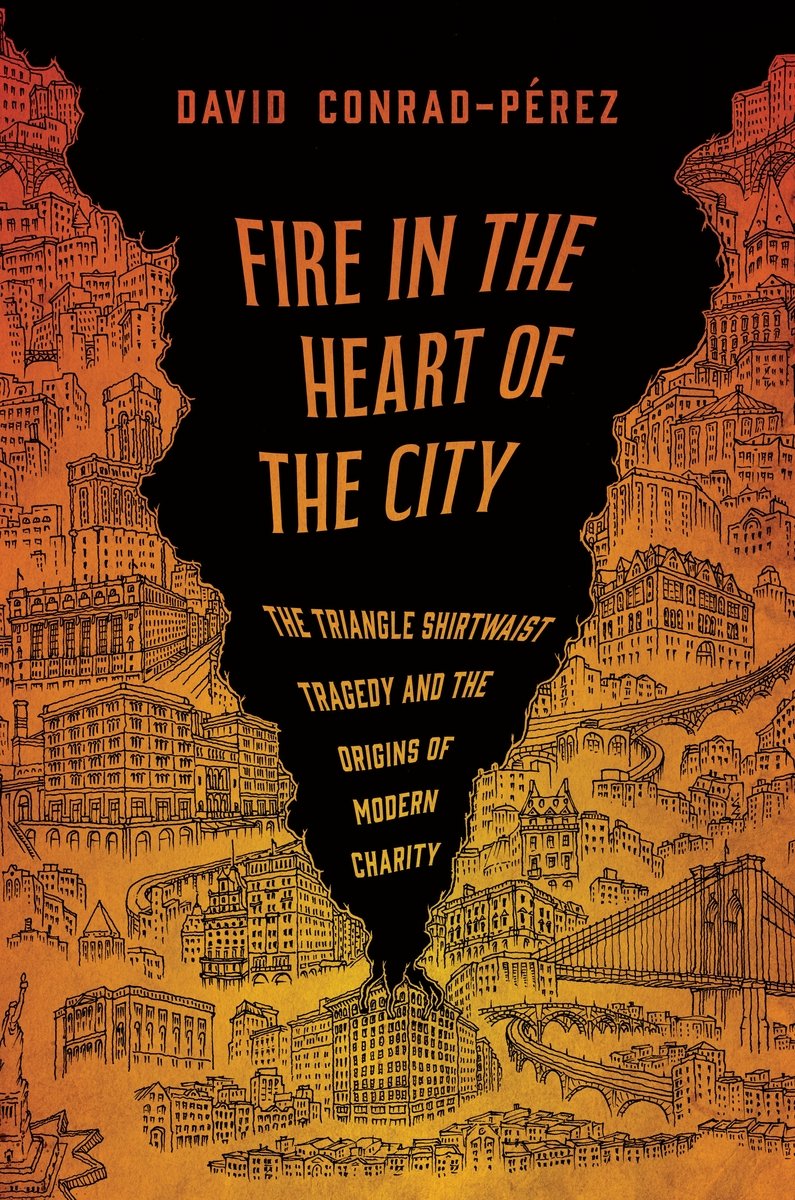
Book — Non-fiction. By David Conrad-Pérez. 2026. 336 pages.
A major reinterpretation of the Triangle Shirtwaist Factory fire of 1911 and its lasting impact.
Continue reading
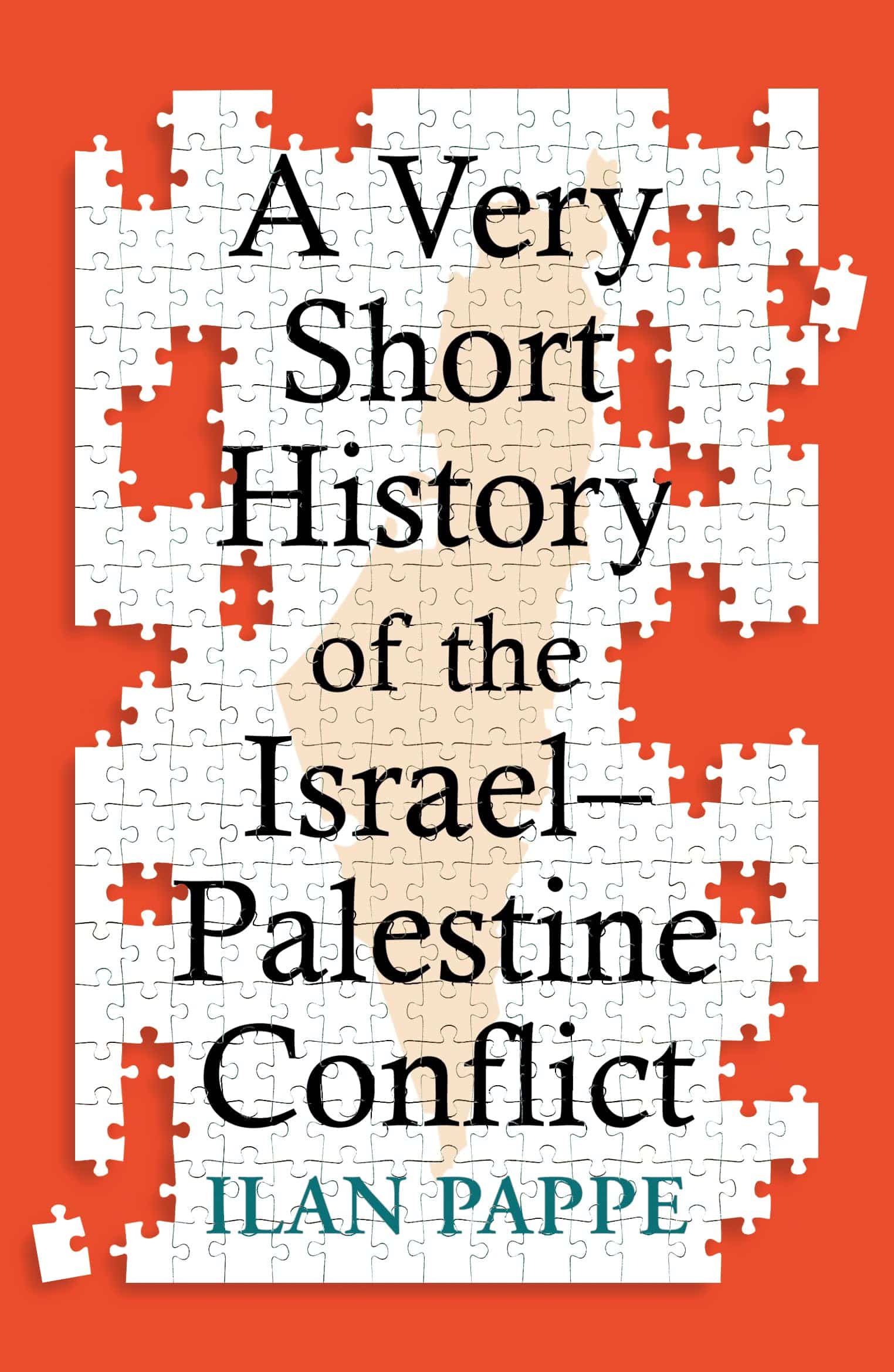
Book — Non-fiction. By Ilan Pappe. 2024. 146 pages.
The best concise story of the events that took us to Oct. 7, 2023, and the subsequent genocide in Gaza.
Continue reading
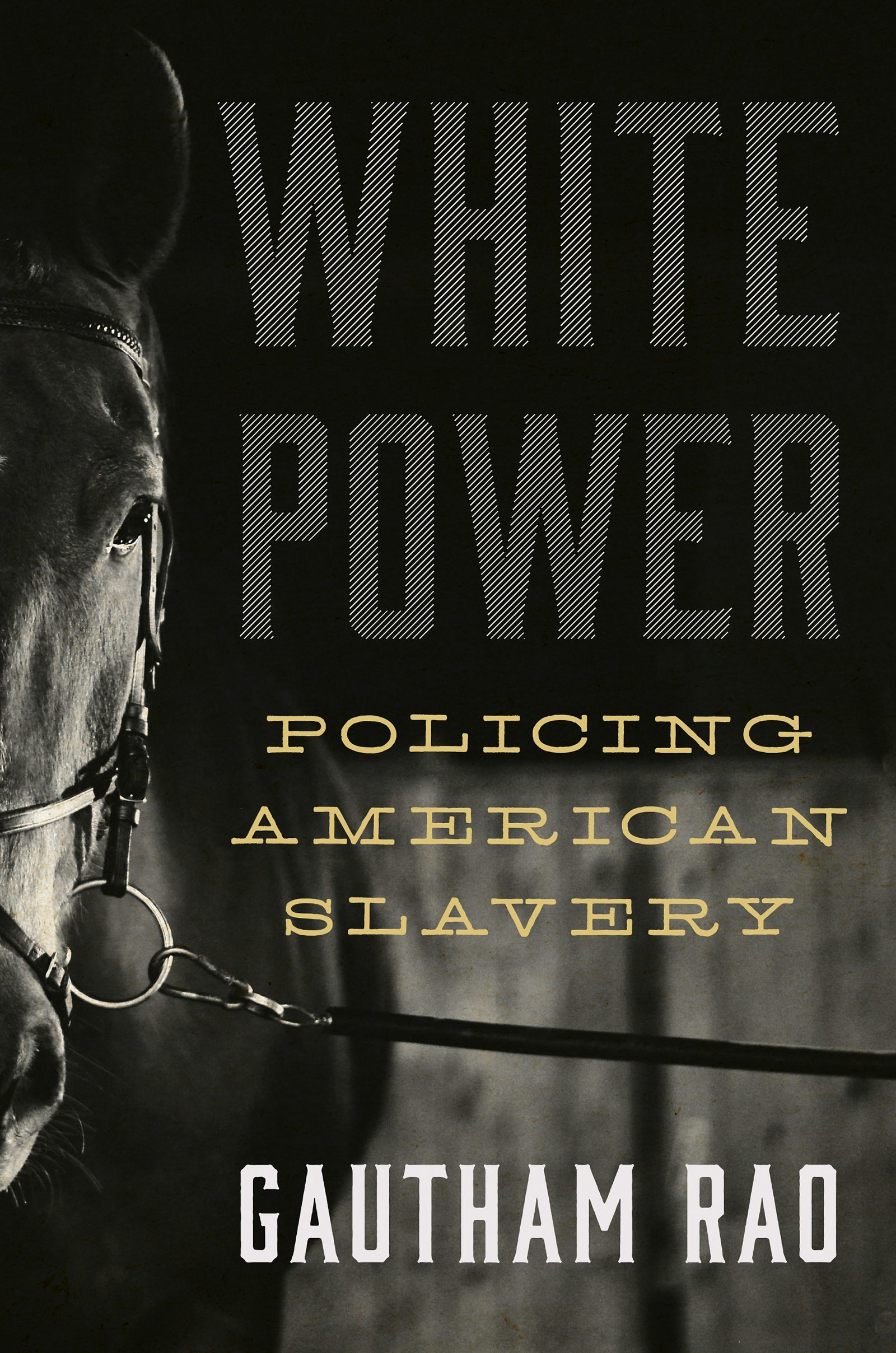
Book — Non-fiction. By Gautham Rao. 2026. 320 pages.
Uncovers how slaveholders created their own white supremacist police and government to deny Black people rights, power, and humanity.
Continue reading
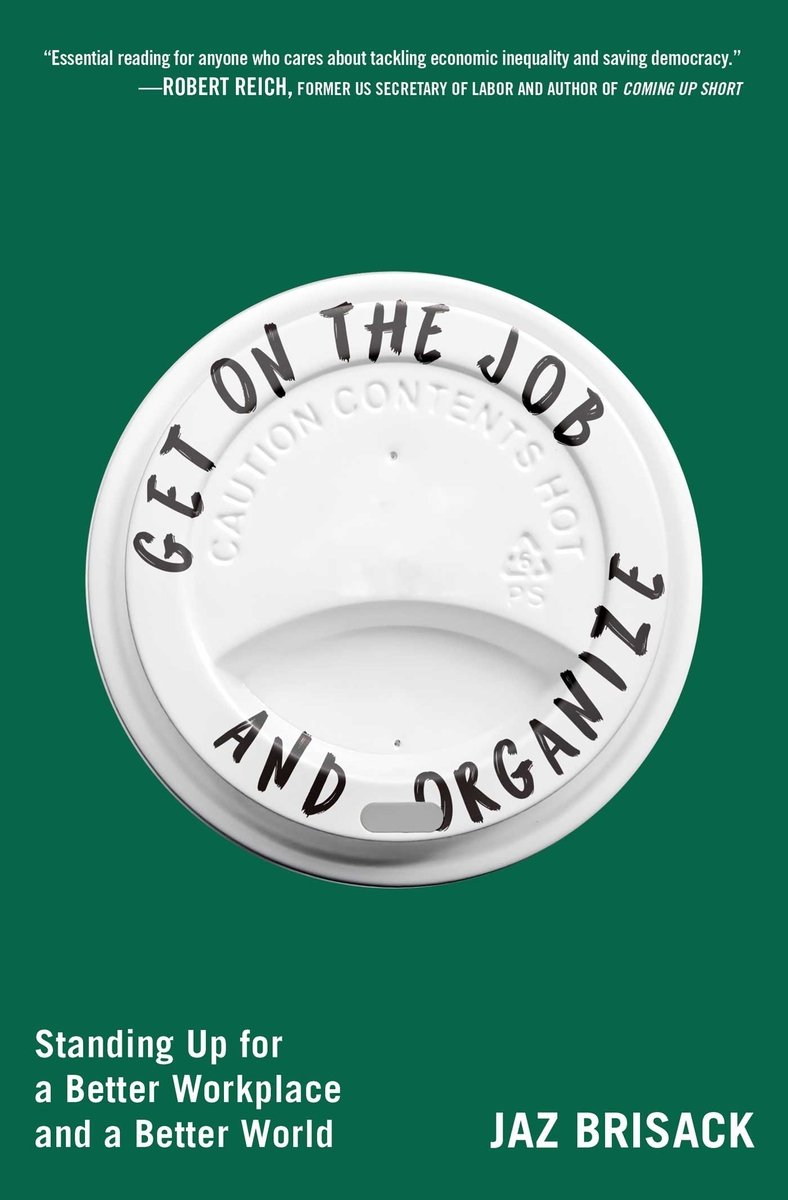
Book — Non-fiction. By Jaz Brisack. 2026. 320 pages.
Highlighting the Starbucks and Tesla unionization efforts, this book tells the broader story of the new, nationwide labor movement unfolding in our era of political and social unrest.
Continue reading
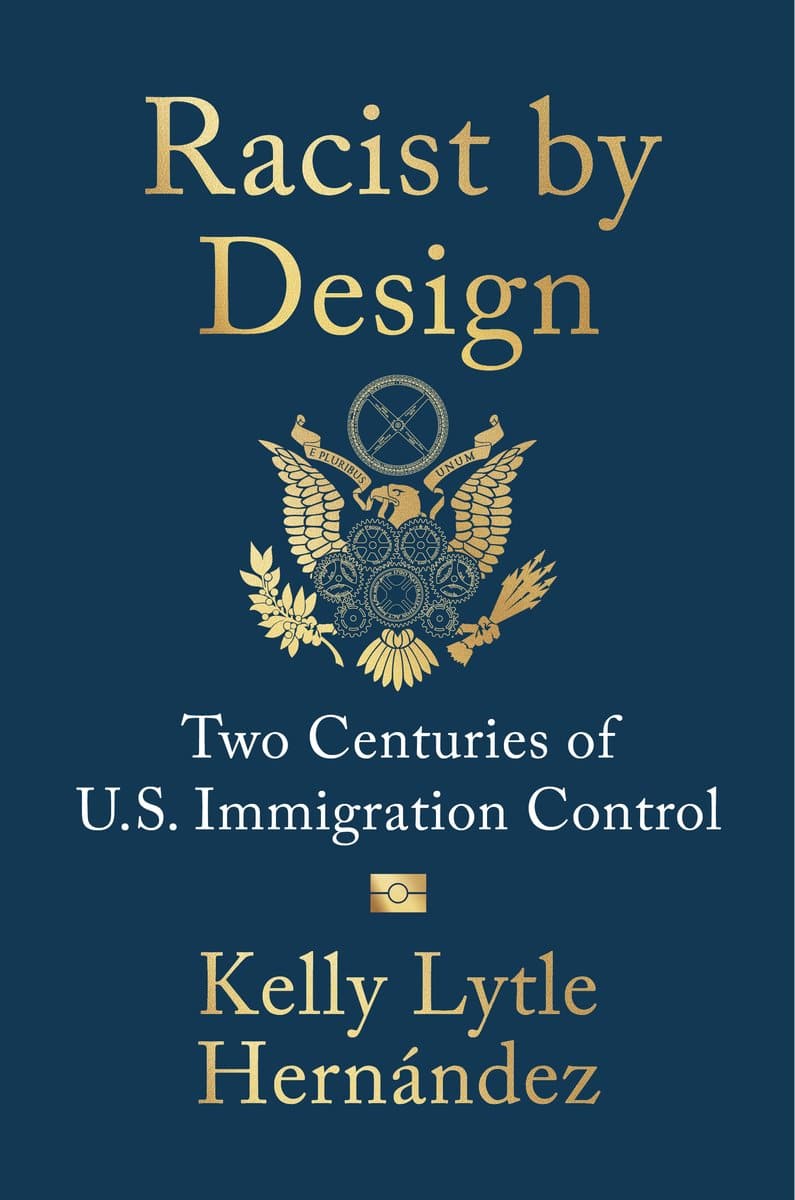
Book — Non-fiction. By Kelly Lytle Hernández. 2026. 320 pages.
Reveals how generations of lawmakers and law enforcers built the American immigration system to encourage white immigrants while targeting nonwhite migrants for exclusion, punishment, and removal.
Continue reading
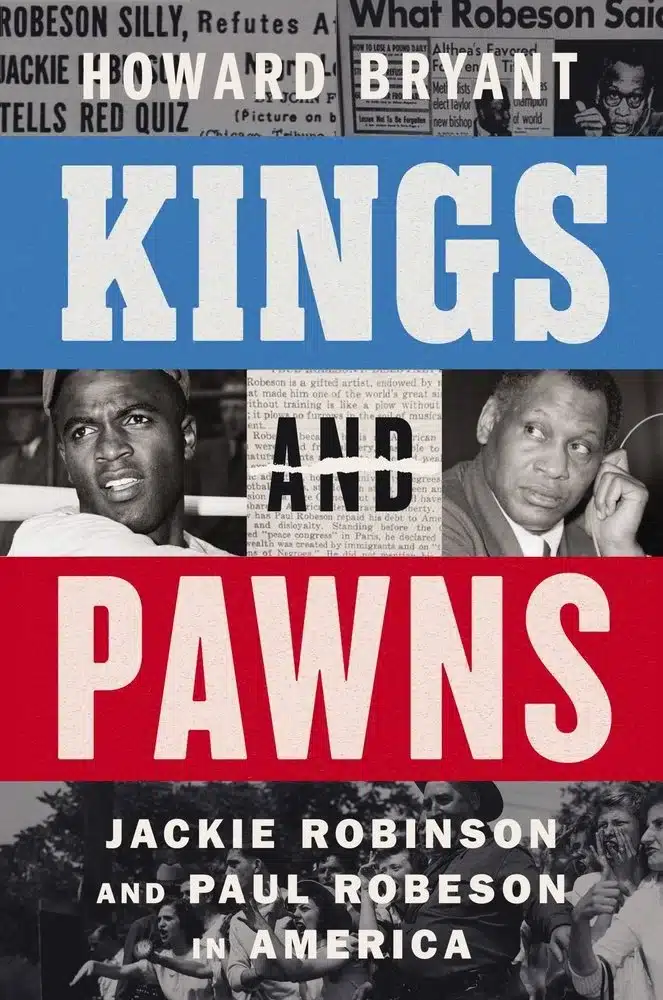
Book — Non-fiction. By Howard Bryant. 2026. 320 pages.
Highlighting the lives of Paul Robeson and Jackie Robinson, this book tells the story of sports and fame, Black life in the United States, and the promise of integration through the Cold War lens of two transformative events.
Continue reading
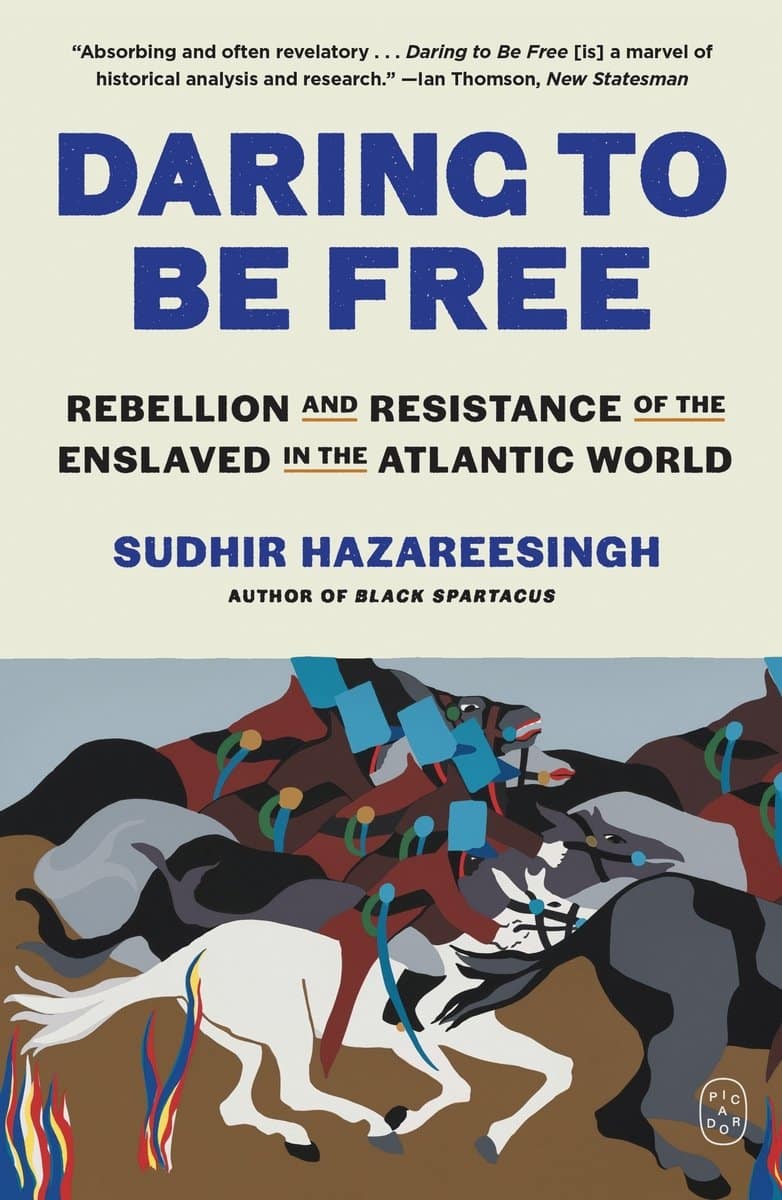
Book — Non-fiction. By Sudhir Hazareesingh. 2026. 464 pages.
Portrays the struggle for liberation from the perspective of the enslaved and, wherever possible, in their own words.
Continue reading