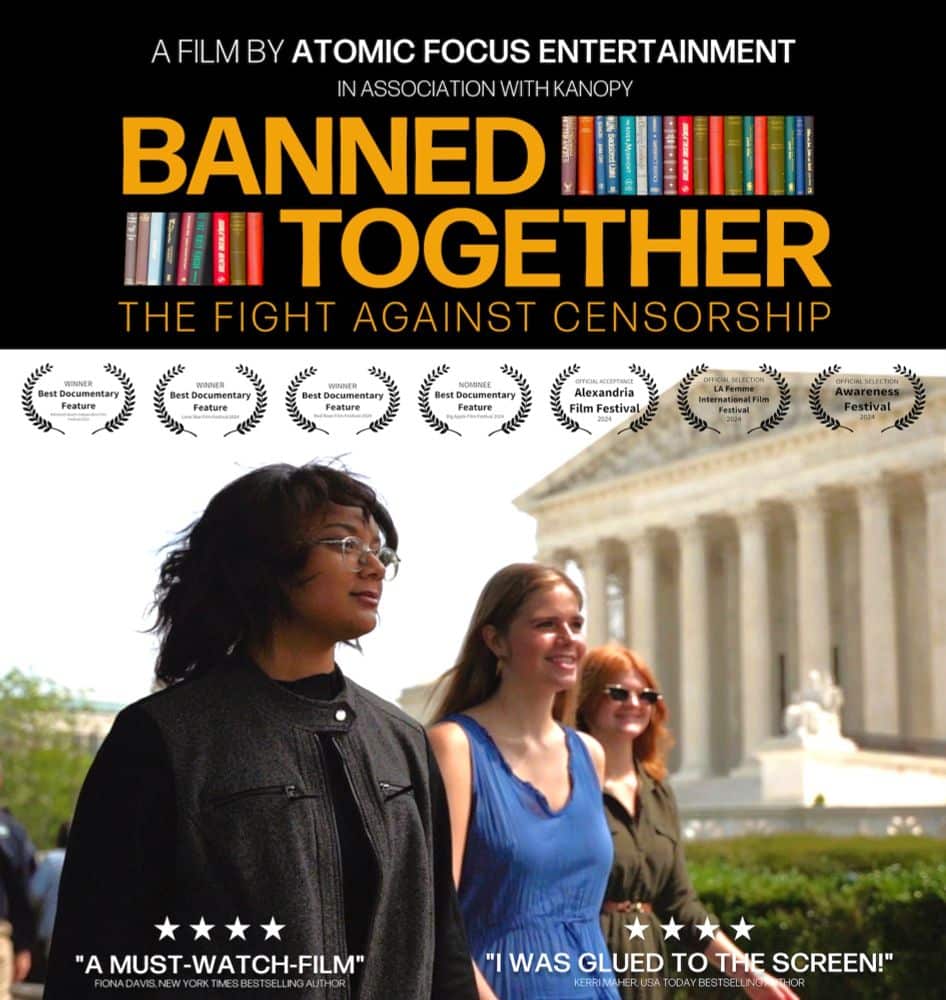
Film. Directed by Kate Way. 2024. 93 minutes.
Follows three students and their adult allies as they fight to reinstate 97 books suddenly pulled from their school libraries.
Continue reading
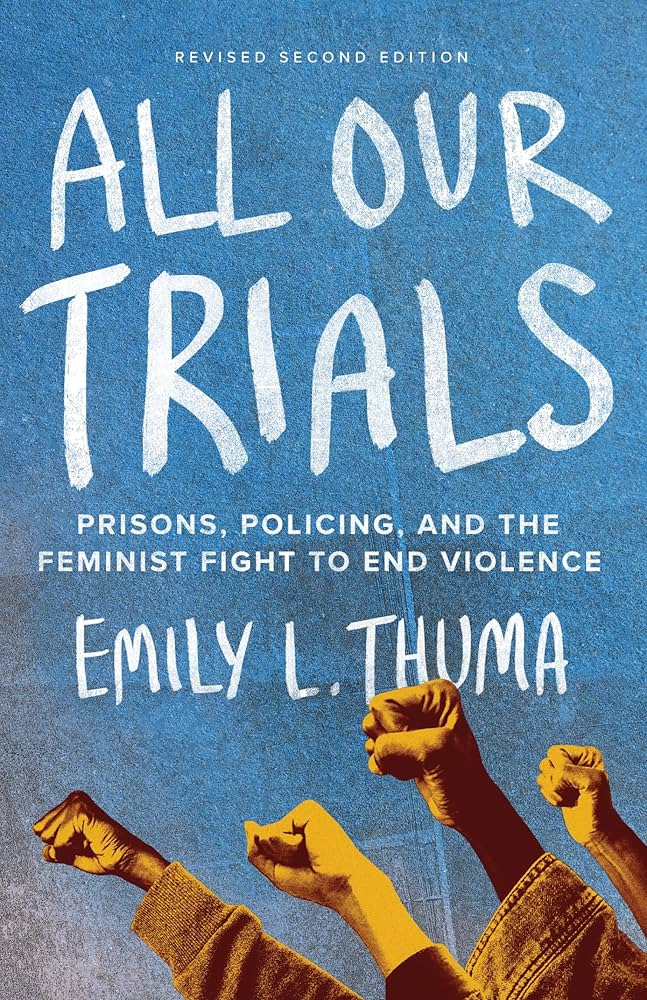
Book — Non-fiction. By Emily L. Thuma. 2024. 256 pages.
A vital history of organizing within and beyond the walls of women’s prisons in the 1970s, illuminating a crucial chapter in today’s abolition feminist struggles.
Continue reading
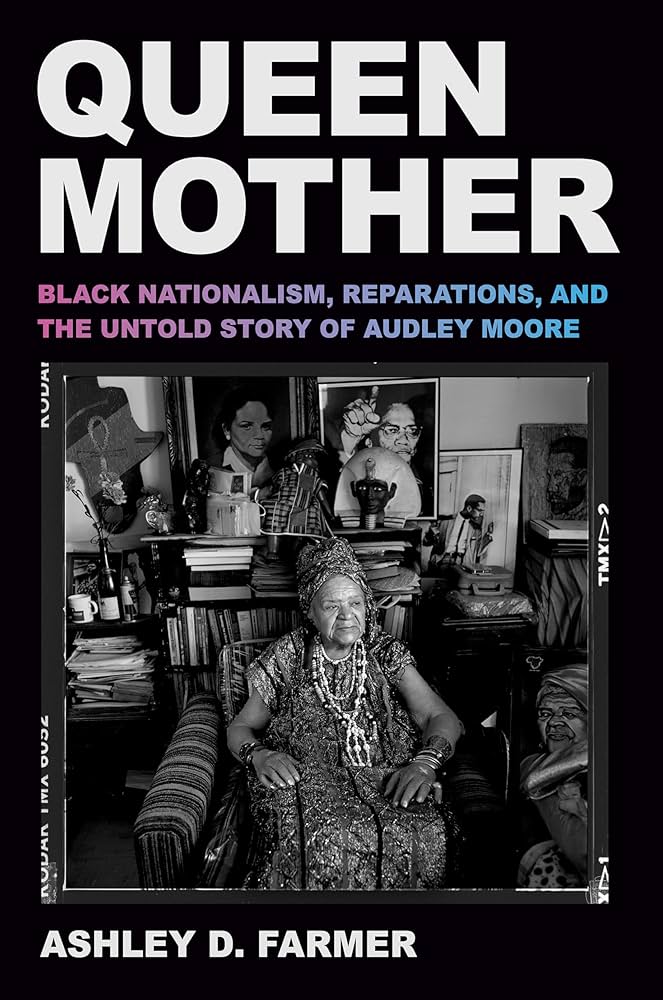
Book — Non-fiction. By Ashley D. Farmer. 2025. 496 pages.
A biography of Queen Mother Audley Moore — mother of modern Black Nationalism and trailblazer in the fight for reparations.
Continue reading
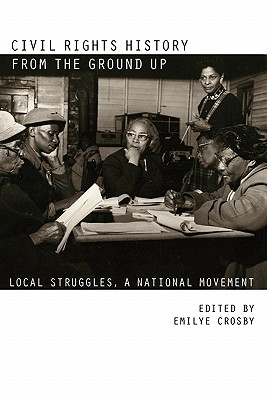
Book — Non-fiction. Edited by Emilye Crosby. 2011. 486 pages.
A grassroots history of the Civil Rights Movement.
Continue reading
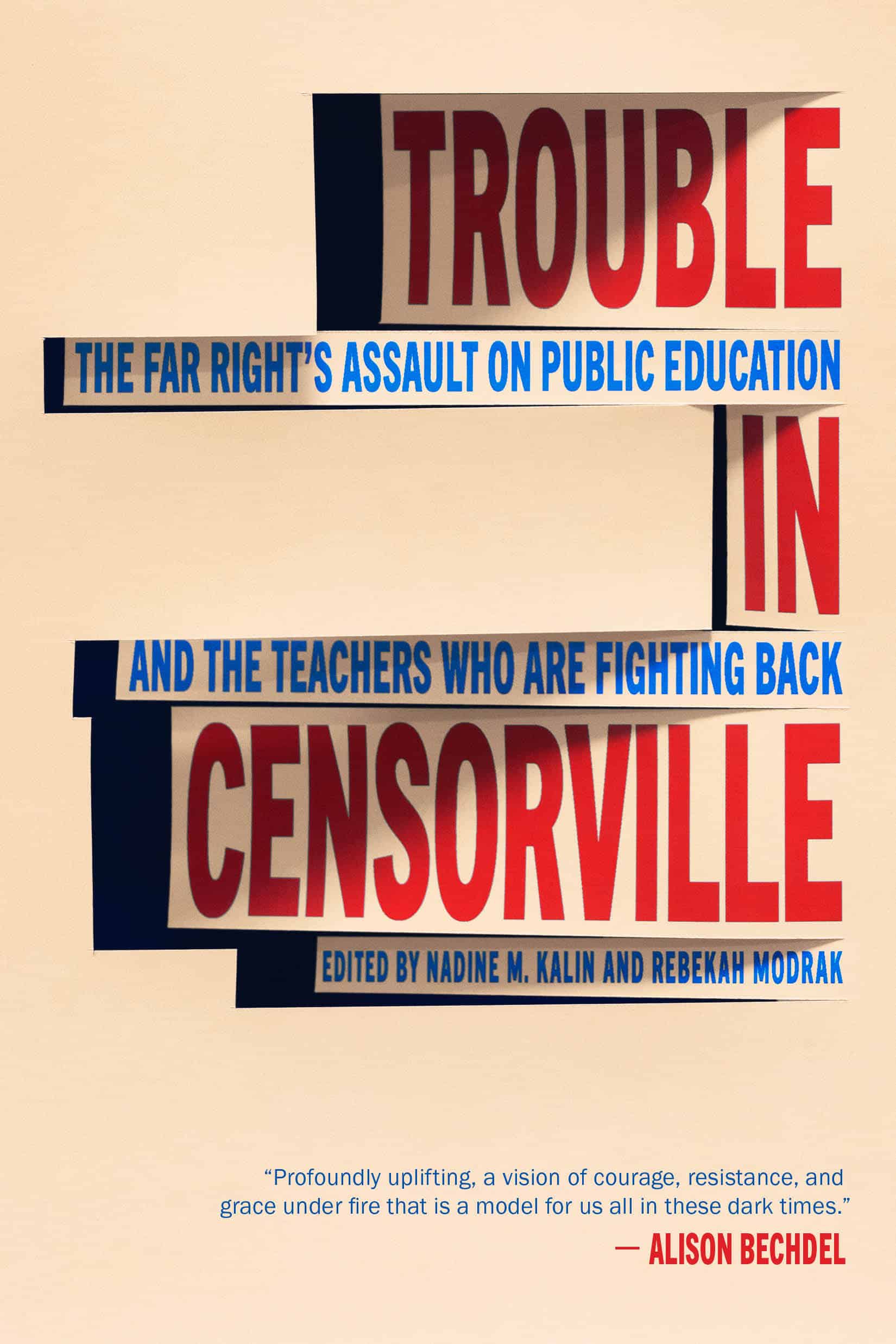
Book — Non-fiction. Edited by Nadine M. Kalin and Rebekah Modrak. 2024. 296 pages.
Gives readers a teacher’s-eye view of the radical right crusade to take down public education, coordinated by well-funded, well-connected far-right political interests.
Continue reading
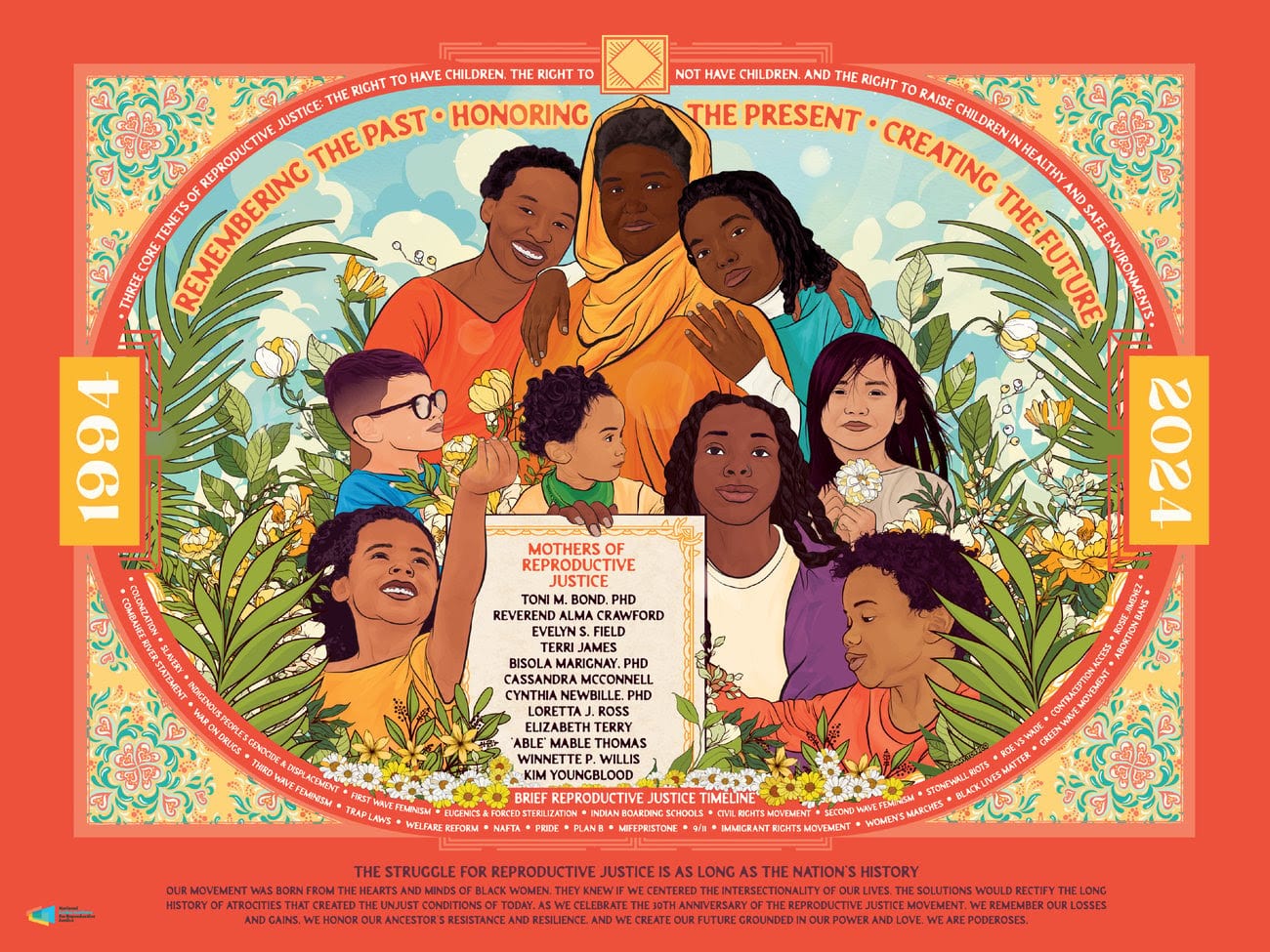
Article. By Wesley Hogan. 2024.
A collection of primary sources to illustrate the history of abortion care in the United States.
Continue reading
Book — Non-fiction. By Karen Hao. 2025. 496 pages.
By drawing on the viewpoints of Silicon Valley engineers, Kenyan data laborers, and Chilean water activists, Hao presents the fullest picture of AI and its impact we’ve seen to date, alongside a trenchant analysis of where things are headed.
Continue reading
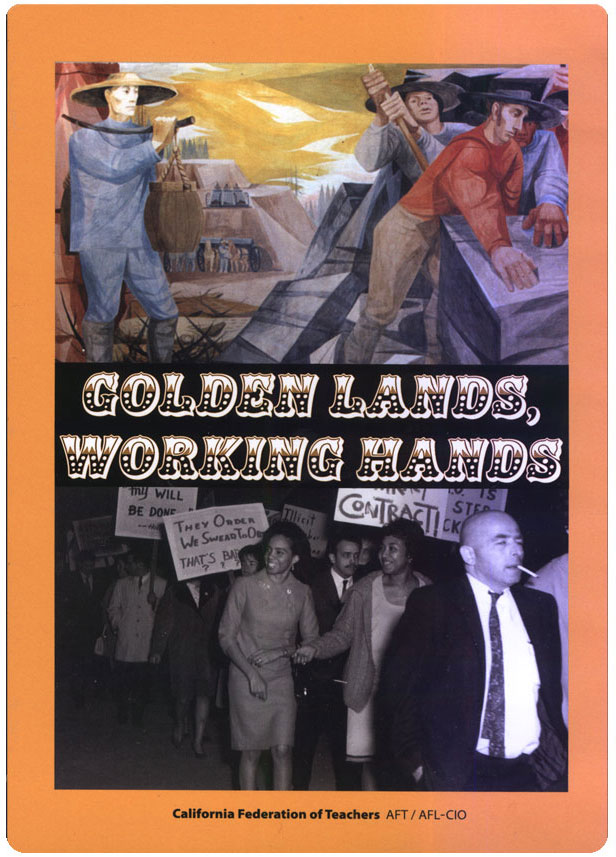
Film. By Fred Glass for the California Federation of Teachers. 1999. 170 minutes.
Ten-part film series brings the hidden history of working people in California to light, from the Gold Rush through the present.
Continue reading
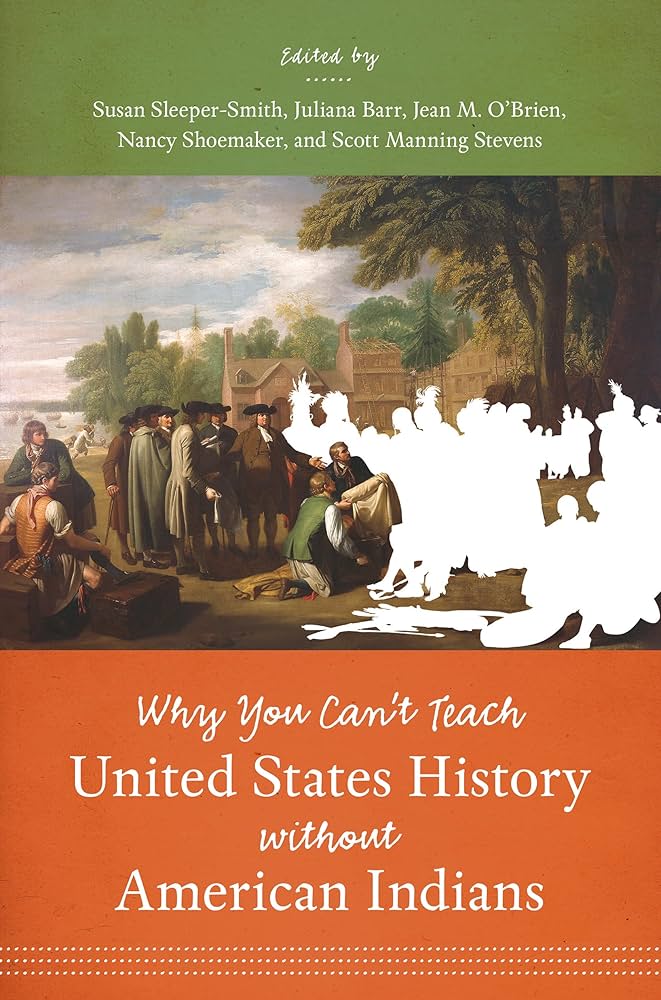
Book — Non-fiction. Edited by Susan Sleeper-Smith, Juliana Barr, Jean M. O’Brien, Nancy Shoemaker, and Scott Manning Stevens. 2015. 352 pages.
Written by leading scholars in the field of Native American history, these essays reflect the newest directions of the field and are organized to follow the chronological arc of the standard U.S. history survey.
Continue reading
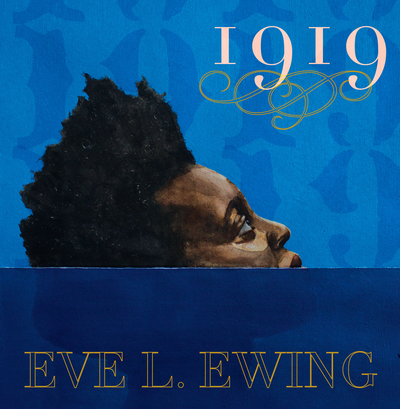
Book — Non-fiction. By Eve L. Ewing. 2019. 96 pages.
Poetic reflections on the Chicago Race Riots of 1919 — part of 'Red Summer' — in a history told through Ewing's speculative and Afrofuturist lenses.
Continue reading
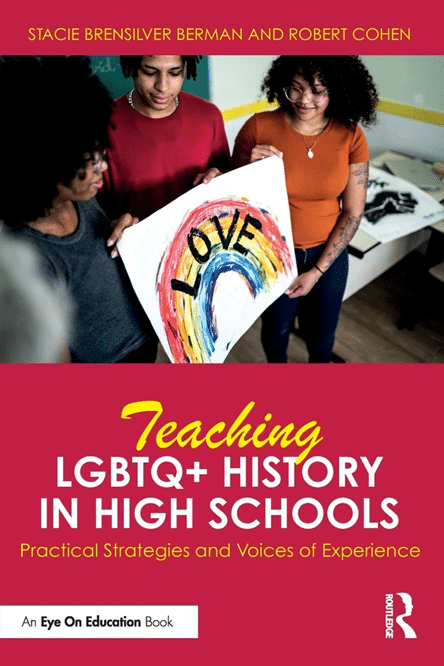
Book — Non-fiction. By Stacie Brensilver Berman and Robert Cohen. 2025. 250 pages.
Insights, concrete strategies, and lesson plans for teaching LGBTQ+ history in high schools.
Continue reading
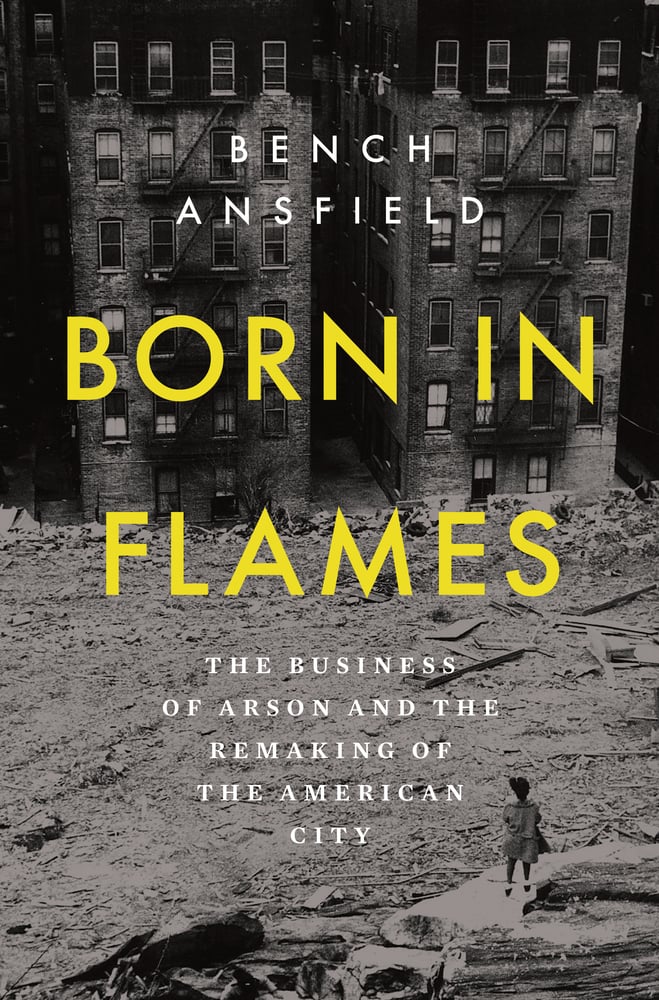
Book — Non-fiction. 2025. By Bench Ansfield. 368 pages.
Examines the arson wave that hit the Bronx and other U.S. cities in the 1970s — and its legacy today.
Continue reading
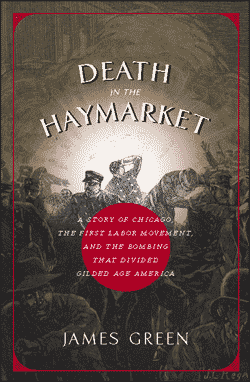
Book — Non-fiction. By James Green. 2007. 400 pages.
History of the late 19th century labor movement.
Continue reading
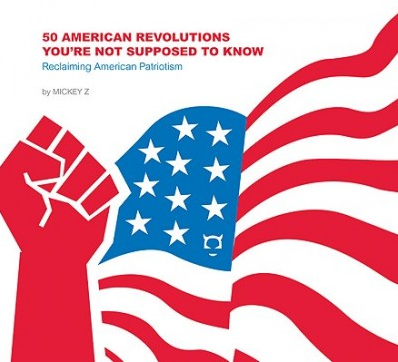
Book — Non-fiction. By Mickey Z. 2005. 128 pages.
A pocket-sized collection of stories about dissent throughout U.S. history.
Continue reading
Book — Non-fiction. By Mariah Blake. 2025. 320 pages.
An investigation of the chemical industry’s decades-long campaign to hide the dangers of forever chemicals, told through the story of a small town on the frontlines of an epic public health crisis.
Continue reading
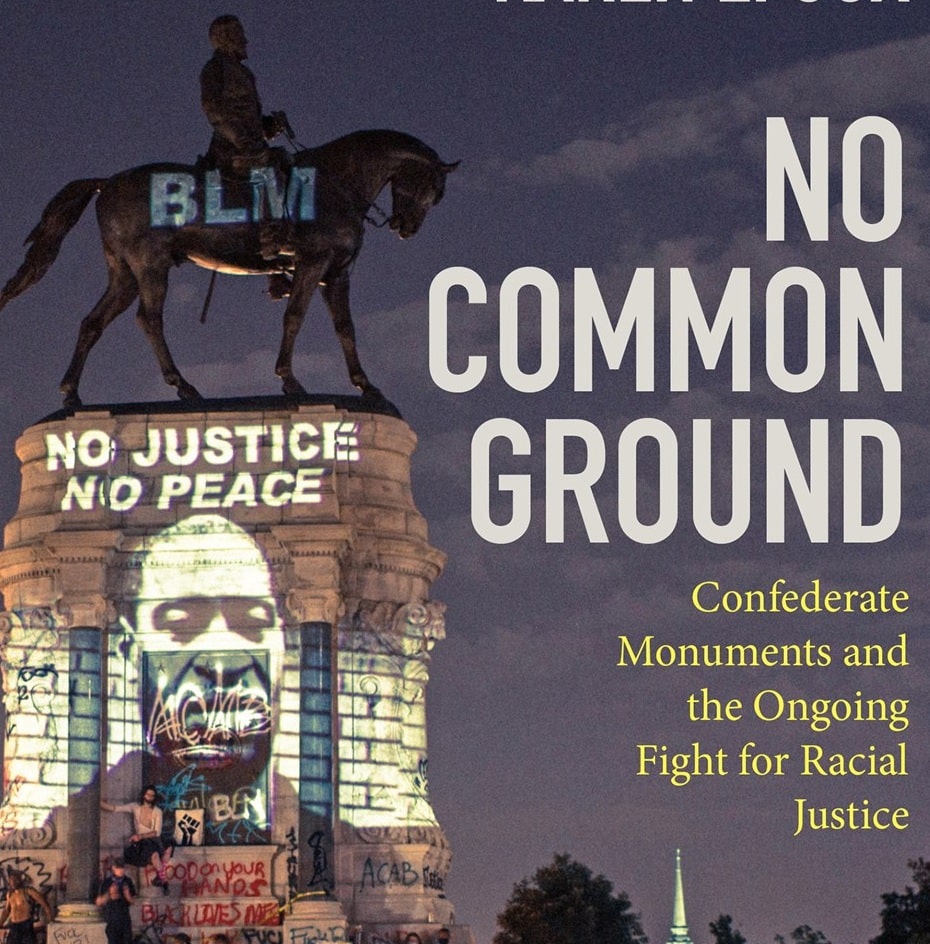
Book — Non-fiction. By Karen L. Cox. 2021. 224 pages.
Tells the story of the efforts to raise, preserve, protest, and remove Confederate monuments across the United States.
Continue reading
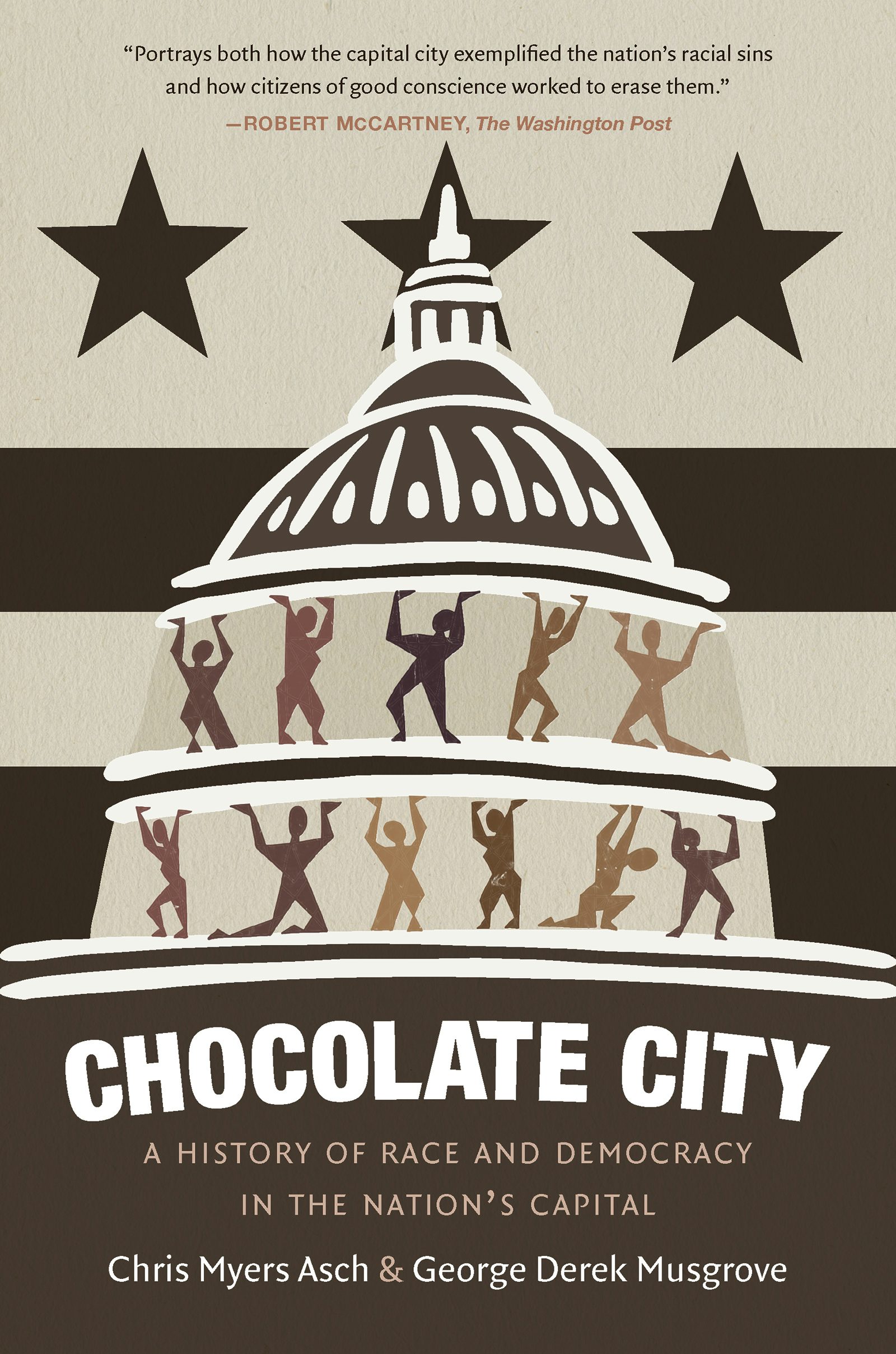
Book — Non-fiction. By Chris Myers Asch and George Derek Musgrove. 2019. 624 pages.
Tells the tumultuous, four-century story of race and democracy in our nation’s capital.
Continue reading
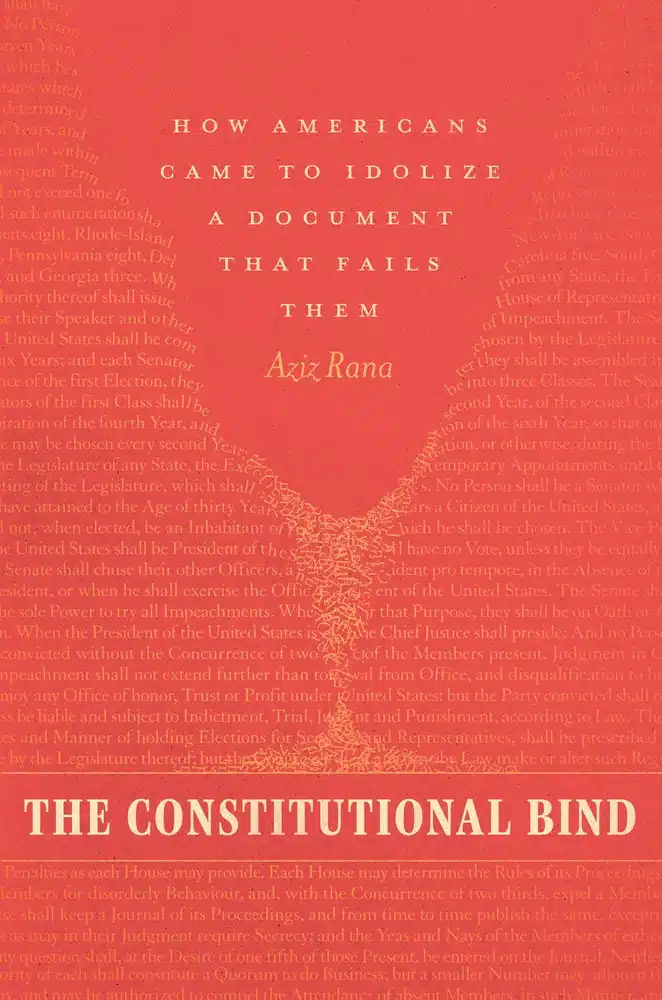
Book — Non-fiction. By Aziz Rana. 2024. 824 pages.
An account of how people in the United States came to revere the Constitution and what this reverence has meant domestically and around the world.
Continue reading
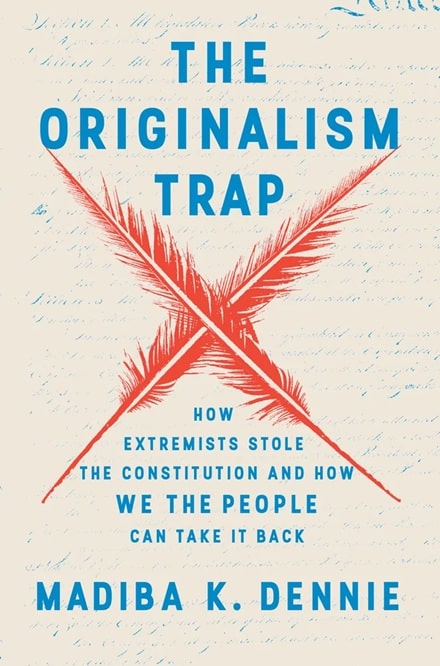
Book — Non-fiction. By Madiba K. Dennie. 2024. 304 pages.
Shows readers that the Constitution belongs to them and how, by understanding its possibilities, they can use it to fight for their rights.
Continue reading
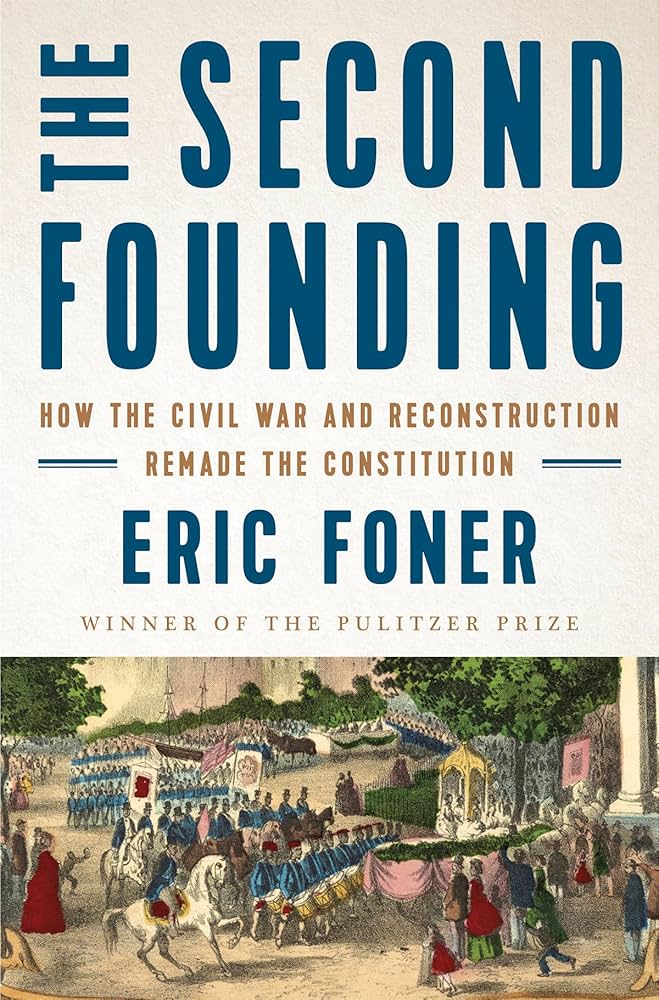
Book — Non-fiction. By Eric Foner. 2020. 304 pages.
Traces the arc of the three foundational Reconstruction amendments from their origins in antebellum activism to their virtual nullification by narrow Supreme Court decisions and Jim Crow state laws.
Continue reading
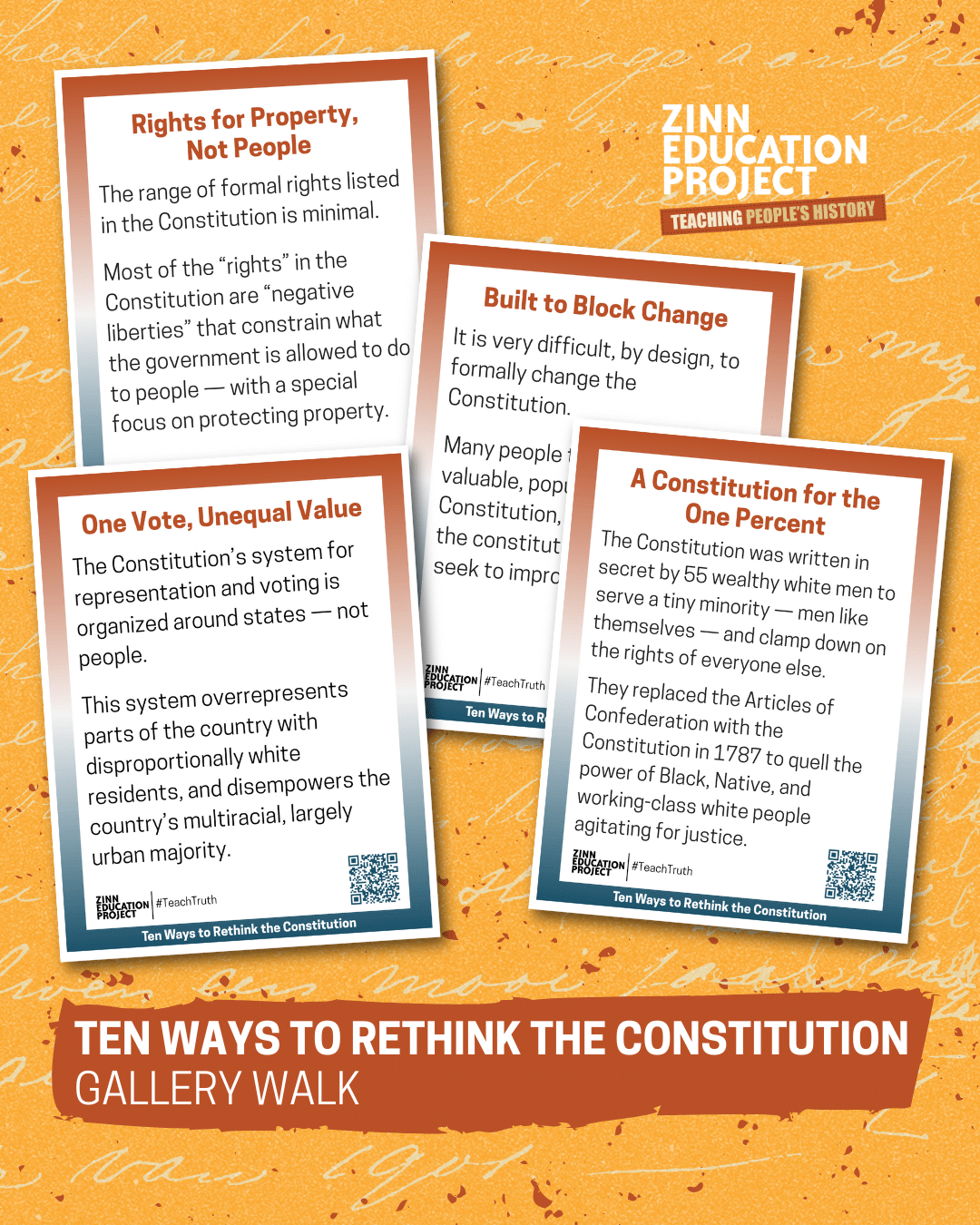
The "Ten Ways to Rethink the Constitution" framework is available in a shortened form for participatory gallery walks.
Continue reading
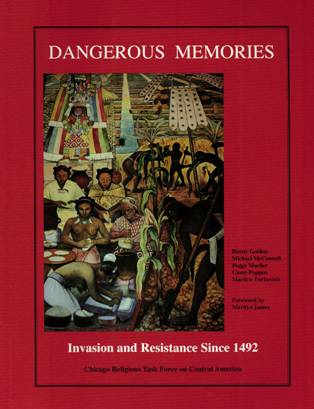
Book — Non-fiction. By Golden, McConnell, Poppen, and Mue. 1991. 272 pages.
Essential text on U.S. history; includes many primary sources on people's movements.
Continue reading
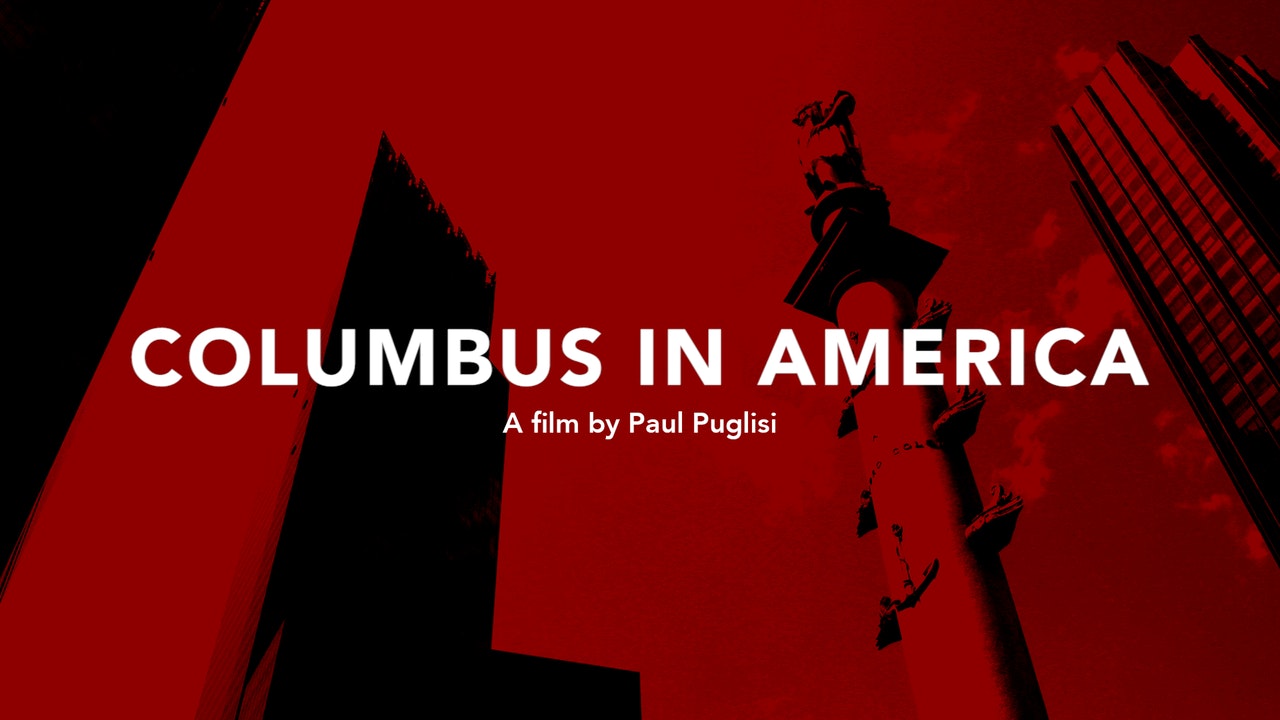
Film. By Paul Puglisi. 2017. 89 minutes.
Documentary on the symbol of Columbus in the United States and the campaign for Indigenous Peoples' Day.
Continue reading
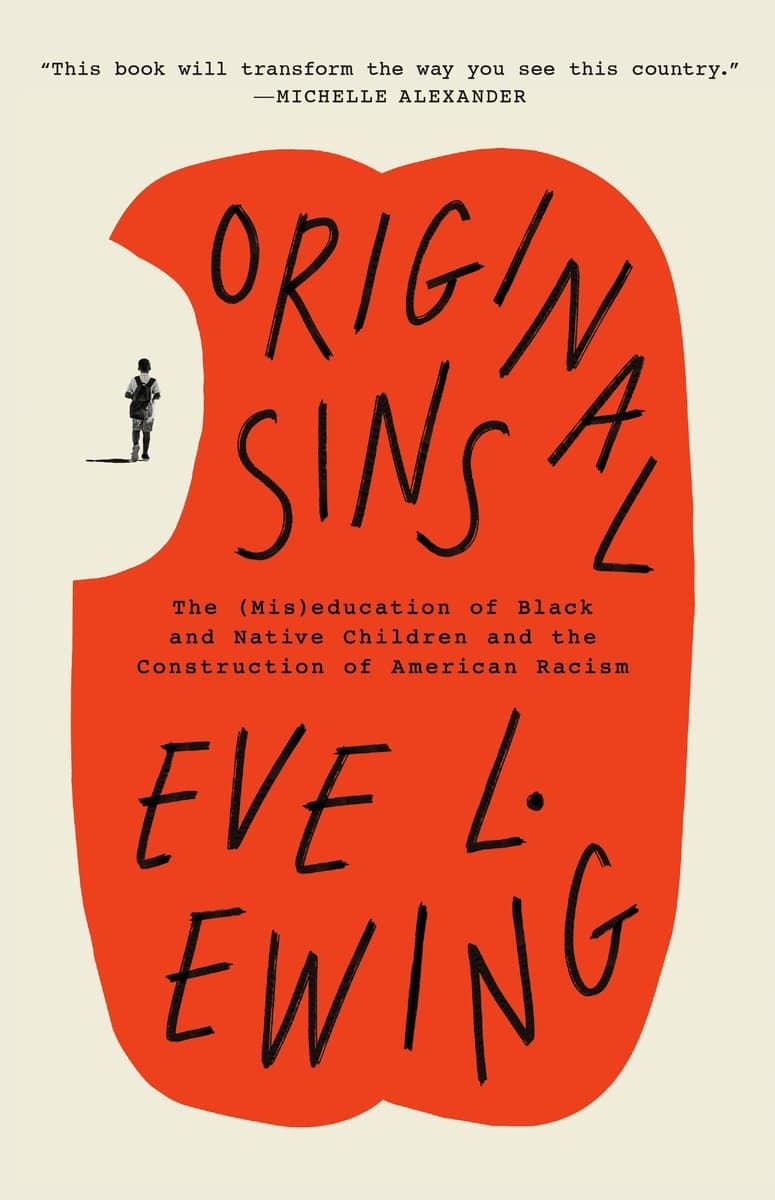
Book — Non-fiction. By Eve L. Ewing. 2026. 400 pages.
An examination of how the U.S. school system helps maintain racial inequality and social hierarchies.
Continue reading
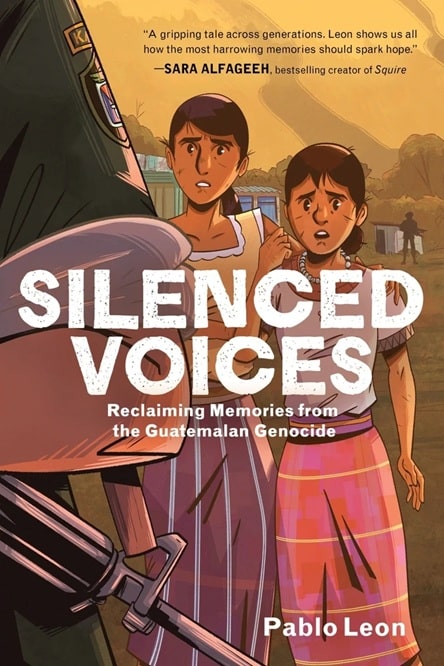
Book — Historical fiction. Written and illustrated by Pablo Leon. 2025. 240 pages.
A graphic novel about Guatemalan immigrant youth who learn about the dictatorship in Guatemala through conversations with their mother.
Continue reading