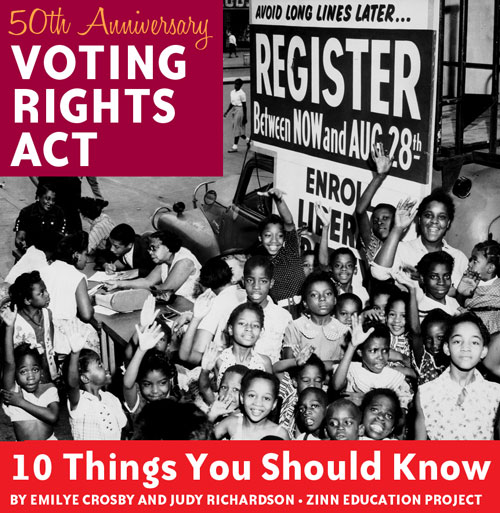
Article. By Emilye Crosby and Judy Richardson. 2015.
Key points in the history of the 1965 Voting Rights Act missing from most textbooks.
Continue reading
Article. By Hasan Kwame Jeffries.
History and significance of the Lowndes County Freedom Organization.
Continue reading
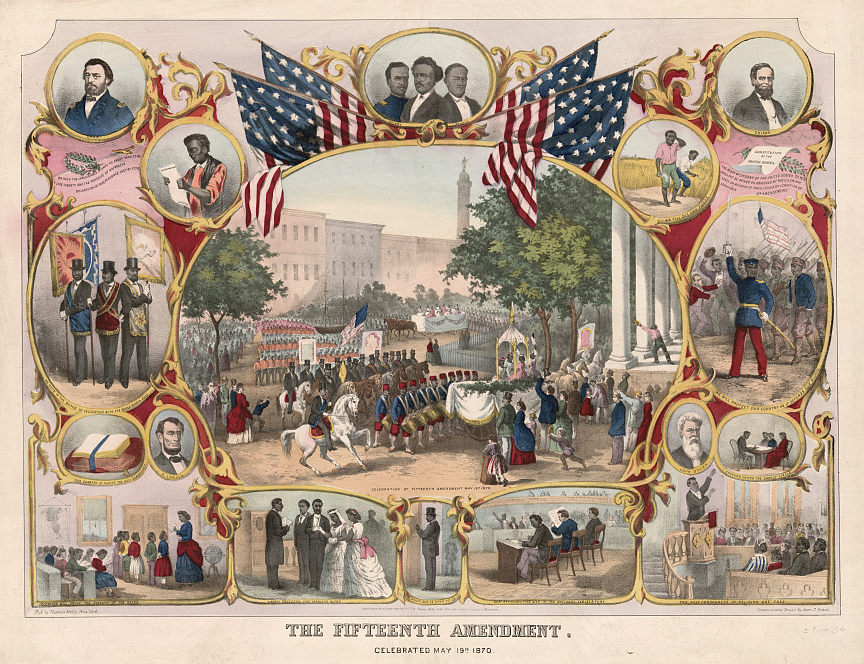
Teaching materials and guides on the 15th Amendment's significance in 2020 — its 150th anniversary and an election year.
Continue reading
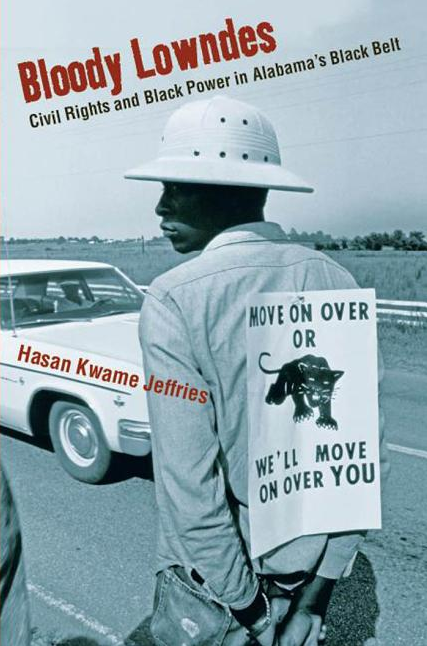
Book — Non-fiction. By Hasan Kwame Jeffries. 2010. 372 pages.
History of the role that activists in Lowndes County played in spurring Black activists nationwide to fight for civil and human rights in new and more radical ways.
Continue reading
Article. By Howard Zinn. Excerpt from Chapter 5 of You Can't Be Neutral on a Moving Train.
Howard Zinn’s first-hand account of Selma’s Freedom Day in 1963.
Continue reading
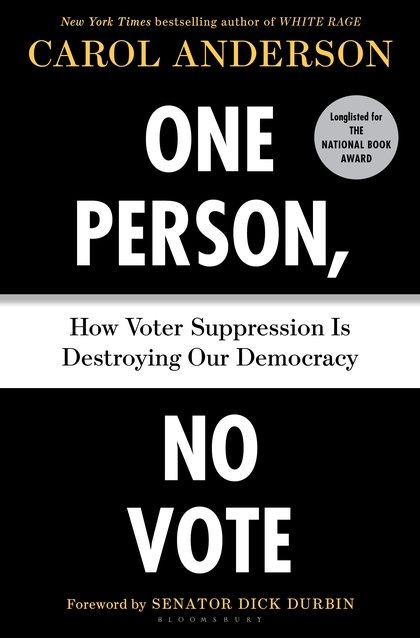
Book — Non-fiction. By Carol Anderson. 2018. 368 pages.
This history of voter suppression highlights the aftermath and challenges to the 2013 Supreme Court ruling that gutted the Voting Rights Act of 1965.
Continue reading
Book — Non-fiction. By Lawrence Goldstone. 2020. 288 pages.
This young adult book documents the long and ongoing struggle for voting rights for African Americans.
Continue reading
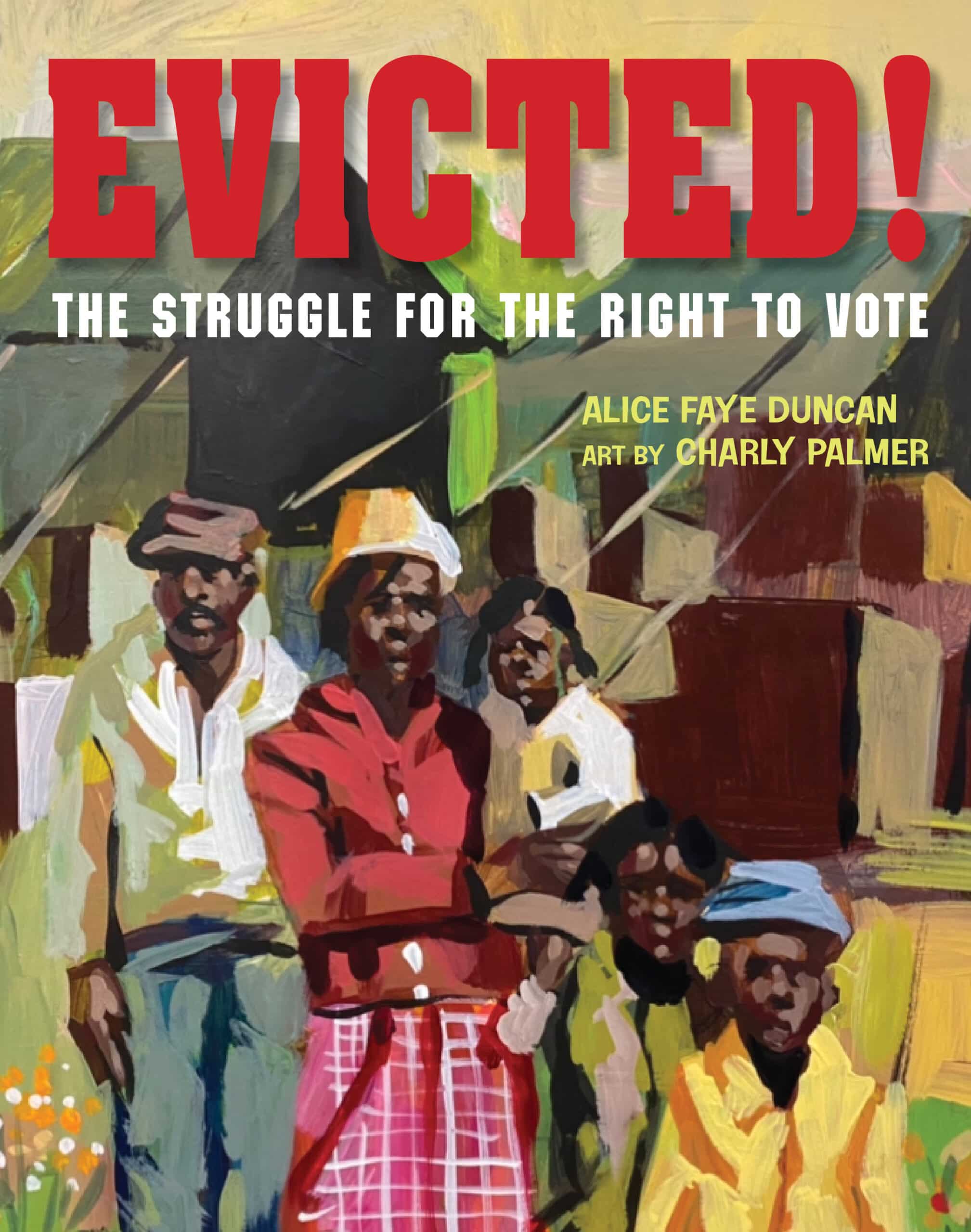
Picture book. By Alice Faye Duncan and illustrated by Charly Palmer. 2022. 64 pages.
This critical civil rights book for middle-graders examines the little-known Tennessee's Fayette County Tent City Movement in the late 1950s and reveals what is possible when people unite and fight for the right to vote.
Continue reading
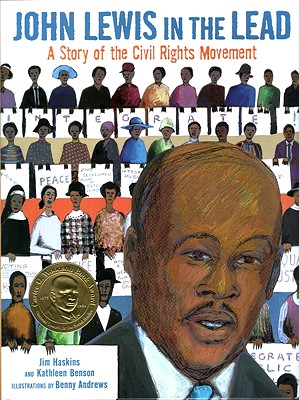
Picture book. By Jim Haskins and Kathleen Benson. Illustrated by Benny Andrews. 2006. 32 pages.
The life of Civil Rights Movement activist and Congressman John Lewis.
Continue reading
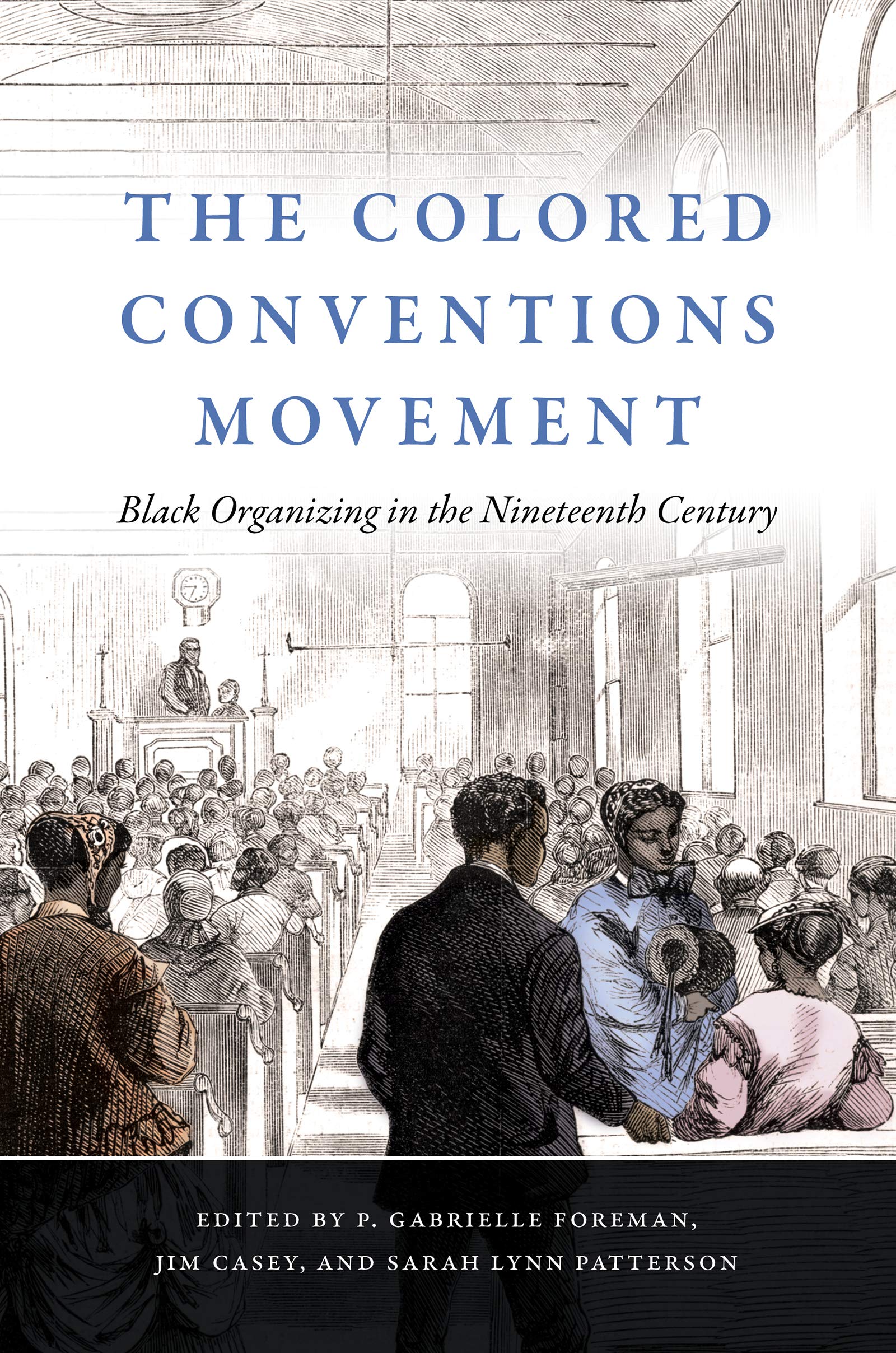
Book — Non-fiction. Edited by Gabrielle Foreman, Jim Casey, and Sarah Patterson. Introduction by P. Gabrielle Foreman. 2021.
This volume of essays is the first to focus on the Colored Conventions movement, the nineteenth century’s longest campaign for Black civil rights.
Continue reading
Profile.
Summer initiative to register African American voters in Mississippi.
Continue reading
An unexpected hurricane crashed into the Gulf Coast and devastated Galveston, Texas, leaving thousands of people dead and even more left houseless. The storm’s turmoil and destruction allowed white terror and fraud to flourish.
Continue reading
Congress overrode President Andrew Johnson’s veto and passed the first of four statutes known as the Reconstruction Acts, which outlined the process of readmission to the Union.
Continue reading
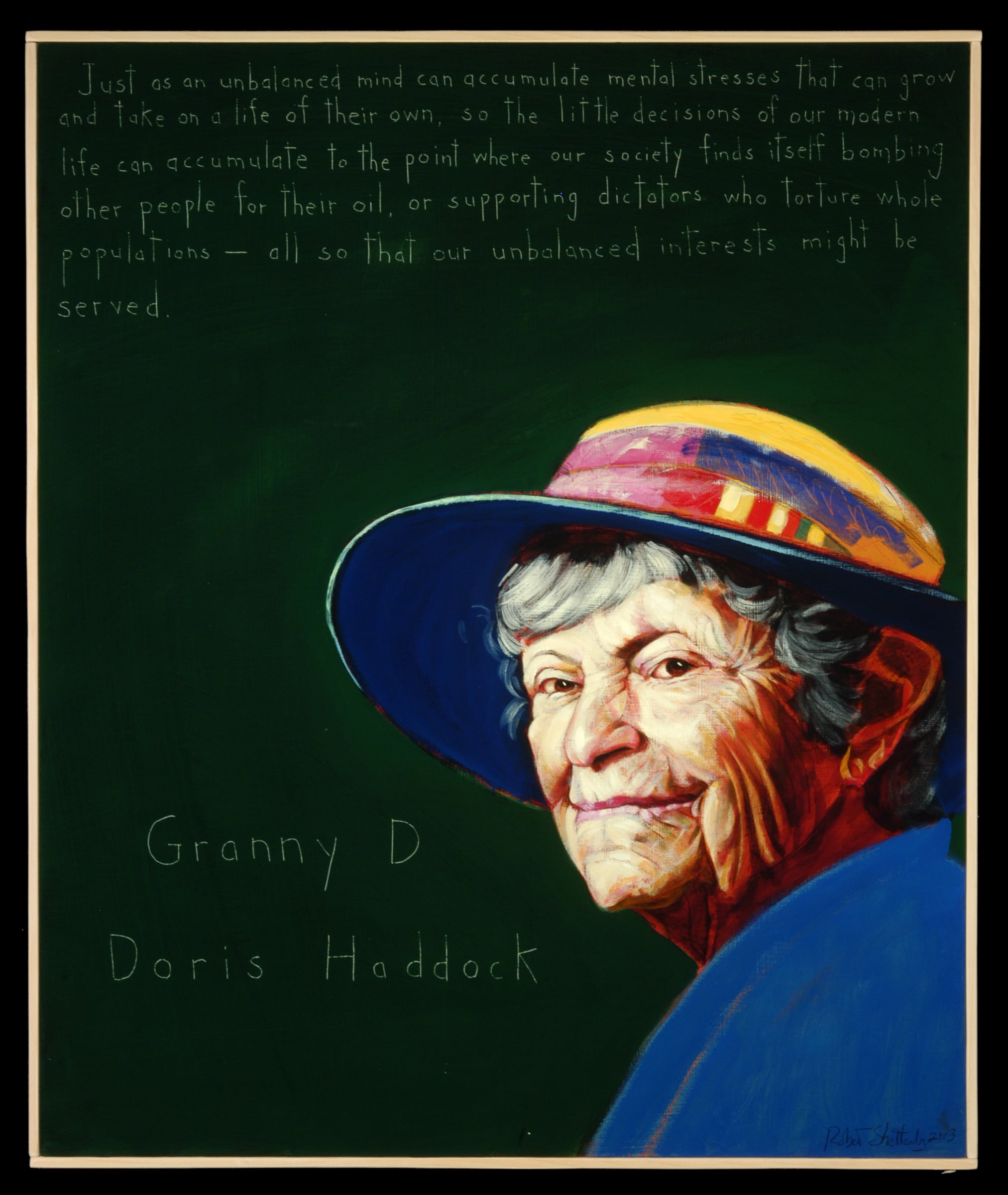
“Granny D” Haddock completed a 3200 miles walk from California to Washington, D.C. to call for reform of the U.S. system of campaign finance.
Continue reading
Article. By Howard Zinn. From Chapter 6 of You Can't Be Neutral on a Moving Train.
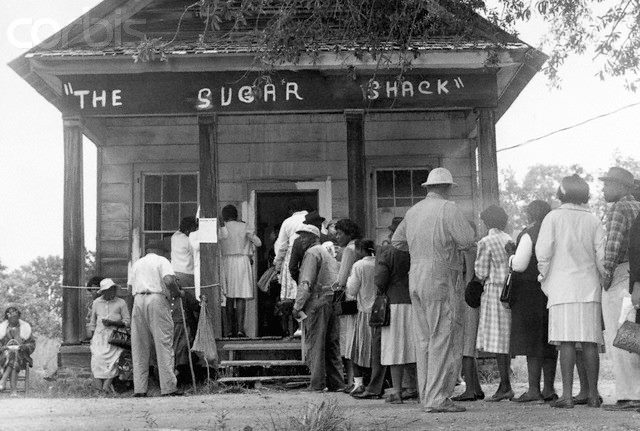
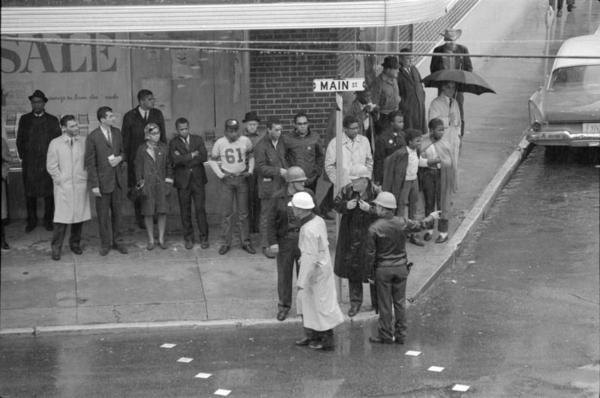
Zinn describes the Student Nonviolent Coordinating Committee (SNCC) voting rights campaign called Freedom Day in Hattiesburg, Miss.
Continue reading
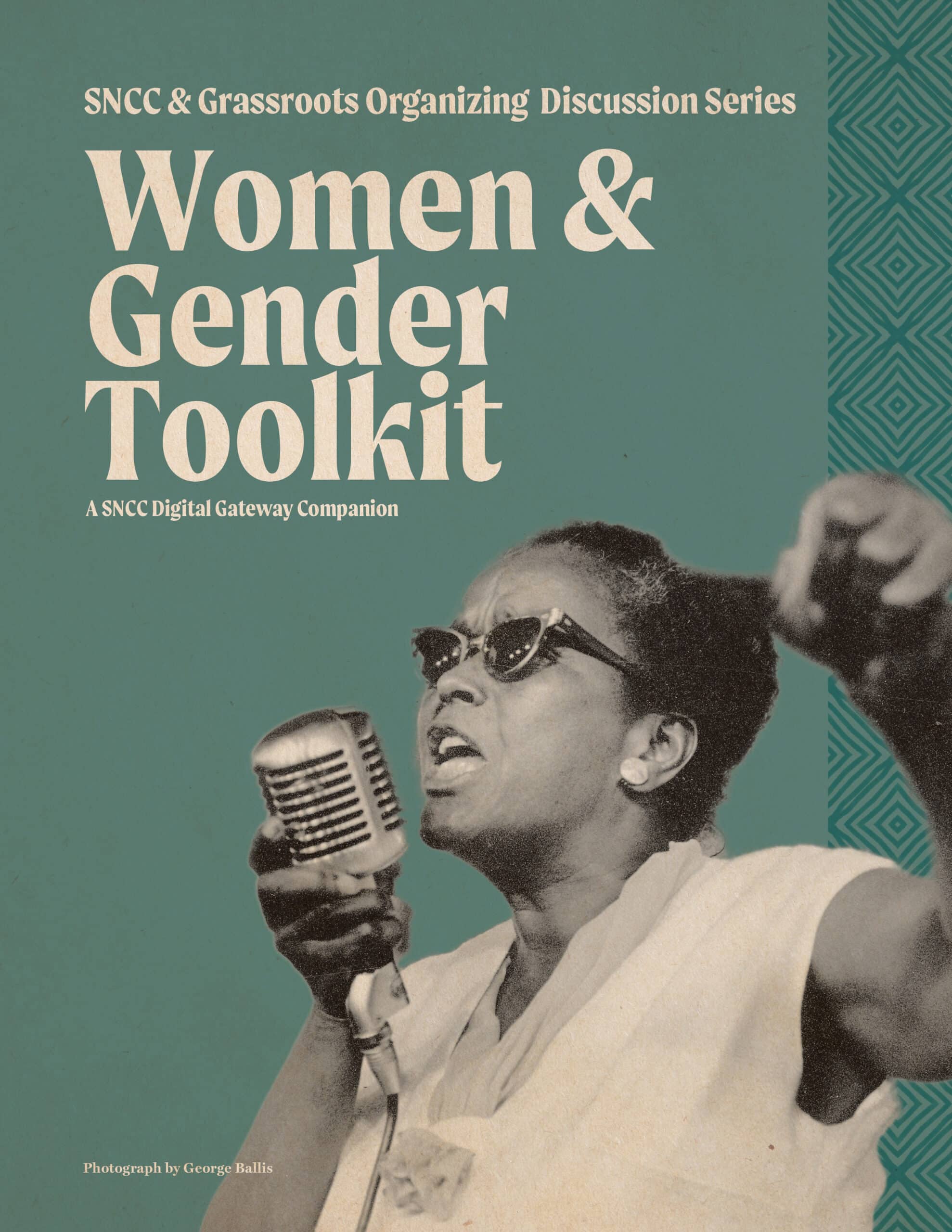
Book — Non-fiction. By SNCC Digital Gateway. 2024. 22 pages.
Provides concrete ways for people to engage with and learn about SNCC’s work and the role of women within SNCC, explore primary source materials, and connect contemporary issues in their own lives and communities to central themes in SNCC’s history.
Continue reading
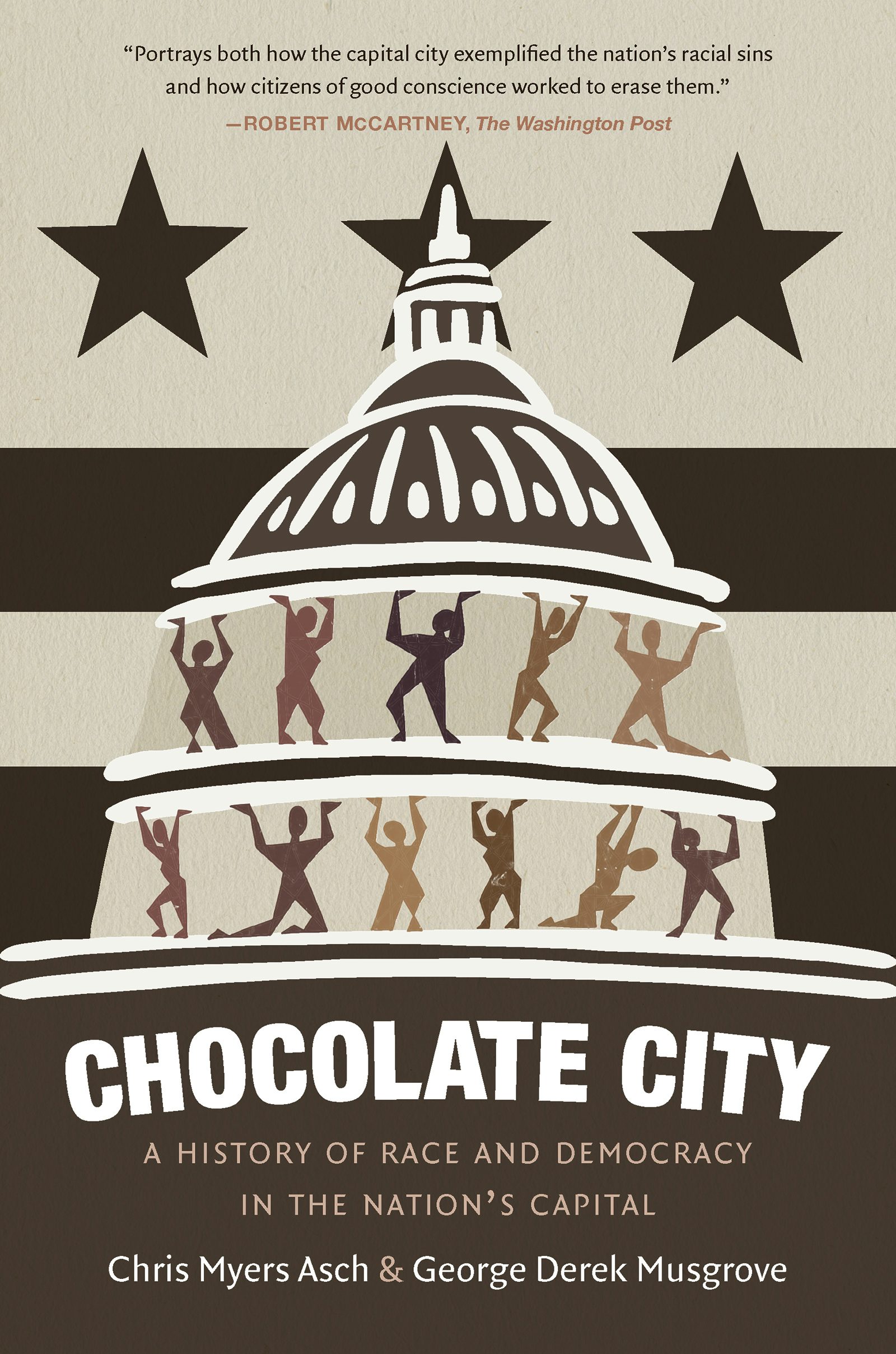
Book — Non-fiction. By Chris Myers Asch and George Derek Musgrove. 2019. 624 pages.
Tells the tumultuous, four-century story of race and democracy in our nation’s capital.
Continue reading
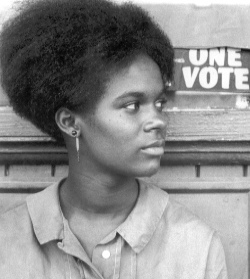
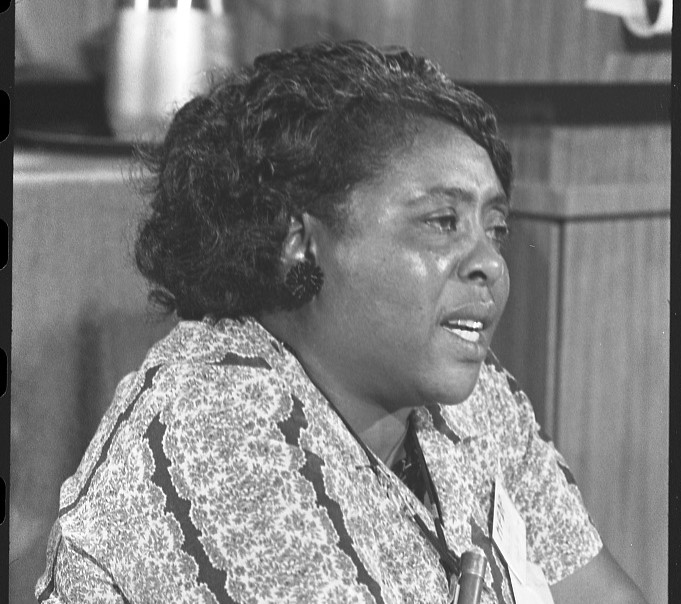
Mrs. Fannie Lou Hamer, and the other members of the MFDP at the Democratic National Convention, questioned the nation about the lack of “one person, one vote” in the United States.
Continue reading
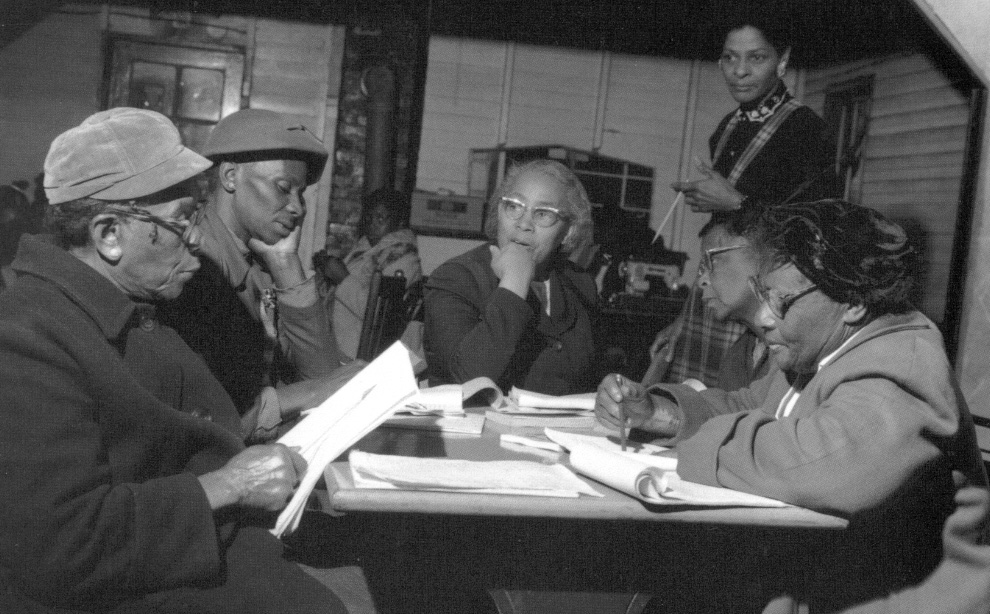
Film. Directed by Lucy Massie Phenix and Catherine Murphy. 2019. 9 minutes.
Documentary about Citizenship Schools.
Continue reading
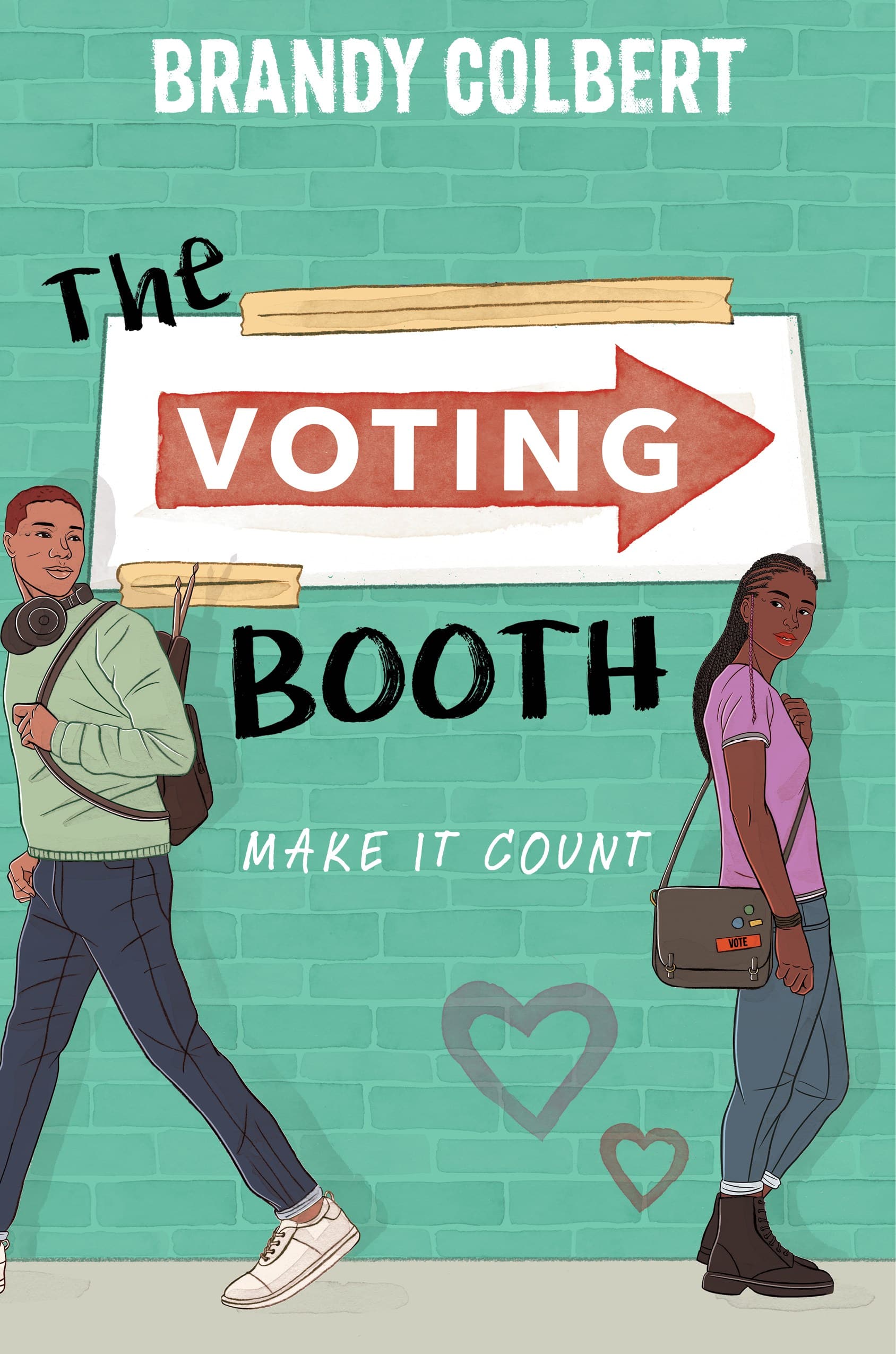
Book — Fiction. By Brandy Colbert. 2020. 304 pages.
A novel for high school students that centers on voting rights — weaving in a myriad of voter suppression tactics and the importance of everyone playing a role in fighting for the right to vote.
Continue reading
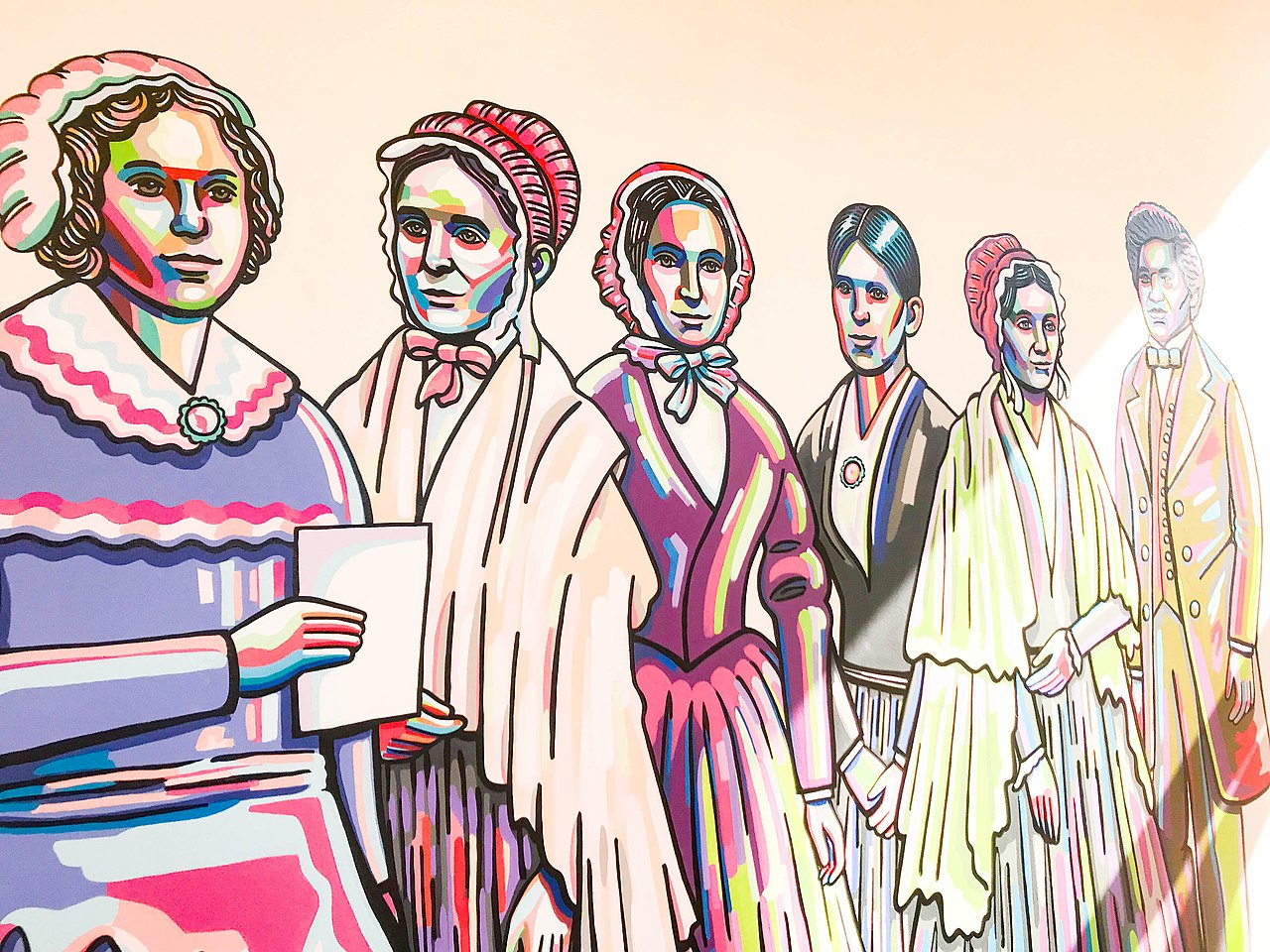
Teaching Activity. By Bill Bigelow. 17 pages.
A role play allows students to examine issues of race and class when exploring both the accomplishments and limitations of the Seneca Falls Convention.
Continue reading
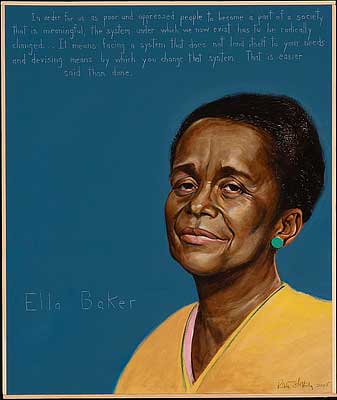
Profile.
Brief biography of Ella Josephine Baker, 1903–1986, activist and civil rights organizer.
Continue reading
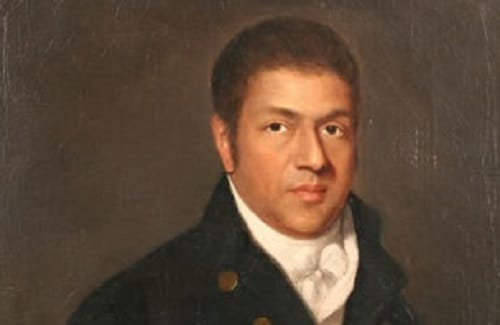
Paul Cuffee and other free Blacks petitioned the Massachusetts government to give African and Native Americans the right to vote.
Continue reading
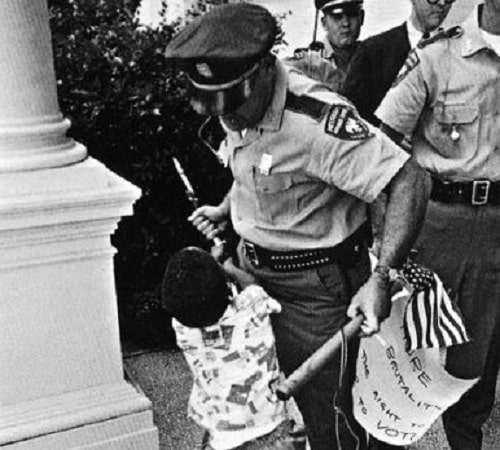
Five-year-old Anthony Quin and his mother and siblings protested against the election of five Mississippi Congressmen from districts where Black people were not allowed to vote. Refused admittance, they sat on the steps and police-instigated mayhem ensued.
Continue reading