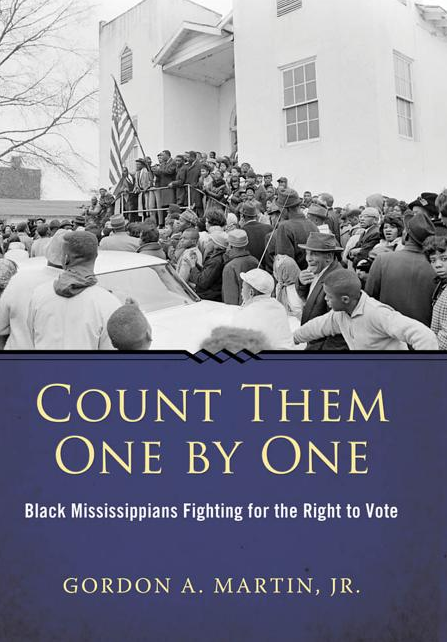
Book — Non-fiction. By Gordon A. Martin Jr. 2014. 272 pages.
A detailed portrait of brave individuals who risked everything in their fight for the right to vote.
Continue reading
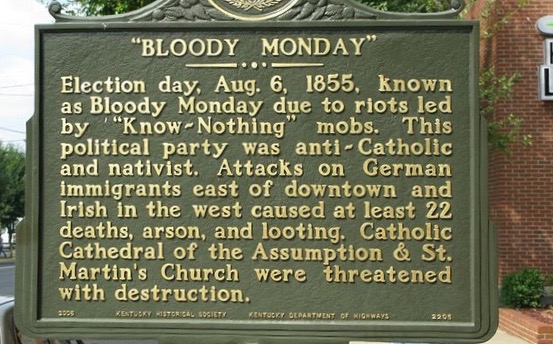
On election day, in Louisville, Kentucky, Protestant mobs attacked German and Irish Catholic neighborhoods.
Continue reading
Teaching Activity. By Adam Sanchez. Rethinking Schools. 24 pages.
A series of role plays that explore the history and evolution of the Student Nonviolent Coordinating Committee, including freedom rides and voter registration.
Continue reading
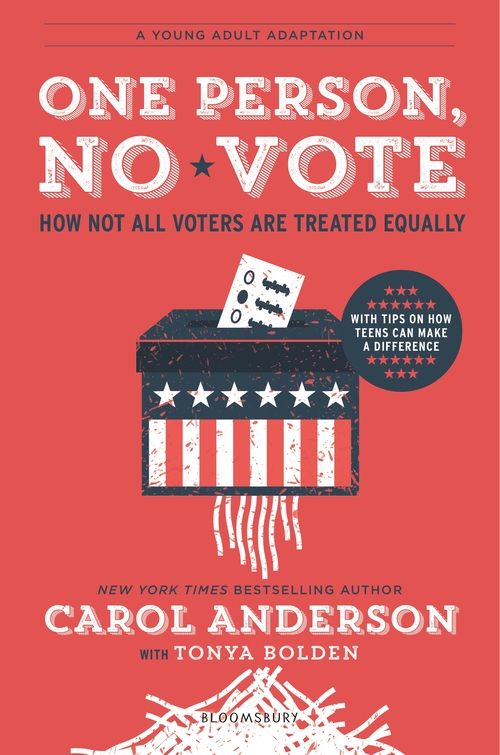
Book — Non-fiction. By Carol Anderson with Tonya Bolden. 2019. 288 pages.
A young readers edition of Anderson's voter suppression analysis and history, One Person, No Vote.
Continue reading
Book — Non-fiction. By Martha S. Jones. 2021. 368 pages.
This book excavates the lives and work of Black women from the earliest days of the republic to the passage of the 1965 Voting Rights Act and beyond.
Continue reading
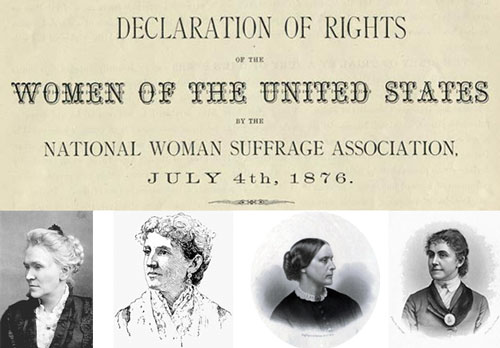
Members of the National Woman Suffrage Association crashed the Centennial Celebration at Independence Hall in Philadelphia, Pennsylvania, to present the “Declaration of the Rights of Women.”
Continue reading
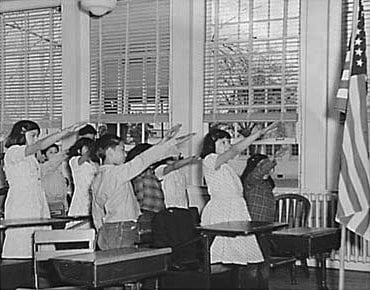
Mississippi Gov. Tate Reeves' state budget proposal include three million dollars for a “Patriotic Education Fund,” which argues that "the United States is the greatest country in the history of the world."
Continue reading
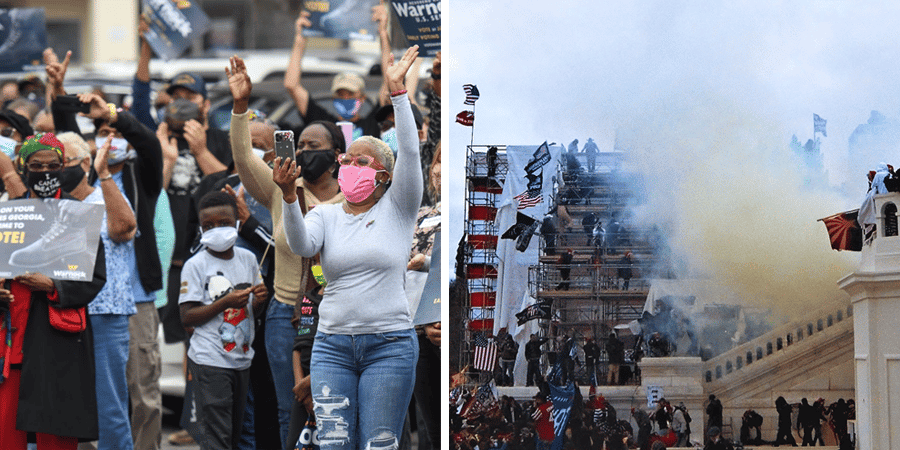
How to contextualize and frame the two major political events of Jan. 6, 2021: An historic grassroots organizing victory in Georgia and an attempted coup at the U.S. Capitol.
Continue reading
President Ulysses S. Grant signed into law the third of the Enforcement Acts, a Reconstruction-era bill that empowered the federal government to intervene when the 13th, 14th, and 15th Amendments are violated.
Continue reading
Teaching Activity. By Ursula Wolfe-Rocca.
Unit with three lessons on voting rights, including the history of the struggle against voter suppression in the United States.
Continue reading
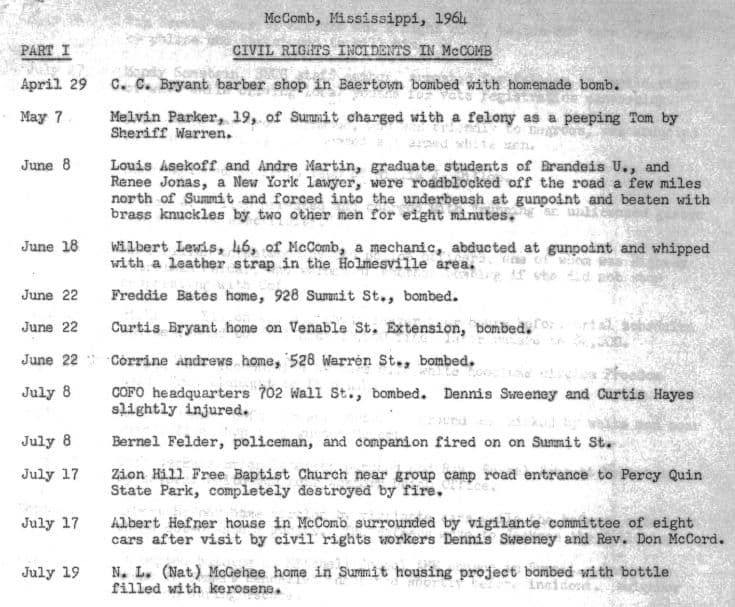
A white family (the Heffners) in McComb, Mississippi, left after a campaign of harassment, ostracism, and economic retaliation for having spoken to civil rights workers.
Continue reading
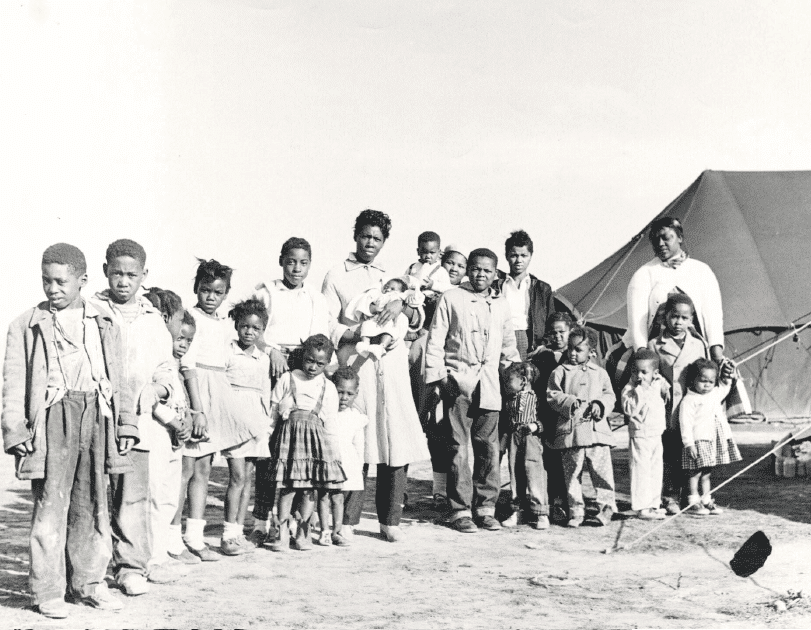
Black sharecroppers were evicted by white landowners simply for exercising their right to register to vote.
Continue reading
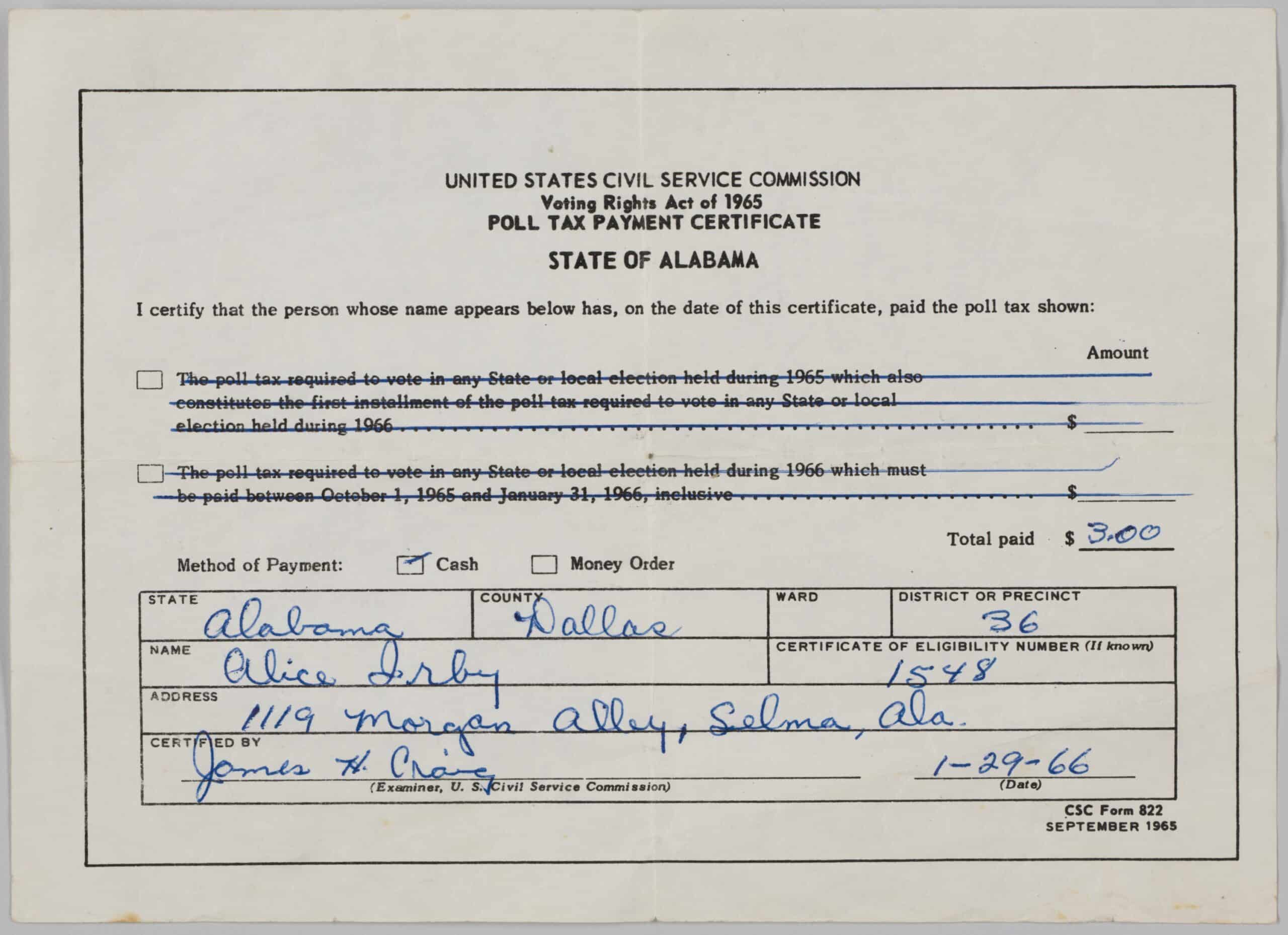
The 24th Amendment to the Constitution of the United States was ratified.
Continue reading
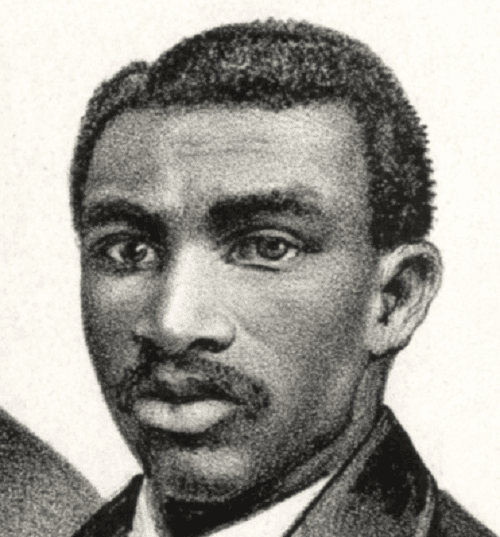
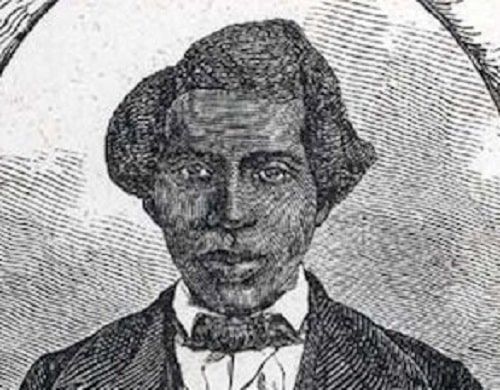
Tunis Campbell, who assisted in the Port Royal Experiment to assist freed people during Reconstruction, was an abolitionist, state senator, and justice of the peace.
Continue reading
In 2021, two new Democratic lawmakers from Georgia were elected to the U.S. Senate, one of whom is only the 11th African American senator in U.S. history.
Continue reading
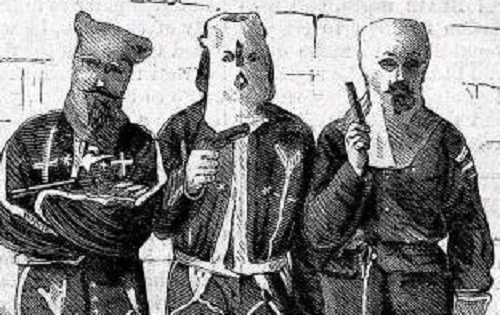
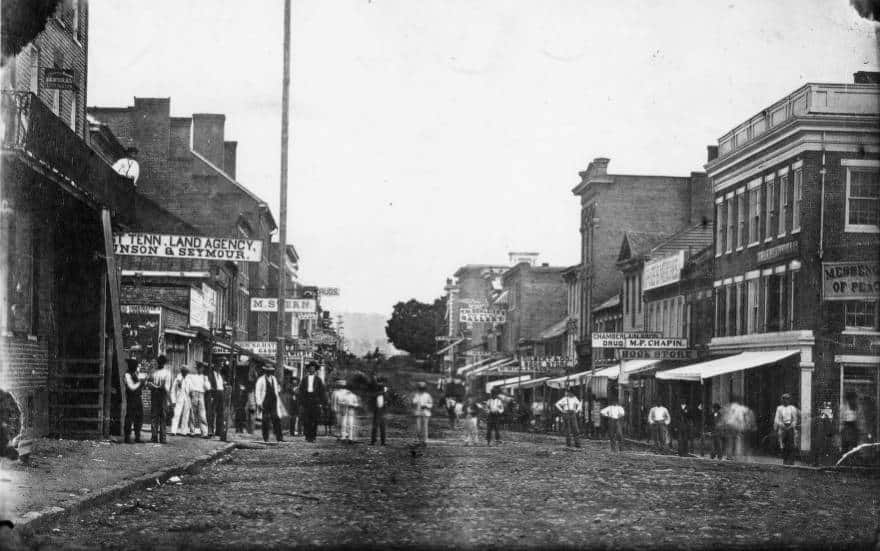
The first “Redeemer” government is established in Tennessee after conservatives gain control of the state’s General Assembly, ushering in an era of Jim Crow segregation laws.
Continue reading
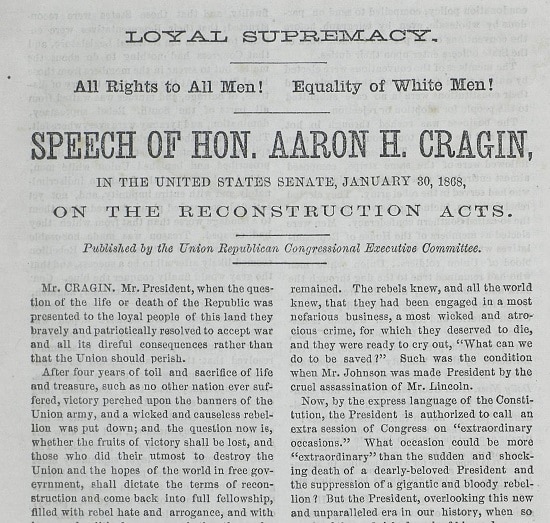
U.S. Senator Cragin spoke against delaying the expansion of suffrage. He countered the statements by white Democrats, saying the real reason they were opposed to Black suffrage was because they could not control the votes.
Continue reading
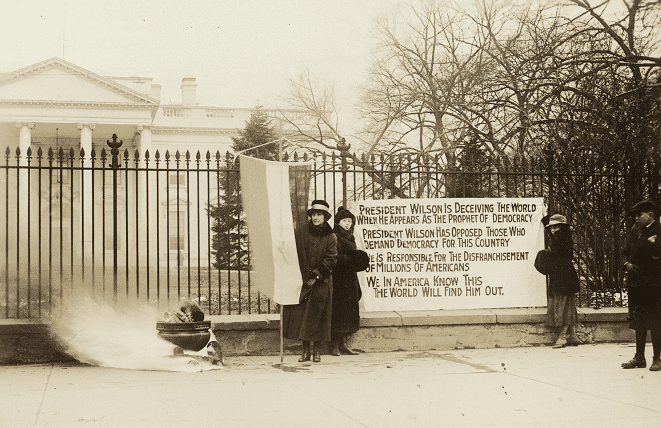
In one of the more spectacular demonstrations for women's voting rights, the National Woman’s Party burned President Woodrow Wilson in effigy in front of the White House during the campaign for the 19th Amendment.
Continue reading
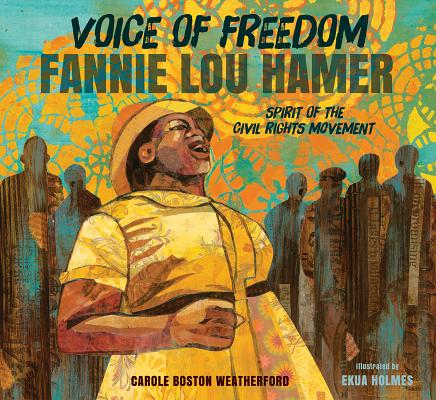
Picture book. By Carole Boston Weatherford. Illustrated by Ekua Holmes. 2015. 45 pages.
Illustrated biography of Fannie Lou Hamer, activist for voting and economic rights from Mississippi.
Continue reading
Teaching Activity. Teaching for Change. 2015. 20 pages.
Introductory lesson on key people and events in the long history of the Selma freedom movement.
Continue reading
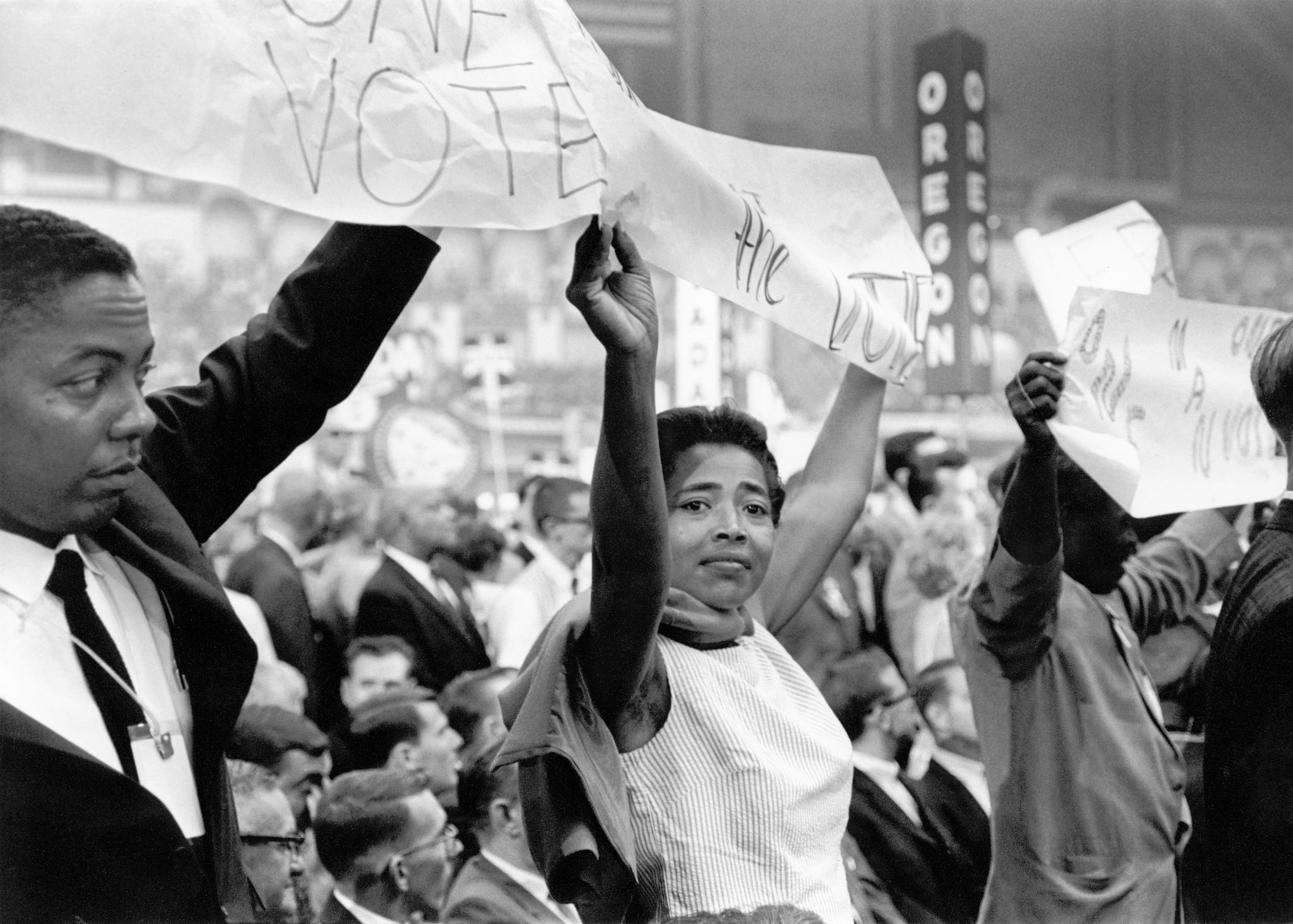
Teaching Activity. By Julian Hipkins III, Deborah Menkart, Sara Evers, and Jenice View.
Role play on the Mississippi Freedom Democratic Party (MFDP) that introduces students to a vital example of small “d” democracy in action. For grades 7+.
Continue reading
Teaching Activity. By Bill Bigelow. 24 pages.
The U.S. Constitution endorsed slavery and favored the interests of the owning classes. What kind of Constitution would have resulted from founders who were representative of the entire country? That is the question addressed in this role play activity.
Continue reading
Lesson. By Bill Bigelow. 17 pages.
This role play engages students in thinking about what freedpeople needed in order to achieve — and sustain — real freedom following the Civil War. It's followed by a chapter from the book Freedom's Unfinished Revolution.
Continue reading