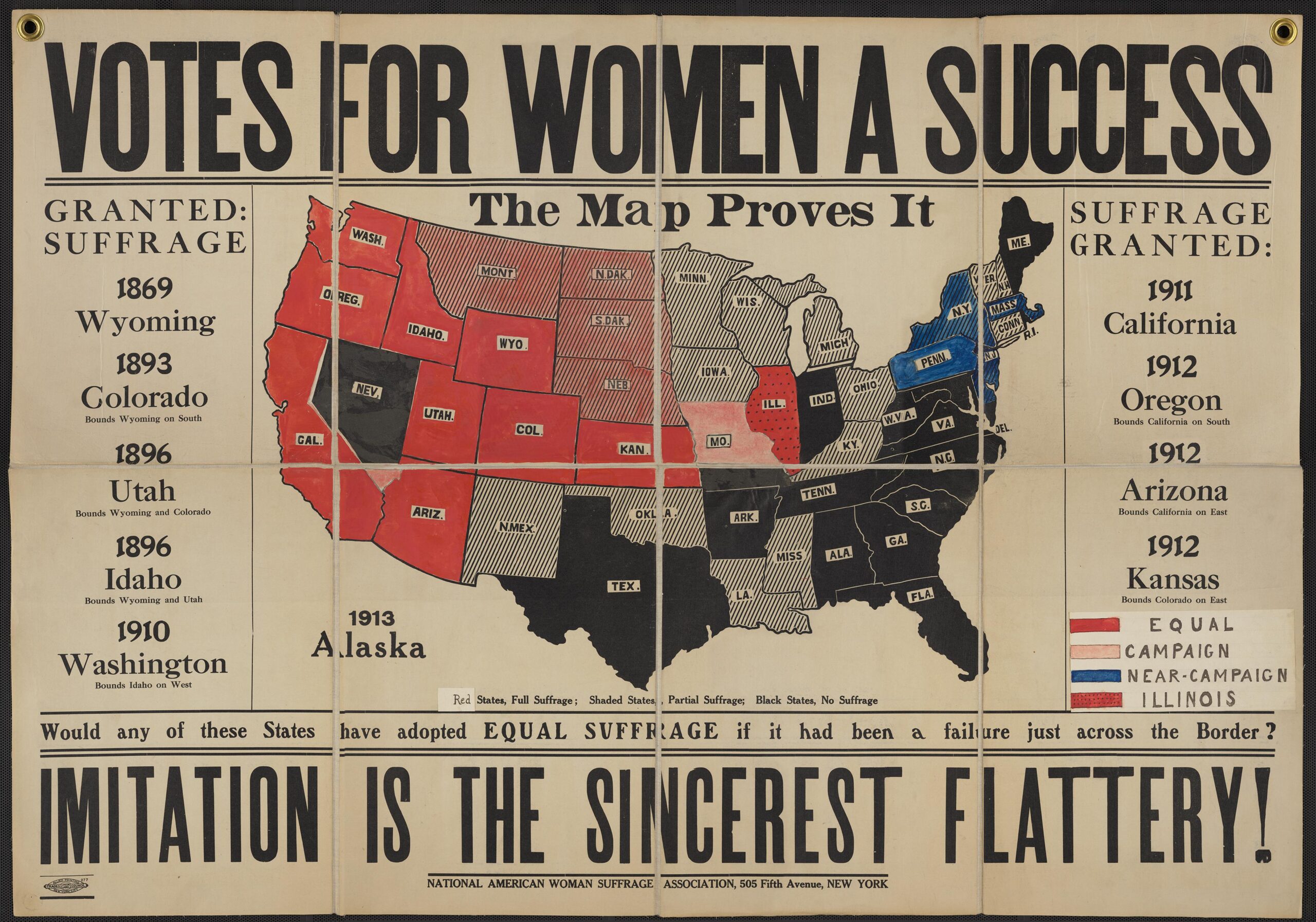
Following a suffrage bill that recognized women’s right to vote and hold public office in Wyoming, Black women there became the first to vote in a U.S. territory in 1870.
Continue reading
Teaching Activity. By Bill Bigelow. 2025. 36 pages.
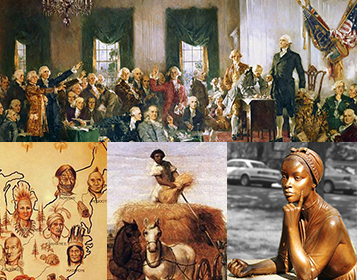
This is a unit with three lessons. The first invites students to think critically about key issues that confronted the framers of the Constitution — examining the perspectives not only of the elites attending the actual Constitutional Convention, but also of enslaved African Americans, poor white farmers, and white workers. The other two lessons are: The Constitutional Convention: Who Really Won? — with students exploring whose interests the Constitution advanced — and Federalist Paper #10: Suppressing “Wicked Projects,” a critical reading activity on James Madison's seminal defense of the Constitution.
Continue reading
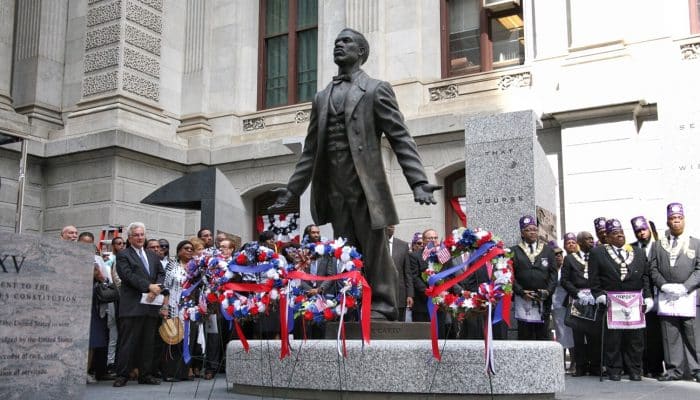
Philadelphia, Pennsylvania Black educator, baseball player, and civil rights activist Octavius V. Catto was murdered by a white supremacist on election day.
Continue reading
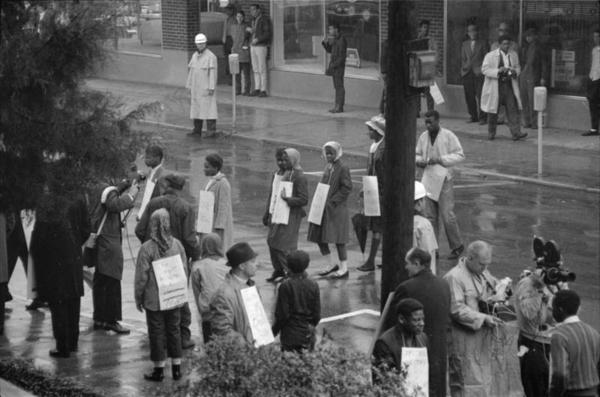
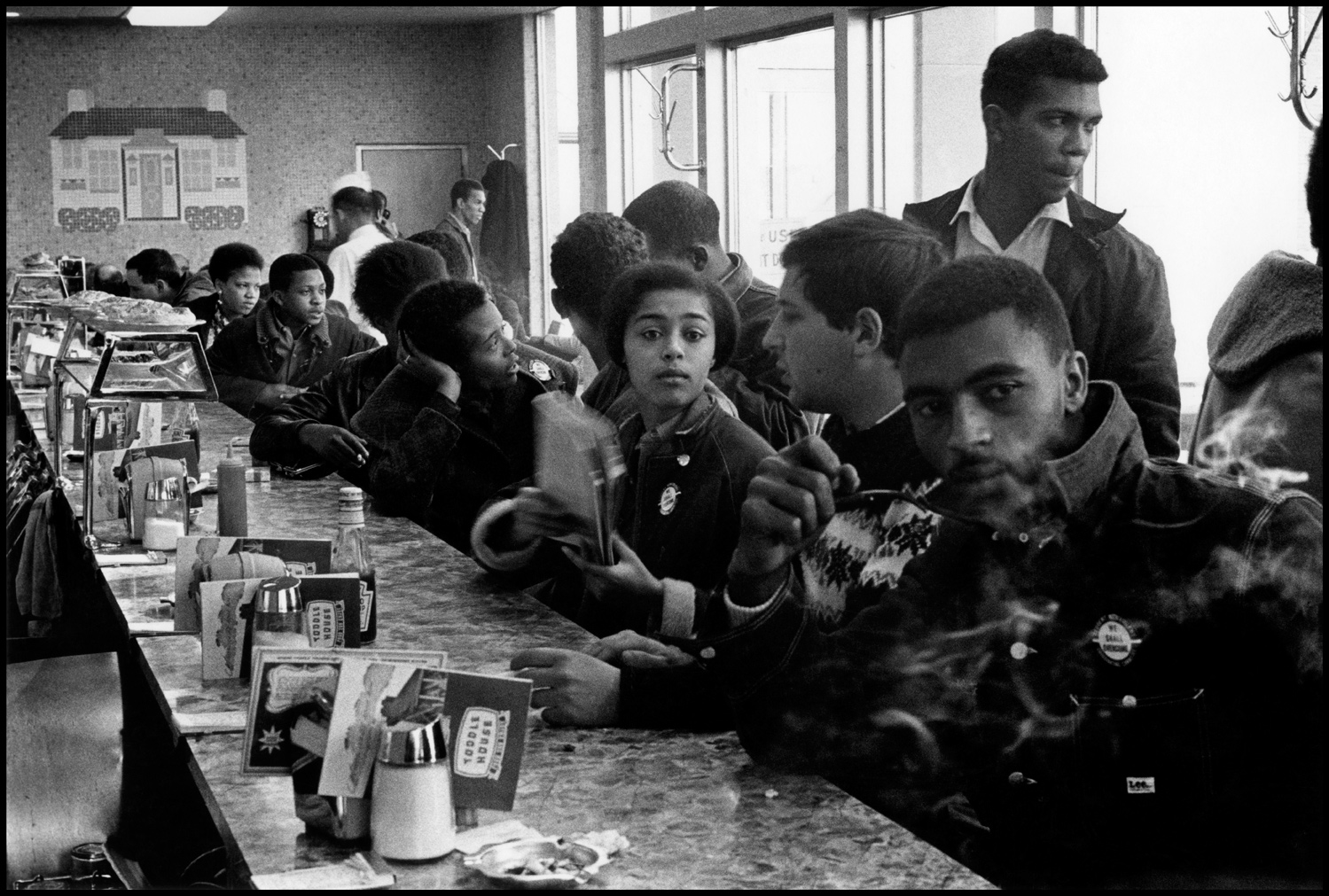
The Student Nonviolent Coordinating Committee (SNCC) voting rights campaign held a Freedom Day in Hattiesburg, Mississippi.
Continue reading
Profile.
Brief biography of Judy Richardson, Student Nonviolent Coordinating Committee (SNCC) veteran, author, and filmmaker.
Continue reading
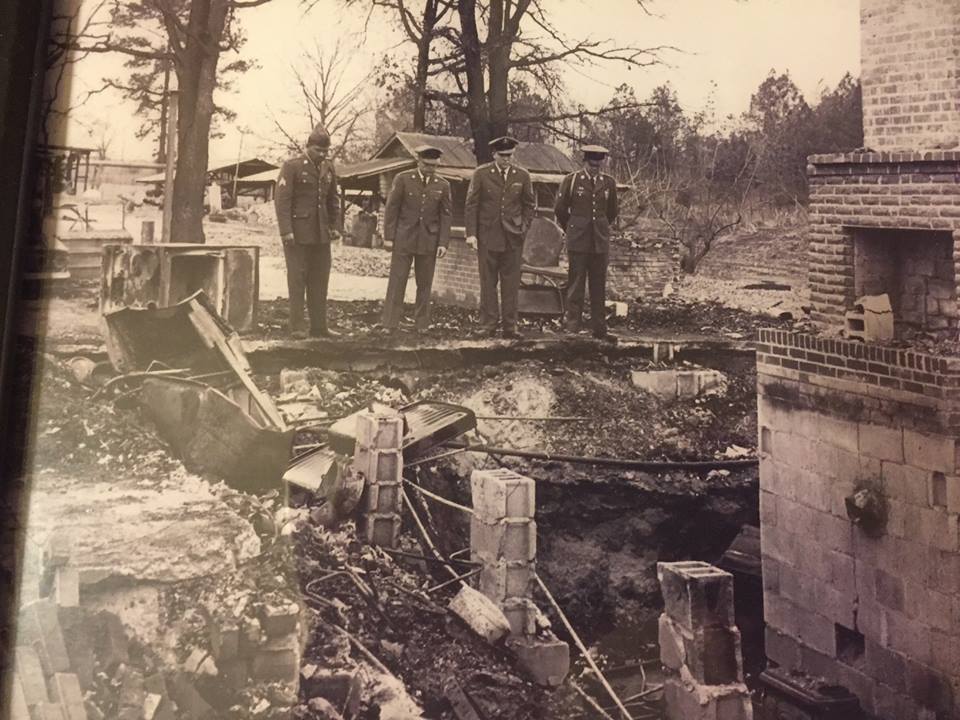
Vernon Dahmer was killed when the Ku Klux Klan fired bombed his home. This was one day after Dahmer offered to pay the election poll tax for anyone who could not afford it.
Continue reading
Teaching Activity. By Mimi Eisen and Ursula Wolfe-Rocca. 47 pages.
A follow-up lesson to “Reconstructing the South,” using primary source documents to reveal key outcomes of the Reconstruction era.
Continue reading
In Symm v. United States — a case that addresses the 26th Amendment — the Supreme Court ruled that it was unconstitutional to prevent college students from voting where they attended school.
Continue reading
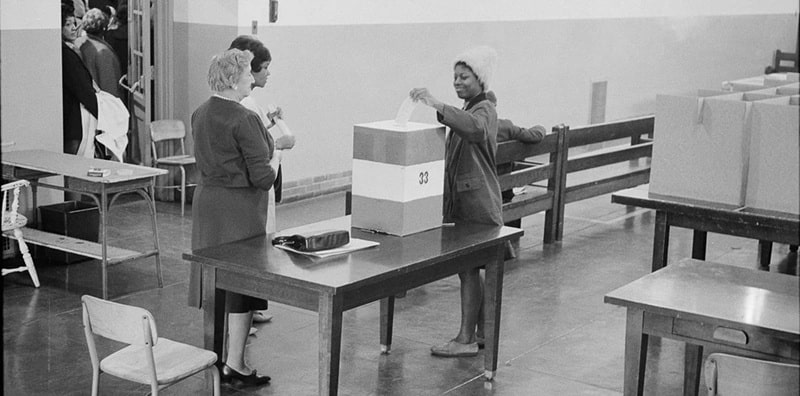
Following the 23rd Amendment, in 1964, Washington, D.C. residents voted in a presidential election for the first time since 1800.
Continue reading
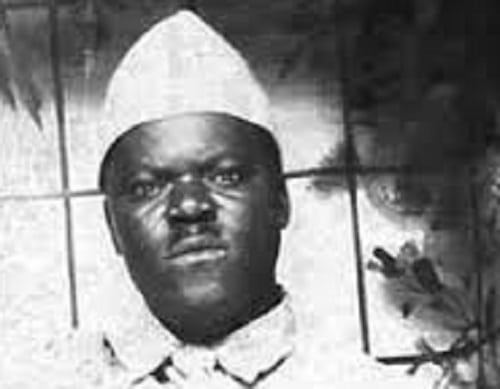
WWII veteran Maceo Snipes was murdered after casting his vote in the Georgia Democratic Primary.
Continue reading
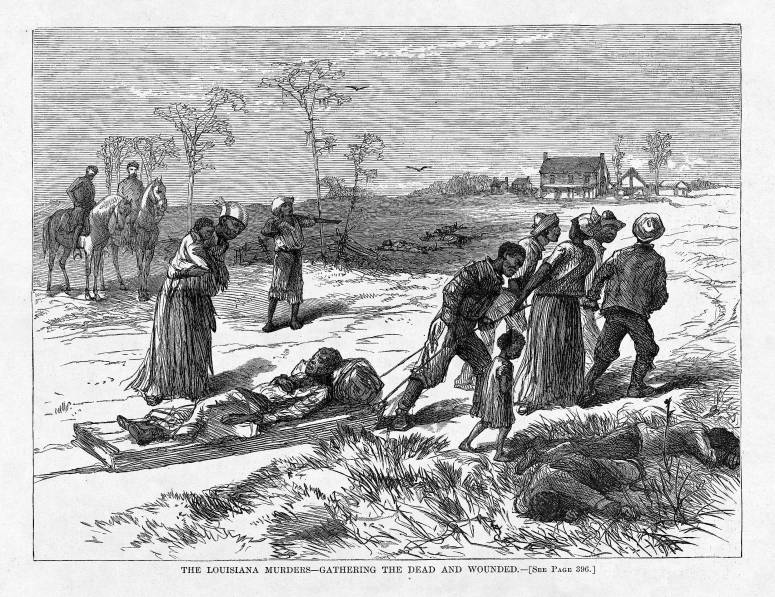
The Ku Klux Klan carried out the Colfax Massacre in response to a Republican victory in the 1872 elections.
Continue reading
Rev. George W. Lee, one of the first African Americans registered to vote in Humphreys County since Reconstruction and head of the Belzoni, Mississippi NAACP, was murdered.
Continue reading
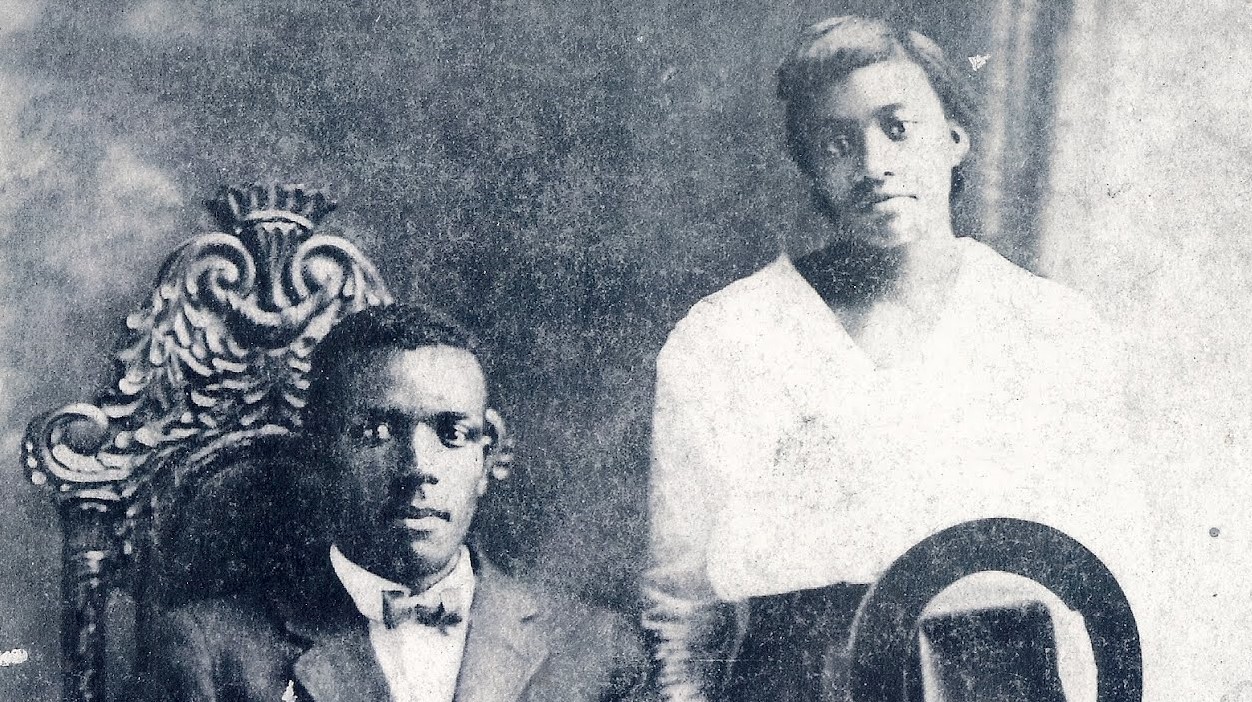
Lamar Smith, 63-year-old farmer and WWI veteran, was shot dead in Brookhaven, Mississippi, for urging African Americans to vote.
Continue reading
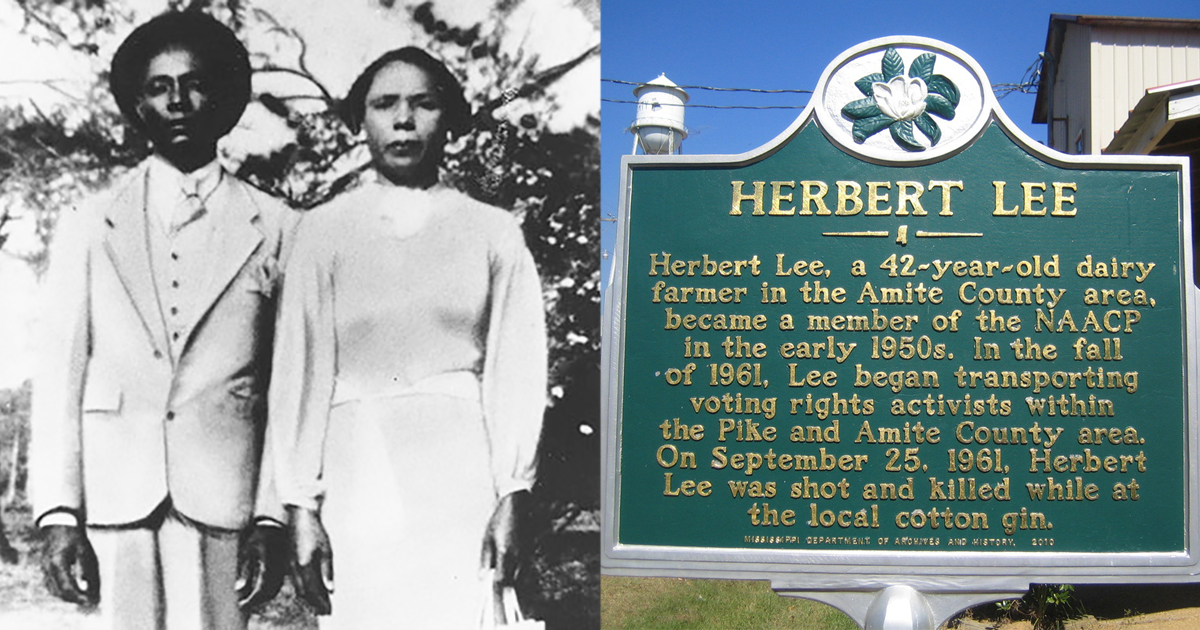
Herbert Lee, a farmer who helped voting rights activists, was murdered by a Mississippi state legislator in broad daylight.
Continue reading
African Americans tested their right to vote and when denied, cast their own “freedom ballots,” on election day in Norfolk, Virginia.
Continue reading
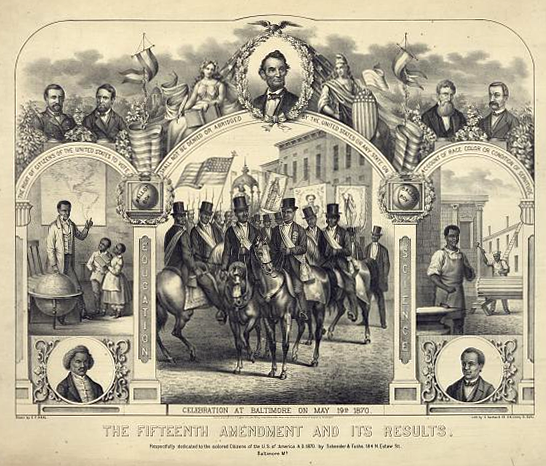
The 15th Amendment to the United States Constitution was formally adopted.
Continue reading
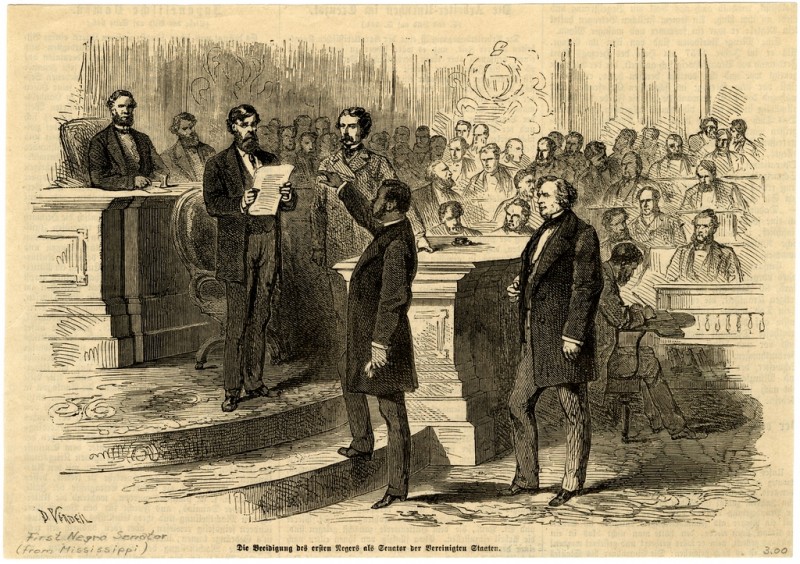
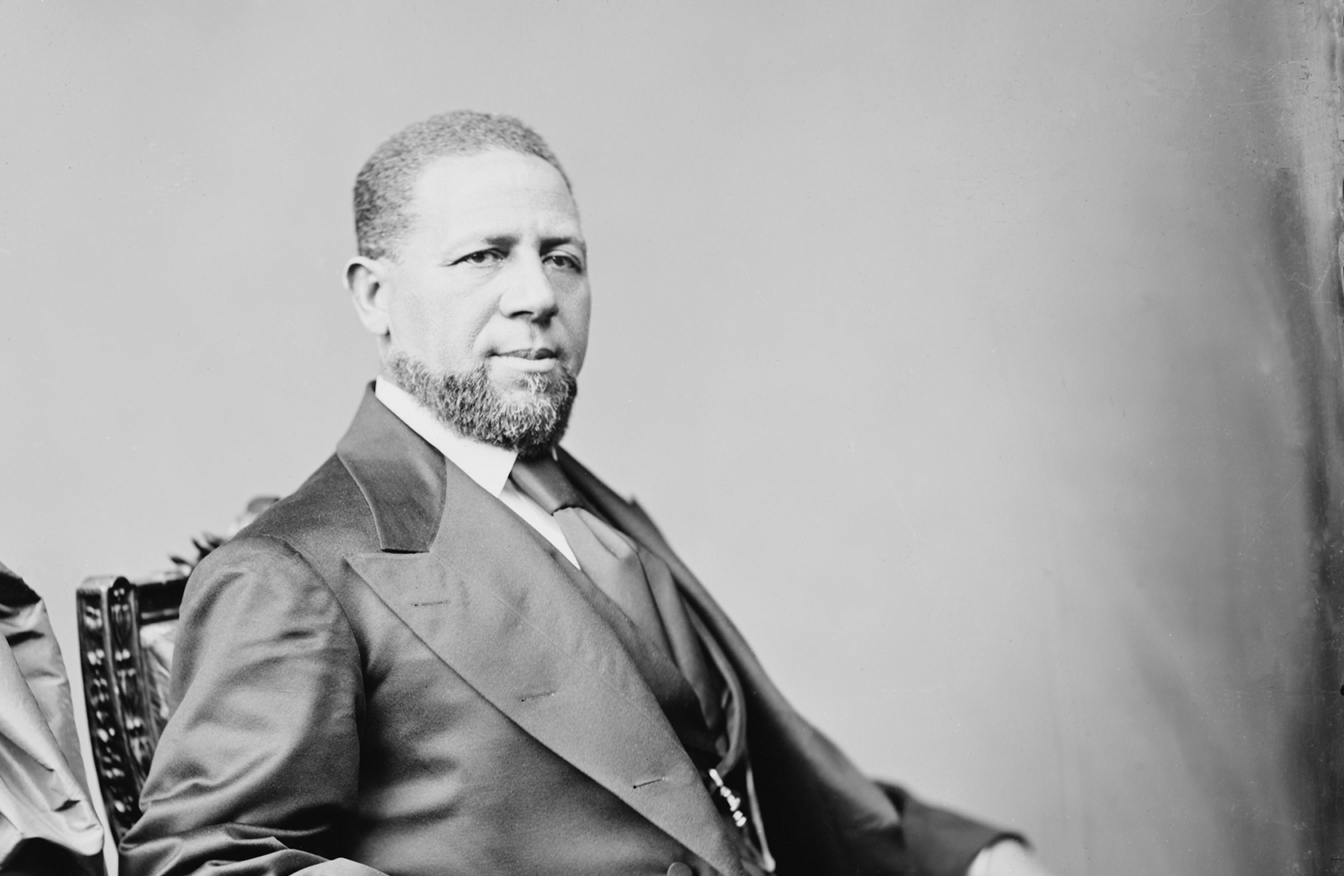
Hiram Revels was sworn into office as senator from Mississippi, becoming the first African American to serve in the U.S. Senate.
Continue reading
The 15th Amendment to the United States Constitution officially granted African American men the right to vote.
Continue reading
Hiram Rhodes Revels was the first African American to be elected to serve in the U.S. Senate.
Continue reading
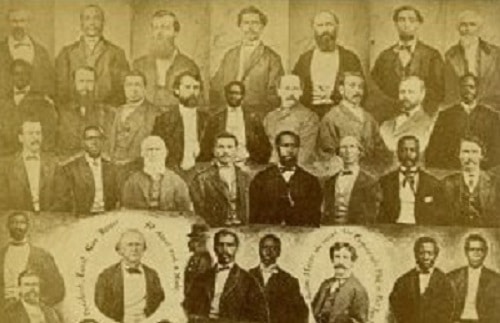
The South Carolina constitutional convention met with a majority of Black delegates, adopting a constitution that provided for all people regardless of race, economic class, or gender.
Continue reading
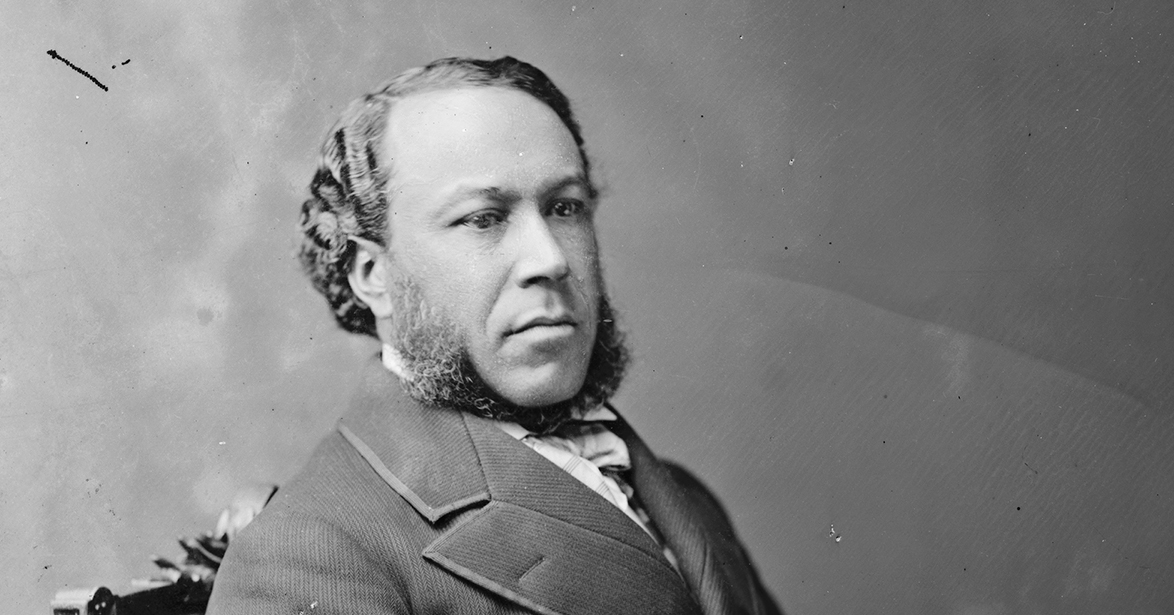
Joseph H. Rainey, from South Carolina, was the first African American to serve in the U.S. House of Representatives.
Continue reading
The Georgia Constitutional Convention was held with 33 African Americans and 137 white attendees.
Continue reading
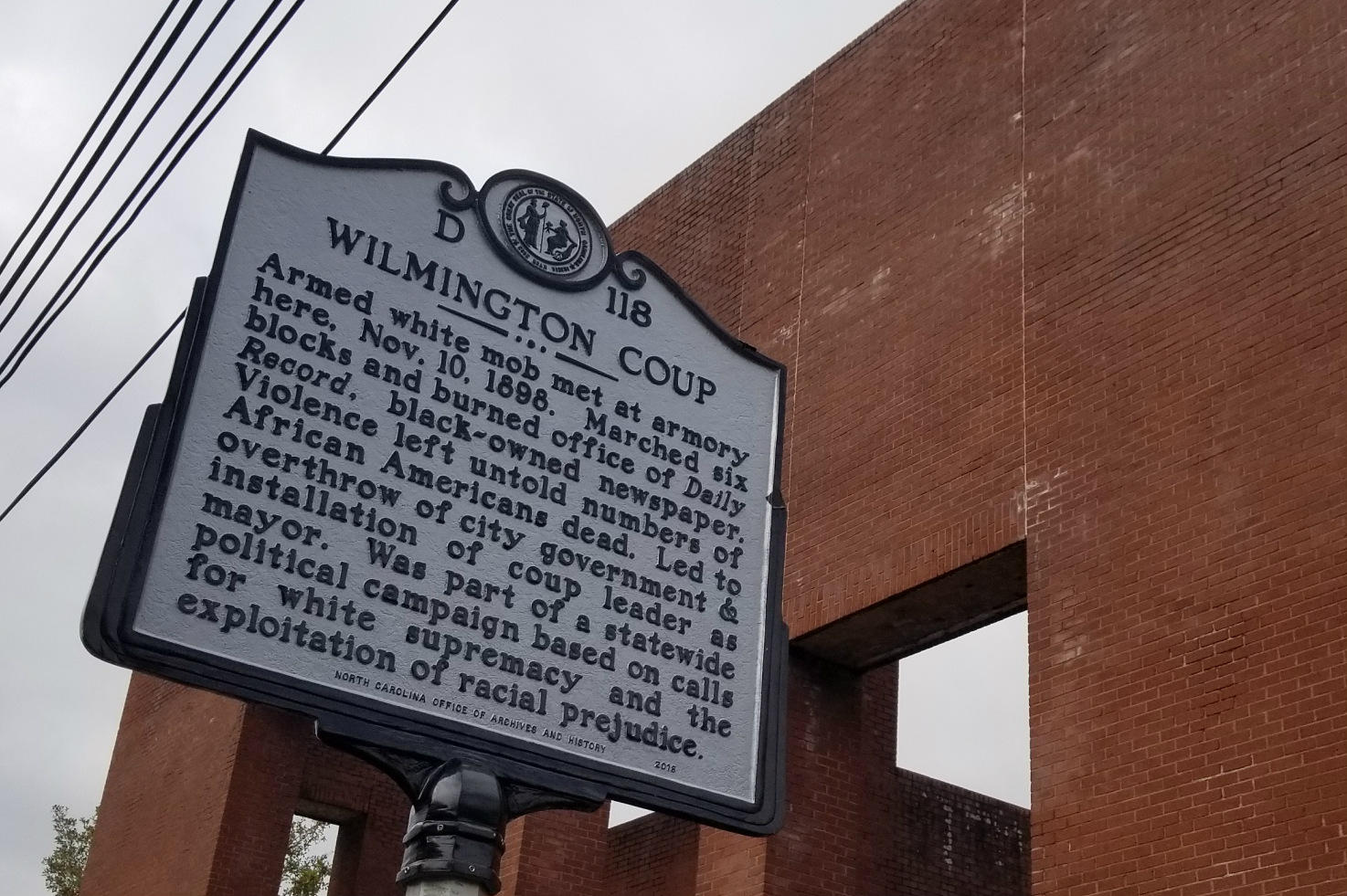
The elected and interracial Reconstruction era local government was deposed in a coup d’etat in Wilmington, North Carolina.
Continue reading
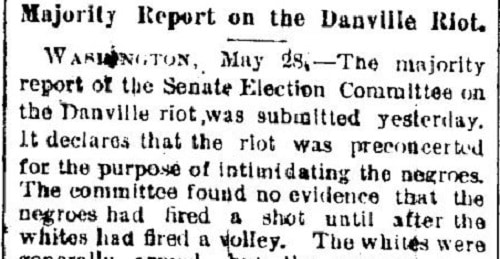
African Americans voters were threatened after the Danville Riot, leading to their loss of political power in this majority African American city in Virginia.
Continue reading
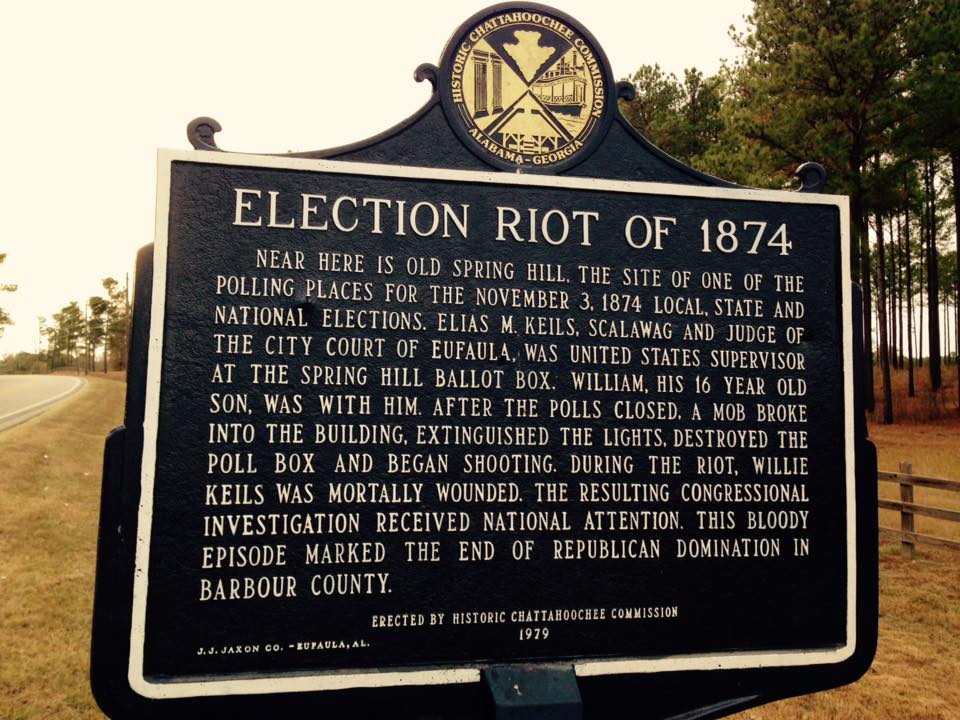
Deadly election “riots” took place in Barbour County, Alabama against African American politicians and voters.
Continue reading