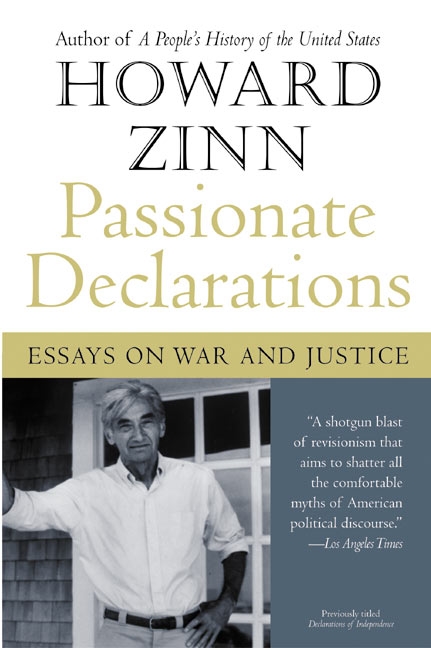
Book — Non-fiction. By Howard Zinn. 2003. 368 pages.
A selection of passionate, honest, and piercing essays looking at political ideology in the United States.
Continue reading
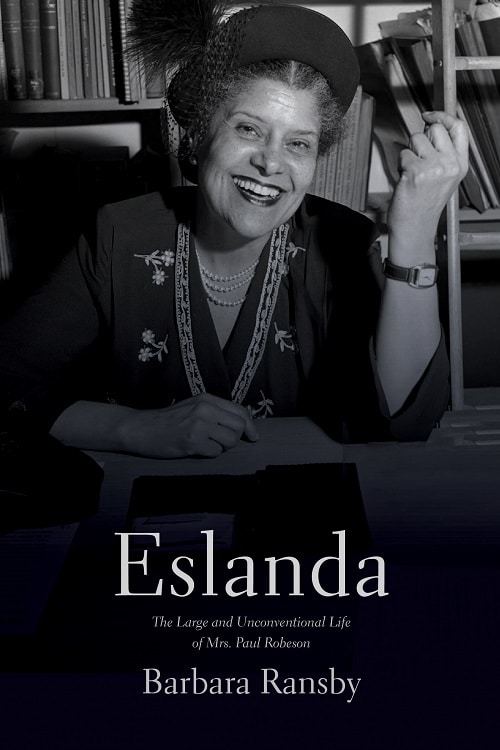
Book — Non-fiction. By Barbara Ransby. 2013. 373 pages.
This biography of cosmopolitan anthropologist Eslanda Cardozo Goode Robeson explores her influence on her husband's early career, their open marriage, and her life as a prolific journalist, a tireless advocate of women's rights, and an outspoken anti-colonial and antiracist activist.
Continue reading
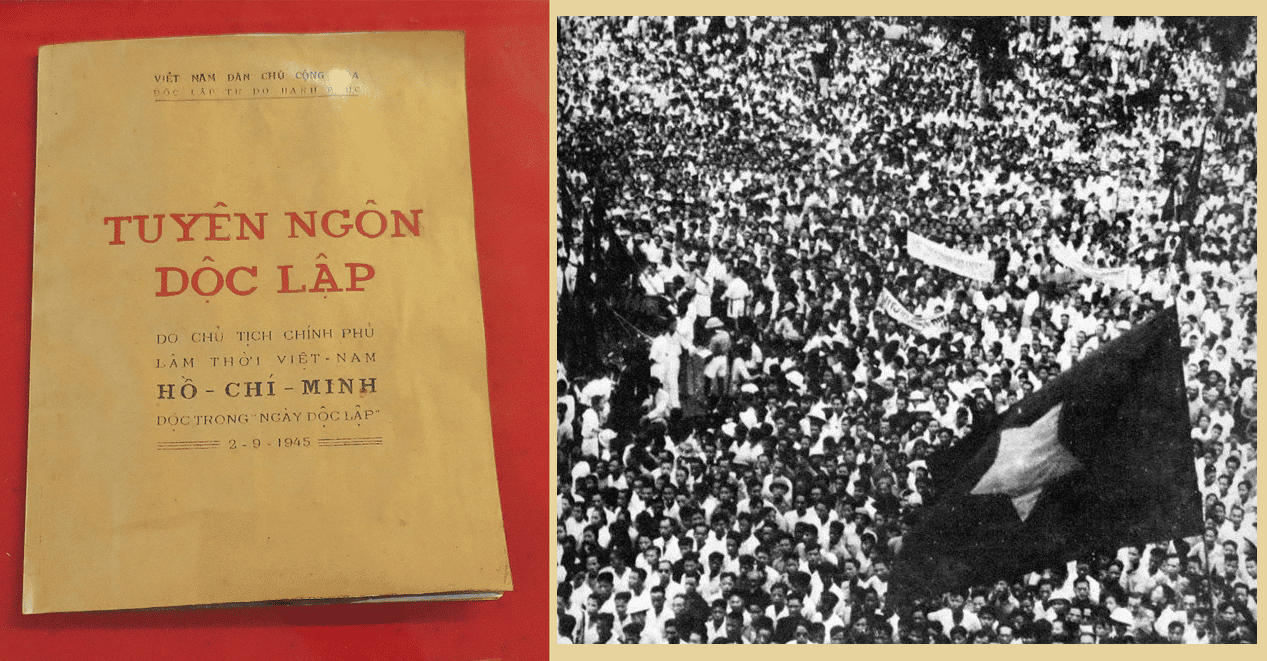
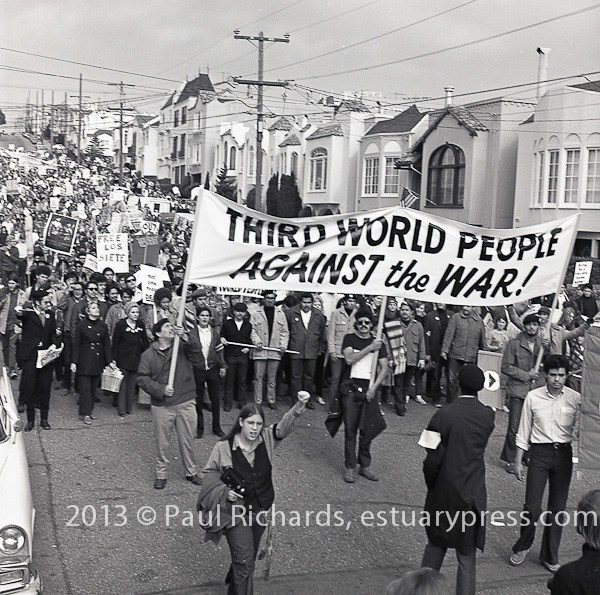
Here are resources to help students probe the roots of U.S. involvement in Vietnam and the impact of the Vietnam War — which the Vietnamese rightly call “The American War” — and resistance to the war.
Continue reading
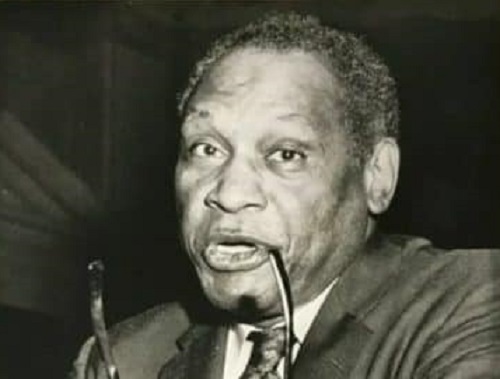
Paul Robeson testified before the House Committee on Un-American Activities, where he was questioned about his political speech, associations, and party affiliation.
Continue reading
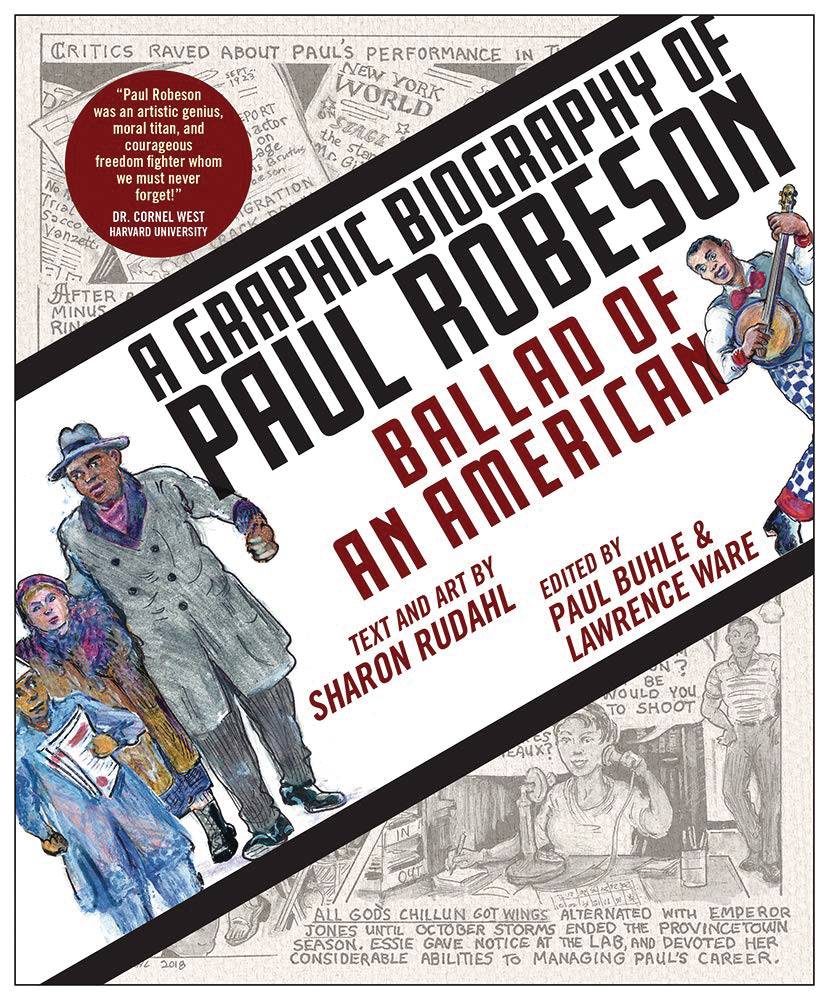
Book — Non-fiction. Written and illustrated by Sharon Rudahl. Edited by Paul Buhle and Lawrence Ware. 2020. 142 pages.
The first-ever graphic biography of Paul Robeson charts Robeson’s career as a singer, actor, scholar, athlete, and activist who achieved global fame.
Continue reading
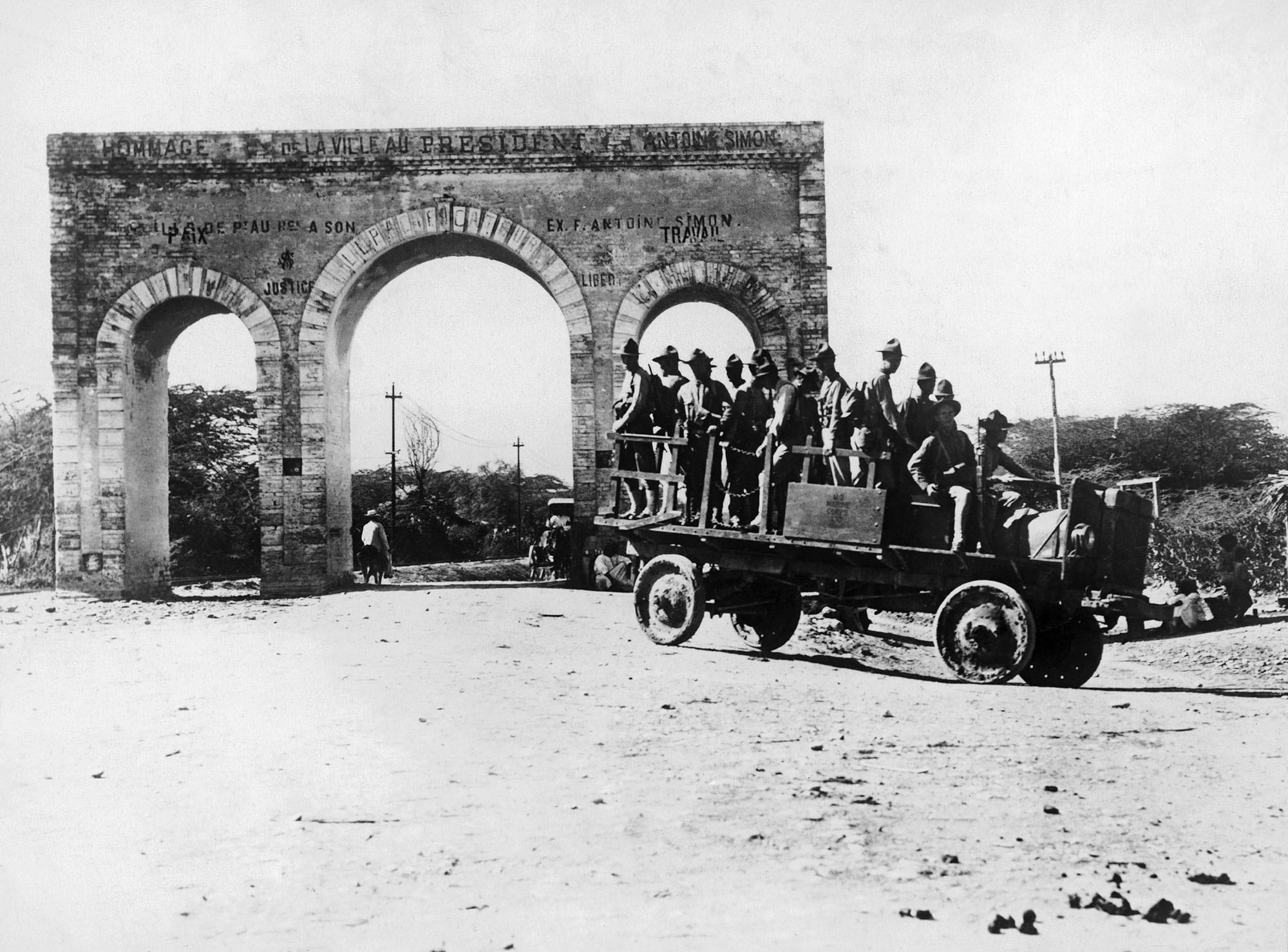
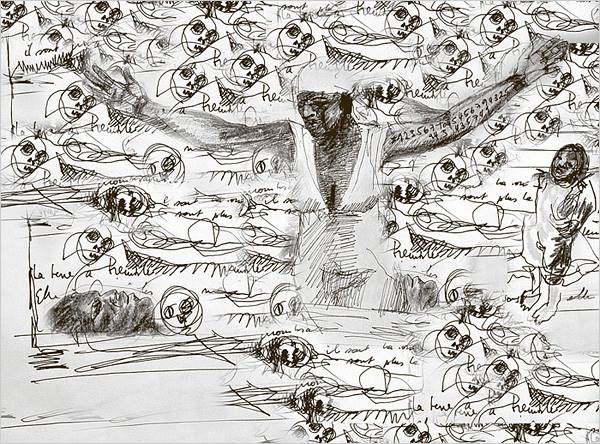
One of the worst massacres of civilians during the 19-year American occupation of Haiti took place in Les Cayes.
Continue reading
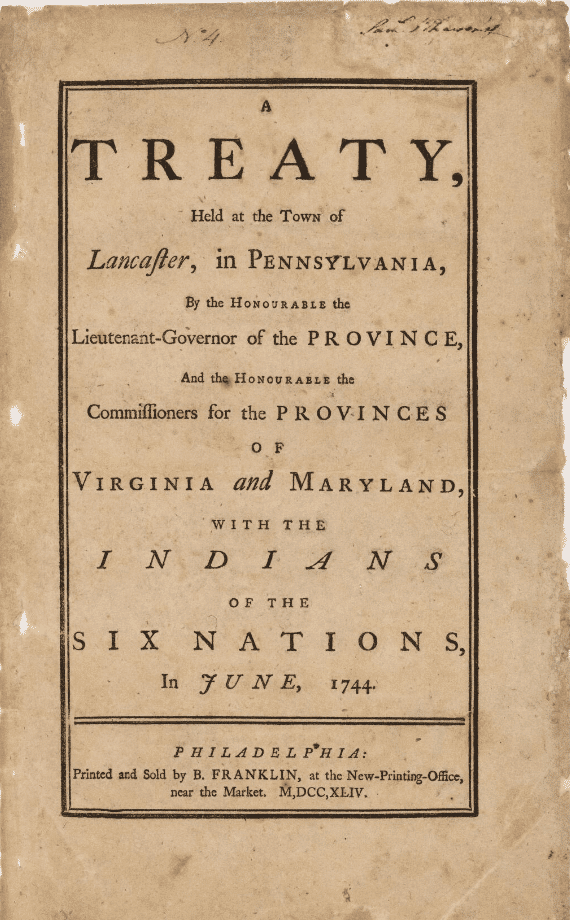
Digital collection. View digitized historic treaties between Indigenous tribes and the U.S. government alongside key historic works that provide context to the agreements made and the histories of shared lands.
Continue reading
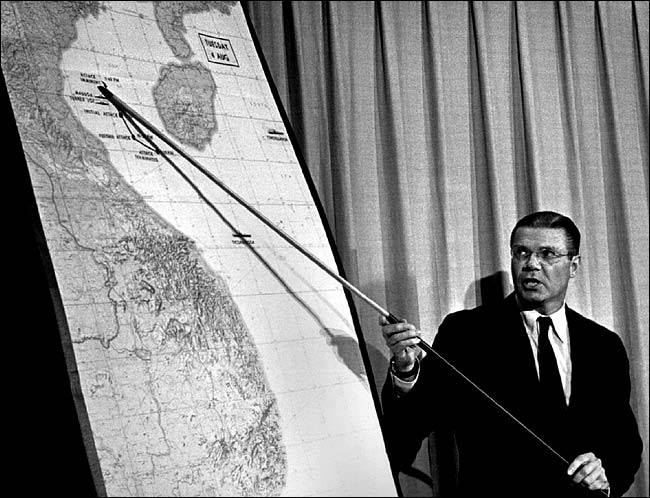
The Gulf of Tonkin Resolution was passed without a single dissent in the House of Representatives, and only two no votes in the Senate, leading to increased U.S. aggression in Vietnam.
Continue reading
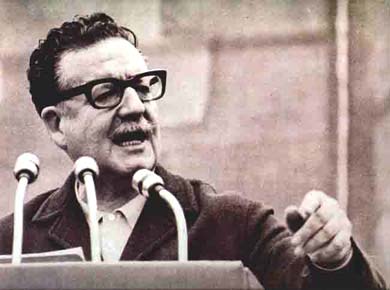
Chile’s democratically elected president, Salvador Allende was killed in a U.S.-backed coup.
Continue reading
Under the orders of U.S.-backed Dominican dictator President Rafael Trujillo, the execution of more than 20,000 Haitians began in what is now known as the Parsley Massacre at Massacre River.
Continue reading
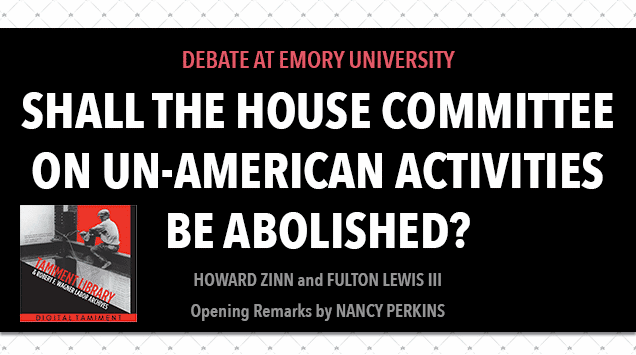
Howard Zinn debated Fulton Lewis III, a journalist and member of the House Un-American Activities Committee, on the question of “Shall the House Committee on Un-American Activities Be Abolished?”
Continue reading
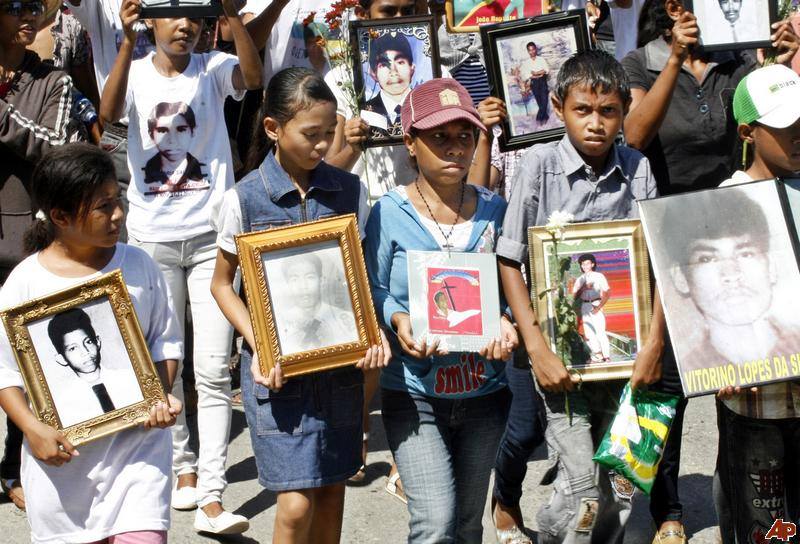
Using arms from the United States, Indonesian troops fired on a peaceful procession in East Timor, killing more than 270 people.
Continue reading
The second anti-war Moratorium occurred with over 500,000 marching in Washington, D.C. and demonstrations throughout the country and the world.
Continue reading
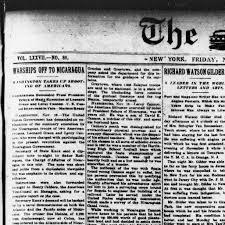
President William Howard Taft ordered U.S. warships to Nicaragua to defend U.S. corporate profits.
Continue reading
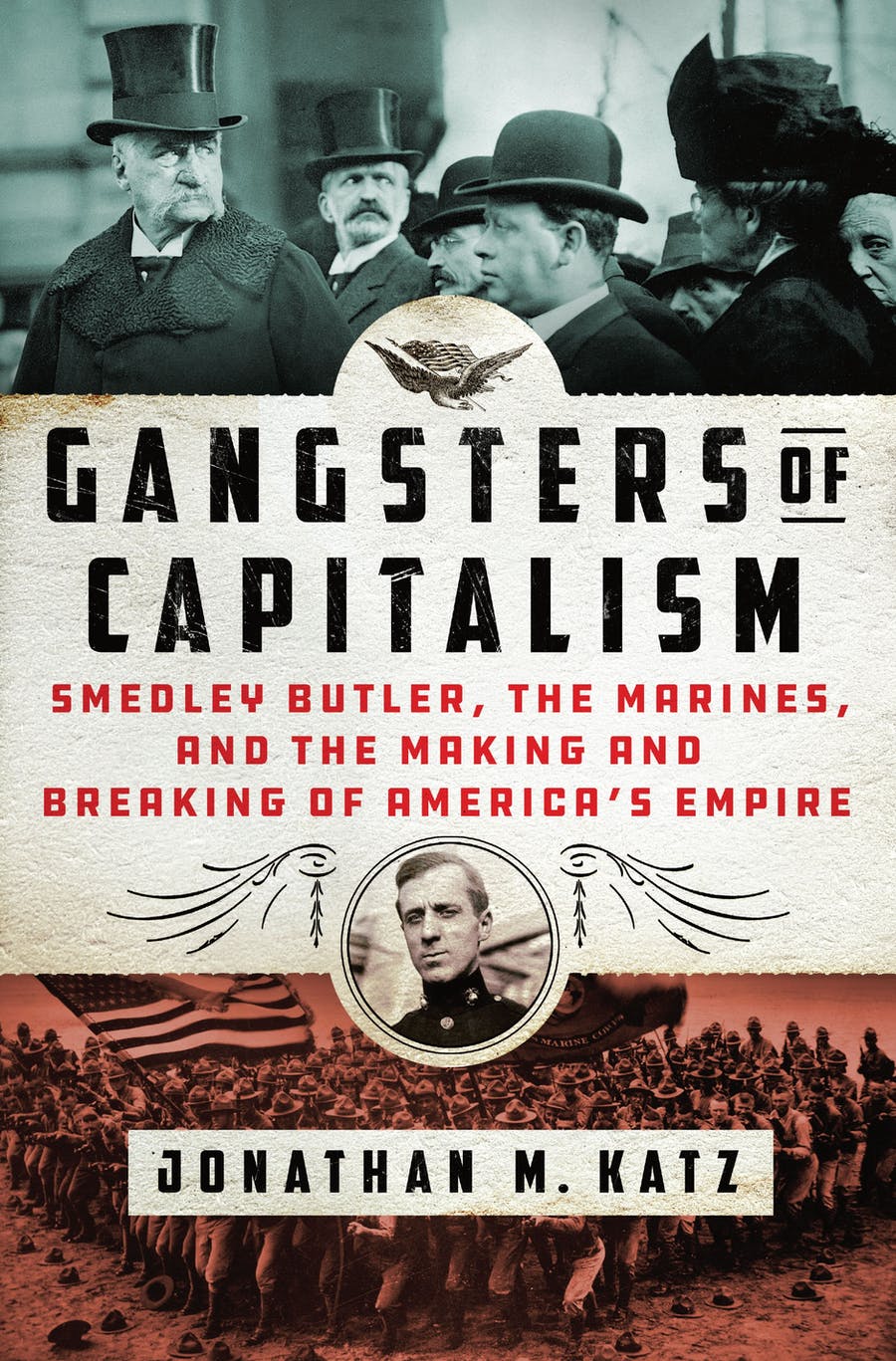
Book — Non-fiction. By Jonathan M. Katz. 2022. 432 pages.
This book traces a path from the first wave of U.S. overseas expansionism to the rise of fascism in the 1930s to the crises of democracy in our own time.
Teaching Activity by Jonathan M. Katz
Continue reading
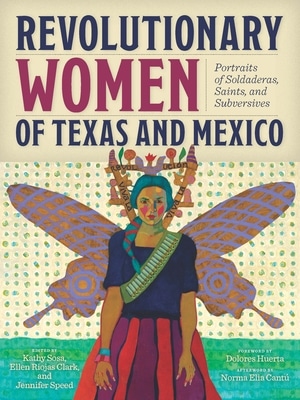
Book — Non-fiction. Edited by Sosa, Clark, and Speed. 2020. 352 pages.
This anthology examines female role models and subversives who stood up for their visions and ideals in Mexico and Texas.
Teaching Activity by Edited by Kathy Sosa, Ellen Riojas Clark, and Jennifer Speed
Continue reading
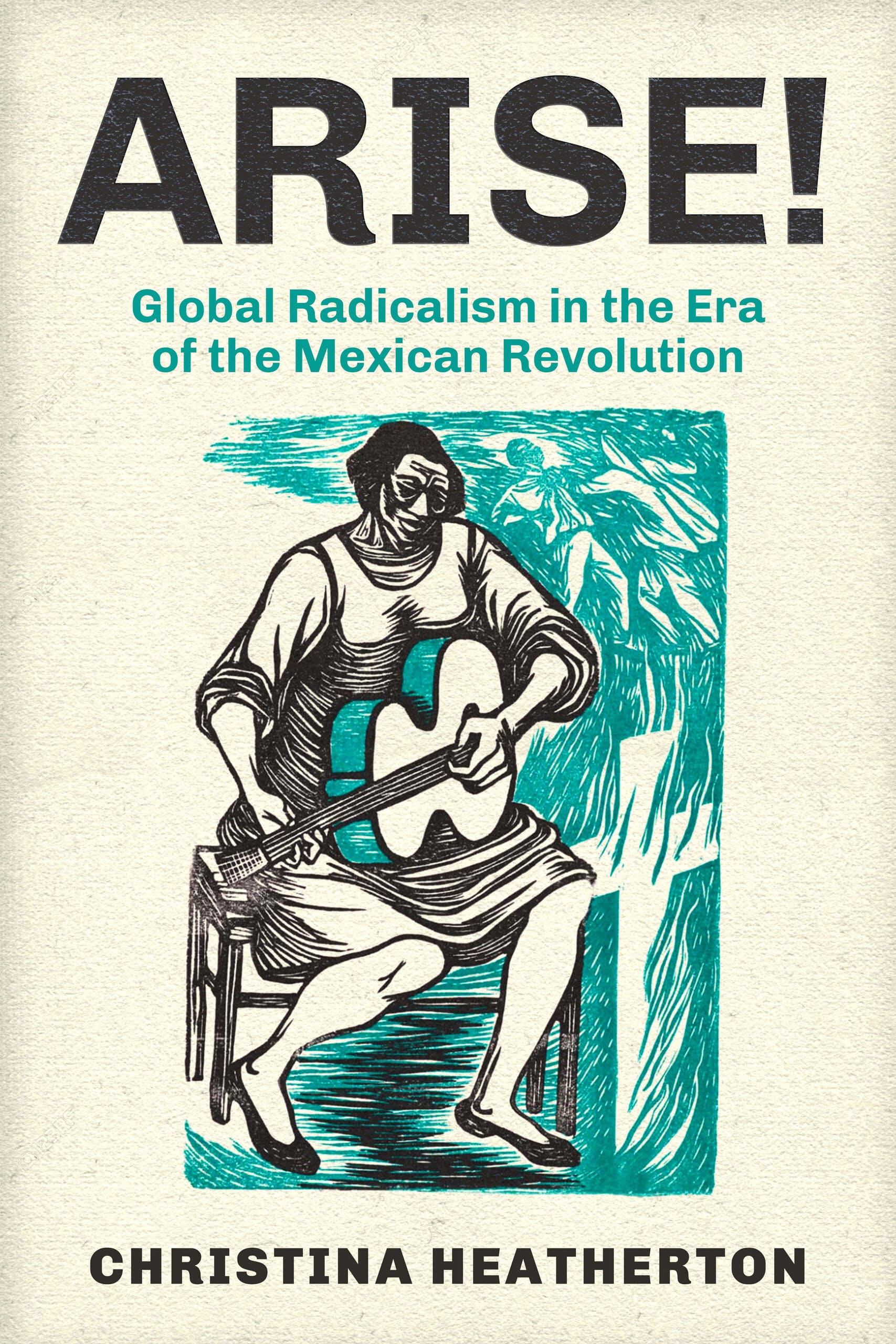
Book — Non-fiction. By Christina Heatherton. 2022. 336 pages.
This book tells the international history of radical movements and their convergences during the Mexican Revolution, reconstructing how this era's organizers found new ways to fight global capitalism.
Continue reading
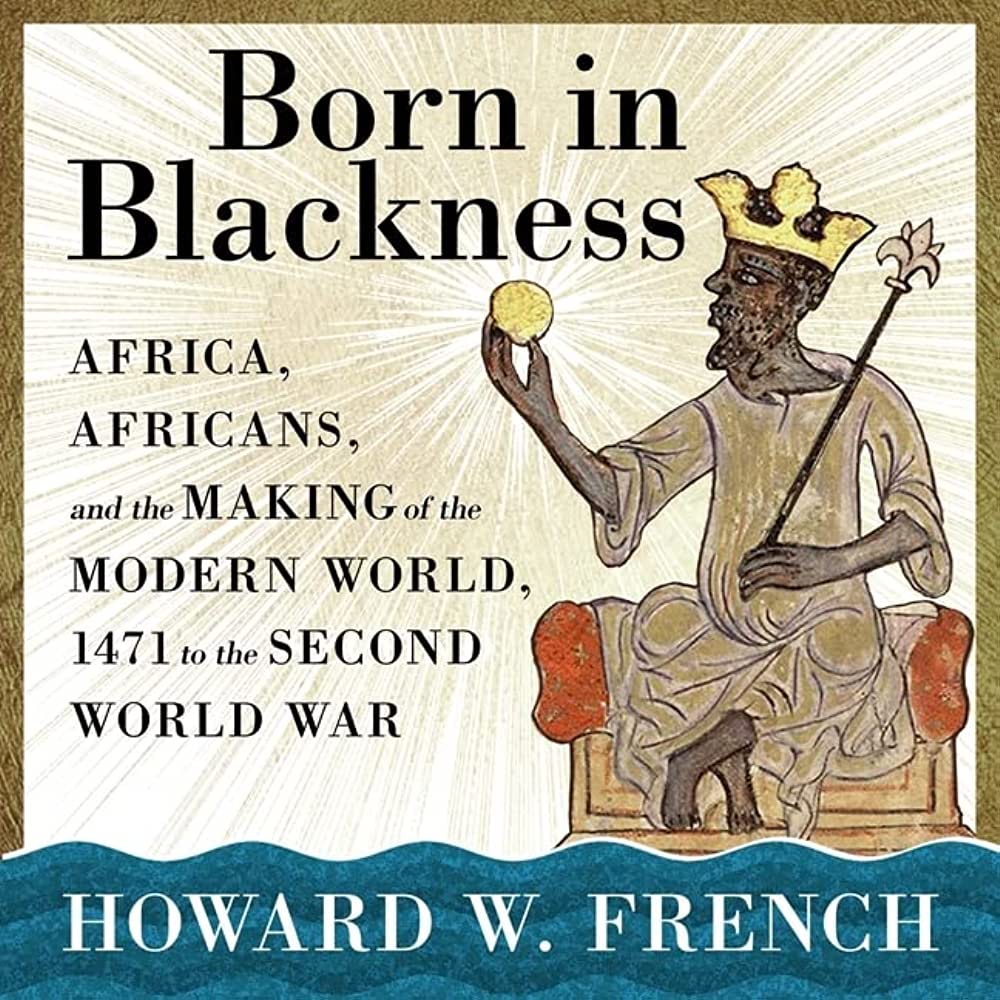
Book — Non-fiction. By Howard W. French. 2021. 521 pages.
This sweeping history reveals a long-concealed history of trivialization and, more often, elision in depictions of African history throughout the last five hundred years.
Continue reading
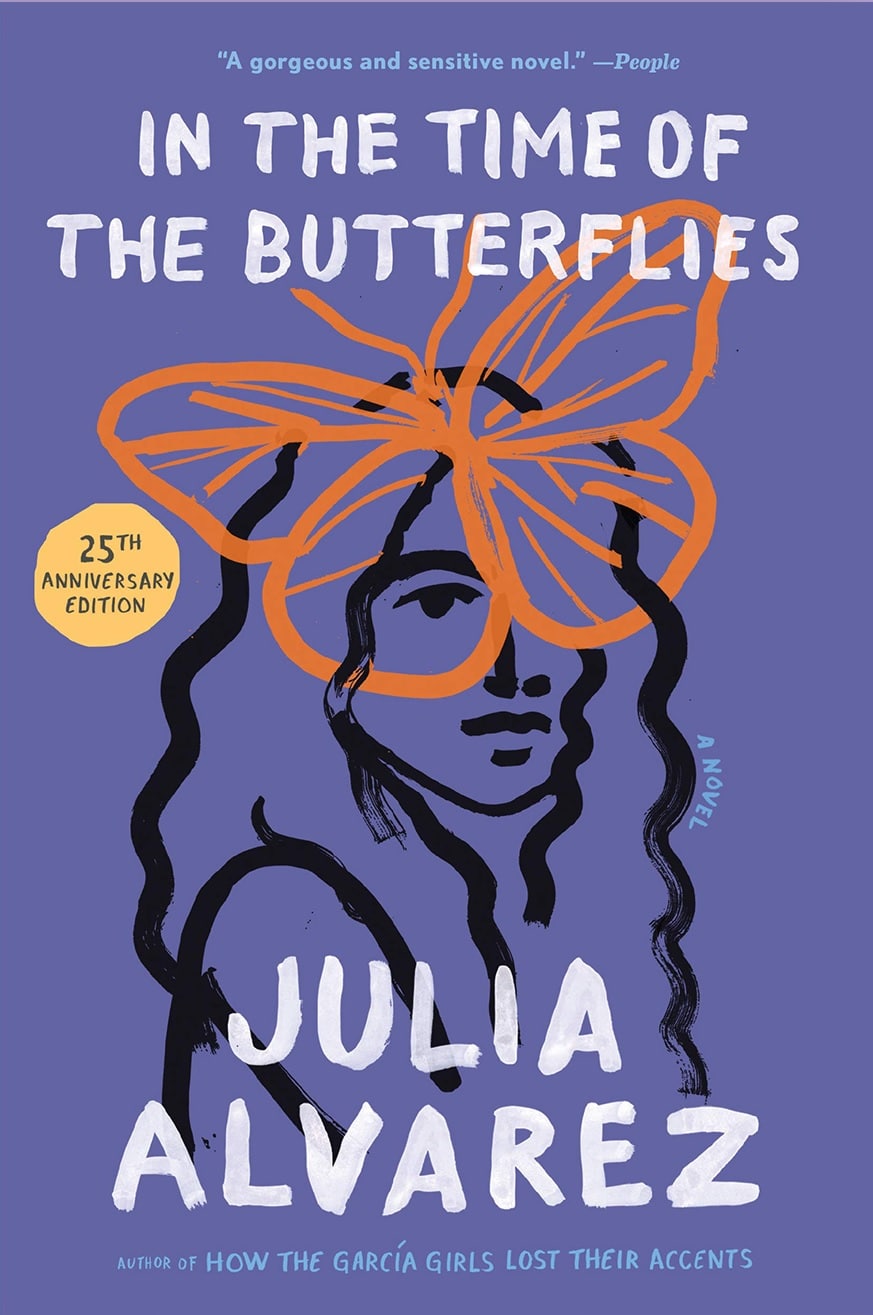
Book — Fiction. By Julia Alvarez. 2010. 352 pages.
The story of Las Mariposas — “The Butterflies” — is about four sisters and their tragic deaths under Trujillo’s dictatorship in the Dominican Republic.
Continue reading