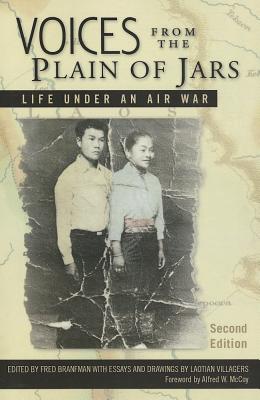
Book — Non-fiction. Edited by Fred Branfman. 2013 (original edition, 1972). 196 pages.
Essays, drawings, and poems by Laotian villagers who survived almost 10 years of widespread, persistent, and devastating bombing during the Vietnam War in a covert operation in Laos.
Continue reading
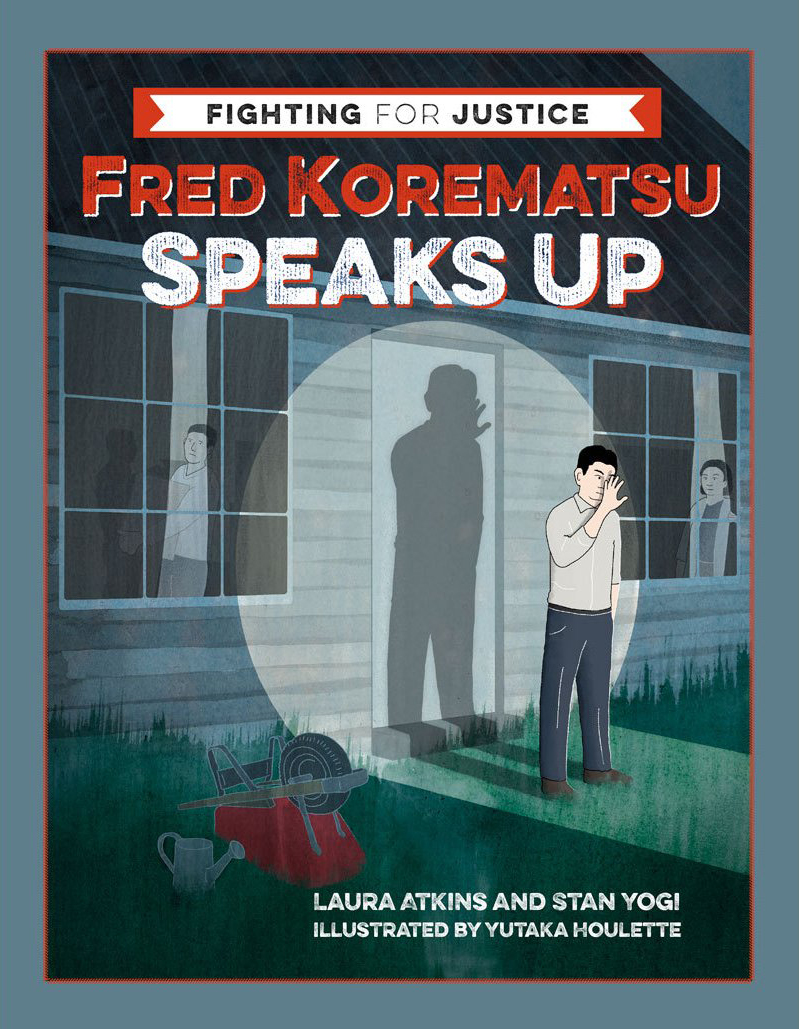
Book — Non-fiction. By Laura Atkins and Stan Yogi. Illustrated by Yutaka Houlette. 2017. 112 pages.
Story of Fred Koretmatsu, jailed for resisting incarceration by the U.S. government during WWII. He took his case to the U.S. Supreme Court twice.
Continue reading
Teaching Activity. By Alison Kysia. 28 pages.
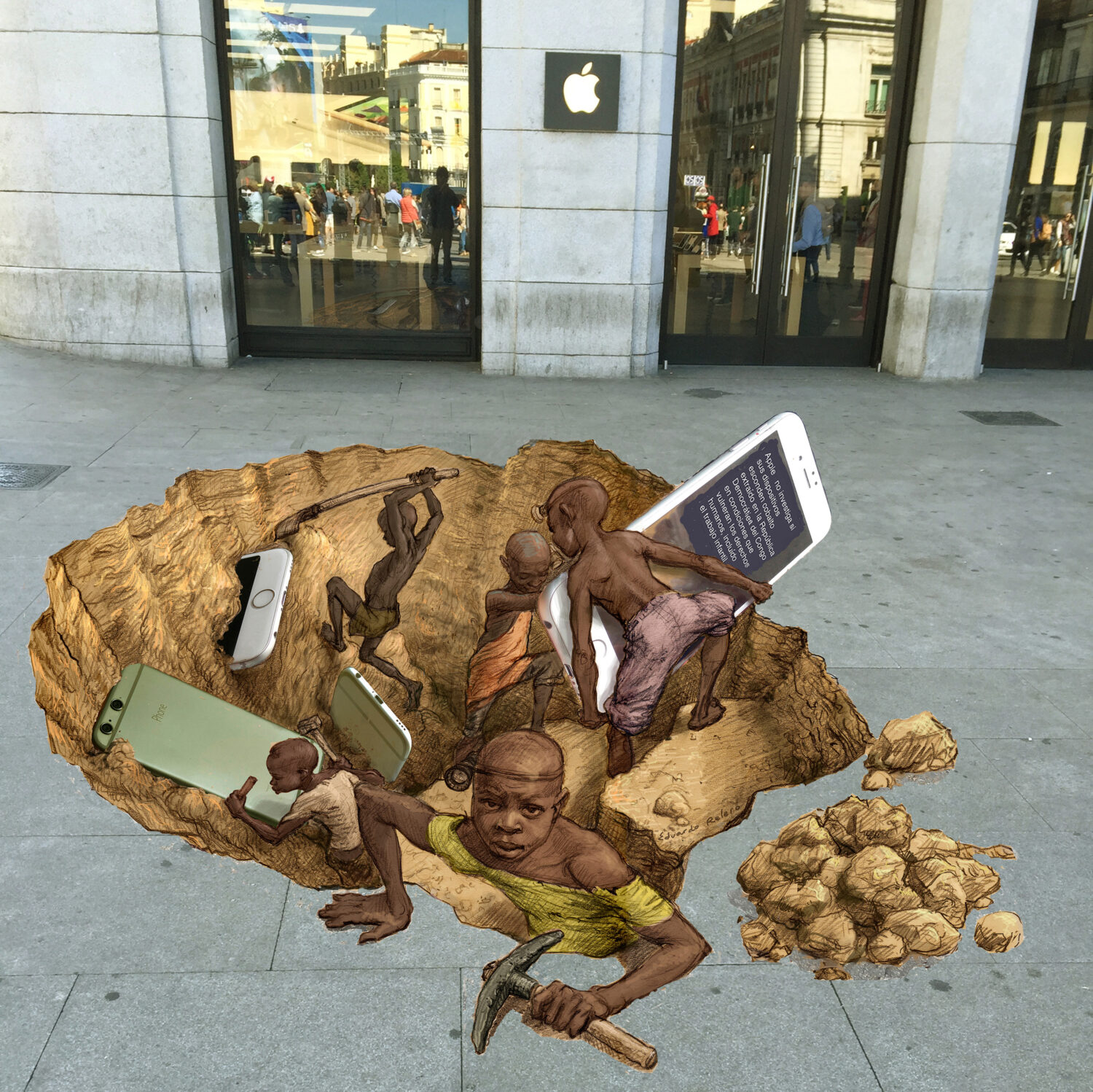
In this lesson, students learn about the colonial history of Congo, debate responsibility for crimes against humanity, and investigate the connection, past and present, between the exploitation of natural resources and violence.
Continue reading
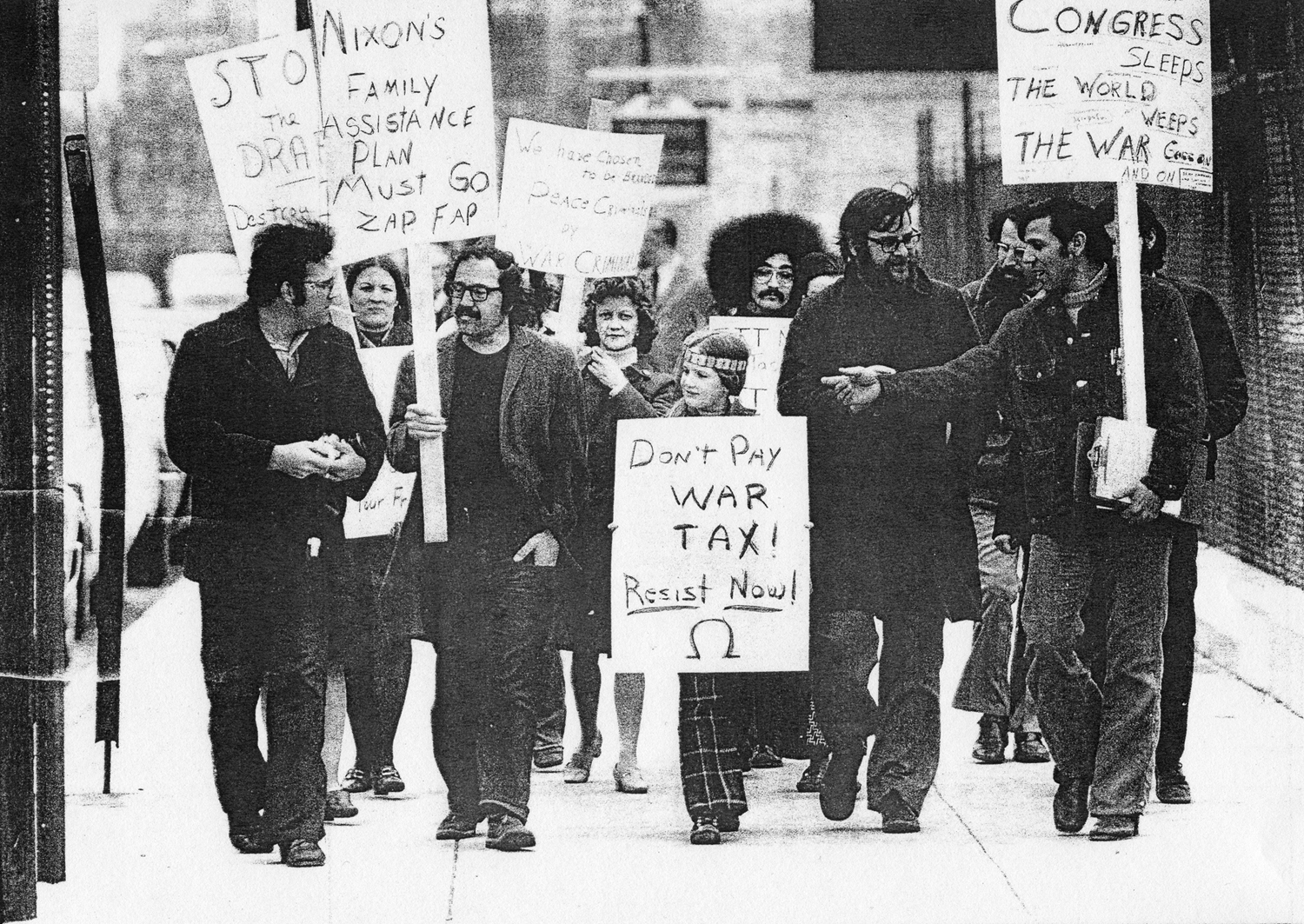
Twenty anti-war protesters were arrested for breaking into selective service offices and destroying draft records.
Continue reading
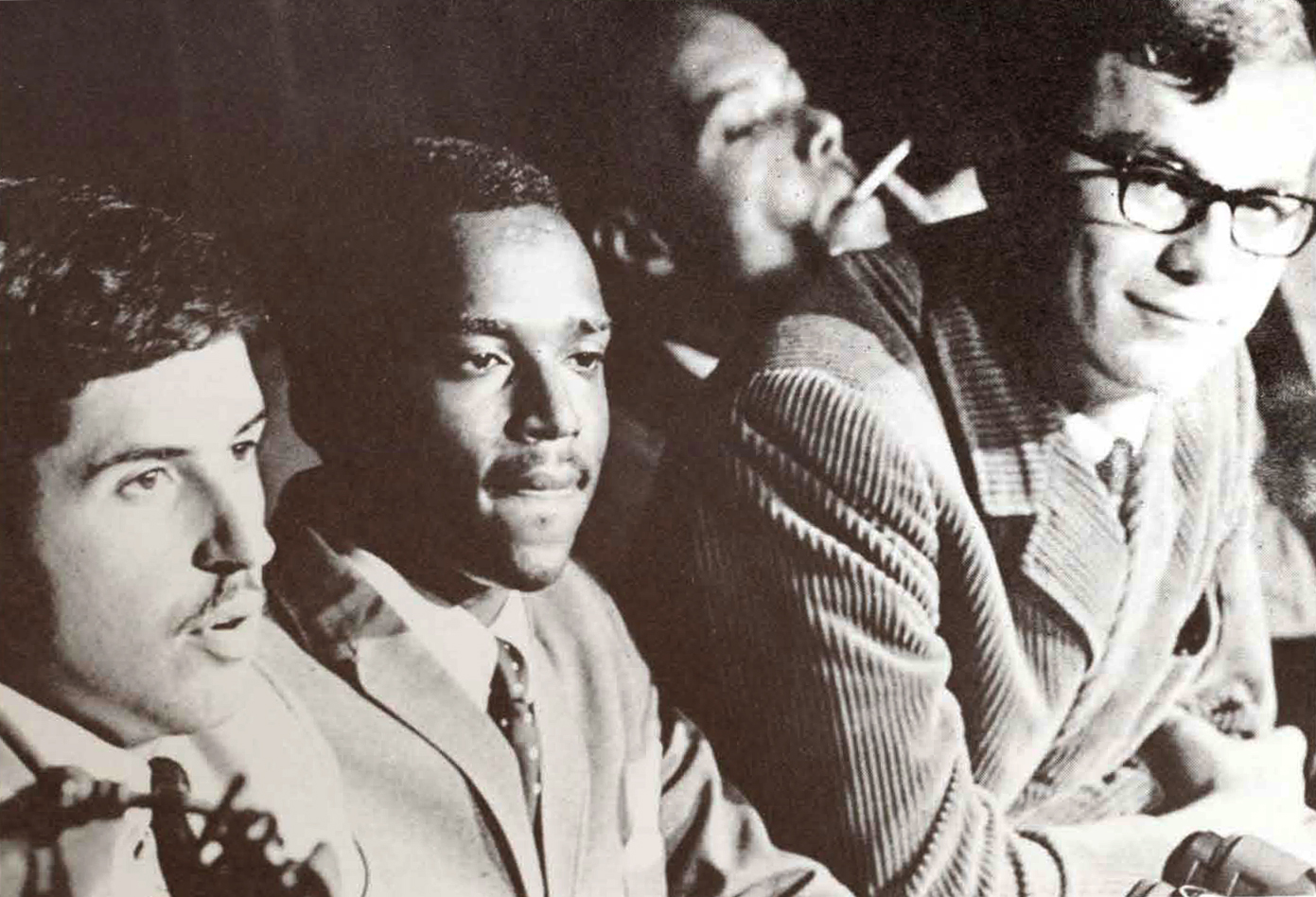
The Fort Hood Three issued a public statement about their refusal to be sent to Vietnam.
Continue reading
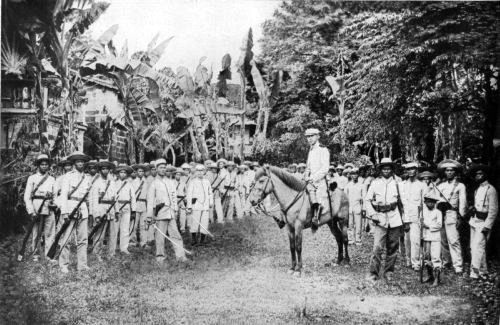
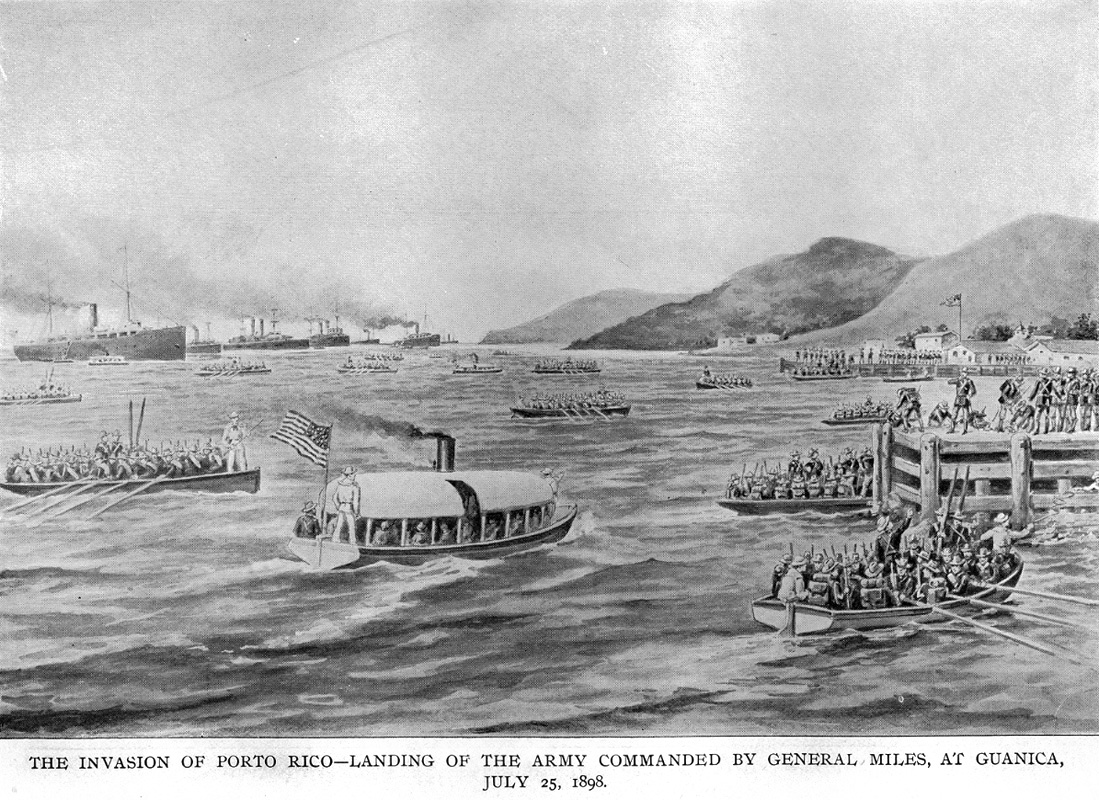
When the United States refused to recognize Philippine independence, Philippine Republic president Emilio Aguinaldo declared war.
Continue reading
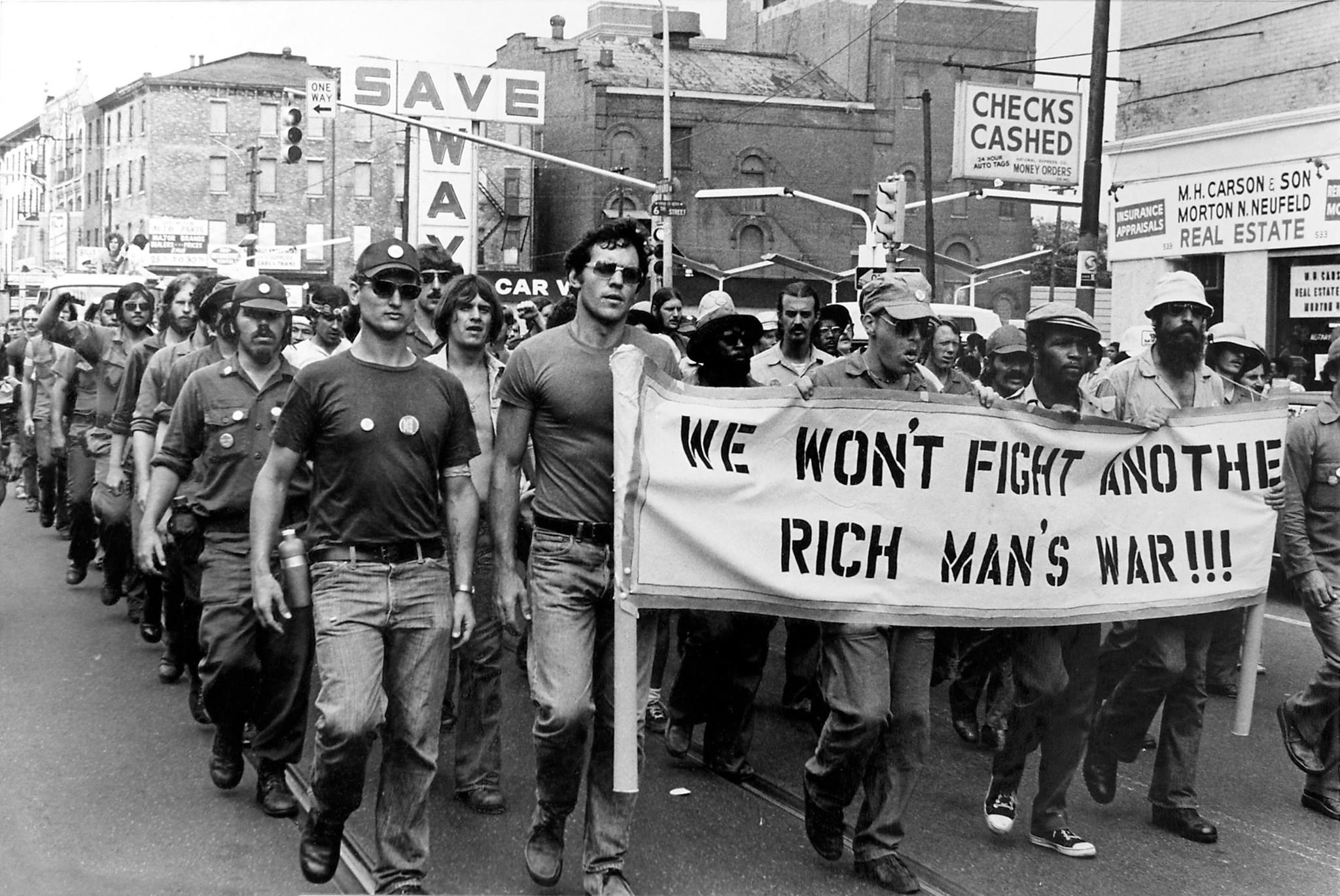
The Vietnam Veterans Against the War (VVAW) was founded in New York.
Continue reading
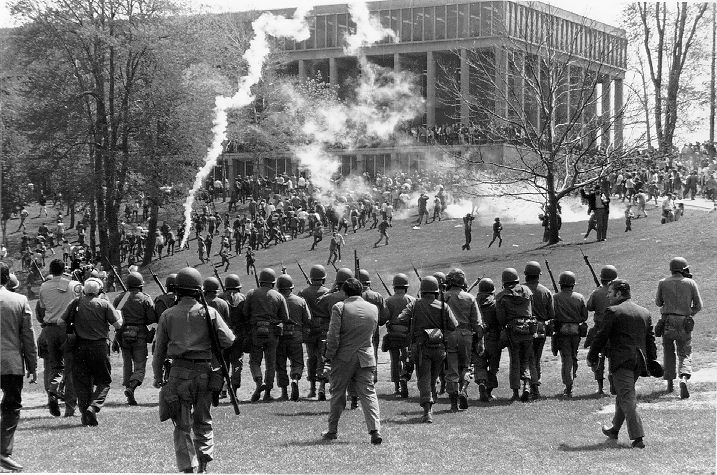
During an anti-war protest at Kent State University, the Ohio National Guard shot unarmed college students, killing four. Students were also killed at Jackson State (May 15, 1970), and Orangeburg (February 8, 1968).
Continue reading
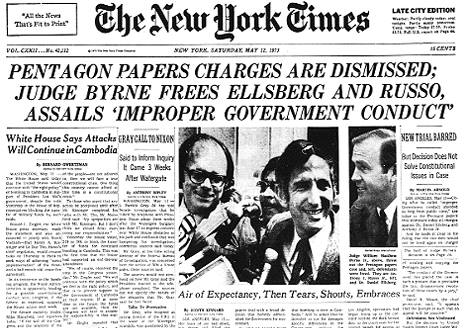
Judge Byrne dismissed all charges against Daniel Ellsberg and Anthony Russo in the Pentagon Papers trial.
Continue reading
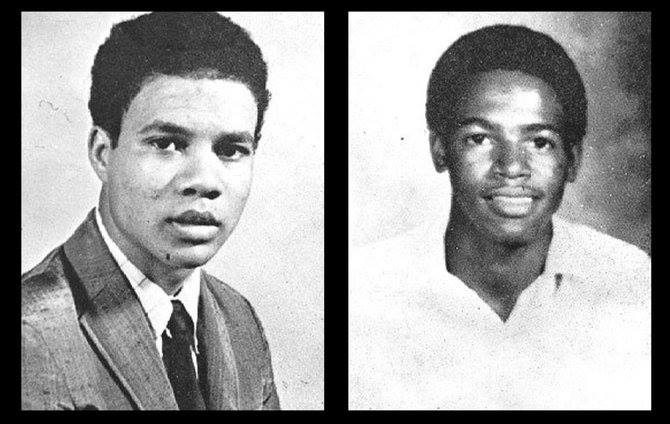
College student Phillip Lafayette Gibbs (21) and high school student James Earl Green (17) were killed by the police during an anti-war protest at Jackson State College.
Continue reading
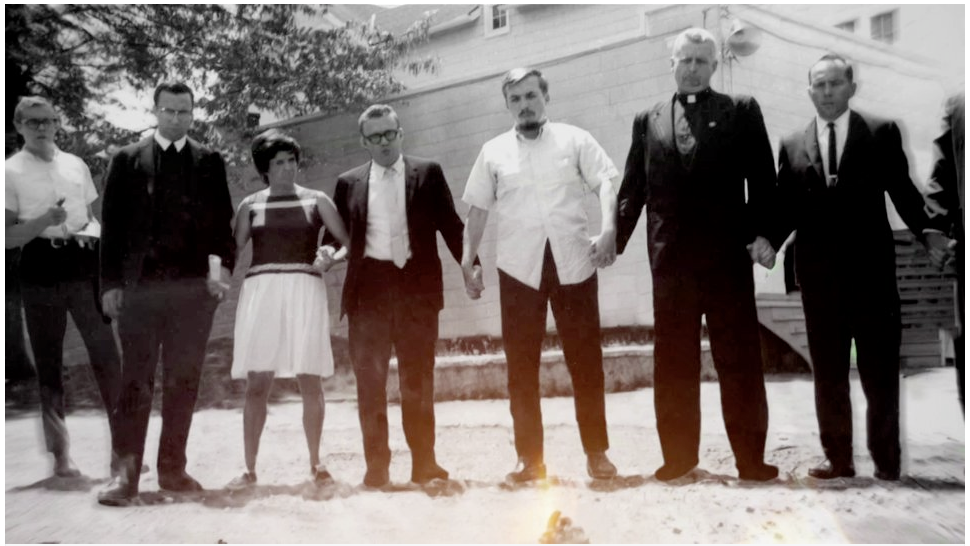
Nine people entered the Selective Service Offices, removed and burned draft records, and were collectively arrested in protest of the Vietnam War — they became known as the Catonsville Nine.
Continue reading
Teaching Activity.
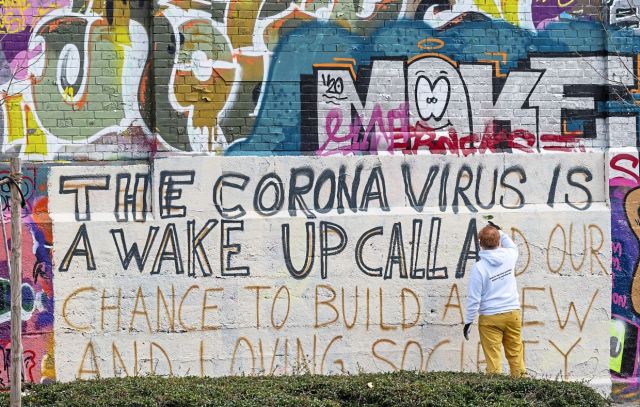
This people’s tribunal begins with the premise that a heinous crime is being committed as tens of millions of people’s lives are in danger due to COVID-19. But who was responsible for this crime? Students weigh the evidence.
Continue reading
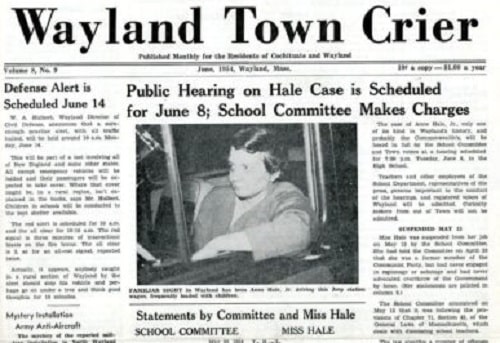
At the height of the anti-Communist Red Scare, Massachusetts second-grade teacher Anne P. Hale Jr. was removed from her position because of her prior membership in the Communist Party.
Continue reading
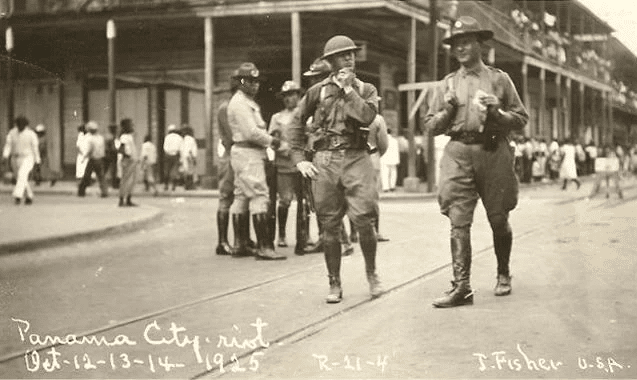
Protesting rising rents and unsanitary conditions, tenants in Panama City, Panama were met with swift force and violence by U.S. soldiers, with six killed during the weekend.
Continue reading
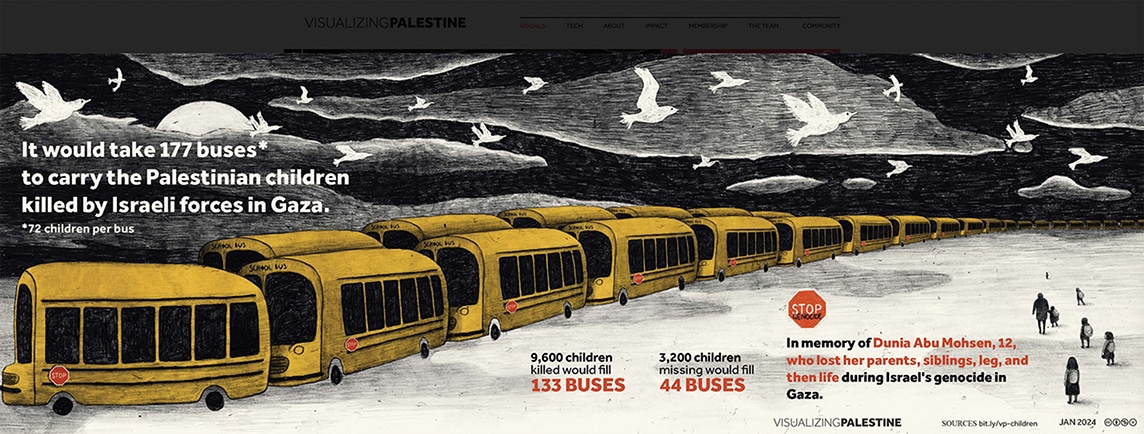
Digital collection. Provides graphic storytelling that can help students see Palestinian reality in new ways.
Continue reading
U.S. officials denied any involvement in the bombing of North Vietnam.
Continue reading
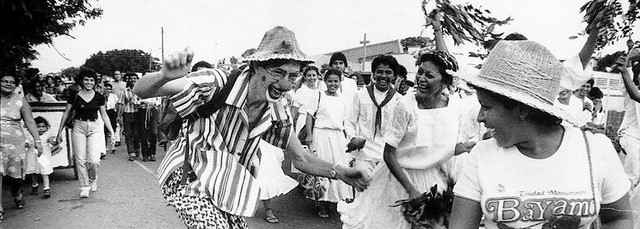
Ben Linder, a volunteer U.S. engineer in Nicaragua, was killed by the U.S.-funded Contras.
Continue reading
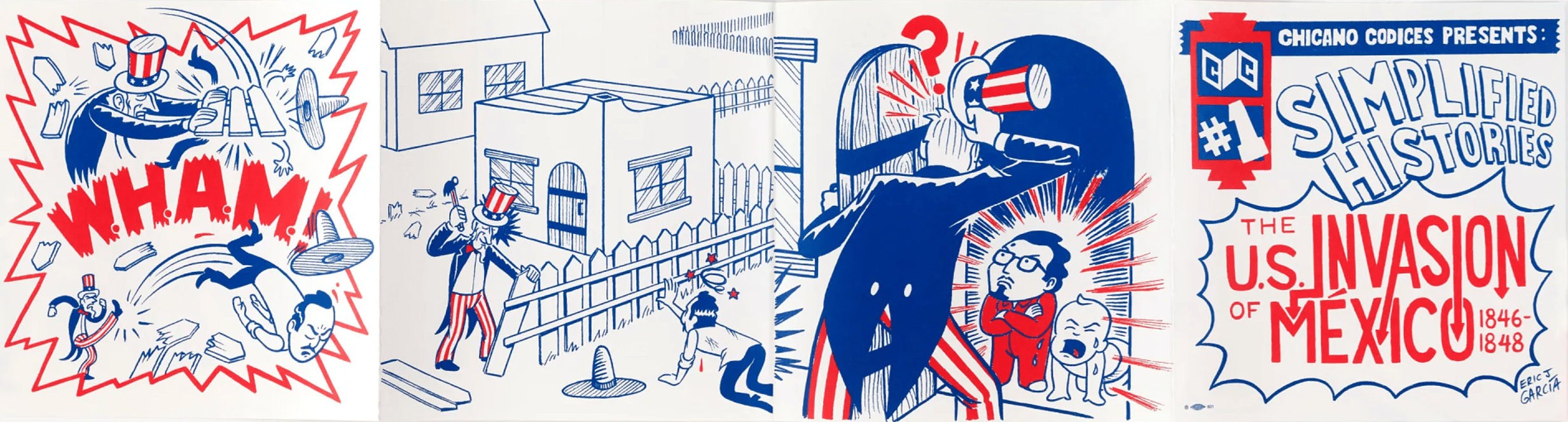
Today’s border with Mexico is the product of invasion and war. Grasping some of the motives for that war and some of its immediate effects begins to provide students the kind of historical context that is crucial for thinking about the line that separates the United States and Mexico.
Continue reading
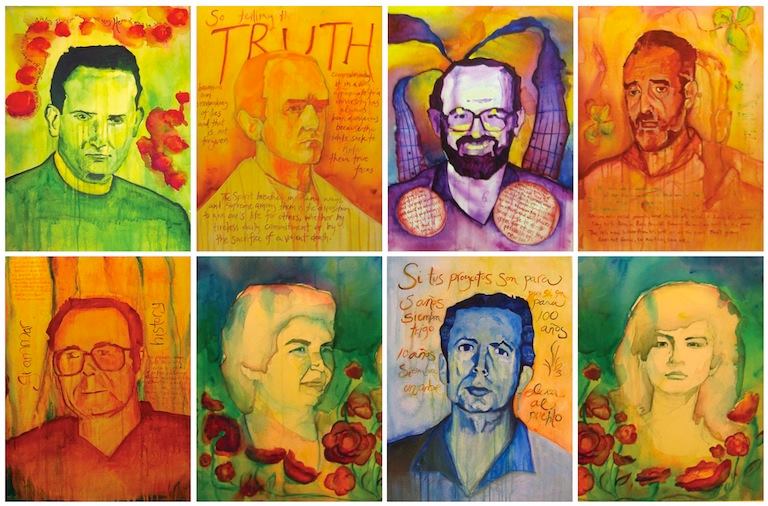
Six Jesuit scholars/priests and two staff members were murdered by the U.S.-backed military in El Salvador.
Continue reading
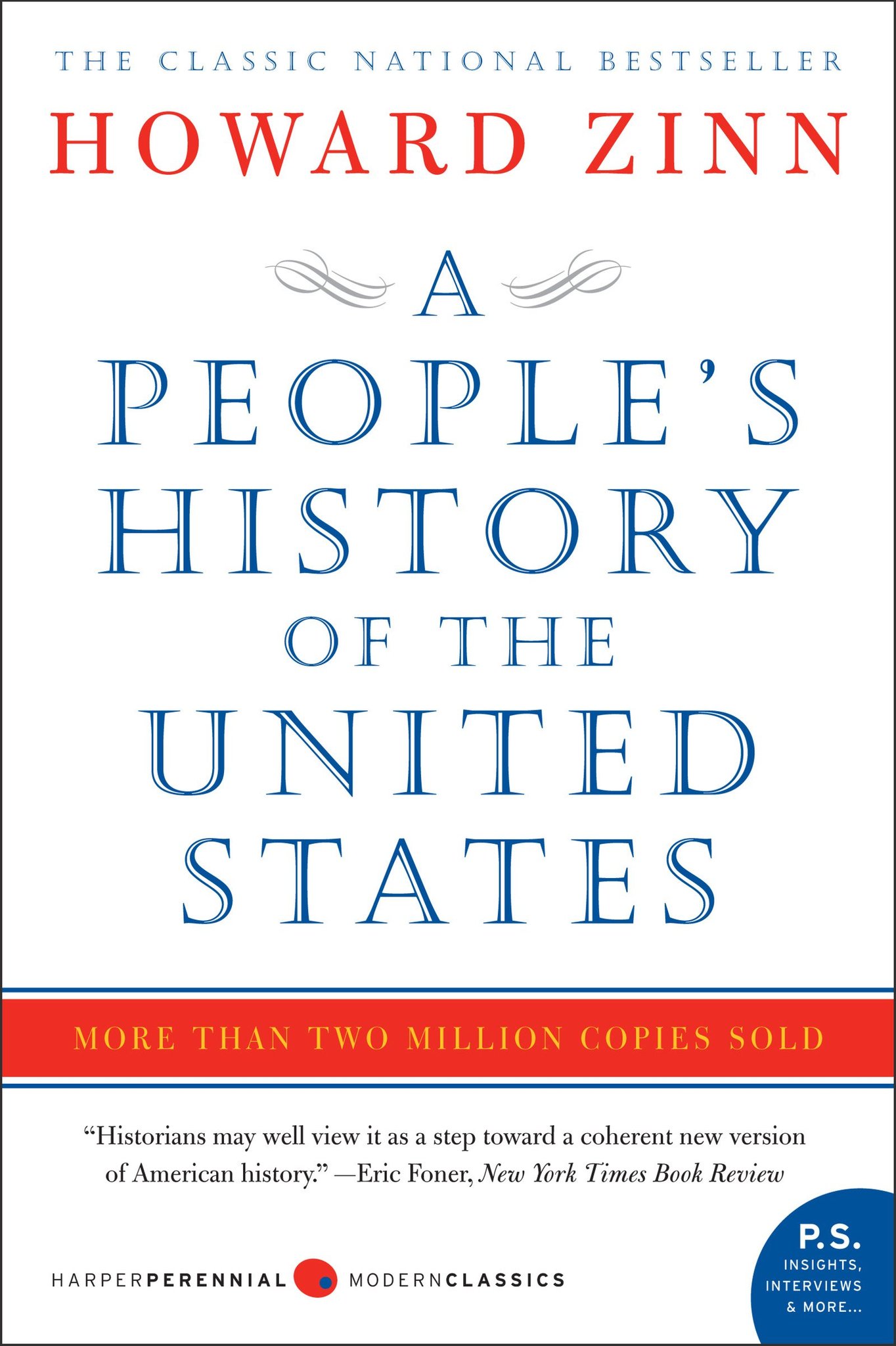
Book — Non-fiction. By Howard Zinn. 2005, with a new introduction by Anthony Arnove in 2015. 784 pages.
Howard Zinn's groundbreaking work on U.S. history. This book details lives and facts rarely included in textbooks—an indispensable teacher and student resource.
Continue reading
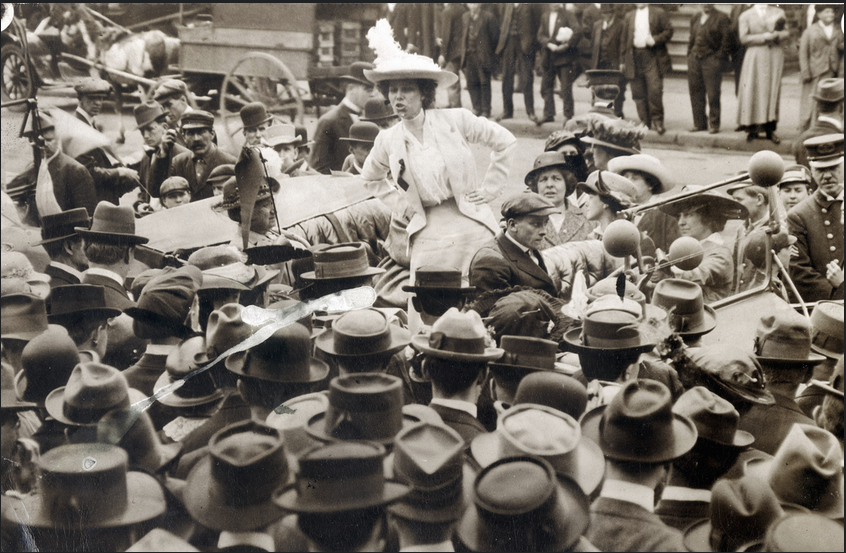
U.S. peace activist and suffragist Kate O’Hare was sentenced to five years’ imprisonment for a speech denouncing WWI.
Continue reading
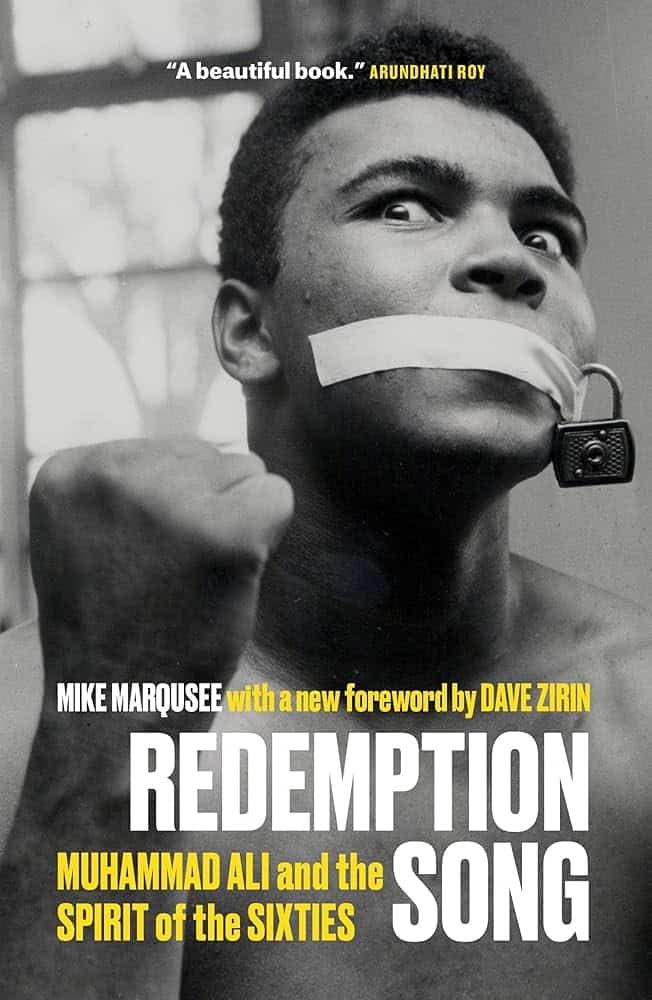
Book — Non-fiction. By Mike Marqusee. 2017. 352 pages.
Tells the story of Muhammad Ali as not only a boxer but a remarkable political figure in a decade of tumultuous change.
Continue reading
Article. By Ursula Wolfe-Rocca. If We Knew Our History series.
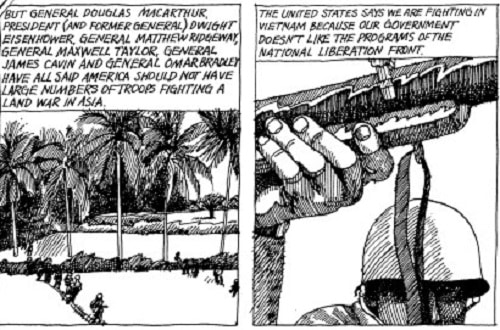
Too often, when it comes to U.S. Cold War interventions, the official curriculum is sanitized and disjointed, leaving students ill-equipped to make sense out of their nation’s global bullying.
Continue reading
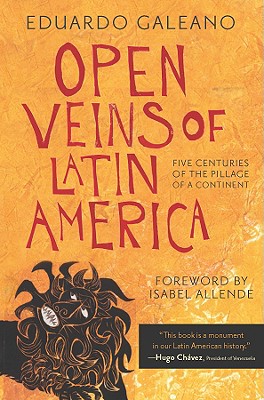
Book — Non-fiction. By Eduardo Galeano. 1997. 360 pages.
Gripping history of the land and people of Latin America.
Continue reading