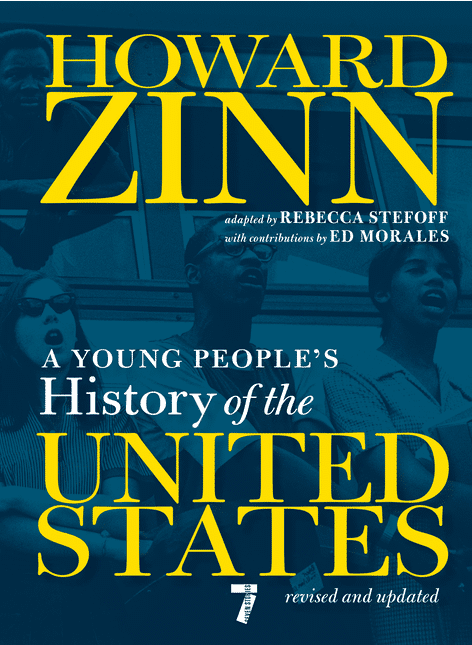
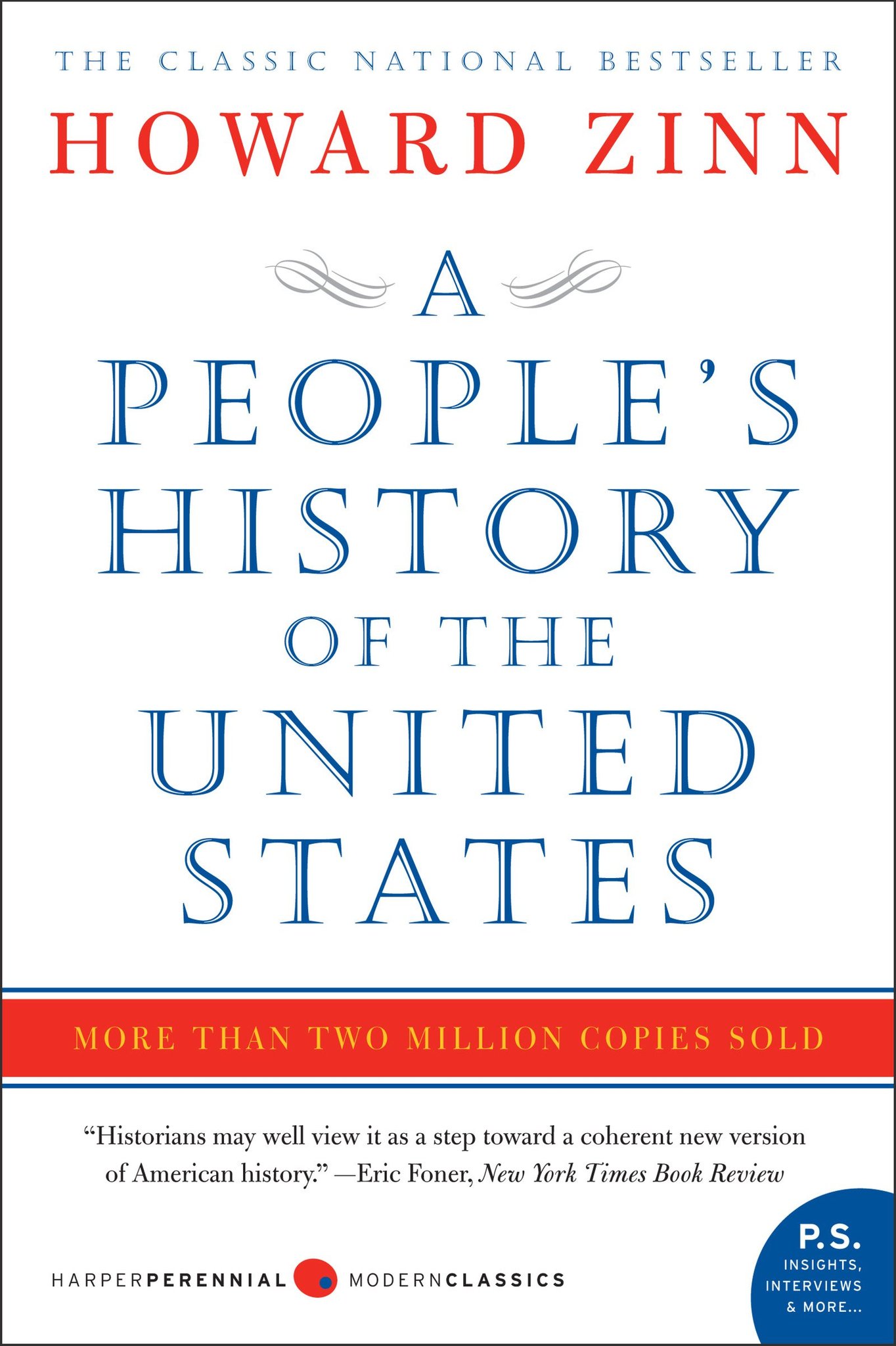
Book — Non-fiction. By Howard Zinn, adapted by Rebecca Stefoff with additions by Ed Morales. 2022. 544 pages.
A young adult version of the best-selling A People’s History of the United States, ideal for 6th through 9th grade students.
Continue reading
Film. Directed by Francine Cavanaugh and Adams Wood. 2010. 81 minutes.
This film takes viewers on a gripping emotional journey into a community surrounded by a looming toxic threat.
Continue reading
Book — Fiction. By John Sayles. 2011. 955 pages.
Spanning five years and half a dozen countries, Sayles' novel of historical fiction paints a picture of the late 1890s — from the racist coup in Wilmington, North Carolina, to the bloody dawn of U.S. interventionism in Cuba and the Philippines.
Continue reading
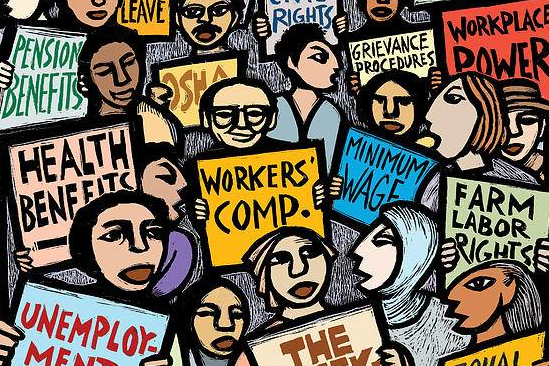
International Workers’ Day began as a commemoration of the 1886 Haymarket massacre in Chicago.
Continue reading
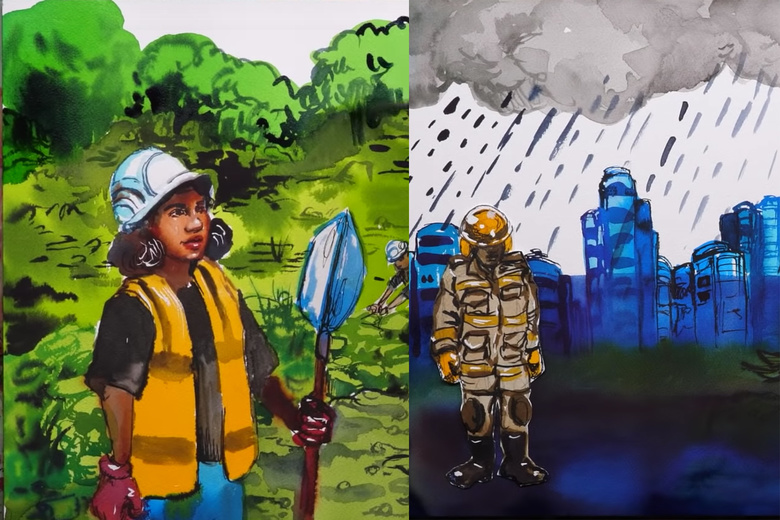
Film. Narrated by Alexandria Ocasio-Cortez and illustrated by Molly Crabapple. The Intercept. 2019. 7 minutes.
The film flips the script on our future by illustrating one where we survive climate change and thrive because we took action today.
Continue reading
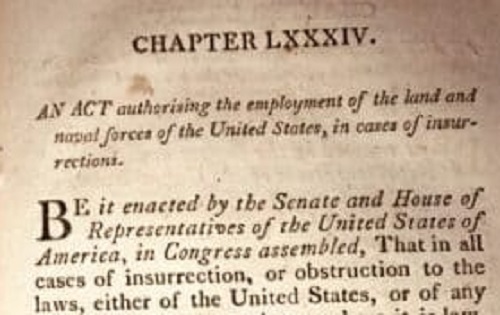
President Thomas Jefferson put his signature on the law known as the Insurrection Act.
Continue reading
Teaching Activity.
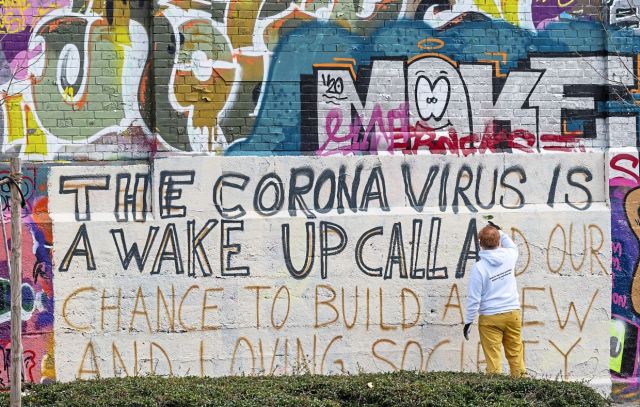
This people’s tribunal begins with the premise that a heinous crime is being committed as tens of millions of people’s lives are in danger due to COVID-19. But who was responsible for this crime? Students weigh the evidence.
Continue reading
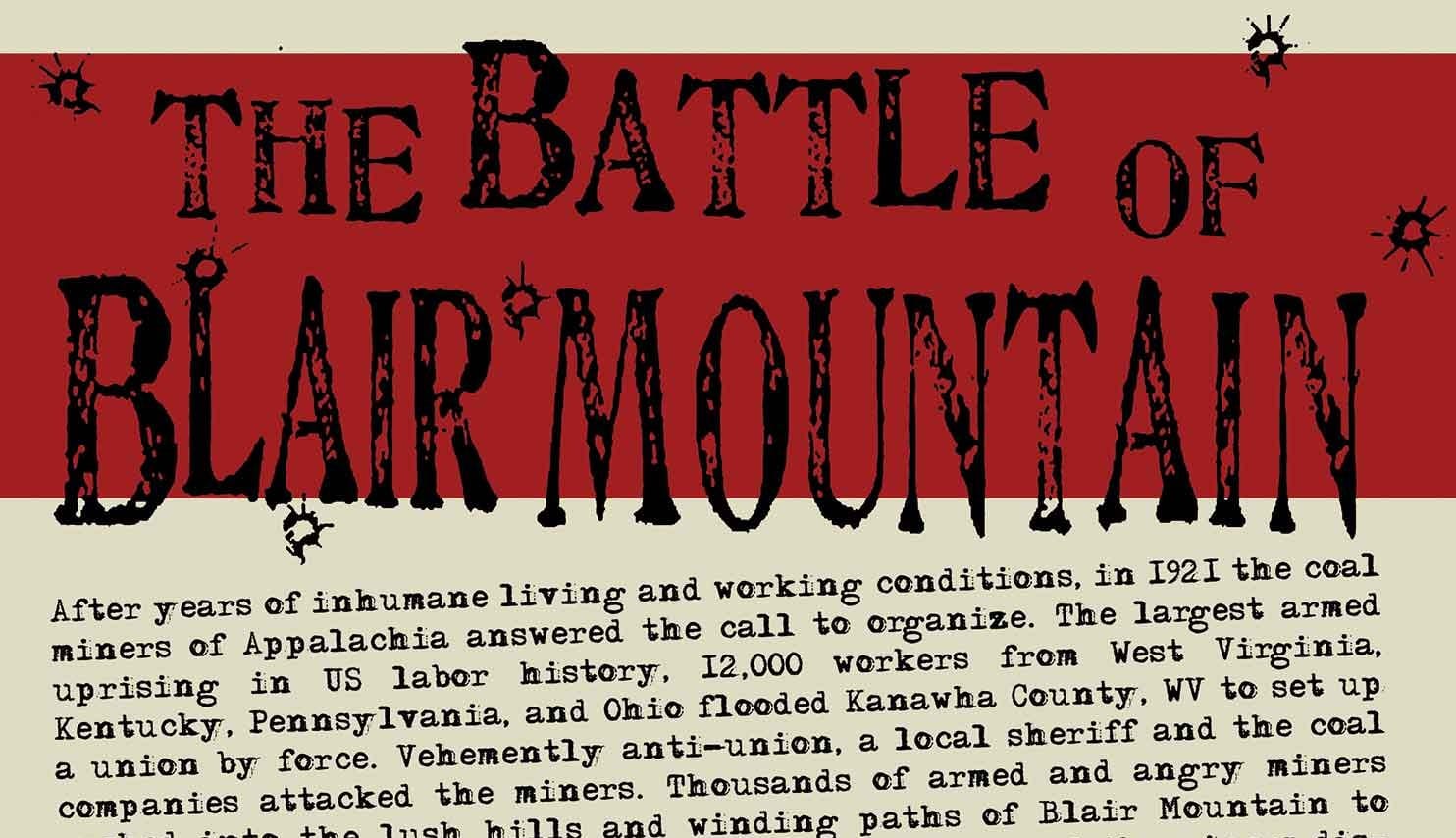
The Battle of Blair Mountain was the climax of two mine wars fought in the West Virginia coalfields.
Continue reading
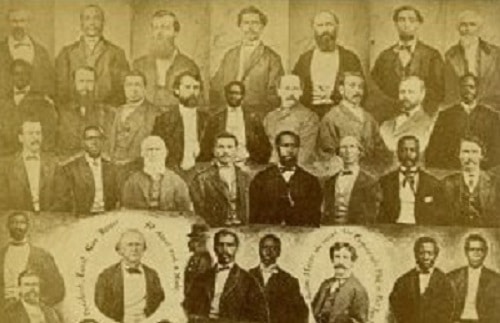
The South Carolina constitutional convention met with a majority of Black delegates, adopting a constitution that provided for all people regardless of race, economic class, or gender.
Continue reading
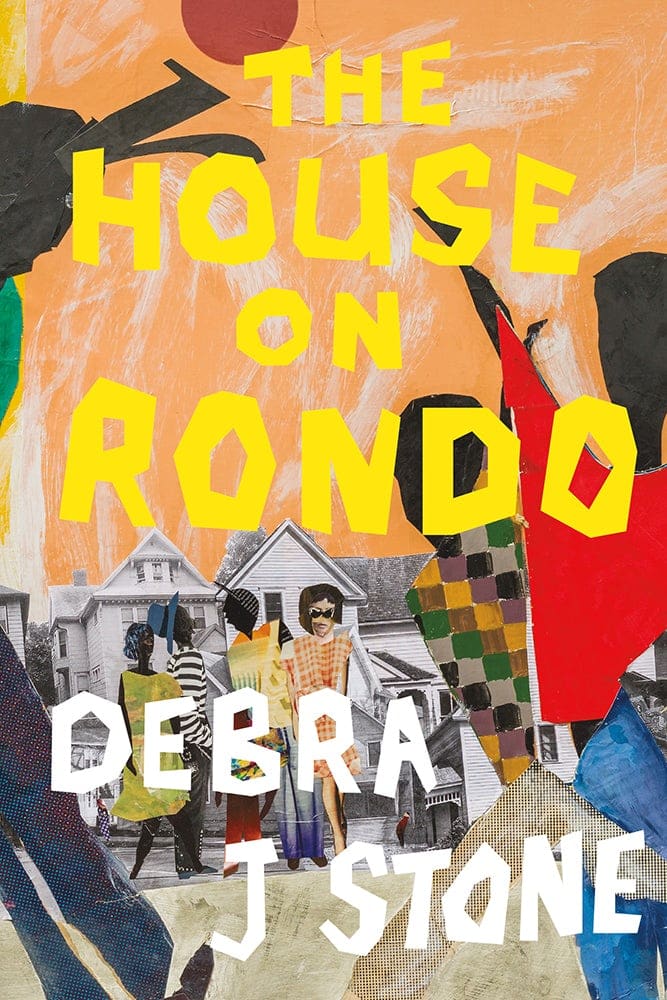
Book — Historical fiction. By Debra J. Stone. 2025. 104 pages.
A young girl reckons with the demolition of a Black Saint Paul neighborhood to make way for the Interstate in the early 1960s.
Continue reading
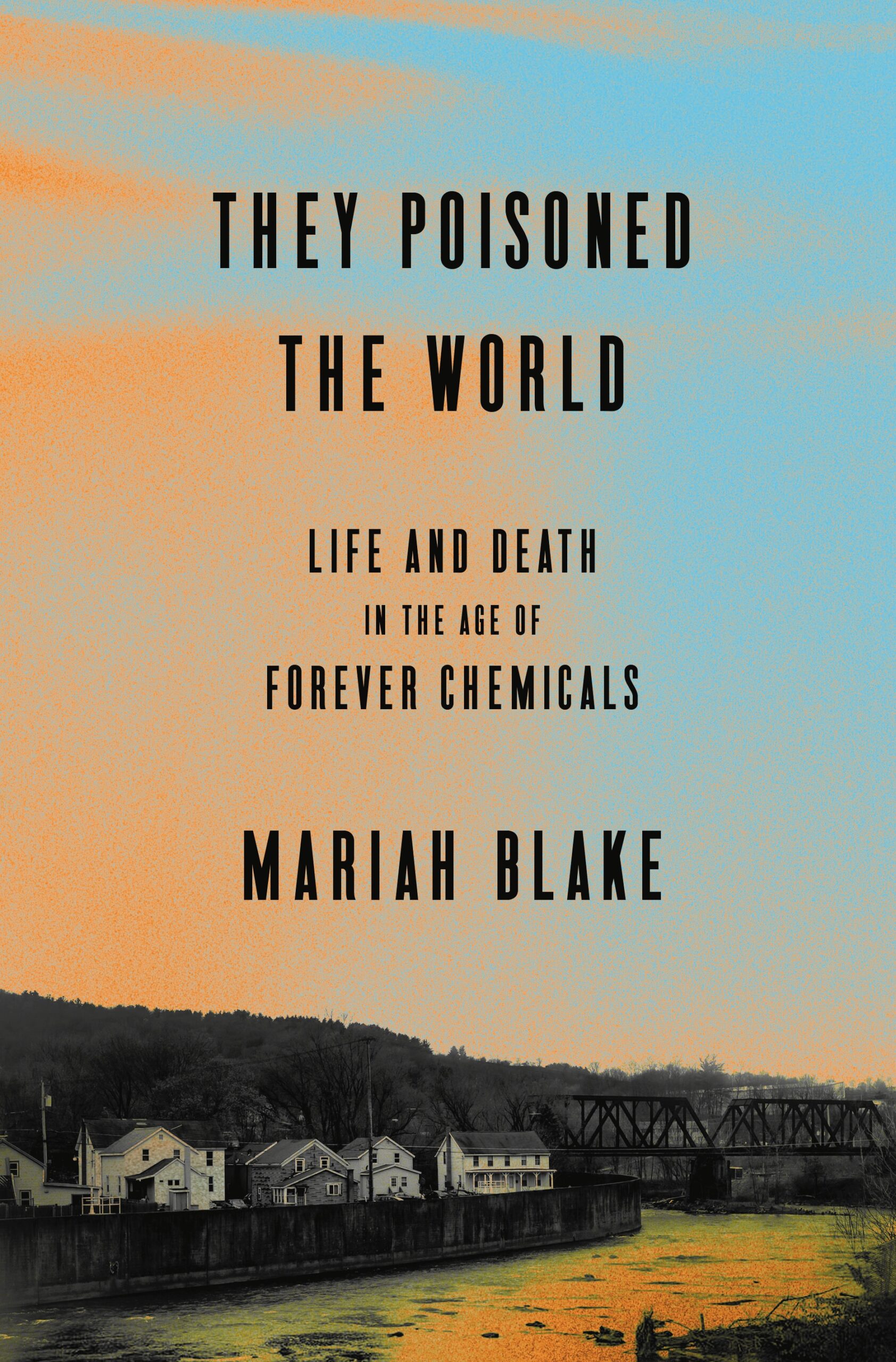
Book — Non-fiction. By Mariah Blake. 2025. 320 pages.
An investigation of the chemical industry’s decades-long campaign to hide the dangers of forever chemicals, told through the story of a small town on the frontlines of an epic public health crisis.
Continue reading
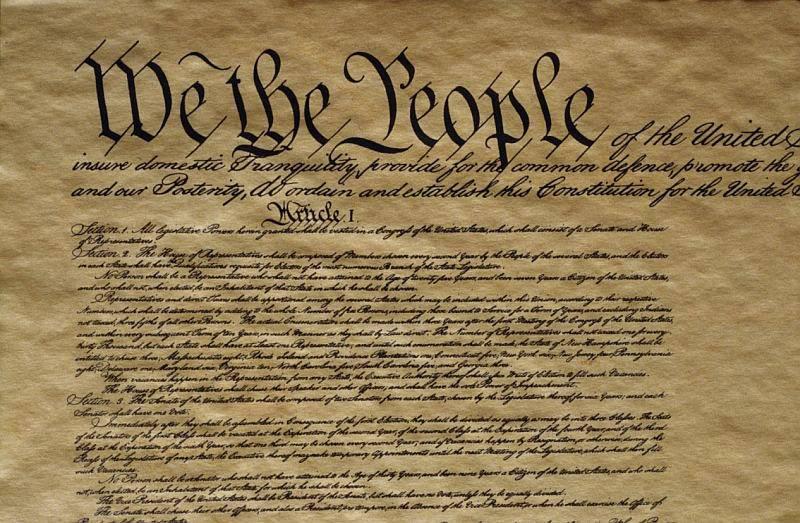
The U.S. Constitution was signed in Philadelphia, Pennsylvania.
Continue reading
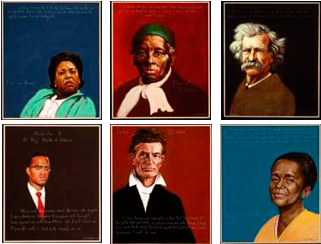
Posters.
Portraits by Robert Shetterly and biographies of individuals who have taken a stand for justice.
Continue reading
Poem. By Nigel Gray.
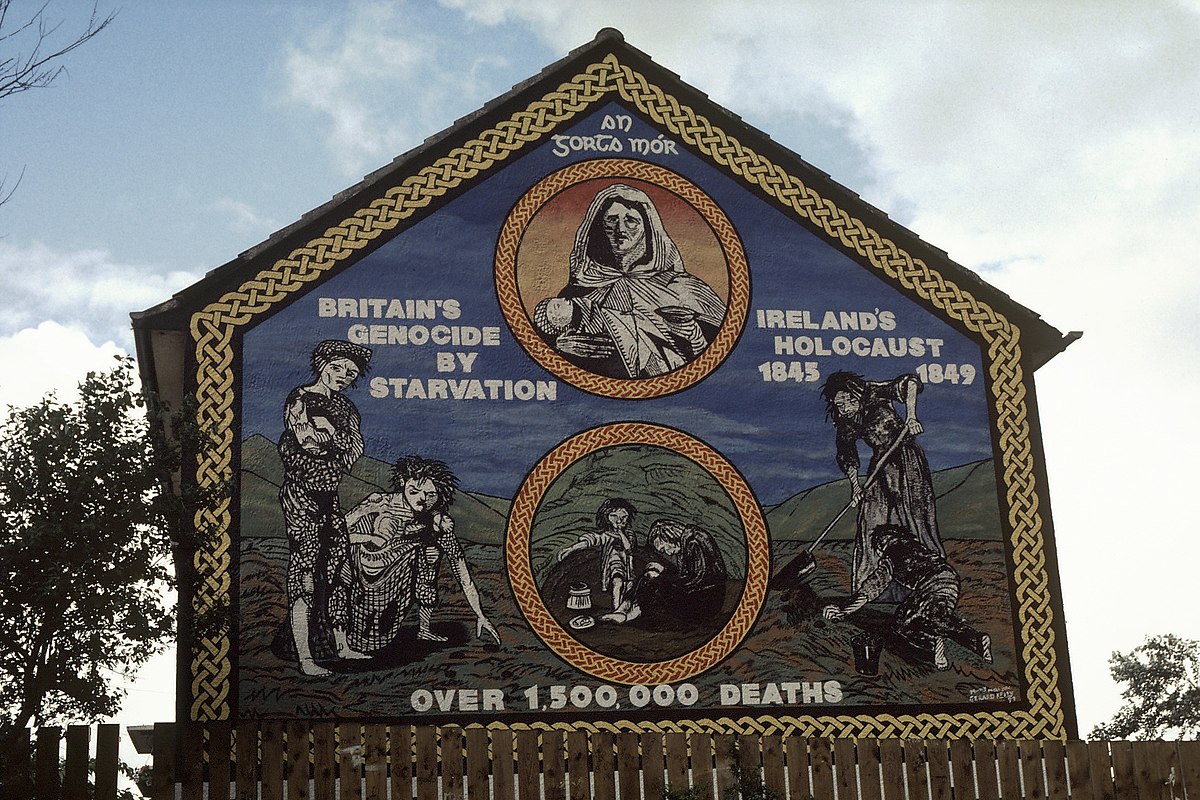
Poem about the causes and impact of the Irish Potato Famine.
Continue reading
Massachusetts farmers arm themselves and rebel against taxation under the Articles of Confederation.
Continue reading
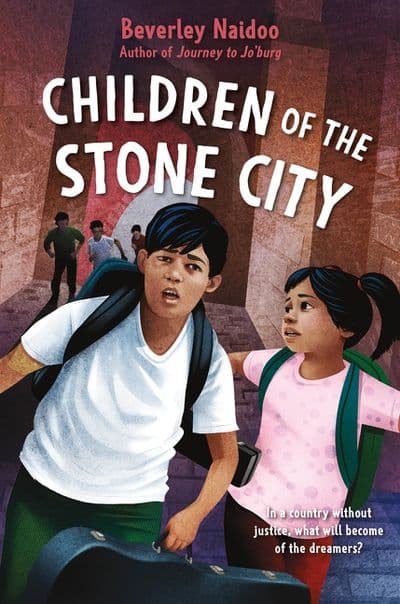
Book — Fiction. By Beverley Naidoo 2022. 220 pages.
Without the mention of Palestine, Beverley Naidoo introduces young readers to Palestinian social reality, and the song of defiance that resonates from the Time Before until today.
Continue reading
Film. By Deb Ellis and Denis Mueller. 2010. 78 minutes.
Documentary on life and work of Howard Zinn.
Continue reading
Book — Non-fiction. By Howard Zinn. 2005, with a new introduction by Anthony Arnove in 2015. 784 pages.
Howard Zinn's groundbreaking work on U.S. history. This book details lives and facts rarely included in textbooks—an indispensable teacher and student resource.
Continue reading
Teaching Activity. By Bill Bigelow. 9 pages.
Students are invited to solve a mystery, using historical clues, about the real story of the Draft Riots.
Continue reading
Teaching Activity. By Bill Bigelow. Rethinking Schools. 13 pages.
A trial role play helps students reflect on responsibility for the deaths of Irish peasants during the so-called potato famine.
Continue reading
Teaching Activity. By Bill Bigelow and Norm Diamond. 5 pages.
Activity for students to write from the point of view of one of the women featured in the film Union Maids.
Continue reading
Teaching Activity. By Linda Christensen. Rethinking Schools. 9 pages.
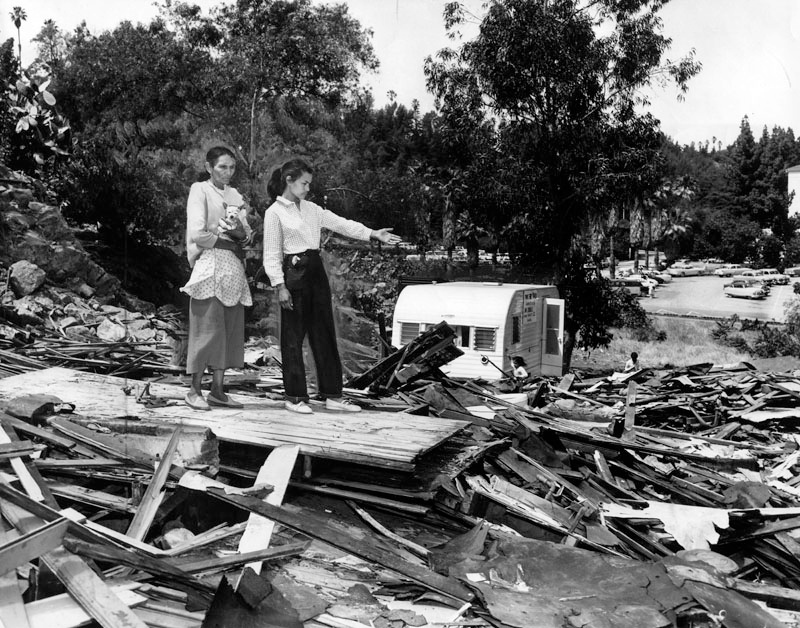
Teaching about patterns of displacement and wealth inequality through the history of Palo Verde, La Loma, and Bishop communities and the building of Dodger Stadium.
Continue reading