Profile.
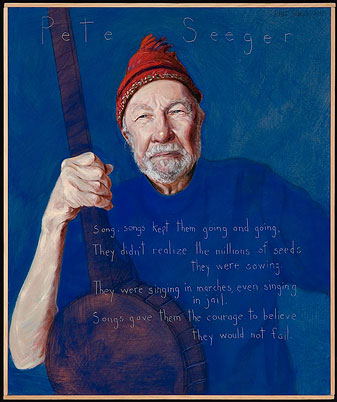
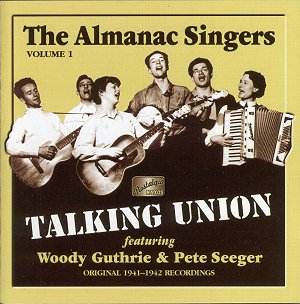
Pete Seeger (1919-2014) was a folk singer, songwriter, and activist.
Continue reading
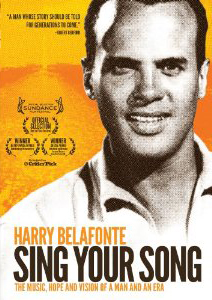
Film. Directed by Susanne Rostock. 2011. 104 minutes.
A biographical documentary that surveys the life and times of performer/activist Harry Belafonte.
Continue reading
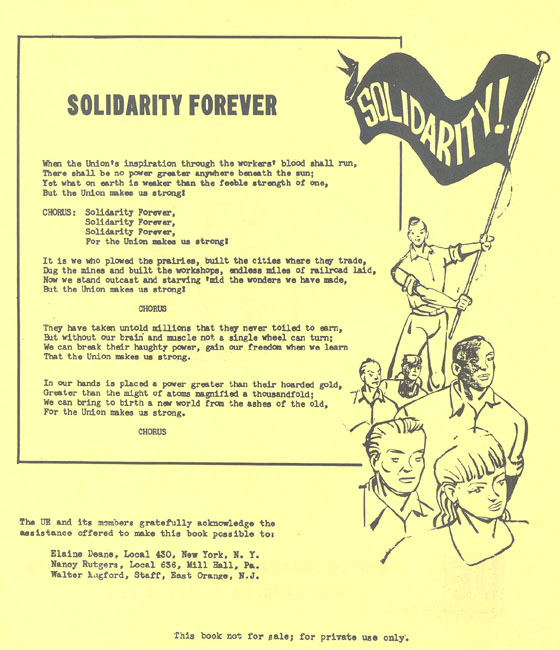
Song. By Ralph Chaplin. 1915.
One of the most popular labor songs.
Continue reading
Teaching Activity. By Andrew Reed. Rethinking Schools. 5 pages.
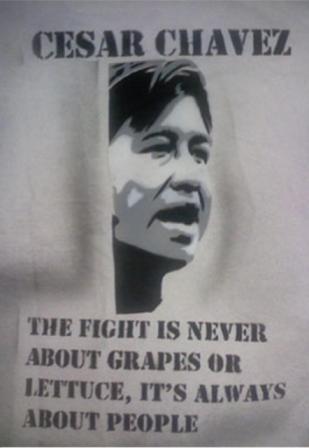
Teaching activity connects students to history of art as a means of protest and gives them opportunity and skills to create their own stencil with a powerful message.
Continue reading
Film clip. Voices of a People's History.
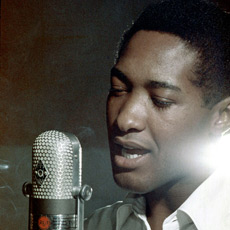
Sam Cooke's "A Change is Gonna Come" (1964), is performed by Allison Moorer.
Continue reading
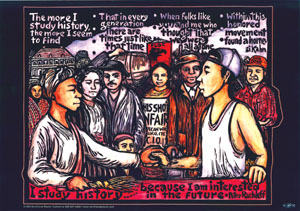
Poster. By Ricardo Levins Morales. 11" x 15".
Beautiful illustration on the connection between history and our future.
Continue reading
Teaching Guide. By Bill Bigelow. 6 pages.
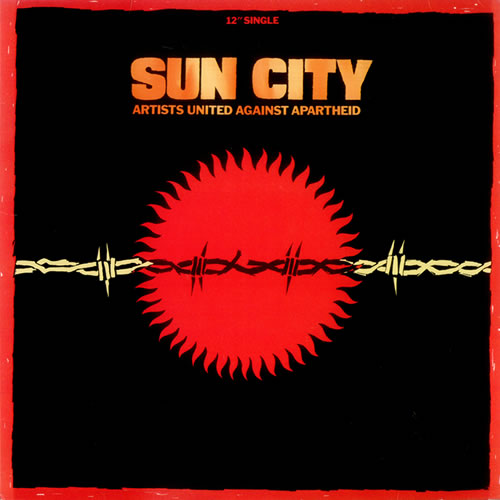
Lessons to accompany the 1985 video "Sun City" that promoted the cultural boycott of South Africa initiated by Little Steven van Zandt of Bruce Springsteen’s E St. Band.
Continue reading
Song. By Woody Guthrie. 1940.
A union song written by Woody Guthrie in response to a request for a union song from a female point of view.
Continue reading
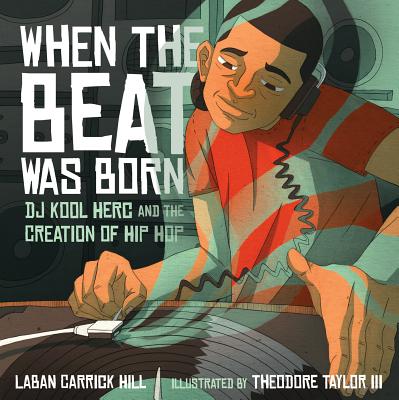
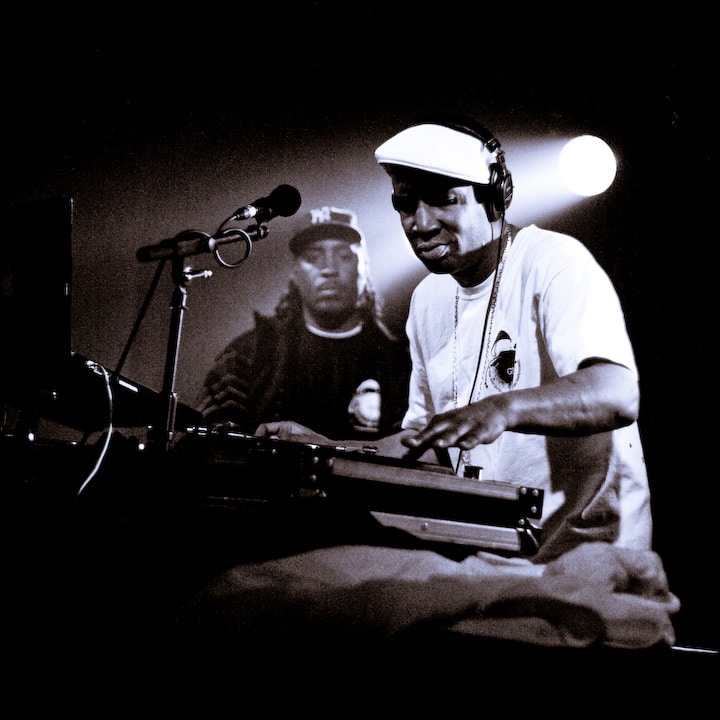
Hip hop’s origins began at a dance party where DJ Kool Herc used two turntables to create a “break beat.”
Continue reading
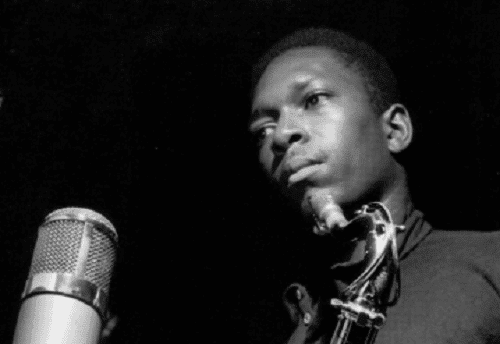
John Coltrane was born. Also born #tdih: Mary Church Terrell (1863), Ray Charles (1930), and Bruce Springsteen (1949).
Continue reading
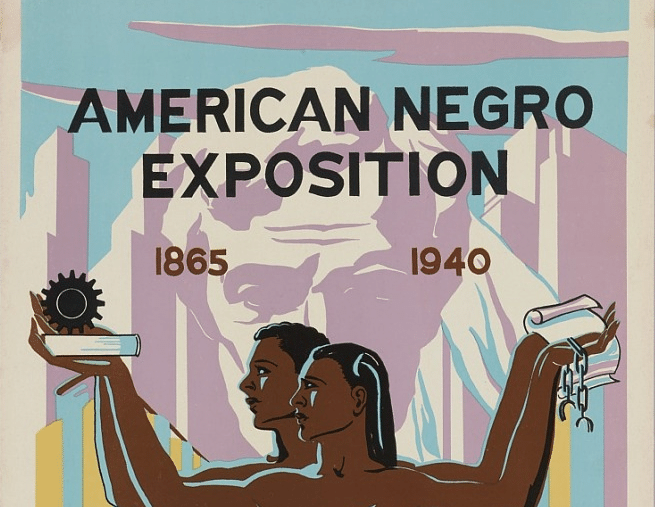
To celebrate the 75th anniversary of the ending of slavery in the United States, the Black World’s Fair, also known as the American Negro Exposition, was held at the Chicago Coliseum from July through September 1940.
Continue reading
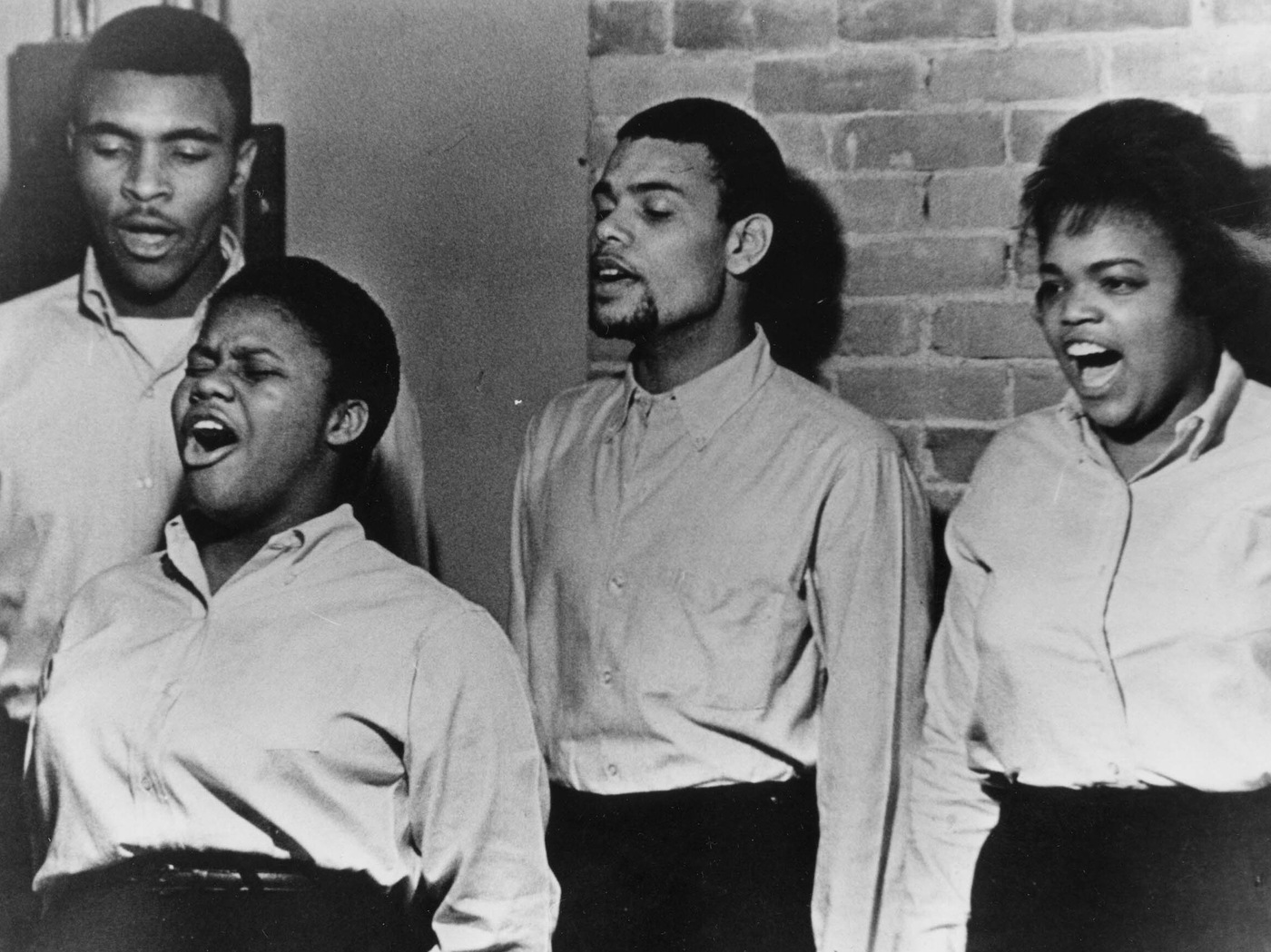
Bernice Johnson Reagon (October 4, 1942 – July 16, 2024) was a song leader, composer, scholar, and activist.
Continue reading
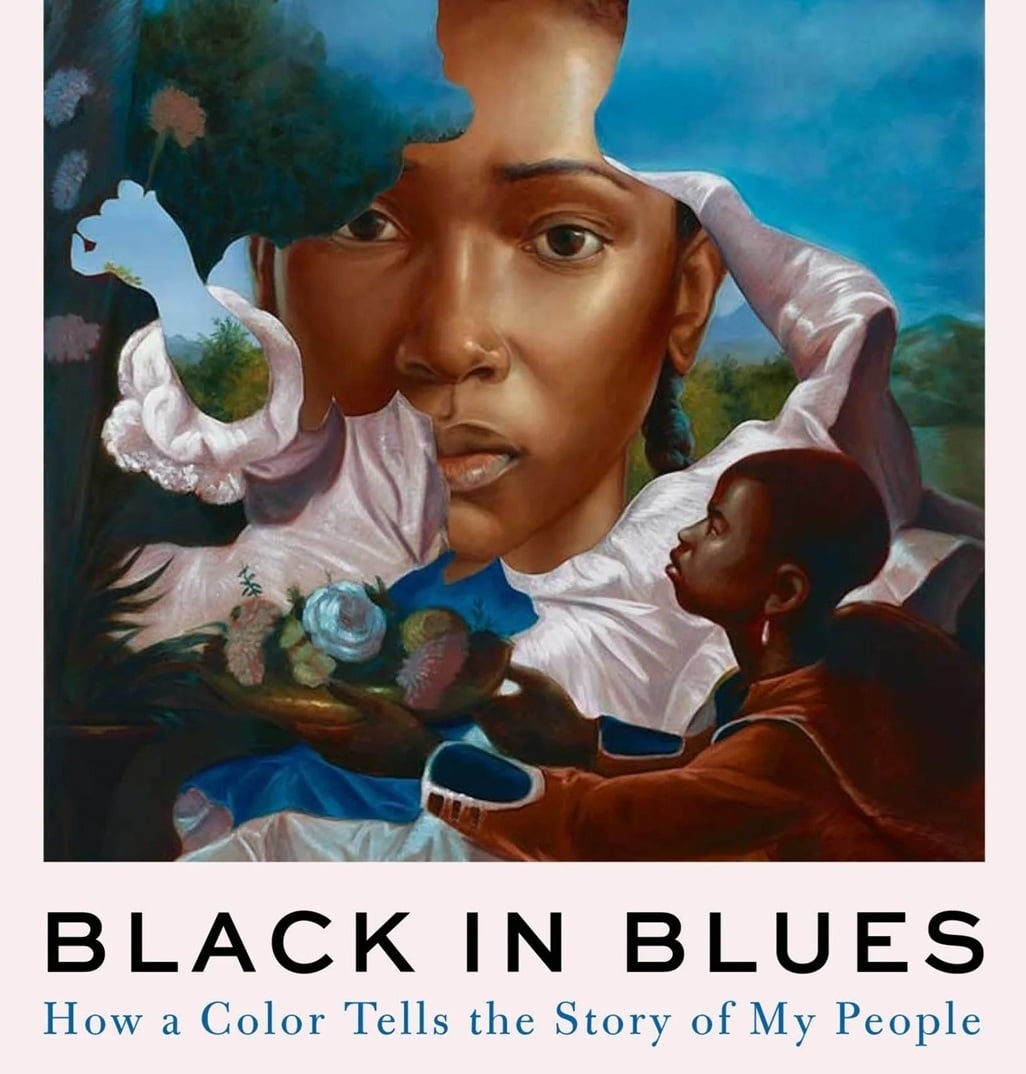
Book — Non-fiction. By Imani Perry. 2025. 256 pages.
A meditation on the color blue and its fascinating role in Black history and culture.
Continue reading
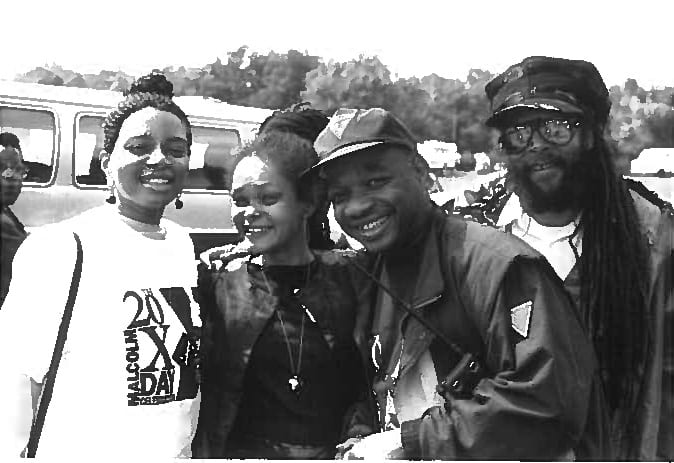
In a personal essay about the longest-running, largest annual event to celebrate the legacy of Malcolm X, Charles Stephenson describes the celebration’s founding and impact of that day in history.
Continue reading
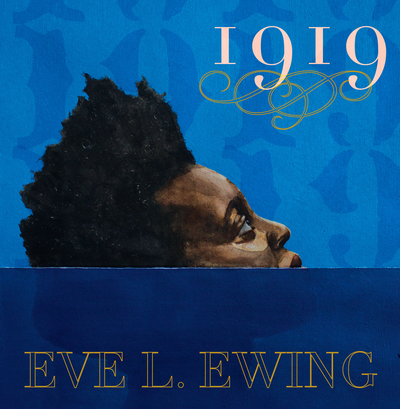
Book — Non-fiction. By Eve L. Ewing. 2019. 96 pages.
Poetic reflections on the Chicago Race Riots of 1919 — part of 'Red Summer' — in a history told through Ewing's speculative and Afrofuturist lenses.
Continue reading
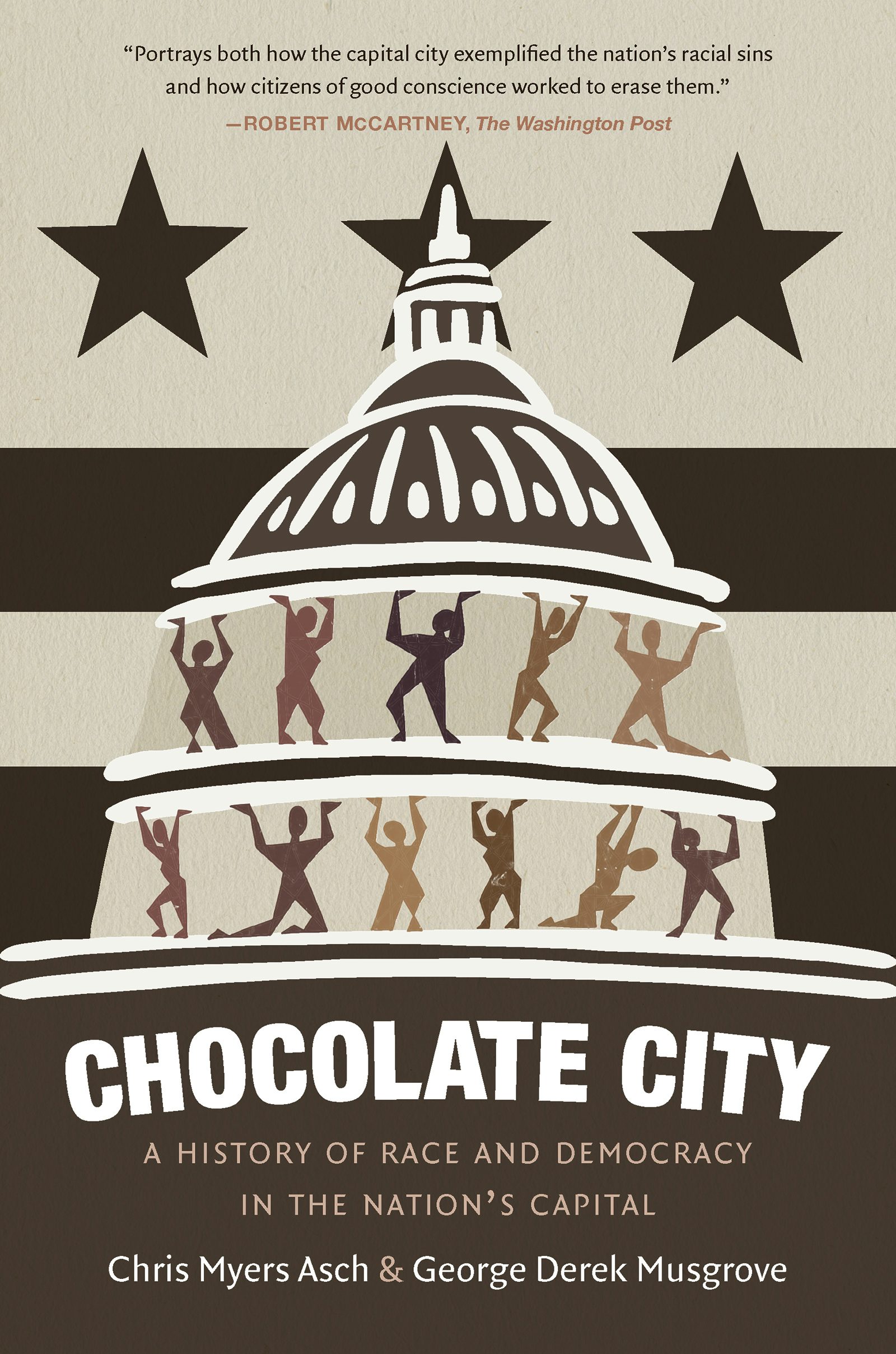
Book — Non-fiction. By Chris Myers Asch and George Derek Musgrove. 2019. 624 pages.
Tells the tumultuous, four-century story of race and democracy in our nation’s capital.
Continue reading
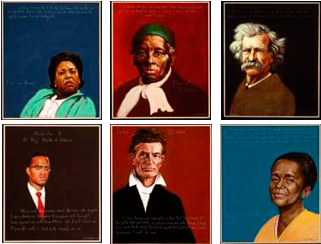
Posters.
Portraits by Robert Shetterly and biographies of individuals who have taken a stand for justice.
Continue reading
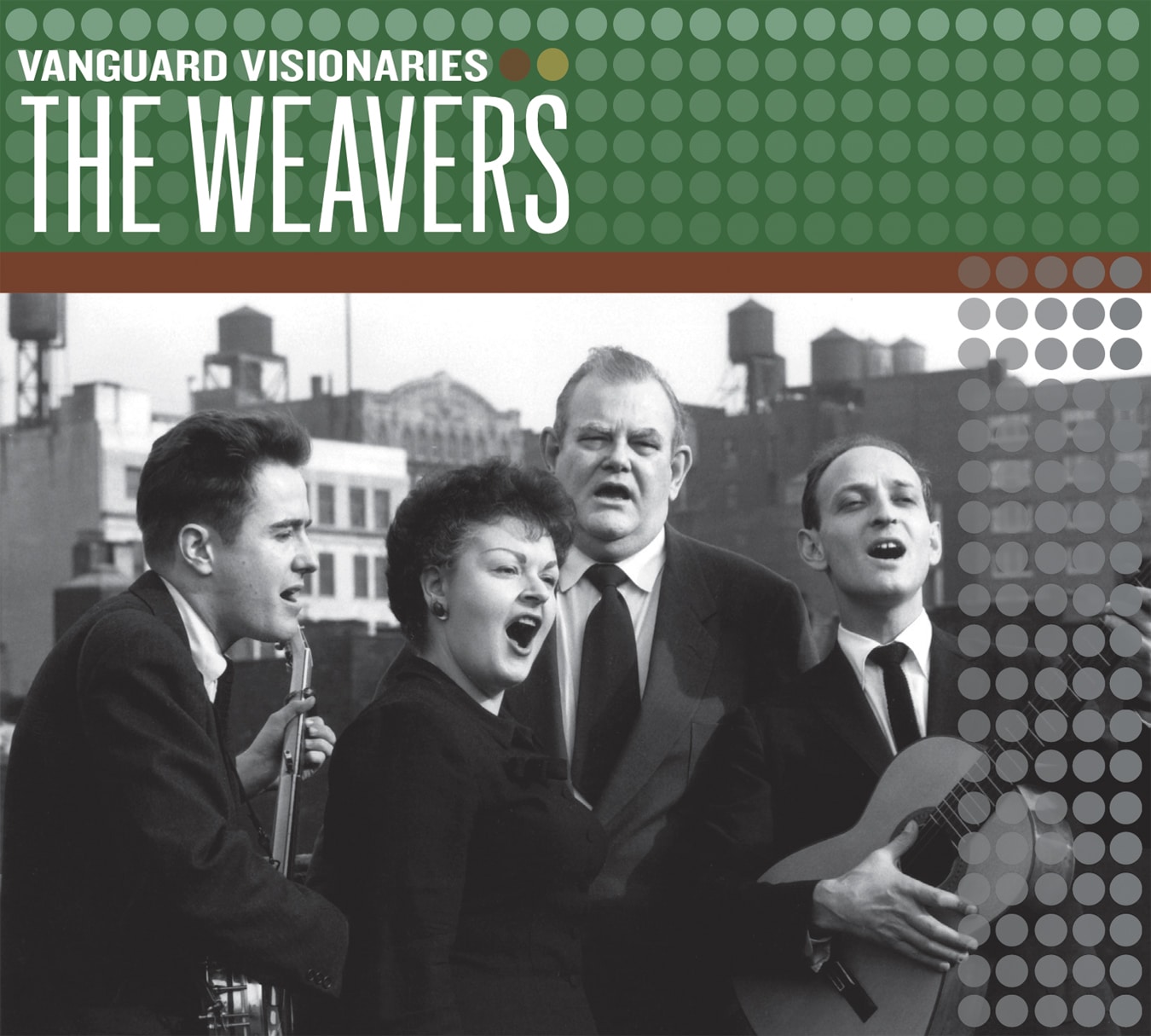
The Weavers had their scheduled appearance on the NBC Jack Paar Show cancelled when they refused to sign an oath of political loyalty.
Continue reading
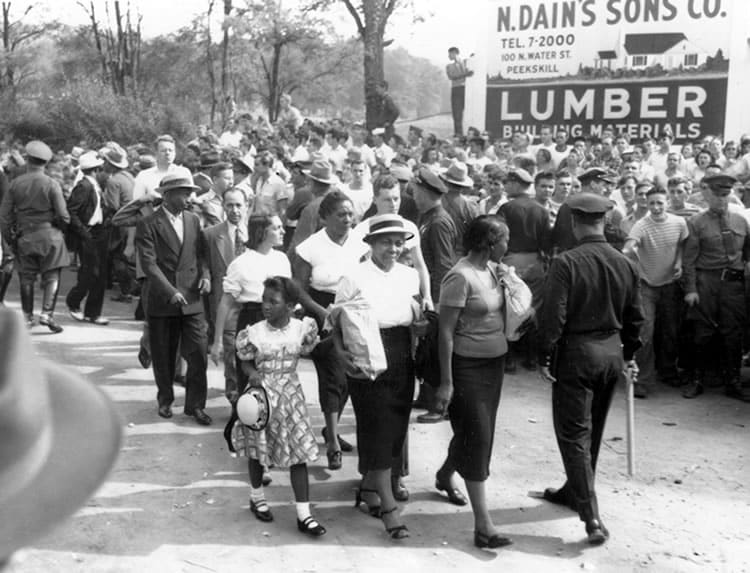
Benefit concert for the Civil Rights Congress with Paul Robeson was held in Peekskill, New York.
Continue reading
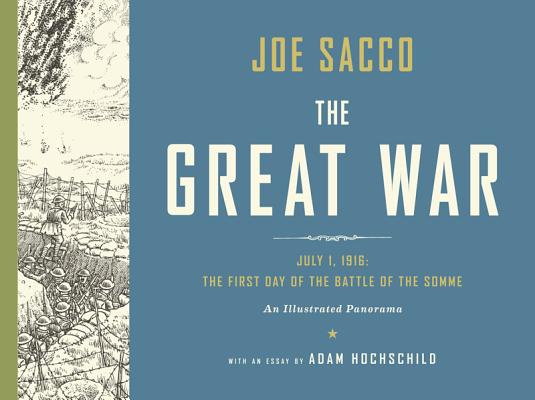
Book — Non-fiction. By Joe Sacco. 2013. 54 pages.
Illustrated book depicting the horrific Battle of Somme, emblematic of a hideous war.
Teaching Activity by Joe Sacco
Continue reading
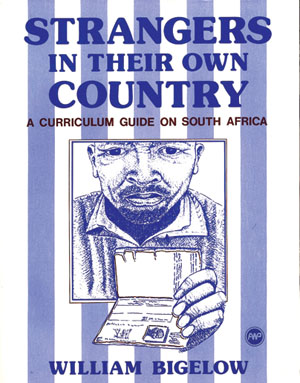
Teaching Guide. By Bill Bigelow. 1985.
Lessons on apartheid in South Africa and the global anti-apartheid movement.
Continue reading
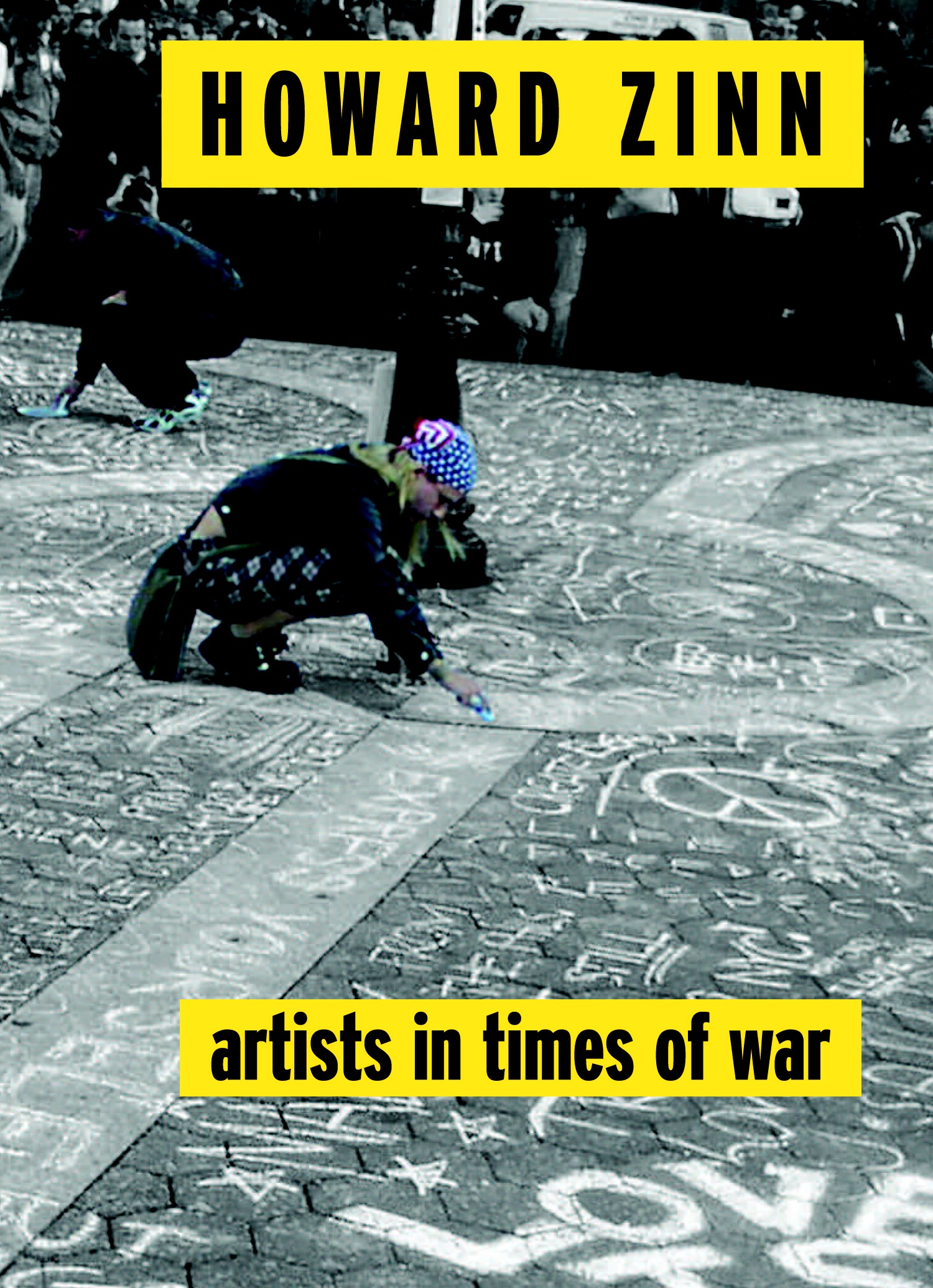
Book — Non-fiction. By Howard Zinn. 2004. 112 pages.
In this collection of four essays, Zinn writes about the unique role of artists, activists, and publishers in working toward change.
Teaching Activity by Howard Zinn
Continue reading
Teaching Activity. By Jessica A. Rucker. 2021. Rethinking Schools.
A high school teacher and her students question “Who owns and controls hip-hop?” — and put the hip-hop industry on trial.
Continue reading
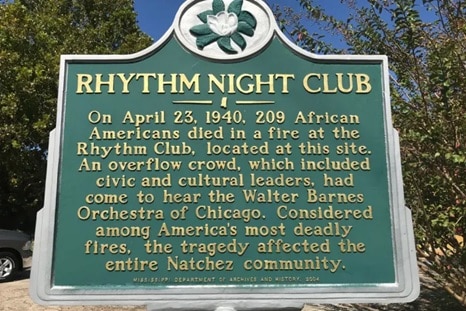
Ranked by firefighters as the fourth deadliest club fire in the history of the country, 209 concert-goers perished in this night club fire in Natchez, Mississippi.
Continue reading
Teaching Activity. By Jesse Hagopian. 2025. 19 pages.
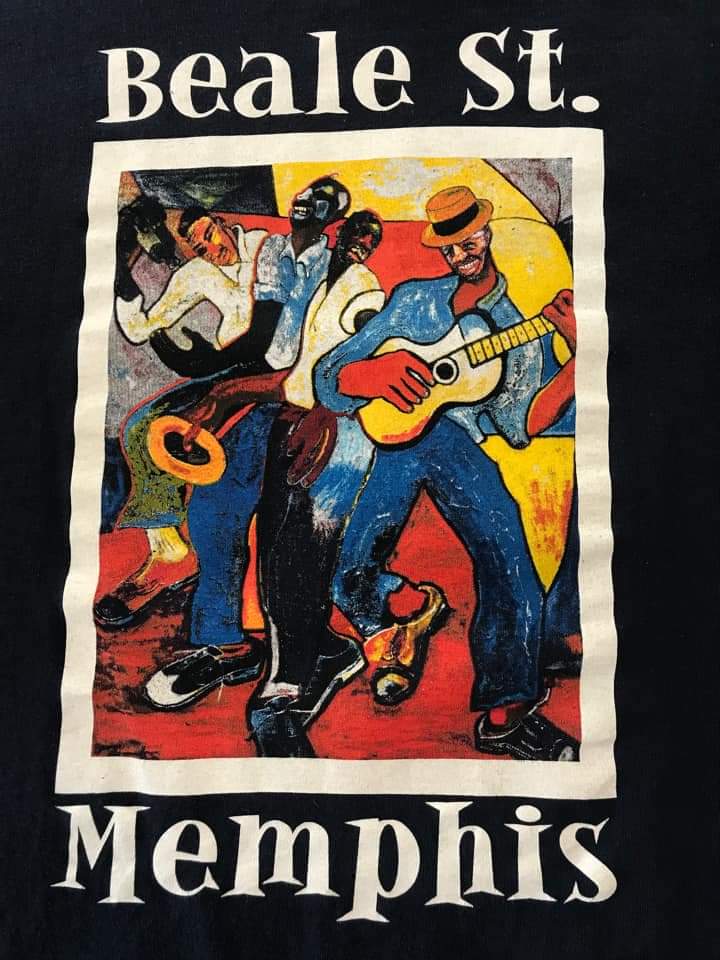
A lesson for the 250th anniversary of the U.S. founding exploring the blues as both a cultural art form and a vehicle for political resistance.
Continue reading