Resources about Dr. Martin Luther King Jr., beyond the traditional narrative.
Continue reading
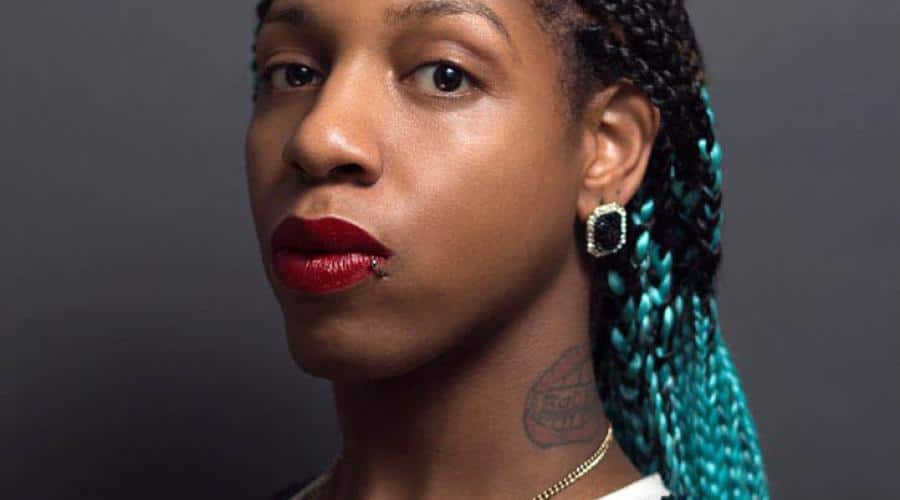
CeCe McDonald, a Black trans woman, was imprisoned following an act of white supremacist and transphobic violence in which McDonald defended herself and, in the process, her assailant was killed.
Continue reading
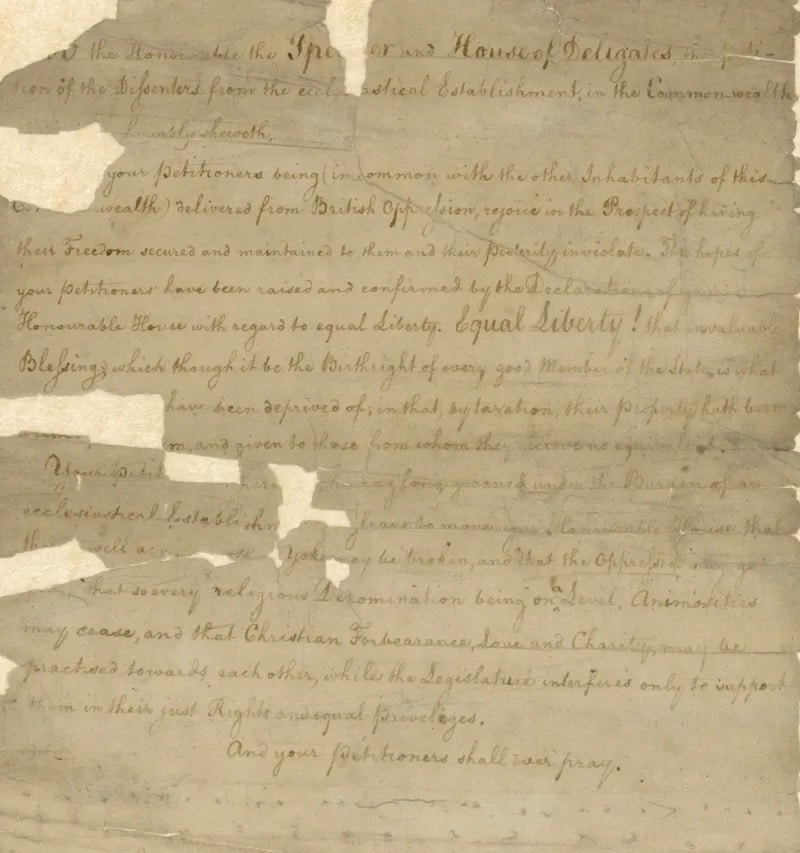
In Virginia, under threat of persecution, Baptists preached and petitioned for freedom of religion to be carved into law.
Continue reading
Profile. By Dernoral Davis.
Medgar Evers (July 2, 1925—June 12, 1963), Civil Rights Movement activist in Mississippi.
Continue reading
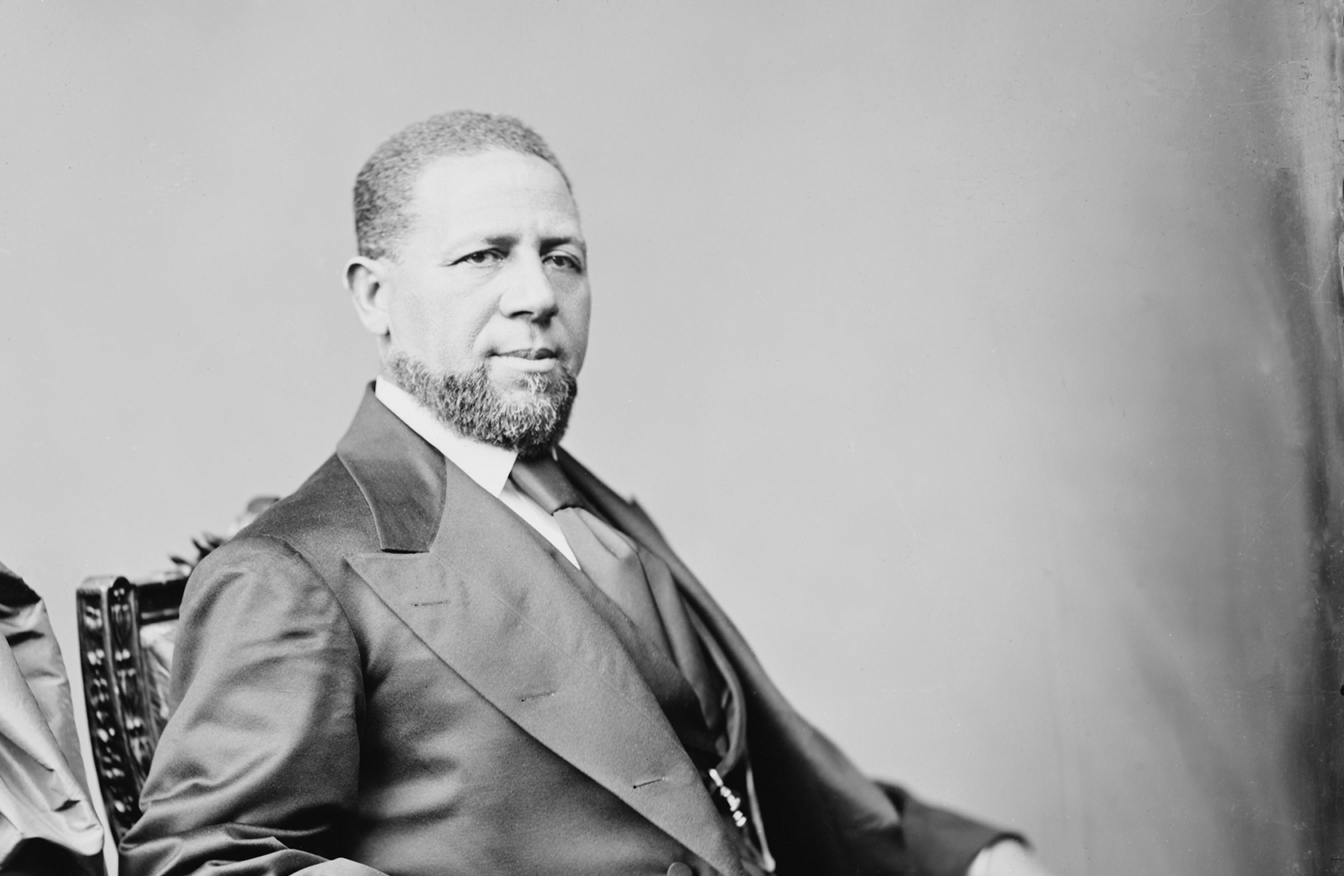
Hiram Rhodes Revels was the first African American to be elected to serve in the U.S. Senate.
Continue reading
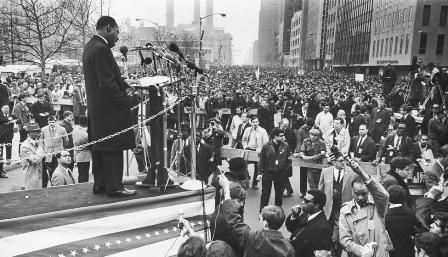
Teaching Activity. By Jeanne Theoharis and Jessica Lovaas. 2026. 10 pages.
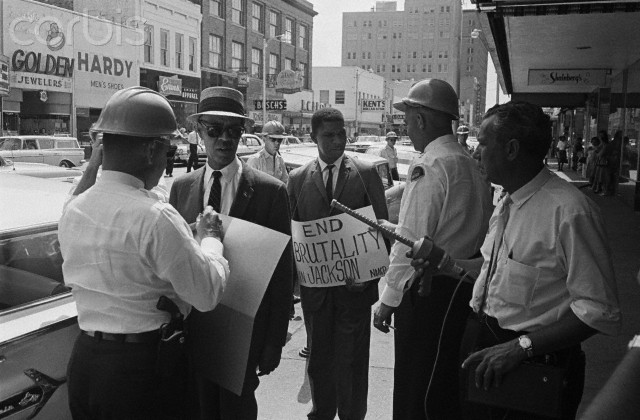
Reading, discussion questions, and activity about Martin Luther King's activism in New York on labor rights, police brutality, housing, and education. The reading is from a chapter in King of the North: Martin Luther King’s Freedom Struggle Outside of the South.
Continue reading
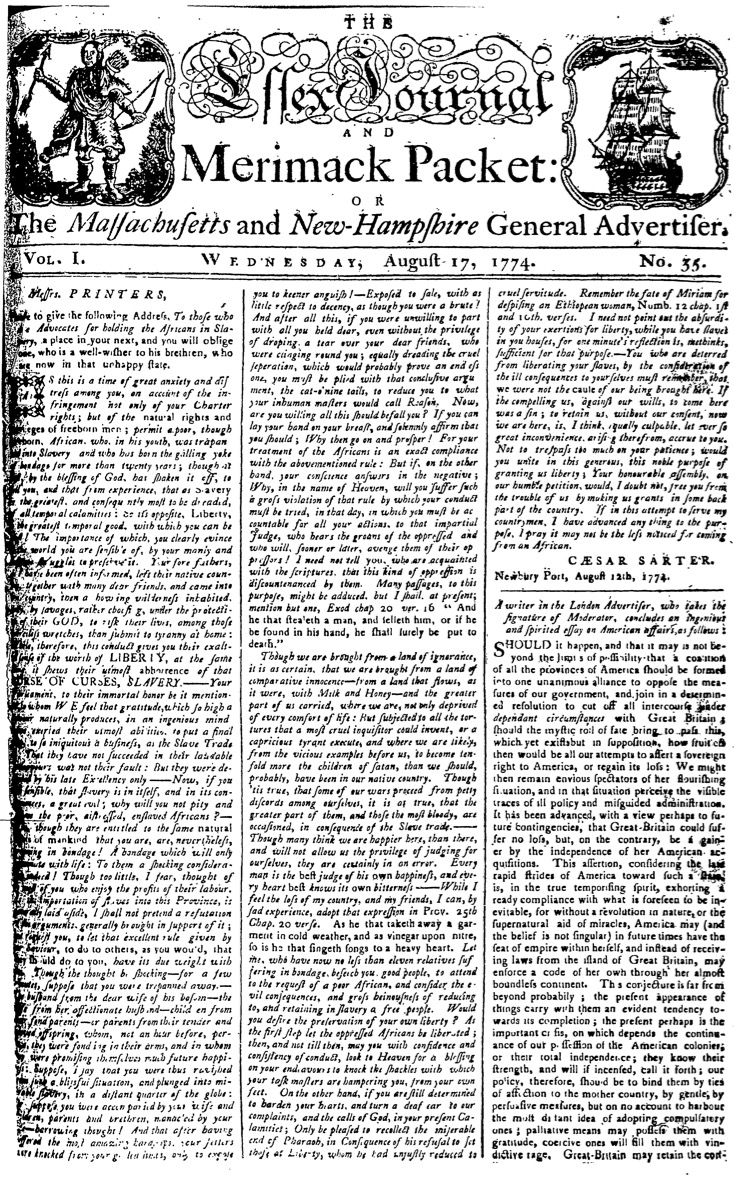
Just months after the Boston Tea Party, formerly enslaved African American Caesar Sarter made front-page news in Newburyport, Massachusetts when he wrote a an essay rebuking “revolutionary” enslavers.
Continue reading
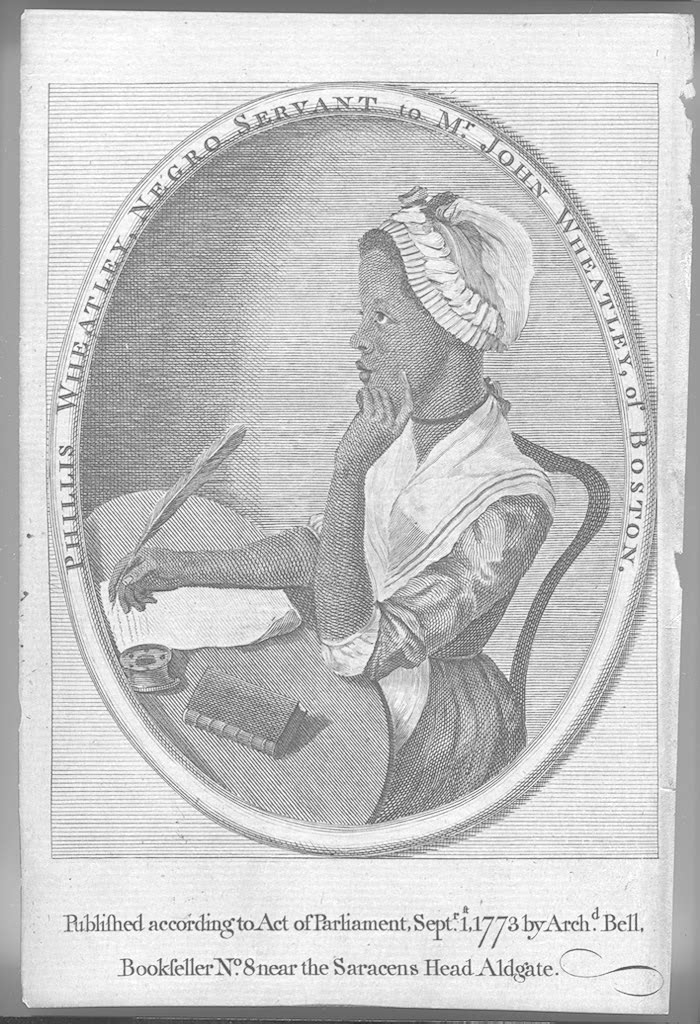
In a letter to a friend, Phillis Wheatley wrote of the idea of natural rights for African Americans, challenging patriot enslavers years before the Declaration of Independence.
Continue reading
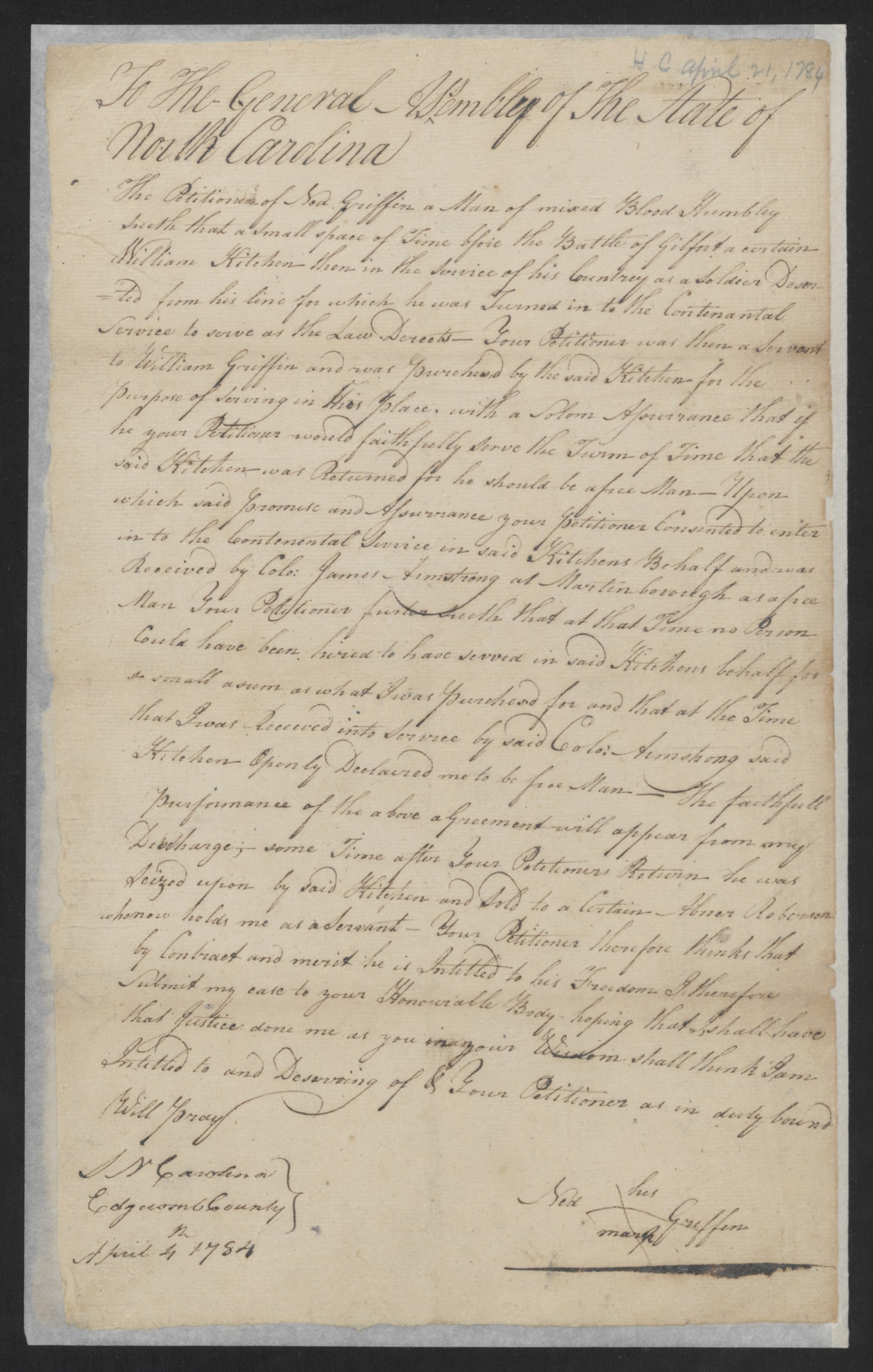
Enslaved Continental Army veteran Ned Griffin successfully sued for his freedom in North Carolina.
Continue reading
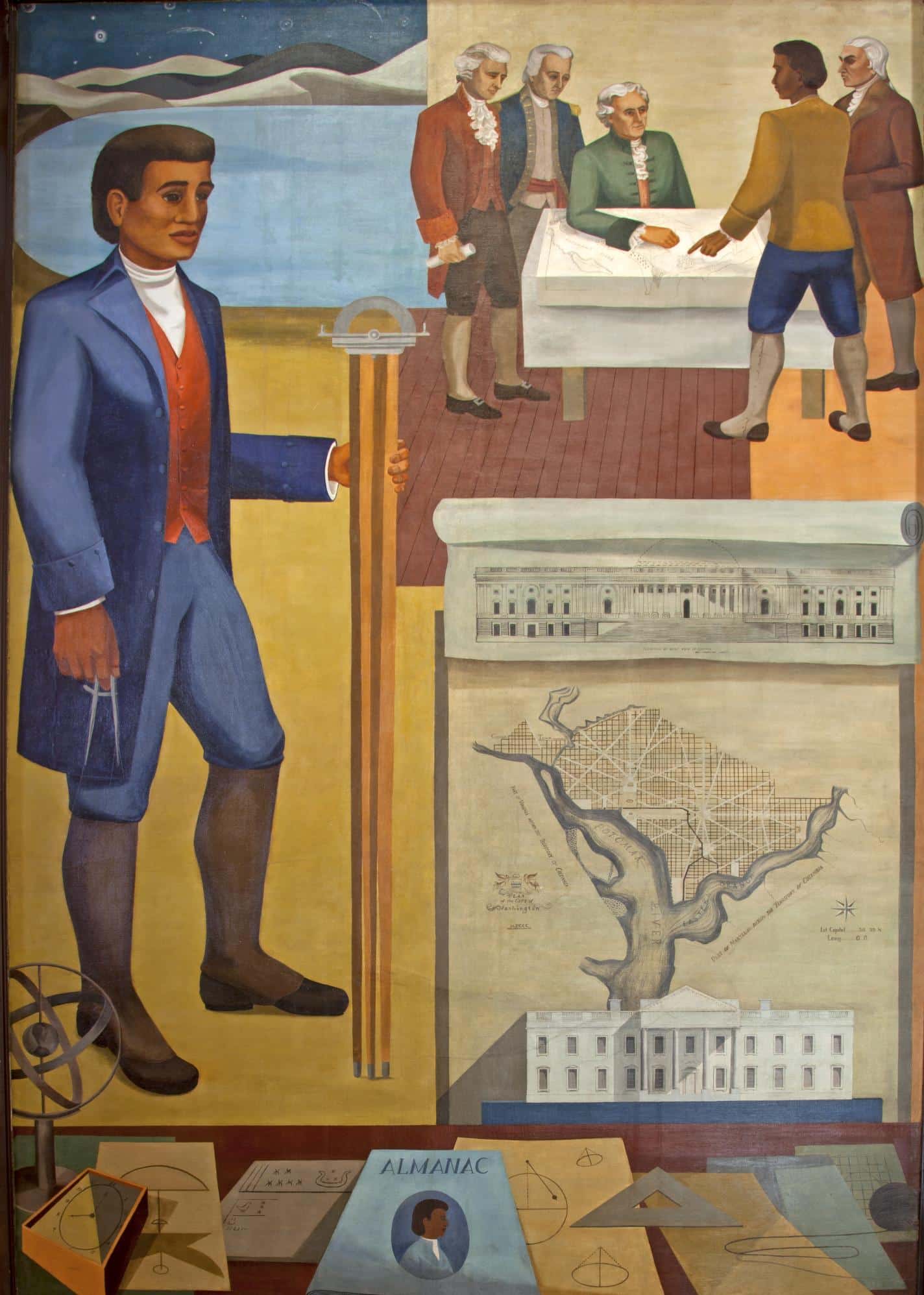
A land surveyor, almanac writer, and correspondent of Thomas Jefferson’s, Benjamin Banneker told Thomas Jefferson to end his “narrow prejudices.”
Continue reading
Just four months after the brutal murder of 14-year-old Emmett Till in nearby Money, Mississippi, Clinton Melton was shot and killed while working at a gas station in nearby Glendora, Mississippi.
Continue reading
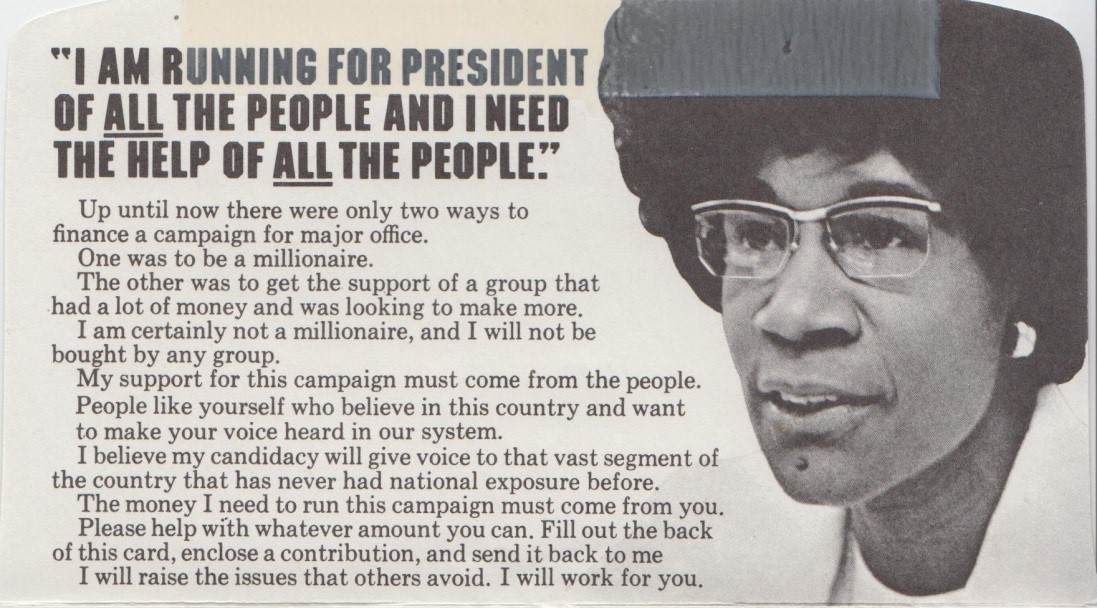
Shirley Chisholm, the first Black woman elected to Congress, opened her historic campaign for President.
Continue reading
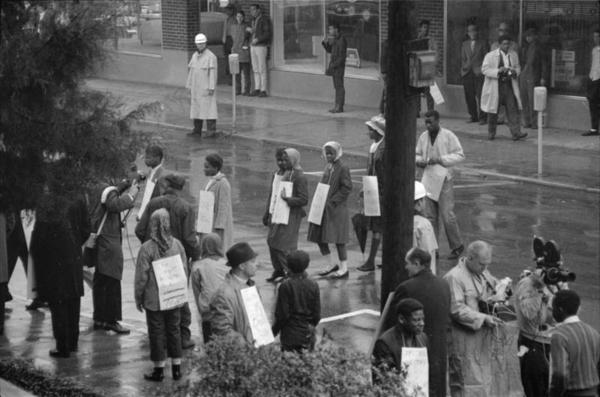
The Student Nonviolent Coordinating Committee (SNCC) voting rights campaign held a Freedom Day in Hattiesburg, Mississippi.
Continue reading
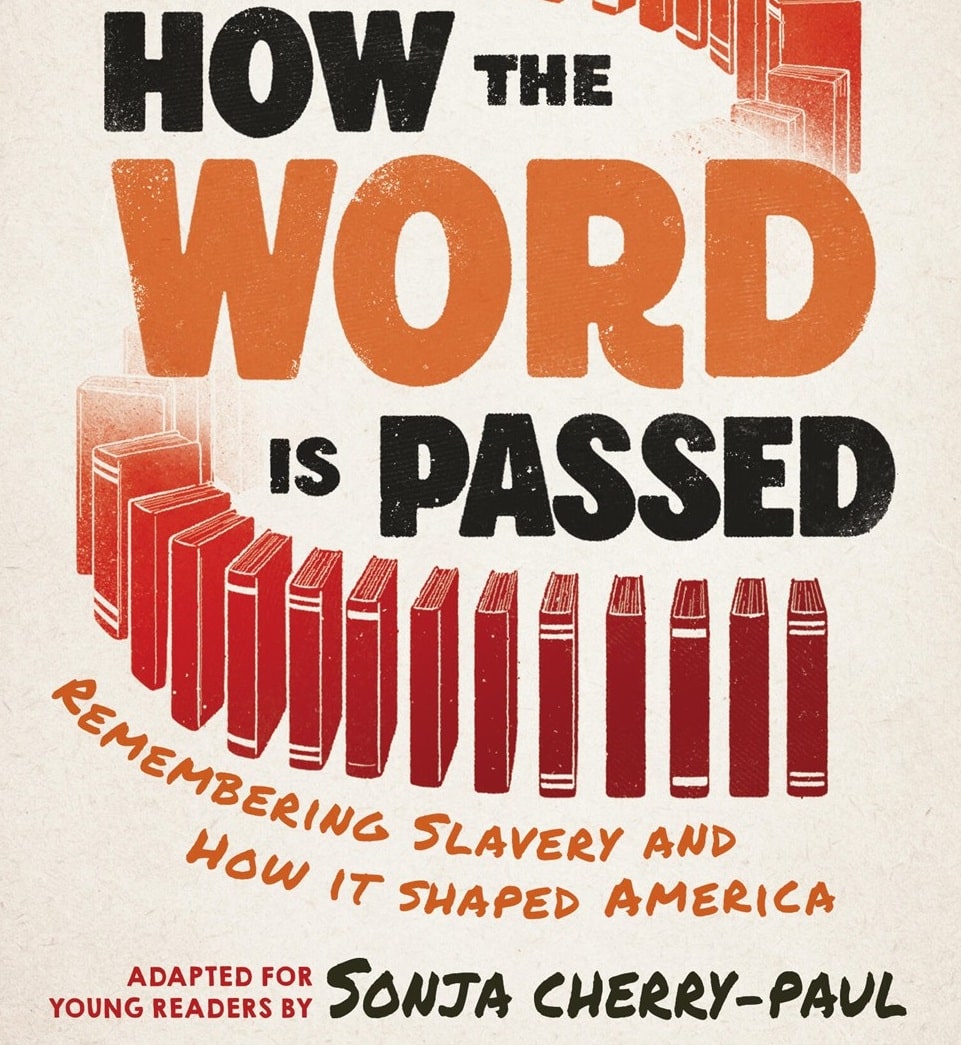
Book — Non-fiction. By Clint Smith and adapted by Sonja Cherry-Paul. 2025. 272 pages.
Takes readers to historical sites across America, exploring the legacy of slavery to help readers make sense of our nation's past and present, and be better stewards of their own future.
Continue reading
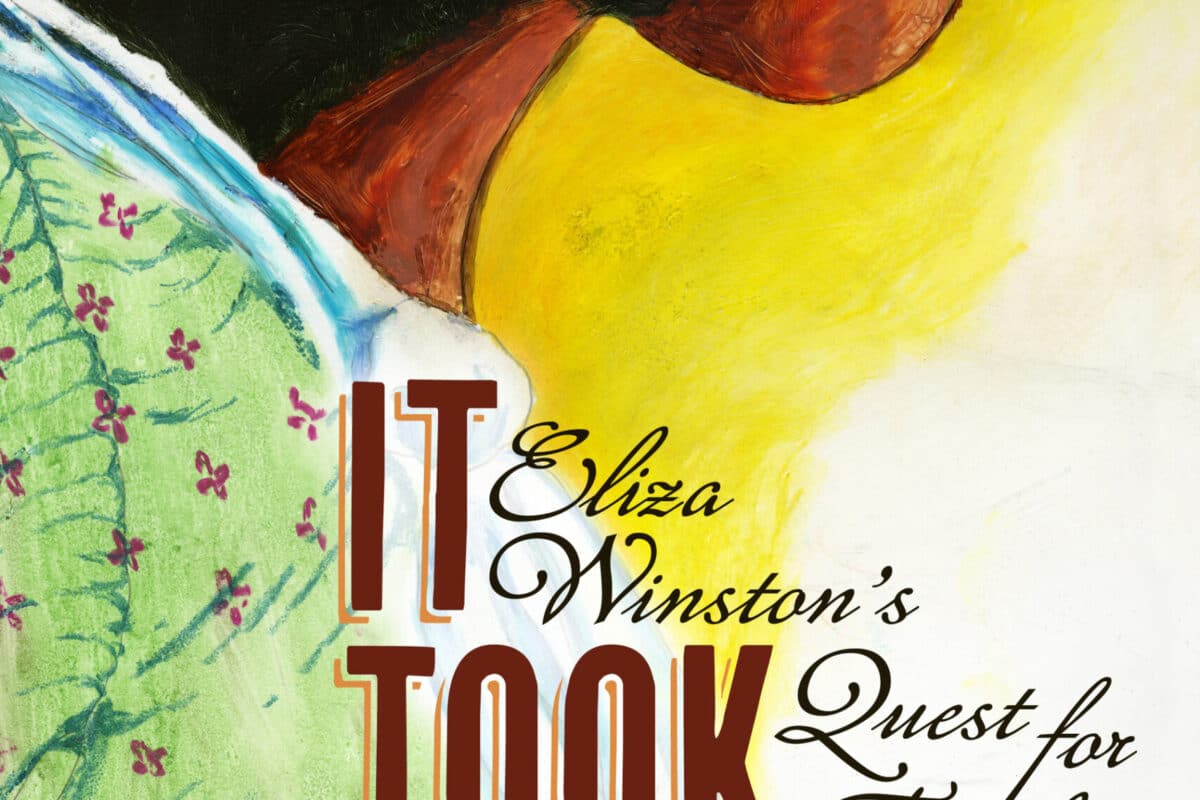
Enslaved African American Eliza Winston was freed from her Mississippi owner in a Minneapolis court.
Continue reading
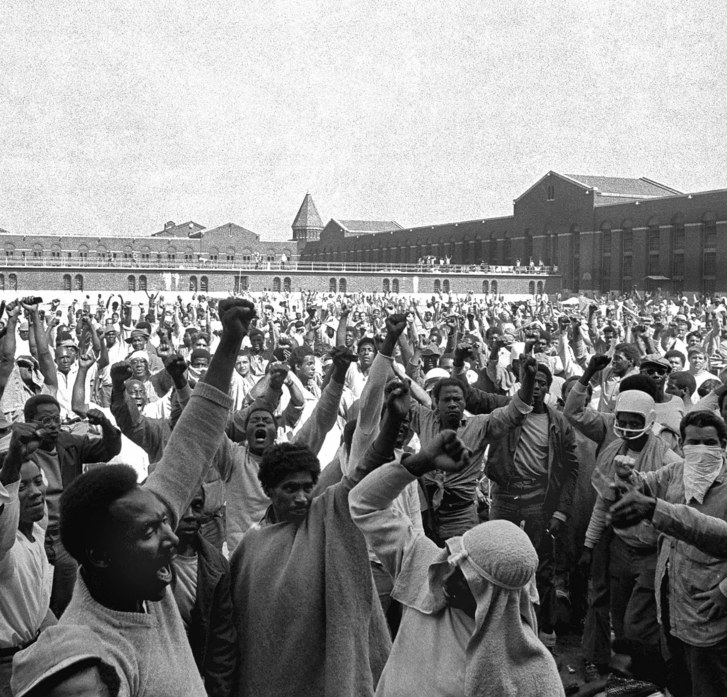
The Attica Prison Uprising began when prisoners took control of part of the prison in Upstate New York.
Continue reading
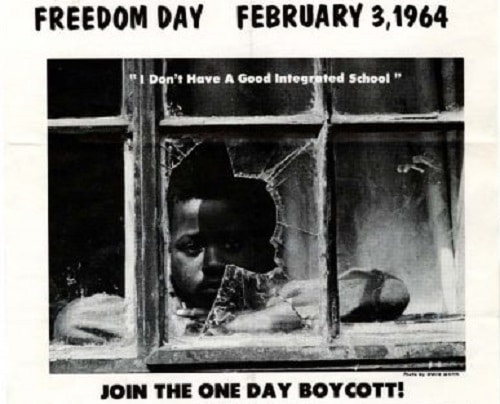
More than 450,000 New York City school children boycotted school as part of a protest for quality schools for Black and Latino students.
Continue reading
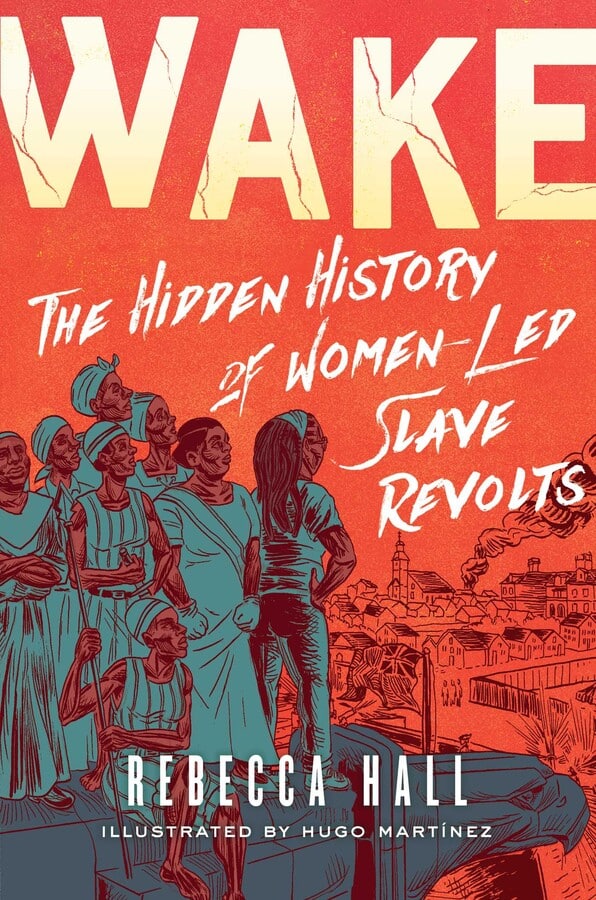
Book — Non-fiction. By Rebecca Hall. Illustrated by Hugo Martinez. 2021.
Rebecca Hall documents the process of her own research — and what she learned — about women who organized to challenge slavery. In graphic novel format.
Continue reading
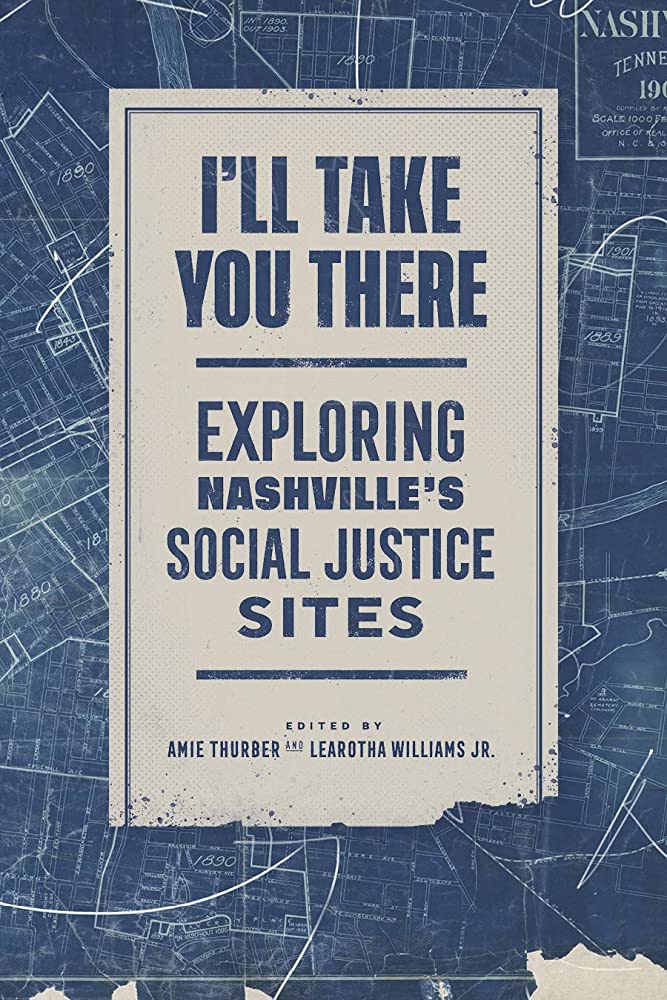
Book — Non-fiction. Edited by Amie Thurber and Learotha Williams. 2021. 300 pages.
An exploration of Nashville's social justice sites and people's history, celebrating the power of counternarratives as a tool to resist injustice.
Continue reading
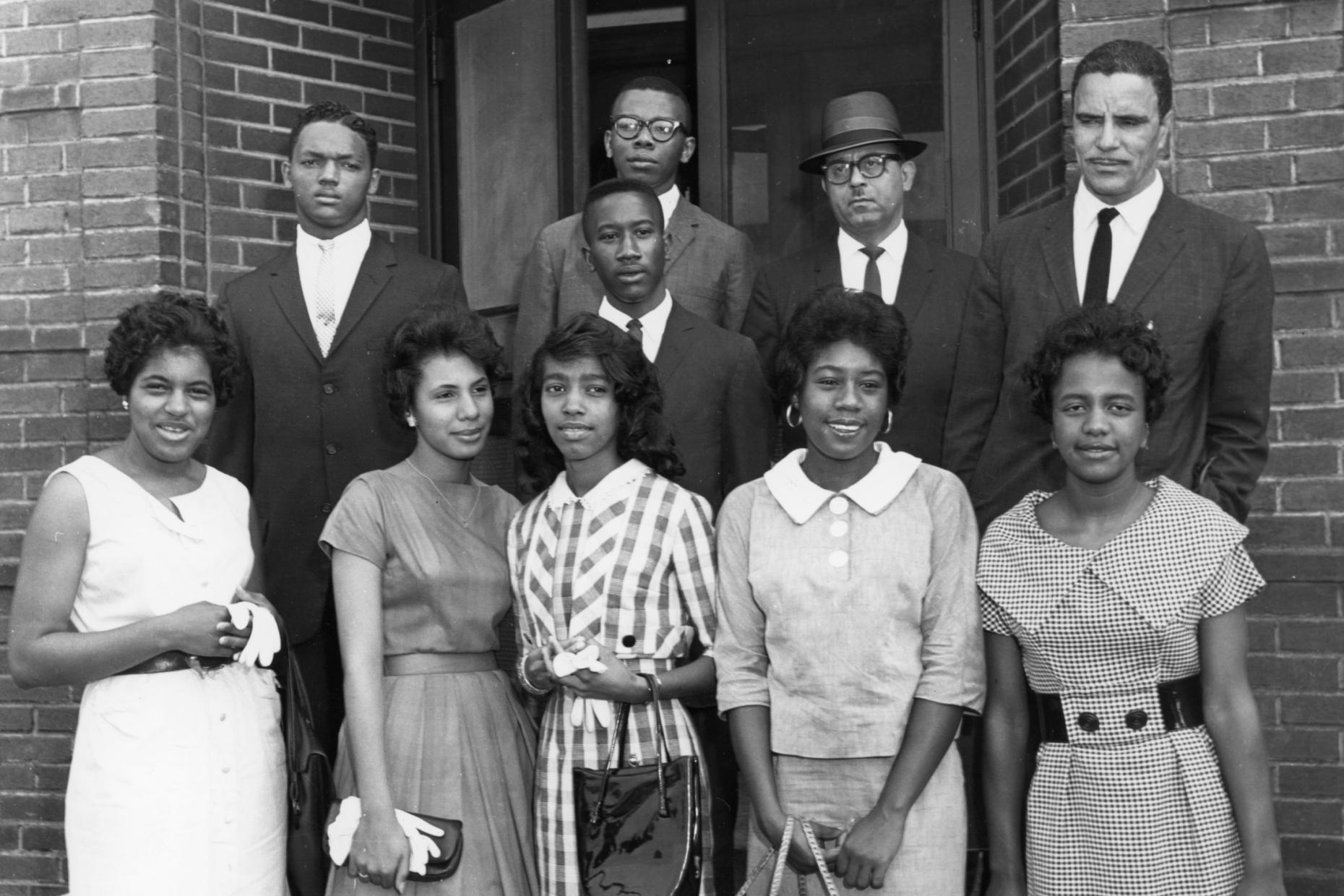
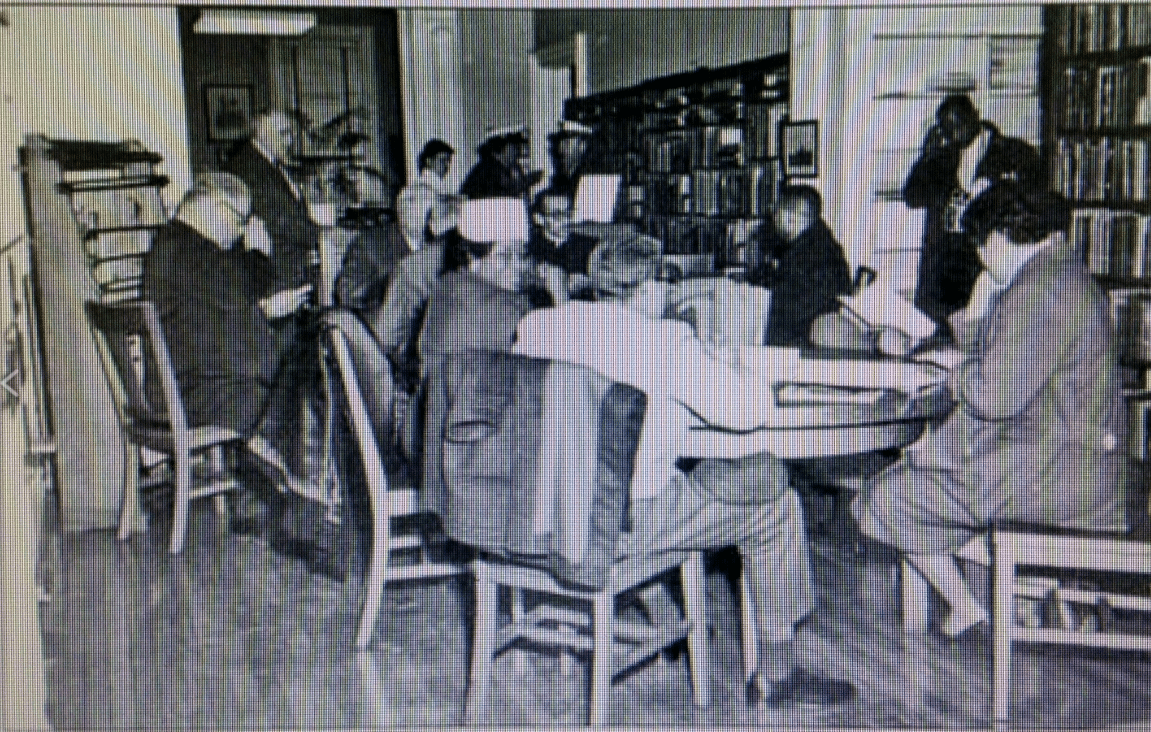
In an act of civil disobedience against the whites-only Greenville County Public Library, eight young Black people entered the library, began reading, and were subsequently arrested. They became known as the Greenville Eight, and the library finally desegregated months later after many legal battles.
Continue reading
In attempt to end segregation at the William R. McKenney Central Library in Petersburg, Virginia, a group of African American students held a sit-in.
Continue reading
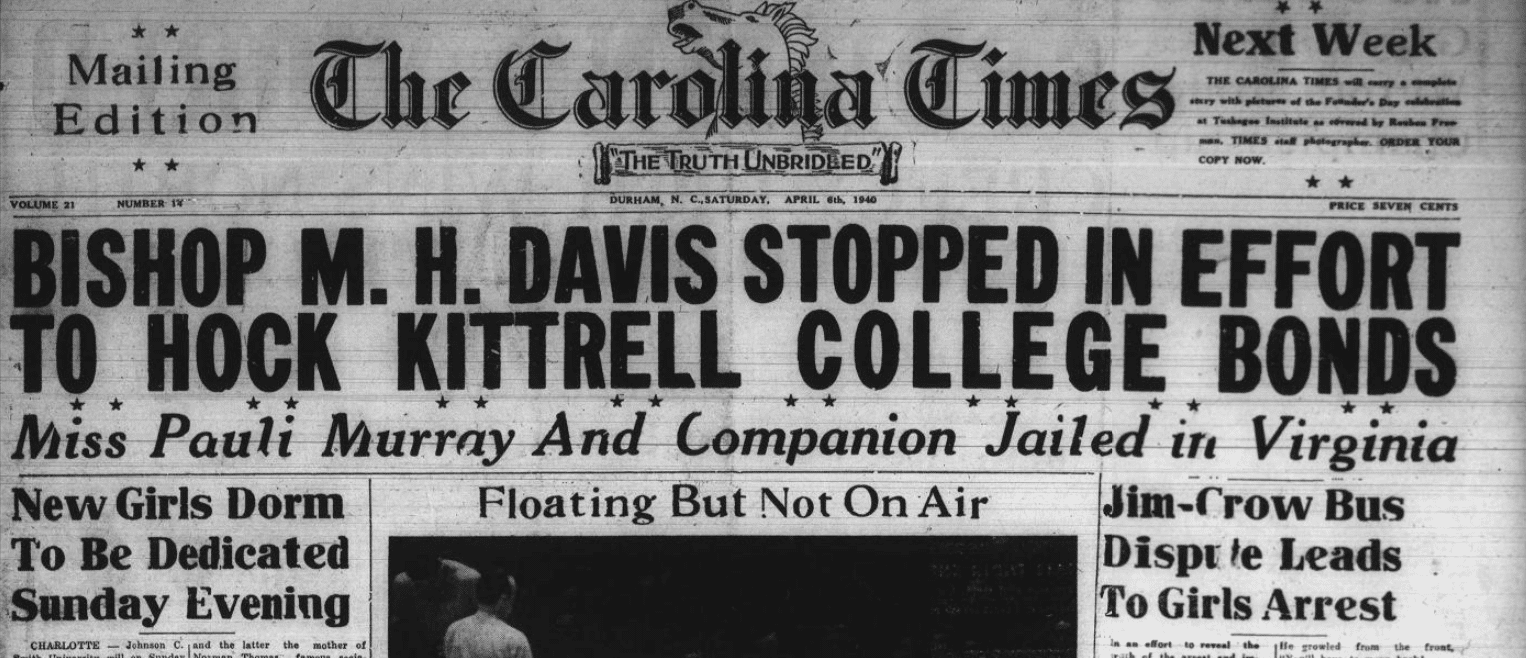
Pauli Murray and Adelene McBean were arrested on a Greyhound bus near Petersburg, Virginia for refusing to move to the back of the bus and were subsequently arrested and jailed.
Continue reading
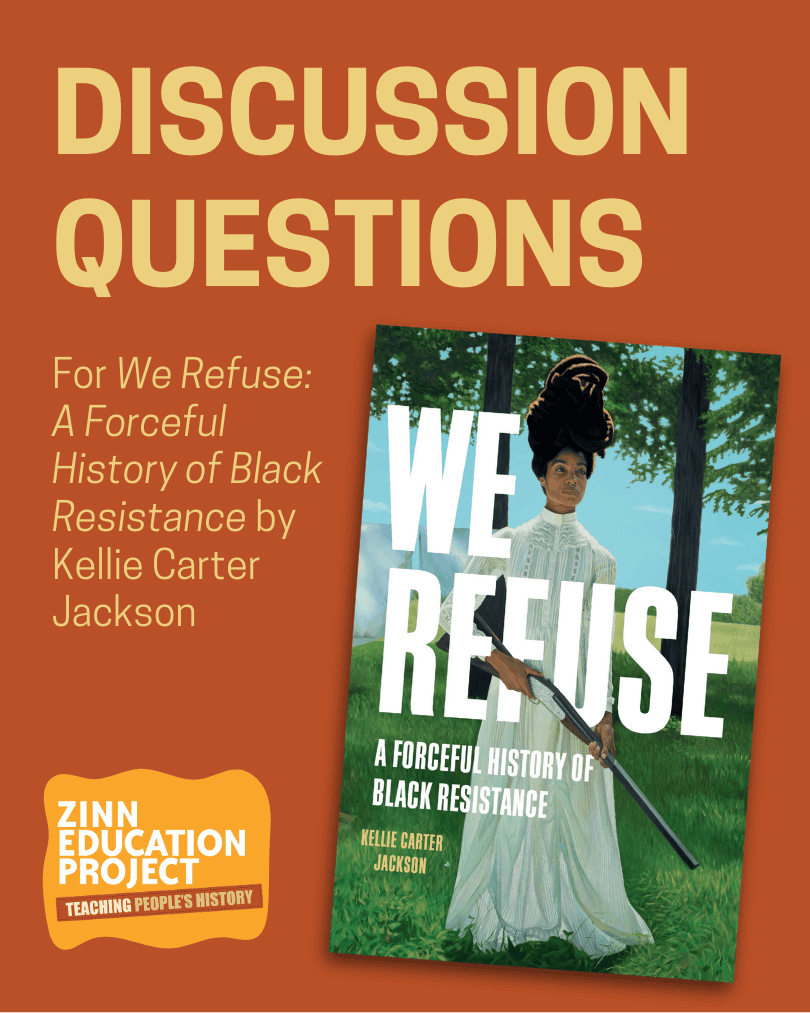
Questions to accompany Chapter One: Revolution of We Refuse: A Forceful History of Black Resistance by Kellie Carter Jackson.
Continue reading
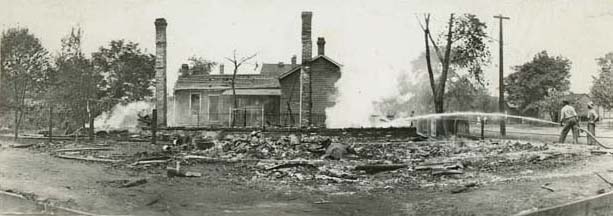
This massacre was committed against African Americans by a mob of about 5,000 white people in Springfield, Illinois.
Continue reading
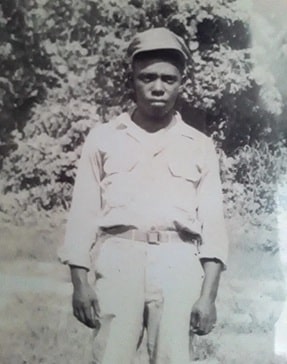
When the “Fort Hood 43” refused to board a plane to Chicago for riot-control duty against fellow African Americans, their non-violent act became one of the largest demonstrations of dissent in U.S. military history.
Continue reading