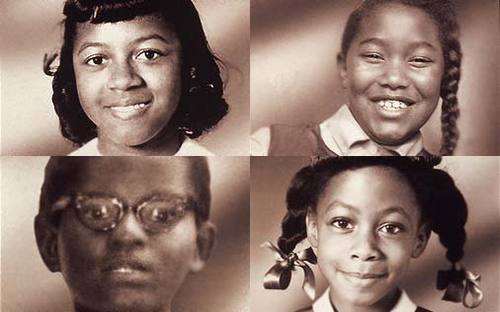
The 16th Street Baptist Church was bombed in an act of terrorism in Birmingham, Alabama.
Continue reading
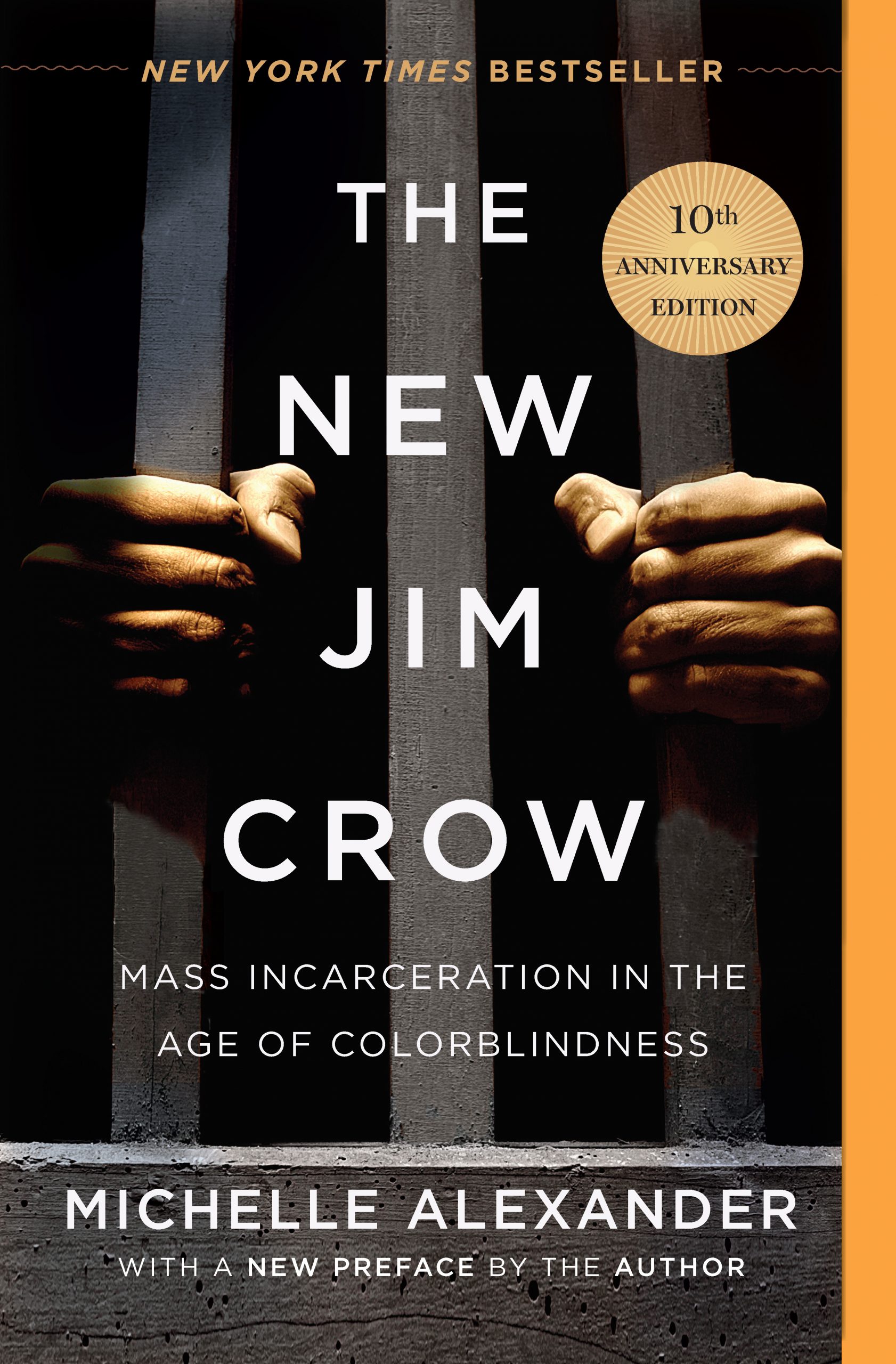
Book — Non-fiction. By Michelle Alexander. Introduction by Cornel West. 2010, updated 10th-anniversary edition released in 2020. 336 pages.
A critical analysis of the role the justice system plays in the oppression of African Americans in the United States.
Continue reading
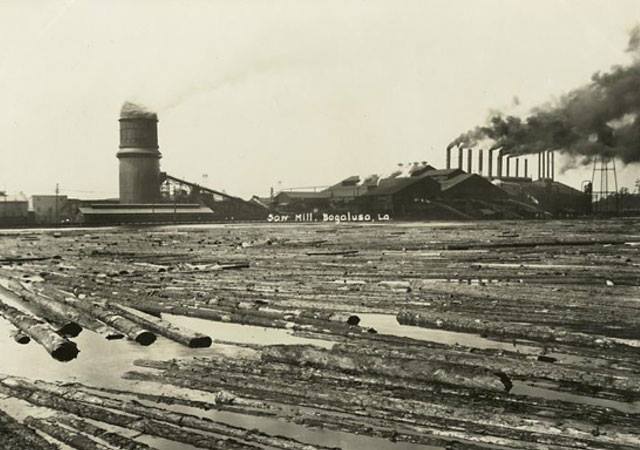
The Bogalusa Labor Massacre was an attack on interracial labor solidarity in Louisiana.
Continue reading
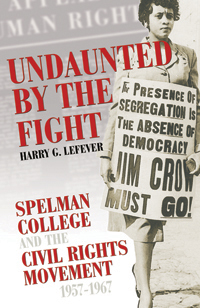
Book — Non-fiction. By Harry G. Lefever. 2005. 304 pages.
The story of Spelman College students and faculty engagement in the Civil Rights Movement from 1957 to 1967.
Continue reading
Book — Non-fiction. By John Hope Franklin and Evelyn Brooks Higginbotham. 2010 (Ninth Edition). 710 pages.
Charts the journey of African Americans from their origins in Africa, through slavery and struggles for freedom, various migrations, and the continuing quest for racial equality.
Continue reading
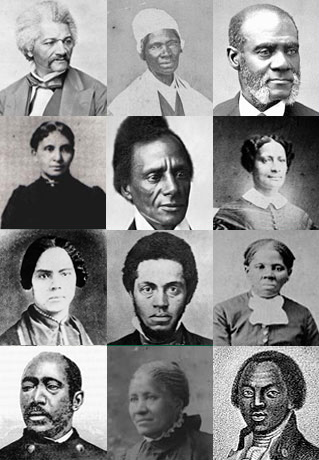
Profiles. Zinn Education Project. 2014.
Brief biographies of 25 Black abolitionists.
Continue reading
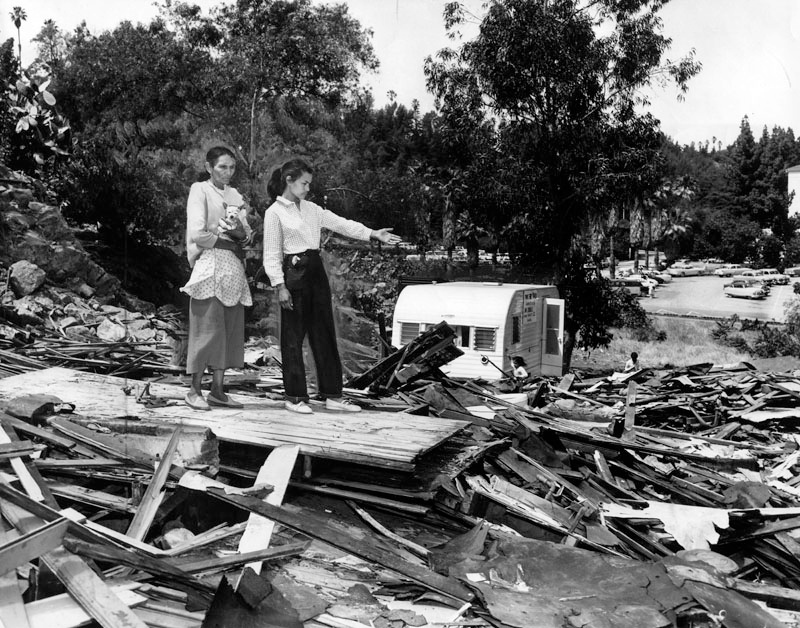
Teaching Activity. By Linda Christensen. Rethinking Schools. 9 pages.
Teaching about patterns of displacement and wealth inequality through the history of Palo Verde, La Loma, and Bishop communities and the building of Dodger Stadium.
Continue reading
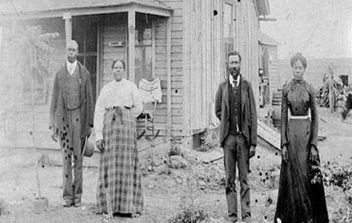
Film. Center for Investigative Reporting and Two Tone Productions. 2007. 84 minutes.
Filmmaker Marco Williams examined four examples of primarily white communities violently rising up to force their African-American neighbors to flee town.
Continue reading
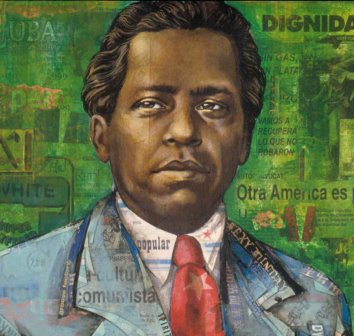
Cuban poet of social protest and a leader of the Afro-Cuban movement, Nicolás Guillén was born.
Continue reading
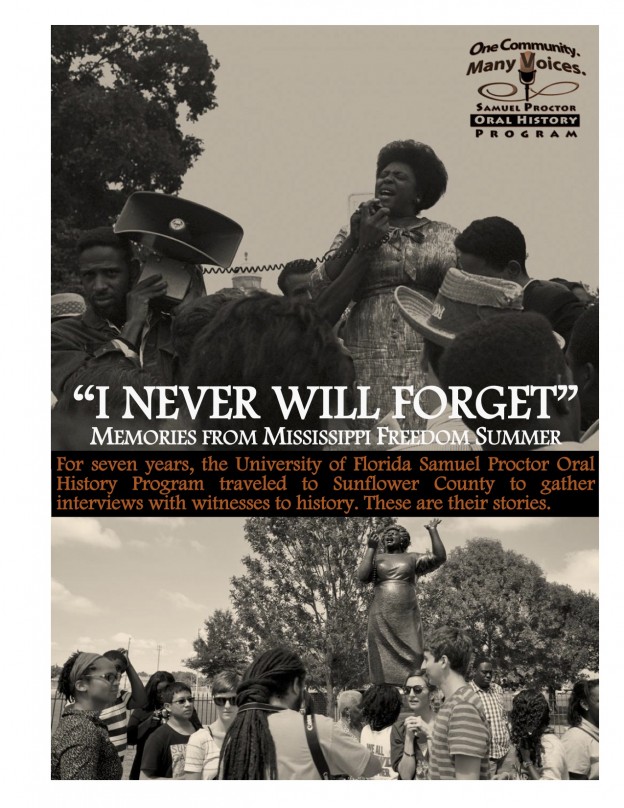
Book — Non-fiction. Edited by Sarah Blanc. 2014. 115 pages.
A collection of interviews conducted by the Samuel Proctor Oral History Program over seven years in Sunflower County, Mississippi. The stories provide a powerful first person introduction to the history of the Mississippi Civl Rights Movement.
Continue reading
Teaching Activity. By Adam Sanchez and Jesse Hagopian. Rethinking Schools. 33 pages.
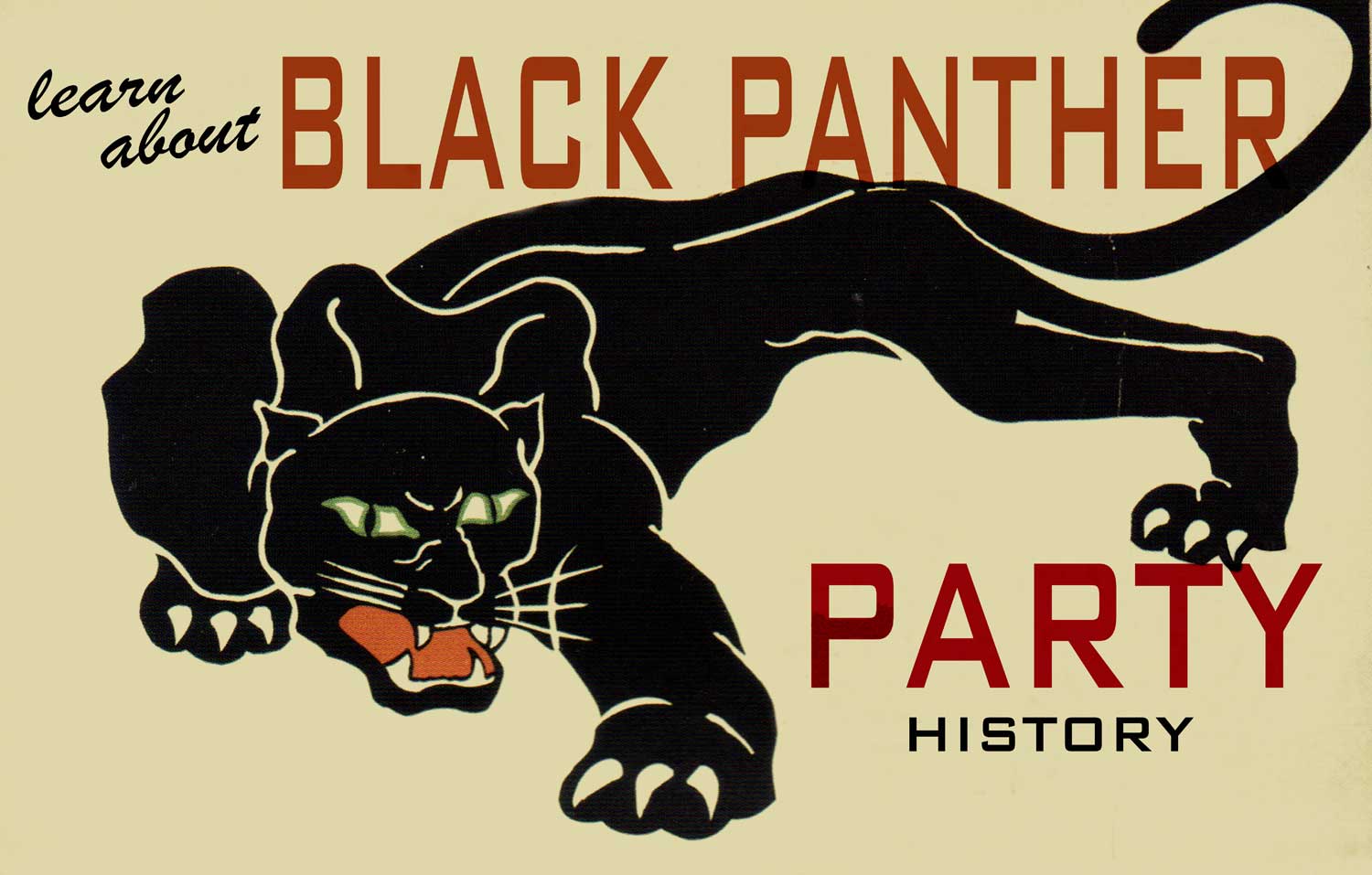
A mixer lesson introduces students to the pivotal history of the Black Panthers.
Continue reading
Teaching Activity. By Adam Sanchez.
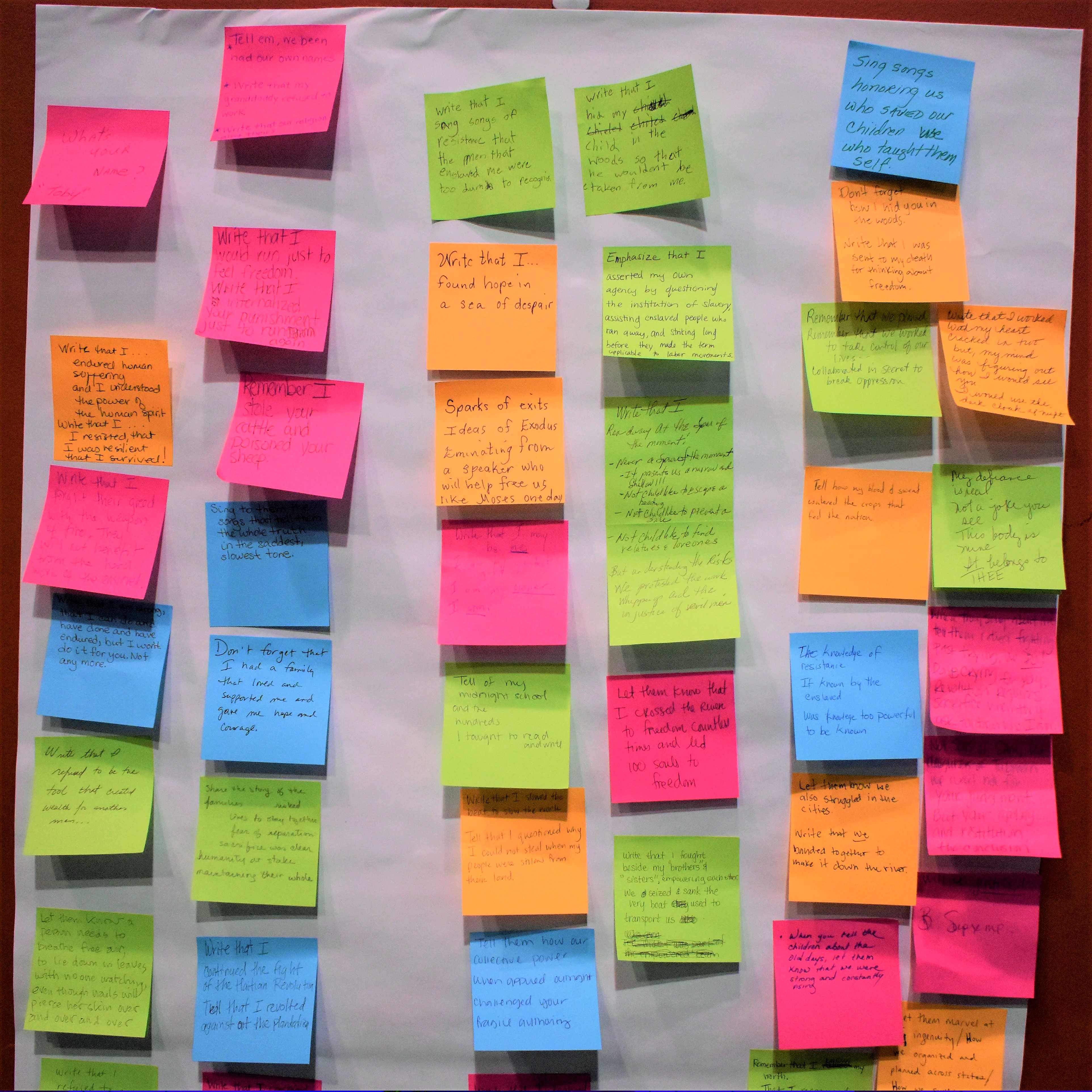
Through a mixer activity, students encounter how enslaved people resisted the brutal exploitation of slavery. The lesson culminates in a collective class poem highlighting the defiance of the enslaved.
Continue reading
Article from "Understanding and Teaching the Civil Rights Movement" edited by Hasan Kwame Jeffries.
A critical review of films on the Civil Rights Movement and institutionalized racism, with dozens of recommendations of films to watch and those to avoid.
Continue reading
Film. Directed by Lucy Massie Phenix and Catherine Murphy. 2019. 9 minutes.
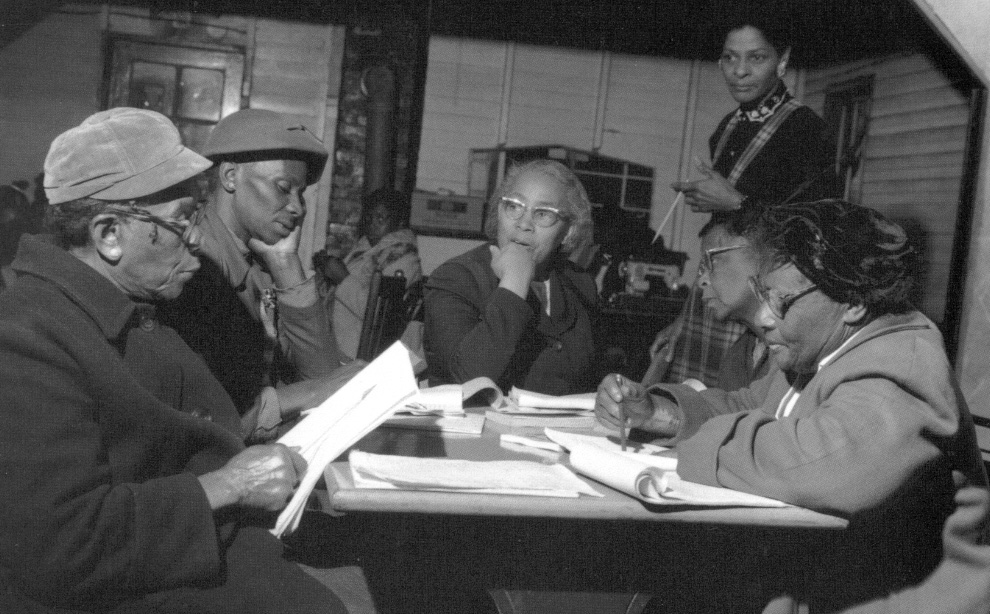
Documentary about Citizenship Schools.
Continue reading
Teaching Activity. By Ursula Wolfe-Rocca.
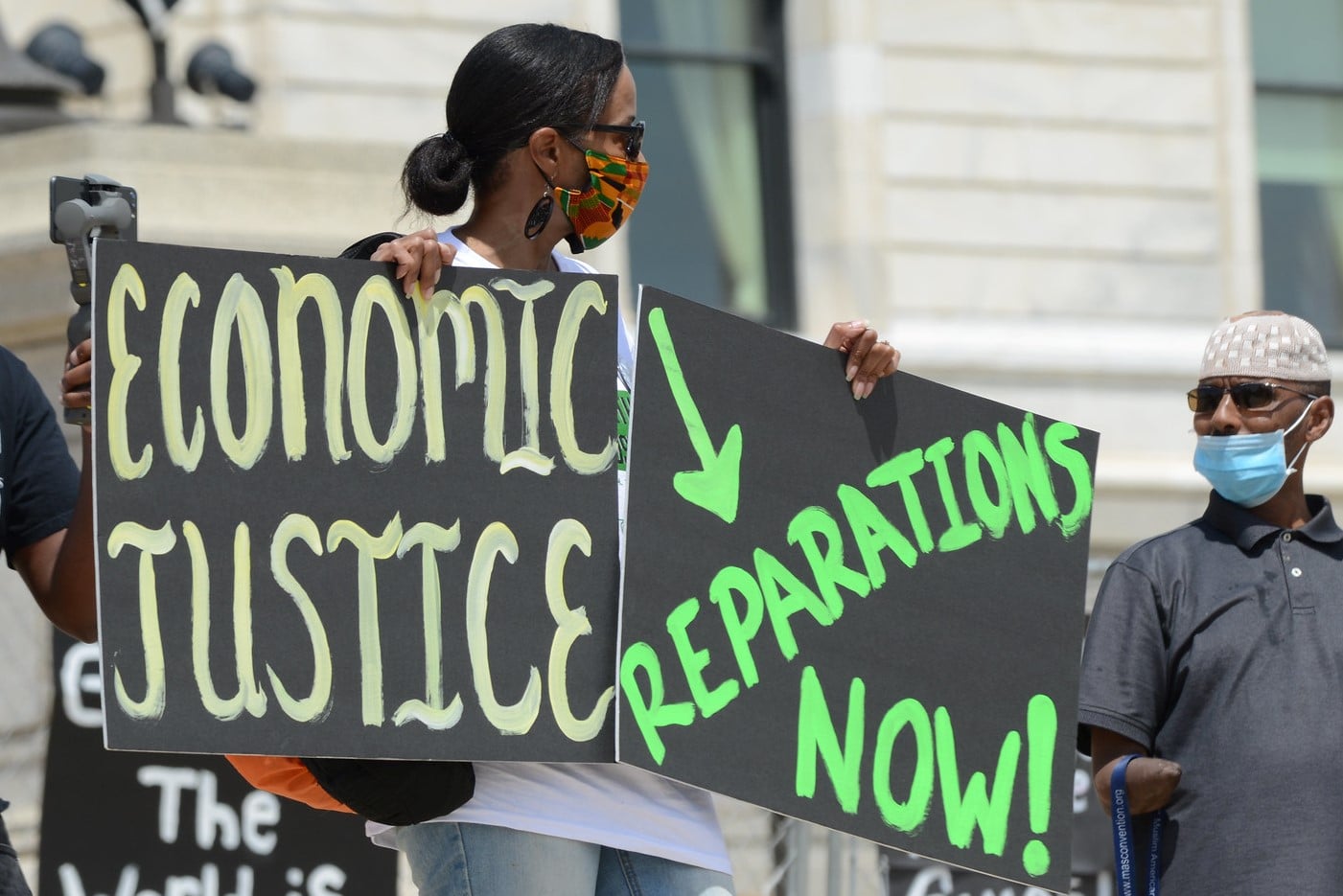
In this activity, students take on the role of activist-experts to improve upon a Congressional bill for reparations for Black people. They talk back to Congress’ flimsy legislation and design a more robust alternative.
Continue reading
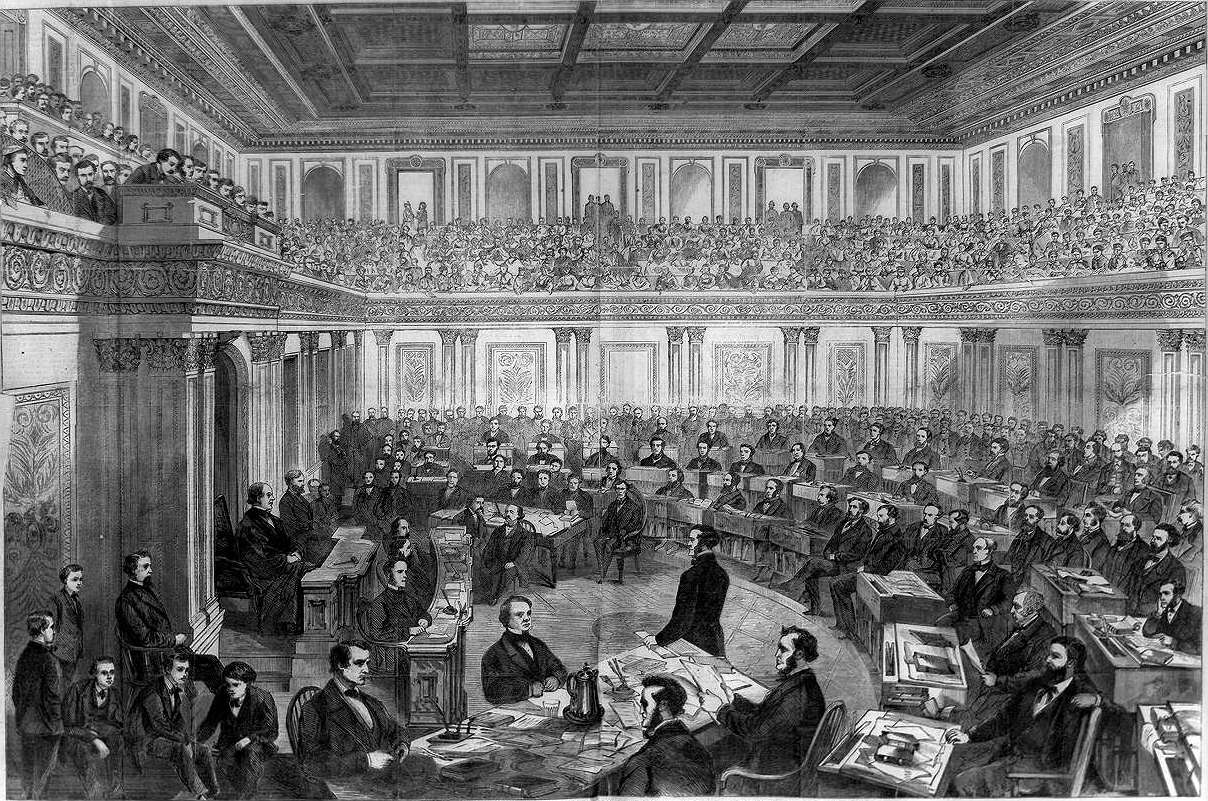
The impeachment trial of President Andrew Johnson began in the Senate.
Continue reading
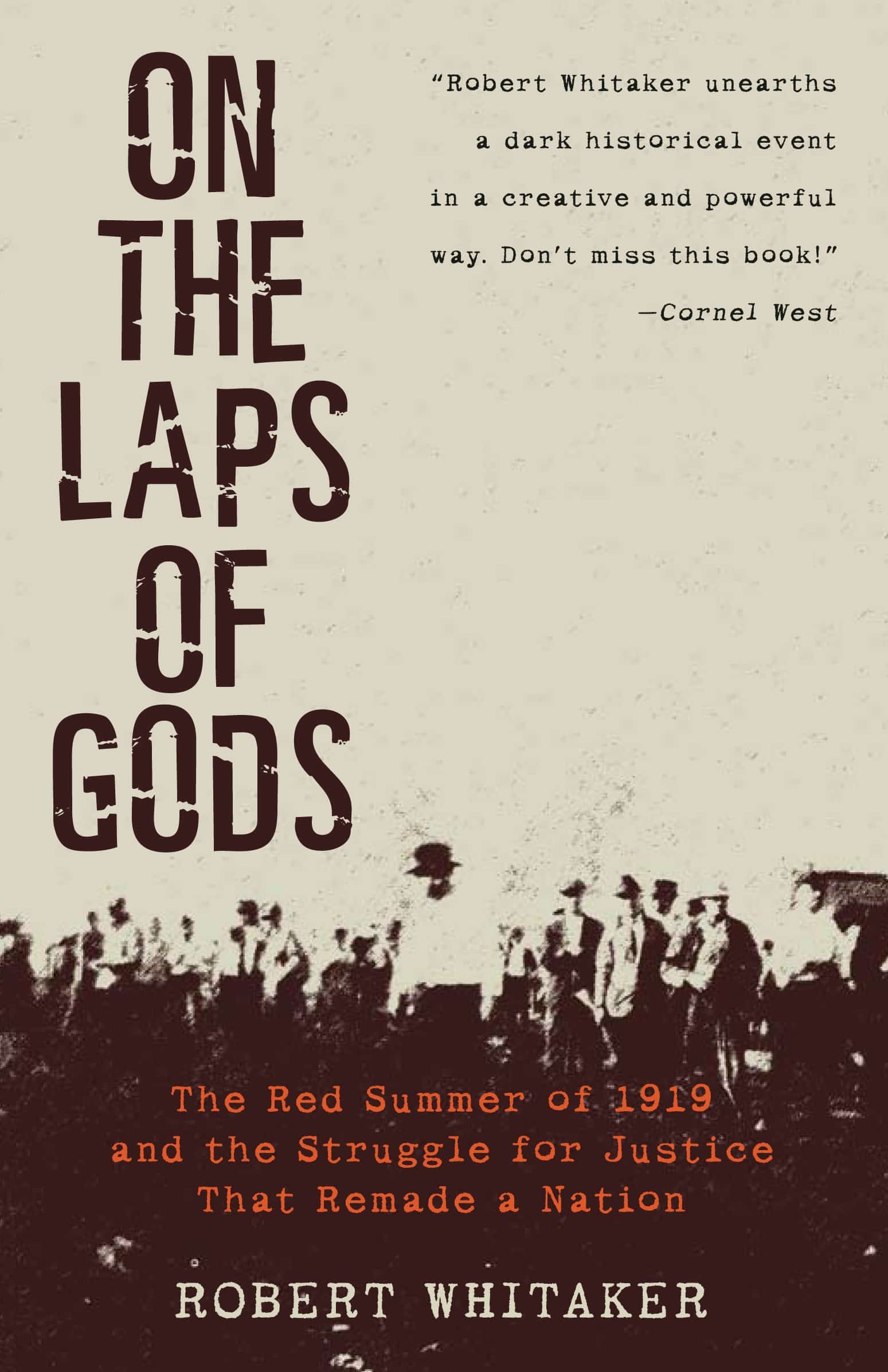
Book — Non-fiction. By Robert Whitaker. 2009. 386 pages.
The story of the 1919 Elaine massacre in Hoop Spur, Arkansas.
Continue reading
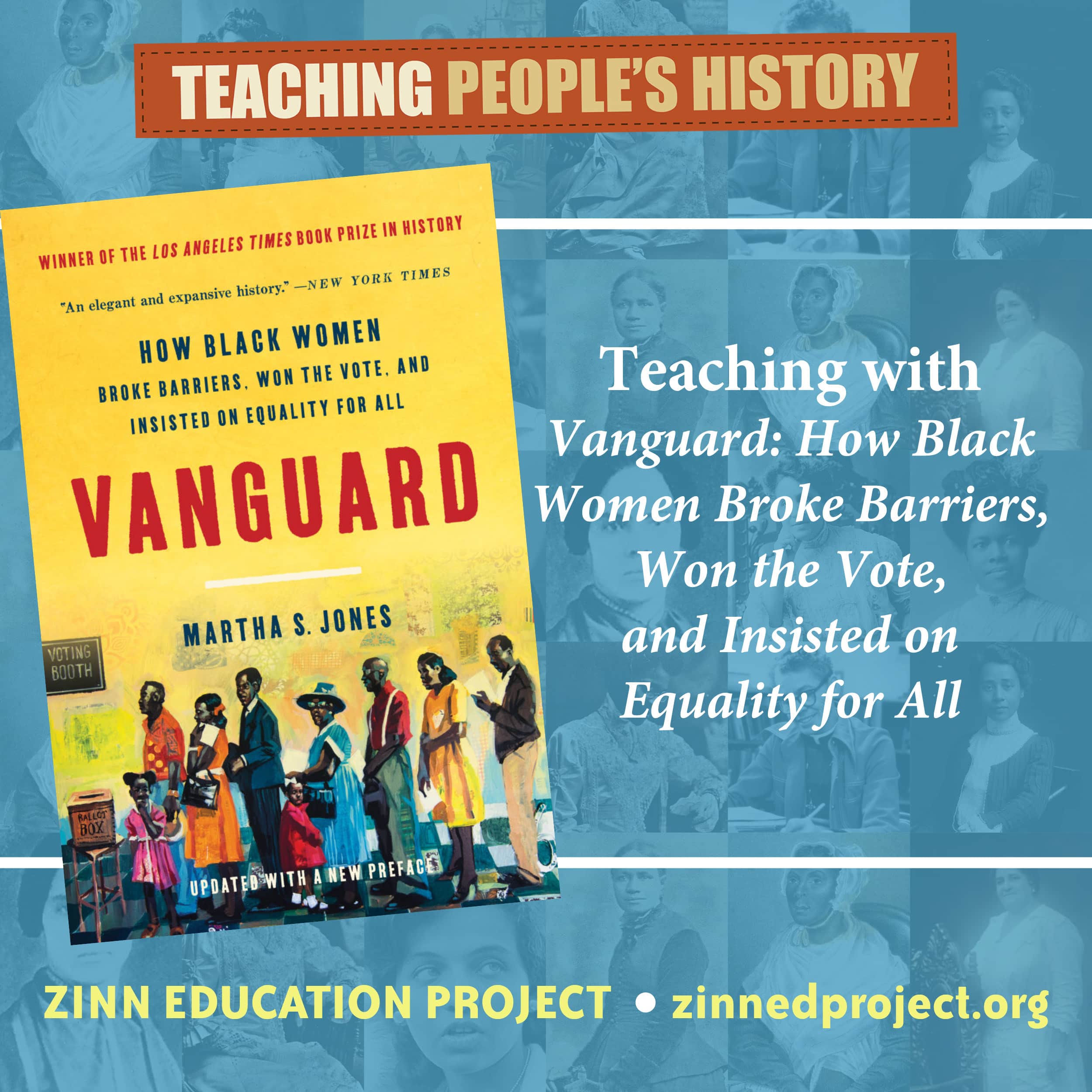
Teaching Activity. By Ursula Wolfe-Rocca. 25 pages.
Students engage in an interactive activity with short excerpts from Martha Jones’ book to learn about the leading role of Black women in the fight for voting rights throughout U.S. history.
Continue reading
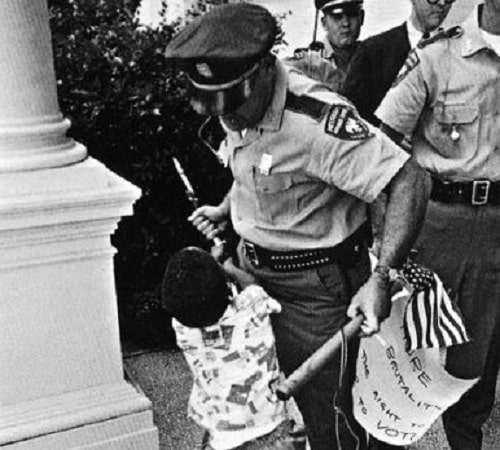
Five-year-old Anthony Quin and his mother and siblings protested against the election of five Mississippi Congressmen from districts where Black people were not allowed to vote. Refused admittance, they sat on the steps and police-instigated mayhem ensued.
Continue reading
The first African Liberation Day drew some 60,000 demonstrators in cities across the United States and Canada, including one on the National Mall in Washington D. C.
Continue reading
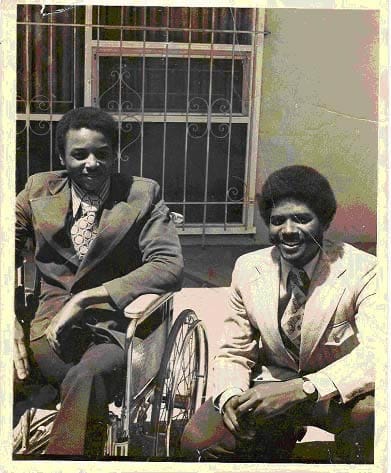
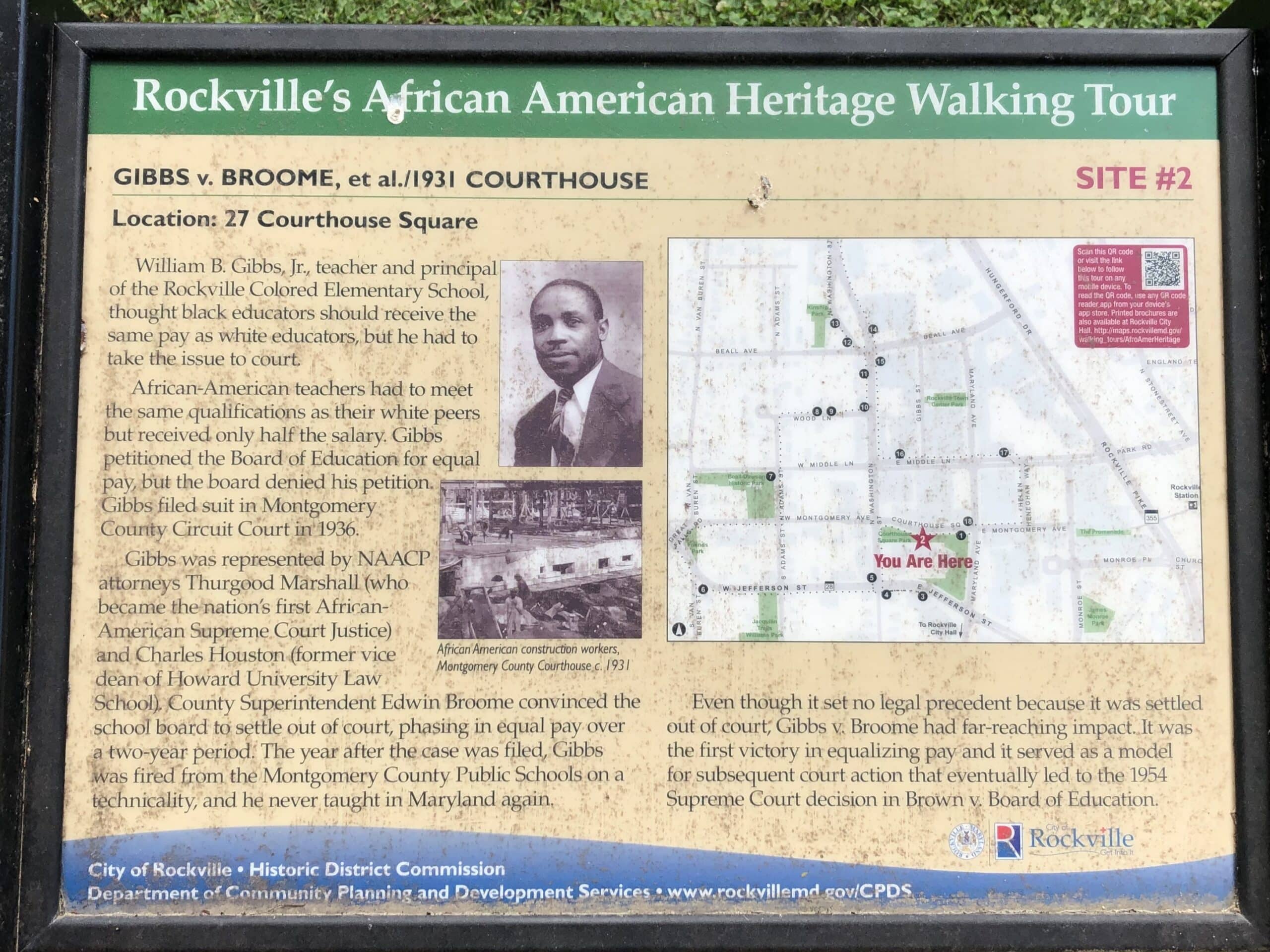
In an attempt to gain pay equity for Black teachers in Maryland, William B. Gibbs Jr. became the lead plaintiff in the NAACP’s case for pay equity in Montgomery County, a case known as Gibbs v. Broome.
Continue reading
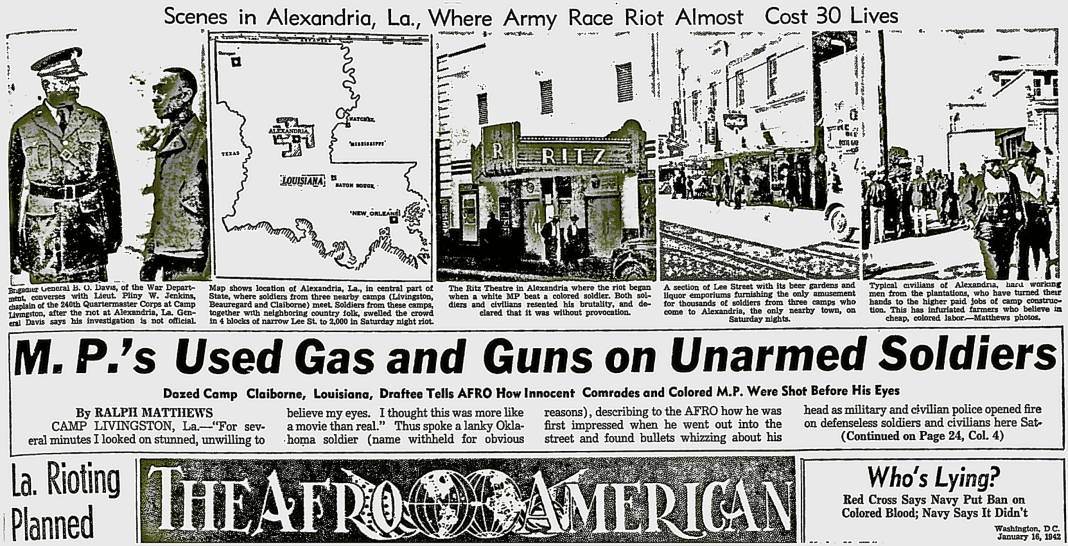
A month after the bombing of Pearl Harbor, Black soldiers on R&R in the town of Alexandria, Louisiana were attacked by local and military police, with dozens murdered and countless others injured in this brutal instance of Jim Crow violence.
Continue reading
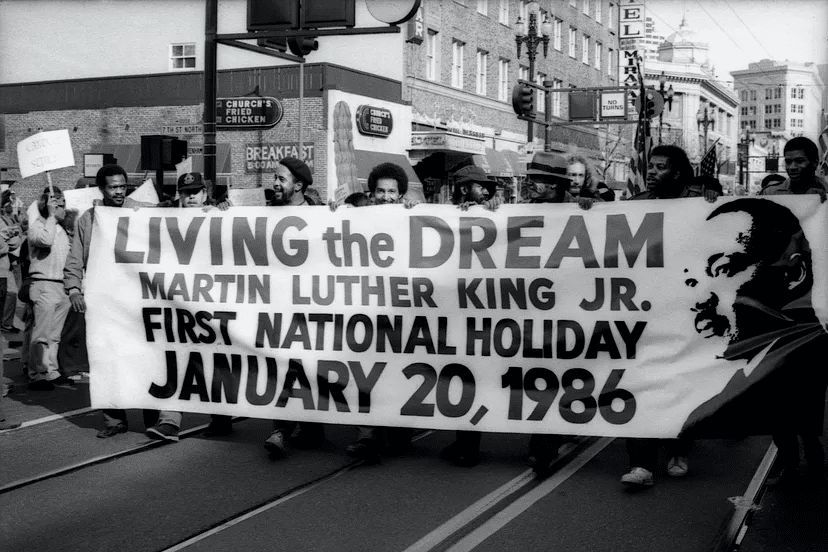
The United States celebrated its first national Martin Luther King Jr. holiday, three years after the holiday was signed into law and eighteen years after the fight for a King holiday began.
Continue reading
The Harlem Park Three — Alfred Chestnut, Andrew Stewart, and Ransom Watkins — spent decades imprisoned on a wrongful conviction before gaining their freedom in 2019.
Continue reading
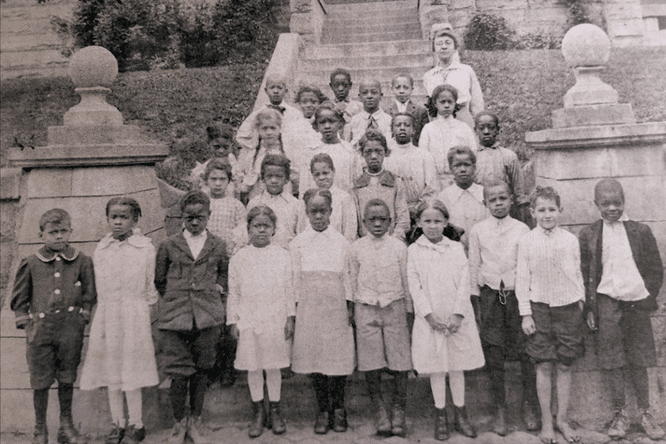
The first free school south of the Mason-Dixon Line was established in Parkersburg, West Virginia, during the Civil War.
Continue reading