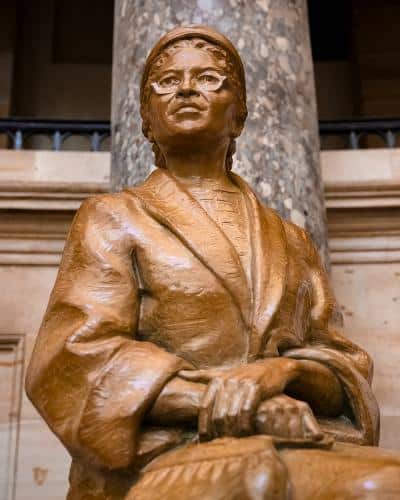
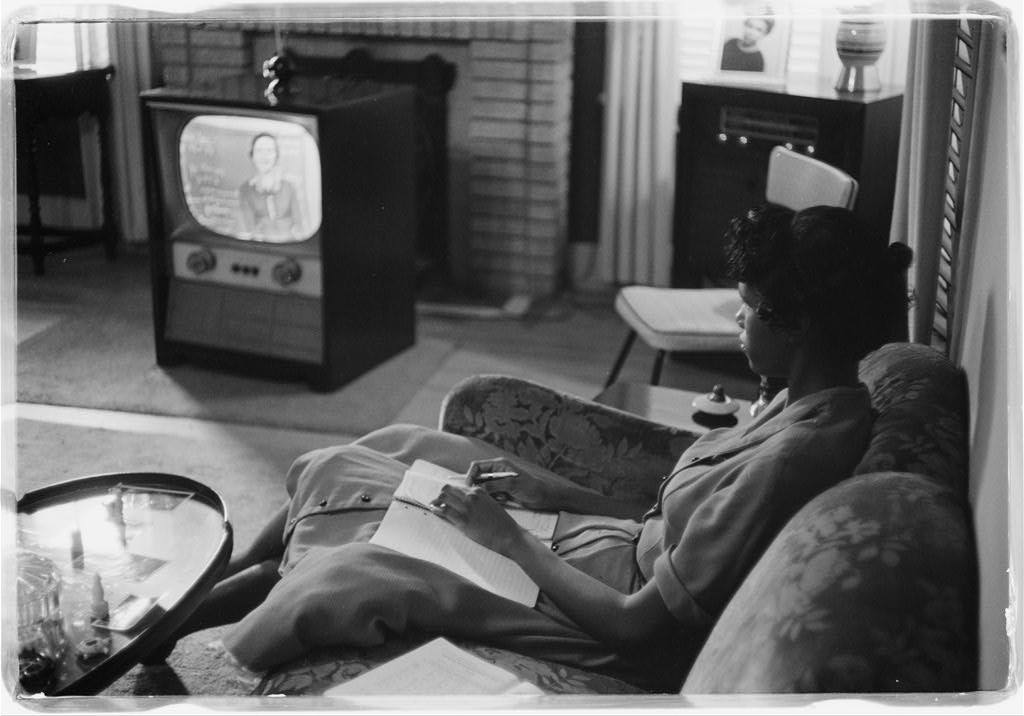
This lesson by Cierra Kaler-Jones invites students to consider how Rosa Parks’ legacy is memorialized by critically examining her statue at the U.S. Capitol. Students learn the fuller story of Rosa Parks’ life and use that information to determine how they would memorialize her legacy.
Continue reading
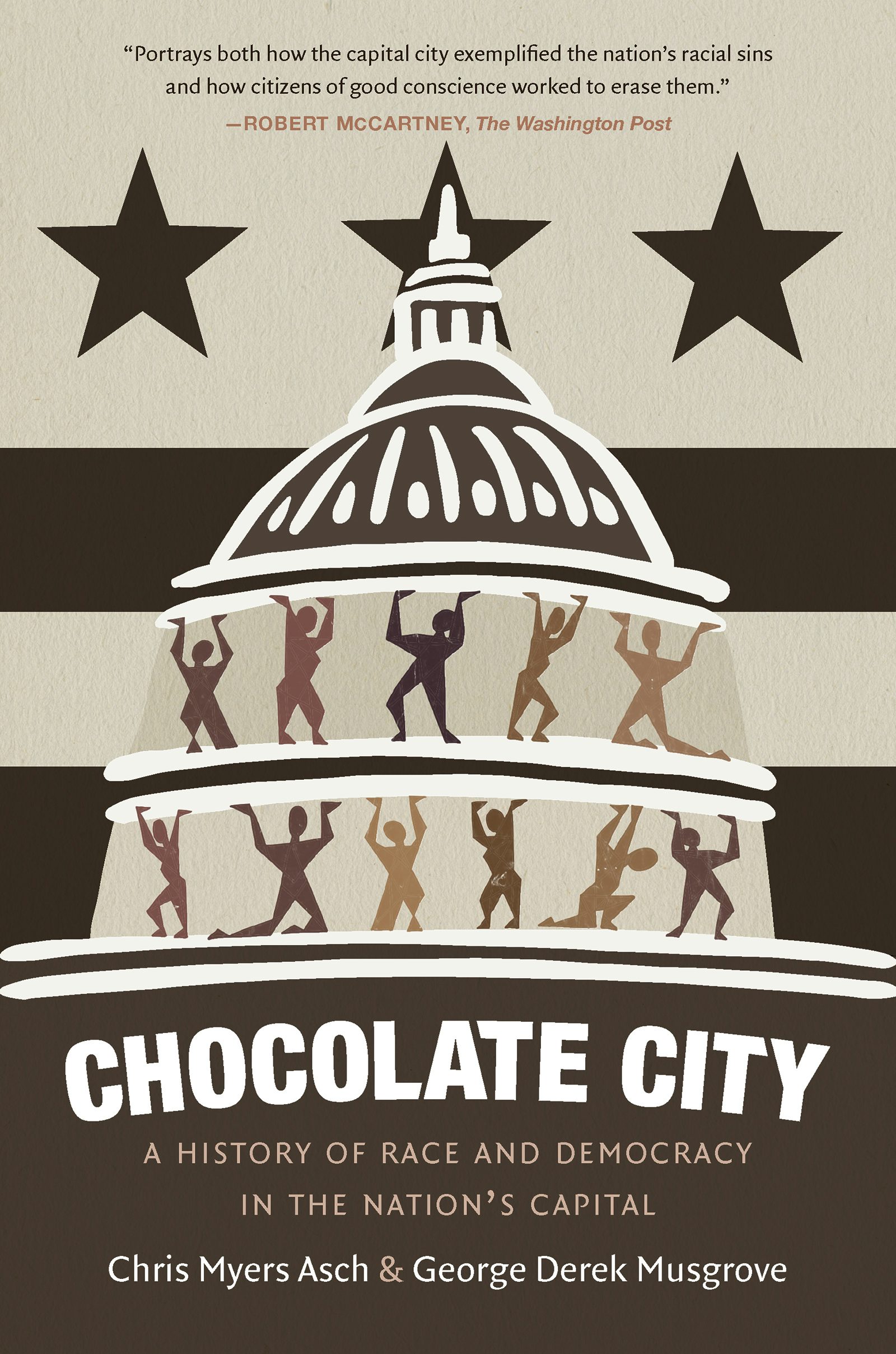
Book — Non-fiction. By Chris Myers Asch and George Derek Musgrove. 2019. 624 pages.
Tells the tumultuous, four-century story of race and democracy in our nation’s capital.
Continue reading
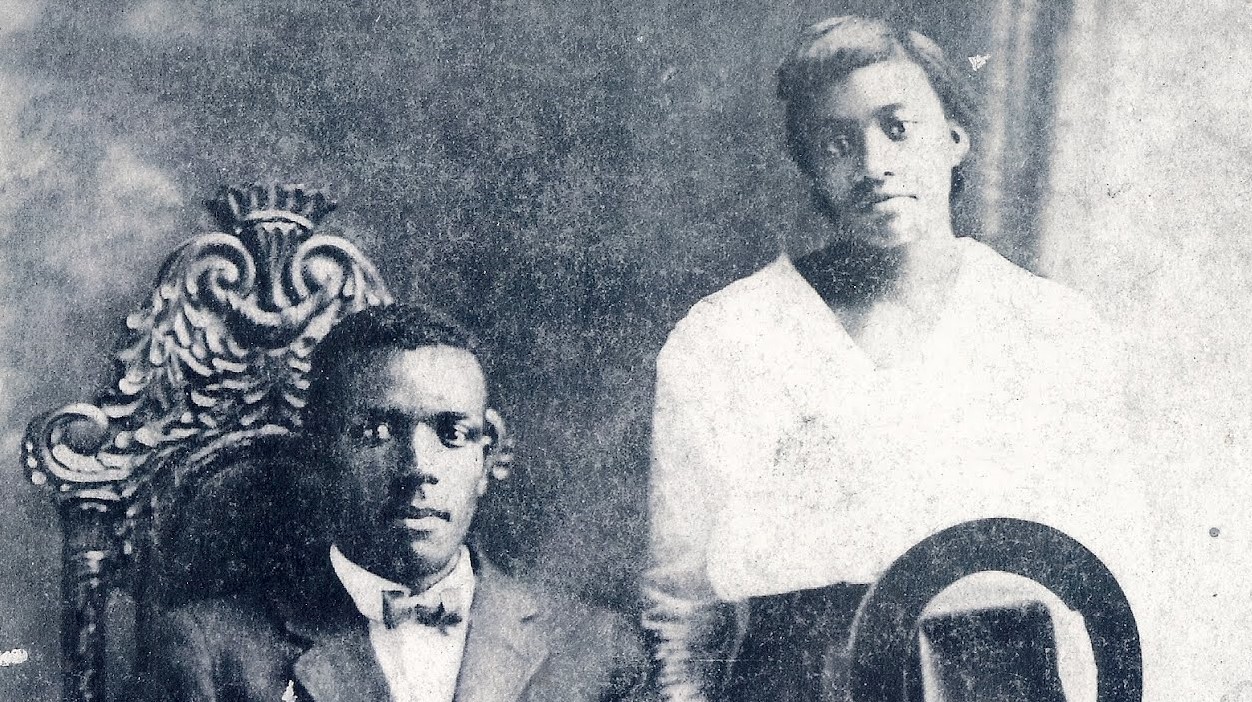
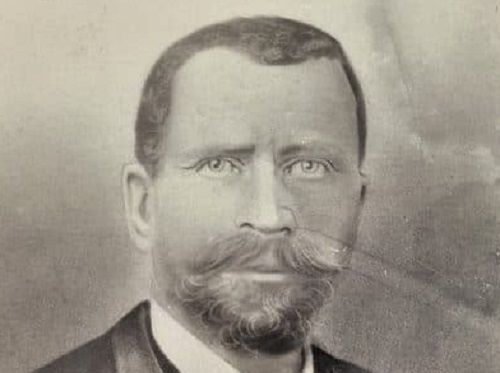
Lamar Smith, 63-year-old farmer and WWI veteran, was shot dead in Brookhaven, Mississippi, for urging African Americans to vote.
Continue reading
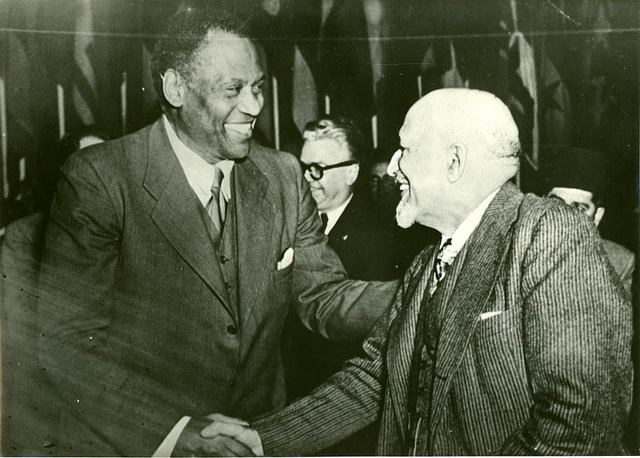
Paul Robeson lost his court appeal to have the U.S. State Department grant him a passport.
Continue reading
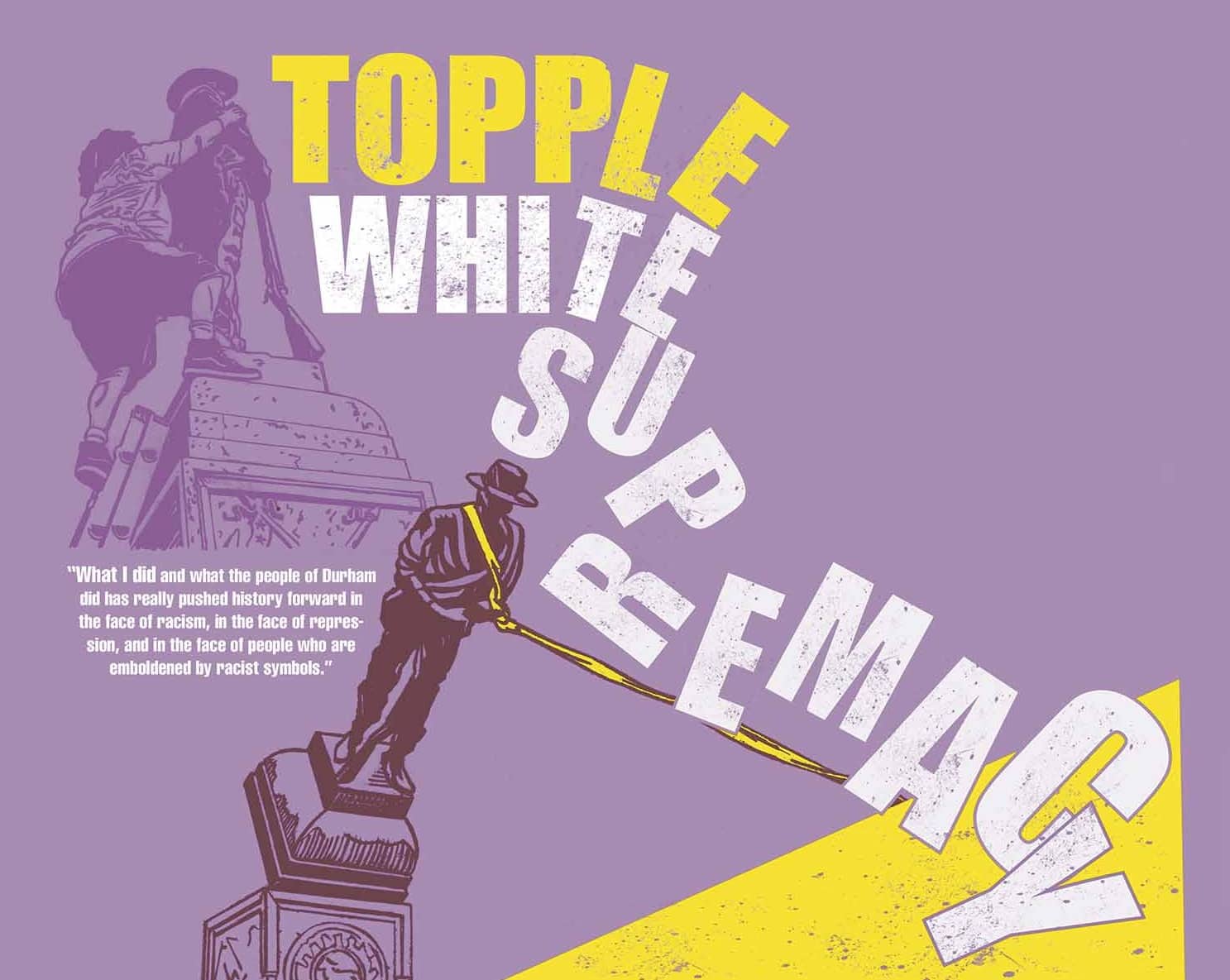
Freedom fighter Takiyah Thompson looped a bright yellow strap around the neck of a Durham, North Carolina monument to Confederate soldiers, and a crowd of other activists pulled it down, inspiring other communities to take direct action in removing public symbols that glorify white supremacy, and to raise up new stories that celebrate all people.
Continue reading
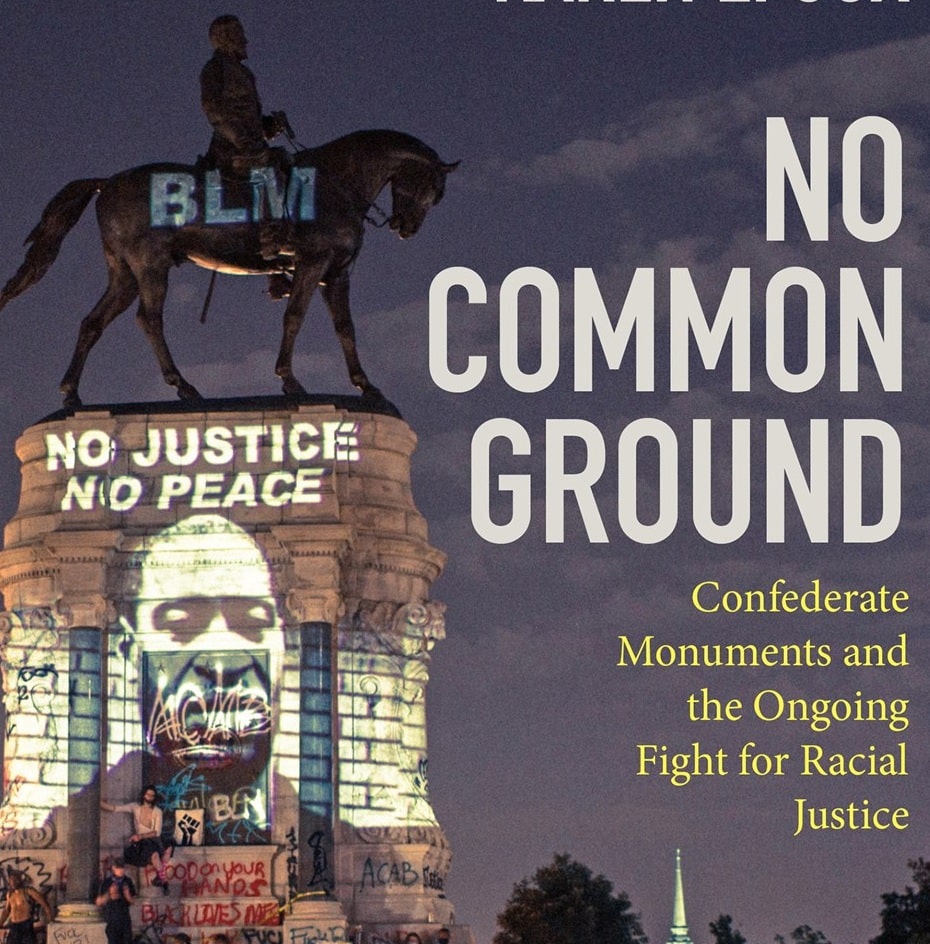
Book — Non-fiction. By Karen L. Cox. 2021. 224 pages.
Tells the story of the efforts to raise, preserve, protest, and remove Confederate monuments across the United States.
Continue reading
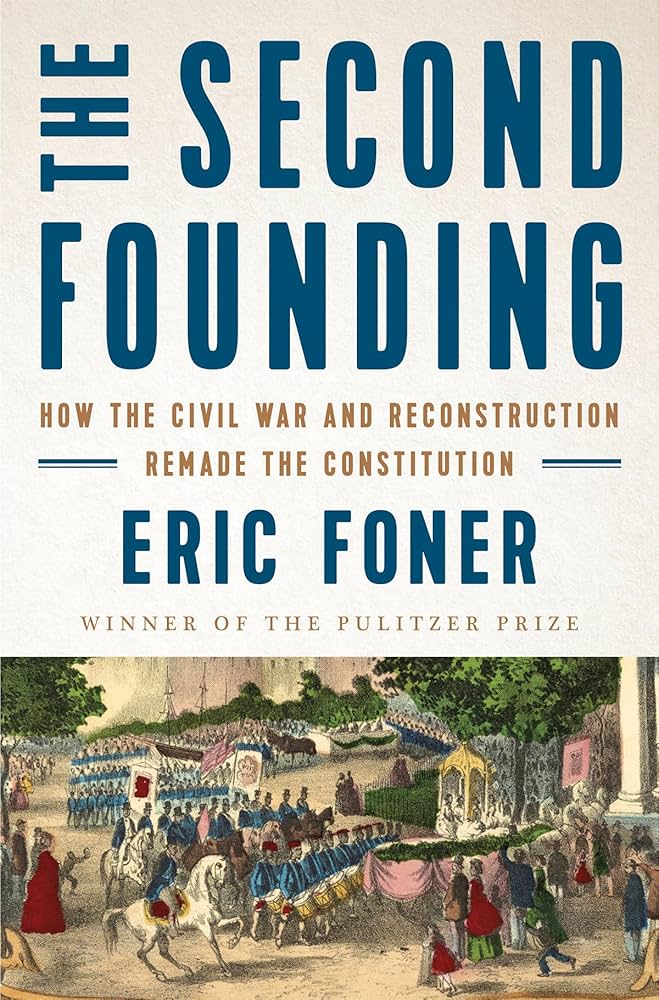
Book — Non-fiction. By Eric Foner. 2020. 304 pages.
Traces the arc of the three foundational Reconstruction amendments from their origins in antebellum activism to their virtual nullification by narrow Supreme Court decisions and Jim Crow state laws.
Continue reading
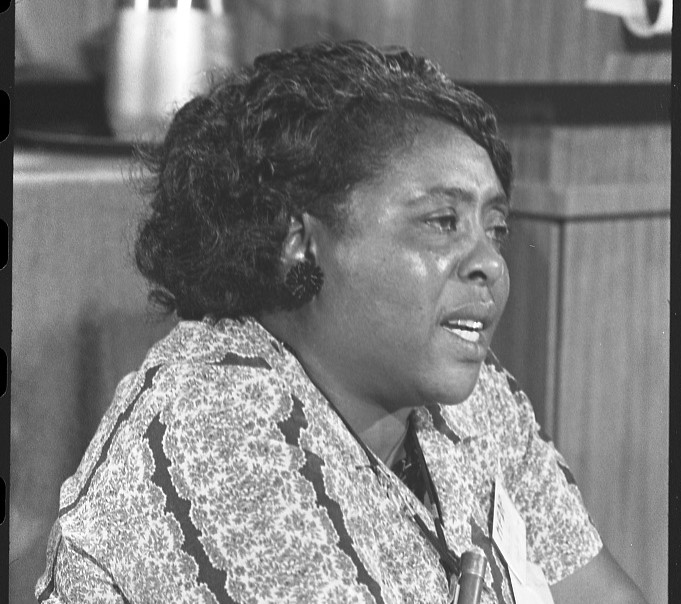
Mrs. Fannie Lou Hamer, and the other members of the MFDP at the Democratic National Convention, questioned the nation about the lack of “one person, one vote” in the United States.
Continue reading
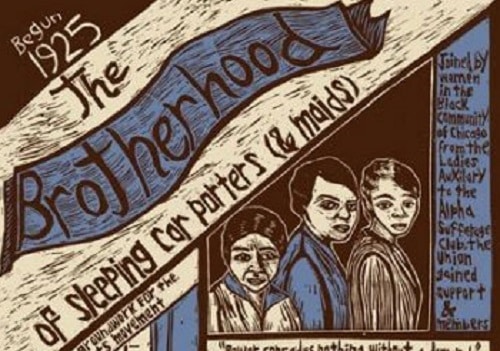
The Brotherhood of Sleeping Car Porters was launched in New York.
Continue reading
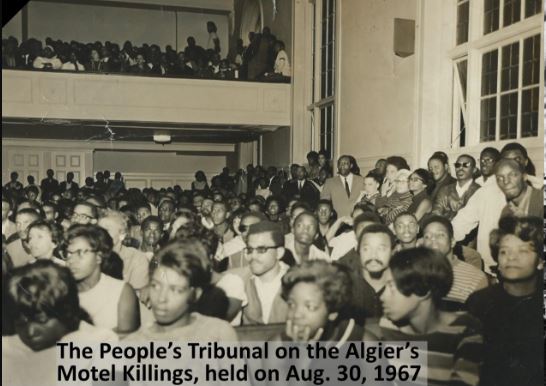
People’s Tribunal on killing of three young men at Algiers Motel in Detroit.
Continue reading
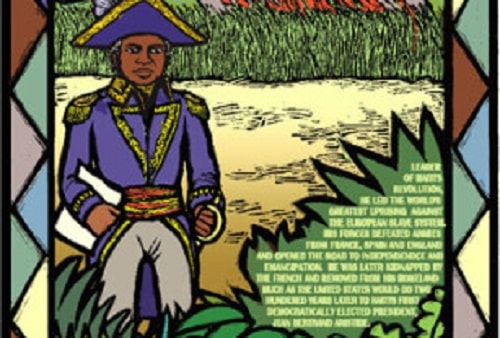
Haiti became a free republic after a revolution, declaring independence for ALL people.
Continue reading
The federal government compensated the “owners” of enslaved people for their “loss of property.” The people whose labor, skills, knowledge, and families were stolen for generations were not compensated nor given any assistance for the transition to freedom.
Continue reading
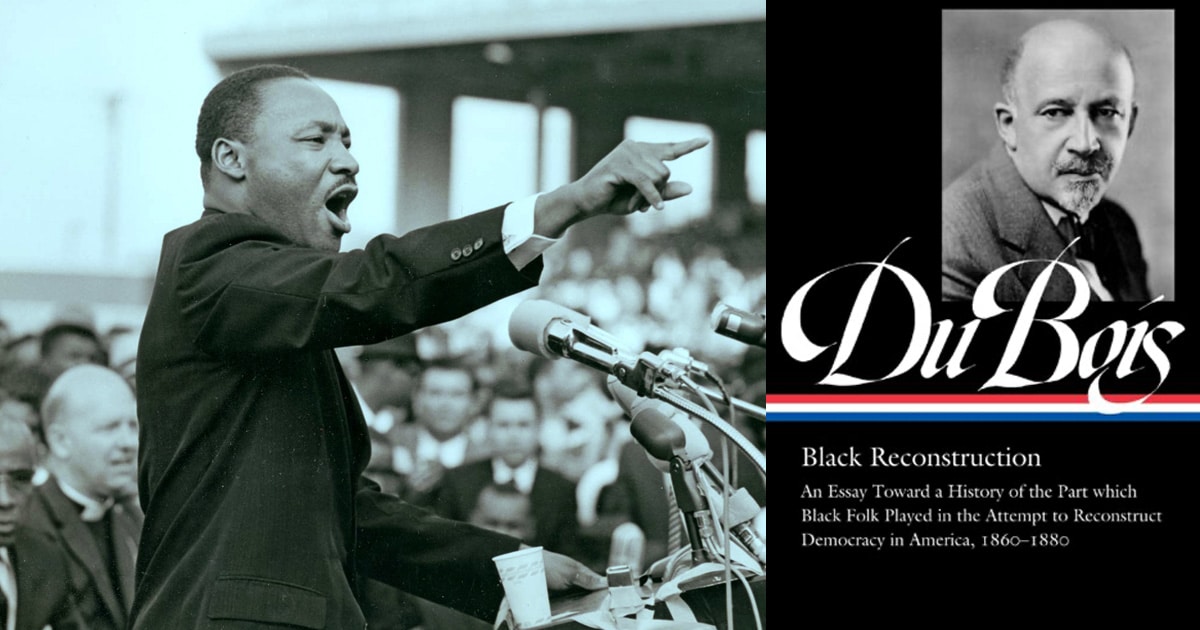
Dr. Martin Luther King describes the critical importance of W. E. B. Du Bois's Black Reconstruction to "restore to light the most luminous achievements" of the Reconstruction era.
Continue reading
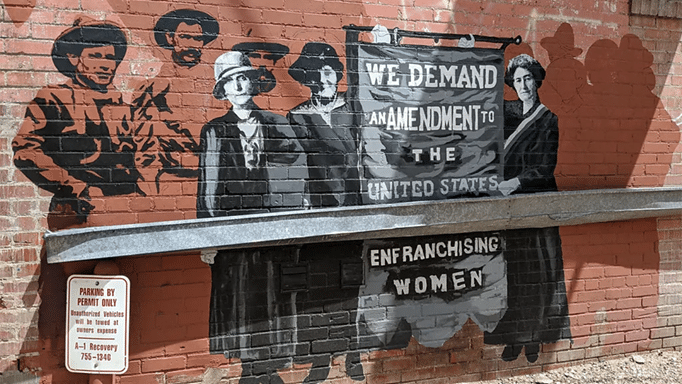
Following a suffrage bill that recognized women’s right to vote and hold public office in Wyoming, Black women there became the first to vote in a U.S. territory in 1870.
Continue reading
The South Carolina Constitutional Convention convened to disenfranchise Black voters.
Continue reading
Governor Orval Faubus closed all Little Rock, Arkansas public schools for one year rather than allow integration.
Continue reading
As African Americans marched peacefully in response to their expulsion from elected office, more than a dozen were massacred near Albany, Georgia.
Continue reading
Rev. George W. Lee, one of the first African Americans registered to vote in Humphreys County since Reconstruction and head of the Belzoni, Mississippi NAACP, was murdered.
Continue reading
Ben Chester White, caretaker on a farm, was brutally murdered by the Ku Klux Klan in Natchez, Mississippi.
Continue reading
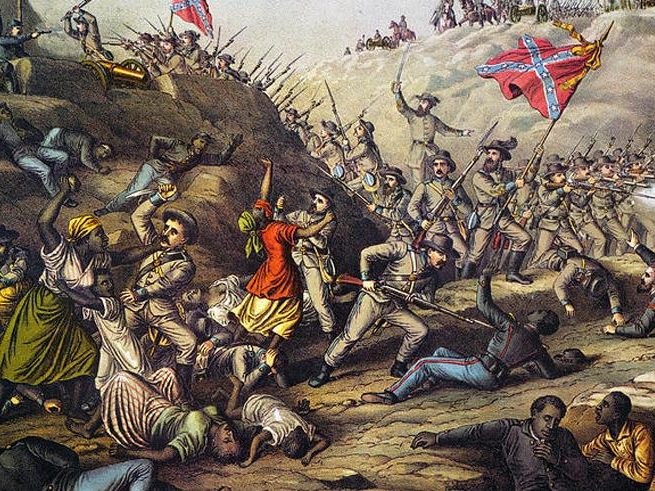
Confederate troops massacred over 500 surrendering Union soldiers, majority African American, at the Civil War Battle of Fort Pillow.
Continue reading
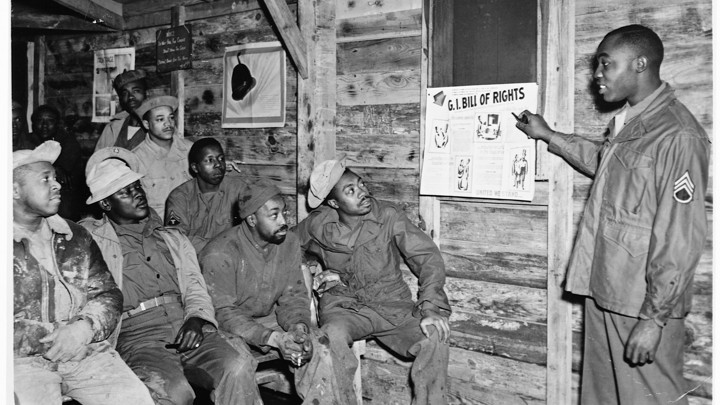
President Roosevelt signed the Servicemen’s Readjustment Act (USA), known as the GI Bill, to provide financial aid to veterans returning from WW II. White supremacy prevented equal access to those benefits.
Continue reading
Walter H. Williams was the first Black teacher appointed to a Freedmen’s Bureau School in Lafayette Parish, Louisiana during Reconstruction.
Continue reading
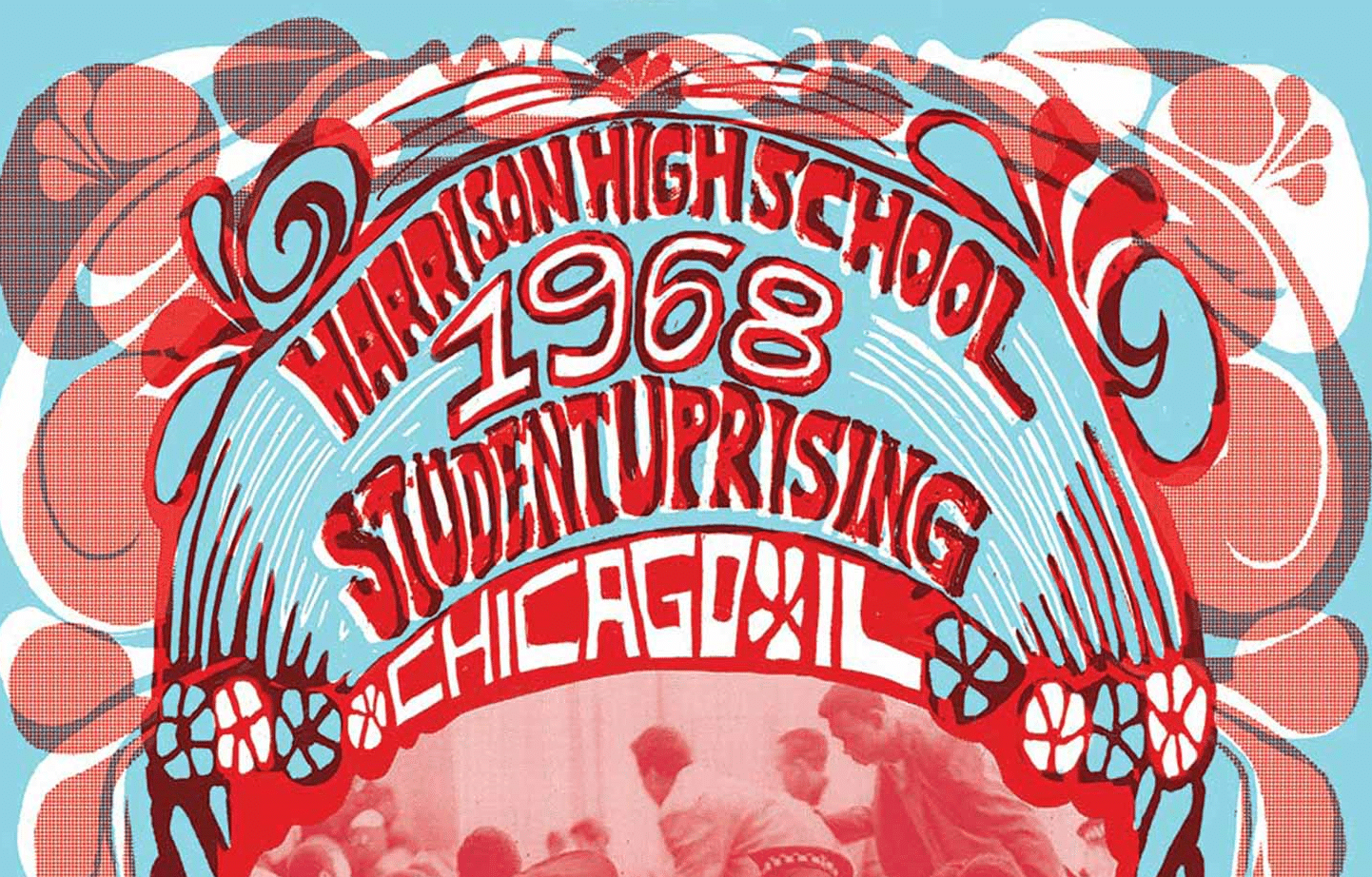
One third of the students at Harrison Technical High School staged a walkout to protest the lack of African American history classes, overcrowding and poor conditions, and more.
Continue reading
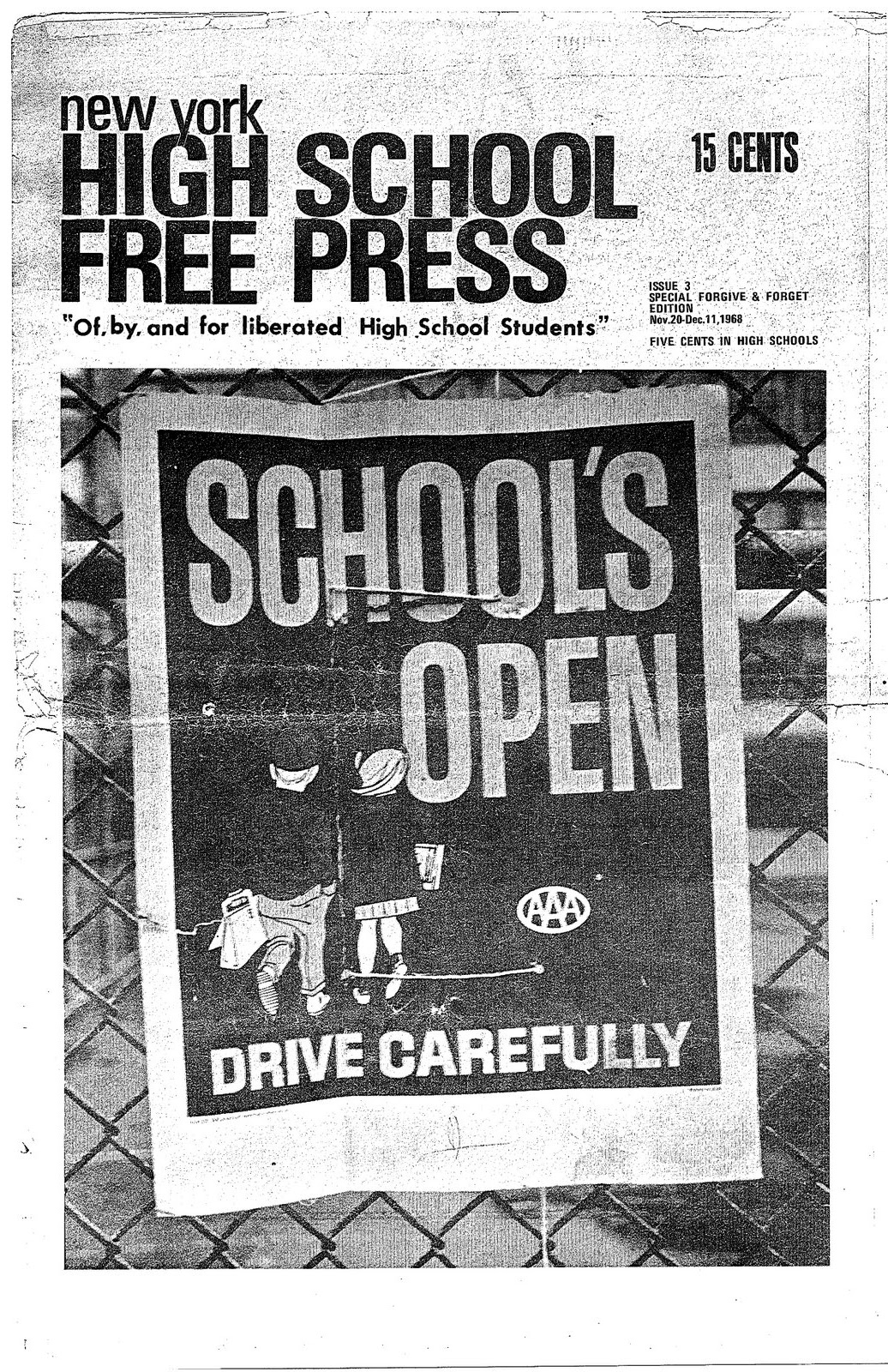
During the racially-charged Ocean Hill-Brownsville teachers’ strike in New York City, nearly 200 teenagers from 25 high schools established the New York High School Student Union.
Continue reading
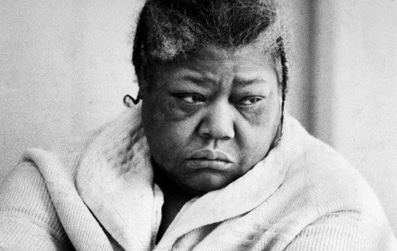
In the Morris Heights neighborhood of the Bronx, a white police officer shot and killed Eleanor Bumpurs, a 66-year-old Black disabled grandmother, in her own home.
Continue reading