Teaching Activity. By Bill Bigelow, Jesse Hagopian, Cierra Kaler-Jones, Ana Rosado, and Ursula Wolfe-Rocca.
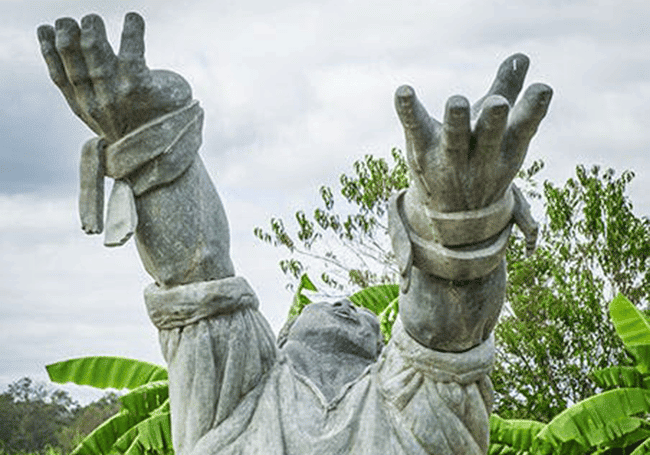
Students read about sites of memory in How the Word Is Passed and imagine how to commemorate what occurred there. They then compare that to how the respective site is currently commemorated and described by docents.
Continue reading
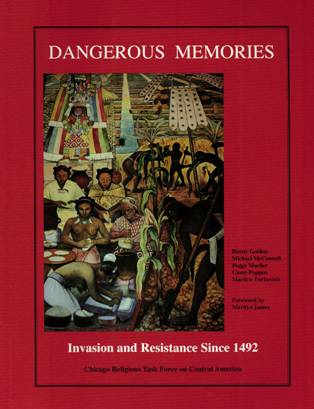
Book — Non-fiction. By Golden, McConnell, Poppen, and Mue. 1991. 272 pages.
Essential text on U.S. history; includes many primary sources on people's movements.
Continue reading
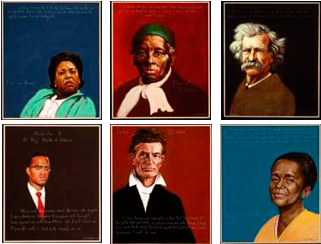
Posters.
Portraits by Robert Shetterly and biographies of individuals who have taken a stand for justice.
Continue reading
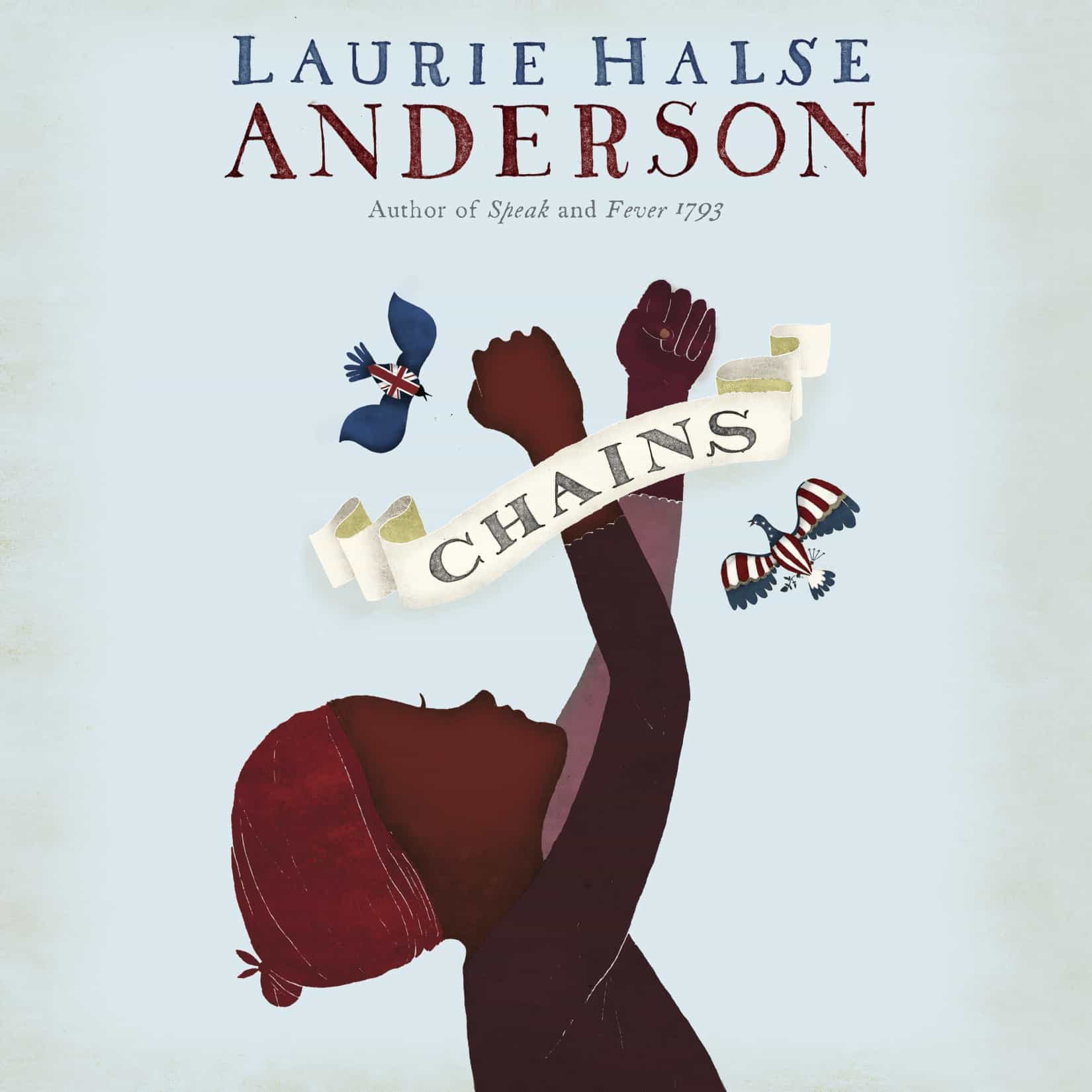
Book — Historical fiction. By Laurie Halse Anderson. 2010. 336 pages.
Historical fiction based on the life of an enslaved teenager during the Revolutionary War.
Teaching Activity by Laurie Halse Anderson
Continue reading
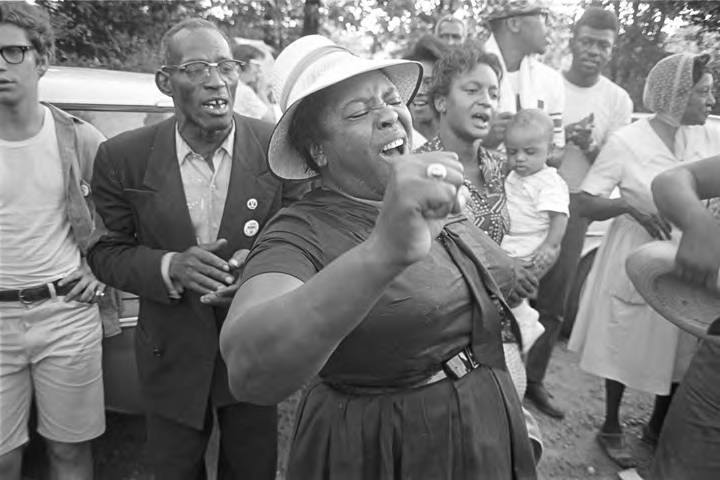
Mrs. Fannie Lou Hamer, a civil rights activist, was born in Montgomery County, Mississippi.
Continue reading
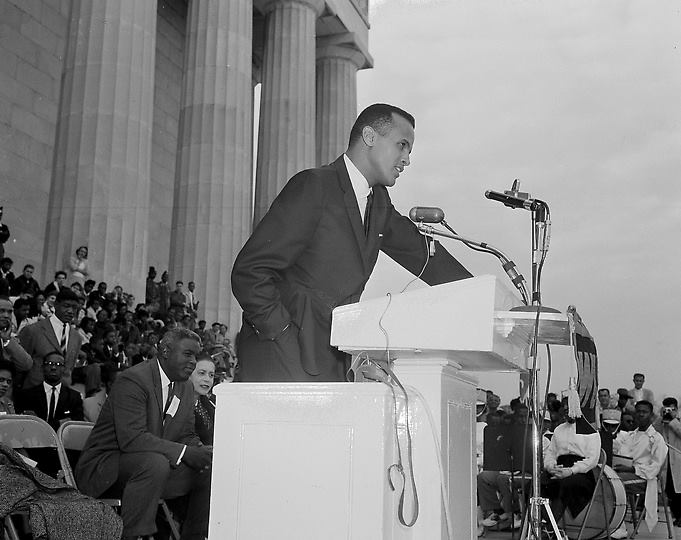
A. Philip Randolph, Jackie Robinson, Coretta Scott King, Harry Belafonte, Bayard Rustin, and more led a Youth March for Integrated Schools in Washington, D.C.
Continue reading
Learn directly from people's historians by listening to these audio recordings of Teach the Black Freedom Struggle online classes.
Continue reading
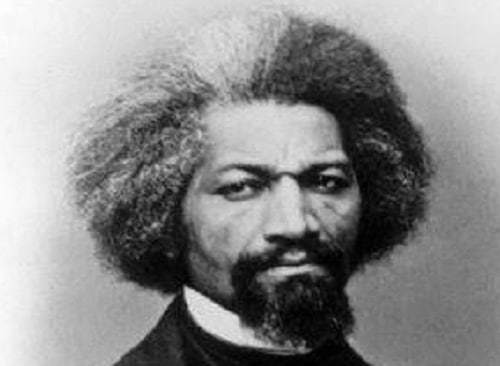
In protest of Jim Crow discrimination on public transportation, Frederick Douglass and his friend, white politician James N. Buffum, boarded a Eastern Railroad Company train, in a first class car and were promptly ejected from the train.
Continue reading
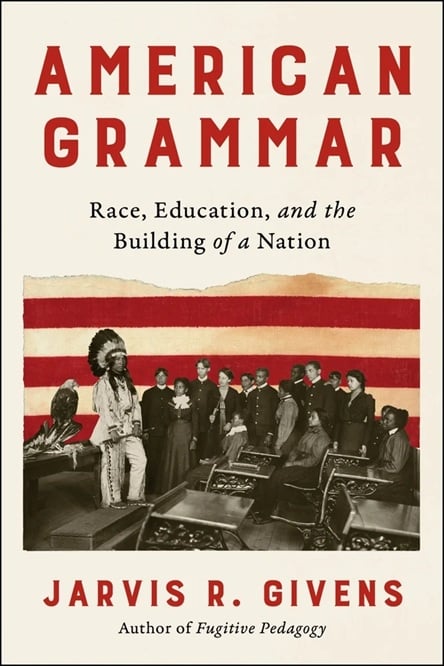
Book — Non-fiction. By Jarvis R. Givens. 2025. 464 pages.
A new history of U.S. education through the nineteenth century that rigorously accounts for Black, Native, and white experiences.
Continue reading
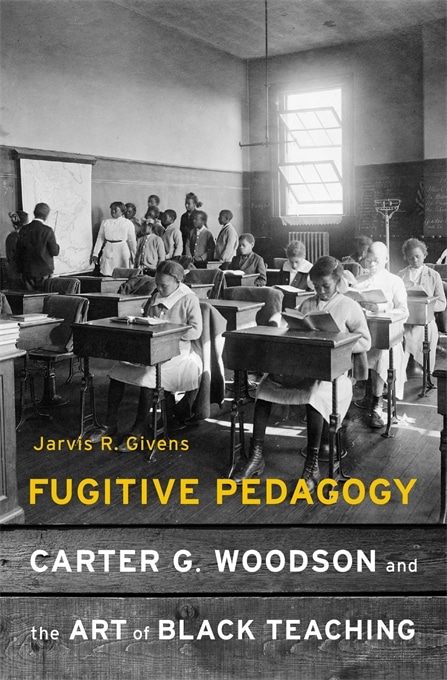
Book — Non-fiction. By Jarvis R. Givens. 2021. 320 pages.
Details the long assault on Black education that occurred from the period of enslavement through the life of one of the founders of the Black studies tradition, Carter G. Woodson.
Continue reading
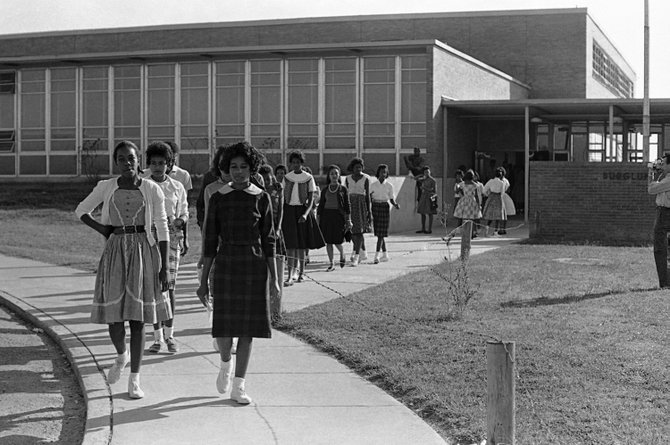
Burglund students walked out in response to the expulsions of their classmates and the murder of Herbert Lee.
Continue reading
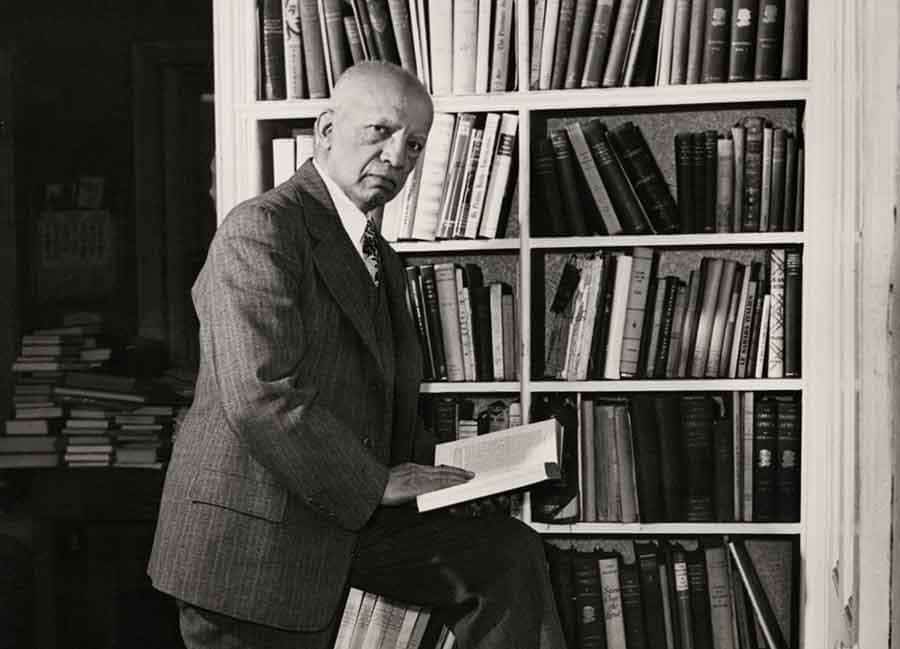
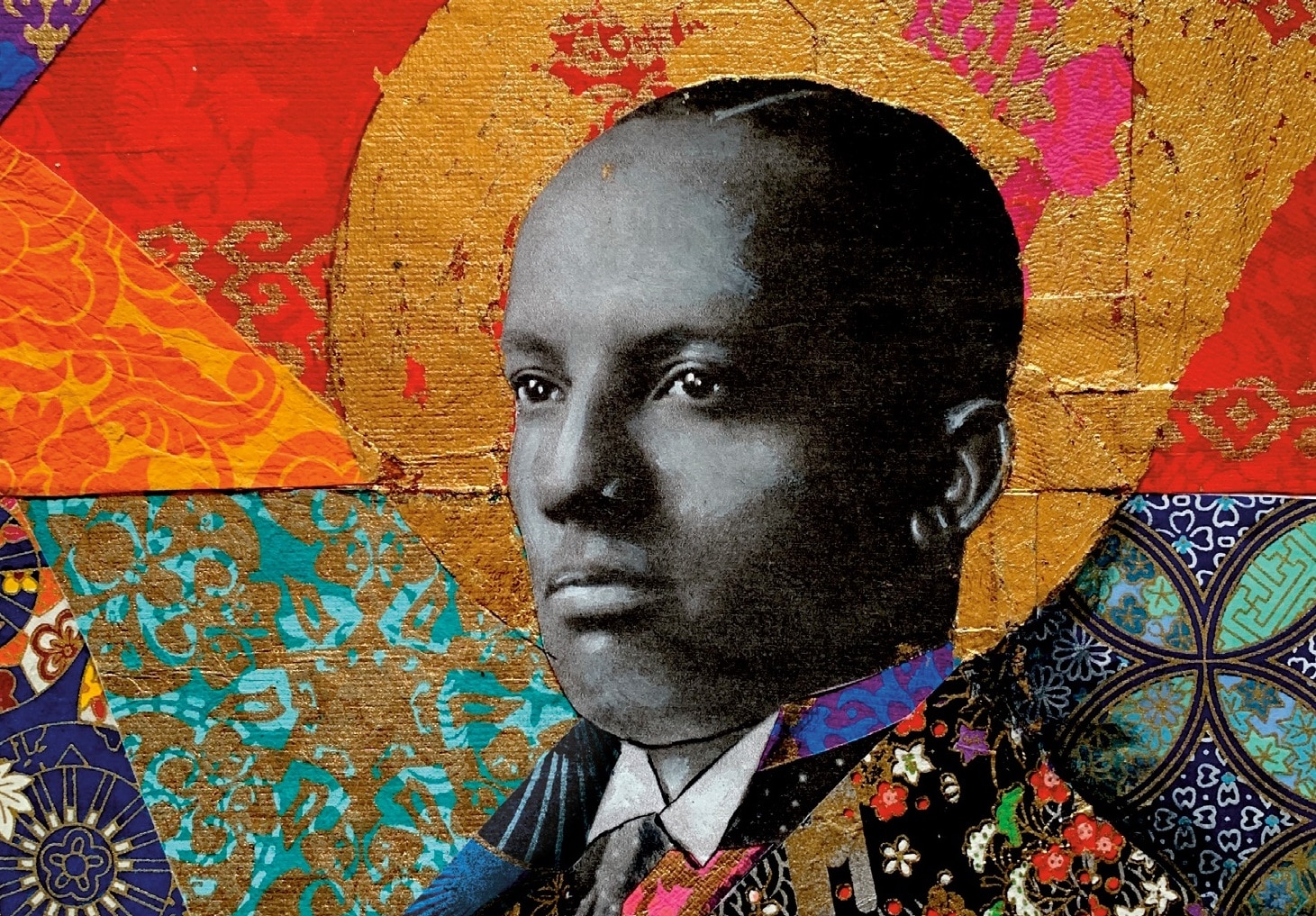
Carter G. Woodson initiated the first celebration of Negro History Week which led to Black History Month.
Continue reading
Book — Non-fiction. By Carter G. Woodson, with an introduction by Jarvis Givens. 2023. 224 pages.
Originally released in 1933, The Mis-Education of the Negro continues to resonate today, raising questions about the legacy of slavery and enduring white supremacy.
Teaching Activity by Carter G. Woodson
Continue reading
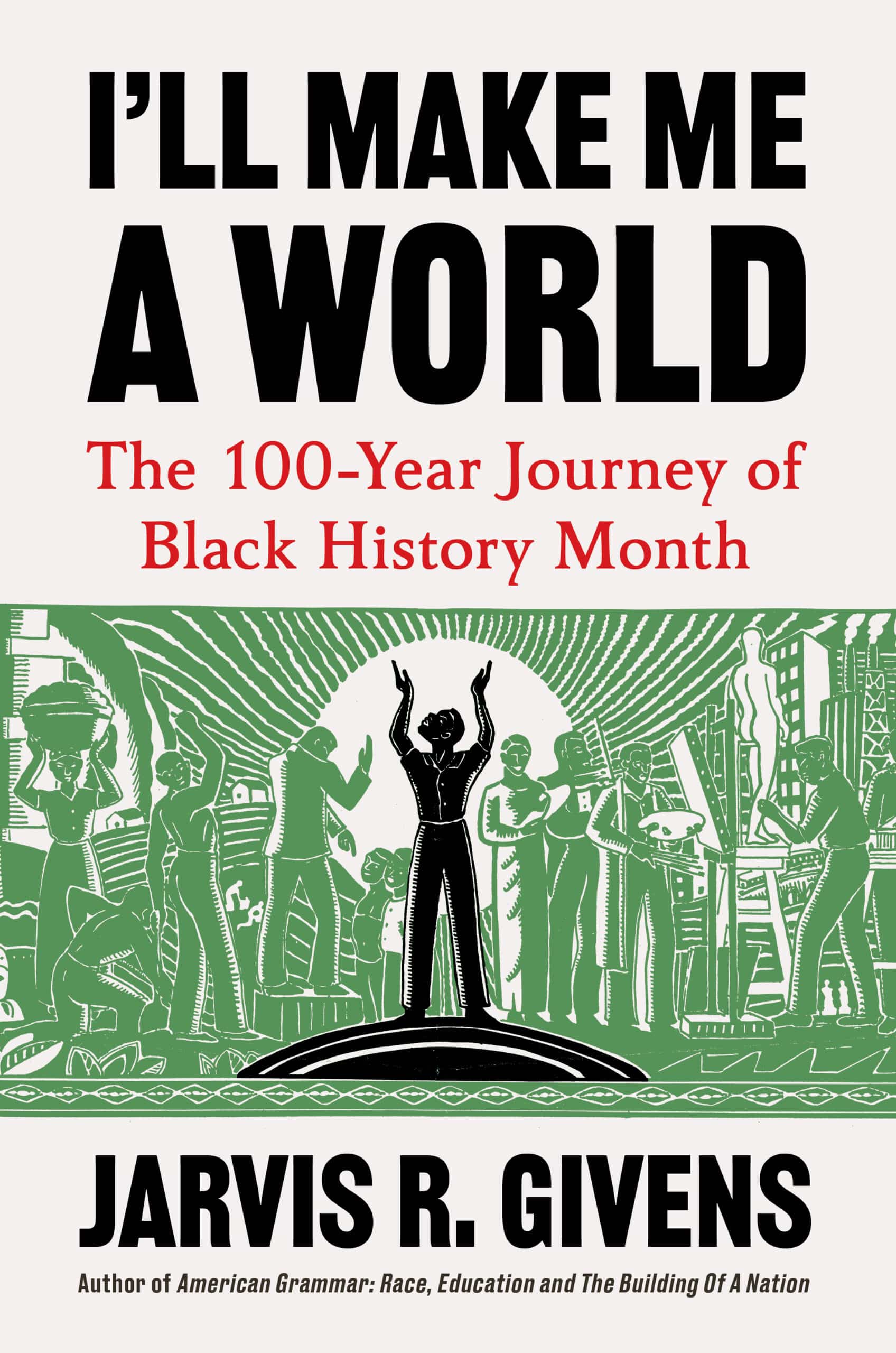
Book — Non-fiction. By Jarvis R. Givens. 2026. 208 pages.
At a time when Black history is under attack, this book offers an inspiring vision for how it can still be a source of power, truth, and possibility.
Continue reading
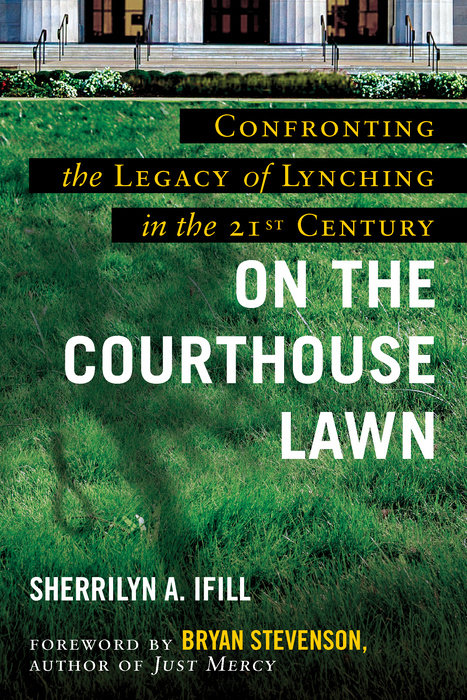
Book — Non-fiction. By Sherrilyn A. Ifill. 2018. 240 pages.
Examines the lynchings of Black Americans between 1890 and 1960 and the racial trauma still resounds across the country.
Continue reading
The first Colored Convention in Maine was an opportunity for northern Black abolitionists to organize and strategize for racial justice and the freedom of those still enslaved throughout the South.
Continue reading
The U.S. Supreme Court ruled that the Civil Rights Act of 1875, forbidding discrimination in hotels, trains, and other public spaces, was unconstitutional and not authorized by the 13th or 14th Amendments of the Constitution.
Continue reading
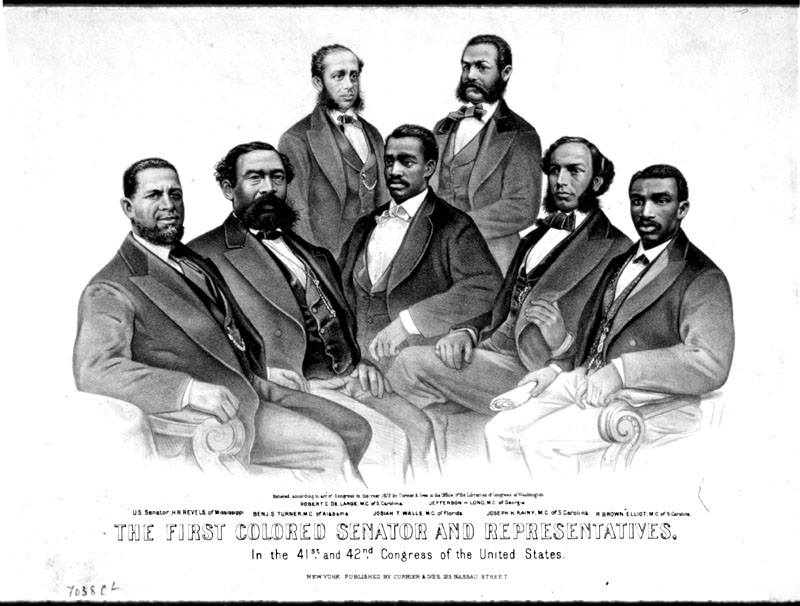
For the first time, African Americans were elected to the House of Representatives in 1870.
Continue reading
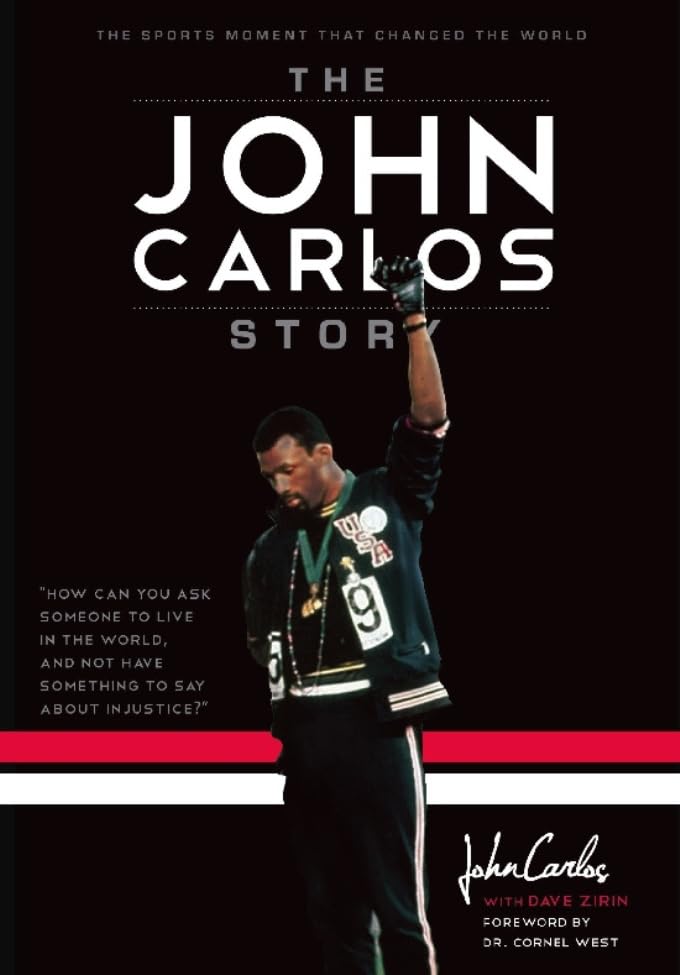
Book — Non-fiction. By John Carlos and Dave Zirin. Foreword by Cornel West. 2011. 220 pages.
Written for grades 7+, this biography of John Carlos recounts his childhood, his legendary act of courage at the '68 Olympics, and the backlash.
Continue reading
Eliza Small and Polly Ann Bates became formerly enslaved when they boarded the brig Chickasaw in Baltimore and escaped to Boston.
Continue reading
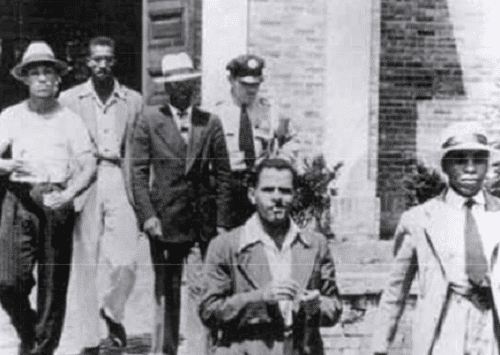
Five Black men were arrested for staging a peaceful sit-in at the Alexandria “public” library that denied access to African Americans, making this the anniversary of one of the earliest instances of this form of non-violent protest that became popular in the mid-20th century.
Continue reading
Digital collection. Intellectual, political, and cultural contributions of Black educators during the Jim Crow era through the Civil Rights era.
Continue reading
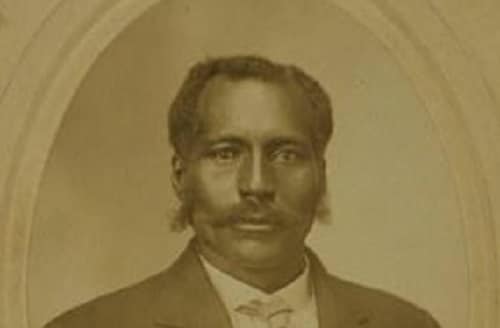
Successful African American entrepreneur, landowner, and community leader Anthony P. Crawford was murdered by a lynch mob in South Carolina.
Continue reading
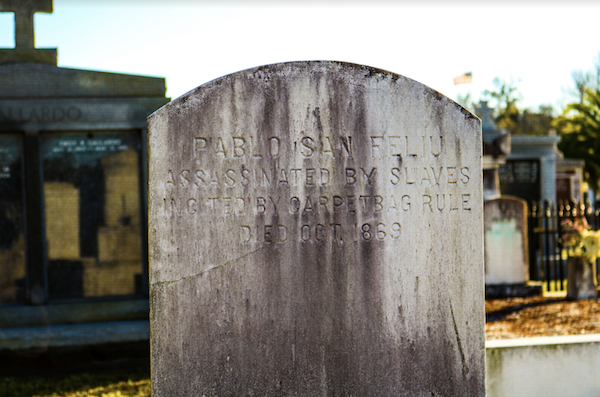
The St. Bernard Parish massacre of African Americans was carried out by white men to terrorize the recently emancipated voters in Louisiana.
Continue reading
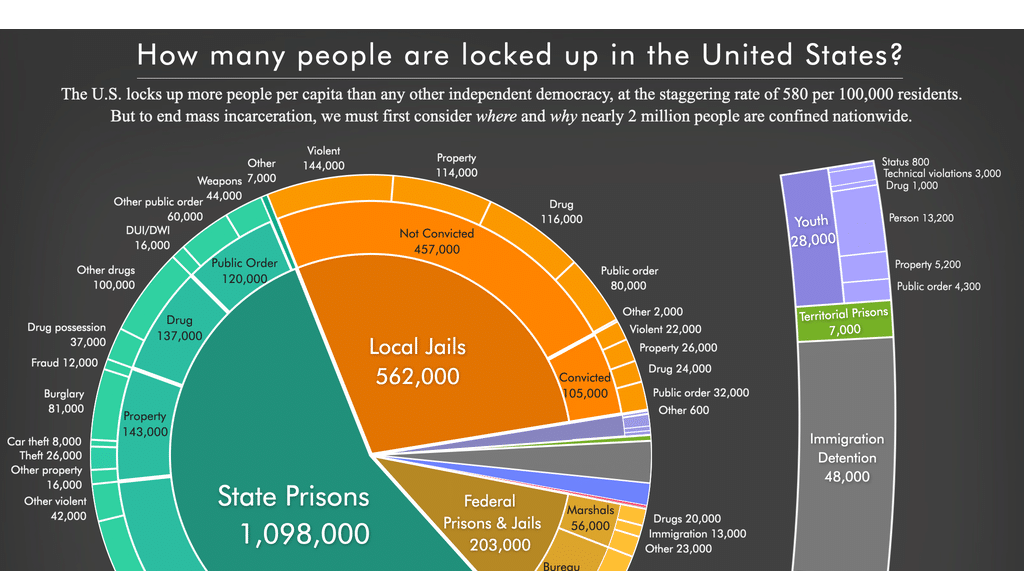
The U.S. Justice Department announced that the prison population topped one million for the first time in U.S. history.
Continue reading