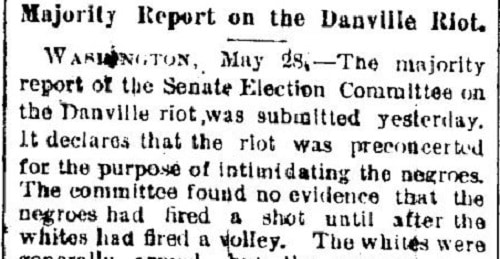
African Americans voters were threatened after the Danville Riot, leading to their loss of political power in this majority African American city in Virginia.
Continue reading
Walter H. Williams was the first Black teacher appointed to a Freedmen’s Bureau School in Lafayette Parish, Louisiana during Reconstruction.
Continue reading
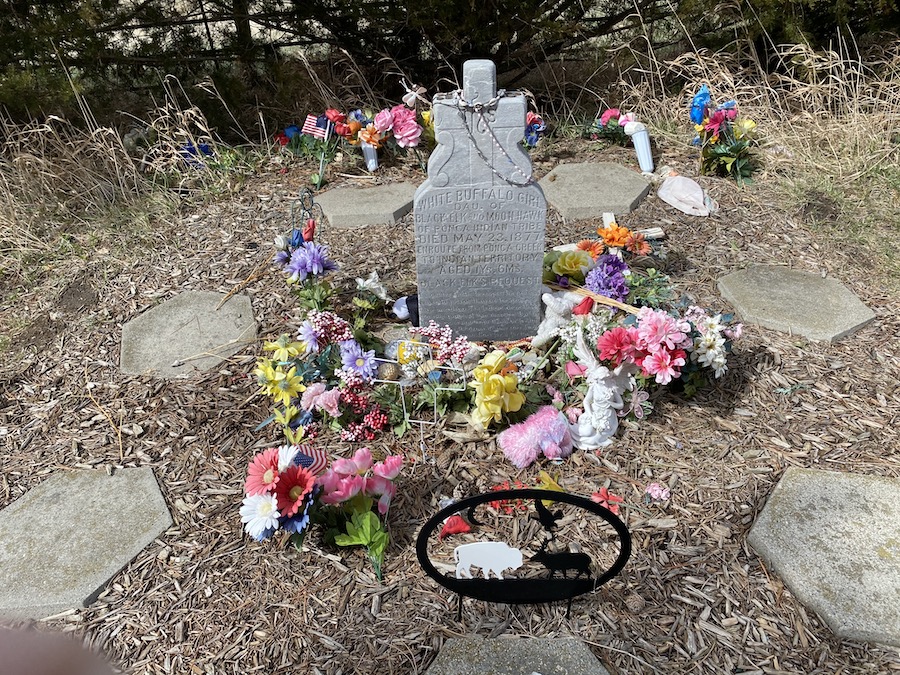
Along the “Trail of Tears” in Neligh, Nebraska, a farmer signed a deed to return ancestral land to the Ponca Tribe.
Continue reading
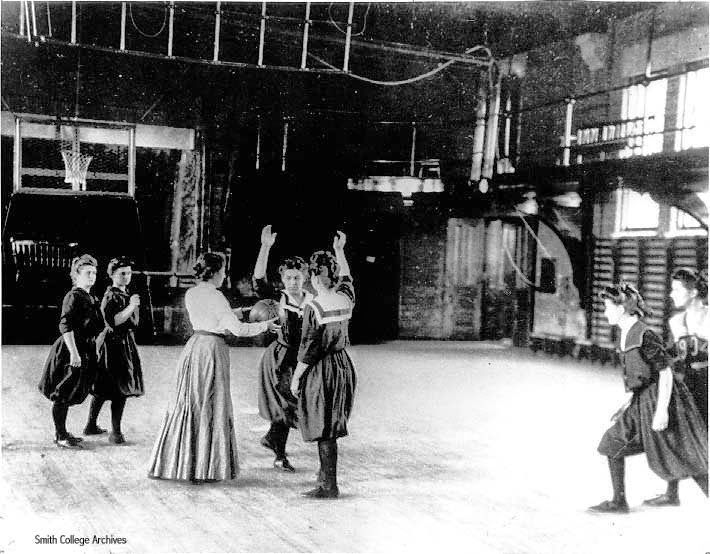
In 1893, the first ever women’s college basketball game was played at Smith College, a historically women’s college in Northampton, Massachusetts.
Continue reading
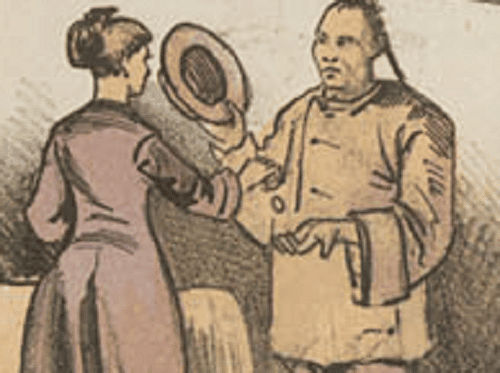
Lee Yick won a Supreme Court case that said that all people — citizens and non-citizens alike — had equal protection under the law.
Continue reading
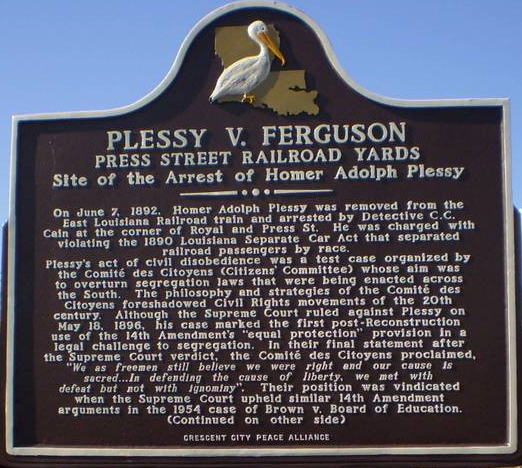
Plessy v. Ferguson upheld the constitutionality of racial segregation laws for public facilities.
Continue reading
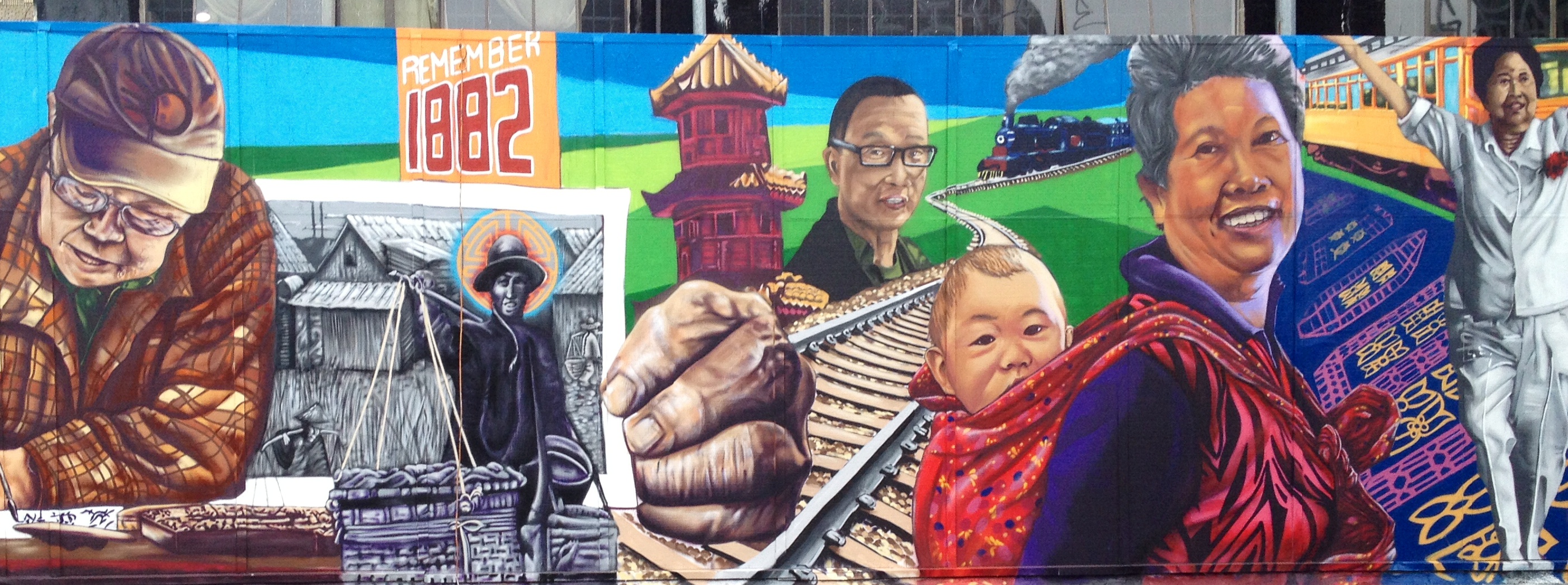
The 1882 Chinese Exclusion Act was signed, prohibiting Chinese immigration to the United States.
Continue reading
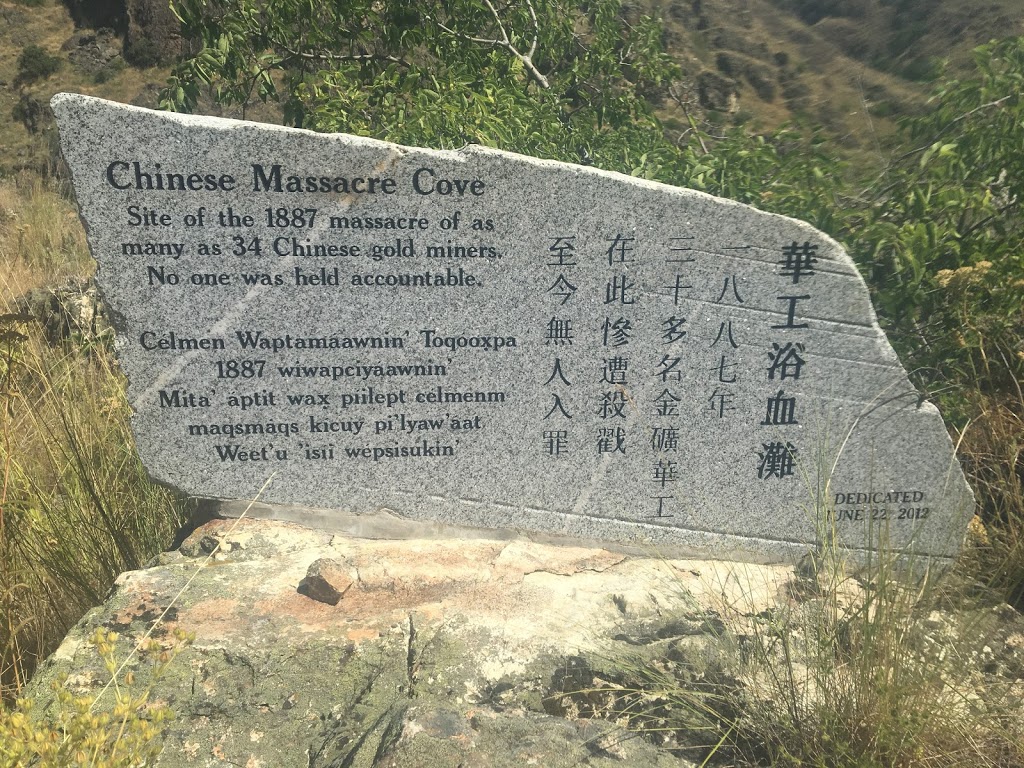
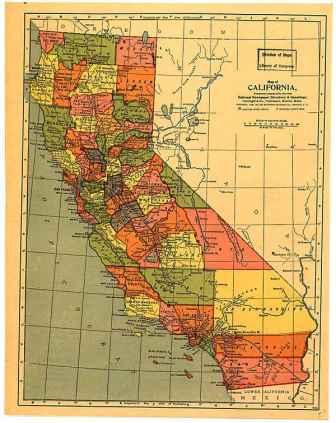
In eastern Oregon, in an area now known as Chinese Massacre Cove, a group of white men murdered 34 Chinese laborers in a brutal act of white supremacist violence in the Hells Canyon Massacre.
Continue reading
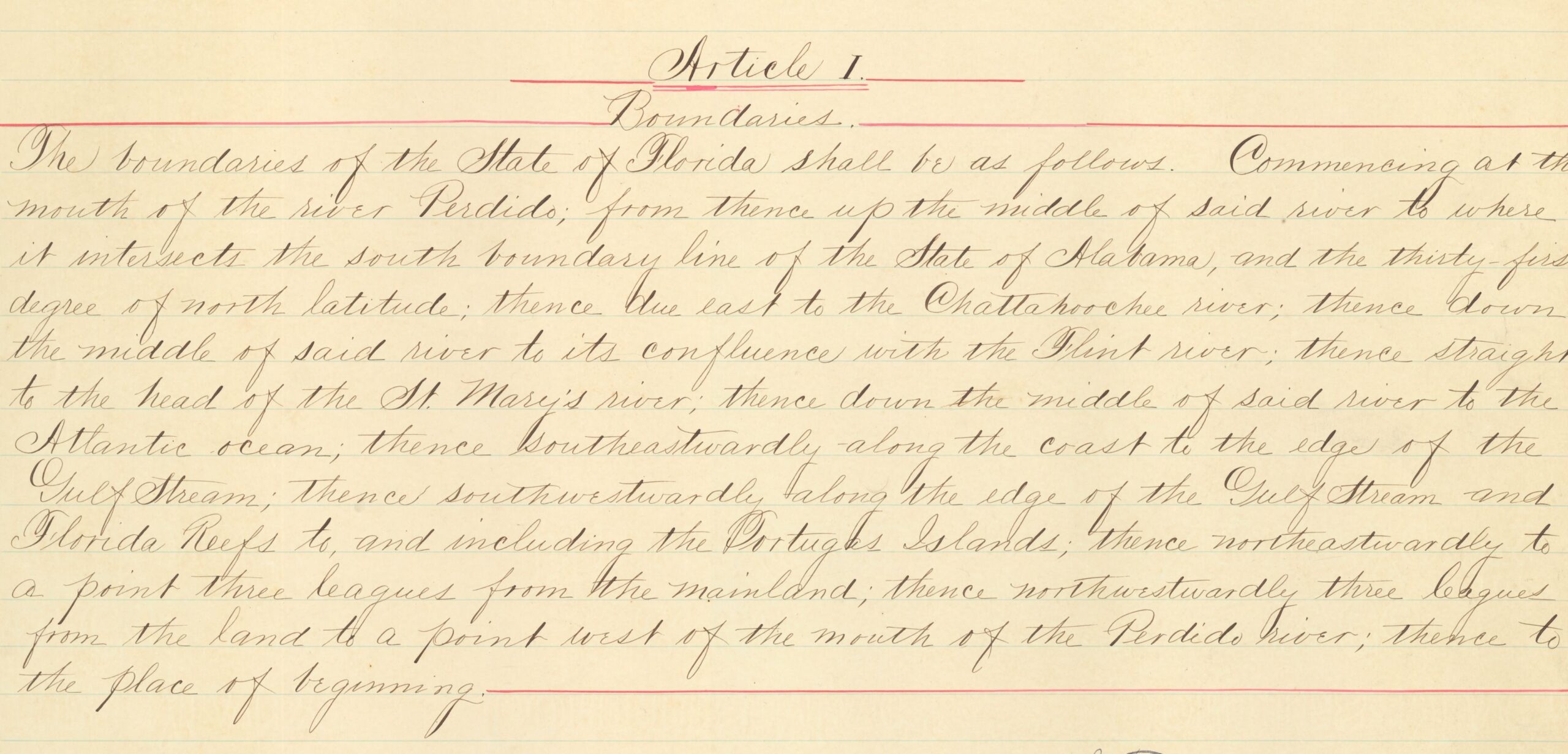
The Florida Constitution of 1885 mandated separate and unequal educational systems for Black and white students, reinforcing racial segregation.
Continue reading
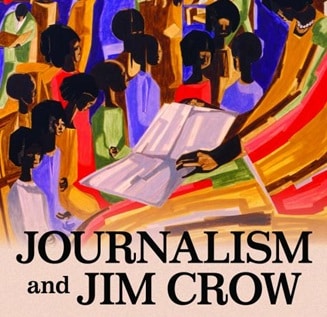
Book — Non-fiction. Edited by Kathy Roberts Forde and Sid Bedingfield. 2021. 360 pages.
A look at roles of the white press and Black press in the Jim Crow South.
Continue reading
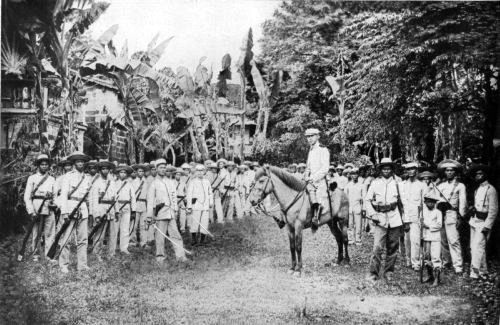
When the United States refused to recognize Philippine independence, Philippine Republic president Emilio Aguinaldo declared war.
Continue reading
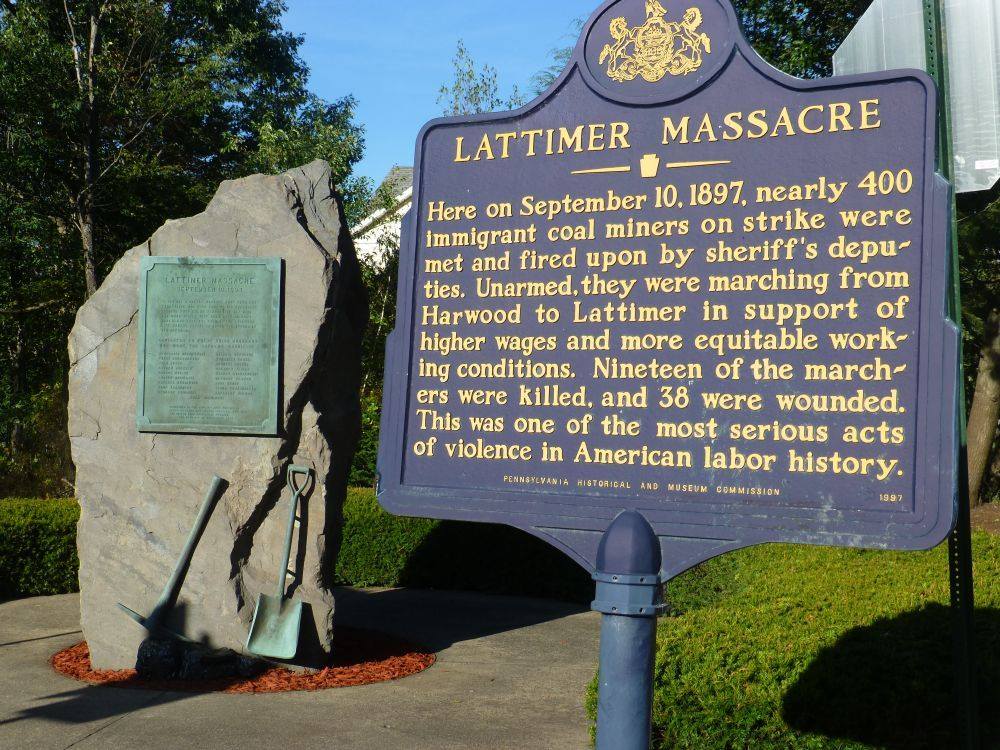
Nineteen mineworkers were killed and dozens were wounded in the Lattimer Massacre.
Continue reading
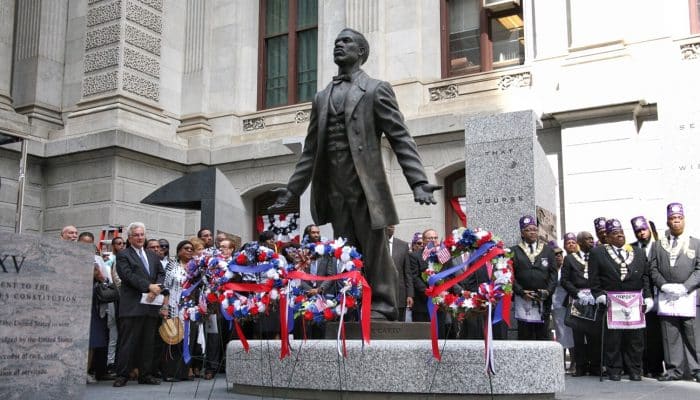
Philadelphia, Pennsylvania Black educator, baseball player, and civil rights activist Octavius V. Catto was murdered by a white supremacist on election day.
Continue reading
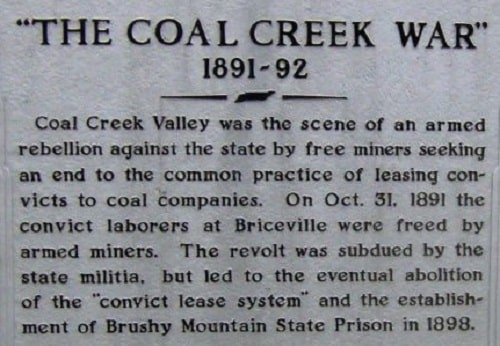
A labor uprising to protest convict leasing led to the Coal Creek War.
Continue reading
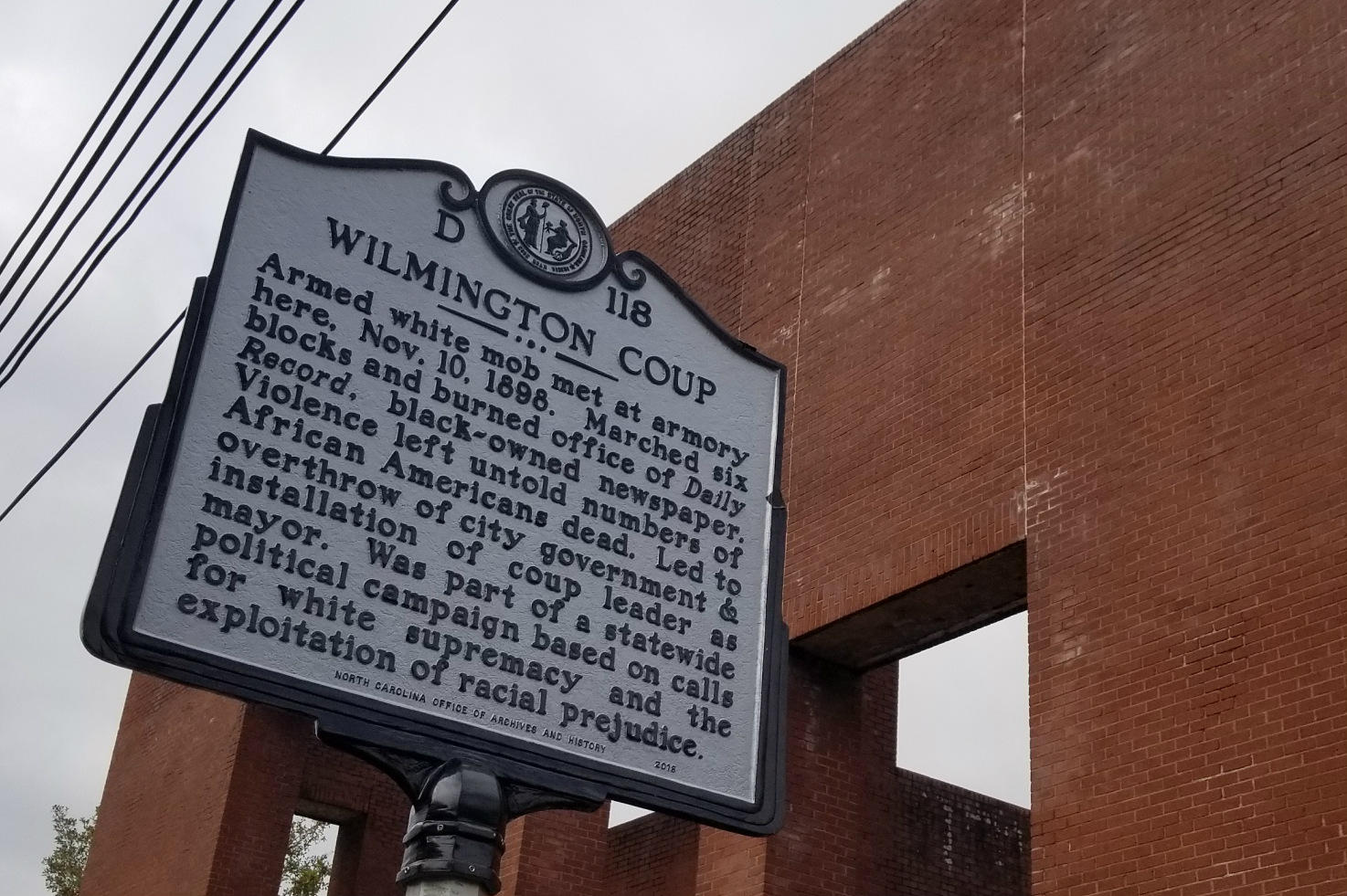
The elected and interracial Reconstruction era local government was deposed in a coup d’etat in Wilmington, North Carolina.
Continue reading
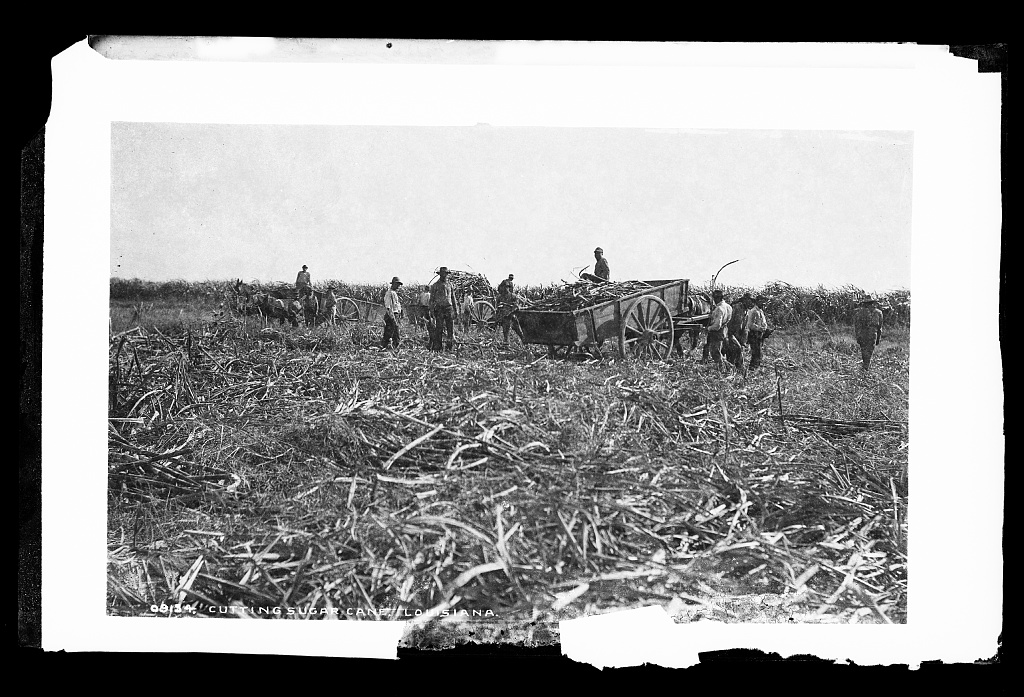
Between 30-60 striking Black Louisiana sugarcane workers were massacred.
Continue reading
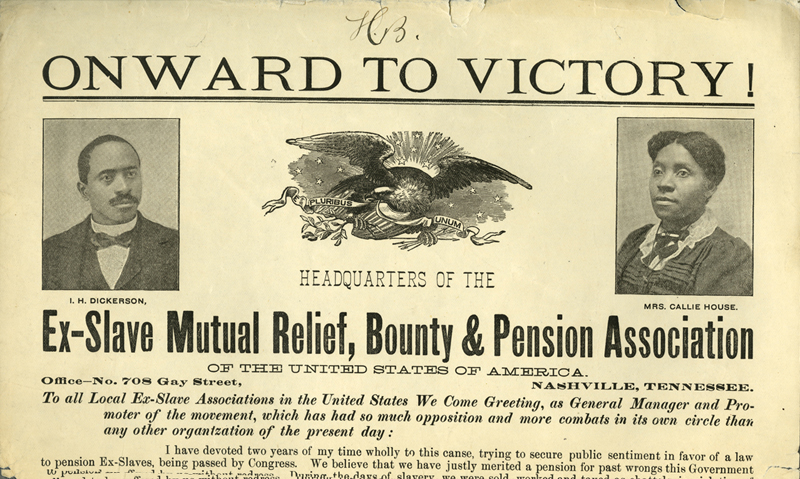
The Ex-Slave Mutual Relief, Bounty, and Pension Association was founded with a dual mission to organize mutual aid for its members and to pass federal pension legislation that would compensate every formerly enslaved person.
Continue reading
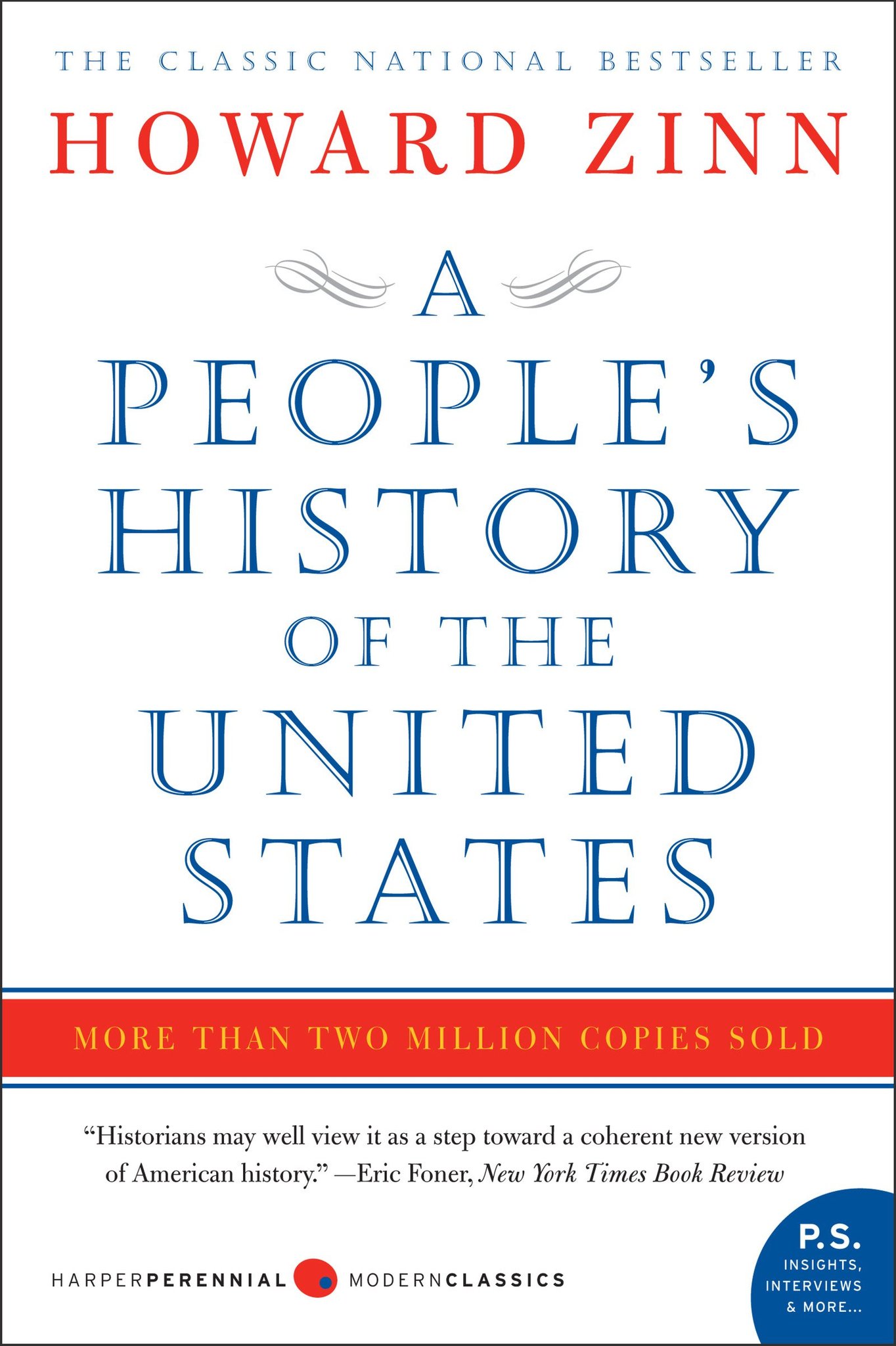
Book — Non-fiction. By Howard Zinn. 2005, with a new introduction by Anthony Arnove in 2015. 784 pages.
Howard Zinn's groundbreaking work on U.S. history. This book details lives and facts rarely included in textbooks—an indispensable teacher and student resource.
Continue reading
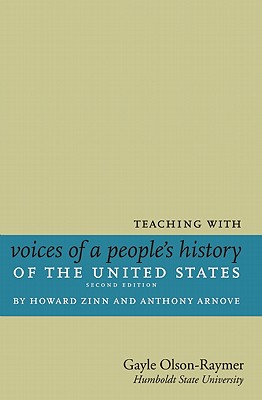
Teaching Activity. By Gayle Olson-Raymer. 18 pages.
Questions and teaching ideas for Chapter 7 of Voices of a People's History of the United States on the American policy of "Manifest Destiny" and Native American resistance to their own displacement.
Continue reading
Teaching Activity. By Gayle Olson-Raymer. 15 pages.
Questions and teaching ideas for Chapter 12 of Voices of a People's History of the United States on internal dissent over American expansionist policies.
Continue reading
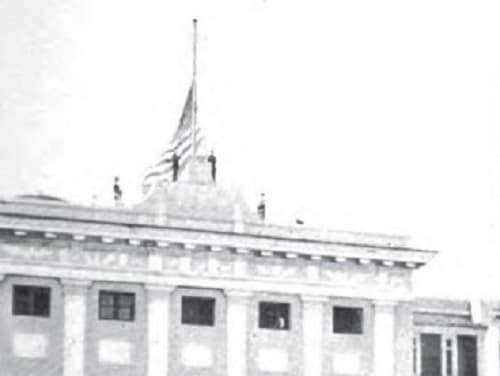
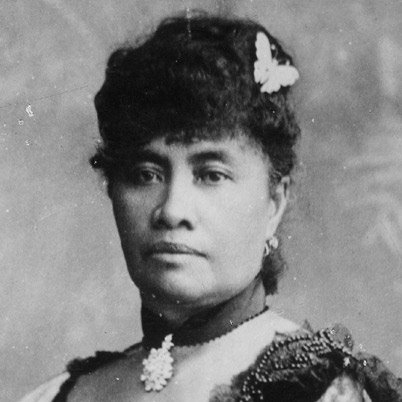
Queen Lili`uokalani of the independent kingdom of Hawai`i was overthrown as she was arrested at gunpoint by U.S. Marines.
Continue reading
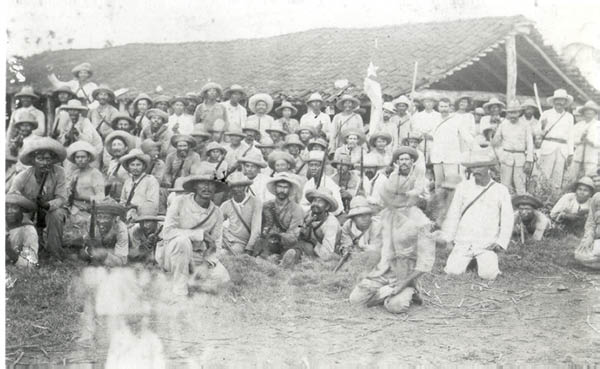
The Treaty of Paris was signed, ending the Spanish-American War. None of the countries that had fought for decades for their freedom were represented at signing of the treaty.
Continue reading
The U.S. Supreme Court ruled that the Civil Rights Act of 1875, forbidding discrimination in hotels, trains, and other public spaces, was unconstitutional and not authorized by the 13th or 14th Amendments of the Constitution.
Continue reading