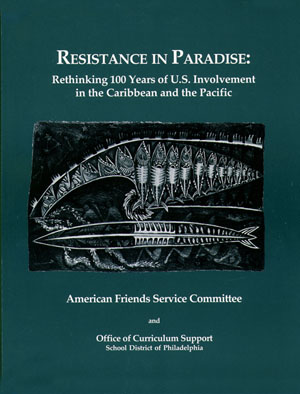
Teaching Guide. Edited by Debbie Wei and Rachel Kamel. 1998. 199 pages.
Readings and teaching ideas for high school students on the Spanish-American War.
Continue reading
Film. By Na Maka o ka `Aina. 1993. 58 minutes.
A comprehensive documentary that focuses on the events surrounding the overthrow of the Hawaiian monarchy in 1893.
Continue reading
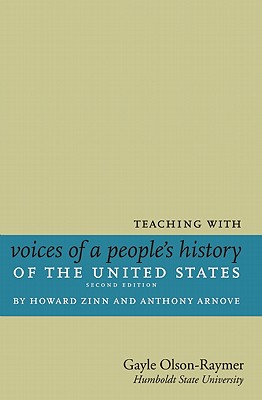
Teaching Activity. By Gayle Olson-Raymer. 18 pages.
Questions and teaching ideas for Chapter 11 of Voices of a People's History of the United States on the Gilded Age.
Continue reading
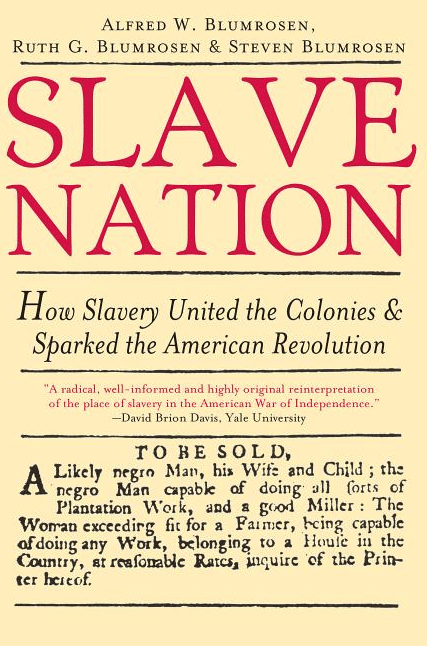
Book — Non-fiction. By Alfred Blumrosen and Ruth Blumrosen. 2006. 304 pages.
A detailed account of the role slavery played in the Revolutionary War and the writing of the U.S. Constitution.
Continue reading
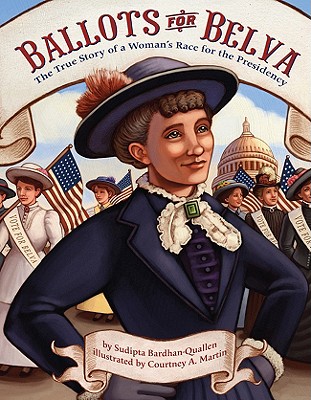
Picture book. By Sudipta Bardhan-Quallen. Illustrated by Courtney E. Martin. 2008. 32 pages.
Biography of Belva Lockwood who ran for president in 1884.
Continue reading
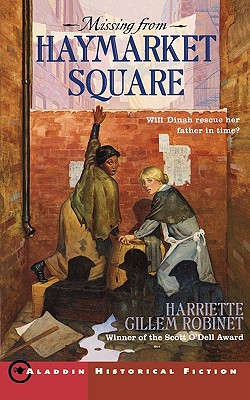
Book — Fiction. By Harriette Gillem Robinet. 2003. 142 pages.
Historical fiction chapter book on the Haymarket labor struggles and massacre.
Continue reading
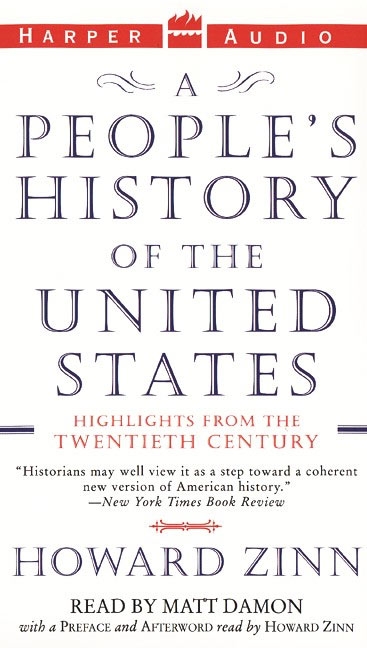
Audio. By Howard Zinn. Read by Matt Damon. 2003. 8 hours, 44 minutes.
Audio book version of excerpted highlights from A People's History of the United States.
Continue reading
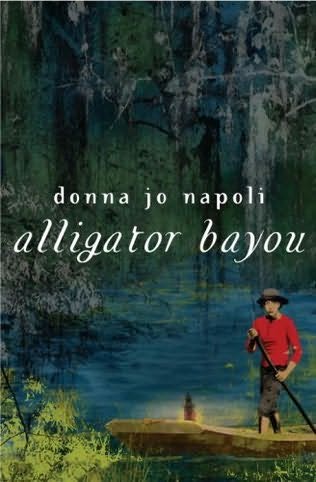
Book — Historical fiction. By Donna Jo Napoli. 2010. 288 pages.
Historical fiction for young adults based on the true story of the lynching of Italian Americans in late 19th century Louisiana.
Continue reading
Film clip. Voices of a People's History.
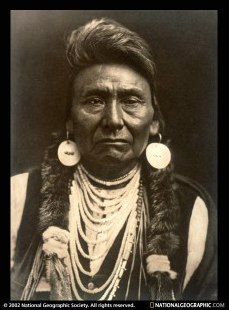
Dramatic reading of Chief Joseph's "Account of His Trip to Washington, D.C." (1879) by Q'Orianka Kilcher.
Continue reading
Teaching Activity. By Bill Bigelow and Bob Peterson. Rethinking Schools. 4 pages.
Using photographs to spark creative writing and critical thinking about child labor issues and social justice.
Continue reading
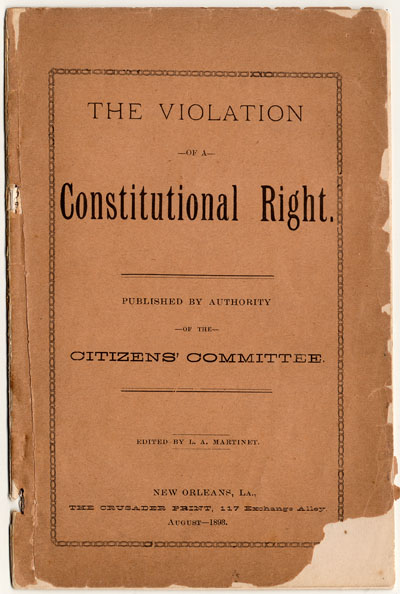
Article. By Keith W. Medley.
The role of the Comité des Citoyens and The Crusader newspaper in the Plessy v. Ferguson case.
Continue reading
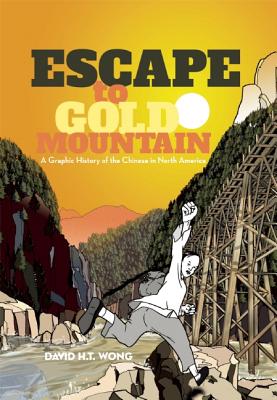
Book — Non-fiction. By David H. T. Wong. 2012. 240 pages.
A graphic novel that gives a panoramic but also an intimate look at the Chinese experience in North America.
Continue reading
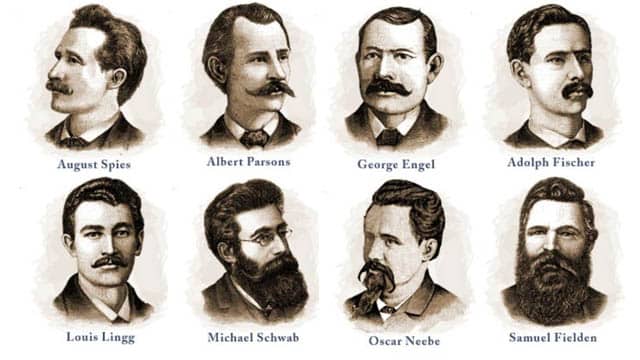
A peaceful demonstration in Chicago for the eight-hour day ended in tragedy when the police barged in and a bomb exploded.
Continue reading
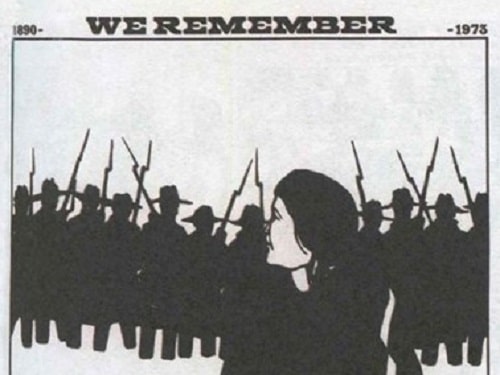
A Lakota encampment on the Pine Ridge Indian Reservation was attacked by the U.S. Army and close to 300 Native Americans were murdered near Wounded Knee Creek in South Dakota.
Continue reading
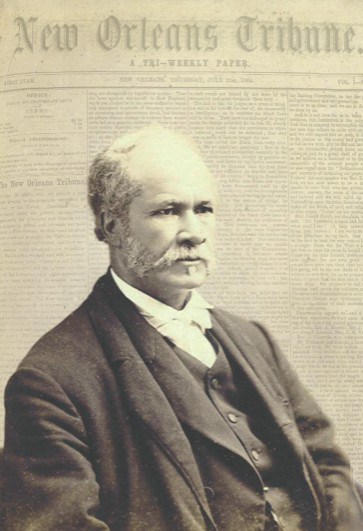
Digital collection. The work of Dr. Louis Charles Roudanez, founder of the first Black daily newspaper in the U.S., the New Orleans Tribune, with articles, excerpts, videos, and a timeline.
Continue reading
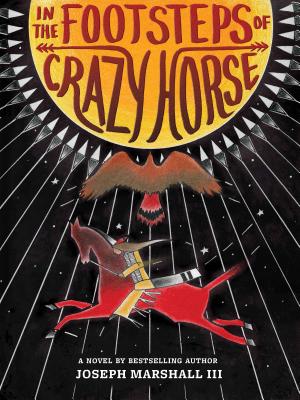
Book — Fiction. By Joseph Marshall III. Illustrations by Jim Yellowhawk. 2015. 176 pages.
A contemporary Native American boy learns about the history of Crazy Horse in a journey with his grandfather.
Continue reading
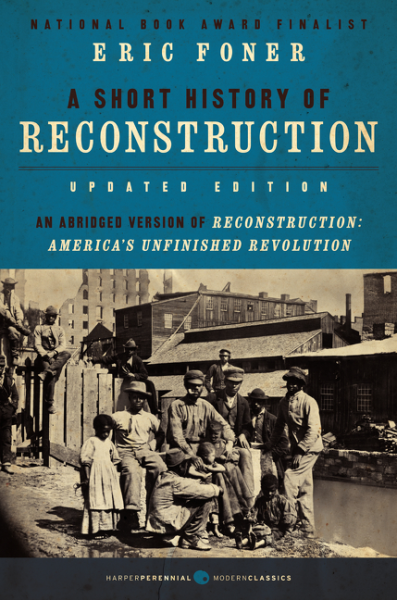
Book — Non-fiction. By Eric Foner. 2015. 352 pages.
A people's history view of the Reconstruction era.
Continue reading
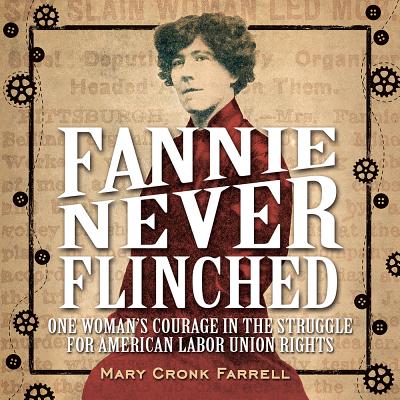
Book — Non-fiction. By Mary Cronk Farrell. 2016. 56 pages.
Biography of labor union activist Fannie Sellins.
Continue reading
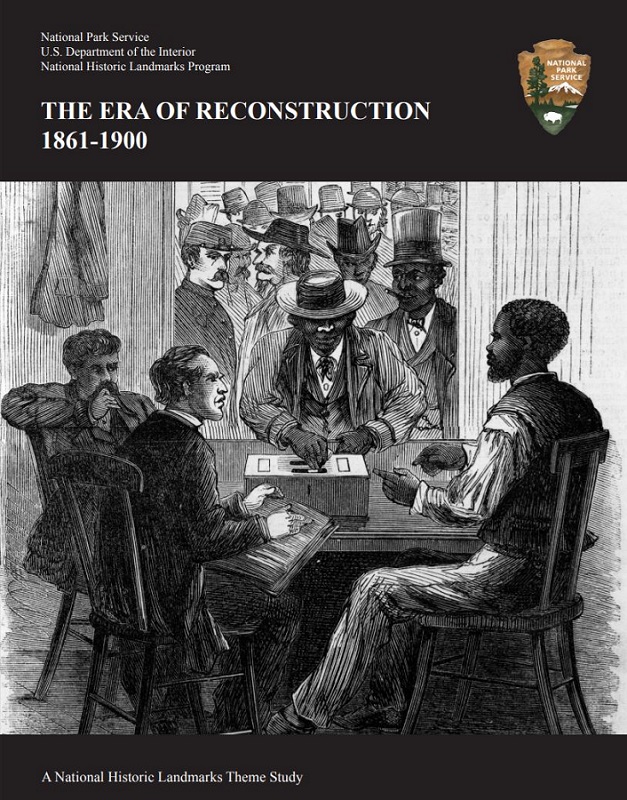
Book — Non-fiction. By National Park Service. 2017. 165 pages.
A theme study on the history of the Reconstruction era.
Continue reading
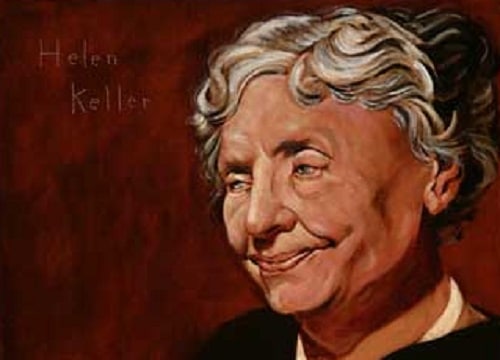
Helen Keller worked throughout her long life to achieve social justice.
Continue reading
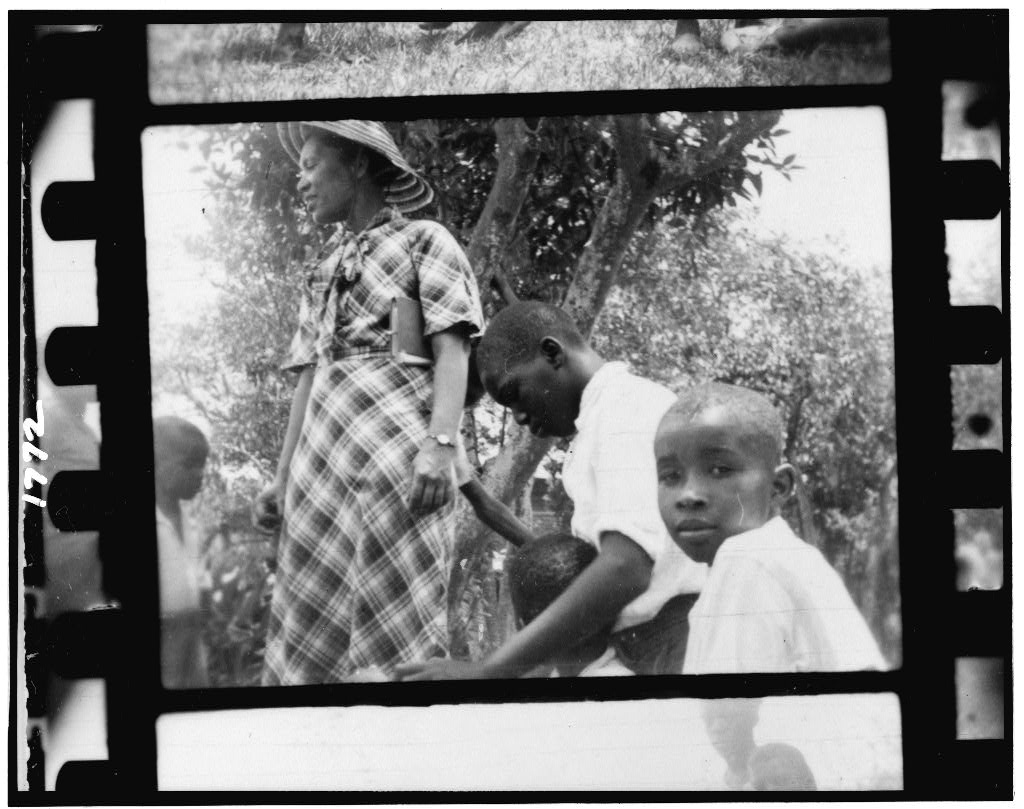
Zora Neale Hurston, a folklorist, anthropologist, and author, was born in Alabama.
Continue reading
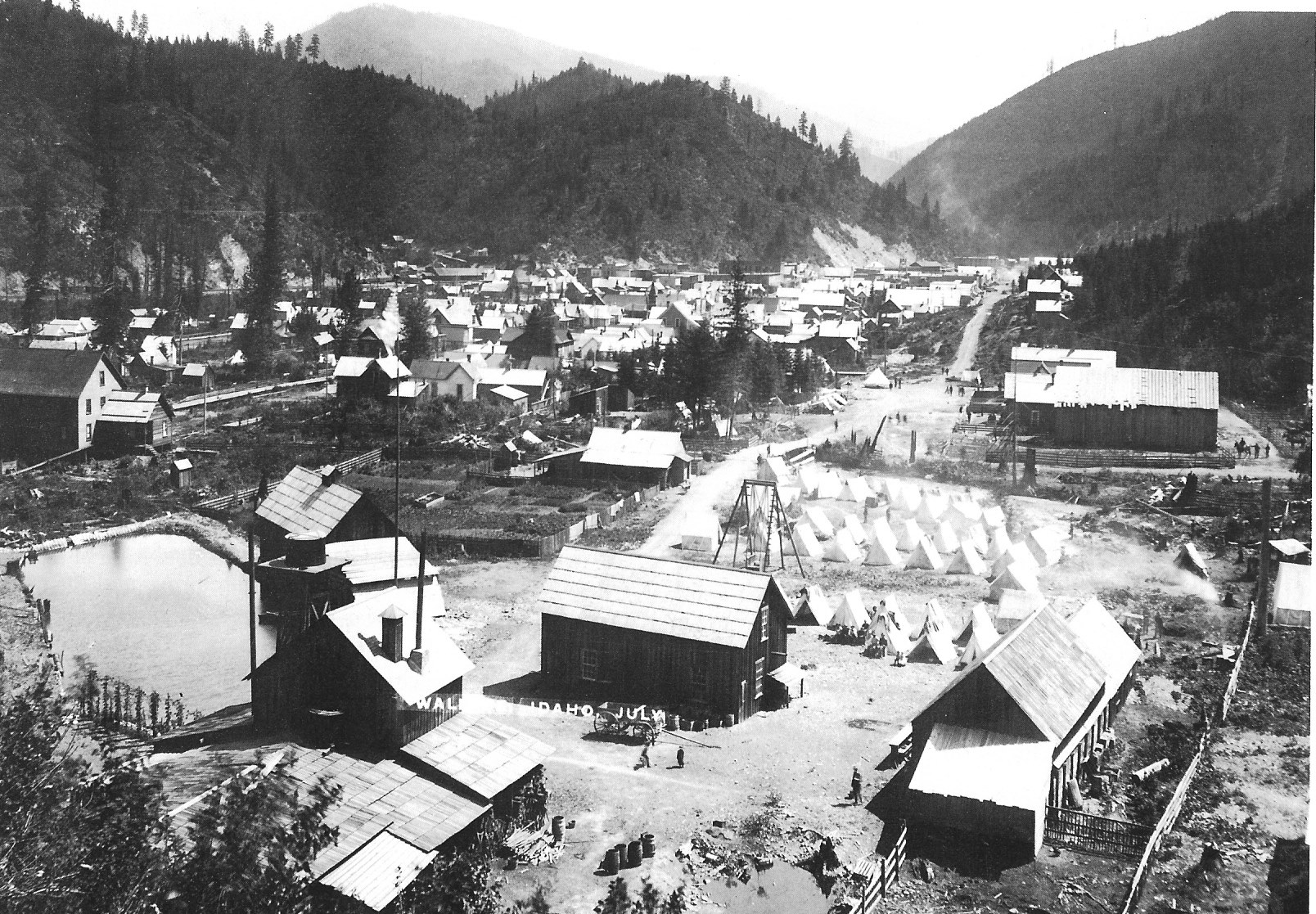
Miners in Coeur d’Alene held a strike and took on the Pinkertons.
Continue reading
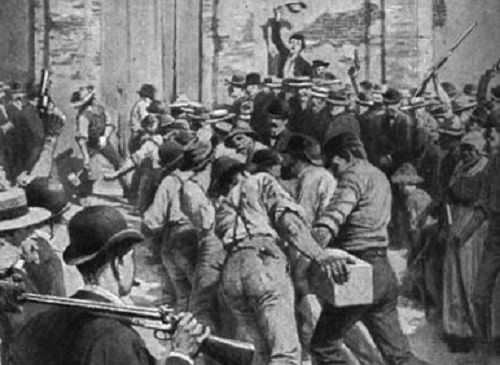
A mob lynched 11 Italians in New Orleans for the killing of the New Orleans police chief.
Continue reading
Film clip. Voices of a People's History.
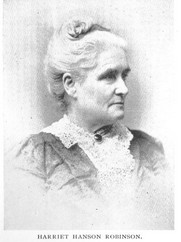
Harriet Hanson Robinson's "Characteristics of the Early Factory Girls" (1898) read by Lili Taylor.
Continue reading