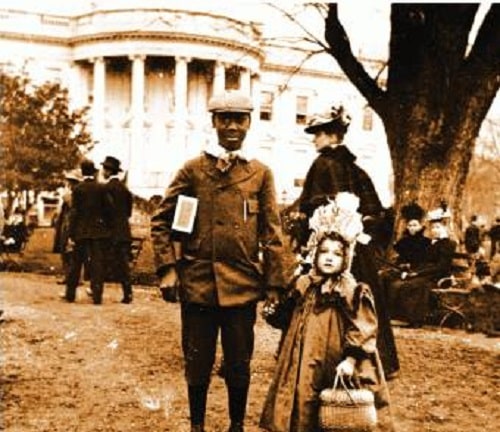
The White House cornerstone was laid. Among those who constructed the building were African Americans, both free and enslaved.
Continue reading
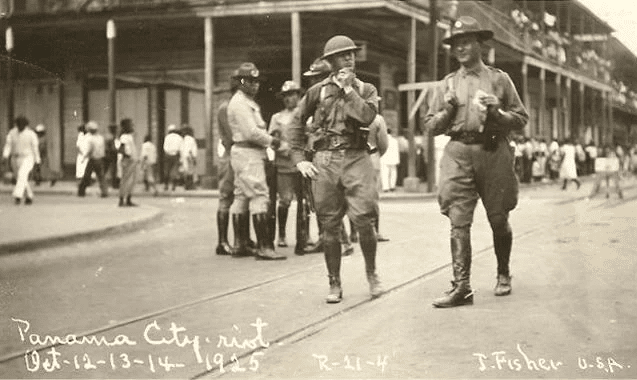
Protesting rising rents and unsanitary conditions, tenants in Panama City, Panama were met with swift force and violence by U.S. soldiers, with six killed during the weekend.
Continue reading
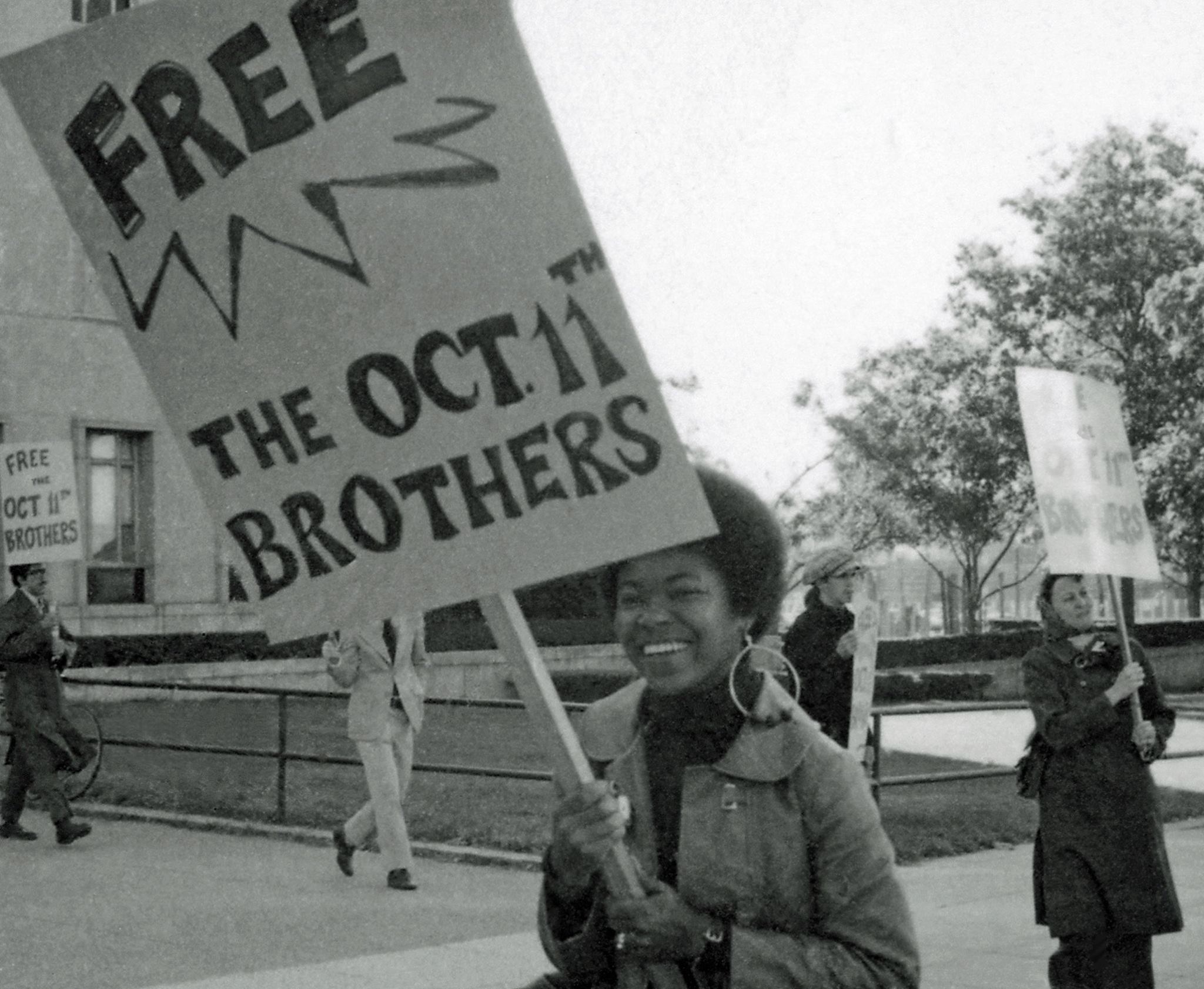
An uprising took place at a Washington, D.C. jail to protest conditions.
Continue reading
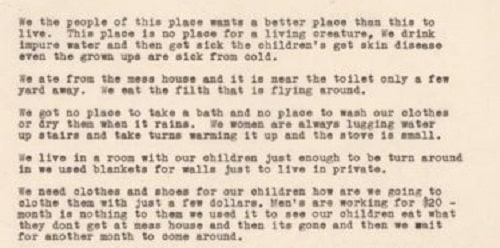
Aleut women from the Pribilof Islands Program wrote a petition about the dangerous incarceration camp conditions during World War II.
Continue reading
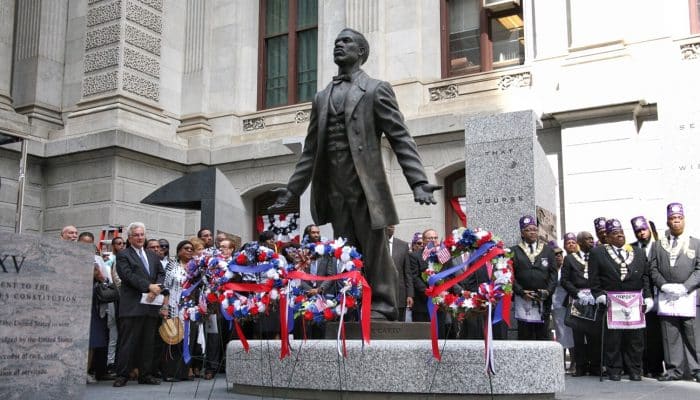
Philadelphia, Pennsylvania Black educator, baseball player, and civil rights activist Octavius V. Catto was murdered by a white supremacist on election day.
Continue reading
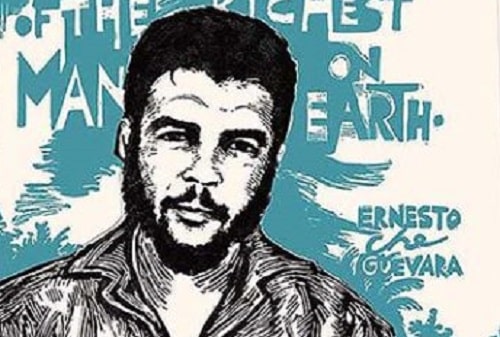
Che Guevara was killed by U.S. military backed-Bolivian forces, working with the CIA.
Continue reading
Wangari Maathai was awarded the Nobel Peace Prize for her work on the environment and founded the Greenbelt Movement.
Continue reading
Federal funds were quickly restored to Chicago public schools after they were withheld for continued segregation in schools, effectively curtailing enforcement of the Civil Rights Act in Chicago.
Continue reading
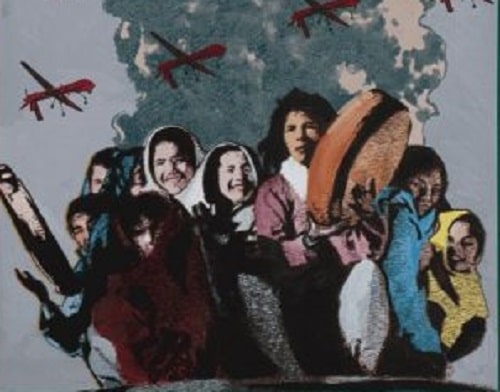
The United States and United Kingdom began the war in Afghanistan.
Continue reading
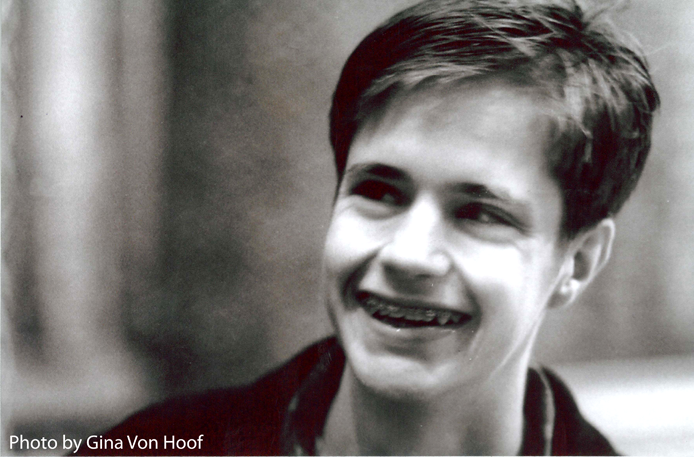
Matthew Shepard, a gay student at the University of Wyoming, was beaten, robbed, and left to die.
Continue reading
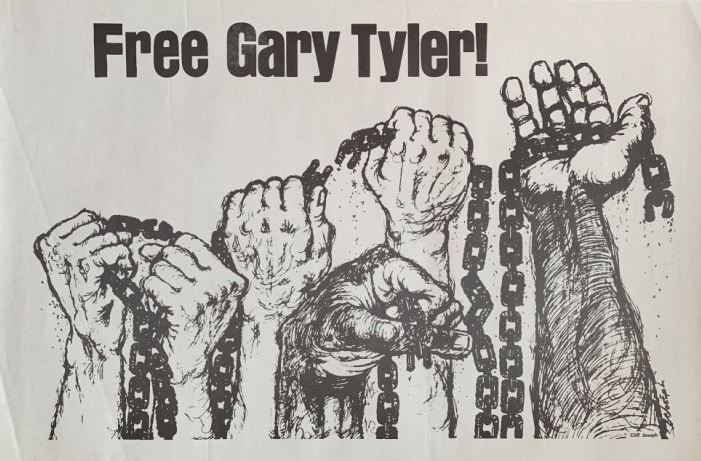
At 17 years old, Gary Tyler entered Louisiana State Prison — commonly known as Angola — as the state’s youngest Death Row prisoner and remained there for 41 years before gaining his freedom.
Continue reading
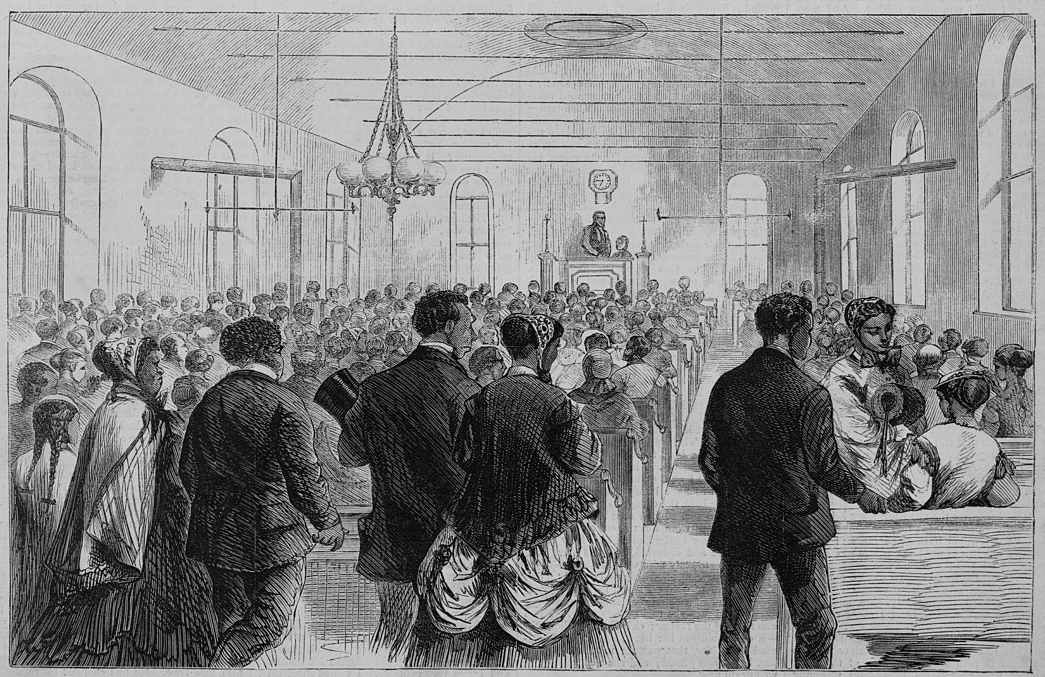
Henry E. Hayne was the first Black student to be accepted to the University of South Carolina’s medical school, a bold act which encouraged other Black students to apply. By 1875, Black men comprised the majority of the student body.
Continue reading
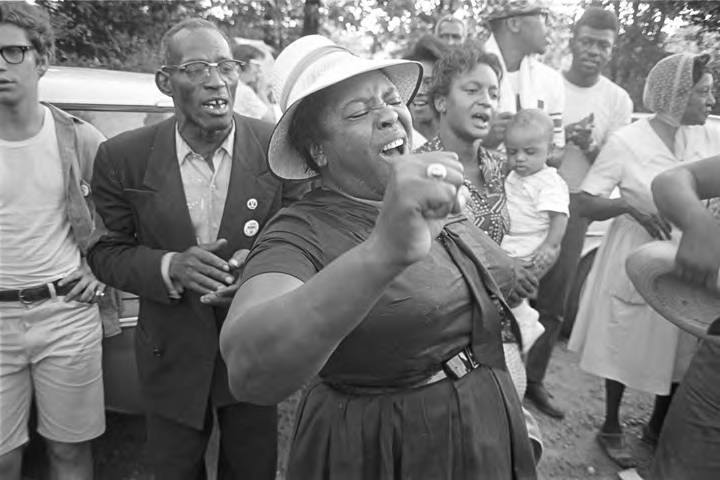
Mrs. Fannie Lou Hamer, a civil rights activist, was born in Montgomery County, Mississippi.
Continue reading
The first Colored Convention in Maine was an opportunity for northern Black abolitionists to organize and strategize for racial justice and the freedom of those still enslaved throughout the South.
Continue reading
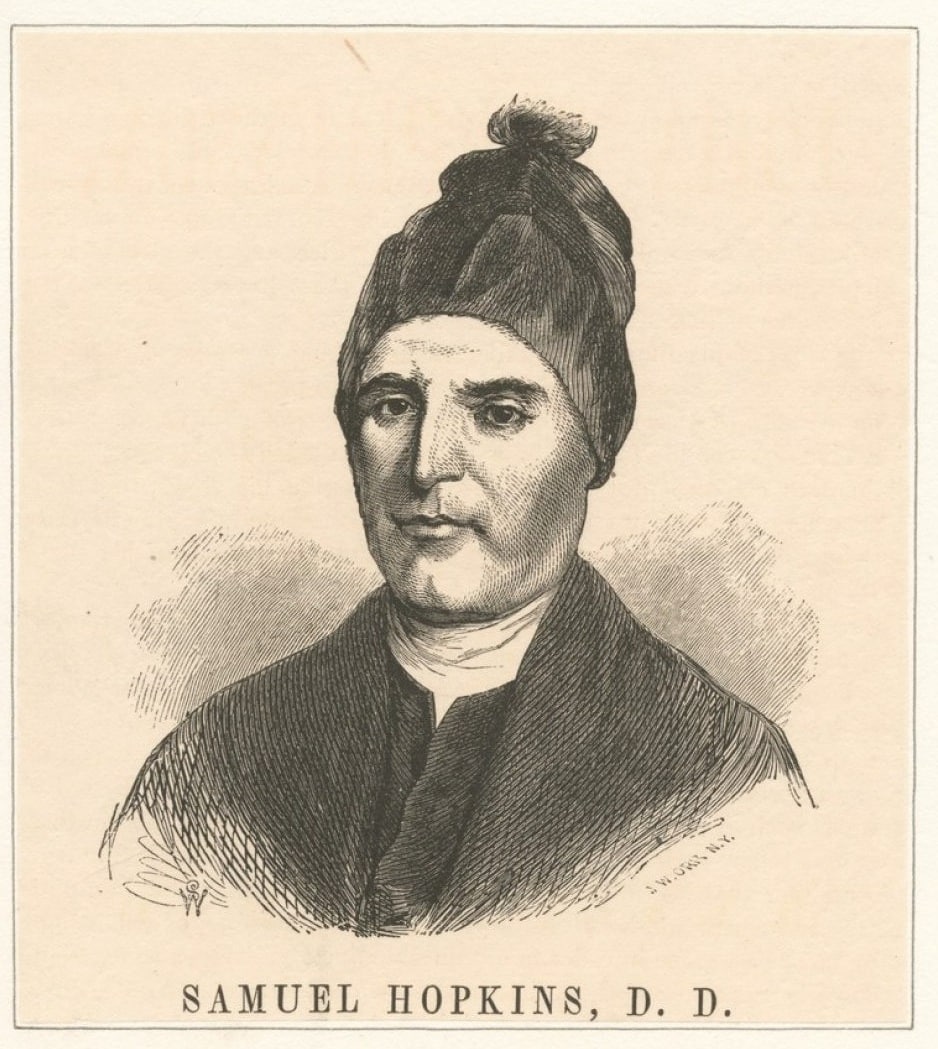
Connecticut abolitionist Samuel Hopkins wrote an essay denouncing the new U.S. Constitution for its hypocrisy in not renouncing slavery.
Continue reading
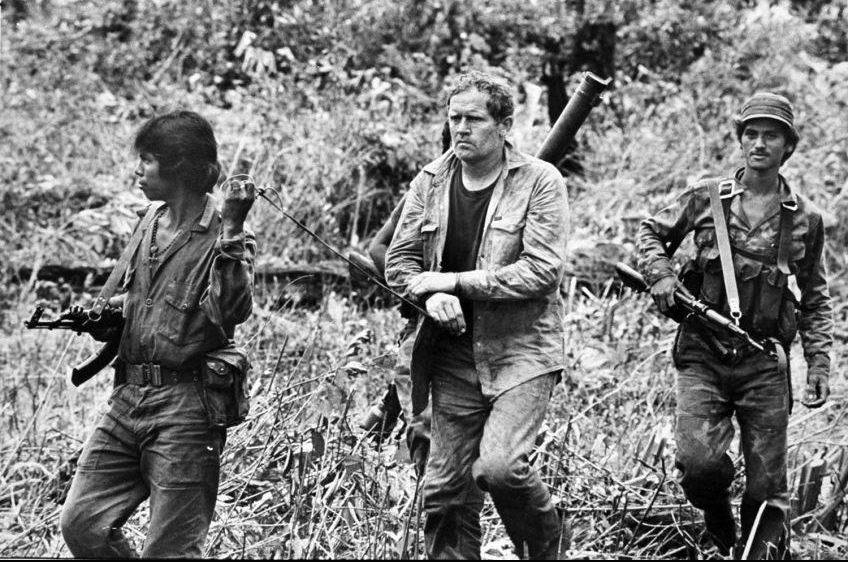
The cover-up of the Iran-Contra scandal began to unravel when Eugene Hasenfus was captured by Nicaraguan troops.
Continue reading
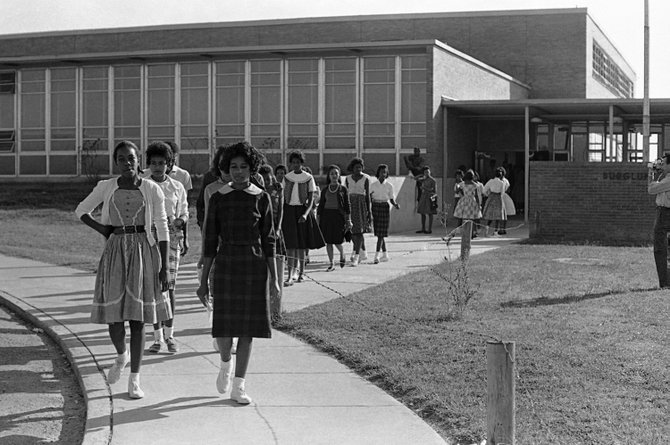
Burglund students walked out in response to the expulsions of their classmates and the murder of Herbert Lee.
Continue reading
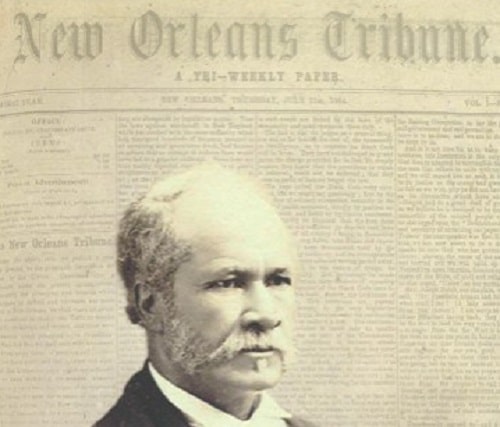
The New Orleans Tribune was launched and published daily in French and English by Louis Charles Roudanez.
Continue reading
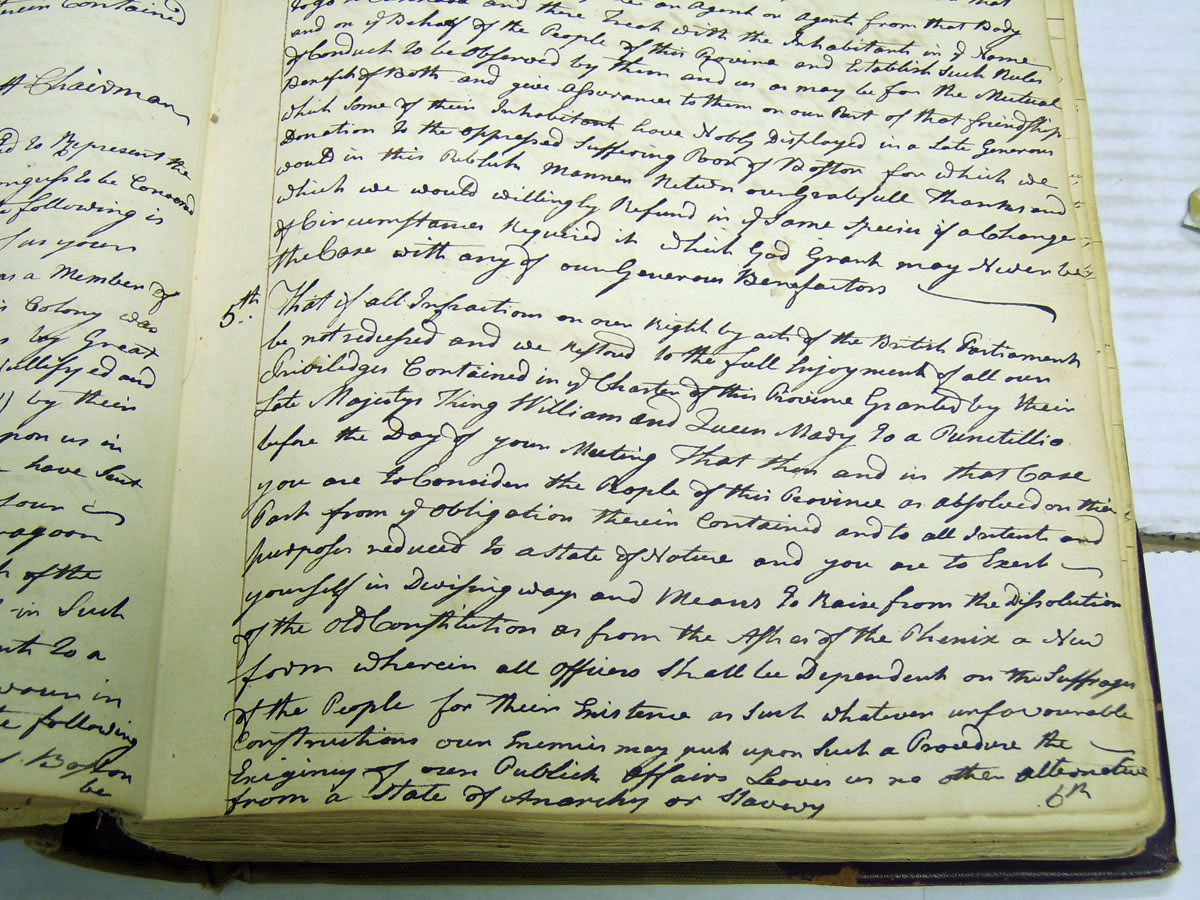
Residents of Worcester, Massachusetts demanded a new government be elected by the people, divorced from the British Crown and Parliament, setting the stage for nearly 100 more declarations that would sweep through the Thirteen Colonies before the summer of 1776.
Continue reading