

Artwork by Ricardo Levins Morales, available as a poster.
In light of the Supreme Court’s gutting of the Voting Rights Act, and to help students respond to the many forms of voter suppression, teach about the long history of the fight for voting rights.
In many places, that requires defying anti-history education laws. As Kimberlé W. Crenshaw said:
You’ve heard about gerrymandering our vote and gerrymandering our districts.
Now they’re gerrymandering our history to undermine our ability to link our present to the past.
Learn about the decision and how to respond in the SNCC Legacy Project statement on the Louisiana v. Callais decision and The SCOTUS Project to Undo Voting Rights Protections is Nearly Complete by Sherrilyn Ifill.
Below are resources for teaching about voting rights. We’ll send you a people’s history book in appreciation for teaching stories about any of these lessons.
Request a Voting Rights Teaching Toolkit.
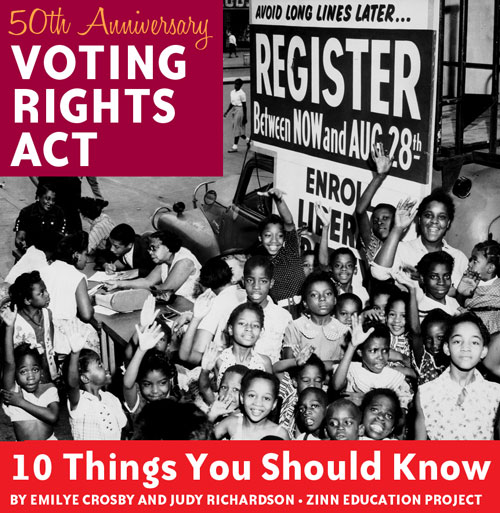
Voting Rights Unit
Who Gets to Vote?

Fannie Lou Hamer at the 1966 “March Against Fear.” By Jim Peppler, Alabama Department of Archives and History
A unit with three lessons by Ursula Wolfe-Rocca provides essential historical context for today’s struggle against voter suppression and for voting rights.
The first lesson considers who should vote. Students share thoughts on what makes a “qualified” voter, then reconsider after reading an oral history by Fannie Lou Hamer. Born in 1917, Mrs. Hamer was 45 the first time she attempted to register to vote in Mississippi.
Here is an excerpt from that oral history interview:
Hamer: Well, when I first tried to register it was in Indianola. I went to Indianola on the 31st of August in 1962; that was to try to register. When we got there — there was 18 of us went that day — so when we got there, there were people there with guns. We went on in the circuit clerk’s office, and he asked us what did we want; and we told him what we wanted. We wanted to try to register. He told us that all of us would have to get out of there except two.
Black Elected Officials
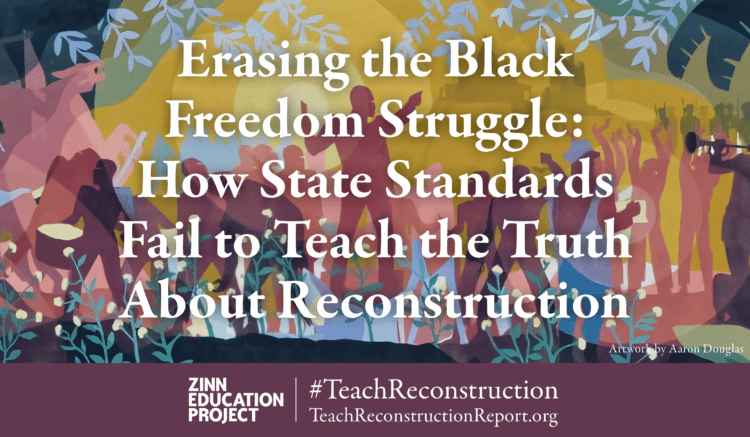
Echoes of Reconstruction
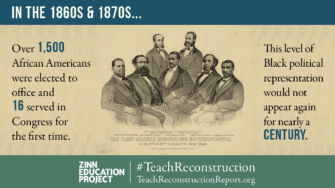
During Reconstruction, more than 1,500 African Americans took office — many hailing from Southern districts with majority-Black populations who voted for the very first time.
To stamp out this surge in democracy, white supremacists seized power and enacted literacy laws, grandfather clauses, poll taxes, and violence to suppress voting rights for generations to come. The level of Black political representation achieved in the 1860s and ’70s would not appear again for nearly a century.
Today, the right wing uses similar tactics to crush the democratic process — from imposing voter suppression laws to “guarding” ballot drop boxes.
People who lived through Reconstruction would recognize these strategies for what they are: efforts to protect white supremacy and wealth above all else. Learn more about this history and its legacies in our national report on teaching Reconstruction.
Teaching About Seneca Falls
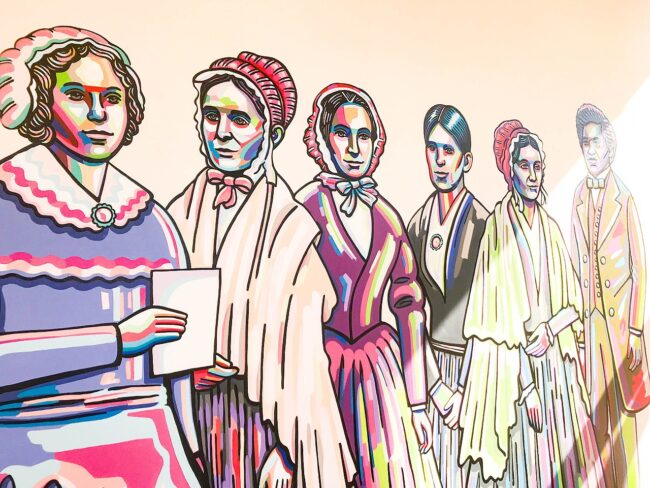
The first organized gathering of women to demand their rights as women took place during two days in July 1848 in Seneca Falls, New York. This role play allows students to examine issues of race and class when exploring both the accomplishments and limitations of the Seneca Falls Convention.
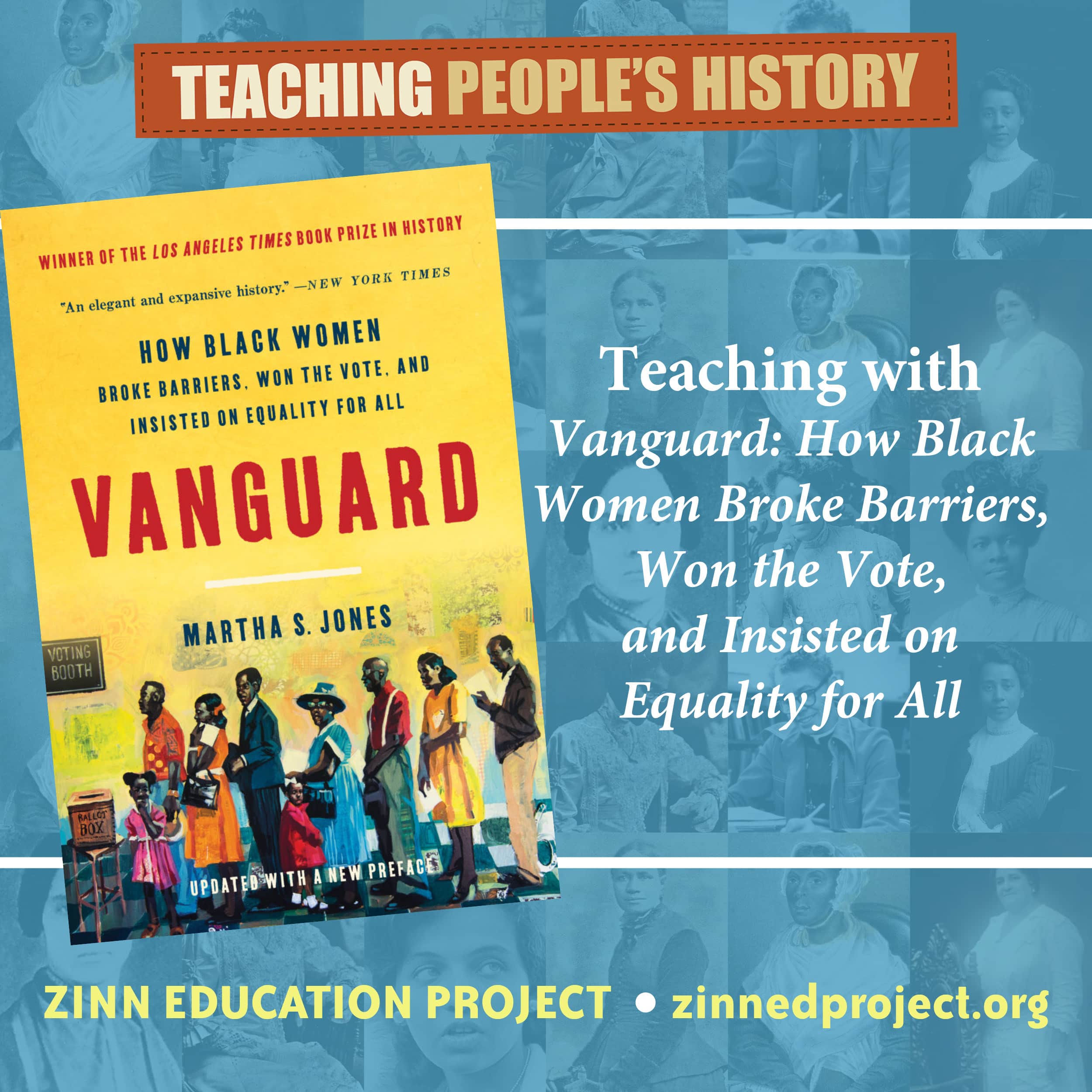
Teaching with Vanguard
How Black Women Broke Barriers, Won the Vote, and Insisted on Equality for All
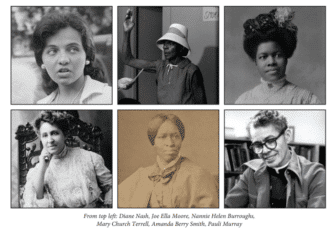
Martha S. Jones’ Vanguard: How Black Women Broke Barriers, Won the Vote, and Insisted on Equality for All includes profiles of more than two dozen Black women who organized for voting rights.
In this lesson, students read excerpts from Jones’ book to learn about these women, share their knowledge with each other, and use what they’ve gathered to analyze Jones’ provocative title: In what sense did these women constitute a “vanguard” and why?
Rosa Parks
Fight for Voting Rights
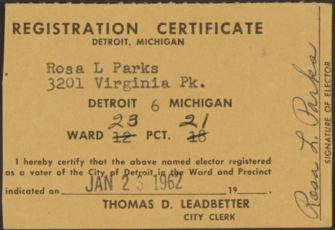
In 1943, Rosa Parks tried to register to vote. White officials denied her application. In 1944, she and her mother joined a group led by labor and civil rights activist E. D. Nixon.
They succeeded, although as Martha Jones explains in Vanguard, the city required them to pay back poll taxes, including for all the years they were denied the right to vote.
Learn more about Parks from the young adult book, The Rebellious Life of Mrs. Rosa Parks, the film of the same name, and accompanying lessons.
SNCC & Voting Rights Toolkit
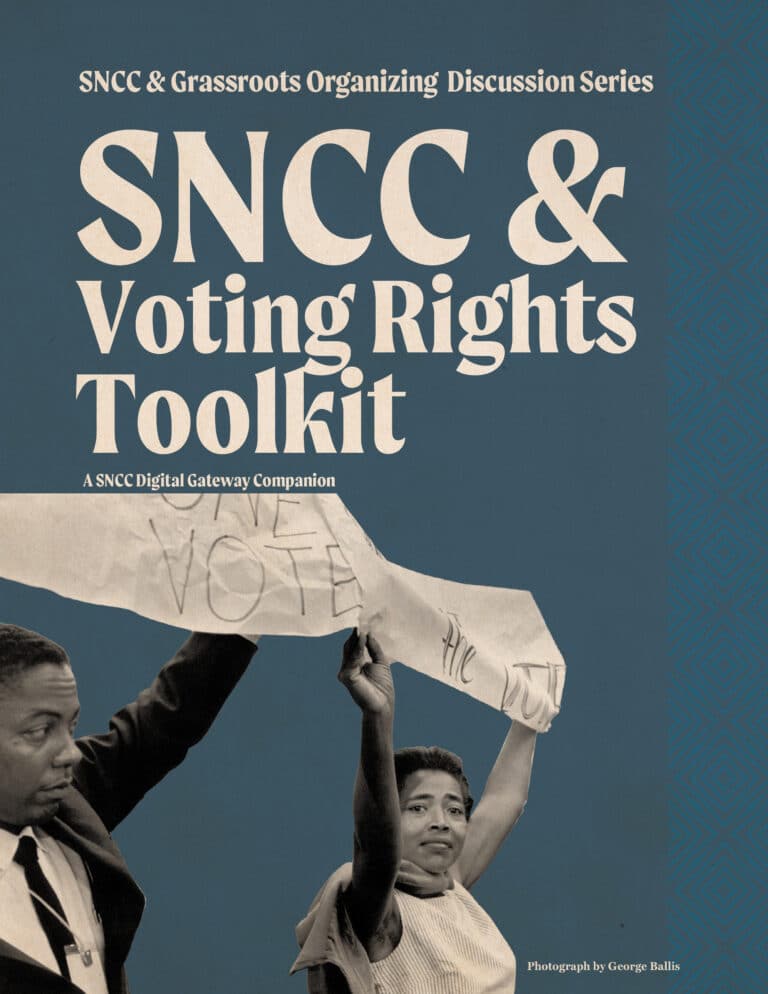 For strategies to challenge voter suppression today, we can learn from the work of the youth-led Student Nonviolent Coordinating Committee (SNCC) in the 1960s.
The SNCC Legacy Project has produced six toolkits that are free to download, each with primary documents, narrative history, photos, and discussion questions. Topics include voting rights, women & gender, freedom teaching, art & culture, Black power, and the organizing tradition.
Book Recommendations
 |
 |
|
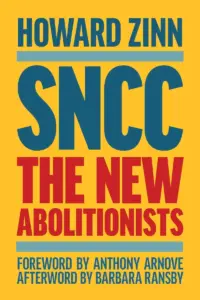
Howard Zinn, wrote about the brave, young voting rights activists in SNCC who broke the “cotton curtain” in Mississippi. This new edition includes an afterword by Barbara Ransby. |
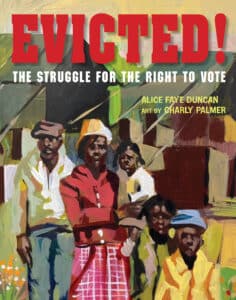
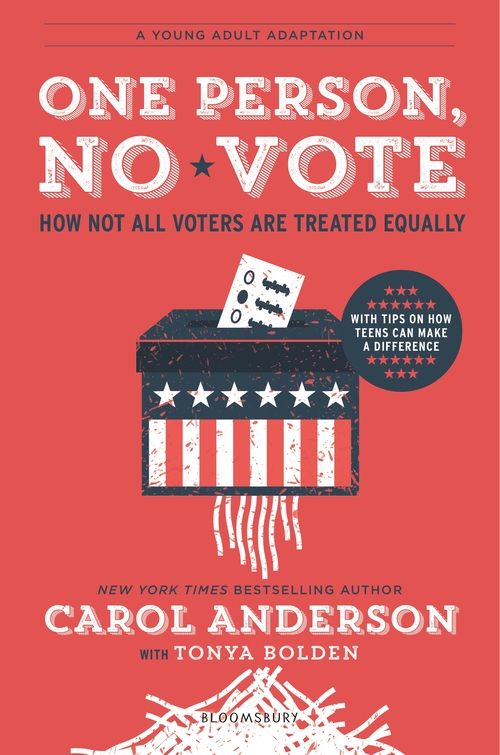
Check out the list from Social Justice Books of recommended titles for all grades on the long and on-going struggle for voting rights. Also includes background reading for adults. |
Current Situation
- Voting Rights Lab offers a State Voting Rights Tracker that lets people see existing laws that affect voting rights and accessibility in each state, and tracks the movement of new bills that have an impact on voting rights.
- NAACP Legal Defense Fund: Tools for voters, a toolkit to prevent voter intimidation, and more.
- Suppressed: The Fight to Vote is a 38-minute documentary that shows what contemporary voter suppression looks like by sharing the experiences of Georgia voters during their 2018 Gubernatorial election. Brave New Films provides free access to the film for schools and community groups.
- Democracy Now! clip, Supreme Court Guts Voting Rights Act in “Devastating Blow” to Democracy & Civil Rights: Maya Wiley. and more stories on voting rights
Twitter
Google plus
LinkedIn