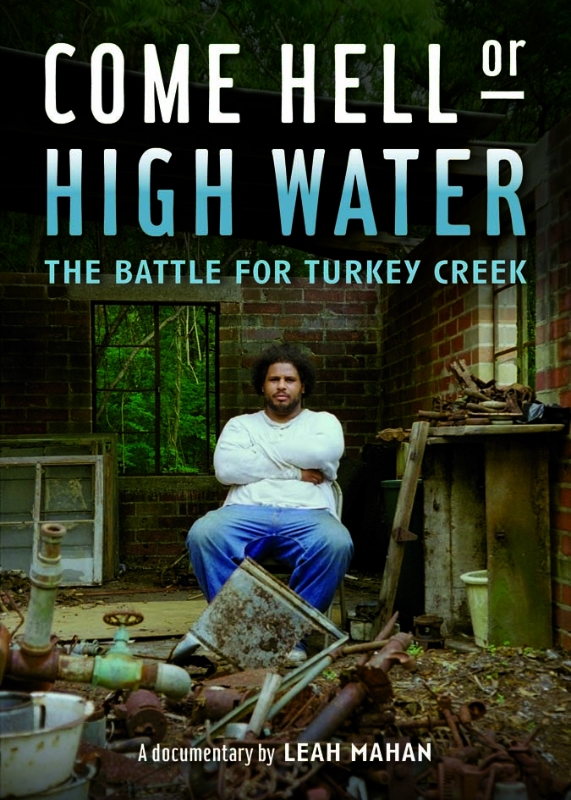
Film. By Leah Mahan. 2013. 60 minutes.
Documentary about the impact of “development” on a historically African American community in Gulfport, Mississippi.
Continue reading
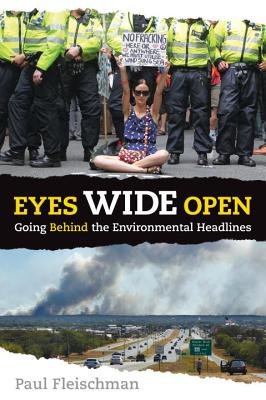
Book — Non-fiction. By Paul Fleischman. 2014. 208 pages.
A young adult primer on the environmental crisis.
Continue reading
Profile.
Overview of the farm labor organization, the Coalition of Immokalee Workers, with artwork by Erin Currier.
Continue reading
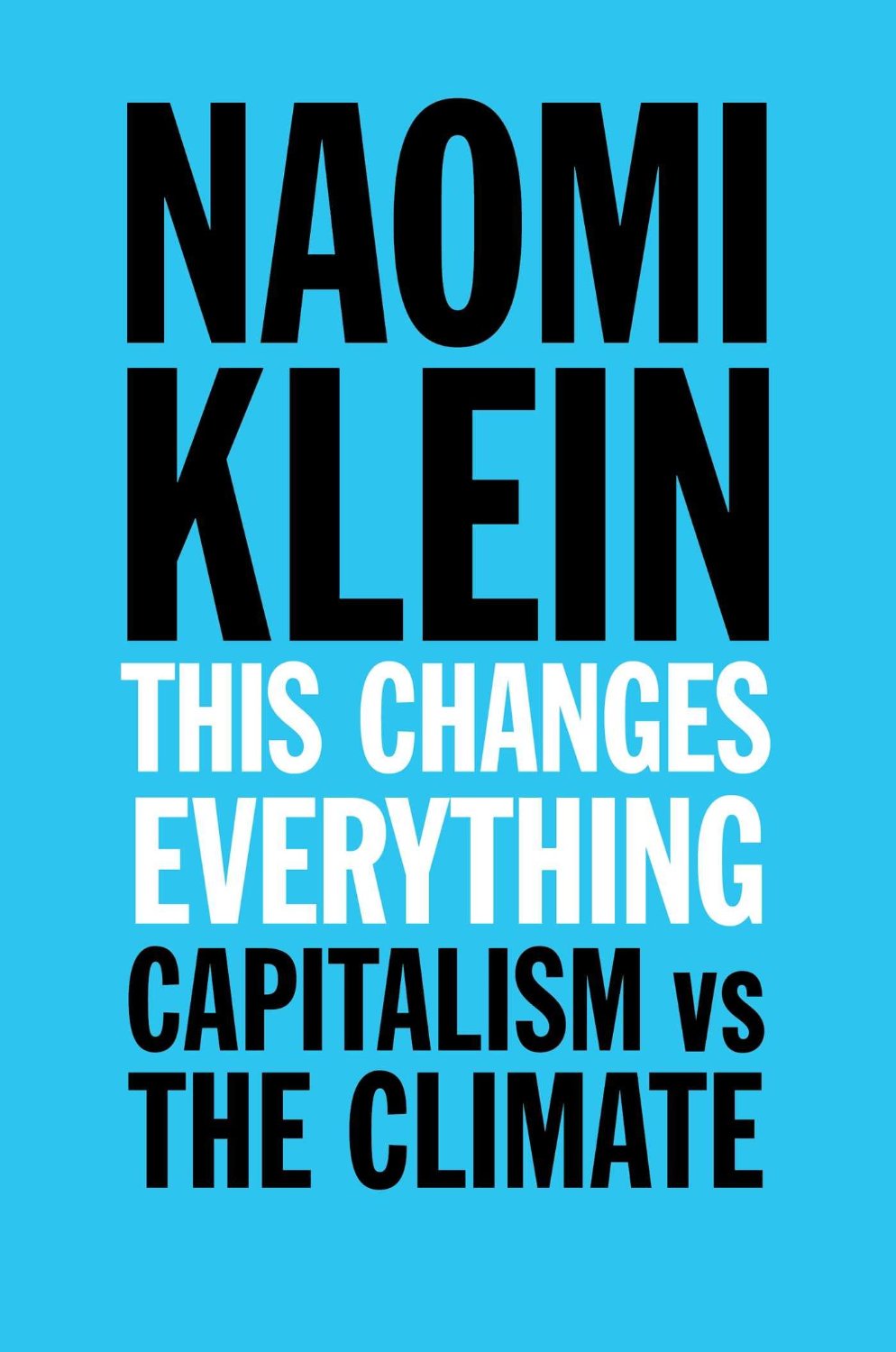
Book — Non-fiction. By Naomi Klein. 2015. 576 pages.
Naomi Klein tackles the war our economic model is waging against life on earth.
Continue reading
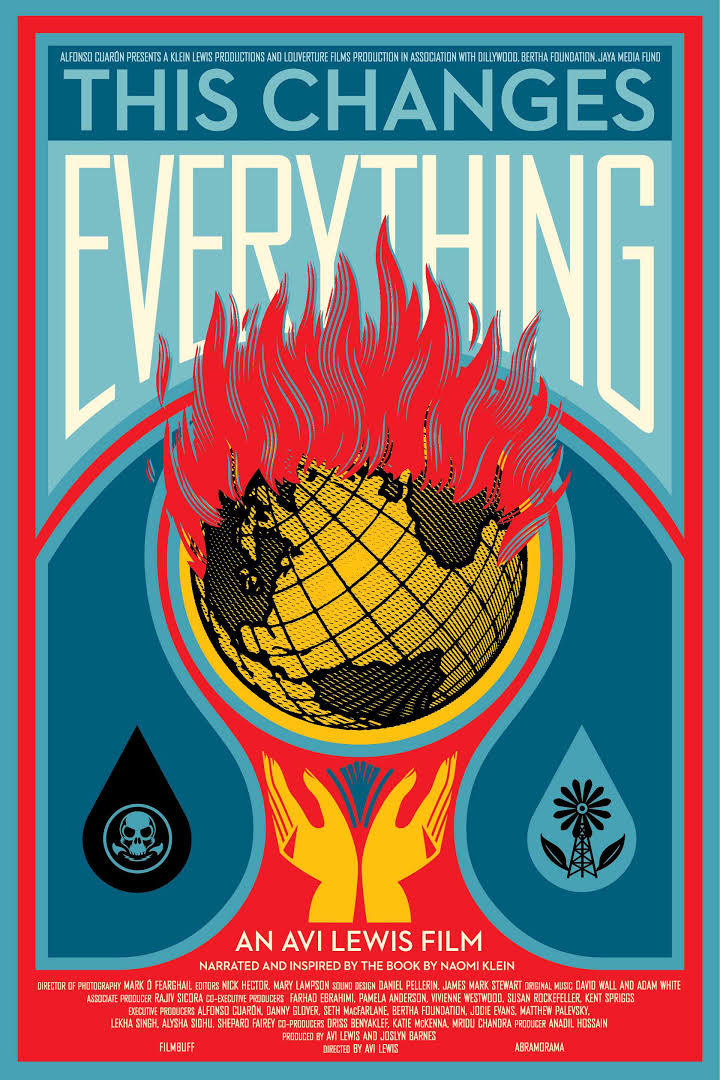
Film. By Avi Lewis. 2015. 90 minutes.
Seven portraits of communities on the front lines of the climate crisis.
Continue reading
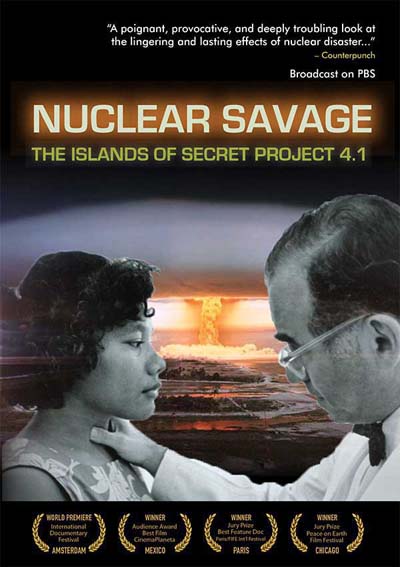
Film. By Adam Jonas Horowitz. 2012. 60 and 87 minutes.
History of the U.S. government's testing of nuclear weapons and fallout on the people of the Marshall Islands.
Continue reading
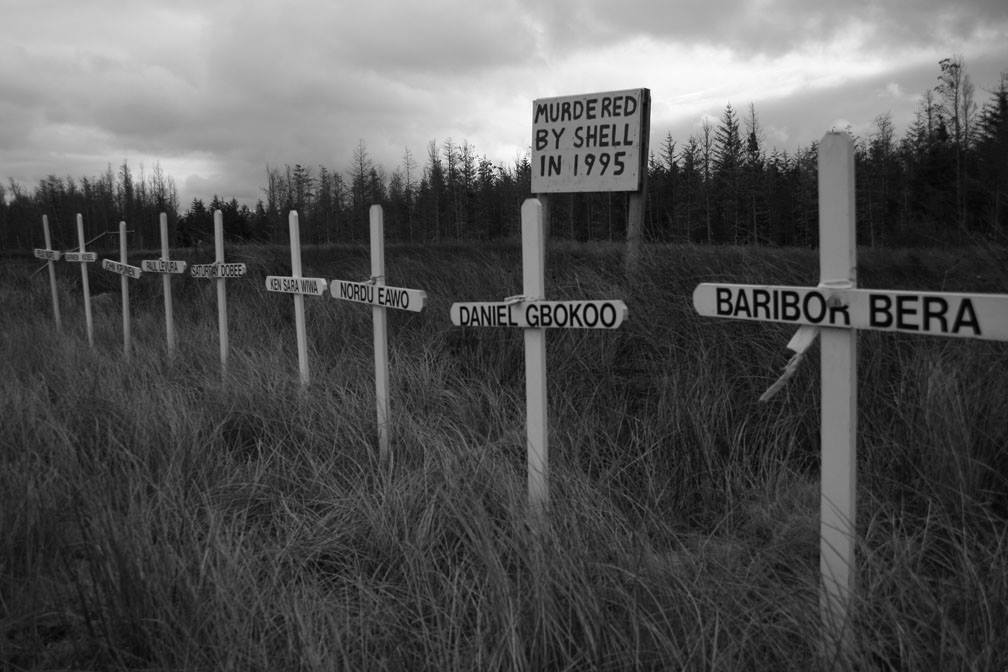
The Ogoni Nine were executed by the Nigerian military government for campaigning against the devastation of their homeland by oil companies.
Continue reading
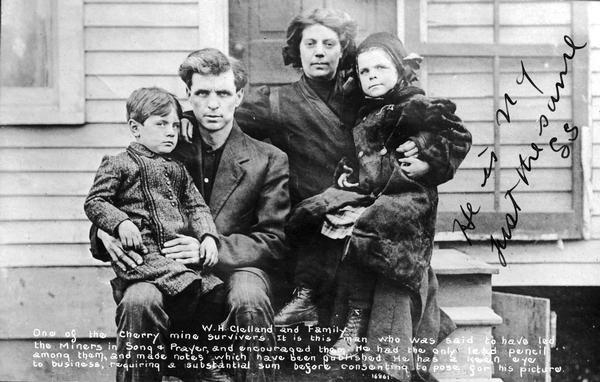
A disaster in the Cherry Mine in Cherry, Illinois, killed 259 boys and men.
Continue reading
Article. By Jill Howdyshell.
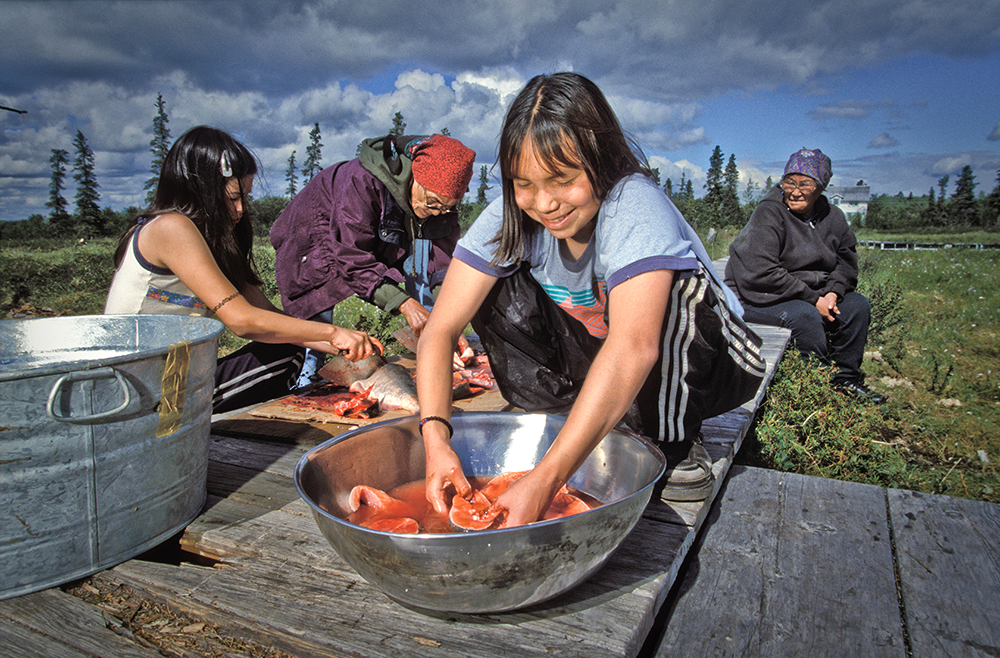
The author describes how climate change is hitting Indigenous communities in Alaska much harder than other places in the world. And yet, administrators still insist that school discussions should focus on student test scores.
Continue reading
Teaching Activity. By Rosemarie Frascella. Rethinking Schools.
Our extractive fossil fuel-based economy has always demanded that some people’s homes and health be sacrificed for the benefit of more privileged and powerful others. This article explores how one teacher engages her students in thinking about how “sacrifice zones” play out in their lives.
Continue reading
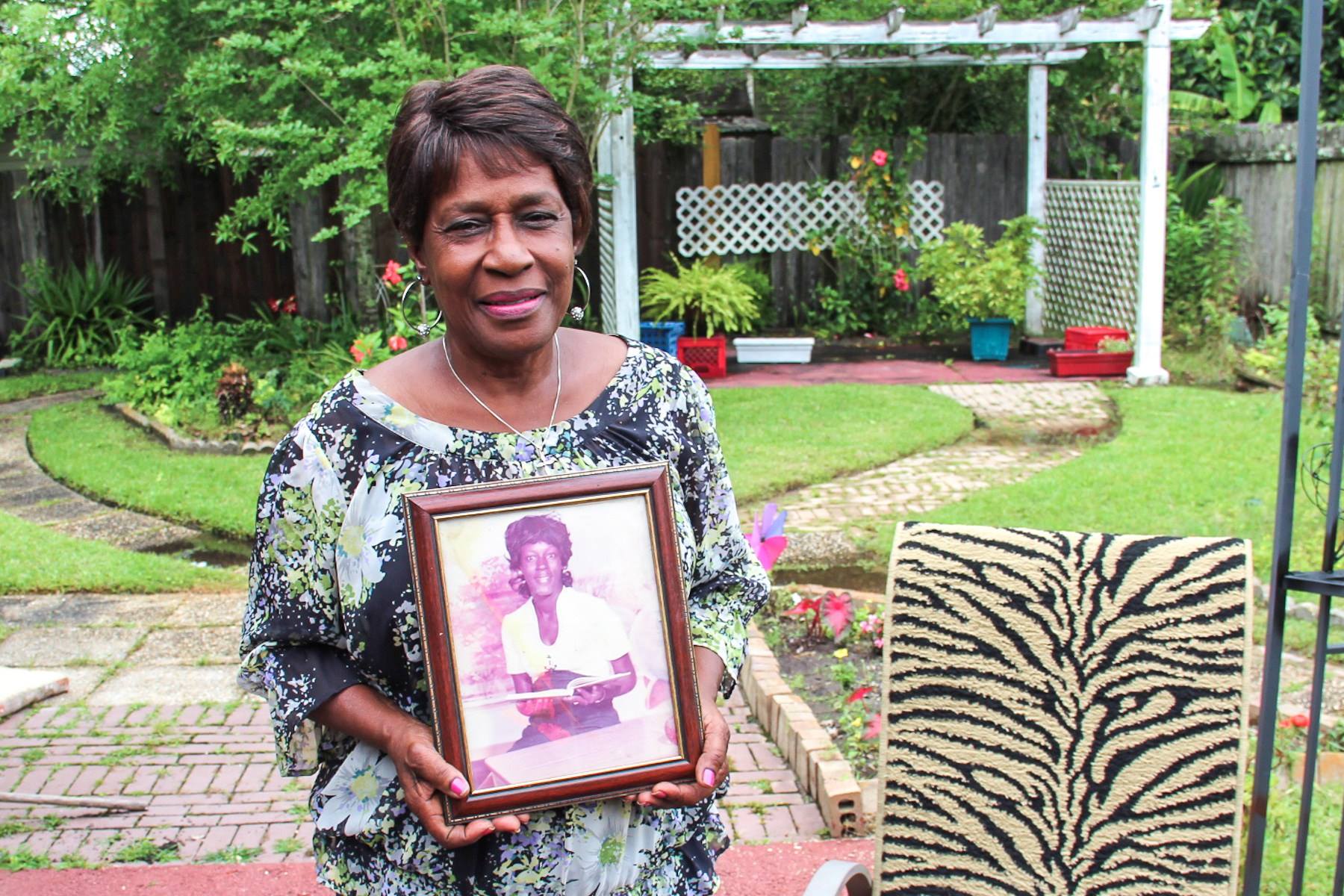
African Ameican residents of Diamond, Louisiana won their relocation fight with Shell Oil.
Continue reading
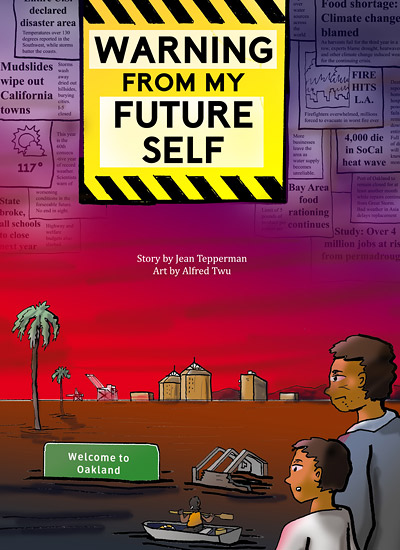
Book — Fiction. By Jean Tepperman. Illustrated by Alfred Twu. 2017. 34 pages.
A dystopian call-to-action story about the threat of climate change and the need for young people to act now.
Continue reading
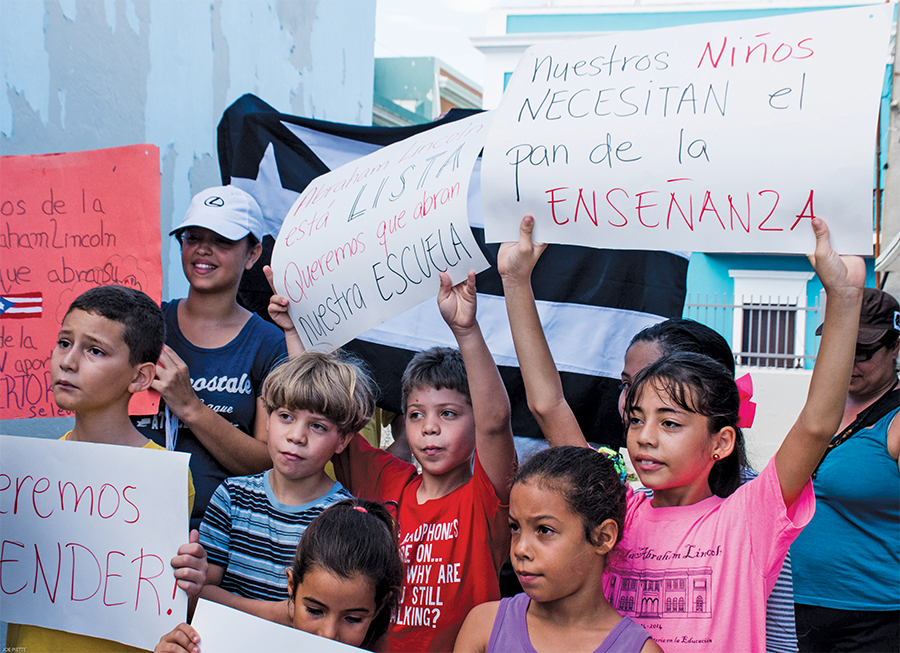
Hurricane Maria struck Puerto Rico as a major Category 4 storm.
Continue reading
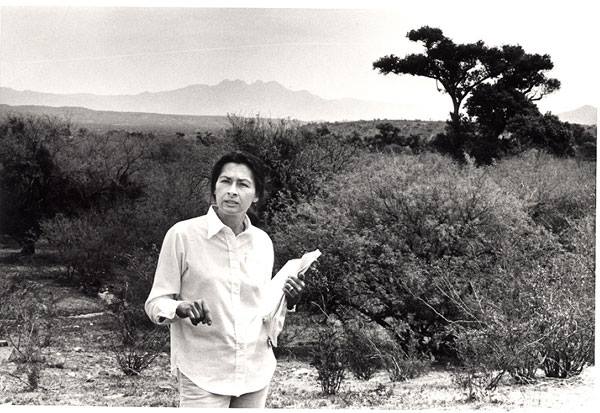
The Fort McDowell Yavapai Nation of Arizona stopped construction of the Orme Dam after ten years of organizing and protesting.
Continue reading
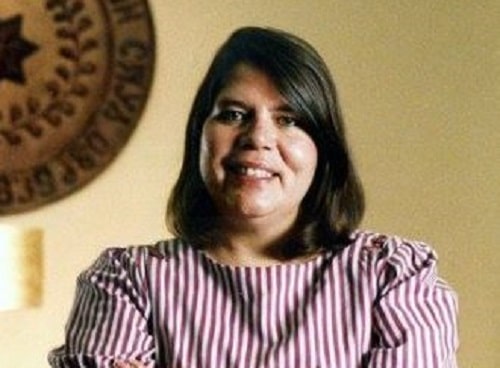
Wilma Mankiller took office as Principal Chief of the Cherokee Nation of Oklahoma.
Continue reading
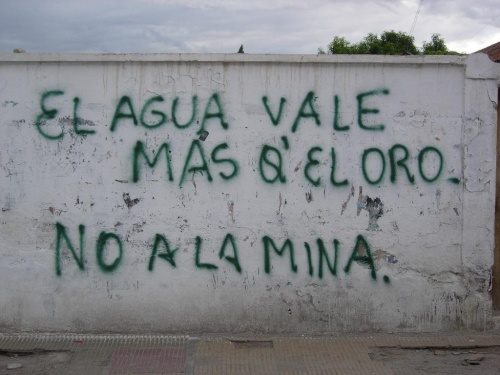
The “civil war” in El Salvador officially ended, but other struggles followed, including to protect the land and water from gold mining.
Continue reading
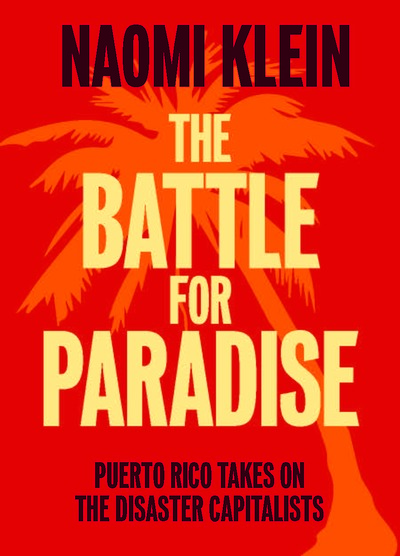
Book — Non-fiction. By Naomi Klein. 2018. 91 pages.
Post-Hurricane Maria, Puerto Ricans are engaged in a pitched struggle with "disaster capitalists" over how to remake the island.
Continue reading
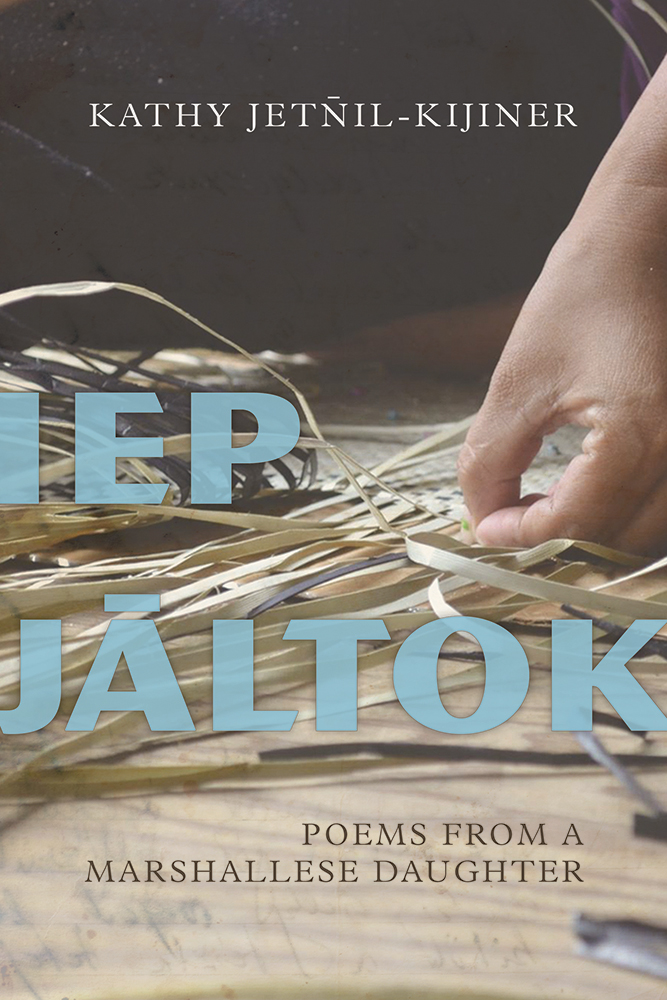
Poetry. By Kathy Jetñil-Kijiner. 2017. 90 pages.
Poetry reveals the traumas of colonialism, racism, forced migration, the legacy of American nuclear testing, and the impending threats of climate change.
Continue reading
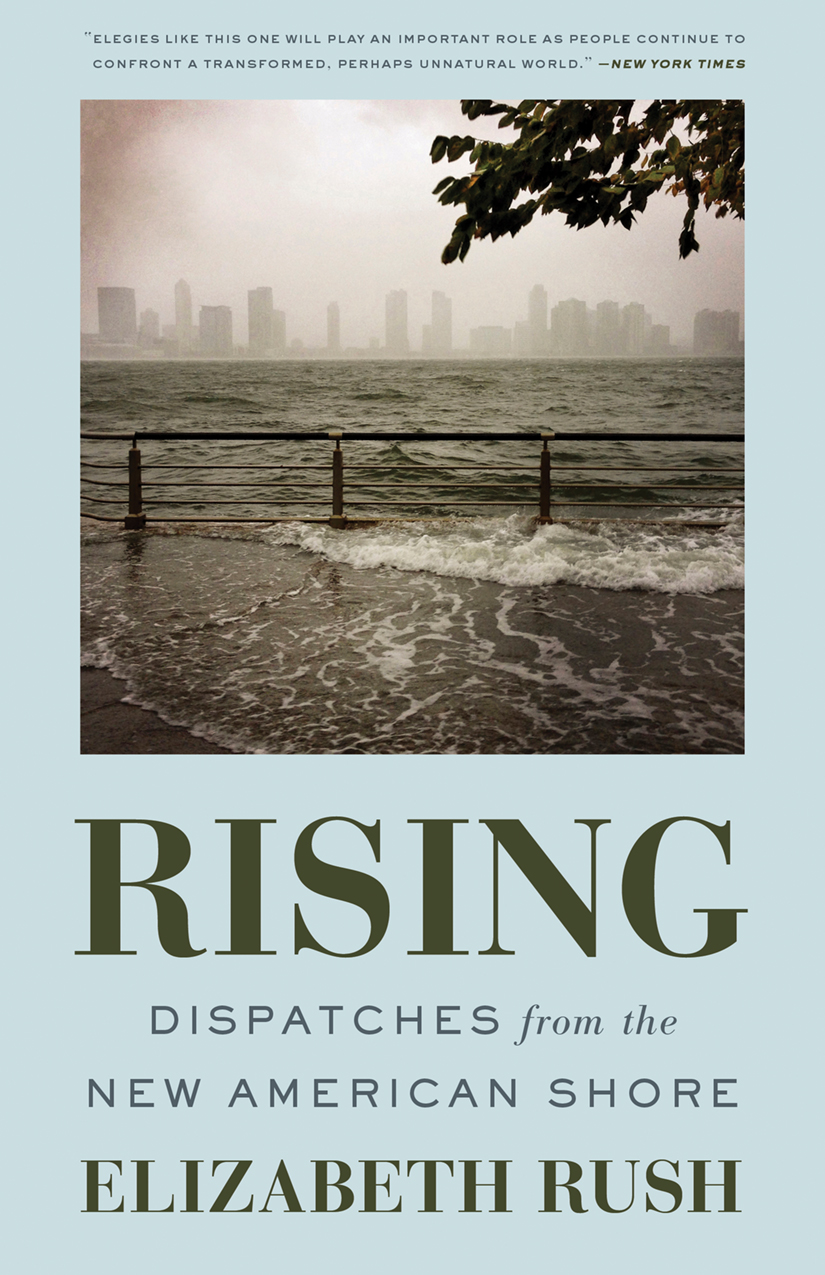
Book — Non-fiction. By Elizabeth Rush. 2019. 328 pages.
A book about the impact of climate change on U.S. communities and societies that privileges the voices of those too often kept at the margins.
Continue reading
Article. By Bill Bigelow. Rethinking Schools, Spring 2018.
Gender is one of the crucial variables determining how the climate crisis affects us.
Continue reading
Article. By Bill Bigelow. Rethinking Schools, Spring 2018.
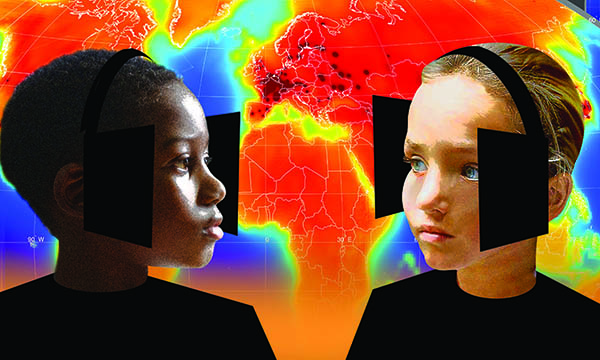
Every single one of the texts adopted in Portland, known for being green and liberal, misleads young people about the climate crisis.
Continue reading
Article. By Bill Bigelow. Rethinking Schools, Fall 2018.
Teaching hope instead of despair, teachers invite students to research “climate warriors,” those who “know the truth” and yet are not defeated by it.
Continue reading
Article. By Bill Bigelow. Rethinking Schools, Winter 2018.
The “just transition” away from fossil fuels can also be a move toward a society that is cleaner, more equal, and more democratic.
Continue reading