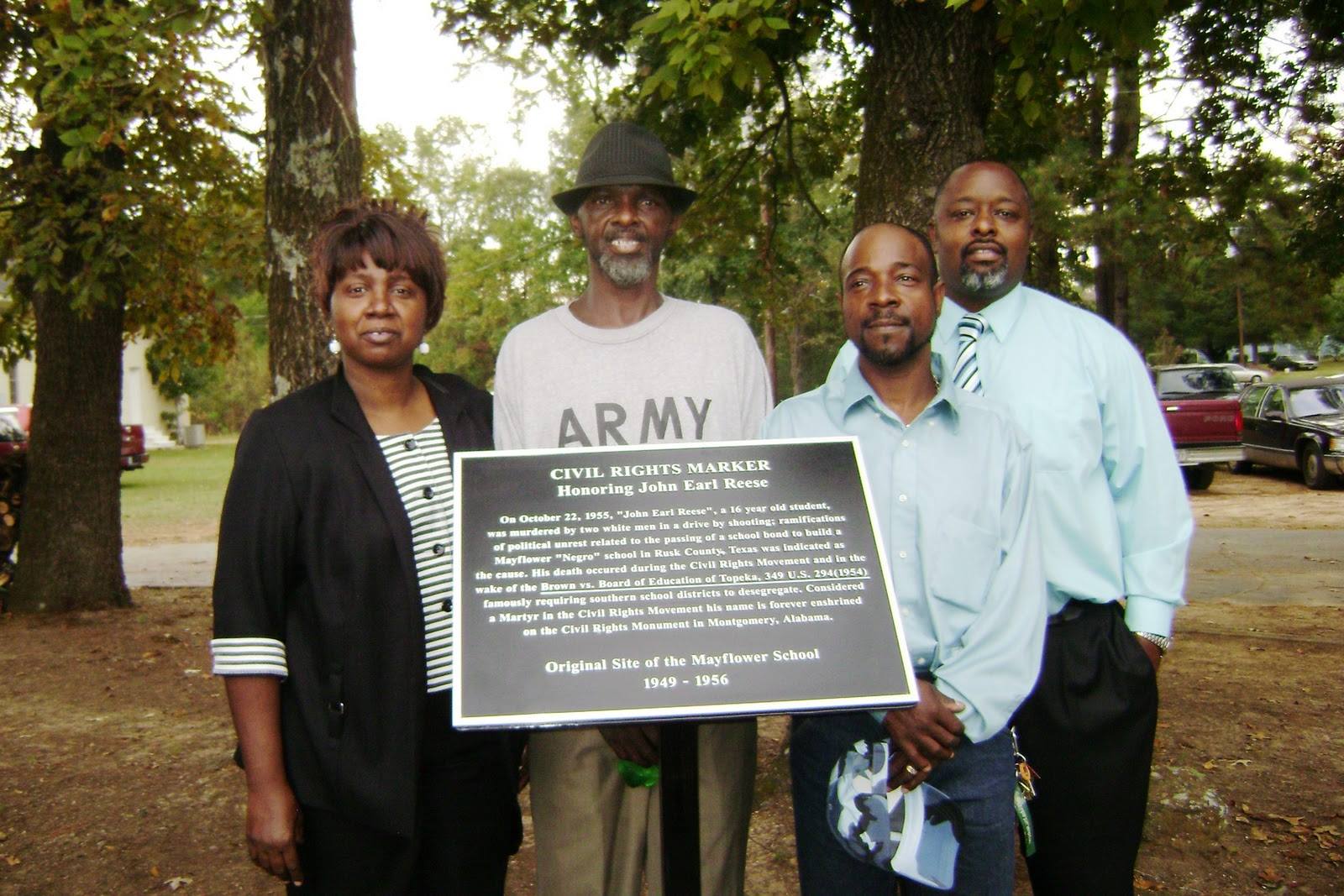
In an effort to stop the implementation of Brown v. Board through terrorism, 16-yr-old John Earl Reese was killed in Mayflower, Texas.
Continue reading
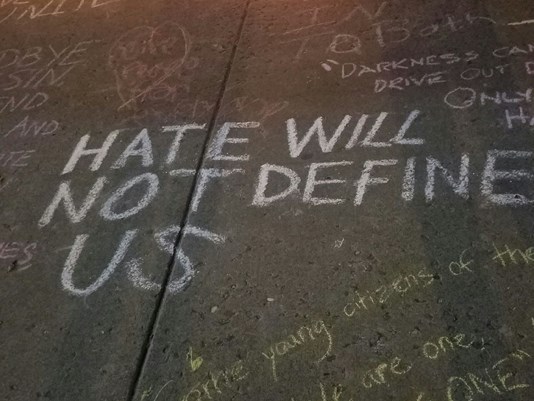
Two hate crime shootings in one week, one of African American shoppers in Kentucky and the other of Jewish worshippers in Pittsburgh.
Continue reading
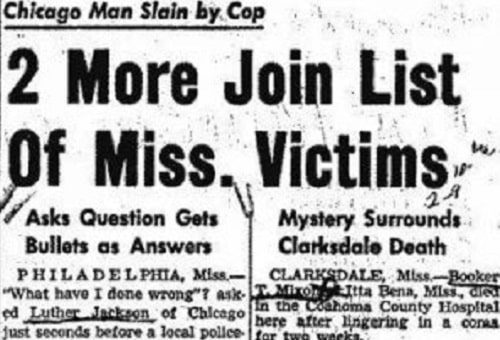
Luther Jackson was murdered by Philadelphia, Mississippi policeman Lawrence Rainey.
Continue reading
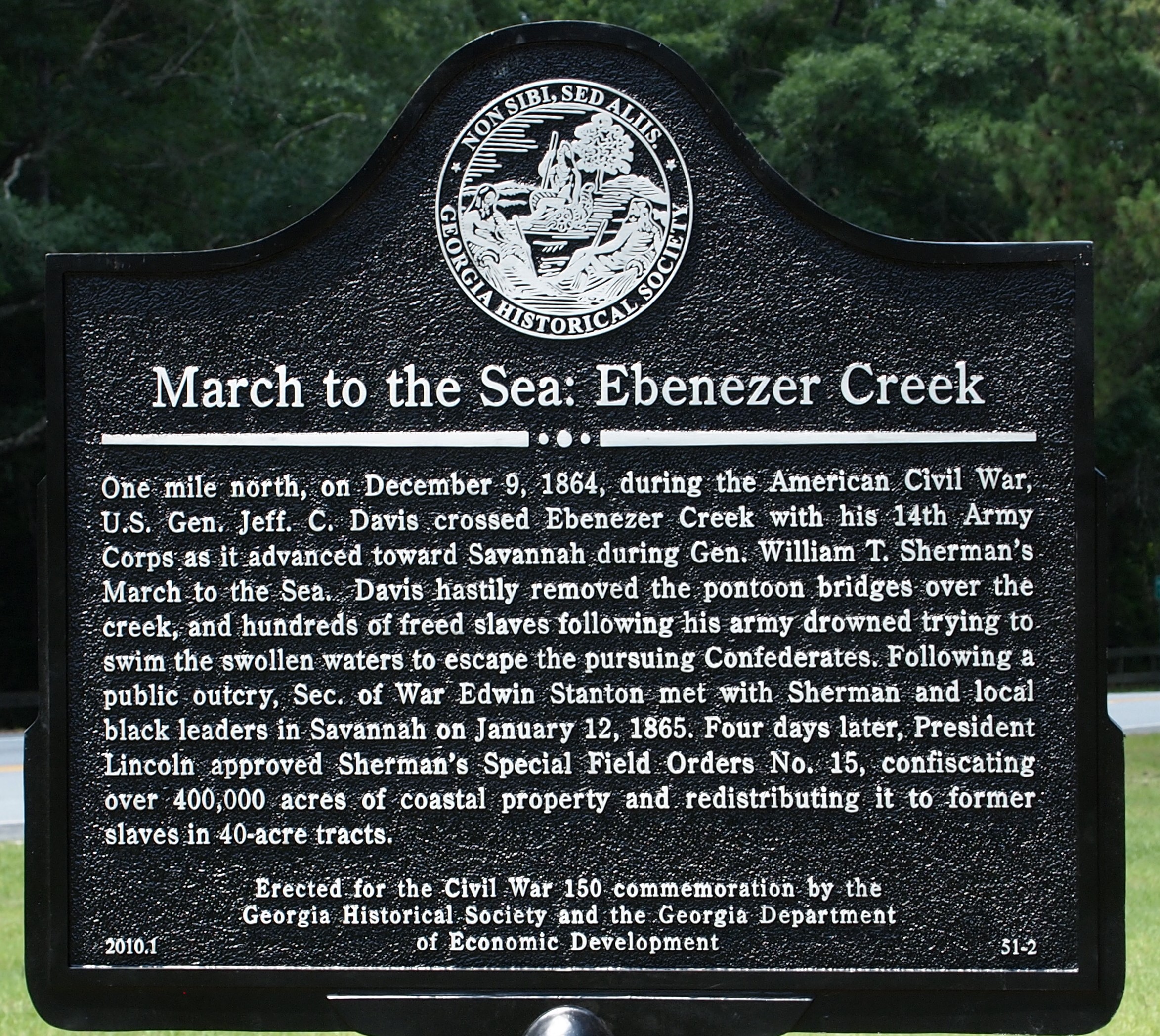
People who had escaped from slavery and were following the Union Army, were blocked from crossing the Ebenezer Creek, leading to their death.
Continue reading
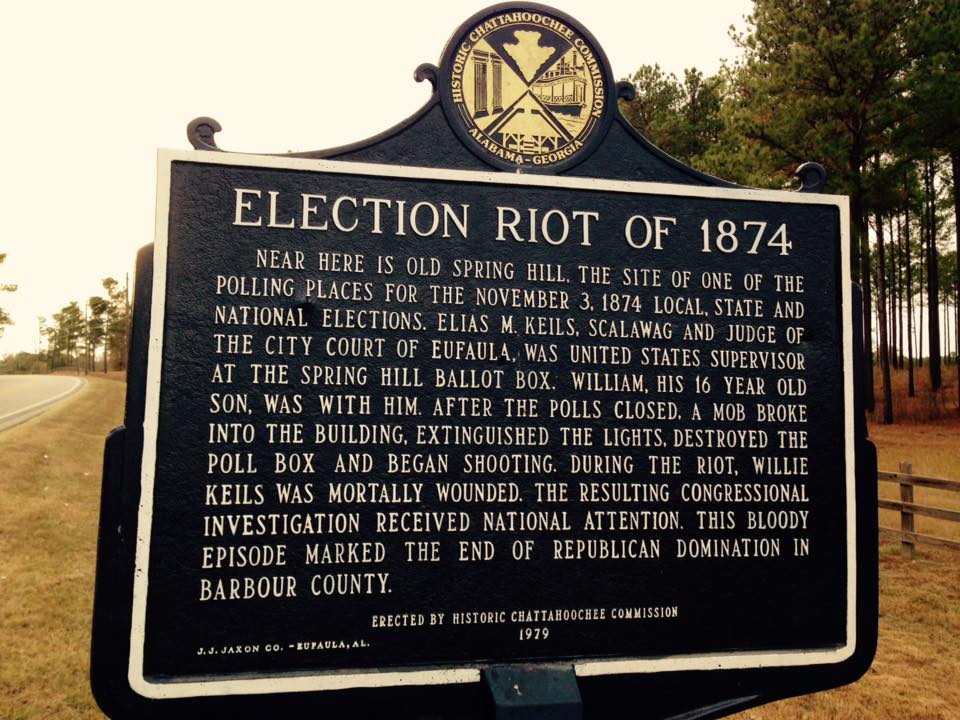
Deadly election “riots” took place in Barbour County, Alabama against African American politicians and voters.
Continue reading
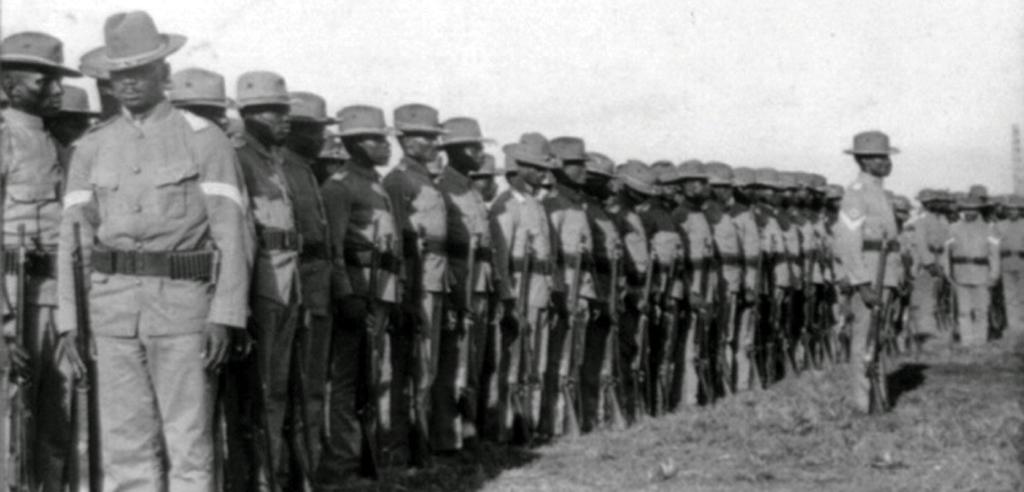
Sergeant Edgar Caldwell, a Black man, was hanged before a crowd of spectators in the yard of the Calhoun County jail for riding in a white streetcar.
Continue reading
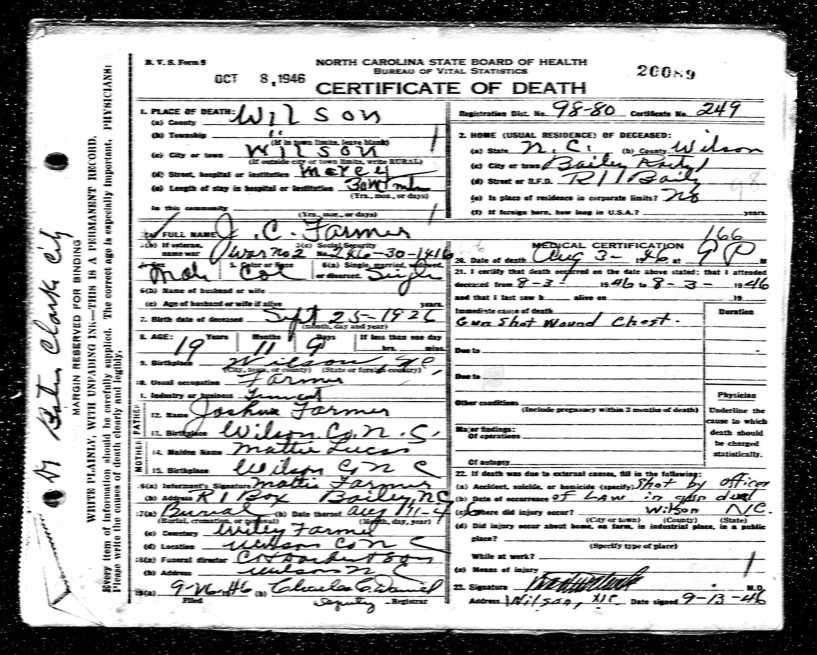
J. C. Farmer, a 19-year-old African American WWII veteran, was killed by a mob of 20 white men.
Continue reading
Nearly 50 African-Americans were killed by white mobs during the Clinton Riot.
Continue reading
The Georgia Constitutional Convention was held with 33 African Americans and 137 white attendees.
Continue reading
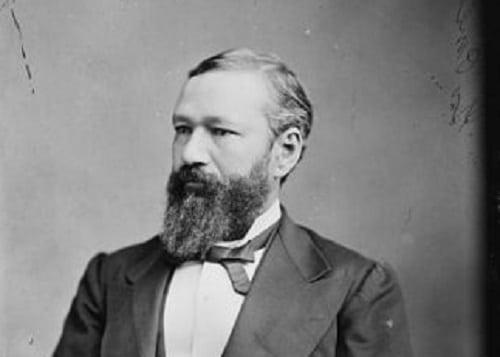
P. B. S. Pinchback of Louisiana became the second Black governor in the United States.
Continue reading
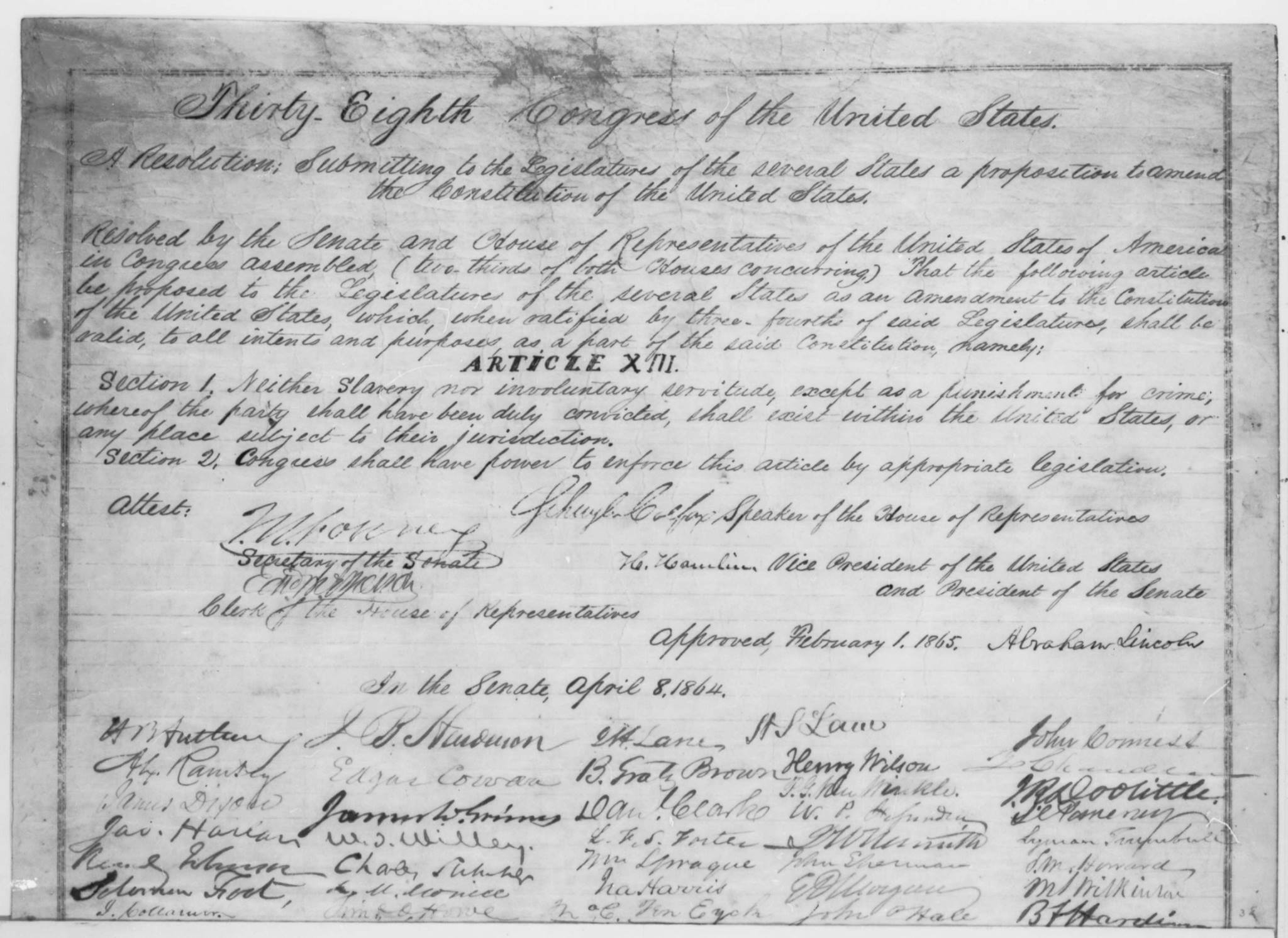
Secretary of State William H. Seward declared the 13th Amendment to the United States Constitution to have been adopted.
Continue reading
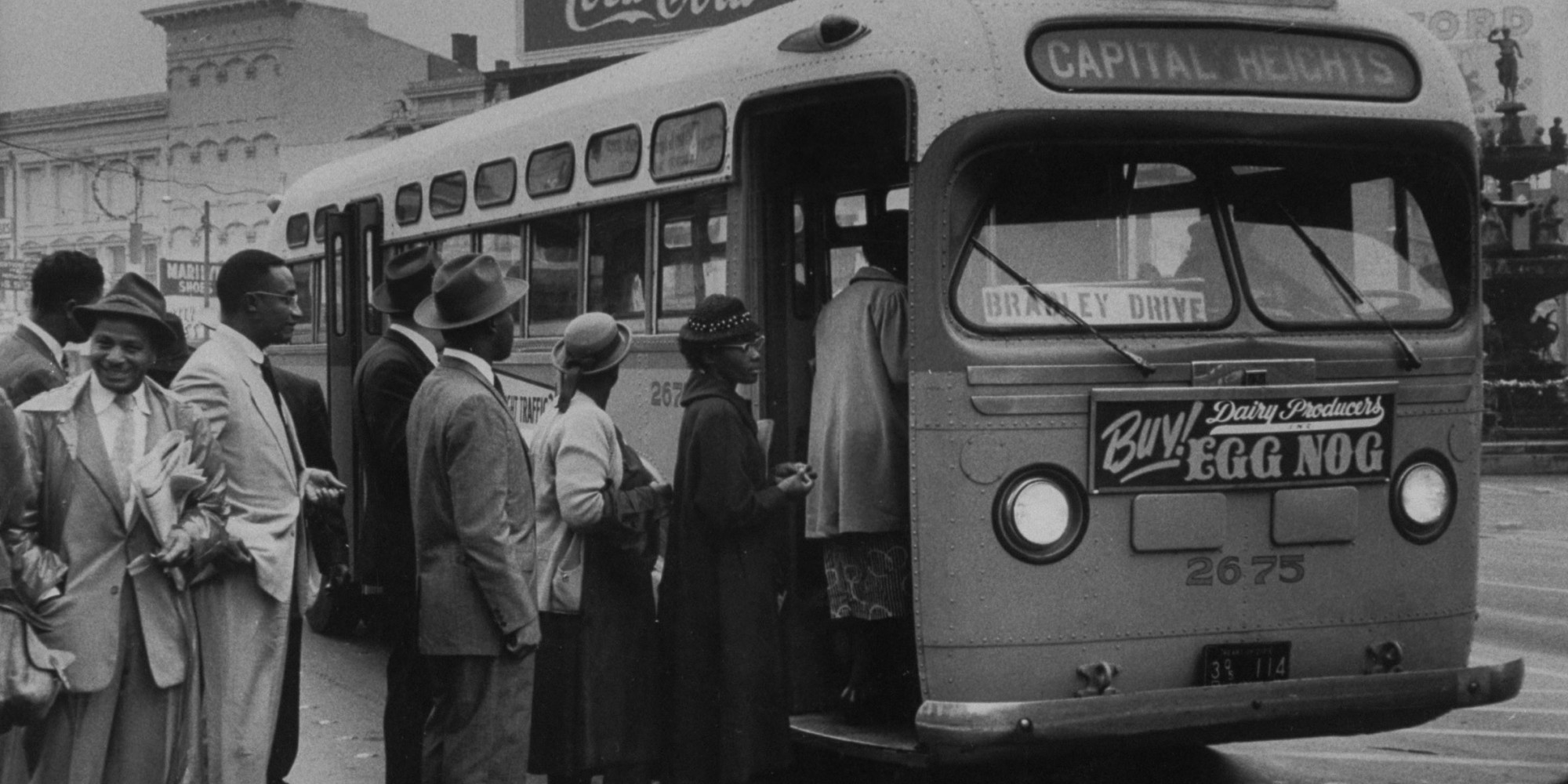
After a 381-day boycott, a federal ruling declared the Alabama laws requiring segregated buses to be unconstitutional.
Continue reading
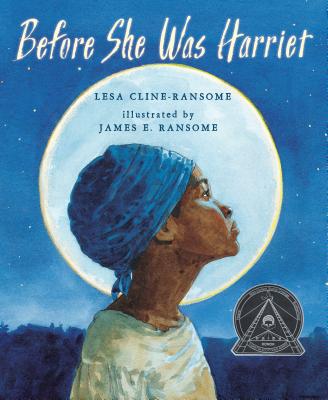
Picture book. By Lesa Cline-Ransome and James E. Ransome. 2017. 32 pages.
An illustrated biography of Harriet Tubman written in verse.
Continue reading
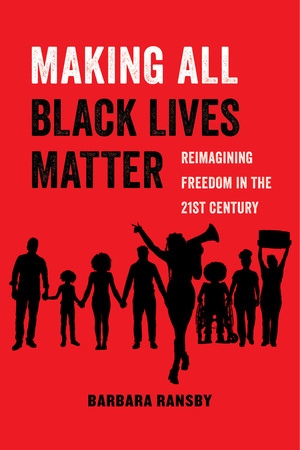
Book — Non-fiction. By Barbara Ransby. 2018. 240 pages.
"A love letter to the organizers in the Movement for Black Lives, and a tribute to their increasingly expansive vision."
Continue reading
Abolitionist and suffragist Harriet Tubman, perhaps the most famous conductor of the Underground Railroad, engineered her first rescue mission in December 1850.
Continue reading
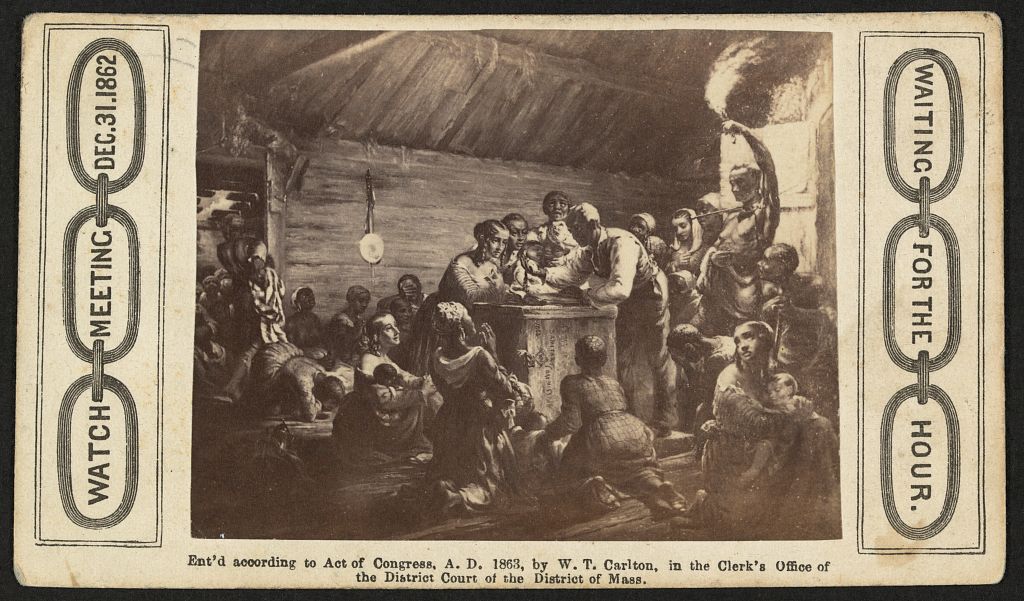
African Americans across the United States, free and enslaved, in the North and South, held watch meetings for the abolition of slavery.
Continue reading
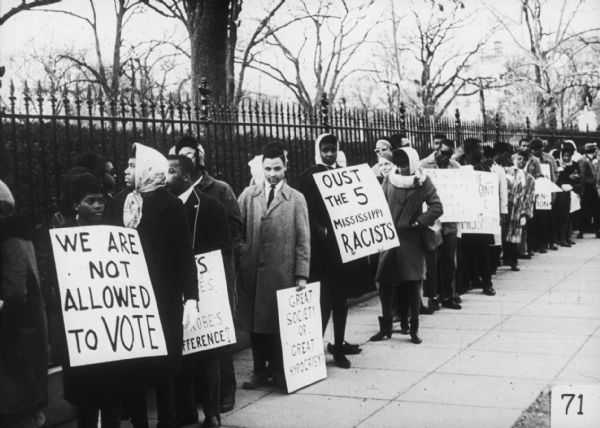
Hundreds of Mississippi Freedom Democratic Party supporters went to support the Challenge to the seating of the Mississippi delegation.
Continue reading
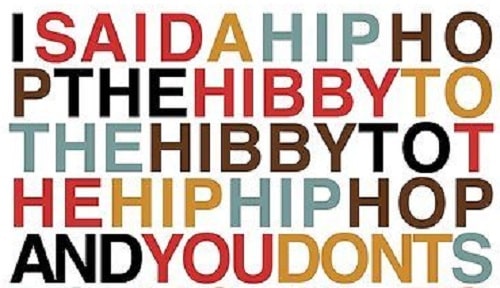
The song “Rapper’s Delight” by the Sugarhill Gang (and reportedly Grandmaster Caz) became the first hip hop single ever to reach the Billboard Top 40.
Continue reading
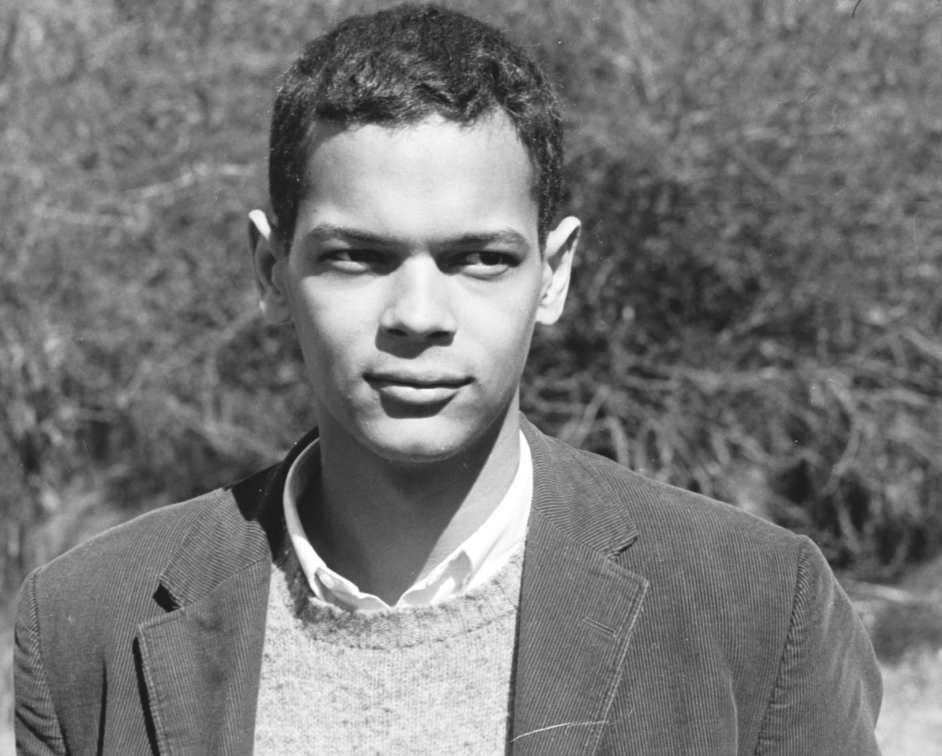
Julian Bond was finally sworn in as a member of the Georgia House of Representatives.
Continue reading
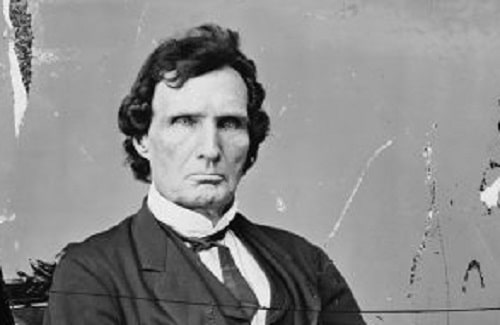
Congressman Thaddeus Stevens offered an amendment to the Freedmen's Bureau Bill to authorize the distribution of public land.
Continue reading
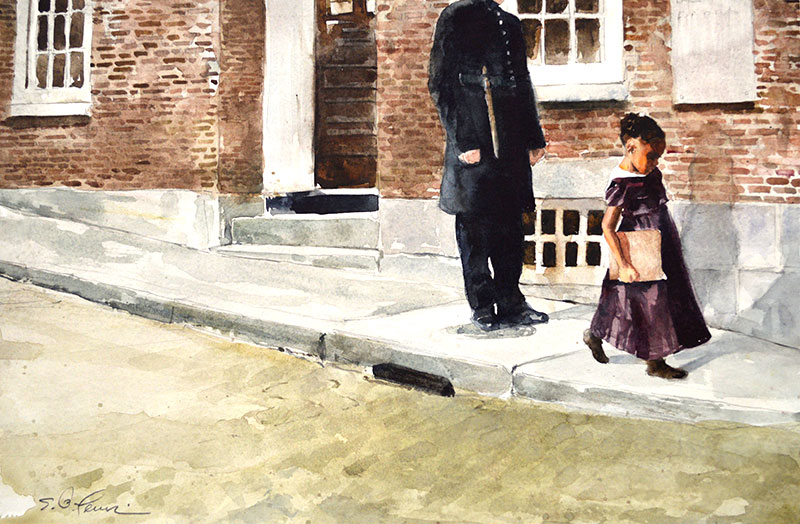
Benjamin Roberts, African American, filed the first school desegregation suit after his daughter Sarah was barred from a public school because of her race in Boston, Massachusetts.
Continue reading
The Bureau of Refugees, Freedmen, and Abandoned Lands was established within the War Department to undertake the relief effort and social reconstruction after the Civil War.
Continue reading
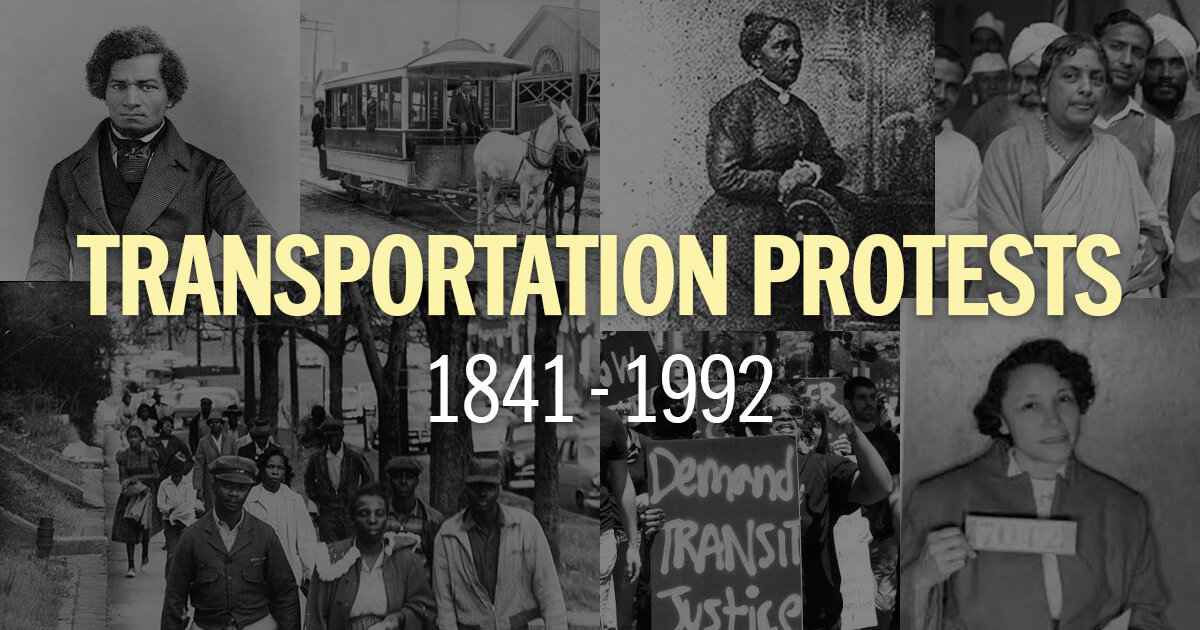
African Americans in Little Rock organized a boycott and “we walk” league to protest the Streetcar Segregation Act.
Continue reading
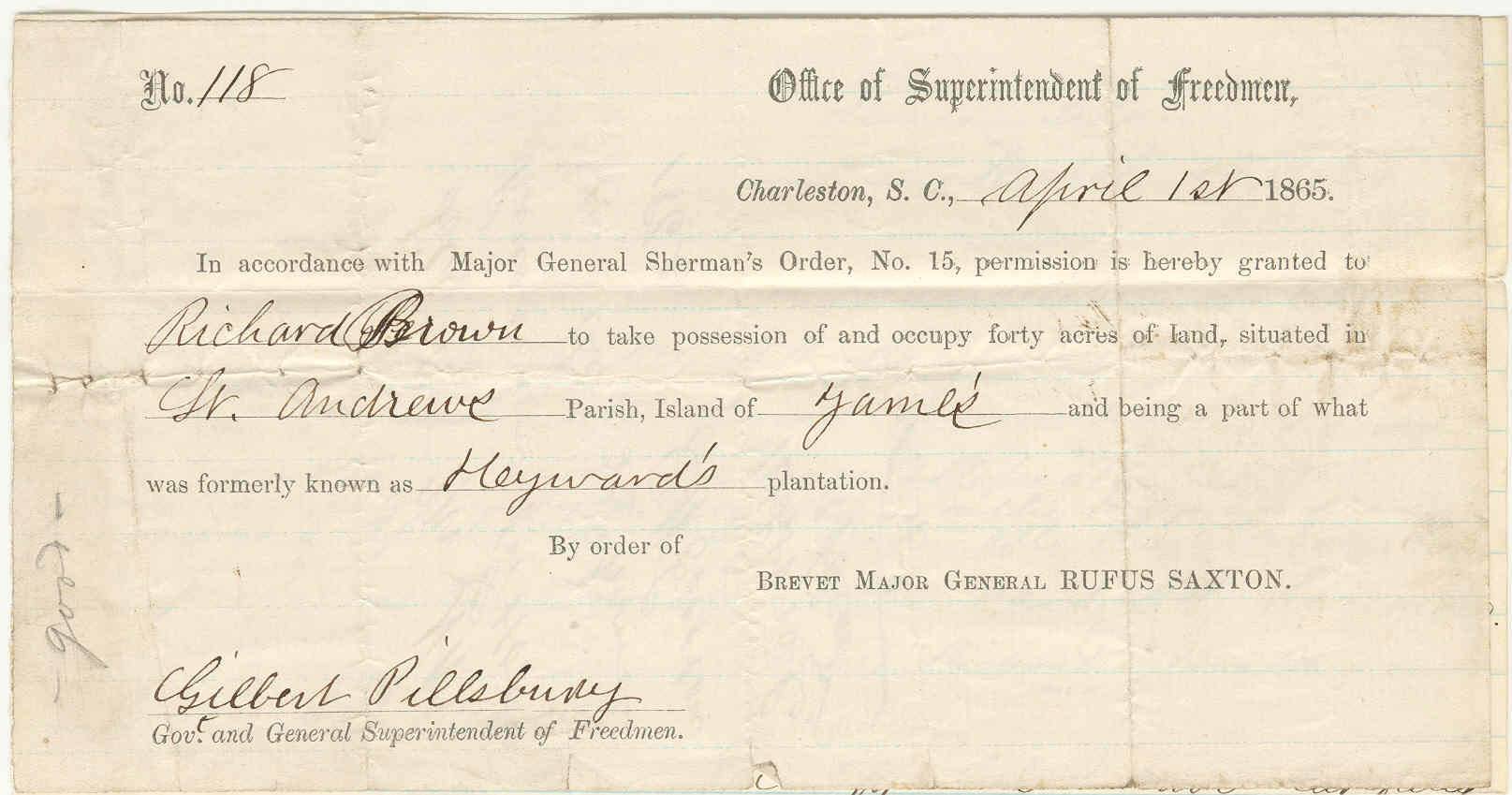
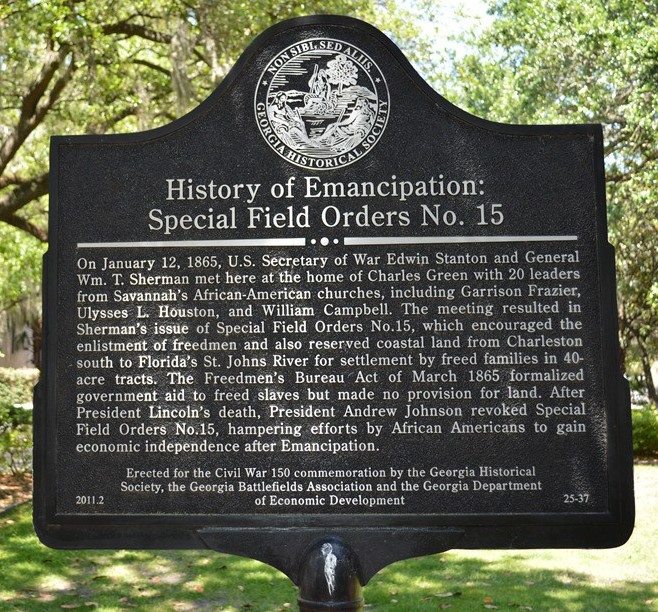
Demands by Black ministers after the Ebenezer Creek Massacre led to the short-lived land distribution during Reconstruction known as Special Field Order No. 15.
Continue reading