Teaching Activity. By Katharine Johnson. Rethinking Schools. 10 pages.
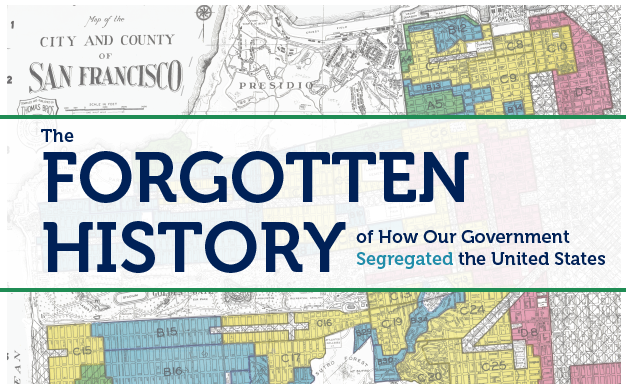
An elementary school teacher introduces the history of redlining through a role play designed for 1st and 2nd graders.
Continue reading
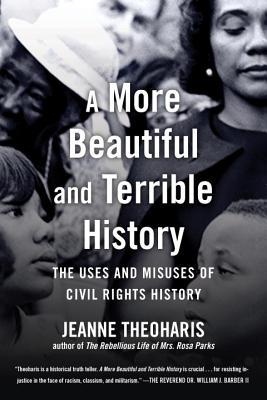
Book — Non-fiction. By Jeanne Theoharis. 2018. 282 pages.
A non-academic, popular historiography that challenges educators to revamp curriculum to include a fuller, more critical history of the Civil Rights era.
Continue reading
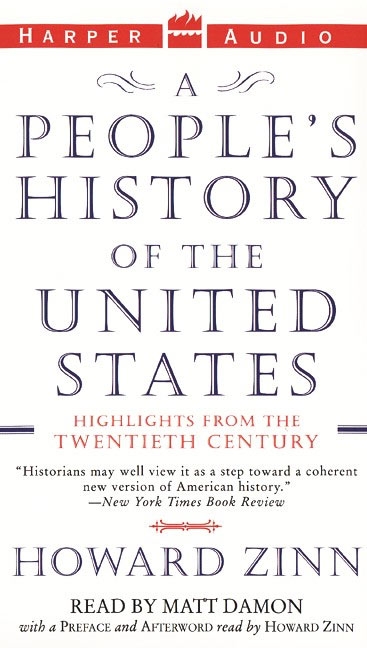
Audio. By Howard Zinn. Read by Matt Damon. 2003. 8 hours, 44 minutes.
Audio book version of excerpted highlights from A People's History of the United States.
Continue reading
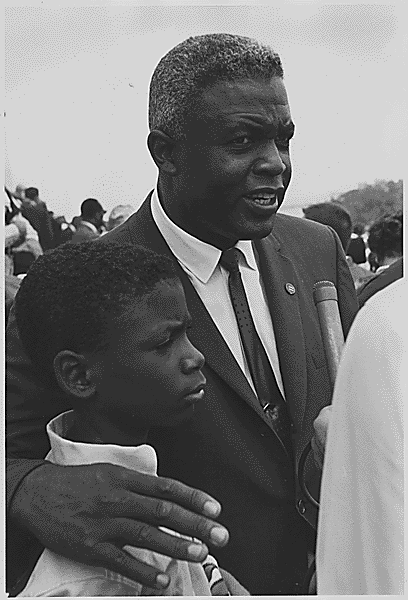
Article. By Dave Zirin. 2013.
Dave Zirin describes how 42 limits the story to a tale of “individual triumph through singular greatness,” ignoring the social movements and broader context of the time.
Continue reading
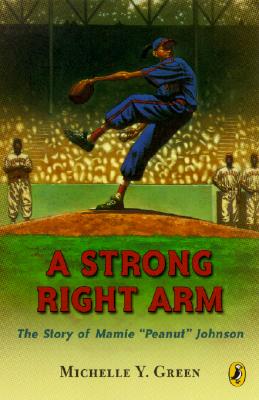
Book — Non-fiction. By Michelle Y. Green. Illustrated by Kadir Nelson. 2004. 128 pages.
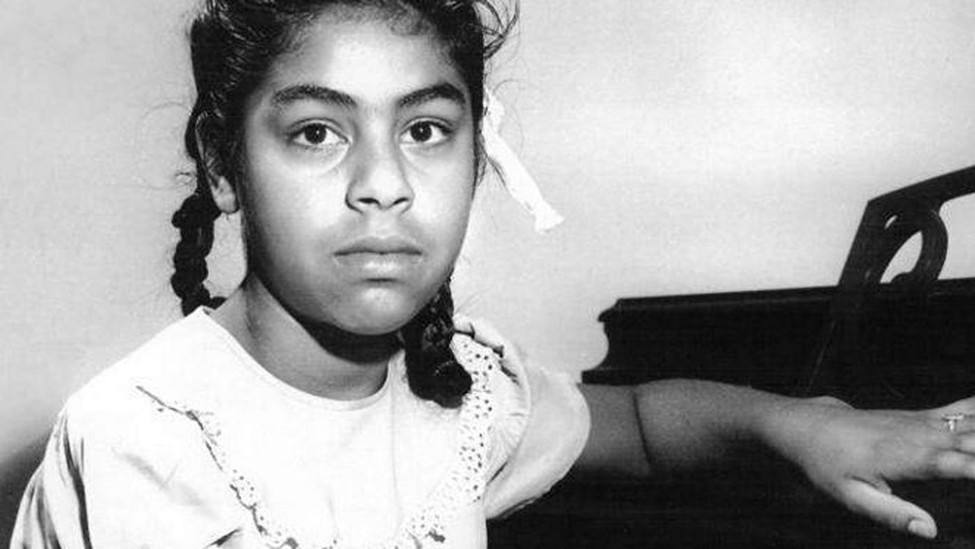
A biography on one of only three women to play baseball in the Negro Leagues.
Continue reading
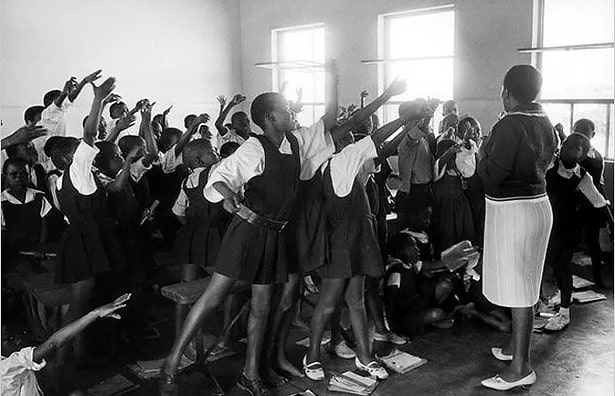
The African National Congress called on parents to withdraw their children from schools to resist the 1953 Bantu Education Act.
Continue reading
When Gonzalo and Felicitas Mendez, two California farmers, sent their children to a local school, their children were told that they would have to go to a separate facility reserved for Mexican American students.
Continue reading
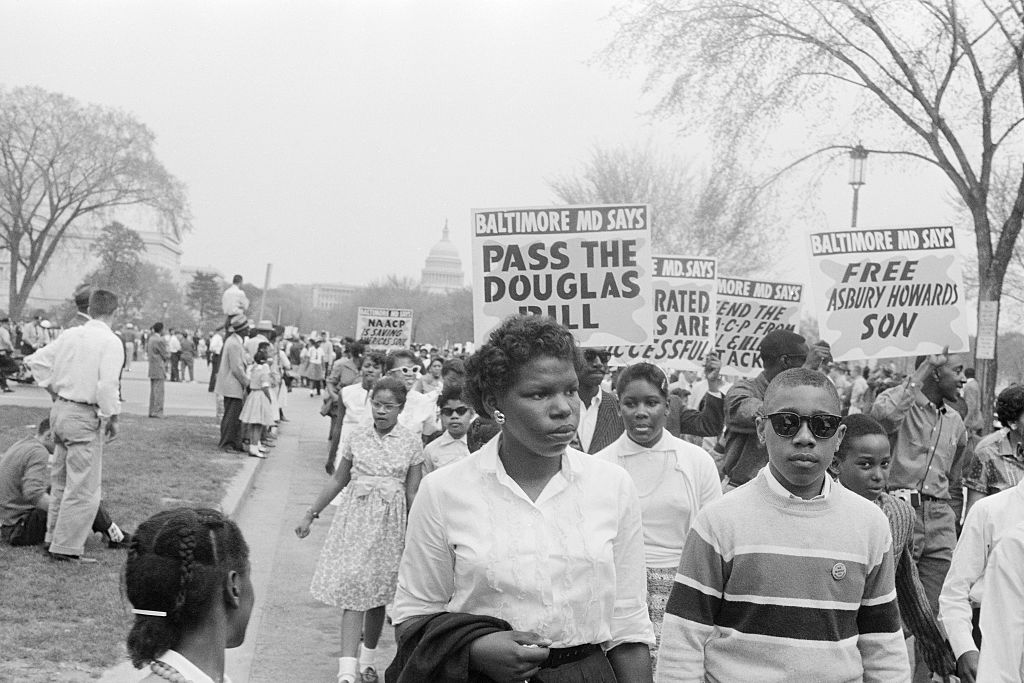
26,000 high school and college students came to Washington, D.C. to demand the end of segregated schools.
Continue reading
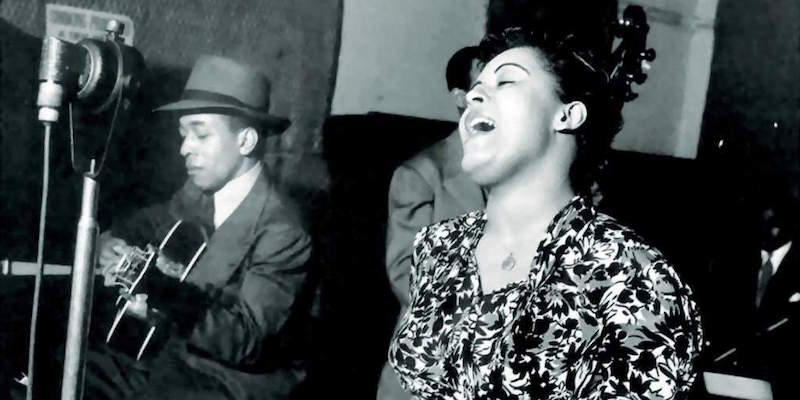
Billie Holiday was a legendary jazz singer and songwriter. Also born today, Harry Hay and Daniel Ellsberg.
Continue reading
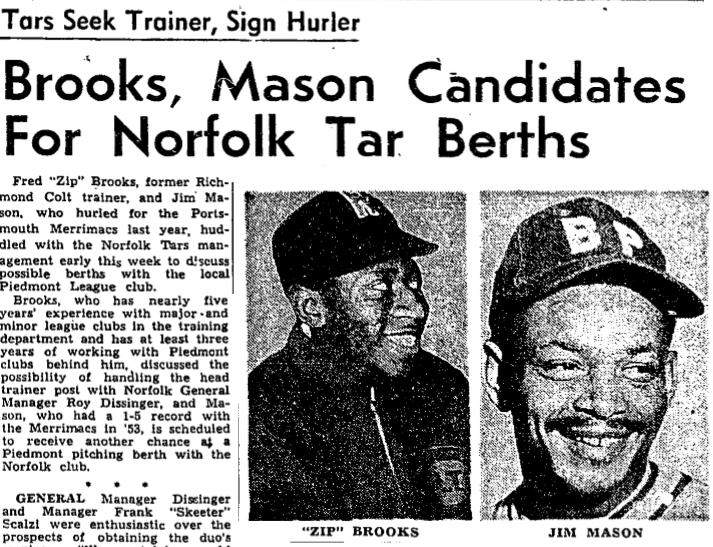
A successful boycott of the Norfolk Tars by Black sports fans leads the team to desegregate both the players and stadium seating.
Continue reading
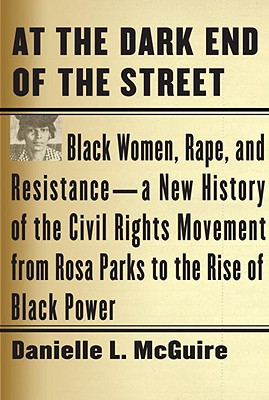
Book — Non-fiction. By Danielle L. McGuire. 2010. 352 pages.
History of the violence against African-American women during the 20th century and the role played by Rosa Parks in the organized legal response to that abuse.
Continue reading
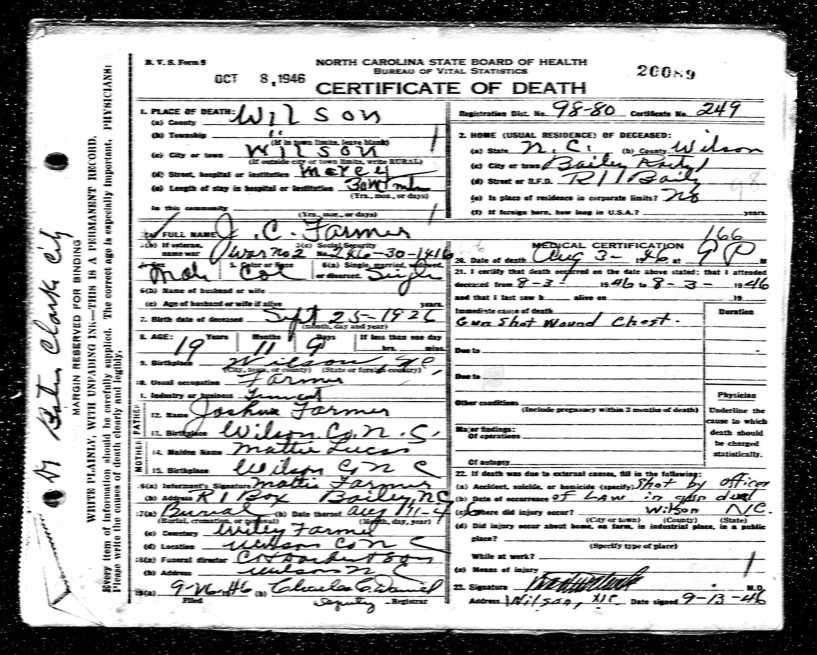
J. C. Farmer, a 19-year-old African American WWII veteran, was killed by a mob of 20 white men.
Continue reading
The United States dropped an atomic bomb for the first time in war over the Japanese city of Hiroshima.
Continue reading
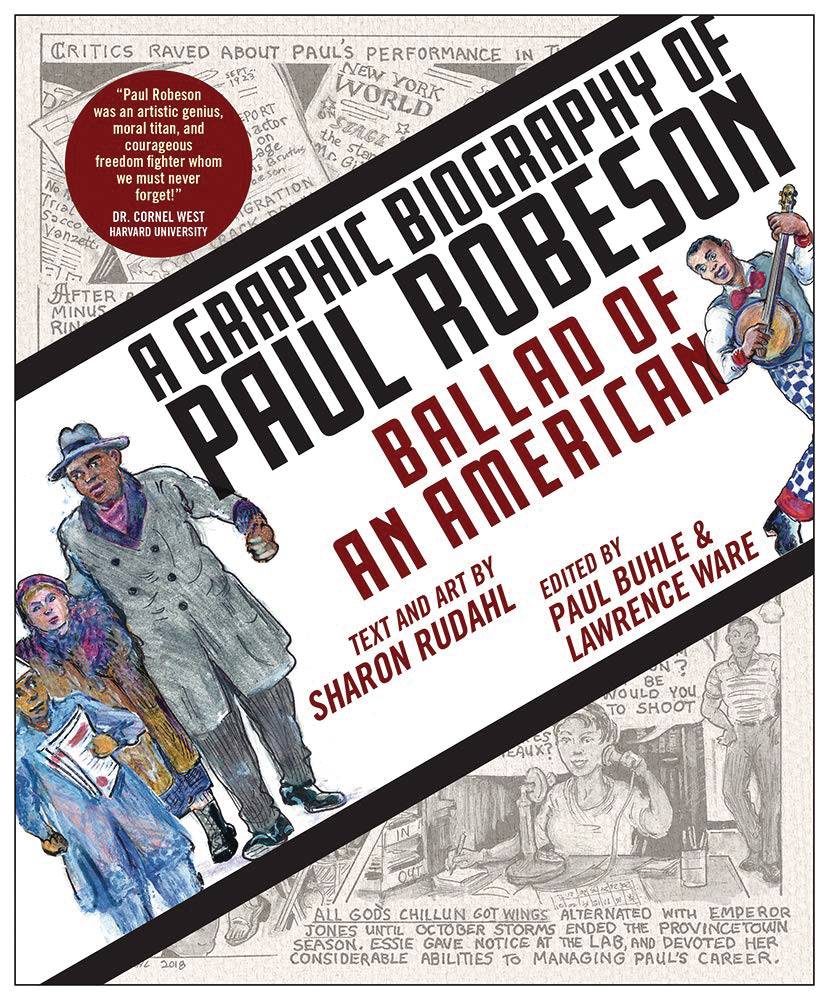
Book — Non-fiction. Written and illustrated by Sharon Rudahl. Edited by Paul Buhle and Lawrence Ware. 2020. 142 pages.
The first-ever graphic biography of Paul Robeson charts Robeson’s career as a singer, actor, scholar, athlete, and activist who achieved global fame.
Continue reading
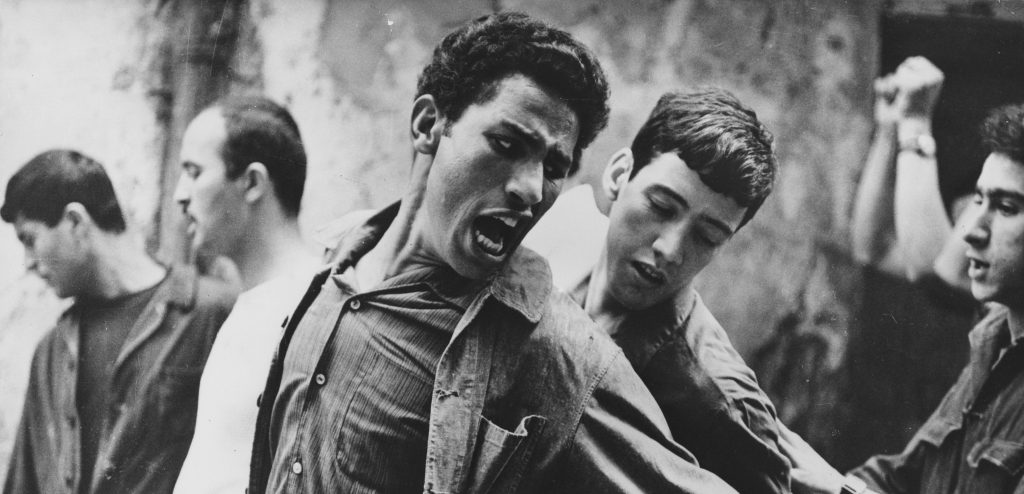
Film. Directed by Gillo Pontecorvo. 1966. 123 minutes.
This film documents the armed insurgency against the French colonial powers in Algiers, showing the brutality and desperation of war.
Continue reading
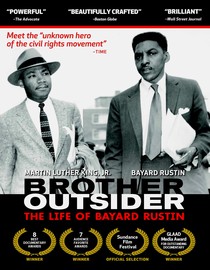
Film. Produced by Nancy Kates and Bennett Singer. 2002. 83 minutes.
Documentary about the life of peace, labor, and civil rights activist Bayard Rustin.
Continue reading
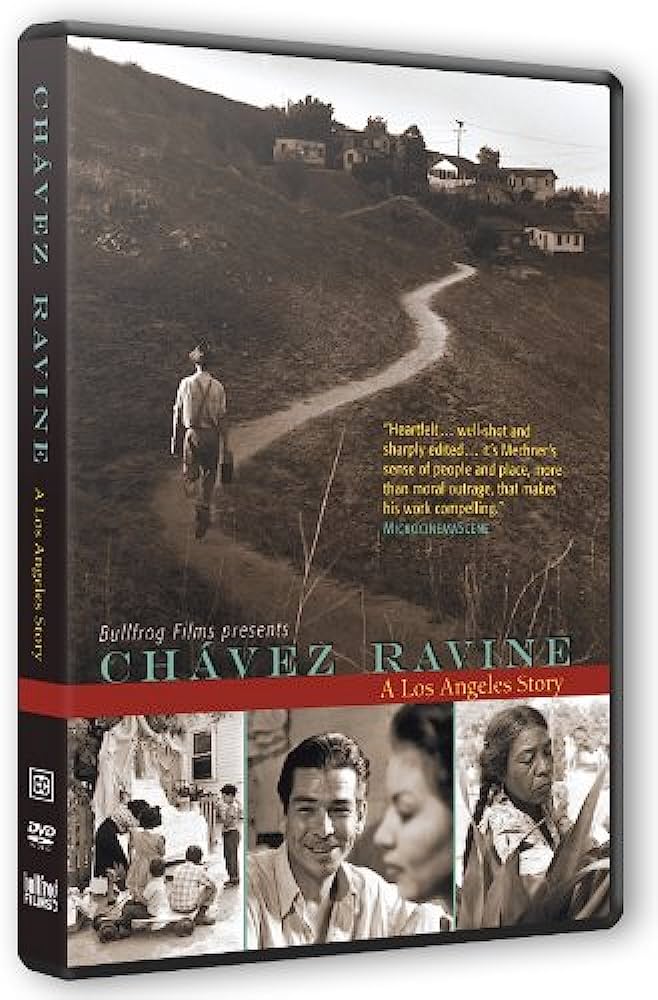
Film. By Jordan Mechner. 2004. 26 minutes.
A documentary about the politics and economics of land in the United States, based on the story of a Mexican American village razed in the 1950s to build Dodger Stadium.
Continue reading
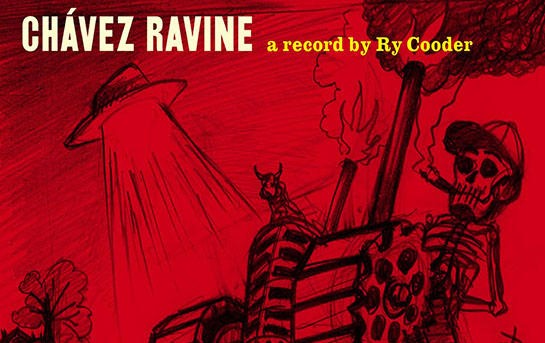
Songs. By Ry Cooder. 2005. 70 minutes.
The story of the Chicano community bulldozed to pave the way for the Dodger Stadium in Santa Monica, told through bilingual songs.
Continue reading
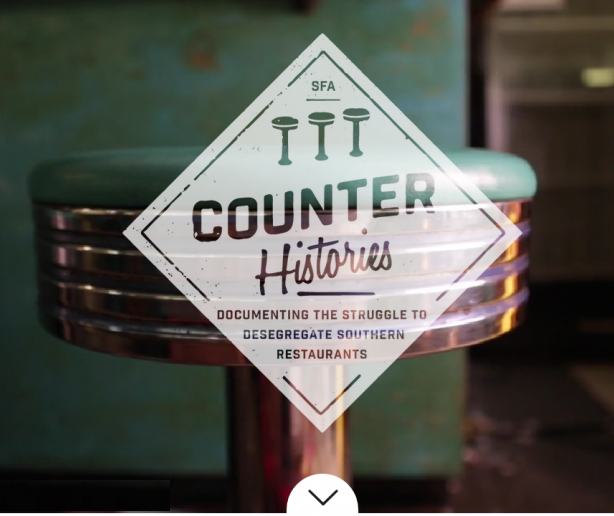
Digital Collection. Produced by John T. Edge and the Southern Foodways Alliance; directed by Kate Medley.
Five short films that document the civil disobedience staged at segregated lunch counters in the 1950s and 60s.
Continue reading
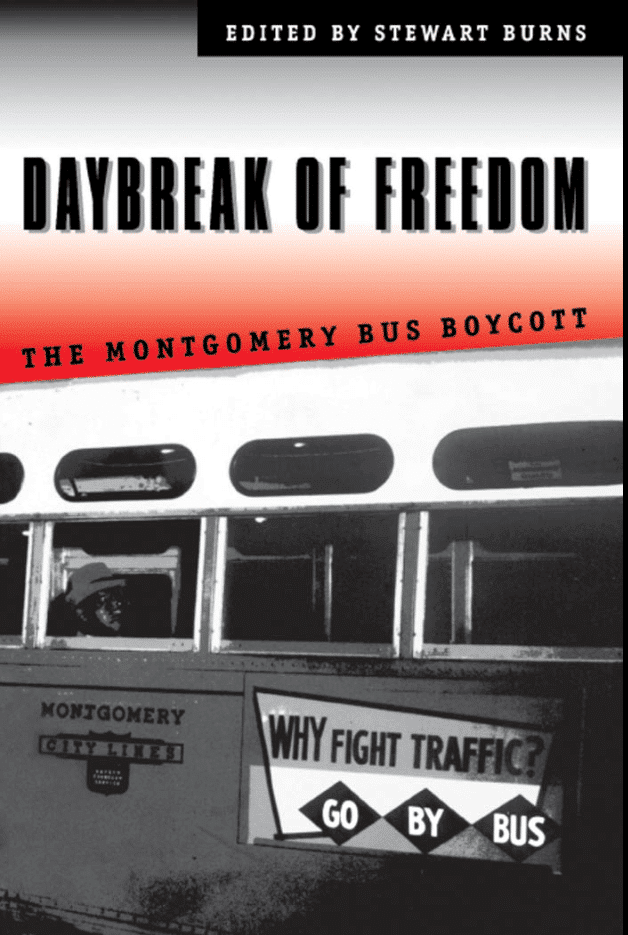
Book — Non-fiction. Edited by Stewart Burns 1997. 392 pages.
A documentary history of the Montgomery bus boycott that reverberates with the voices of those closest to the boycott.
Continue reading
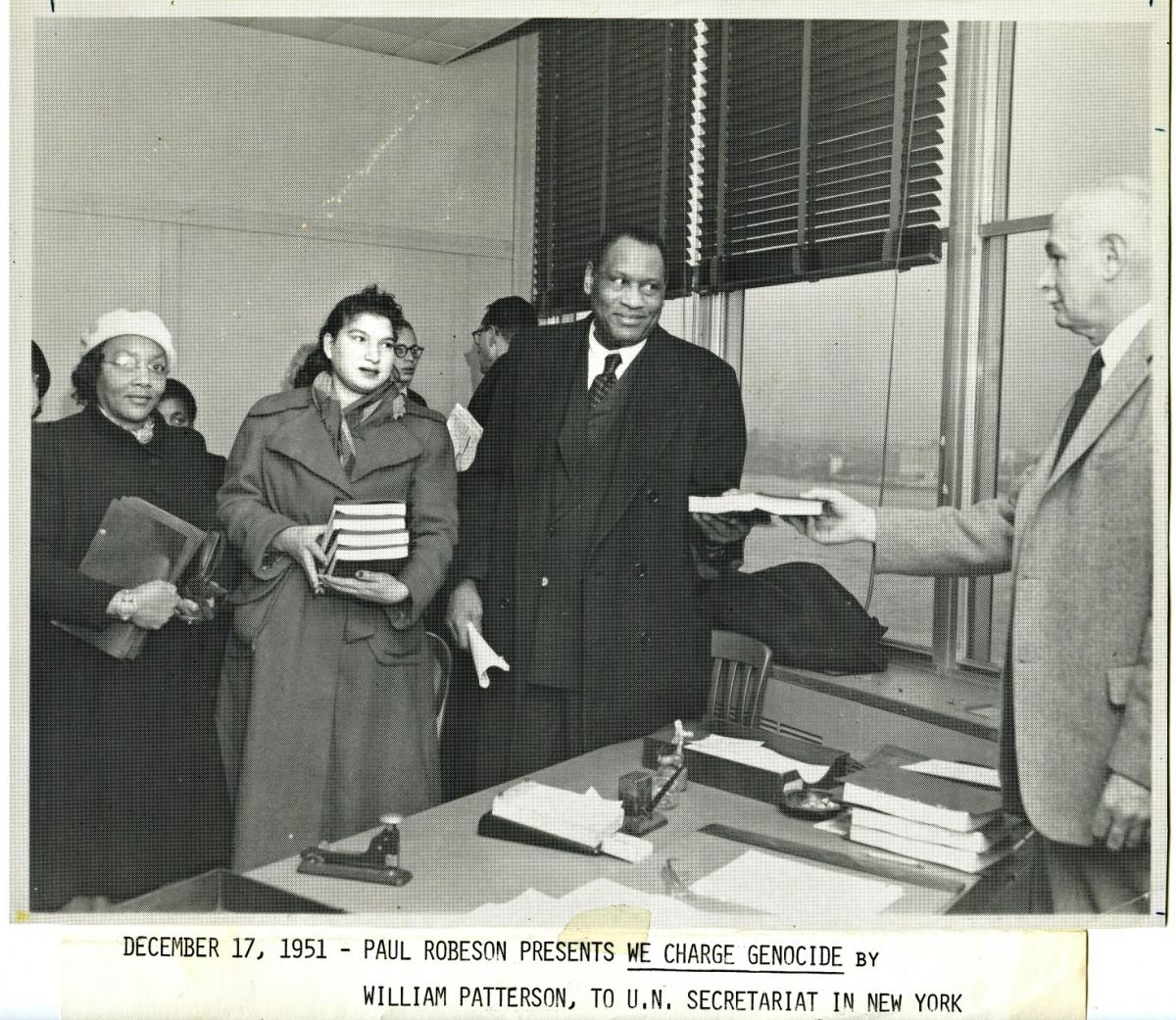
Paul Robeson and William Patterson submitted a petition from the Civil Rights Congress (CRC) to the United Nations, signed by almost 100 U.S. intellectuals and activists.
Continue reading
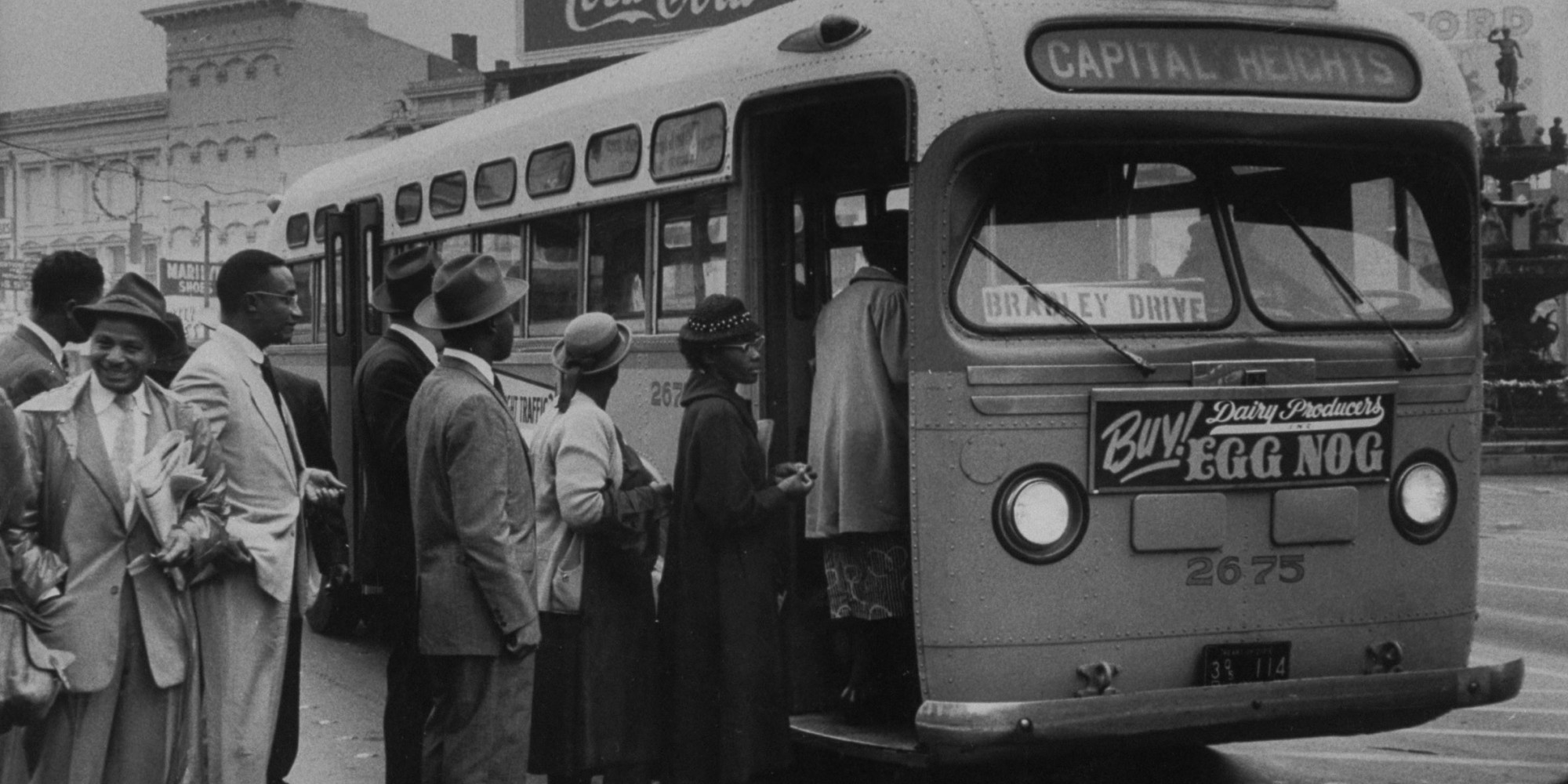
After a 381-day boycott, a federal ruling declared the Alabama laws requiring segregated buses to be unconstitutional.
Continue reading
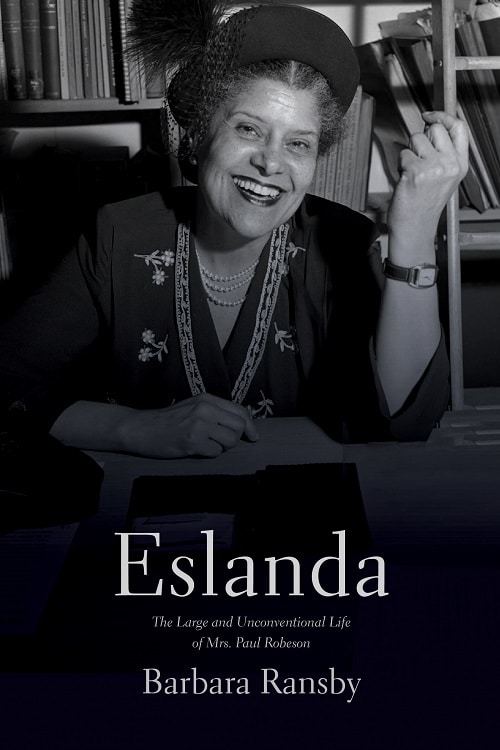
Book — Non-fiction. By Barbara Ransby. 2013. 373 pages.
This biography of cosmopolitan anthropologist Eslanda Cardozo Goode Robeson explores her influence on her husband's early career, their open marriage, and her life as a prolific journalist, a tireless advocate of women's rights, and an outspoken anti-colonial and antiracist activist.
Continue reading