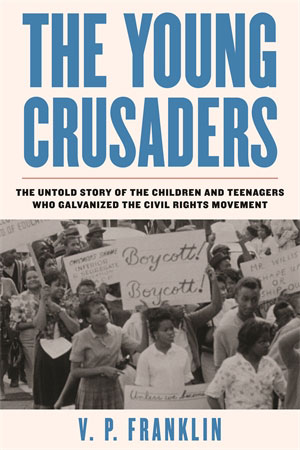
Book — Non-fiction. By V. P. Franklin. 2021. 328 pages.
This books tells the story of the hundreds of thousands of children and teenagers who engaged in sit-ins, school strikes, boycotts, marches, and demonstrations in which Dr. Martin Luther King Jr. and other national civil rights leaders played little or no part.
Teaching Activity by V. P. Franklin
Continue reading
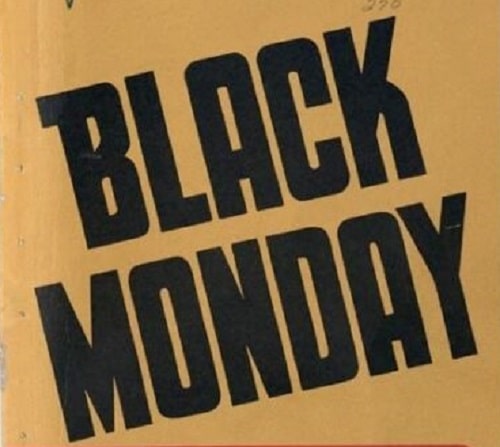
Future Mississippi Supreme Court Justice Tom P. Brady delivered a racist speech called “Black Monday” in response to the U.S. Supreme Court’s Brown v. Board of Education decision, inspiring many white leaders to join the White Citizens’ Council.
Continue reading
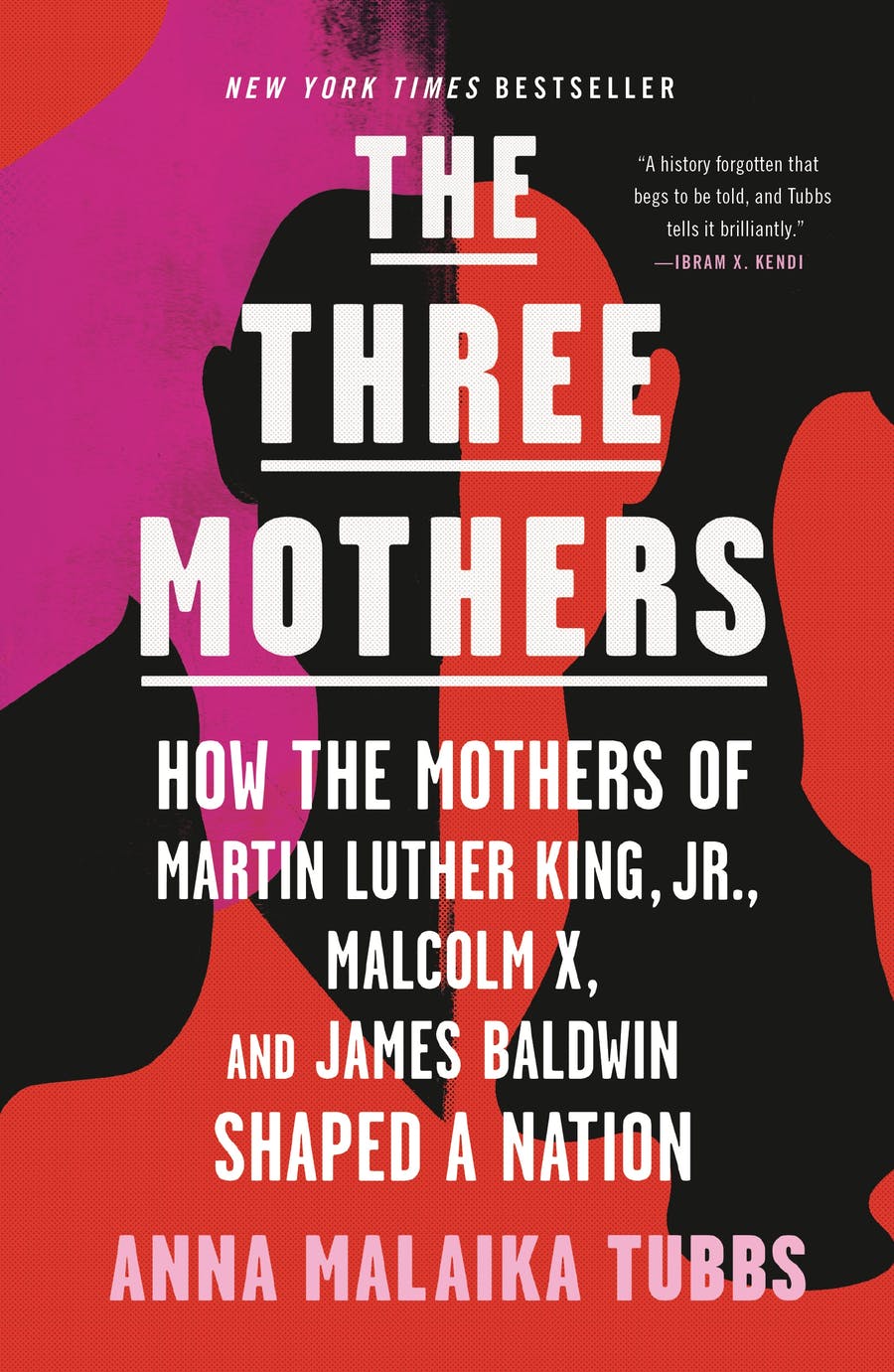
Book — Non-fiction. By Anna Malaika Tubbs. 2021. 288 pages.
This book details the lives of Berdis Baldwin, Alberta King, and Louise Little, the mothers of James Baldwin, Martin Luther King Jr., and Malcolm X, respectively.
Continue reading
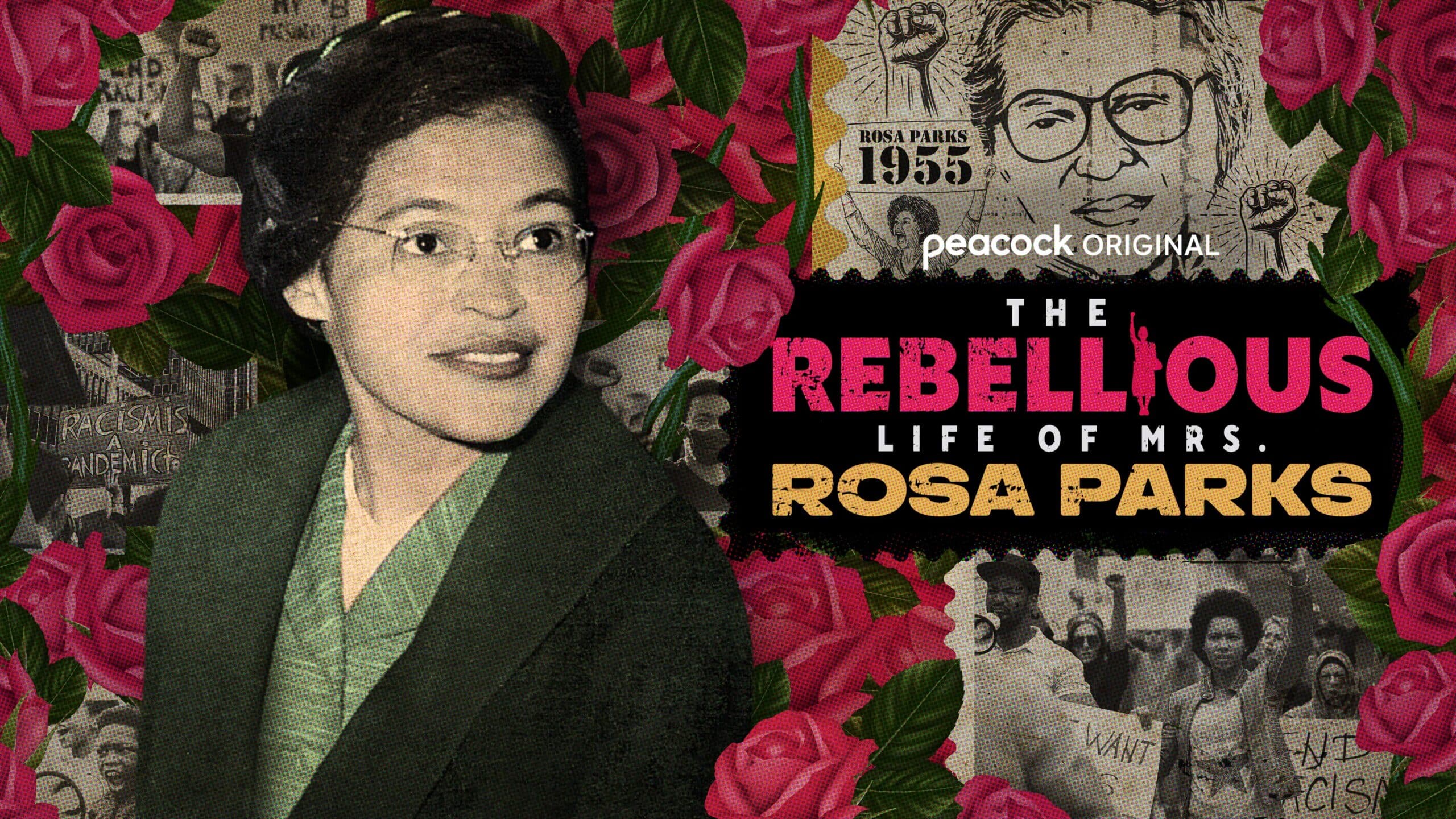
Film. Directed by Johanna Hamilton and Yoruba Richen. Produced by Soledad O’Brien. 2022. 101 minutes.
This documentary sheds light on Rosa Parks' extensive organizing, radical politics, and lifelong dedication to justice.
Continue reading
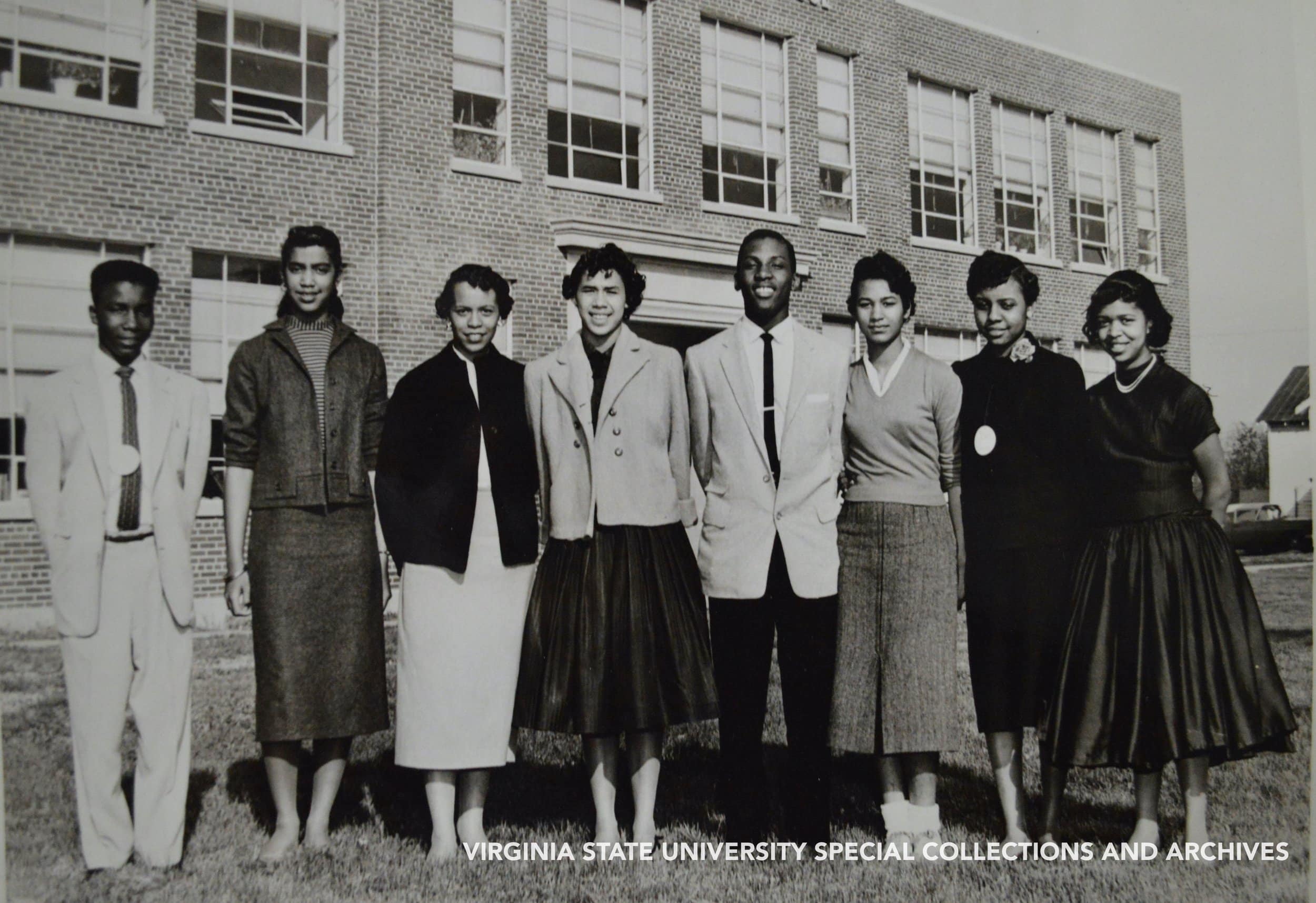
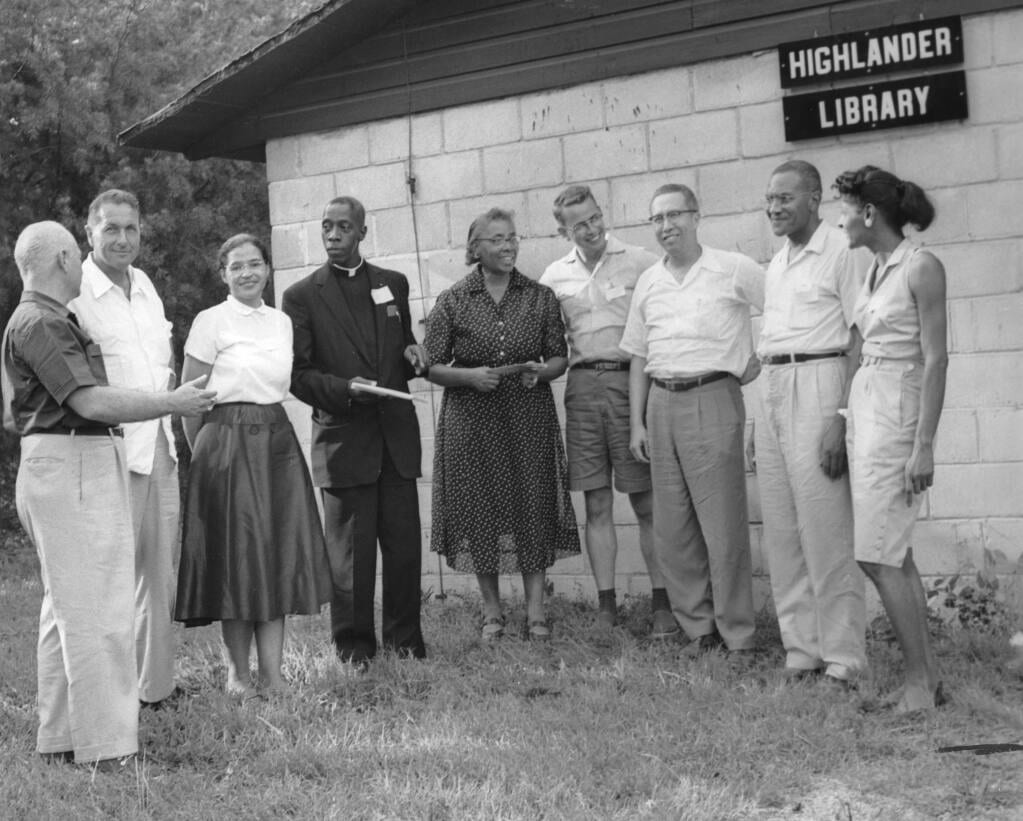
The Virginia Interscholastic Association (VIA) was established to provide African American high school students in Virginia with athletic, artistic, academic, and leadership opportunities unavailable to them in segregated schools.
Continue reading
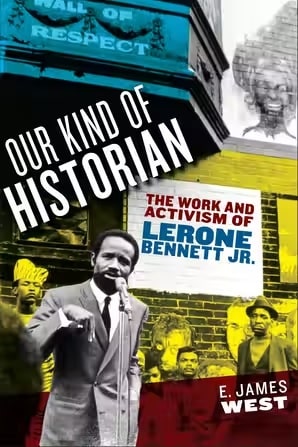
Book — Non-fiction. By E. James West. 2022. 328 pages.
This biography examines the life of historian and activist Lerone Bennett Jr. and his influence on African American culture and history.
Continue reading
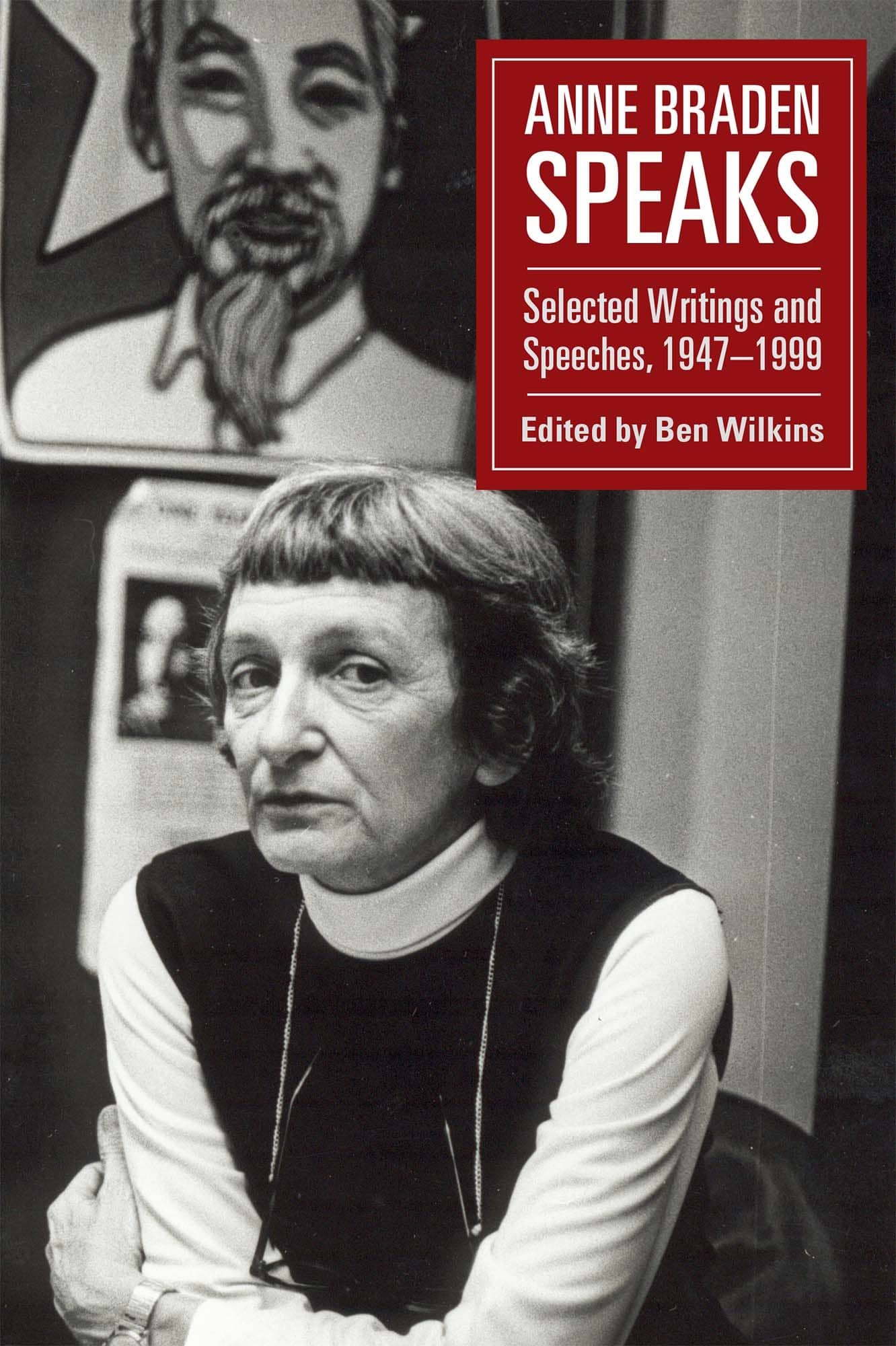
Book — Non-fiction. Edited by Ben Wilkins. 2022. 216 pages.
A representative collection of Anne Braden's writings, speeches, and letters, from the relationship between race and capitalism, to the role of the South in U.S. society, to the function of anti-communism.
Continue reading
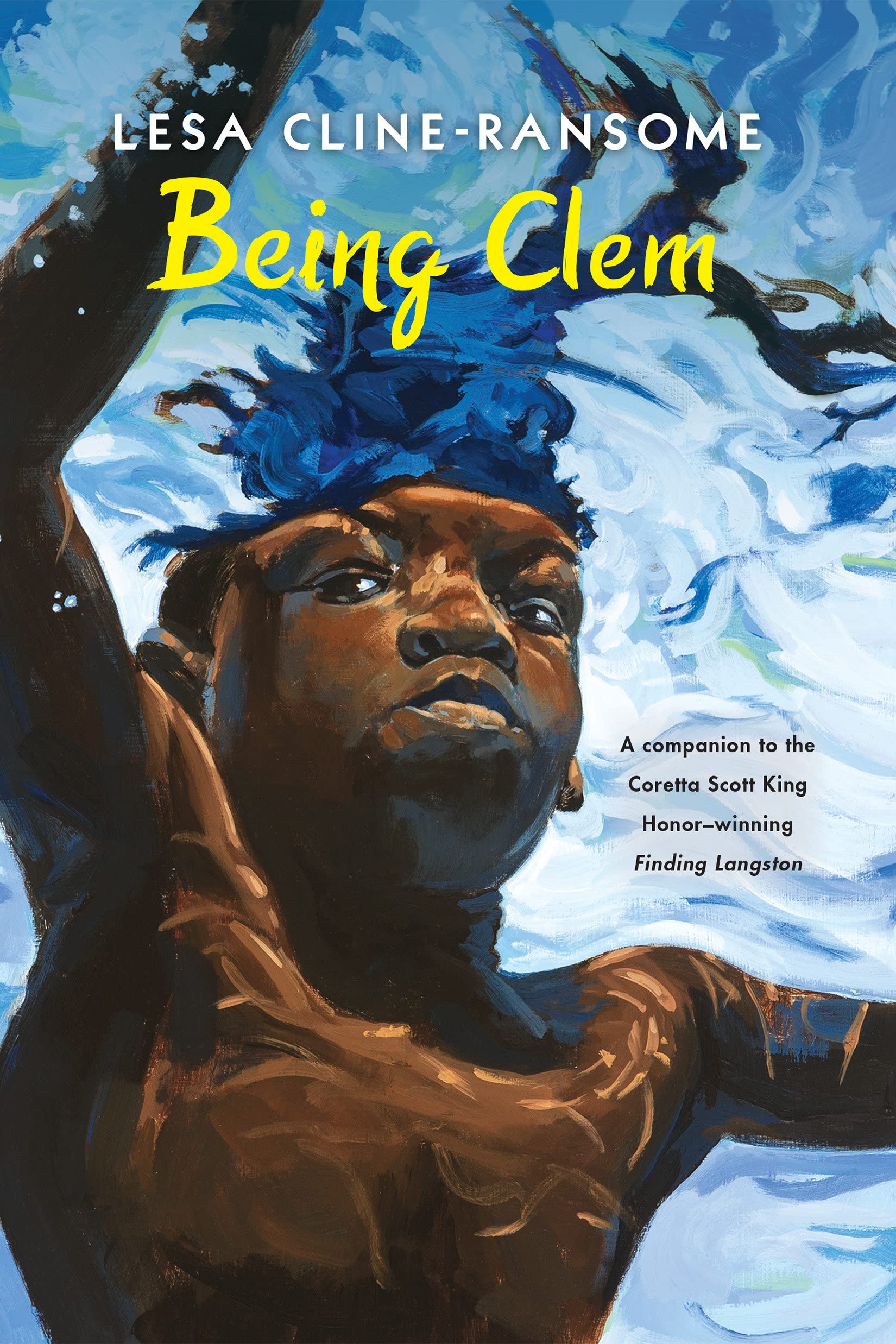
Book — Fiction. By Lesa Cline-Ransome. 2021. 256 pages.
The final novel in the award-winning Finding Langston trilogy, this novel examines mid-twentieth century America through the eyes of Clem, a young boy whose family is torn apart after his father's untimely death.
Teaching Activity by Lesa Cline-Ransome
Continue reading
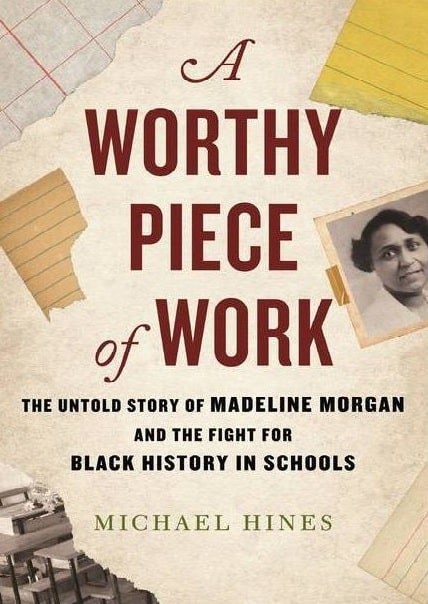
Book — Non-fiction. By Michael Hines. 2022. 224 pages.
The story of Madeline Morgan, a teacher and an activist who created curricula that bolstered Black claims for recognition and equal citizenship.
Continue reading
Teaching Activity. By Jesse Hagopian. 4 pages.
With a short video and readings with competing viewpoints, students will learn about master narratives and counter-narratives and how they apply to Rosa Parks’ life. This activity can be introduced before watching the film or reading the book, The Rebellious Life of Mrs. Rosa Parks.
Continue reading
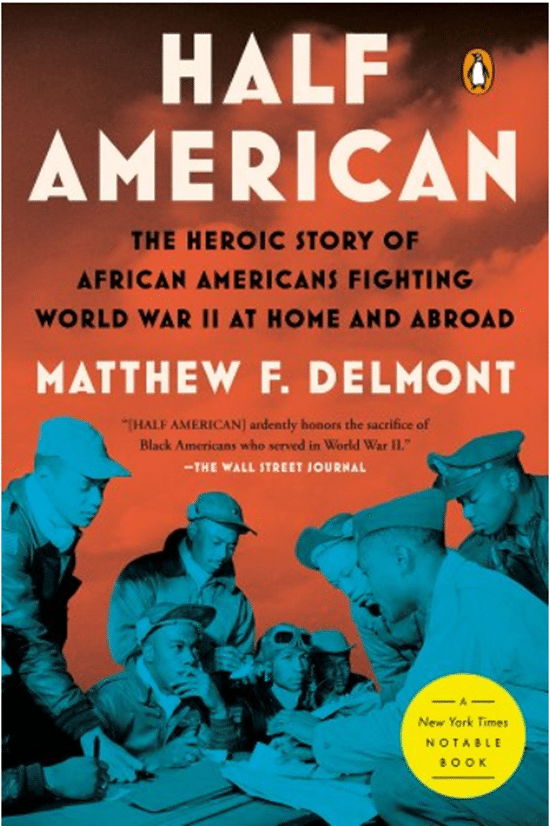
Book — Non-fiction. By Matthew Delmont. 2024. 400 pages.
Accounts from the Black press, Black workers and veterans, and civil rights activists, will help teachers and students tell a fuller, truer, and more historically useful story of World War II.
Continue reading
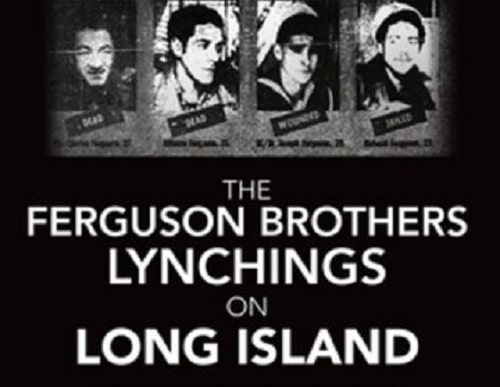
Two African American brothers — Charles and Alphonso Ferguson — were shot and killed by a white police officer in the segregated Freeport neighborhood of Long Island, New York.
Continue reading
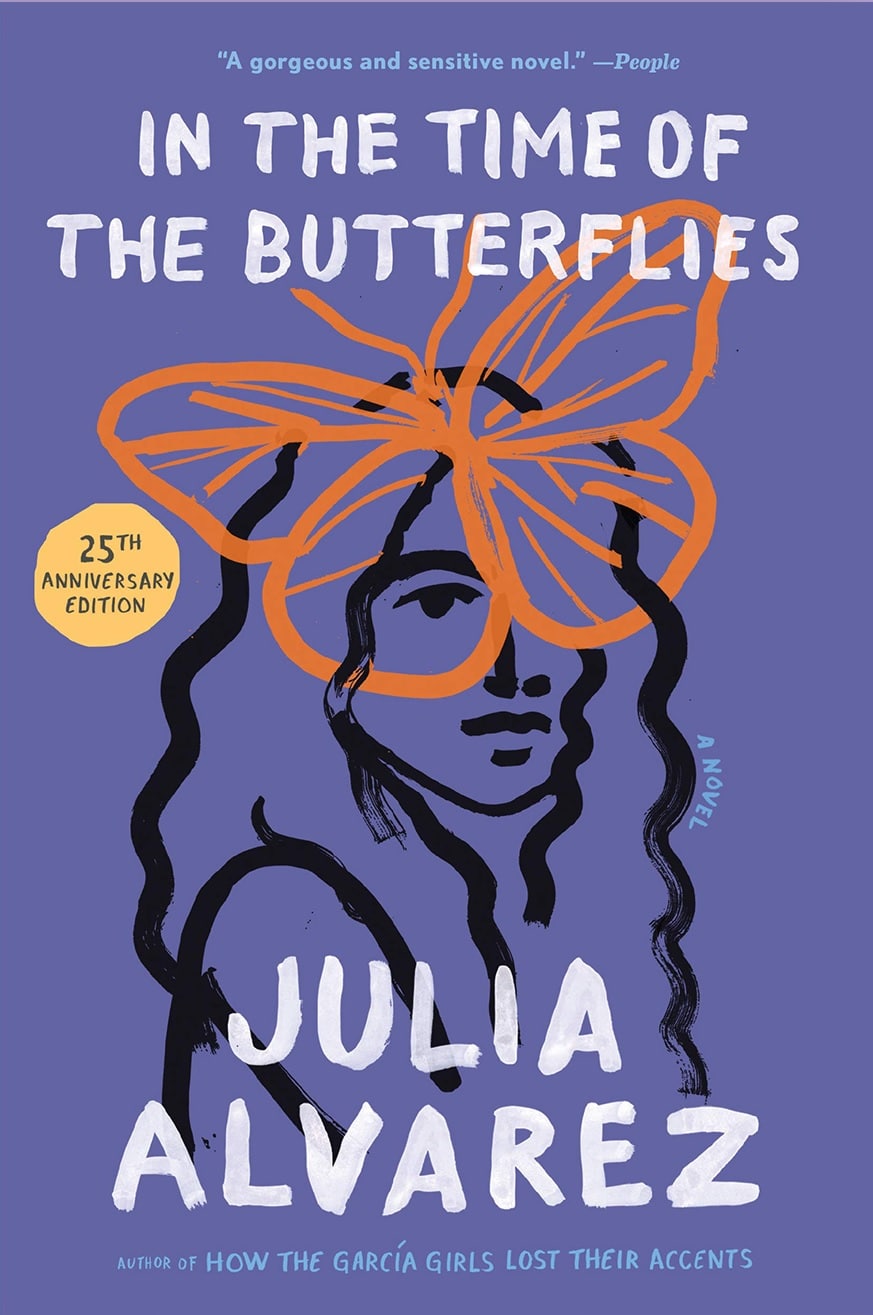
Book — Fiction. By Julia Alvarez. 2010. 352 pages.
The story of Las Mariposas — “The Butterflies” — is about four sisters and their tragic deaths under Trujillo’s dictatorship in the Dominican Republic.
Continue reading
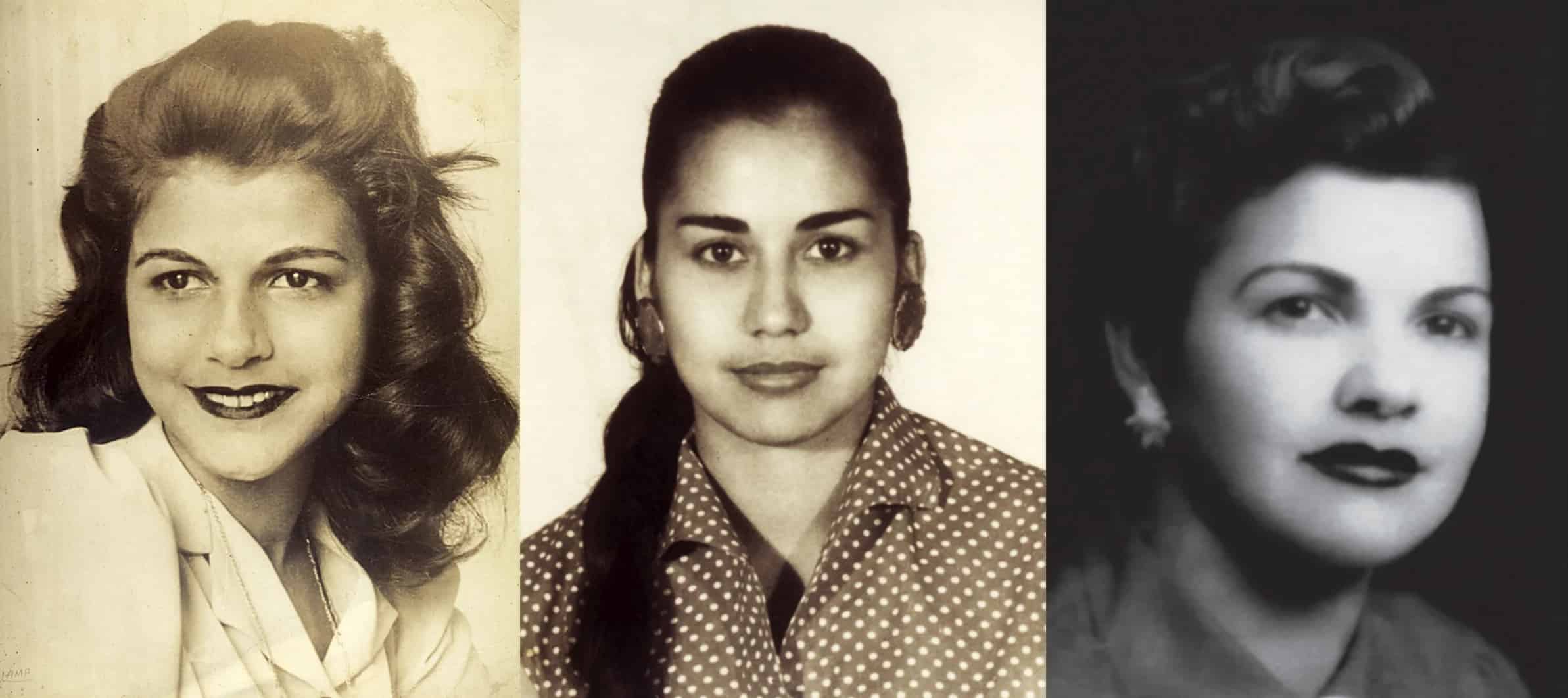
The murder of the Mirabal sisters — who clandestinely opposed the dictatorship of Rafael Trujillo in the Dominican Republic and were then brutally killed — has become an international symbol of resistance to violence against women.
Continue reading
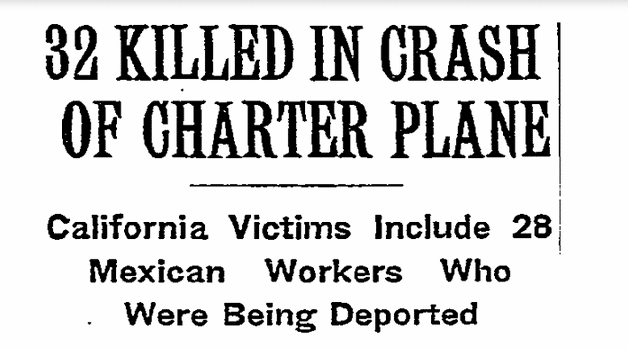
A plane crash near Coalinga, California, causing the death of 28 Mexican laborers and others, led to a popular song and belated recognition.
Continue reading
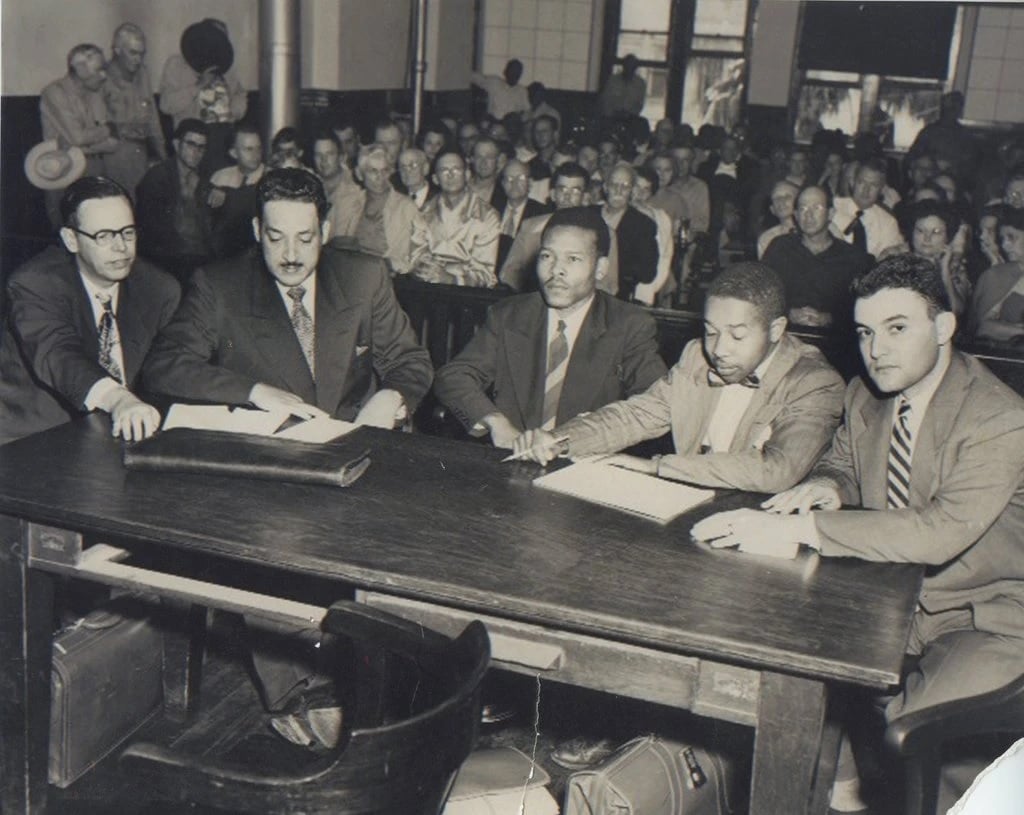
Four African Americans were brutally beaten and arrested after being falsely accused of a crime in Groveland, Florida.
Continue reading
Teaching Activity. By Say Burgin and Jeanne Theoharis. 6 pages.
This lesson expands students’ knowledge of how Black Montgomery secured a victory in the 1955–56 bus boycott by asking them to pay close attention to activists’ tactics — and what they did as white resistance mounted.
Continue reading
Teaching Activity. By Say Burgin, Jeanne Theoharis, and Ursula Wolfe-Rocca. 7 pages.
In this activity, students investigate Rosa Parks’ activism — and the gender and racial injustice to which it was a response — before and after her famous bus refusal.
Continue reading
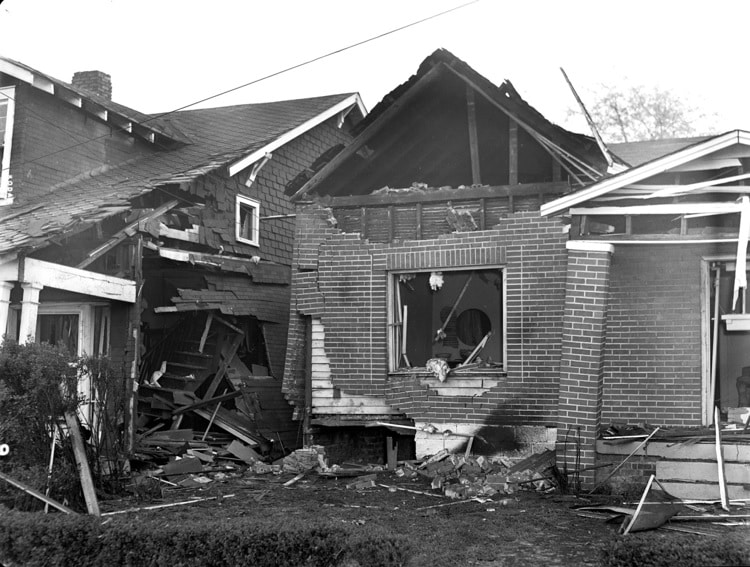
Famed civil rights lawyer and politician Z. Alexander Looby’s North Nashville home was dynamited in an assassination attempt.
Continue reading
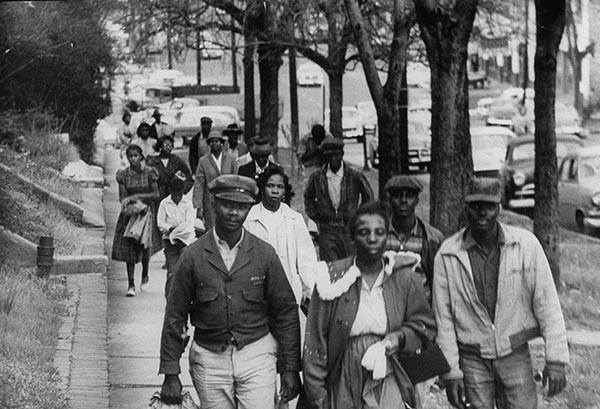
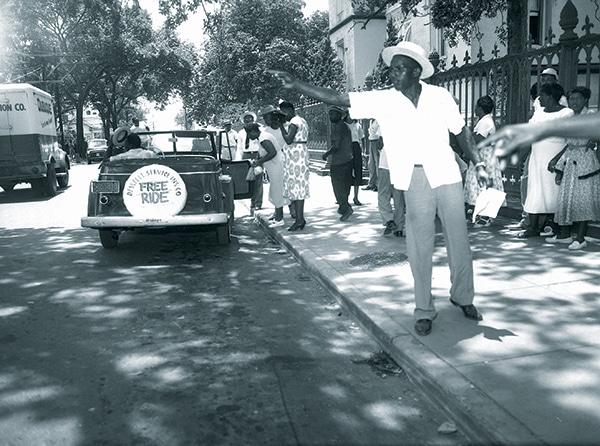
Black leaders in Baton Rouge, Louisiana formed the United Defense League (UDL) to protest bus segregation and persuaded thousands of Black residents to boycott buses until an agreed upon compromise was met.
Continue reading
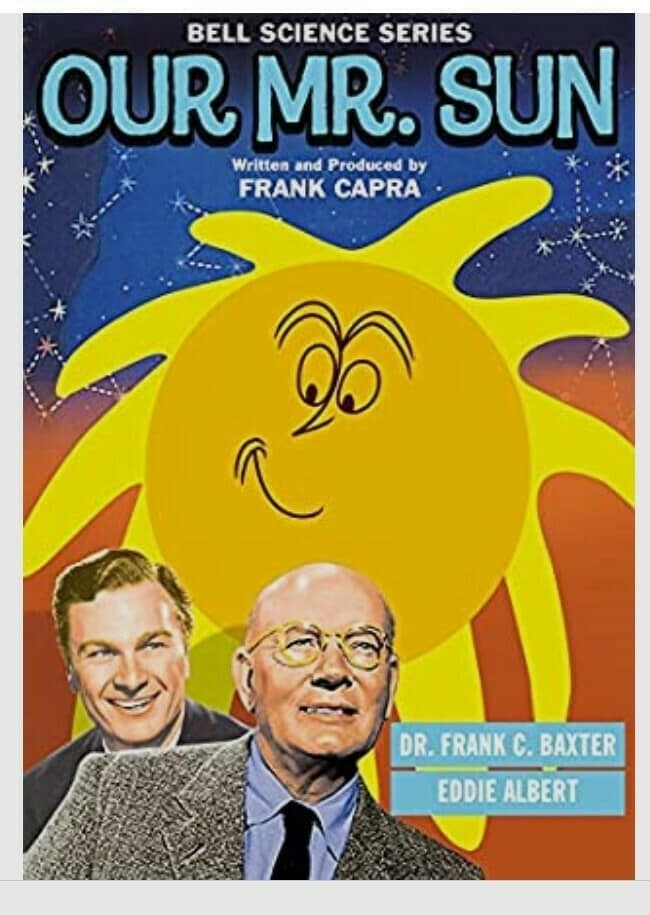
The popular, educational Bell Laboratories Science series aired a new chapter in the series on prime-time television which warned that CO₂ emissions from fossil fuel use could warm the earth to a degree that melts the polar ice caps and creates a catastrophic rise in sea levels.
Continue reading
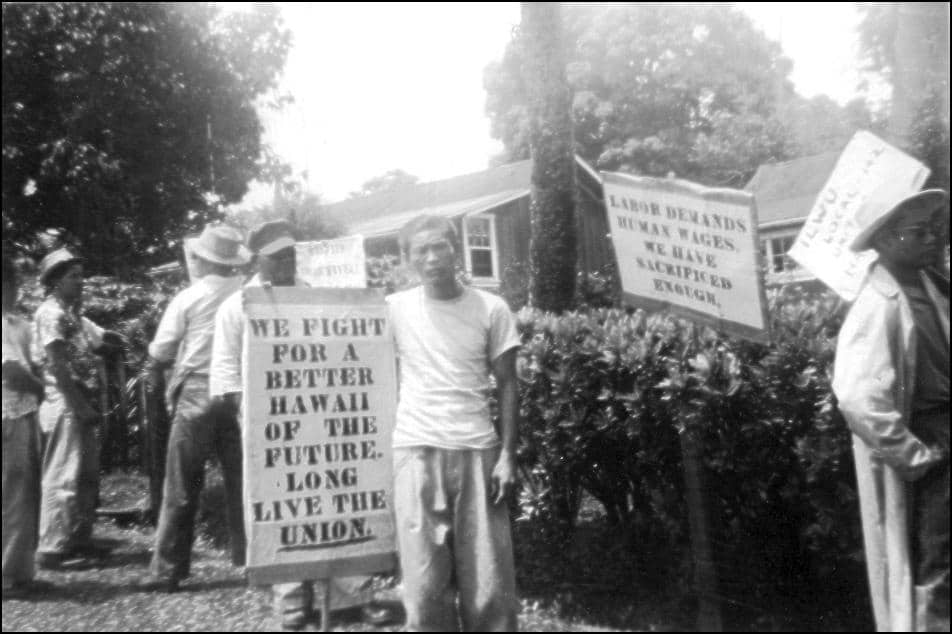
Led by the International Longshoremen’s and Warehousemen’s Union (ILWU), sugar workers on 33 of Hawai’i’s 34 plantations went on strike, which lasted almost three months and led to substantial improvements in pay, housing, and working conditions.
Continue reading
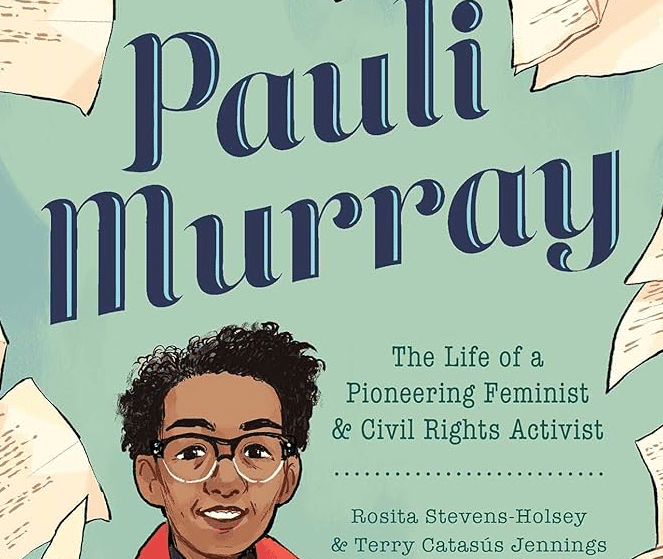
Book — Non-fiction. By Terry Catasús Jennings and Rosita Stevens-Holsey, illustrated by Ashanti Fortson. 2022. 288 pages.
A biography of Pauli Murray, a queer civil rights and women’s rights activist who fought in the trenches for many of the rights we now take for granted.
Continue reading
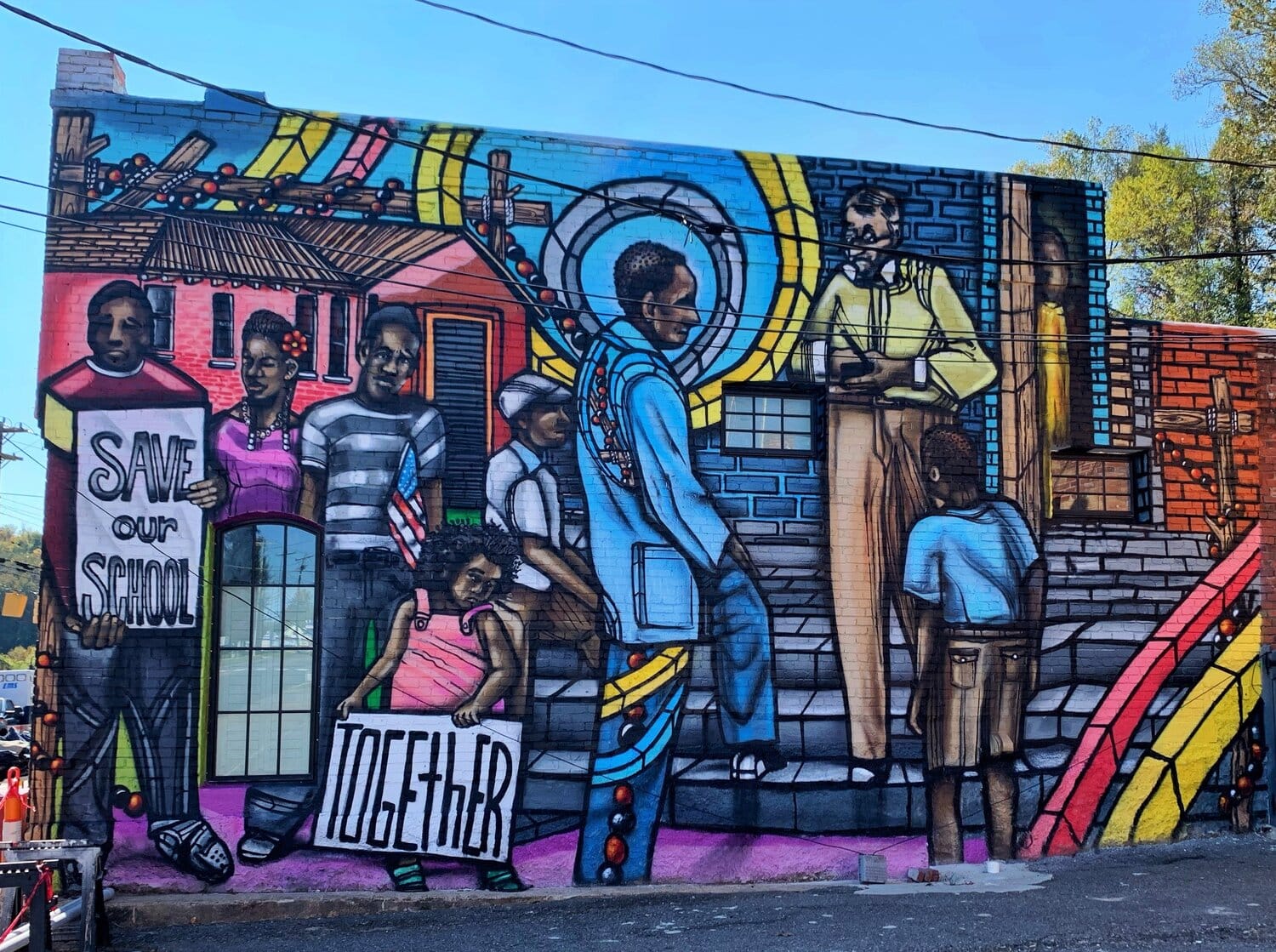
The destruction of a local Black elementary school and the refusal to allow Black children to attend the all-white school led to a years-long battle for desegregation in Old Fort, North Carolina.
Continue reading
Film. Directed by Loretta Alper and Jeremy Earp. Media Education Foundation. 2016. Three versions: 21 min./45 min./84 min.
This film helps students recognize how the media and politicians consistently frame “Palestinian resistance as terrorism and Israeli aggression as self-defense.”
Continue reading