Teaching Activity. By Larry Miller. Rethinking Schools. 6 pages.
Story and discussion questions about a teacher's own experience of labor solidarity.
Continue reading
Teaching Activity. By Bill Bigelow and Norm Diamond. 12 pages.
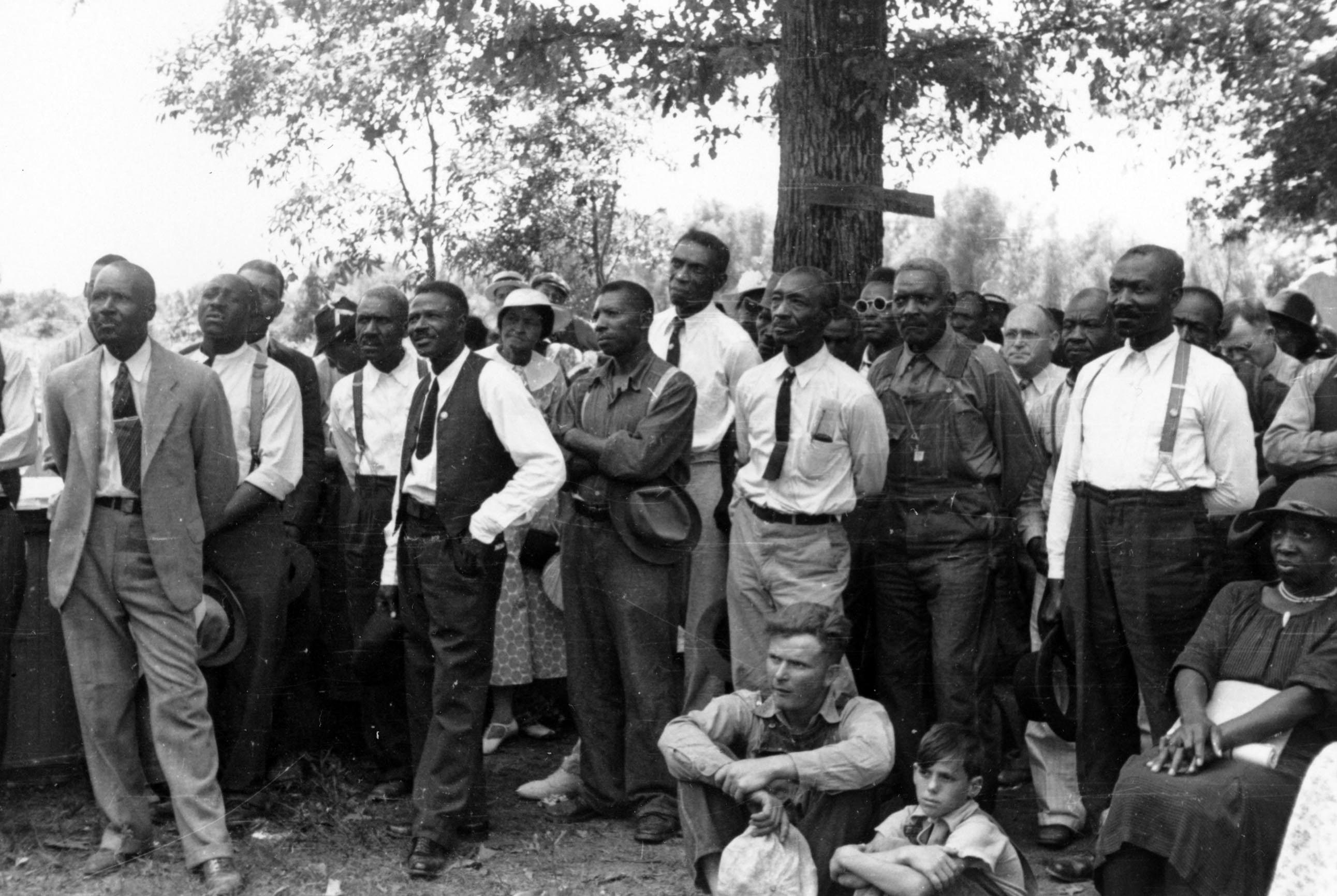
Role play on farm labor organizing in the 1930s shows how racism had to be challenged to create effective worker alliances.
Continue reading
Teaching Activity. By Wayne Wah Kwai Au. Rethinking Schools. 5 pages.
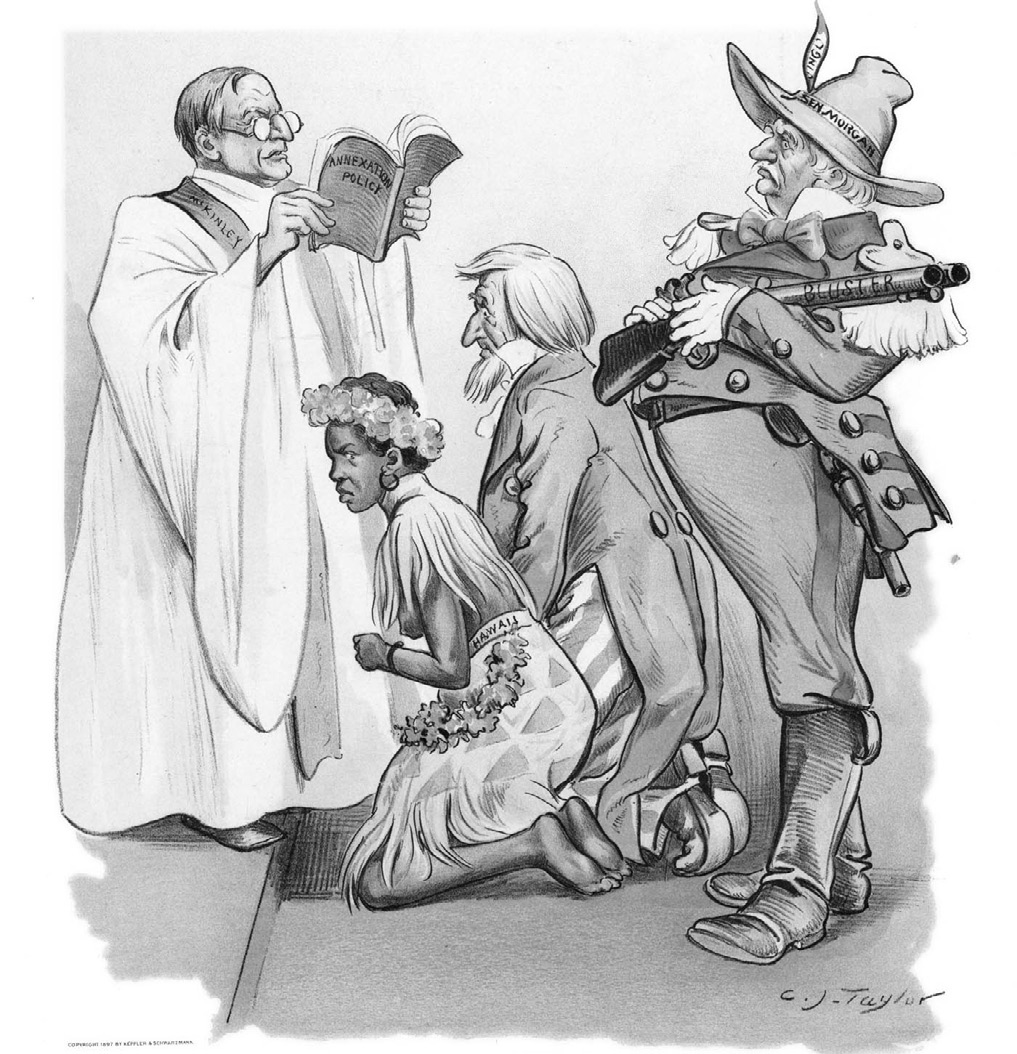
Lesson on the history of Hawai'i and the impact of colonization and tourism.
Continue reading
Teaching Activity. By Bill Bigelow. Rethinking Schools. 3 pages.
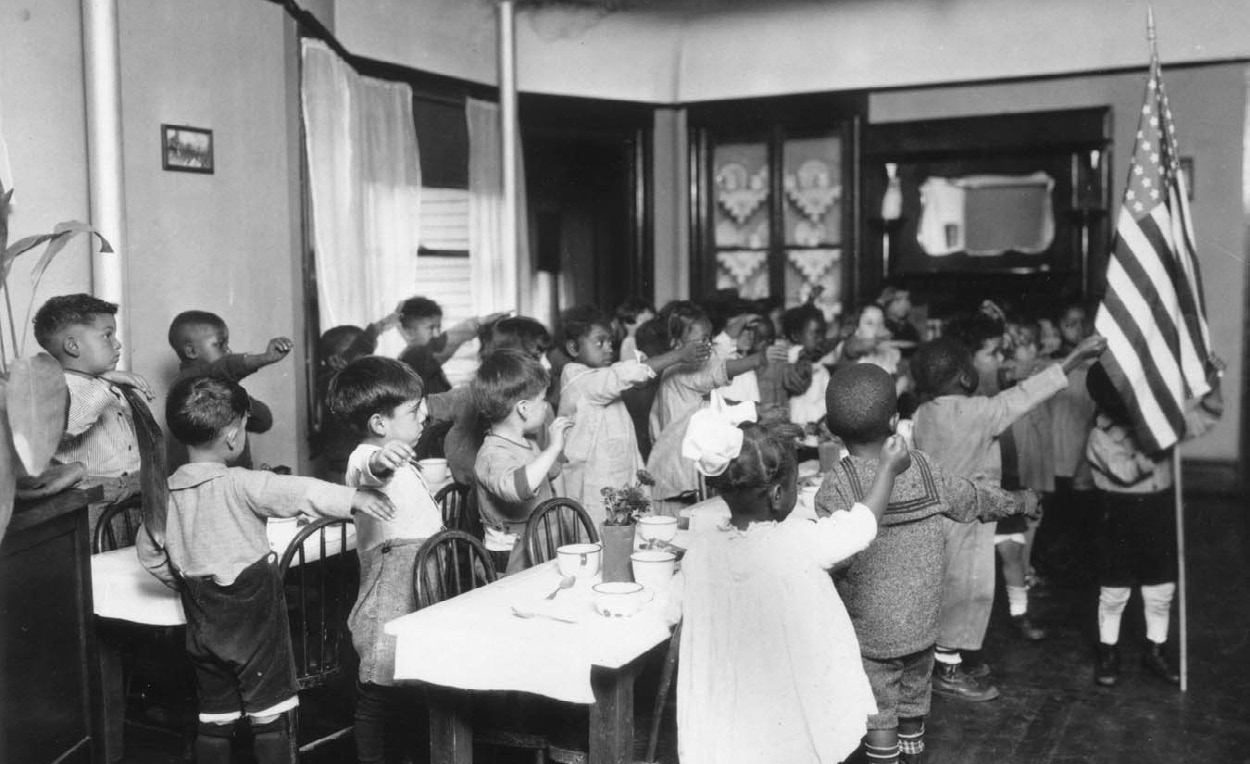
Discussion questions and teaching ideas for examining the history of the Pledge of Allegiance and the political milieu in which it was written.
Continue reading
Teaching Activity. By Dale Weiss. Rethinking Schools. 3 pages.
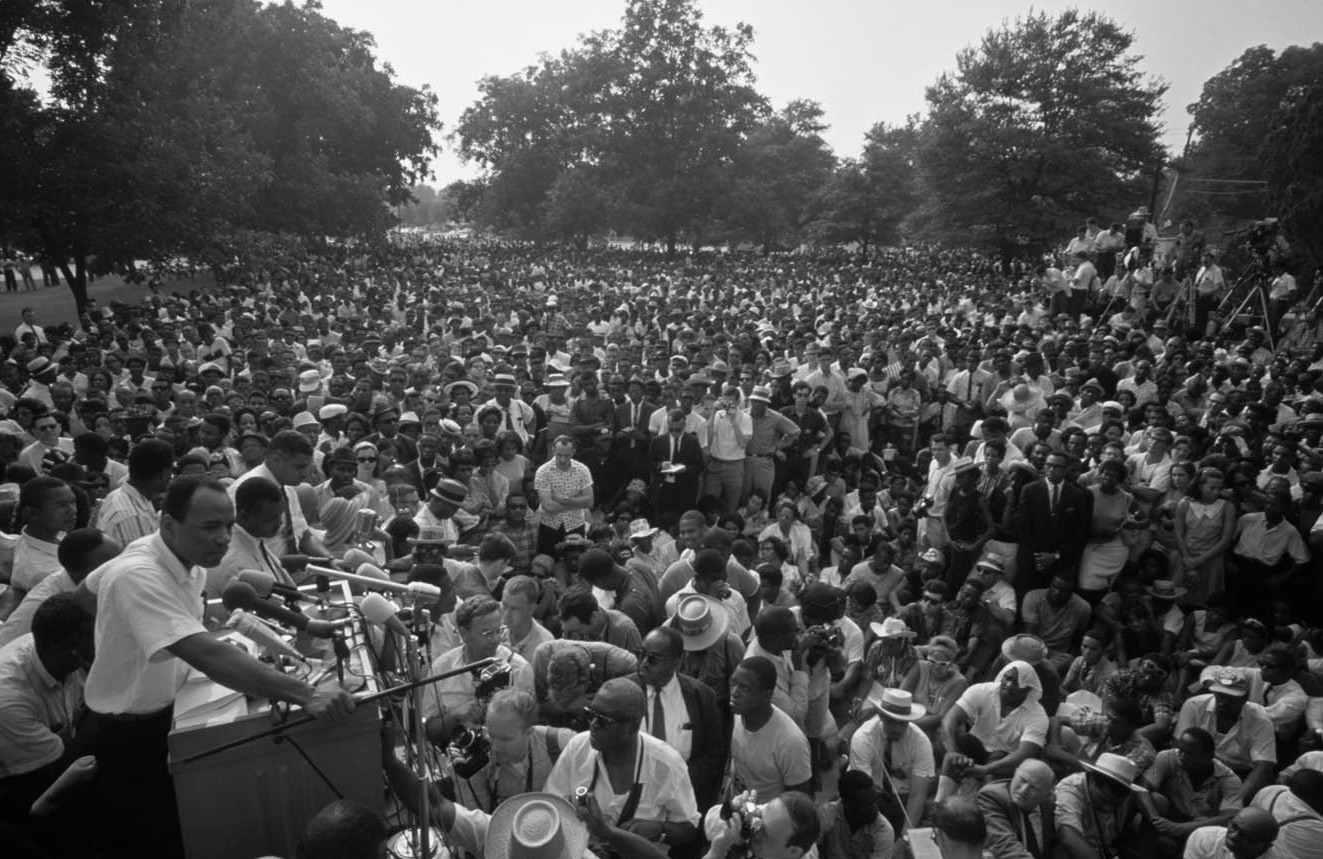
A teacher's reflections about a curriculum unit on women's rights contextualizes the history of the feminist movement within the broader struggle of people working for greater equality in the United States.
Continue reading
Teaching Activity. By Linda Christensen. Rethinking Schools. 21 pages.
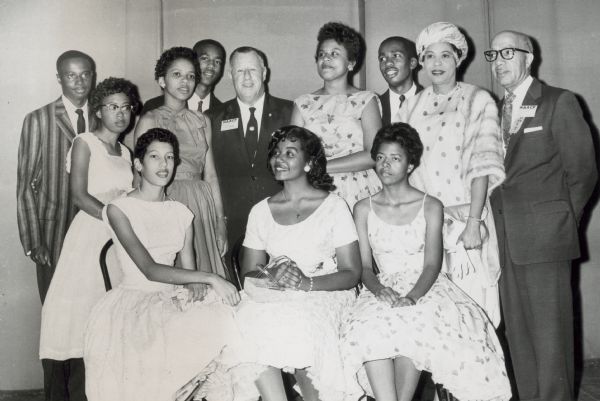
Role play and writing activities for language arts and social studies on Brown v. Board and the Little Rock Nine. Designed for use with the memoir Warriors Don’t Cry.
Continue reading
Reading for Teachers. By Bill Bigelow. 7 pages.
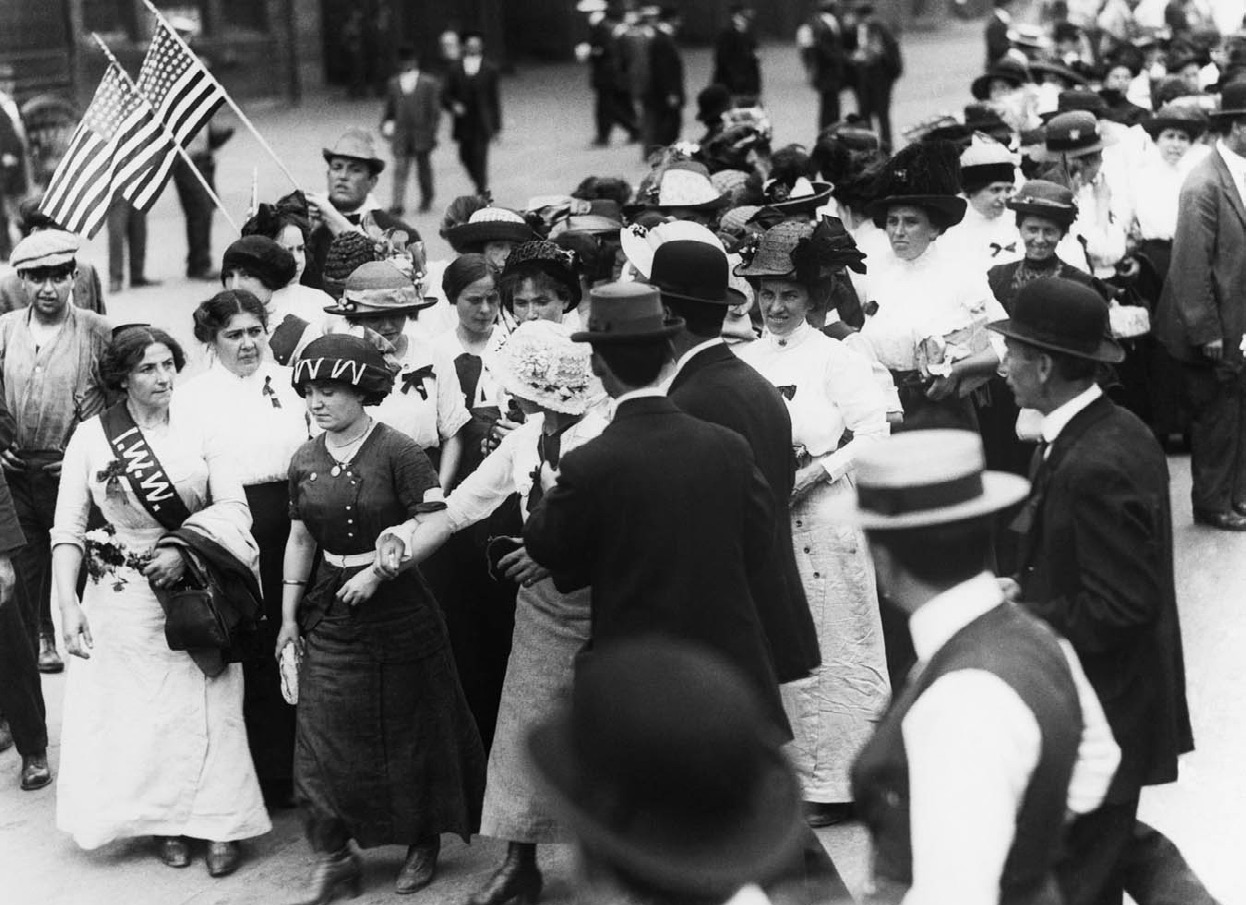
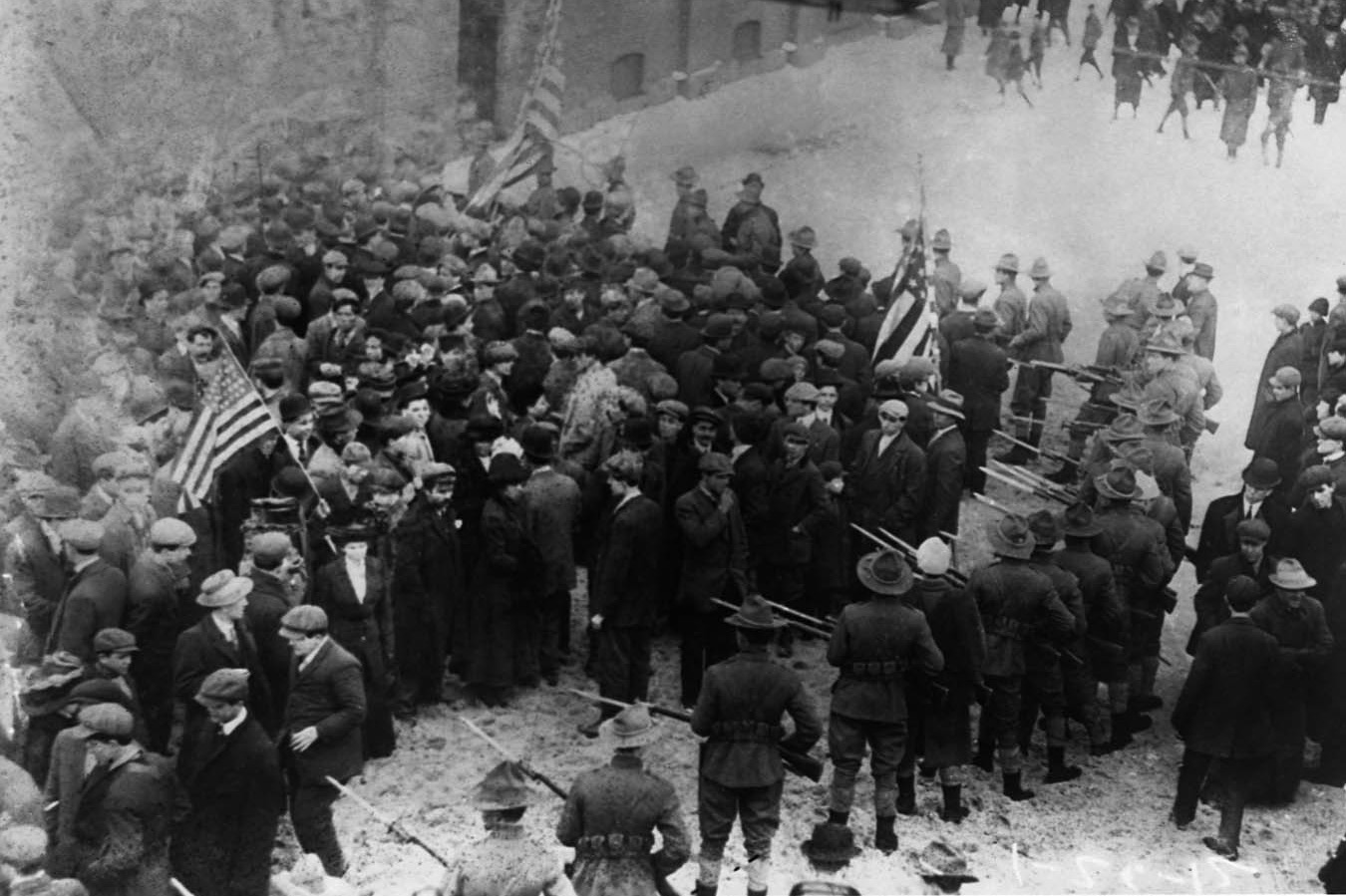
Author describes how students applied strategies from the Lawrence strike to their own present day activism.
Continue reading
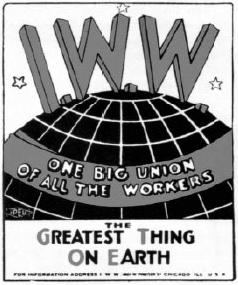
Teaching Activity. By Gayle Olson-Raymer. 17 pages.
Questions and teaching ideas for Chapter 13 of Voices of a People's History of the United States on the labor movement at the turn of the century.
Continue reading
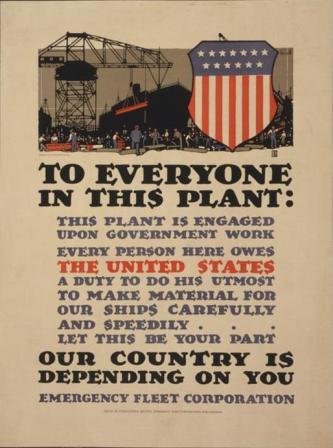
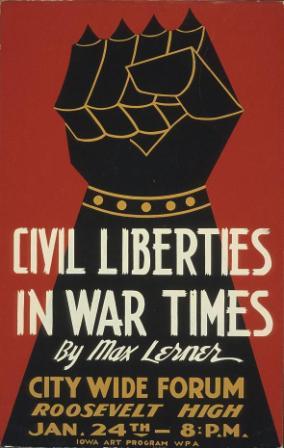
Teaching Activity. By Colby Smart.
Questions and teaching ideas for Chapter 14 of Voices of a People's History of the United States on anti-war efforts during the first World War, as well as the U.S. government's response.
Continue reading
Teaching Activity. By Gayle Olson-Raymer. 20 pages.
Questions and teaching ideas for Chapter 15 of Voices of a People's History of the United States on the economic and social realities of the 1920s and 1930s, as well as the corresponding rise of unions and the Communist Party.
Continue reading
Teaching Activity. By Gayle Olson-Raymer.
Questions and teaching ideas for Chapter 16 of Voices of a People's History of the United States on domestic opposition to the "good war" and the impact of McCarthyism.
Continue reading
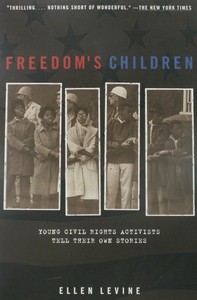
Book — Non-fiction. By Ellen Levine. 1993. 192 pages.
Thirty African-Americans who were children during the 1950s and 1960s tell their true stories of what it was like for them to fight segregation in the South.
Continue reading
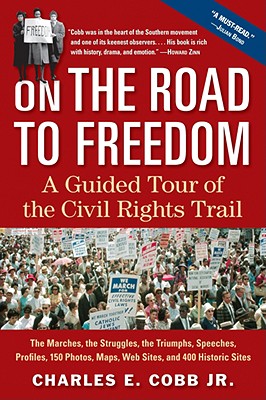
Book — Non-fiction. By Charles E. Cobb, Jr. 2008. 388 pages.
An educational travel guide to historic sites of the Civil Rights Movement.
Continue reading
Book — Fiction. By Marie Raphael. 2007. 217 pages.
Historical fiction about the life of the Irish in New York City at the beginning of the 20th century for ages 12+.
Continue reading
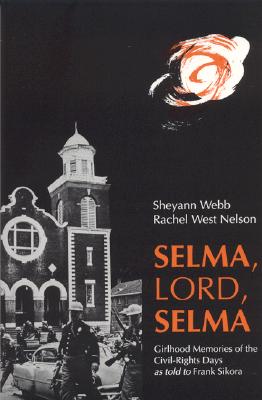
Book — Non-fiction. By Sheyann Webb and Rachel West Nelson as told to Frank Sikora. 1980. 168 pages.
The moving story of two young girls who were caught up in the 1965 movement in Selma, Alabama.
Continue reading
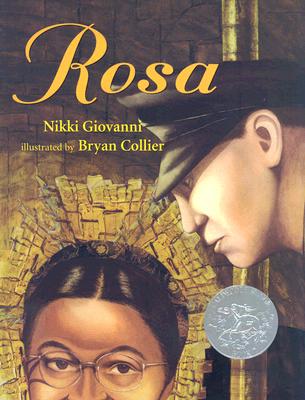
Picture book. By Nikki Giovanni. Illustrated by Bryan Collier. 2005. 40 pages.
A beautifully illustrated book for children about Rosa Parks in the context of the Montgomery Bus Boycott.
Continue reading
Teaching Activity. By Tasha Boettcher.
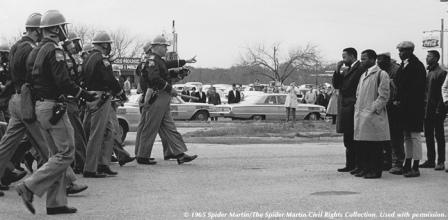
Questions and teaching ideas for Chapter 17 of Voices of a People's History of the United States on the long Civil Rights Movement in America.
Continue reading
Teaching Activity. By Jennifer Rosebrook.
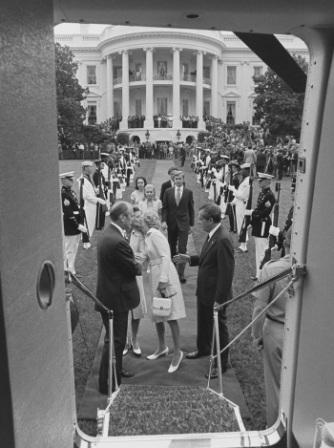
Questions and teaching ideas for Chapter 20 of Voices of a People's History of the United States on the legacy of scandal since the end of the Vietnam War and the Watergate break-in.
Continue reading
Teaching Activity. By Ron Perry.
Questions and teaching ideas for Chapter 21 of Voices of a People's History of the United States on the recently rising disparities in power, wealth and quality of life in America.
Continue reading
Teaching Activity. By Gayle Olson-Raymer. 17 pages.
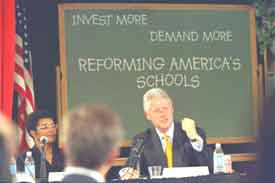
Questions and teaching ideas for Chapter 23 of Voices of a People's History of the United States on the Clinton presidency, as well as domestic opposition to his policies.
Continue reading
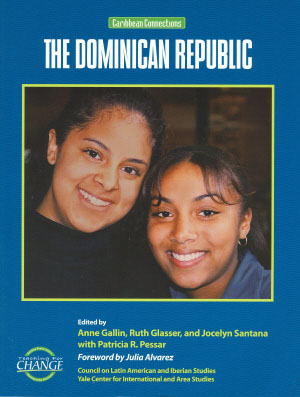
Book — Non-fiction and Fiction. Edited by Gallin, Glasser, Santana. 2005. 250 pages.
Reader-friendly overview of the history, politics, and culture of the fourth largest Latino community in the United States.
Continue reading
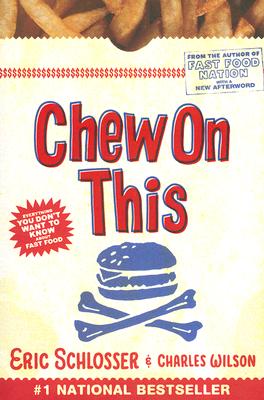
Book — Non-fiction. By Eric Schlosser. 2006. 318 pages.
Geared to the young consumer, takes a bite out of fast-food industry.
Continue reading
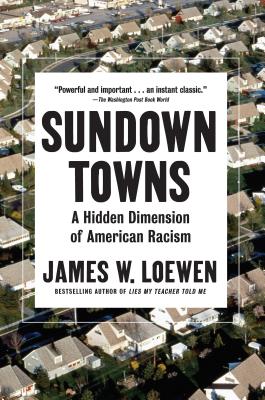
Book — Non-fiction. By James Loewen. 2018. 592 pages.
Documents the history of towns across the United States that exclude African Americans (and other racial/ethnic groups) after sundown.
Continue reading
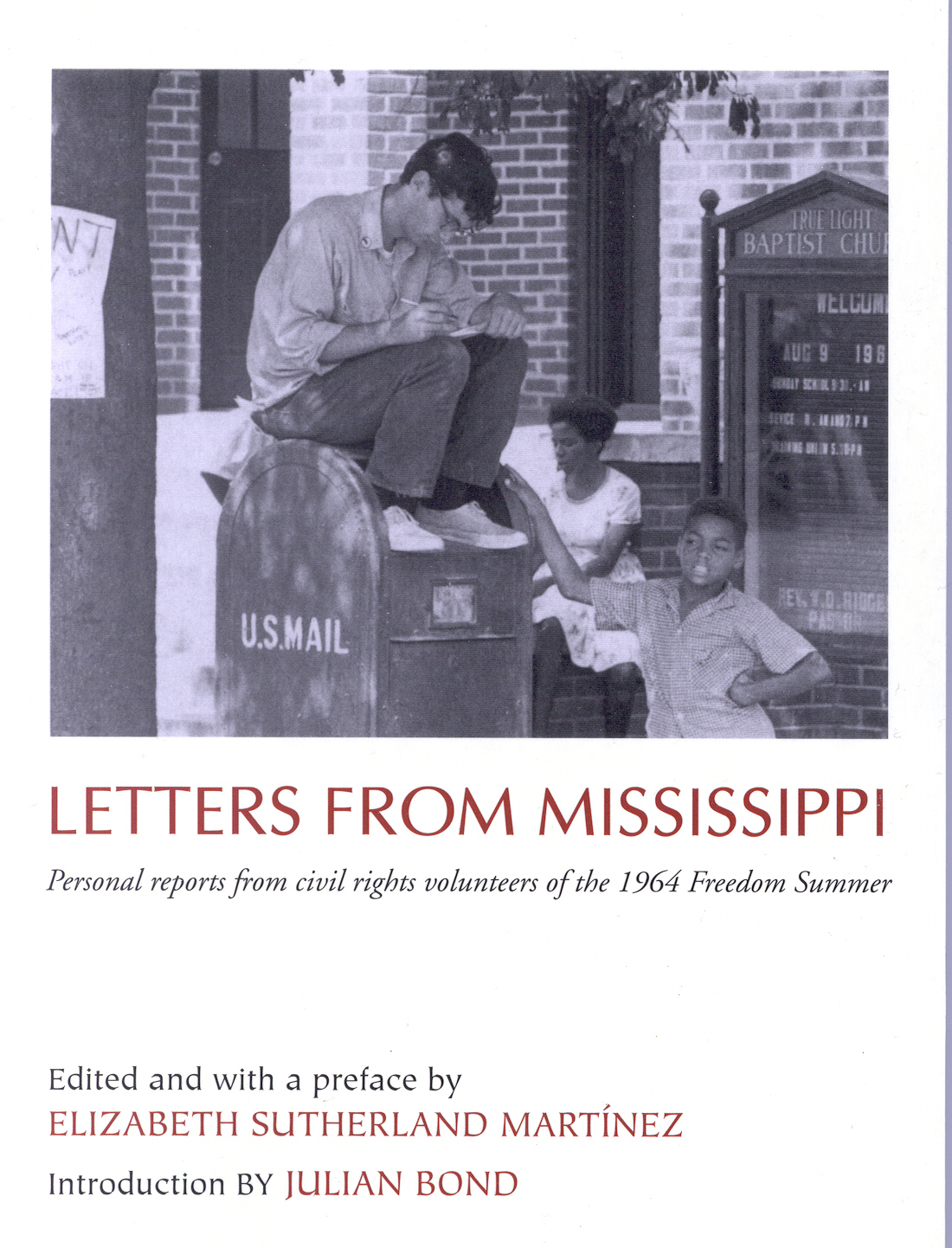
Book — Non-fiction. Edited by Elizabeth Sutherland Martinez. Introduction by Julian Bond. 2007.
Letters and poetry from Civil Rights Movement volunteers in the summer of 1964.
Continue reading
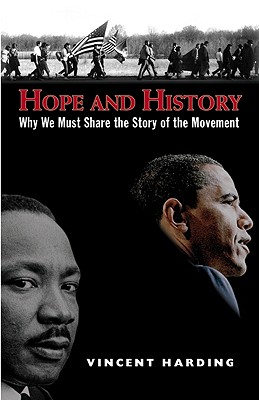
Book — Non-fiction. By Vincent Harding. 2010 (2nd edition). 240 pages.
A call to educators, clergy, and community activists to remember and keep alive the story of the Black-led freedom movement.
Continue reading