
Following the Stonewall Riots in June 1969, the fight for LGBTQ+ rights expanded across New York City and the rest of the country, with gay and trans activists facing violence and resistance wherever they organized for change.
Starting in June 1970, the Christopher Street Liberation Day Committee and the Gay Activists Alliance at New York University hosted a series of dances in the basement of Weinstein Hall to raise funds for legal, housing, and medical needs for the local gay community. As Rashni Raj writes for Washington Square News,
The first Pride parades were funded by the Mafia, who did business with gay bars. Looking for alternative funding, members of the Student Gay Liberation Front rented spaces at NYU, such as Weinstein Hall’s recreational centers, and hosted queer dance fundraisers.
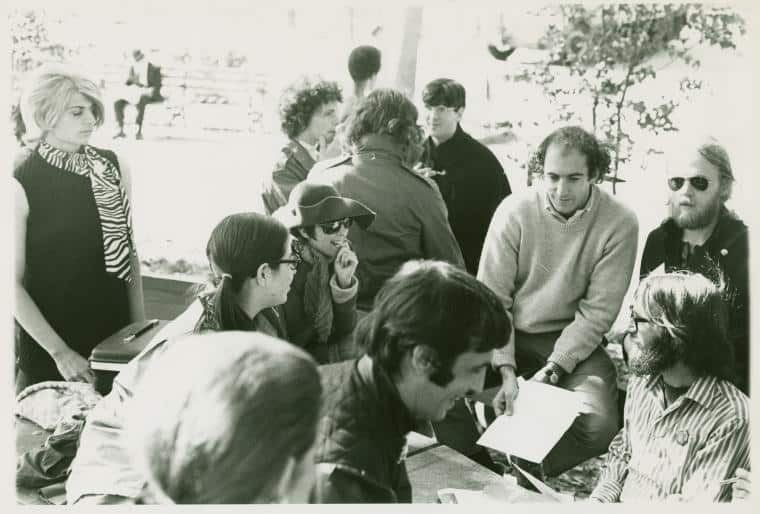
Meeting of gay activists at Weinstein Hall. Source: NYPL / Researching Greenwich Village History
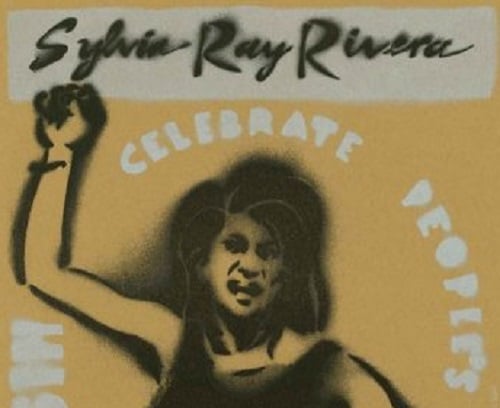
While the first several “Dance-a-Fairs” were successful, Maggie Schreiner notes that “the NYU administration closed all university facilities to gay social functions until a panel of ministers and psychologists determined whether homosexuality was ‘morally acceptable’.” LGBTQ+ activists organized protests which resulted in confrontations with the NYPD. On the evening of Sept. 25, 1970, students and members of the local gay community occupied Weinstein Hall in response to what Schreiner calls “the administration’s discriminatory conduct toward gay, lesbian, and transgender functions on campus.” Trans activists Marsha P. Johnson and Sylvia Rivera were among the many organizers of this occupation.
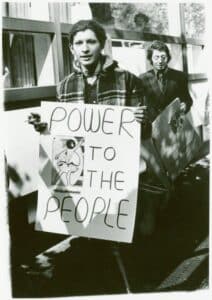
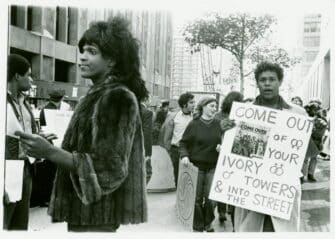
In their book, Marsha: The Joy and Defiance of Marsha P. Johnson, Tourmaline writes,
The demands laid out by Marsha and the other organizers were comprehensive, advocating for:
-
-
- The establishment of a gay community center, operating for twenty-four hours a day and governed by the gay community itself.
- Open enrollment at NYU for gay individuals and all communities oppressed by the institution.
- Provision of free childcare services.
- Assurance of open employment opportunities.
- Access to free medical care.
- An end to the mistreatment of homosexuals and others in Bellevue psychiatric hospital, including the cessation of shock therapy, drug treatment, confinement, and psychological abuse.
-
These demands mirrored those of student activist movements of the time, advocating for open enrollment and respect for the local community. This approach sought to change colleges and dormitories from institutions that drain and shut out their local communities into ones that enact reciprocity and care, so that the surrounding neighborhoods benefit.
In the book Be Gay, Do Crime: Everyday Acts of Queer Resistance and Rebellion, the editors note, “Rather than agree to the demands, NYU had security guards lock the doors of the hall, then let in dozens of police officers with helmets and clubs to evict the protestors.”
Schreiner writes,
The occupation of Weinstein Hall was primarily led by transgender people of color and women. Emerging from the occupation was the formation of Street Transvestite Action Revolutionaries (STAR) by Sylvia Rivera and Marsha P. Johnson. STAR focused on the needs of homeless transgender sex workers; providing shelter, food, and legal support. STAR also worked to combat discrimination within the gay community.
Additional Resources
Marsha: The Joy and Defiance of Marsha P. Johnson by Tourmaline (Tiny Reparations Books)
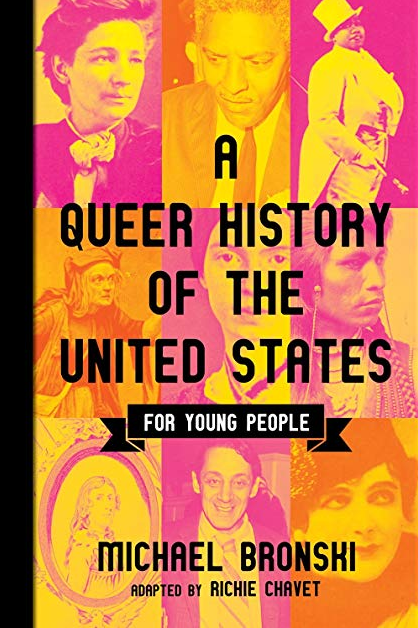
Be Gay, Do Crime: Everyday Acts of Queer Resistance and Rebellion edited by Zane McNeill, Riley Clare Valentine, and Blu Buchanan (PM Press)
NYU Remembers 50th Anniversary of Weinstein Occupation Today by Roshni Raj (Washington Square News)
An Army of Lovers Cannot Lose: The Occupation of NYU’s Weinstein Hall by Maggie Schreiner (Researching Greenwich Village History)



Twitter
Google plus
LinkedIn