Film. Center for Investigative Reporting and Two Tone Productions. 2007. 84 minutes.
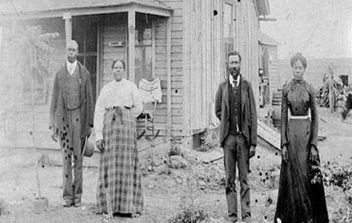
Filmmaker Marco Williams examined four examples of primarily white communities violently rising up to force their African-American neighbors to flee town.
Continue reading
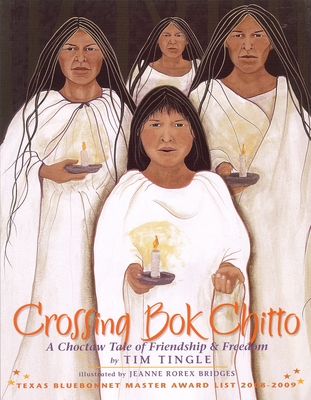
Picture book. By Tim Tingle. 2008. 40 pages.
A picture book that highlights rarely discussed intersections between Native Americans in the South and African Americans in bondage.
Continue reading
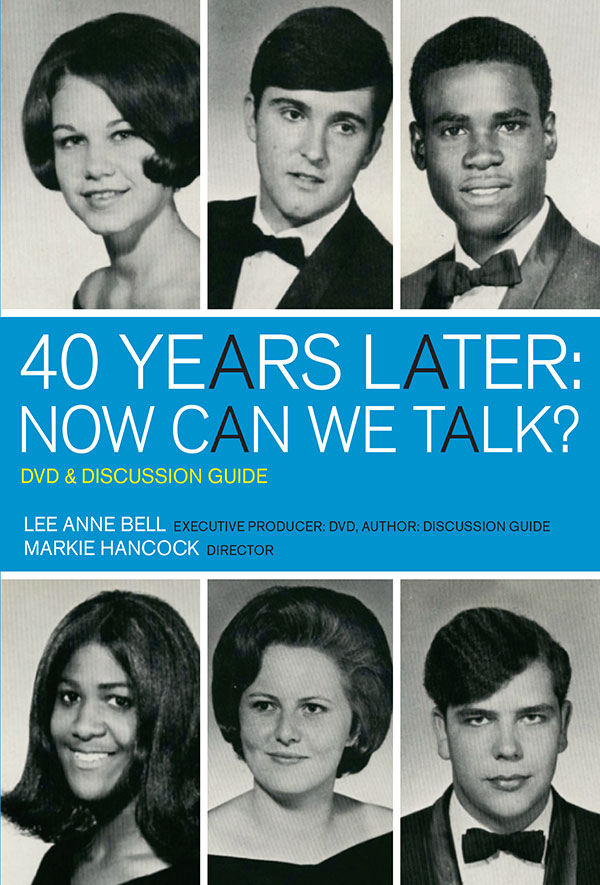
Film. By Lee Anne Bell and Markie Hancock. 2013. 45 minutes.
This DVD and discussion guide offer a powerful way to engage students, teachers, and community groups in honest dialogue about the ongoing problems of racism and what we can do to address them.
Continue reading
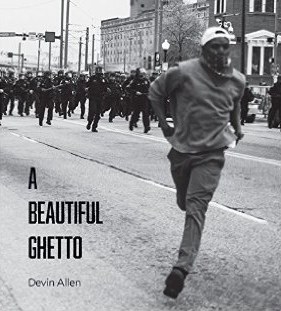
Book - Non-fiction. By Devin Allen. 2017.
A Beautiful Ghetto documents Black life in Baltimore before and after the police murder of Freddie Gray and the uprising it produced through short essays, poetry, and stunning photographs.
Continue reading
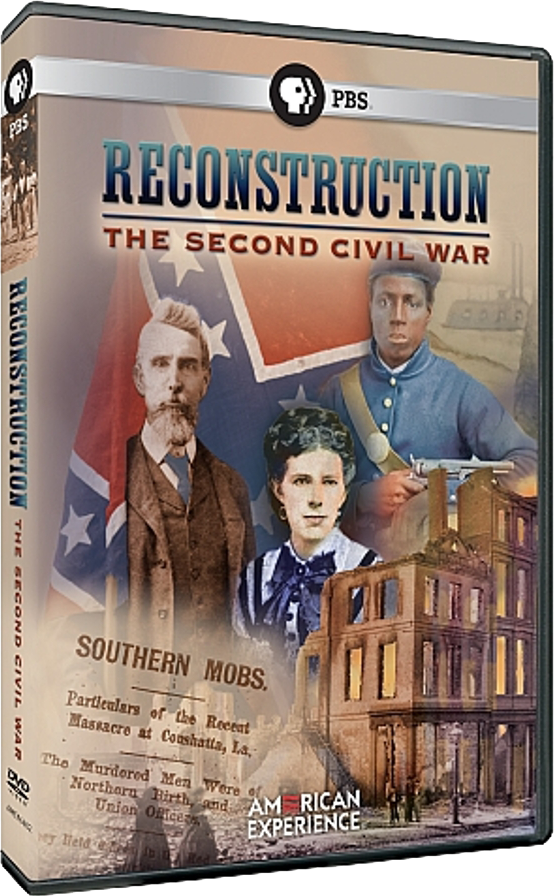
Film. By Elizabeth Deane and Dion Graham. 2004. 174 minutes.
Through the voices of several historians and dramatic re-enactments by actors, PBS’s Reconstruction: The Second Civil War uses the stories of ordinary citizens to paint a picture of the Reconstruction era.
Continue reading
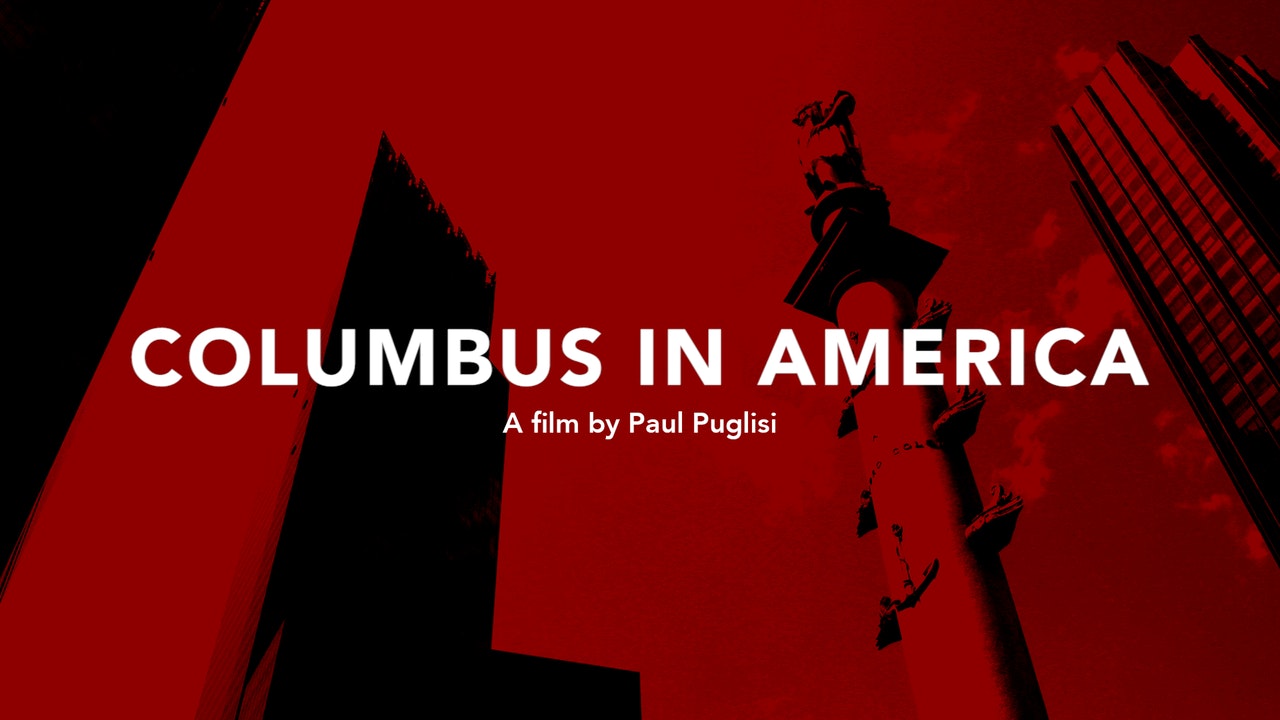
Film. By Paul Puglisi. 2017. 89 minutes.
Documentary on the symbol of Columbus in the United States and the campaign for Indigenous Peoples' Day.
Continue reading
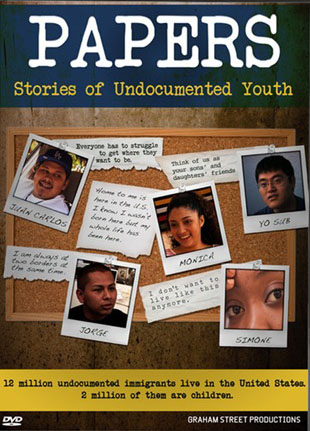
Film. Graham Street Productions. 2009. 110 minutes.
The story of undocumented youth and the challenges they face as they turn 18 without legal status.
Continue reading
Film. By Upstander Project. 2015. 13 minutes.
Story of forced removal of Native American children in Maine sent to boarding schools.
Continue reading
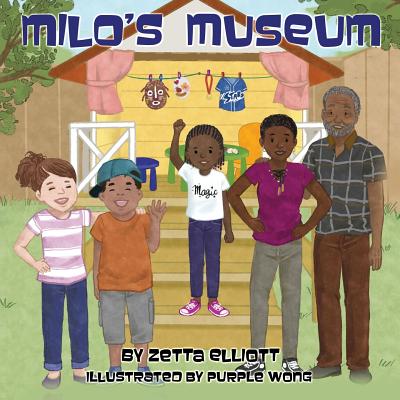
Picture book. By Zetta Elliott. Illustrated by Purple Wong. 2016. 36 pages.
A story that introduces young readers to the historic mis-representation (and absence) of people of color in museums and how to take action.
Continue reading
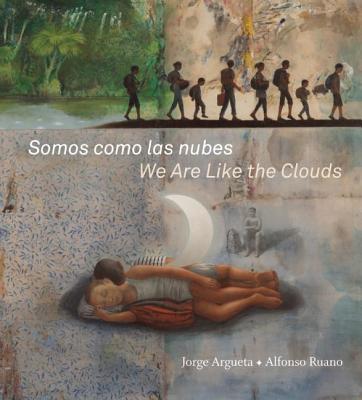
Picture book. By Jorge Argueta. Illustrated by Alfonso Ruano. 2016. 36 pages.
Poems written in Spanish and English address the struggles of child refugees fleeing Central America for the United States. Grade 2+.
Continue reading
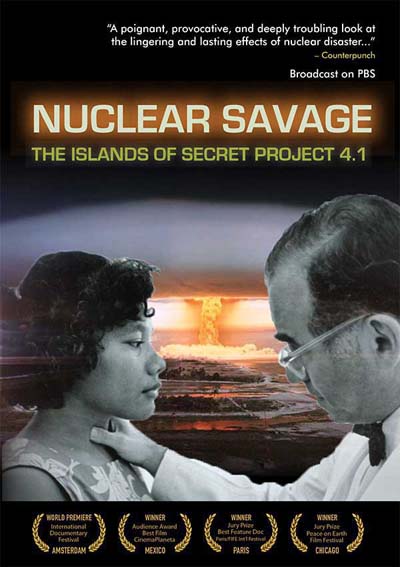
Film. By Adam Jonas Horowitz. 2012. 60 and 87 minutes.
History of the U.S. government's testing of nuclear weapons and fallout on the people of the Marshall Islands.
Continue reading
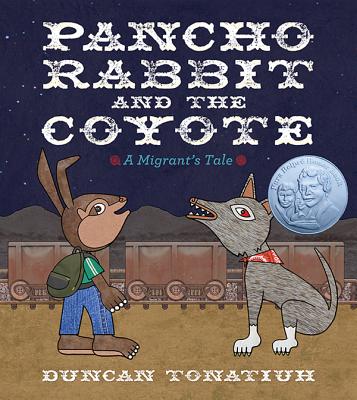
Picture book. Written and illustrated by Duncan Tonatiuh. 2013. 32 pages.
An age-appropriate story that brings to light the hardship and struggles faced by thousands of families crossing the border.
Continue reading
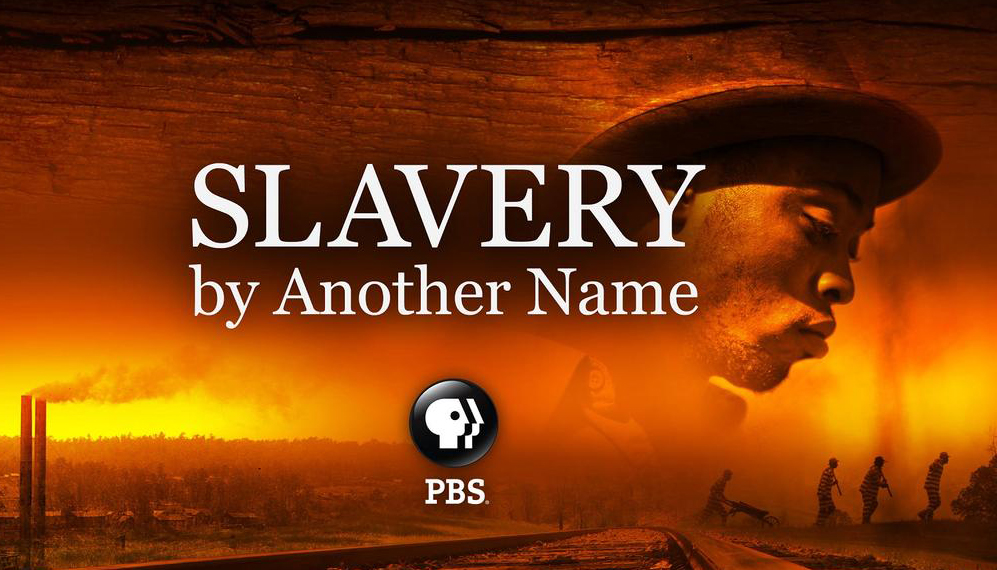
Film. By Sam Pollard, Catherine Allan, Douglas Blackmon and Sheila Curran Bernard. 2012. 90 minutes.
Reveals the interlocking forces in the South and the North that enabled “neoslavery” post-Emancipation Proclamation.
Continue reading
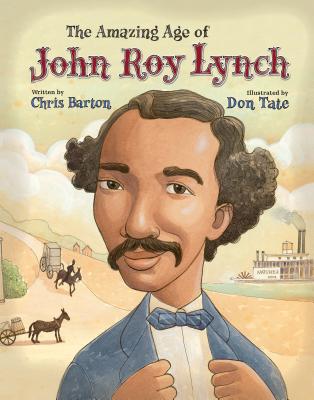
Picture book. By Chris Barton. Illustrated by Don Tate. 2015. 50 pages.
An in-depth look at the Reconstruction period through the life of one of the first African-American congressmen.
Continue reading
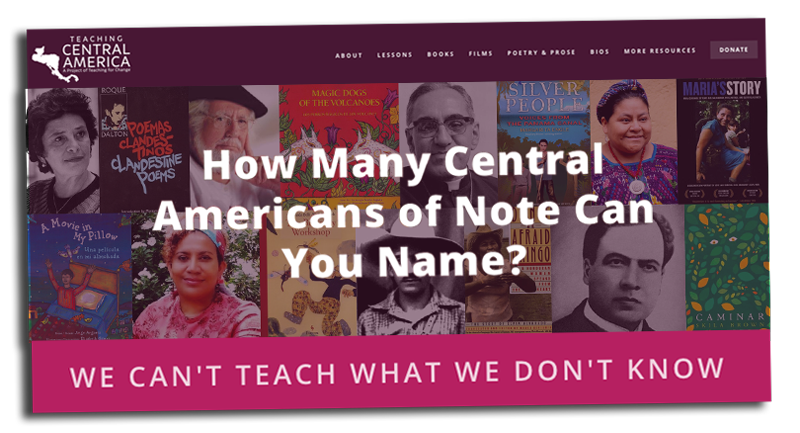
Website.
An online collection of lessons, book lists, biographies of noted historical figures, and readings for free use by classroom teachers.
Continue reading
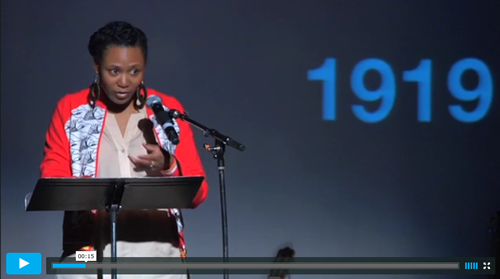
Film clip. Voices of a People’s History.
Dramatic reading of an excerpt from an interview of Sylvia Woods (1919) by Alana Arenas.
Continue reading
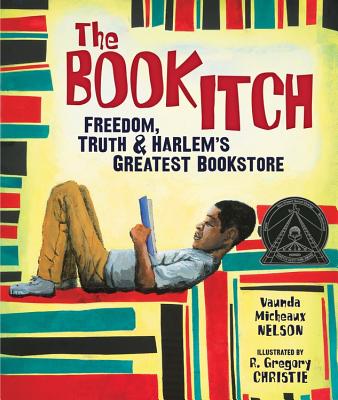
Picture book. By Vaunda Micheaux Nelson, Illustrated by R. Gregory Christie. 2015. 32 pages.
Tells the story of Lewis Michaux Sr.'s Harlem bookstore that was a center of African American history, scholarship, debate, and activism, for grades 2-5.
Continue reading
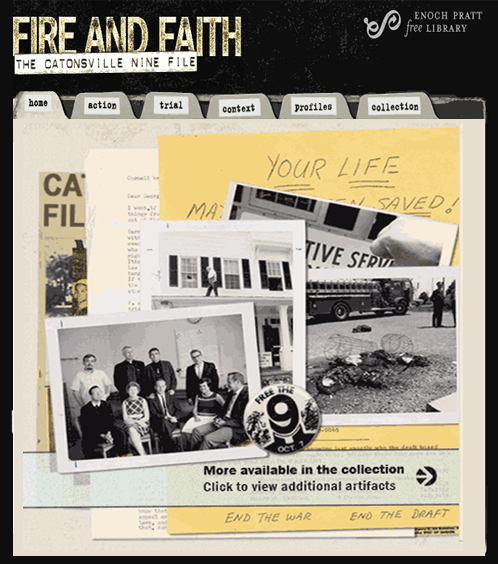
Digital collection. Features documents, photos, and audio and video accounts about the Catonsville Nine who burned Vietnam war draft files.
Continue reading
Website.
Films, journal, and readings for teachers on education for equity.
Continue reading
Digital collection. Oral history interviews with hundreds of Africans Americans of note.
Continue reading
Website.
Readings and video clips for high school students on current issues and key historic events.
Continue reading
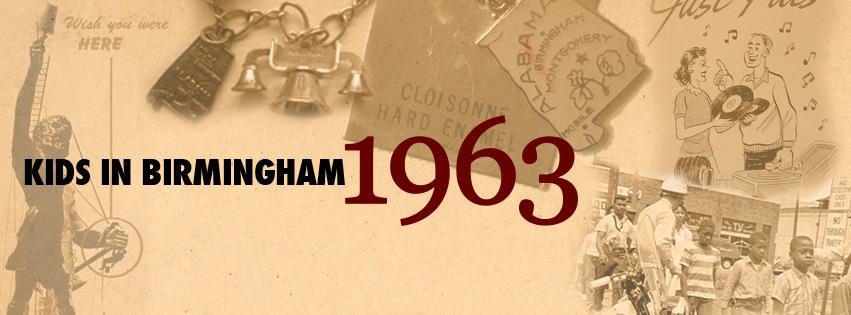
Digital collection. A resource for the stories of people who were children in Birmingham in 1963.
Continue reading
Profile.
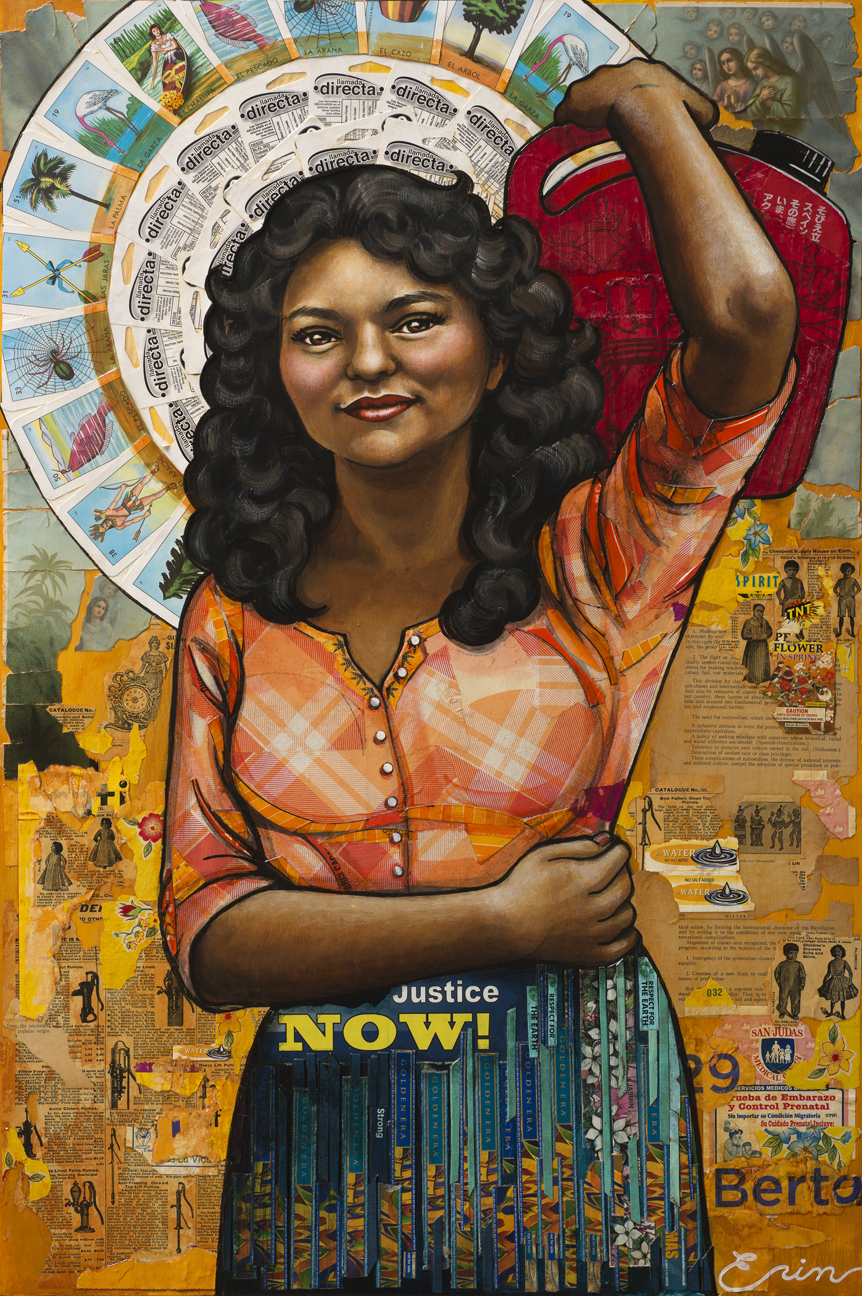
Overview and related resources about Honduran environmental activist Berta Cáceres.
Continue reading
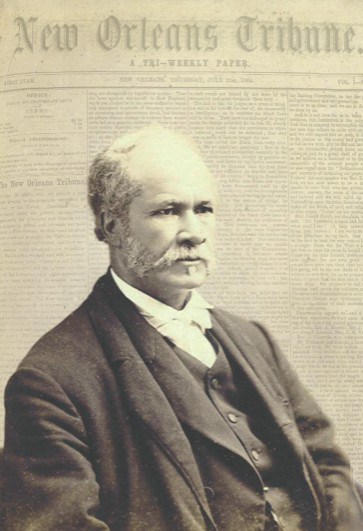
Digital collection. The work of Dr. Louis Charles Roudanez, founder of the first Black daily newspaper in the U.S., the New Orleans Tribune, with articles, excerpts, videos, and a timeline.
Continue reading
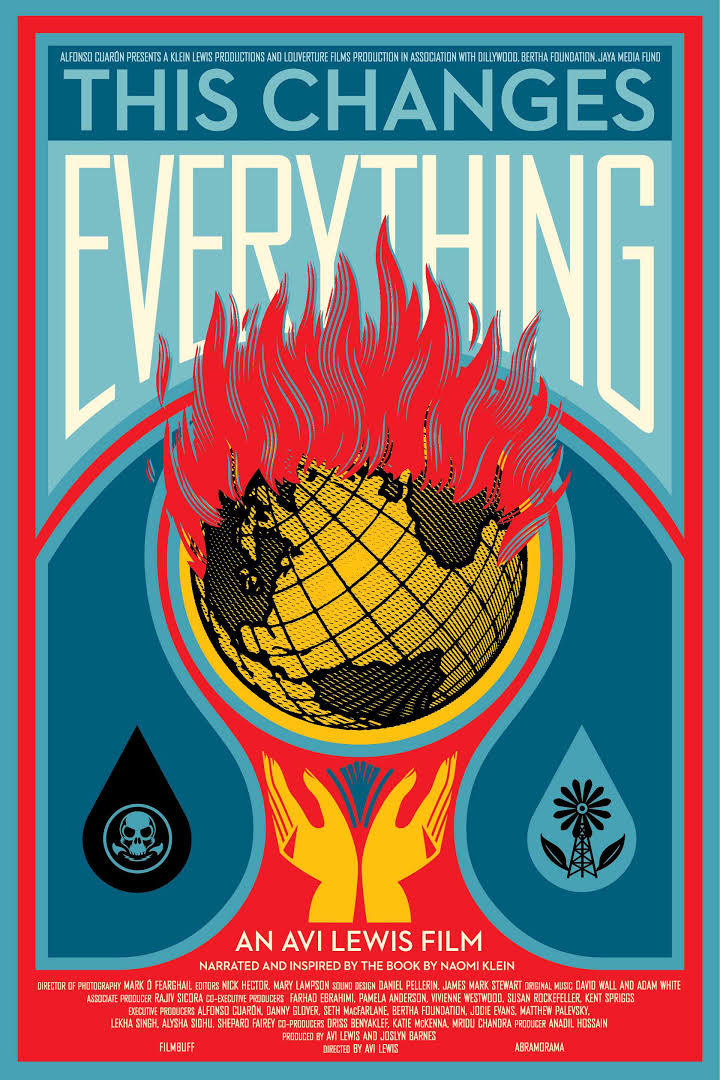
Film. By Avi Lewis. 2015. 90 minutes.
Seven portraits of communities on the front lines of the climate crisis.
Continue reading