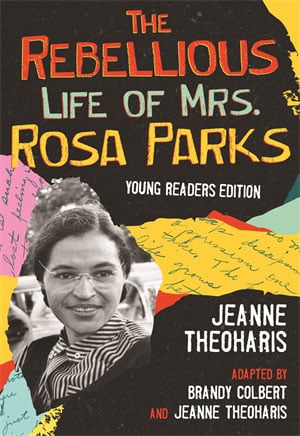
Book — Non-fiction. By Jeanne Theoharis and Brandy Colbert. 2021.
This biography of Rosa Parks accessibly examines her six decades of activism, challenging young readers’ perceptions of her as an accidental actor in the Civil Rights Movement.
Continue reading
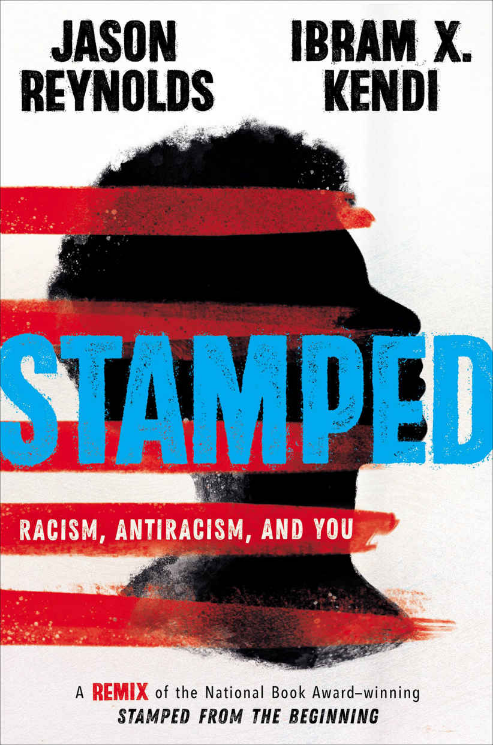
Book — Non-fiction. By Ibram X. Kendi and Jason Reynolds. 2020. 320 pages.
Described as 'Stamped from the Beginning' "remixed," this young adult book brings African American history into sharp focus as context for the here and now.
Continue reading
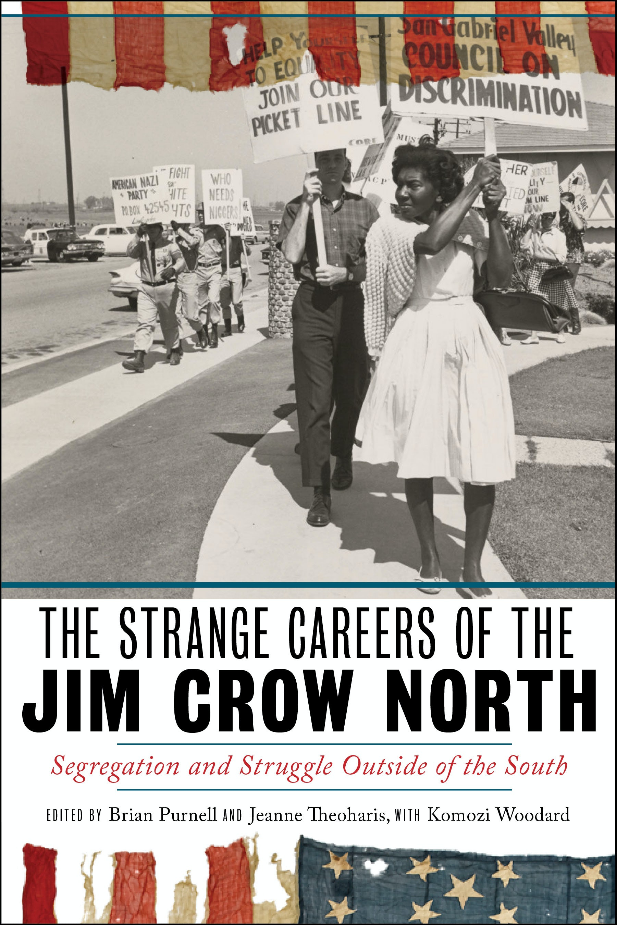
Book — Non-fiction. Edited by Brian Purnell and Jeanne Theoharis with Komozi Woodard. 2019. 352 pages.
This important work shows how the Jim Crow North maintained inequality in the nation’s most liberal places, and chronicles how activists worked to undo those inequities born of Northern Jim Crow.
Continue reading
Book — Non-fiction. By Martha S. Jones. 2021. 368 pages.
This book excavates the lives and work of Black women from the earliest days of the republic to the passage of the 1965 Voting Rights Act and beyond.
Continue reading
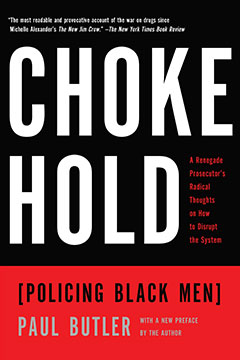
Book — Non-fiction. By Paul Butler. 2018. 320 pages.
A former federal prosecutor explains how the criminal justice system works against the people and how we can disrupt its abuse.
Continue reading
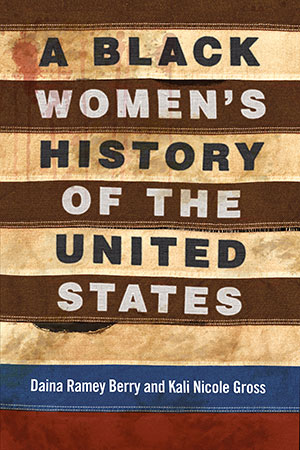
Book — Non-fiction. By Daina Ramey Berry and Kali Nicole Gross. 2020. 288 pages.
A history that emphasizes the perspectives and stories of African American women to show how they are — and have always been — instrumental in shaping our country.
Continue reading
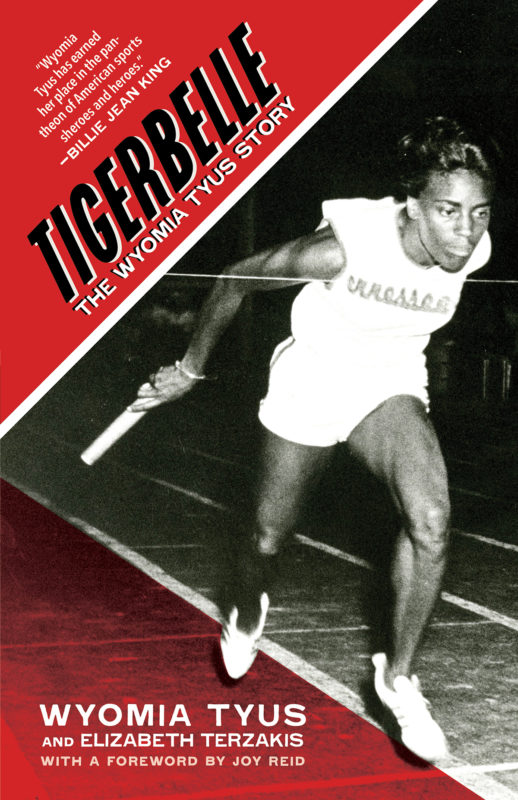
Book — Non-fiction. By Wyomia Tyus and Elizabeth Terzakis. 2018. 288 pages.
A young adult sports history that chronicles the life of Wyomia Tyus, the daughter of a tenant dairy farmer, who became the first person to win gold medals in the 100-meter sprint in two consecutive Olympic Games.
Continue reading
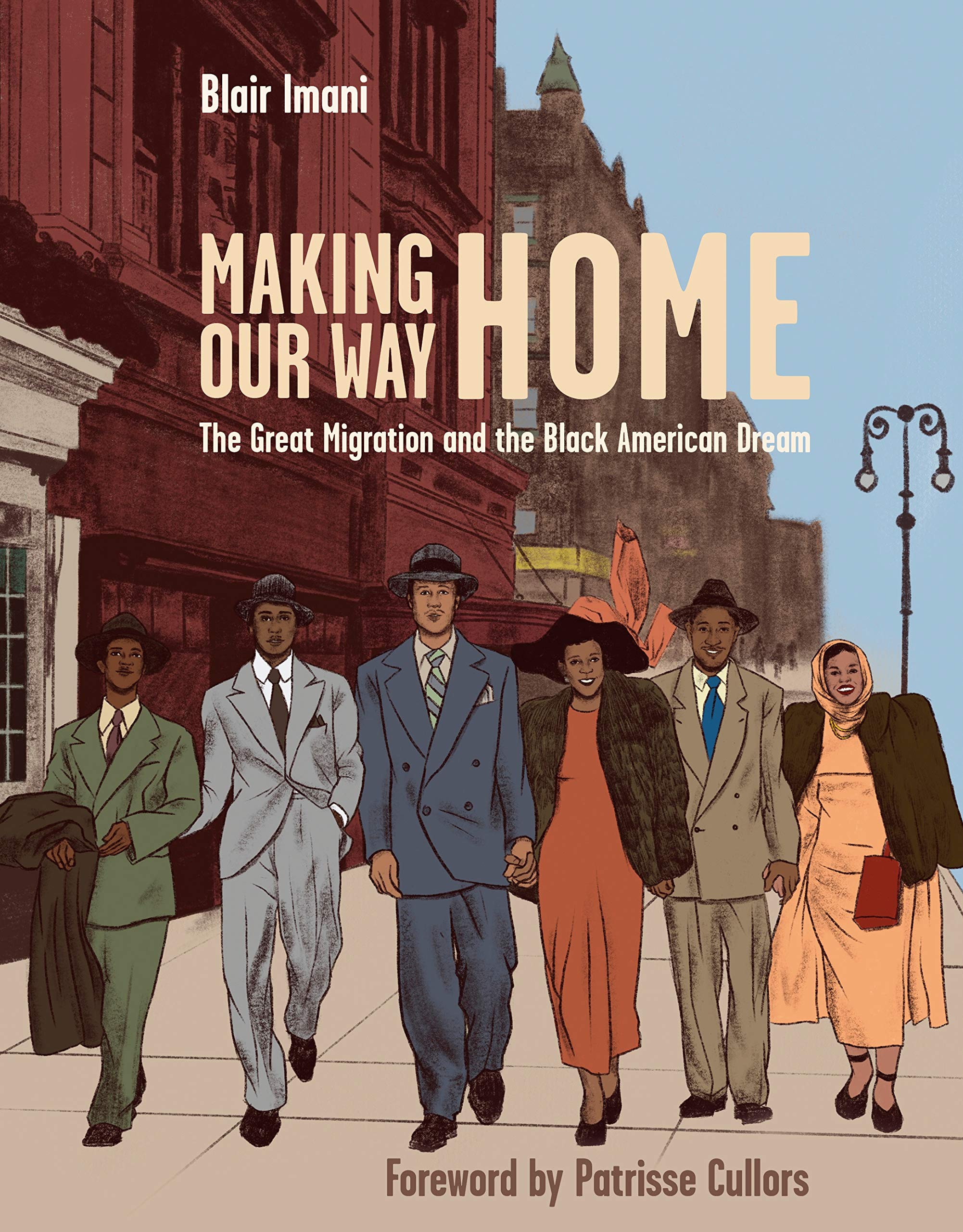
Book — Non-fiction. By Blair Imani. 2020. 192 pages.
An illustrated chronicle of the Great Migration and African American history in the 20th century.
Continue reading
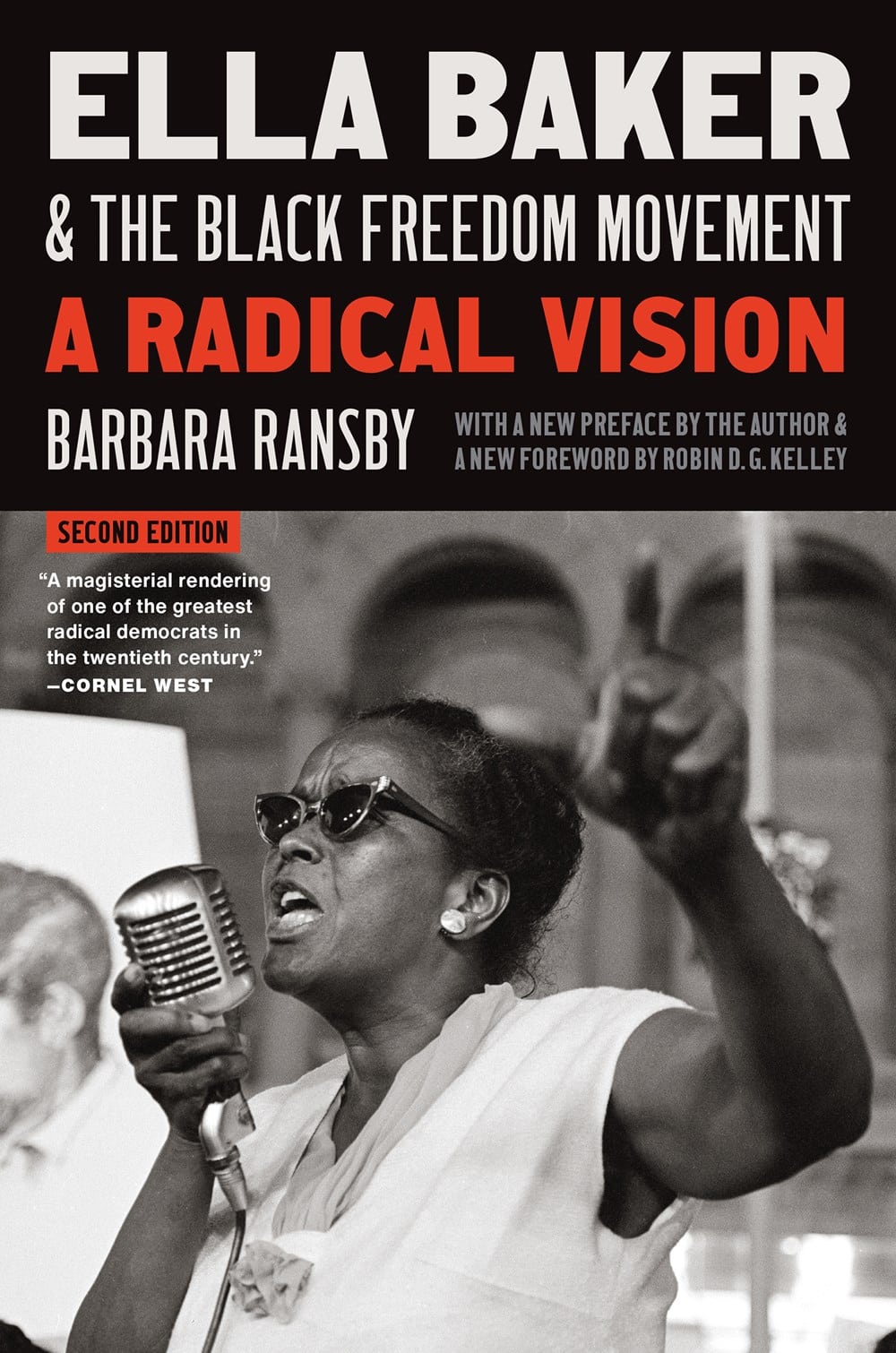
Book — Non-fiction. By Barbara Ransby. 2024 (Second Edition). 512 pages.
This biography chronicles Baker's long and rich political career as an organizer, an intellectual, and a teacher, from her early experiences in depression-era Harlem to the civil rights movement of the 1950s and 1960s.
Continue reading
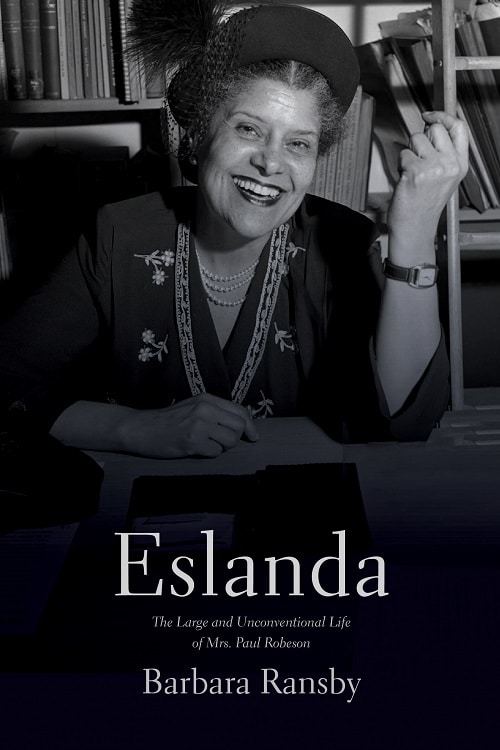
Book — Non-fiction. By Barbara Ransby. 2013. 373 pages.
This biography of cosmopolitan anthropologist Eslanda Cardozo Goode Robeson explores her influence on her husband's early career, their open marriage, and her life as a prolific journalist, a tireless advocate of women's rights, and an outspoken anti-colonial and antiracist activist.
Continue reading
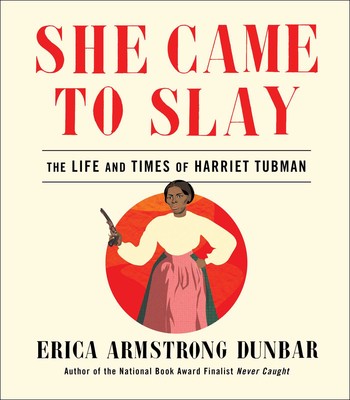
Book — Non-fiction. By Erica Armstrong Dunbar. 2019. 176 pages.
This book blends traditional biography with illustrations, photos, and engaging sidebars that illuminate the life of Harriet Tubman.
Continue reading
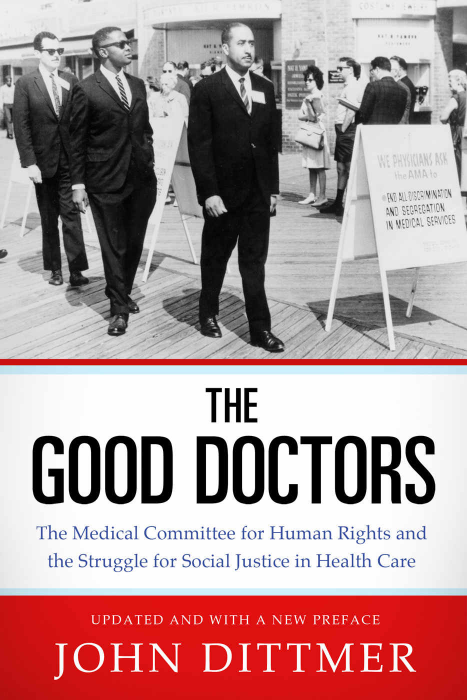
Book – Non-fiction. By John Dittmer. 2017. 344 pages.
This book explores the history of SNCC's Medical Committee for Human Rights, which was founded in 1964 to care for civil rights activists and later worked to make healthcare more accessible for disenfranchised communities.
Continue reading
Book — Non-fiction. By Lawrence Goldstone. 2020. 288 pages.
This young adult book documents the long and ongoing struggle for voting rights for African Americans.
Continue reading
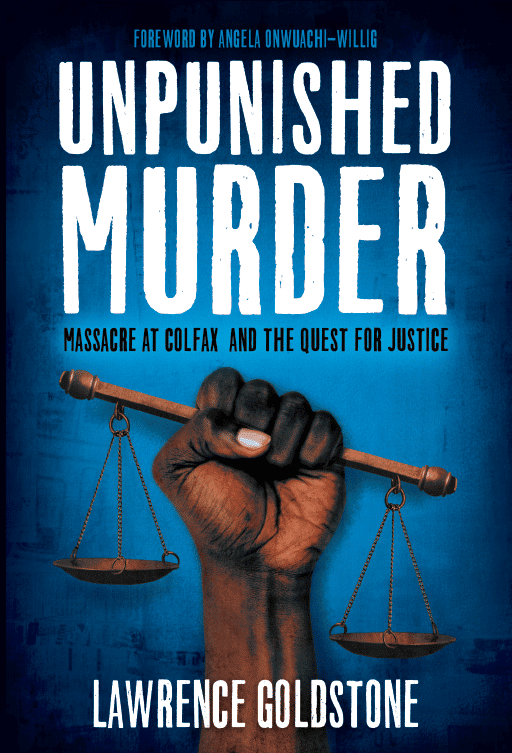
Book — Non-fiction. By Lawrence Goldstone. 2018. 288 pages.
This young adult book provides students with the history of the 1873 massacre of unarmed African Americans in Colfax, Louisiana and the subsequent Supreme Court Case.
Continue reading
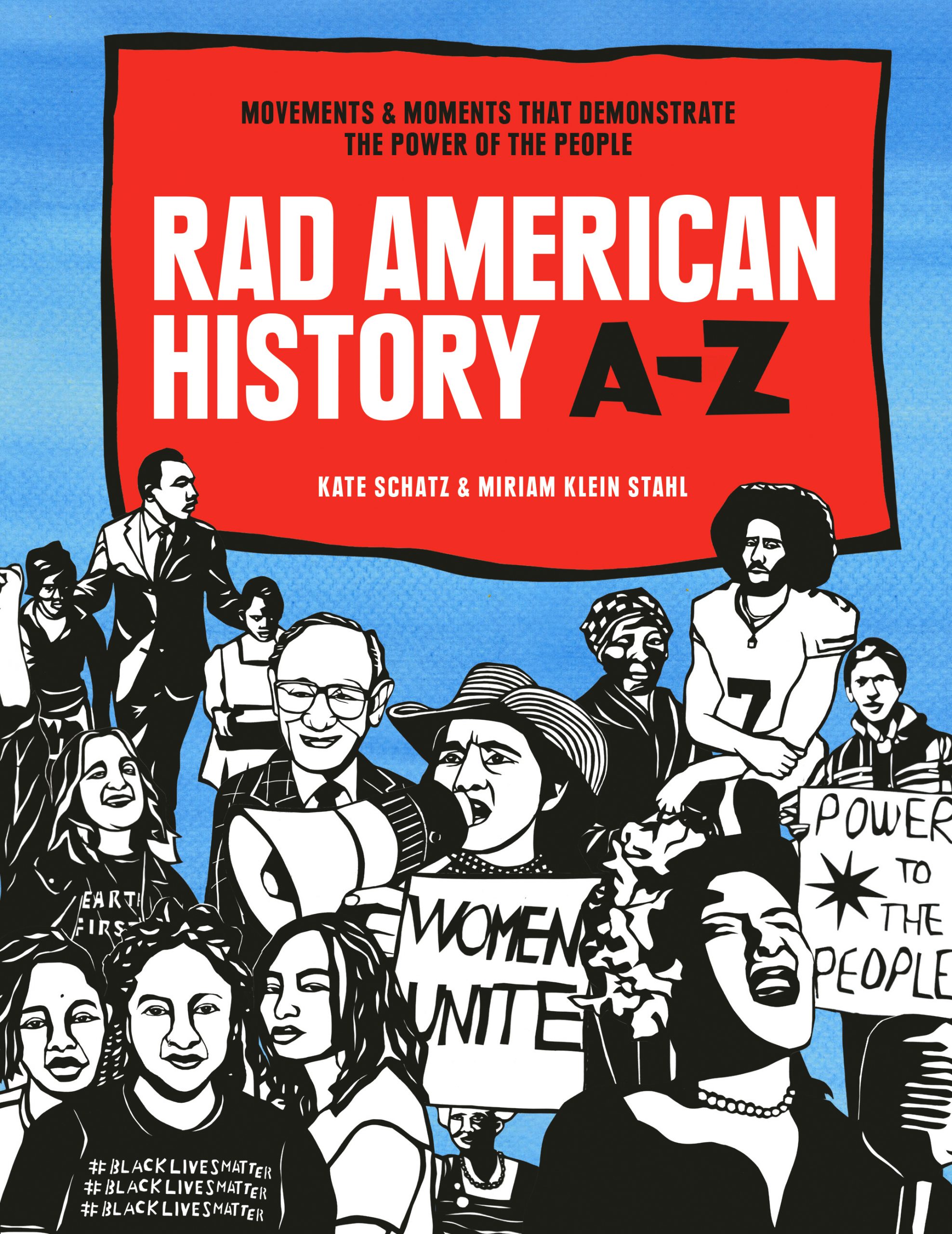
Book — Non-fiction. By Kate Schatz and illustrated by Miriam Klein Stahl. Ten Speed Press. 2020. 176 pages.
Paired with dynamic paper-cut art, readers explore several centuries of U.S. politics, culture, art, activism, and liberation.
Continue reading
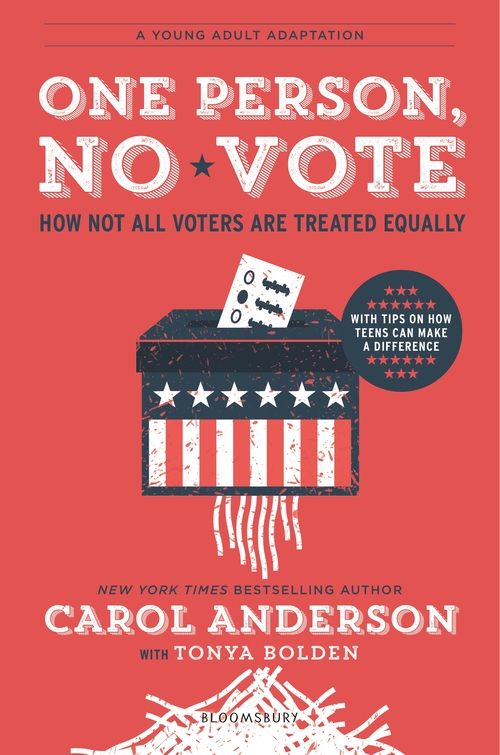
Book — Non-fiction. By Carol Anderson with Tonya Bolden. 2019. 288 pages.
A young readers edition of Anderson's voter suppression analysis and history, One Person, No Vote.
Continue reading
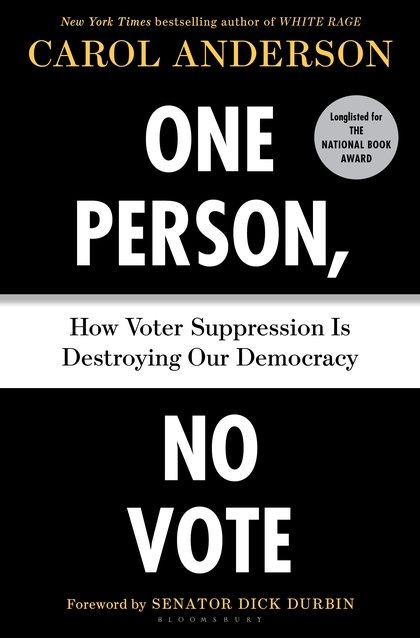
Book — Non-fiction. By Carol Anderson. 2018. 368 pages.
This history of voter suppression highlights the aftermath and challenges to the 2013 Supreme Court ruling that gutted the Voting Rights Act of 1965.
Continue reading
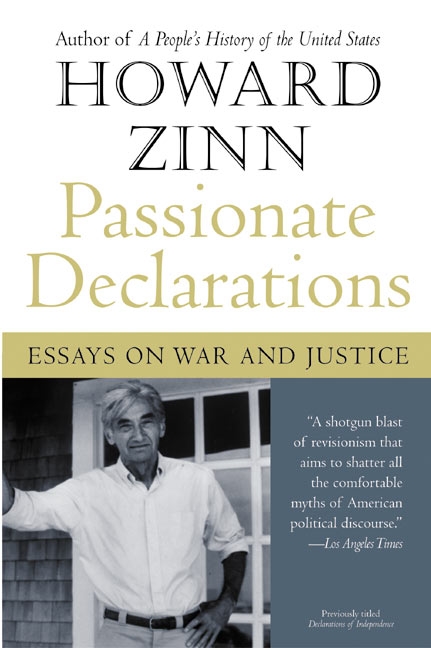
Book — Non-fiction. By Howard Zinn. 2003. 368 pages.
A selection of passionate, honest, and piercing essays looking at political ideology in the United States.
Continue reading
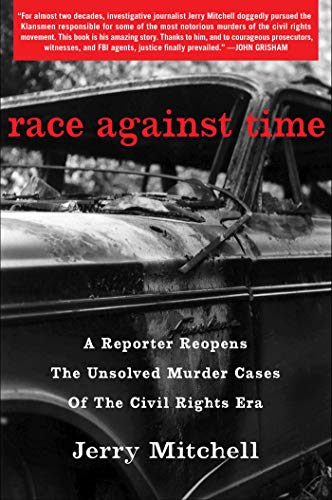
Book — Non-fiction. By Jerry Mitchell. 2020. 432 pages.
An account of one journalist's search for the long-buried truths that could bring killers to justice for the assassination of Medgar Evers, the firebombing of Vernon Dahmer, the 16th Street Church bombing in Birmingham, and the Mississippi Burning case.
Continue reading
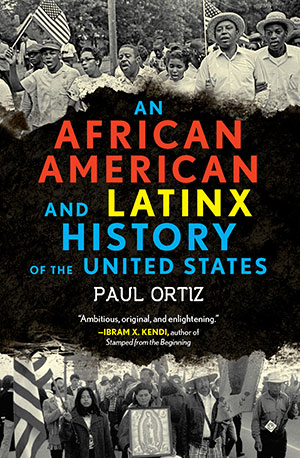
Book — Non-fiction. By Paul Ortiz. 2018. 296 pages.
This narrative, intersectional history describes the shared struggle for African American and Latinx civil rights, and argues that the “Global South” was crucial to the development of the United States.
Continue reading
Book — Non-fiction. Edited by Lisa Delpit. 2019. 272 pages.
Essays and interviews from beloved, well-known educators, dynamic principals, and classroom teachers who tackle difficult topics in 21st-century K–12 schools.
Continue reading
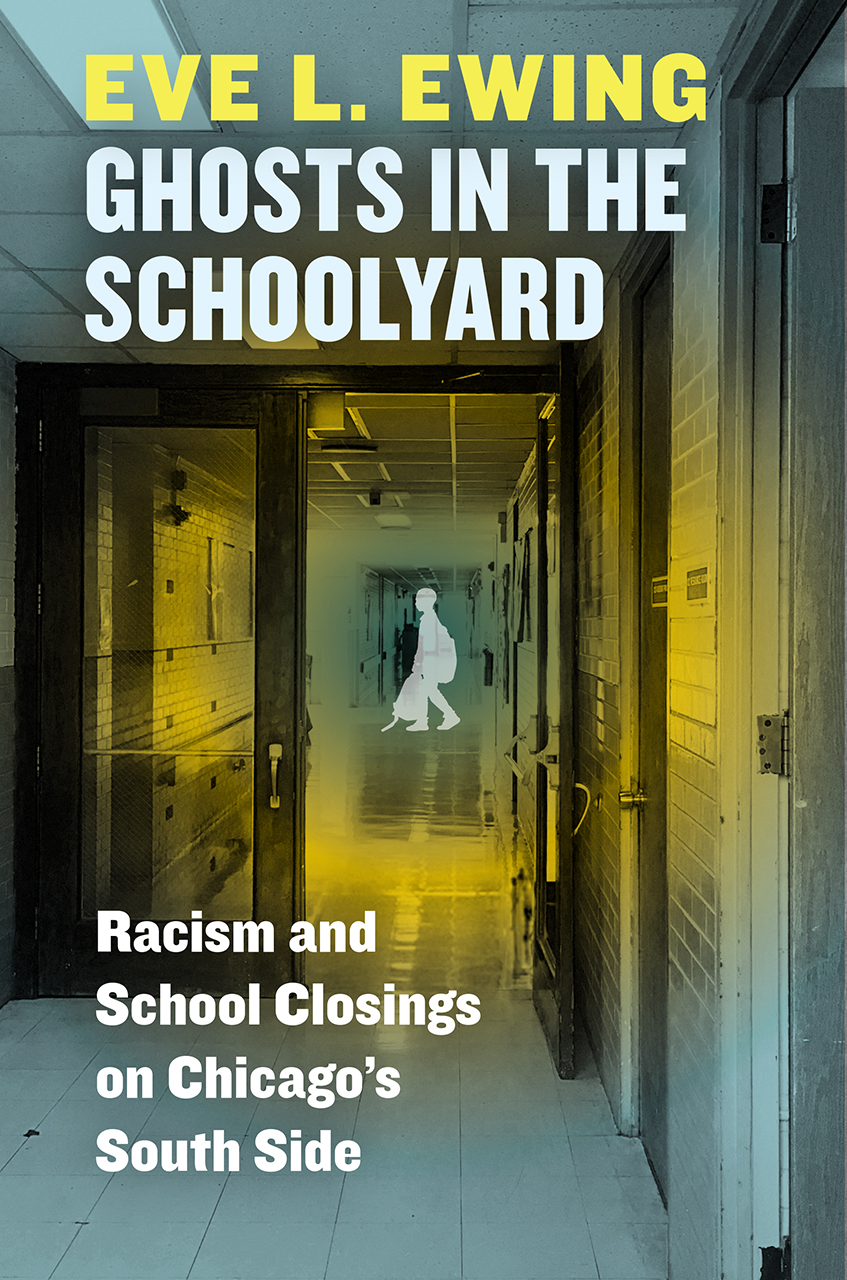
Book — Non-fiction. By Eve L. Ewing. 2018. 240 pages.
This book flips the script about how we talk about "failing schools," using historical research and current data to show that Chicago's public schools are storehouses of memory, an integral part of their neighborhoods, and at the heart of their communities.
Continue reading
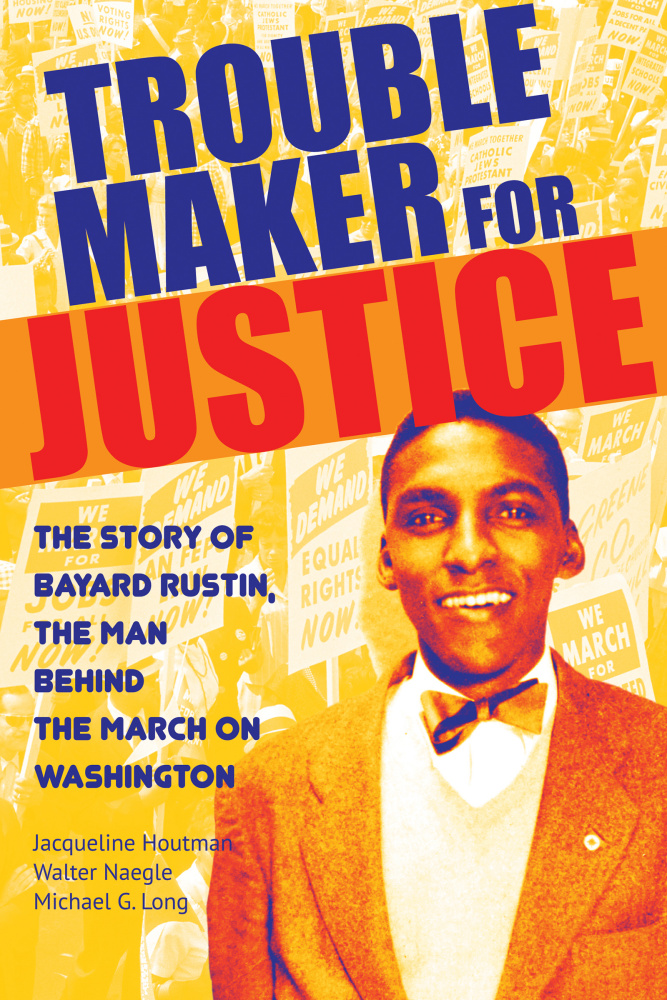
Book — Non-fiction. By Jacqueline Houtman, Walter Naegle, and Michael G. Long. 2019. 168 pages.
A biography of antiwar and civil rights activist Bayard Rustin.
Continue reading
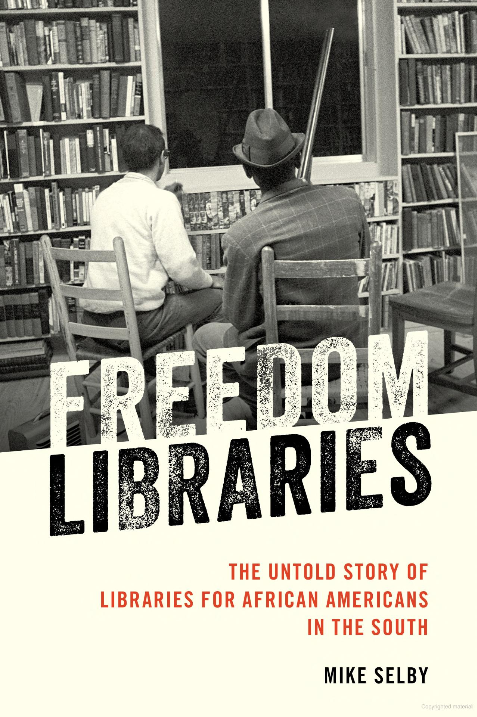
Book — Non-fiction. By Mike Selby. 2019. 208 pages.
This book reveals the histories of grassroots "freedom libraries" that were at the heart of the Civil Rights Movement in the Deep South and tells the stories of courageous people who operated and used them.
Continue reading
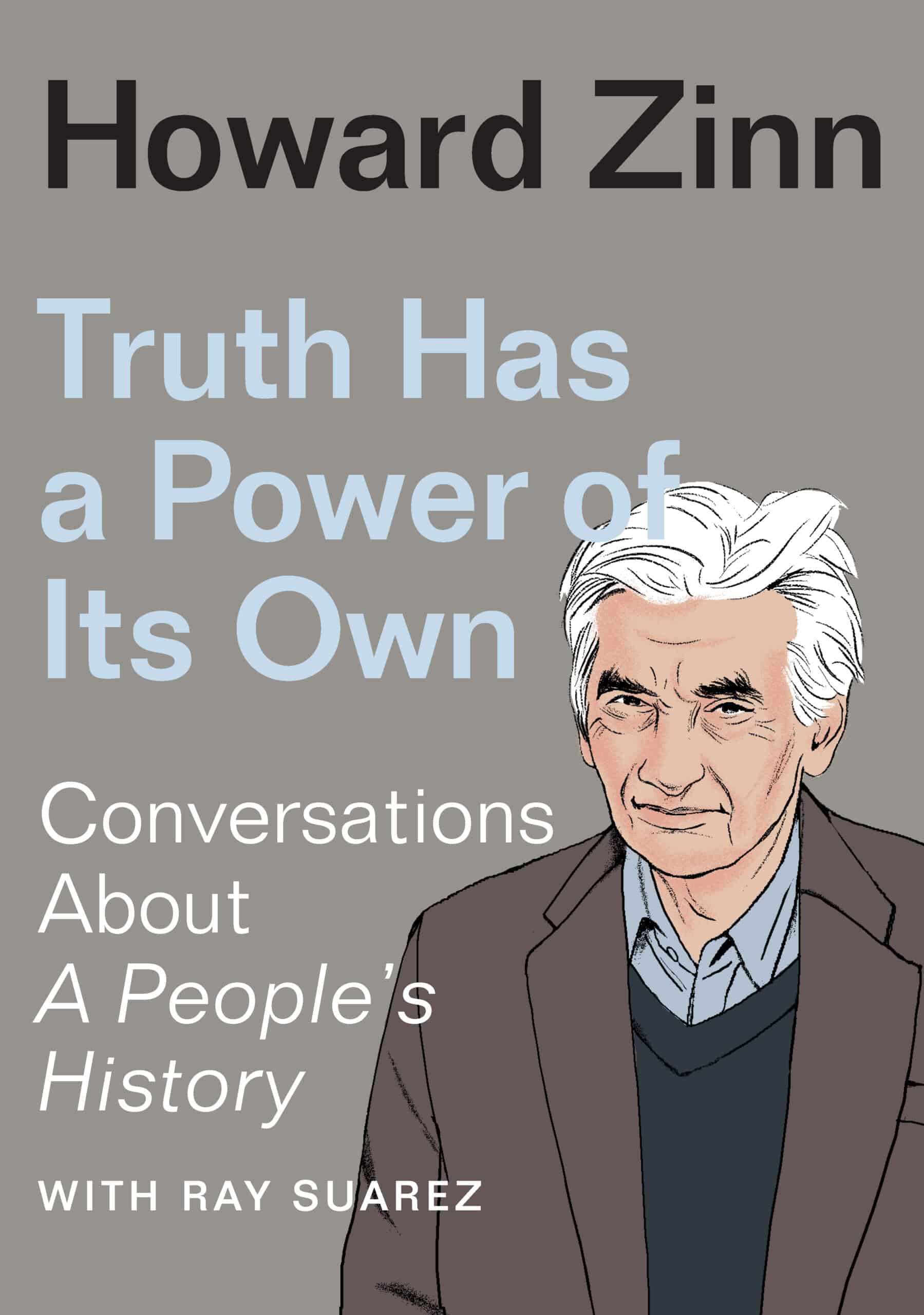
Book — Non-fiction. By Howard Zinn and Ray Suarez. Reprinted in paperback in 2022. 240 pages.
A collection of conversations between Howard Zinn and journalist Ray Suarez, conducted in 2007, about people's history.
Continue reading