
On Nov. 25, 1986 Abbie Hoffman and Amy Carter (President Jimmy and Rosalynn Carter’s daughter) were among 60 people arraigned on charges of disorderly conduct stemming from a sit-in to block CIA campus recruiting at University of Massachusetts-Amherst. It was an act of protest of the CIA’s role in Central America.
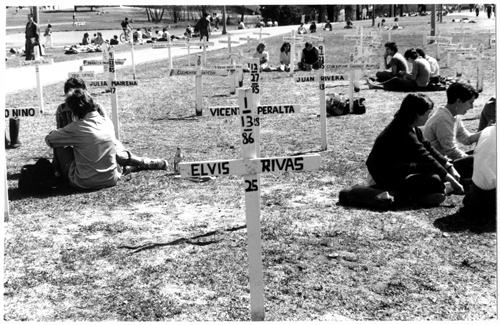
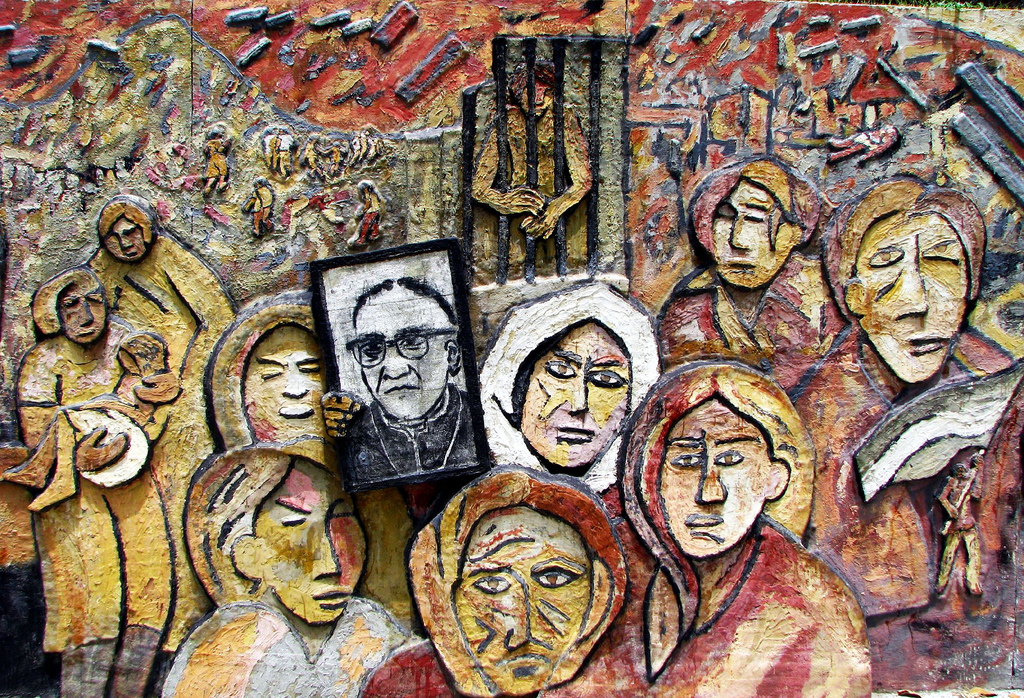
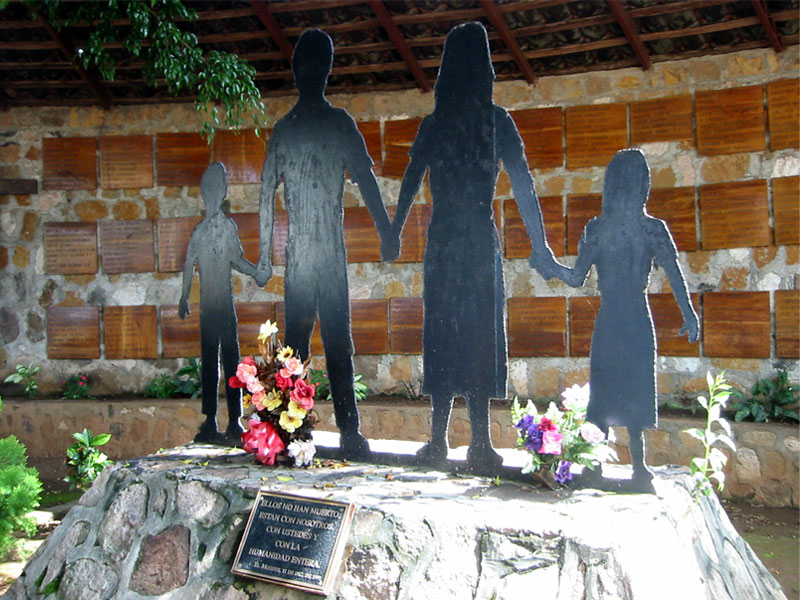
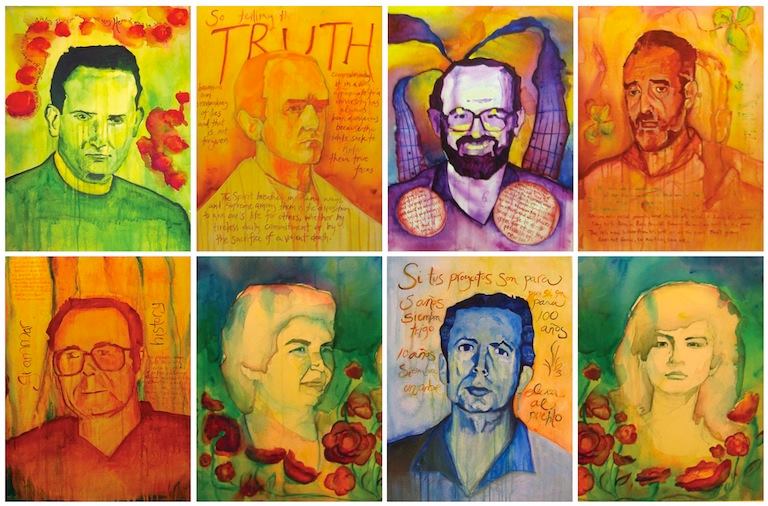
Commemoration of victims of Contra violence. Source: UMass Library Archives
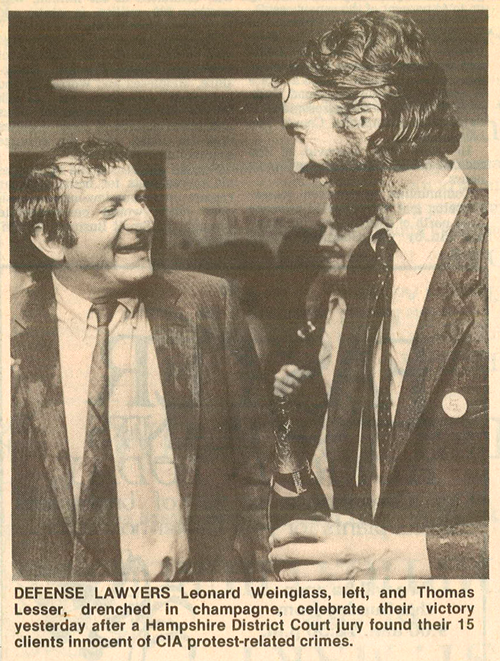
Lawyers Tom Lesser and Leonard Weinglass defended Carter, Hoffman, and 13 other students who were brought to trial.
They used the common law necessity defense — actions are necessary to prevent greater harm; there is no choice but to break the law to stop lawlessness/injury.
Witnesses for the defense included Howard Zinn and Daniel Ellsberg on April 10, 1987.
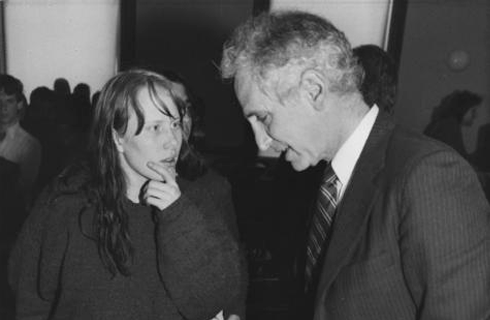
Amy Carter and Daniel Ellsberg. Source: UPI Photo/Pool/Files
 Zinn testified to the power of civil disobedience. Read Zinn’s testimony at HowardZinn.org.
Ellsberg testified to the circumstances of why he decided to release the Pentagon Papers.
Carter testified to the importance of everyone taking a stand. She said,
Every time a person sacrifices himself for a larger injustice, it aids in the cycle of change.
The defendants were acquitted.
Learn More
An April 15, 1987, The Daily Free Press article by Linda Hervieux, pictured below, includes the following trial testimonial by Howard Zinn.
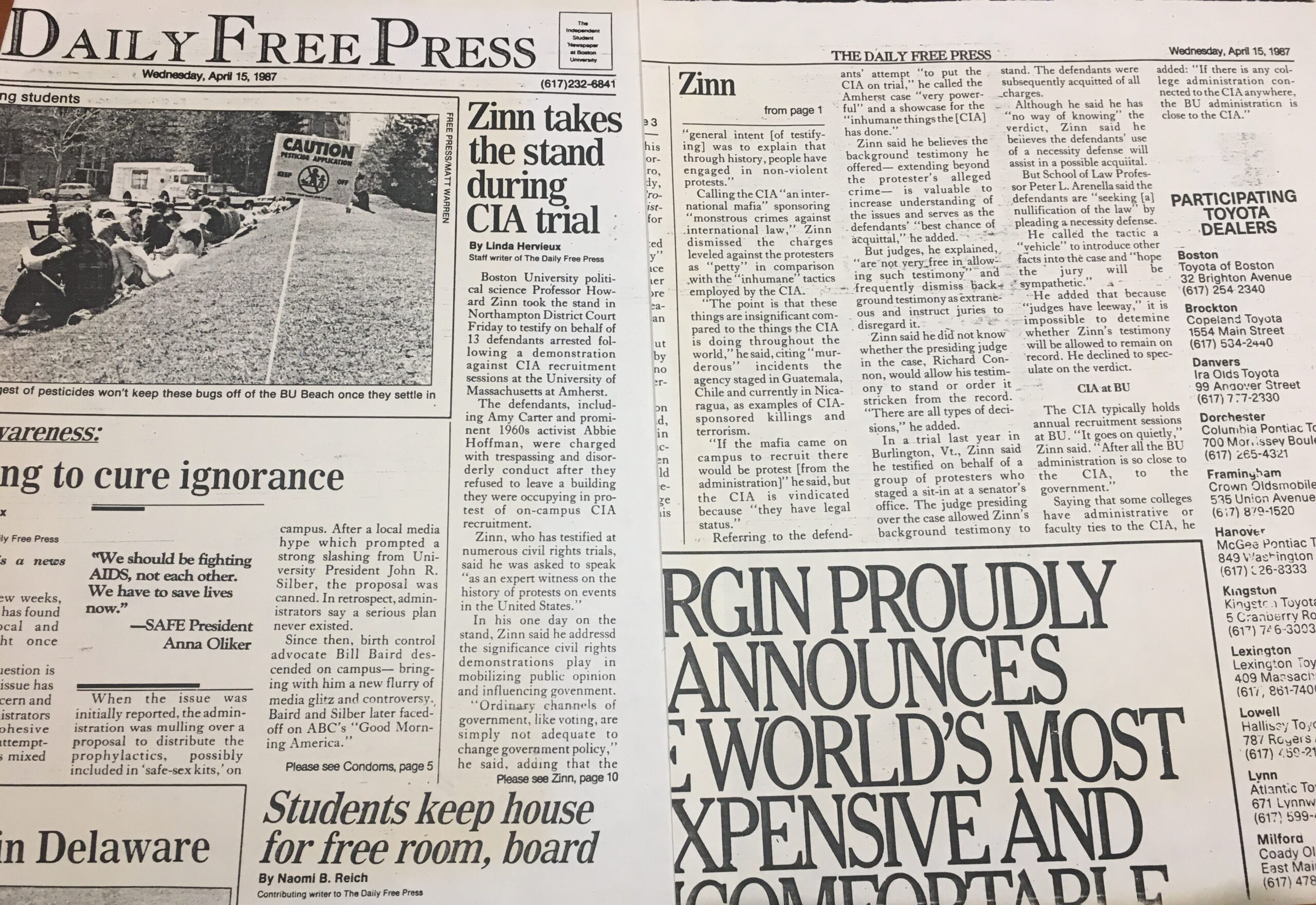
In his one day on the stand, Zinn said he addressed the significance civil rights demonstrations play in mobilizing public opinion and influencing government.
“Ordinary channels of government, like voting, are simply not adequate to change government policy,” he said, adding that the “general intent [of testifying] was to explain that through history, people have engaged in non-violent protests.”
Calling the CIA “an international mafia” sponsoring “monstrous crimes against international law,” Zinn dismissed the charges leveled against the protesters as “petty” in comparison with the “inhumane” tactics employed by the CIA.
“The point is that these things are insignificant compared to the things the CIA is doing throughout the world,” he said, citing “murderous” incidents the agency staged in Guatemala, Chile and currently in Nicaragua, as examples of CIA-sponsored killings and terrorism.
“If the mafia came on campus to recruit there would be protest [from the administration]” he said, but the CIA is vindicated because “they have legal status.”
Referring to the defendants’ attempt “to put the CIA on trial,” he called the Amherst case “very powerful” and a showcase for the “inhumane things the [CIA] has done.”
Zinn said he believes the background testimony he offered — extending beyond the protester’s alleged crime — is valuable to increase understanding of the issues and serves as the defendants’ “best chance of acquittal,” he added.
But judges, he explained, “are not very free in allowing such testimony” and frequently dismiss background testimony as extraneous and instruct juries to disregard it.
Zinn said he did not know whether the presiding judge in the case, Richard Connon, would allow his testimony to stand or order it stricken from the record. “There are all types of decisions,” he added.
In a trial last year in Burlington, Vt., Zinn said he testified on behalf of a group of protesters who staged a sit-in at a senator’s office. The judge presiding over the case allowed Zinn’s background testimony to stand. The defendants were subsequently acquitted of all charges.
Although he said he has “no way of knowing” the verdict, Zinn said he believes the defendants’ use of a necessity defense will assist in a possible acquittal. . . .
Thte CIA typically holds annual recruitment sessions at BU. “It goes on quietly,” Zinn said. “After all the BU administration is so close to the CIA, to the government.”
Saying that some colleges have administrative or faculty ties to the CIA, he added: “If there is any college administration connected to the CIA anywhere, the BU administration is close to the CIA.”
Read about the University of Massachusetts Amherst case at Boston TV News Digital Library and watch the video clip below.







Twitter
Google plus
LinkedIn