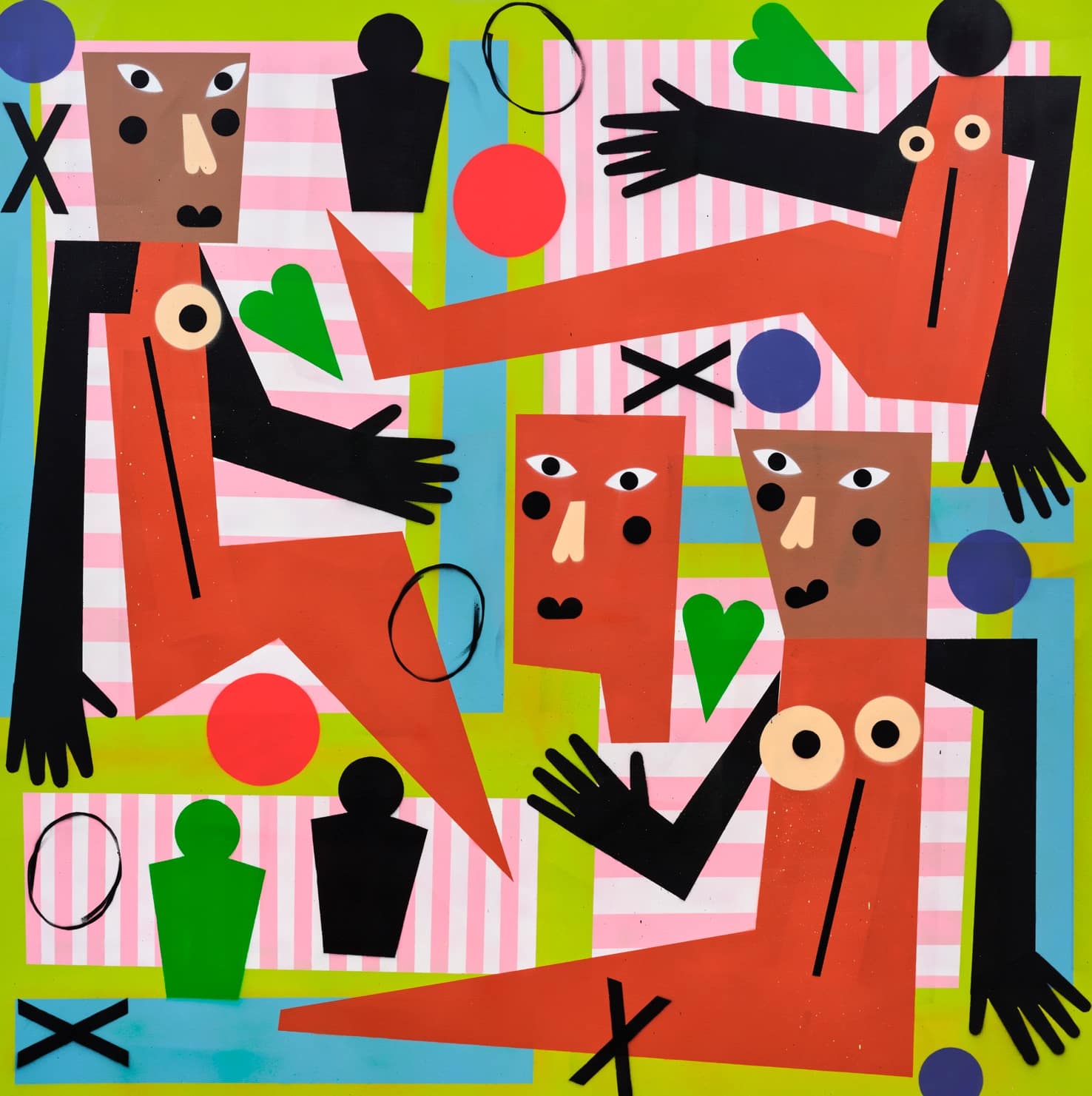
Book — Non-fiction. Edited by Roxane Gay. 2025. 672 pages.
Writings on multicultural perspectives, ecofeminism, feminism and disability, feminist labor, gender perspectives, Black feminism, and more.
Continue reading
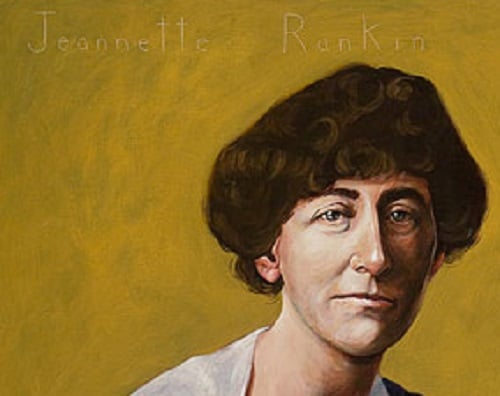
Congresswoman Jeannette Rankin was the only member of Congress to vote against declaring war on Japan after the attack on Pearl Harbor.
Continue reading
Film. Written by Mark Zwonitzer and Directed by Jamila Wignot. 2018. 52 minutes.
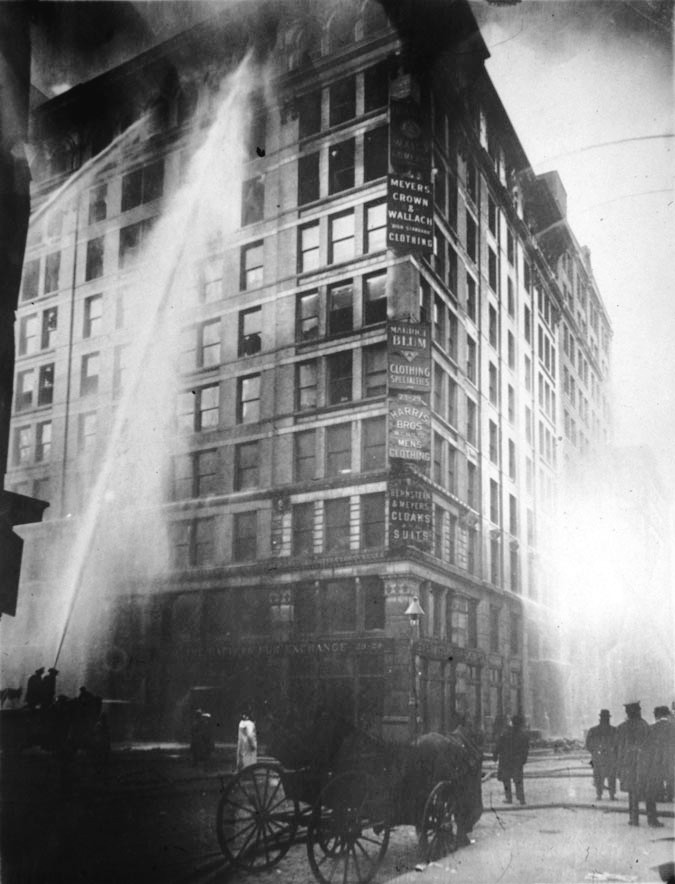
After a tragic workplace accident, the private industry of the American factory would never be the same.
Continue reading
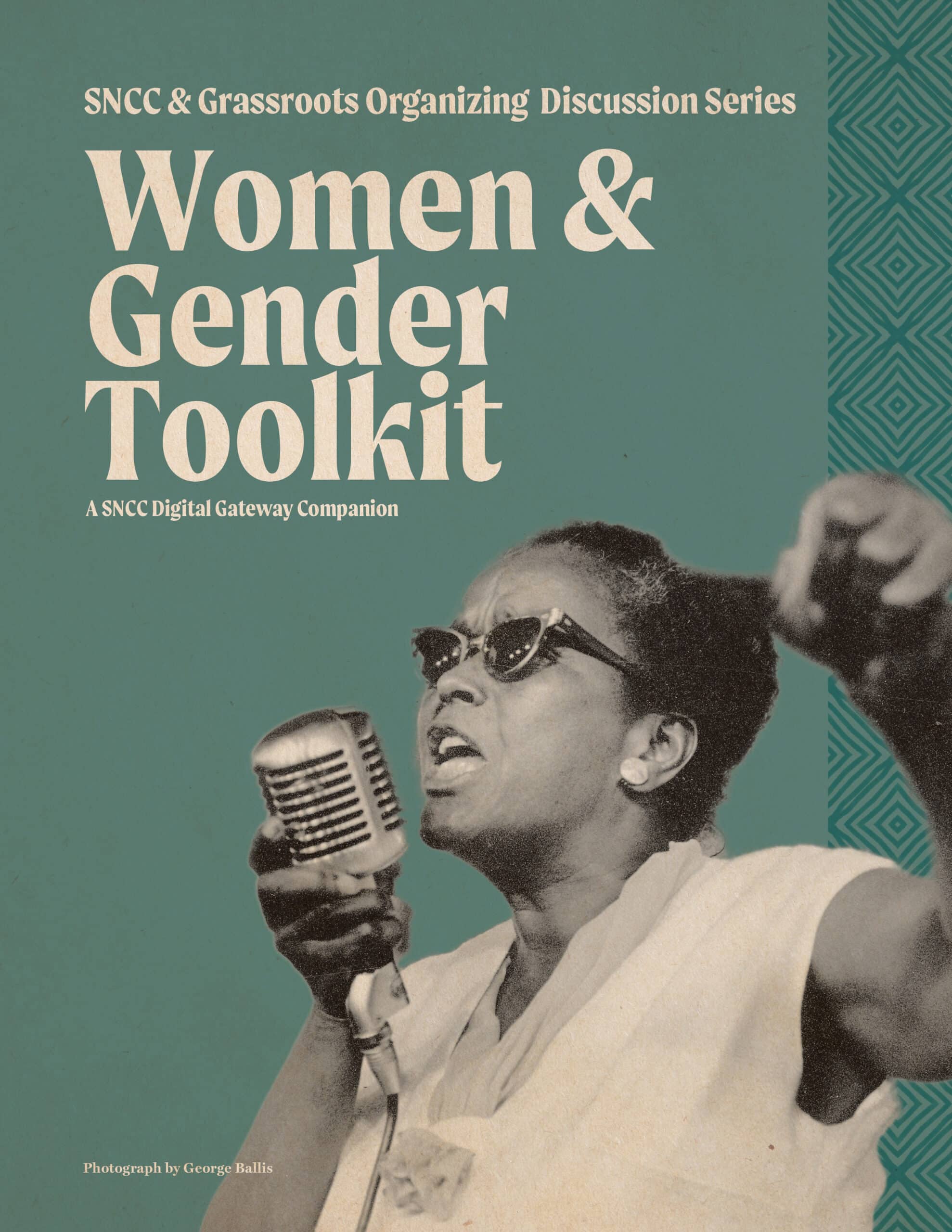
Book — Non-fiction. By SNCC Digital Gateway. 2024. 22 pages.
Provides concrete ways for people to engage with and learn about SNCC’s work and the role of women within SNCC, explore primary source materials, and connect contemporary issues in their own lives and communities to central themes in SNCC’s history.
Continue reading
Jeannette Rankin took her seat in the U.S. House of Representatives as the first woman ever elected to the U.S. Congress.
Continue reading
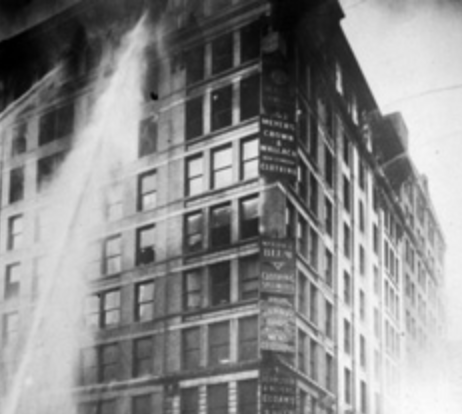
A fire at the Triangle Shirtwaist Factory took the lives of 146 workers, mostly young immigrant women.
Continue reading
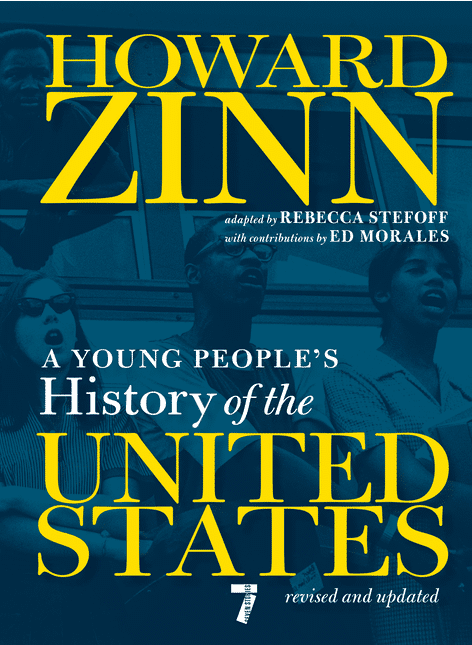
Book — Non-fiction. By Howard Zinn, adapted by Rebecca Stefoff with additions by Ed Morales. 2022. 544 pages.
A young adult version of the best-selling A People’s History of the United States, ideal for 6th through 9th grade students.
Continue reading
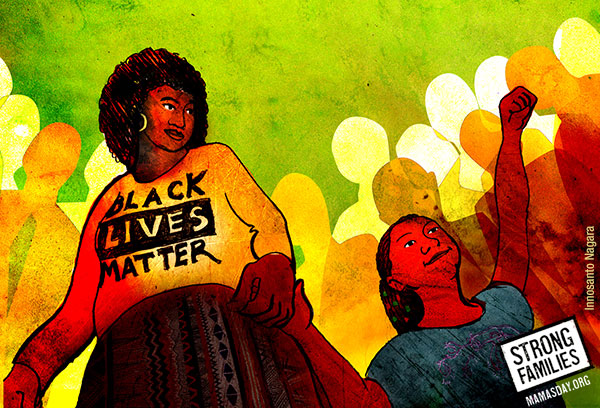
Mother’s Day began as a call to action for healthcare and against war. Activism continues today with #FreeBlackMamas and more.
Continue reading
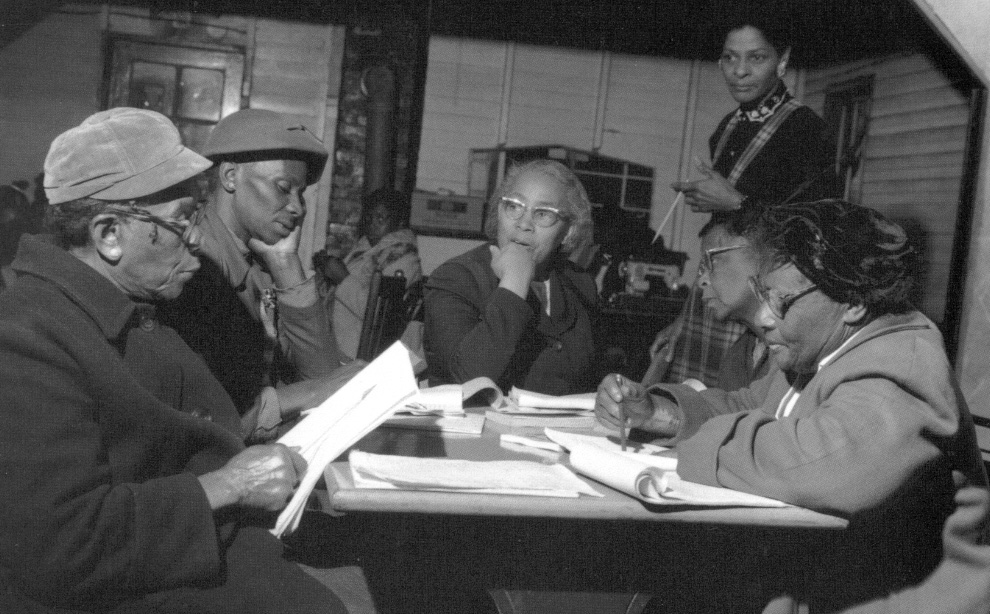
Educator and civil rights organizer Septima Clark was born in South Carolina.
Continue reading
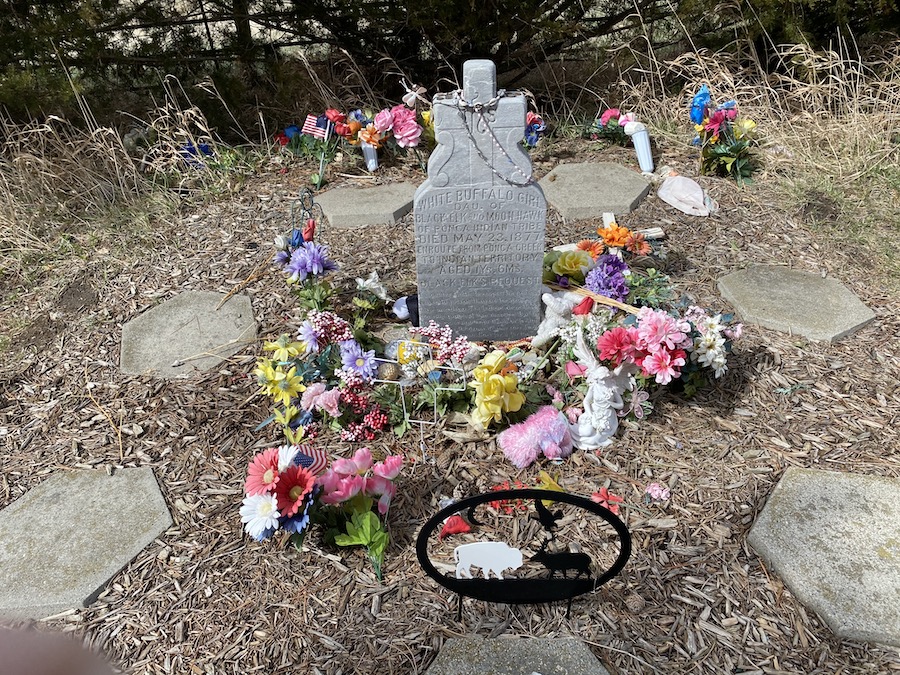
Along the “Trail of Tears” in Neligh, Nebraska, a farmer signed a deed to return ancestral land to the Ponca Tribe.
Continue reading
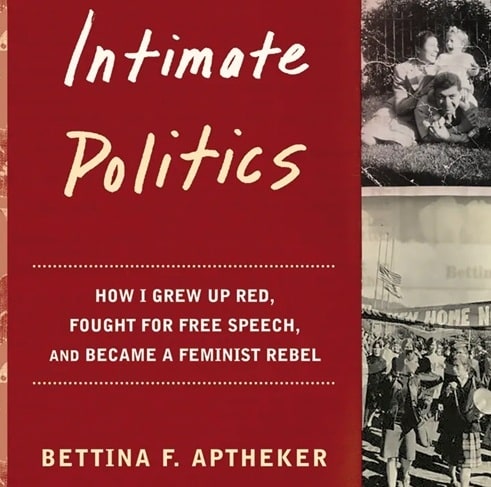
Book — Non-fiction. By Bettina Aptheker. 2006. 375 pages.
An uncompromising account of one woman’s personal and political transformation, and a fascinating portrayal of the McCarthy trials, the Vietnam War, and the rise of the women’s movement.
Continue reading
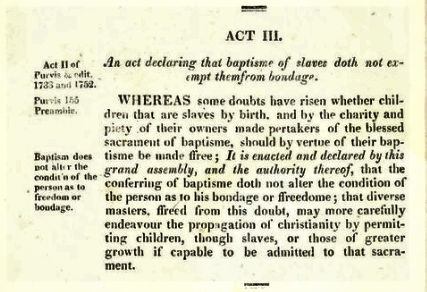
In early Colonial Virginia, Elizabeth Key became the first woman of African descent in the North American colonies to sue for her freedom and win.
Continue reading
Sarah Keys refused to give up her seat on a state-to-state charter bus, prompting the landmark court case, Sarah Keys v. Carolina Coach Company.
Continue reading
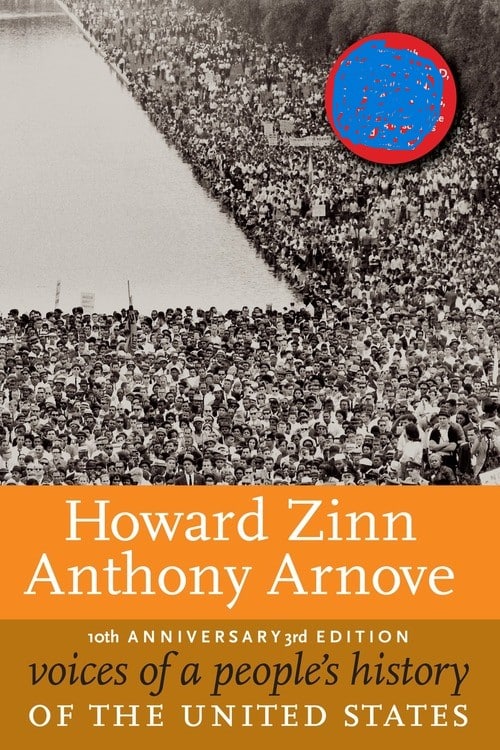
Book — Non-fiction. Edited by Howard Zinn and Anthony Arnove. 2014. 704 pages.
Speeches, letters, poems, and songs for each chapter of A People’s History of the United States.
Continue reading
When WWII veteran Edna Griffin was denied service at a Des Moines drug store, she took the company to court and the lawsuit became a test case.
Continue reading
Article. By Wesley Hogan. 2024.
A collection of primary sources to illustrate the history of abortion care in the United States.
Continue reading
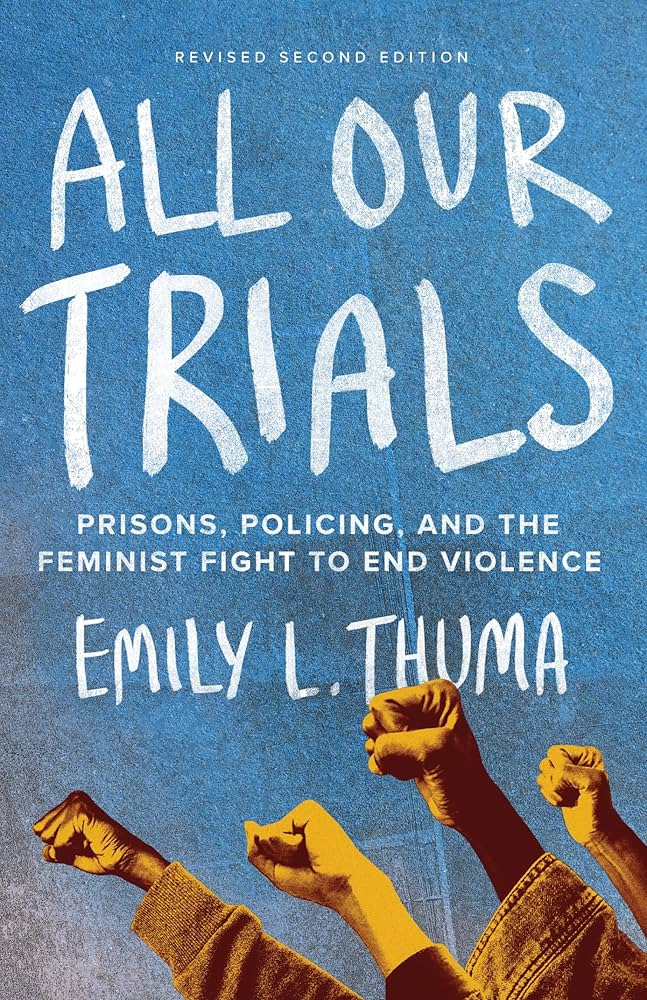
Book — Non-fiction. By Emily L. Thuma. 2024. 256 pages.
A vital history of organizing within and beyond the walls of women’s prisons in the 1970s, illuminating a crucial chapter in today’s abolition feminist struggles.
Continue reading
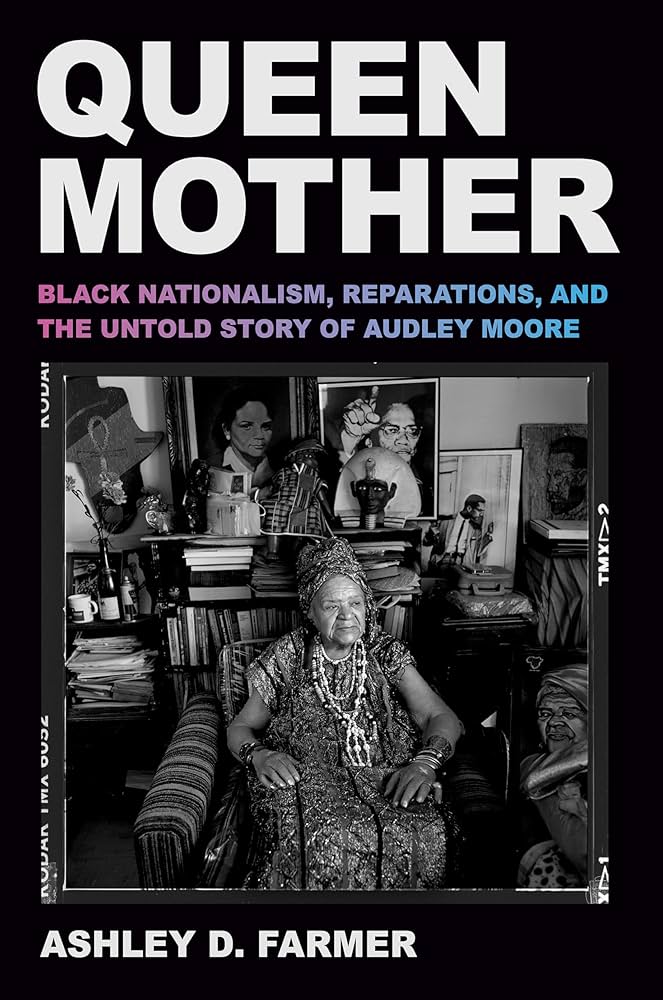
Book — Non-fiction. By Ashley D. Farmer. 2025. 496 pages.
A biography of Queen Mother Audley Moore — mother of modern Black Nationalism and trailblazer in the fight for reparations.
Continue reading
Teaching Activity. By Jack Bareilles.
Questions and teaching ideas for Chapter 19 of Voices of a People's History of the United States on the emergence and legacy of the 1960s counterculture, as well as the movements it helped create.
Continue reading
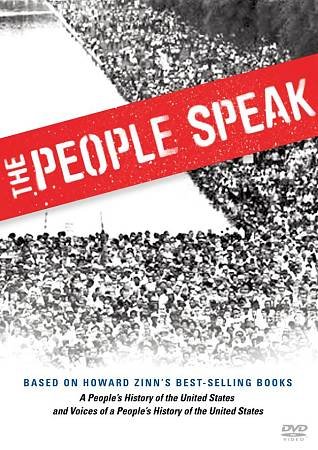
Film. Directed by Howard Zinn, Chris Moore, and Anthony Arnove. 2009. 110 minutes.
Dramatic readings and performances based on Voices of a People's History and A People's History of the United States.
Continue reading
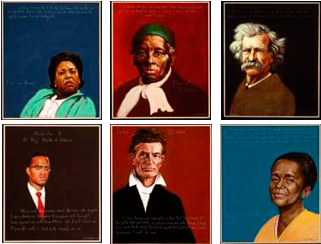
Posters.
Portraits by Robert Shetterly and biographies of individuals who have taken a stand for justice.
Continue reading
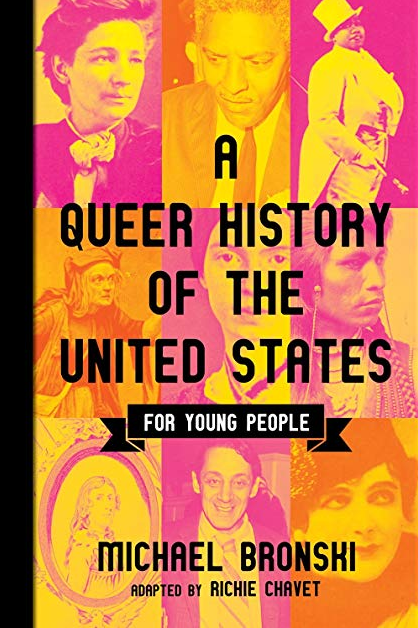
Book — Non-fiction. By Michael Bronski, adapted for by Richie Chevat. 2019. 336 pages.
A young adult readers edition of the original text explores the history of LGBTQ+ experiences in the U.S. since 1500.
Continue reading
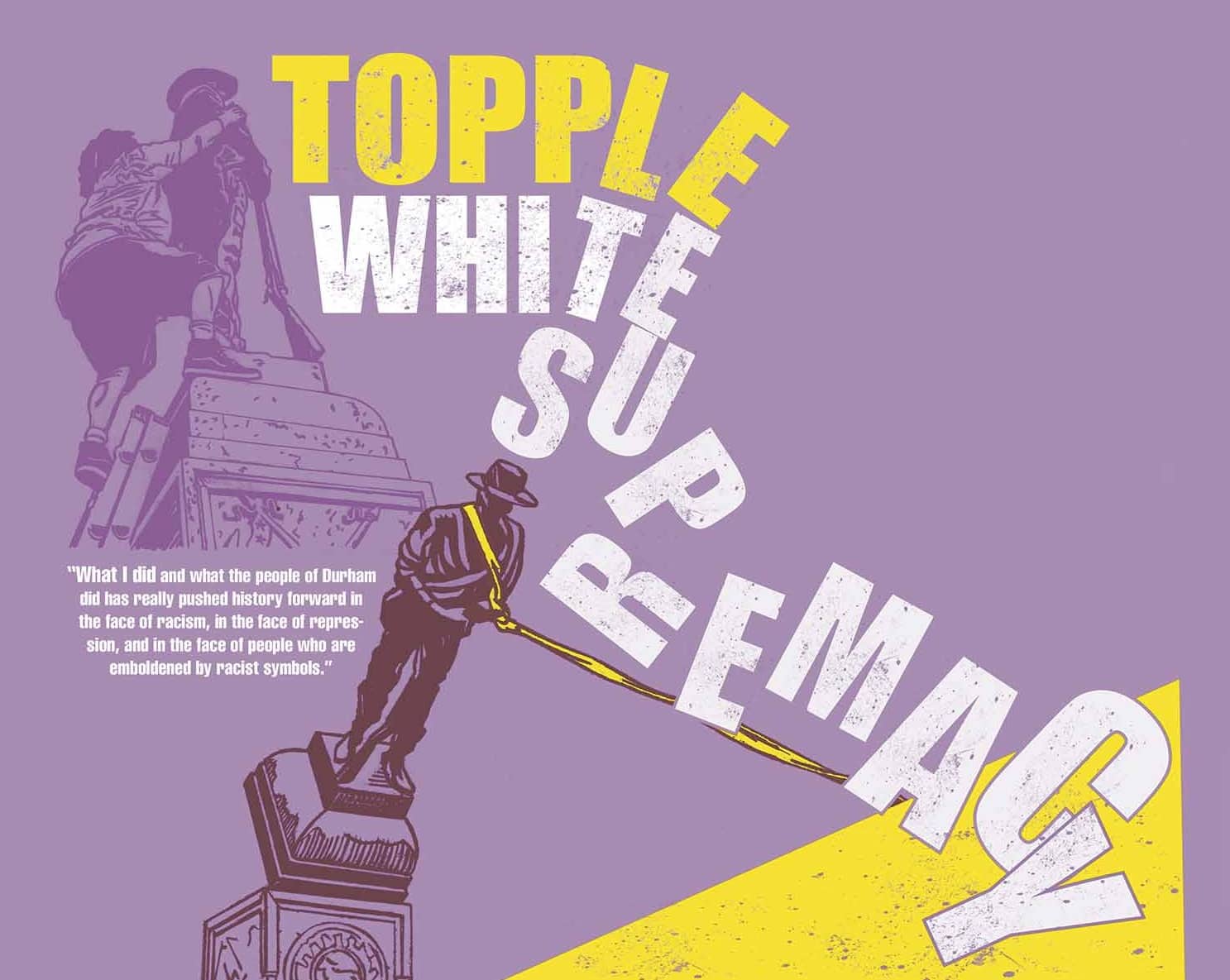
Freedom fighter Takiyah Thompson looped a bright yellow strap around the neck of a Durham, North Carolina monument to Confederate soldiers, and a crowd of other activists pulled it down, inspiring other communities to take direct action in removing public symbols that glorify white supremacy, and to raise up new stories that celebrate all people.
Continue reading
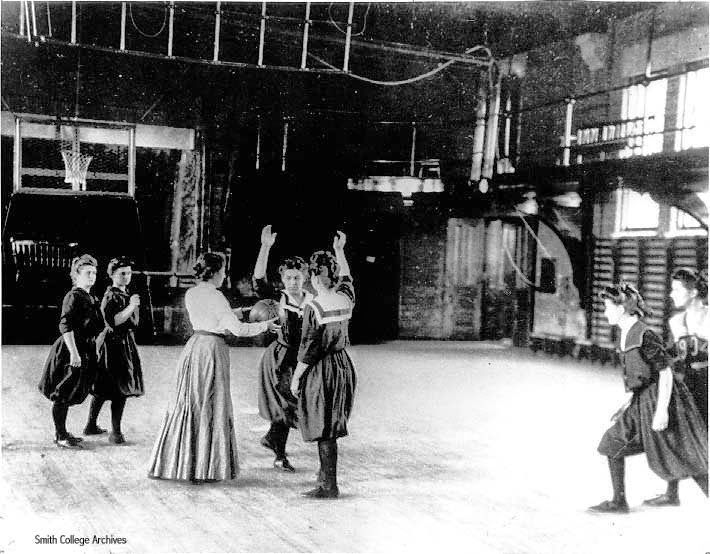
In 1893, the first ever women’s college basketball game was played at Smith College, a historically women’s college in Northampton, Massachusetts.
Continue reading