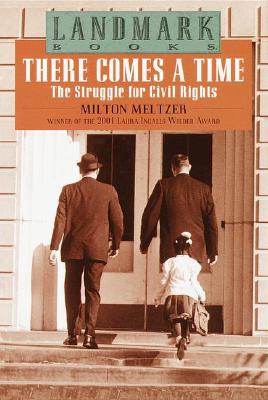
Book — Non-fiction. By Milton Meltzer. 2002. 208 pages.
History of the struggle for civil rights throughout U.S. history for middle school readers.
Continue reading
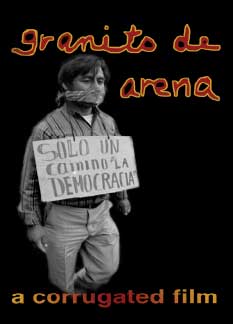
Film. Produced by Jill Freidberg. Corrugated Films. 2005. 62 minutes.
Documentary about teachers, parents, and students fighting to defend Mexico's public education system from the impacts of economic globalization.
Continue reading
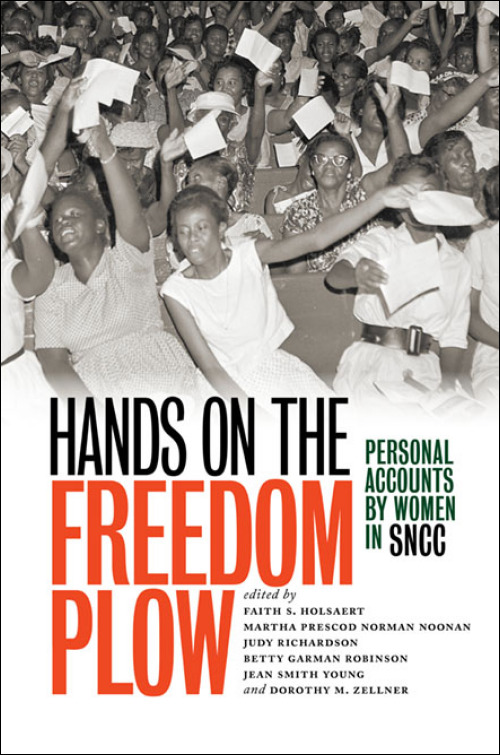
Book — Non-fiction. Edited by Faith S. Holsaert, Martha Prescod Norman Noonan, Judy Richardson, Betty Garman Robinson, Jean Smith Young, and Dorothy M. Zellner. 2010. 616 pages.
An unprecedented women's history of the Civil Rights Movement, from sit-ins to Black Power.
Continue reading
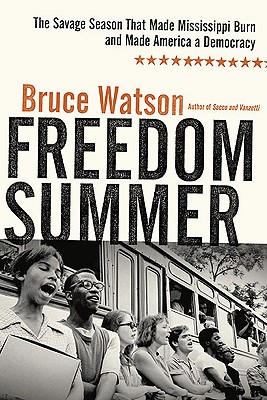
Book — Non-fiction. By Bruce Watson. 2010. 384 pages.
A history of Freedom Summer, the pivotal period of the Civil Rights Movement in 1964 Mississippi.
Continue reading
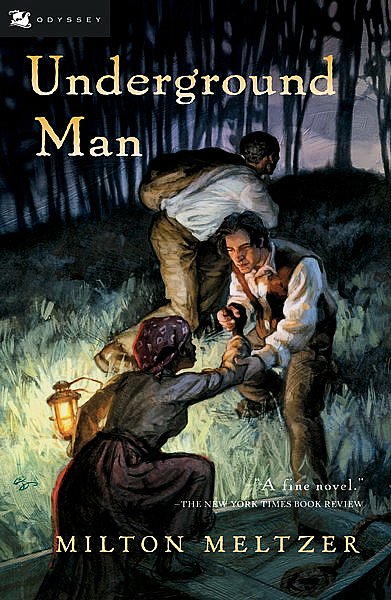
Book — Fiction. By Milton Meltzer. 2006. 288 pages.
An historically accurate novel on abolitionists and the Underground Railroad for middle school readers.
Continue reading
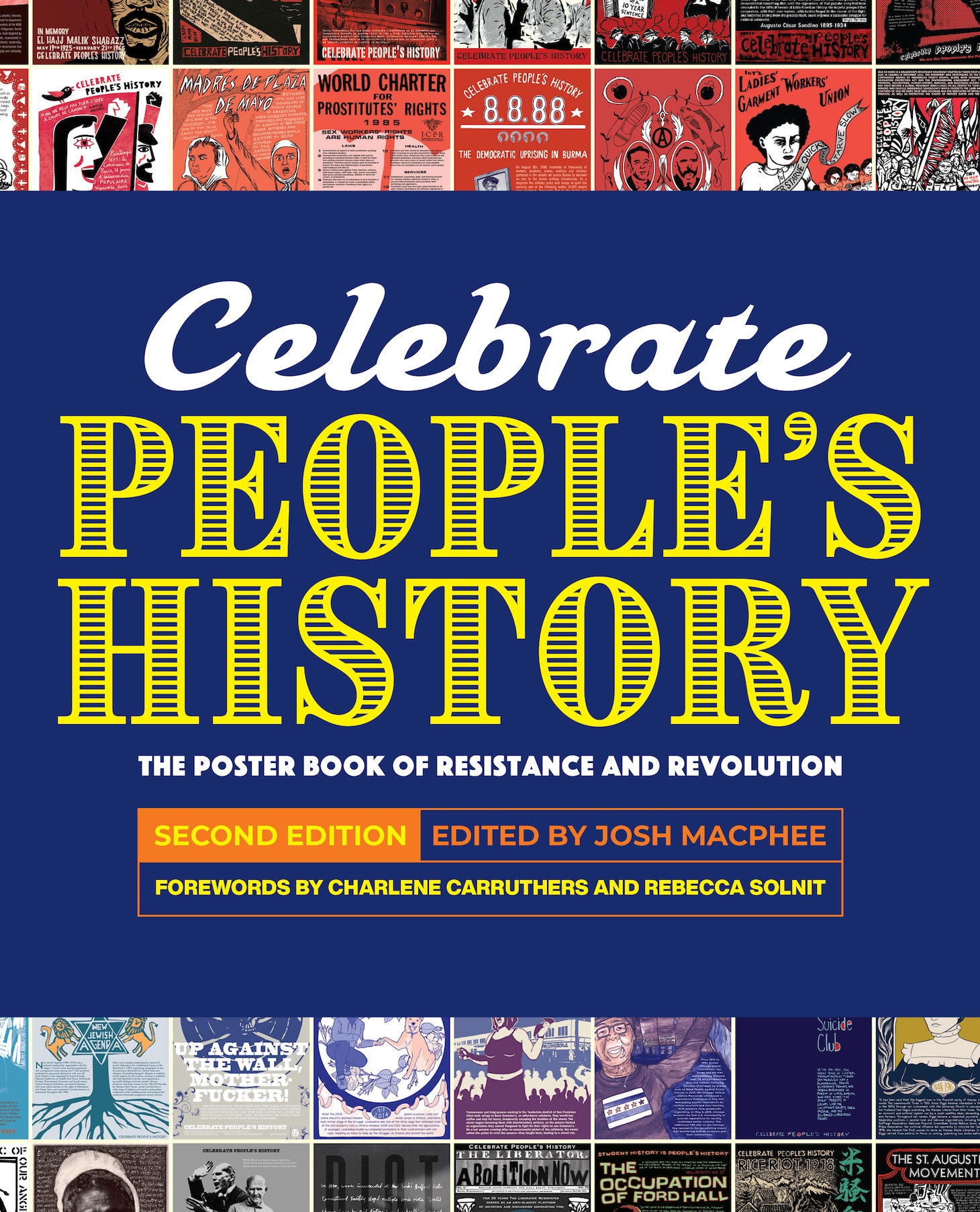
Book — Non-fiction. Edited by Josh MacPhee. 2020. 264 pages.
A visual representation of people's history through political posters.
Continue reading
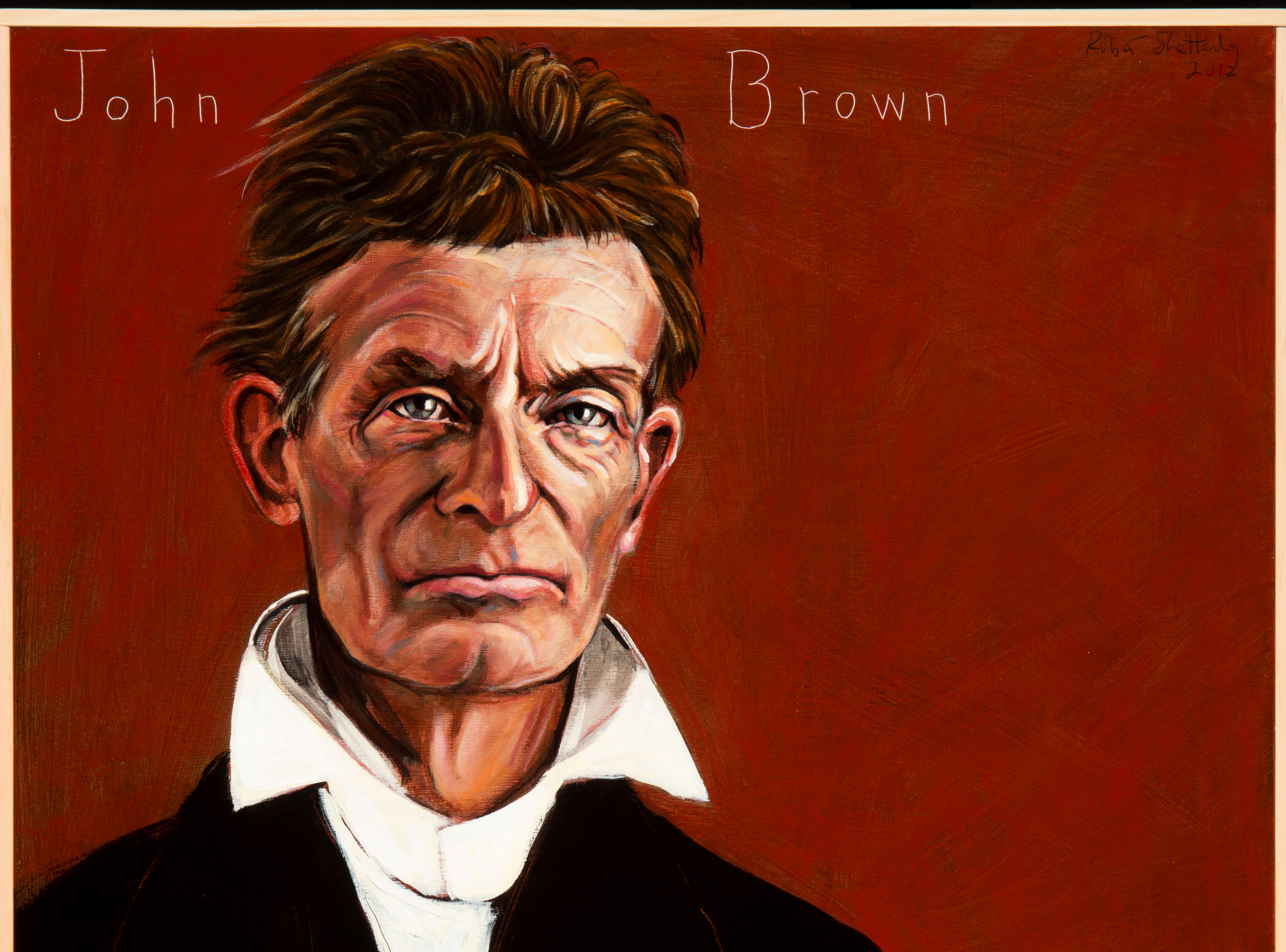
Film clip. Voices of a People's History.
Dramatic reading by David Strathairn of John Brown’s last speech delivered on November 2, 1859.
Continue reading
Film. By Frank Abe. 2000. 57 minutes.
In World War II, 63 Japanese Americans refused to be drafted from a U.S. concentration camp.
Continue reading
Website.
Workshops, tools and publications for social justice and activist training.
Continue reading
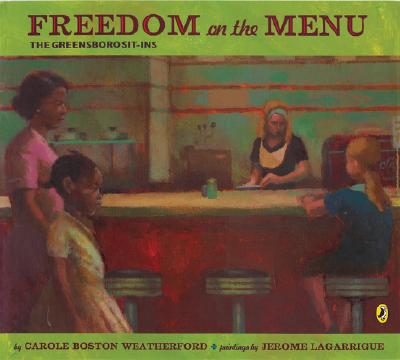
Picture book. By Carole Boston Weatherford. 2007. 32 pages.
Historical fiction in an upper elementary picture book about the Greensboro sit-ins.
Continue reading
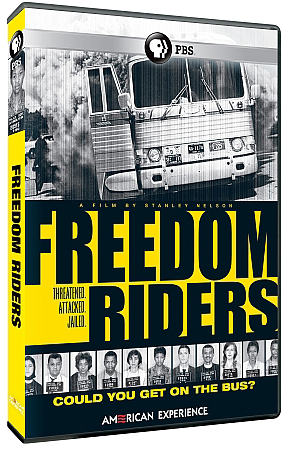
Film. Written, produced, and directed by Stanley Nelson. 2011. 120 minutes.
A first-hand look at the 1961 rides from the Freedom Riders themselves and others who were there.
Continue reading
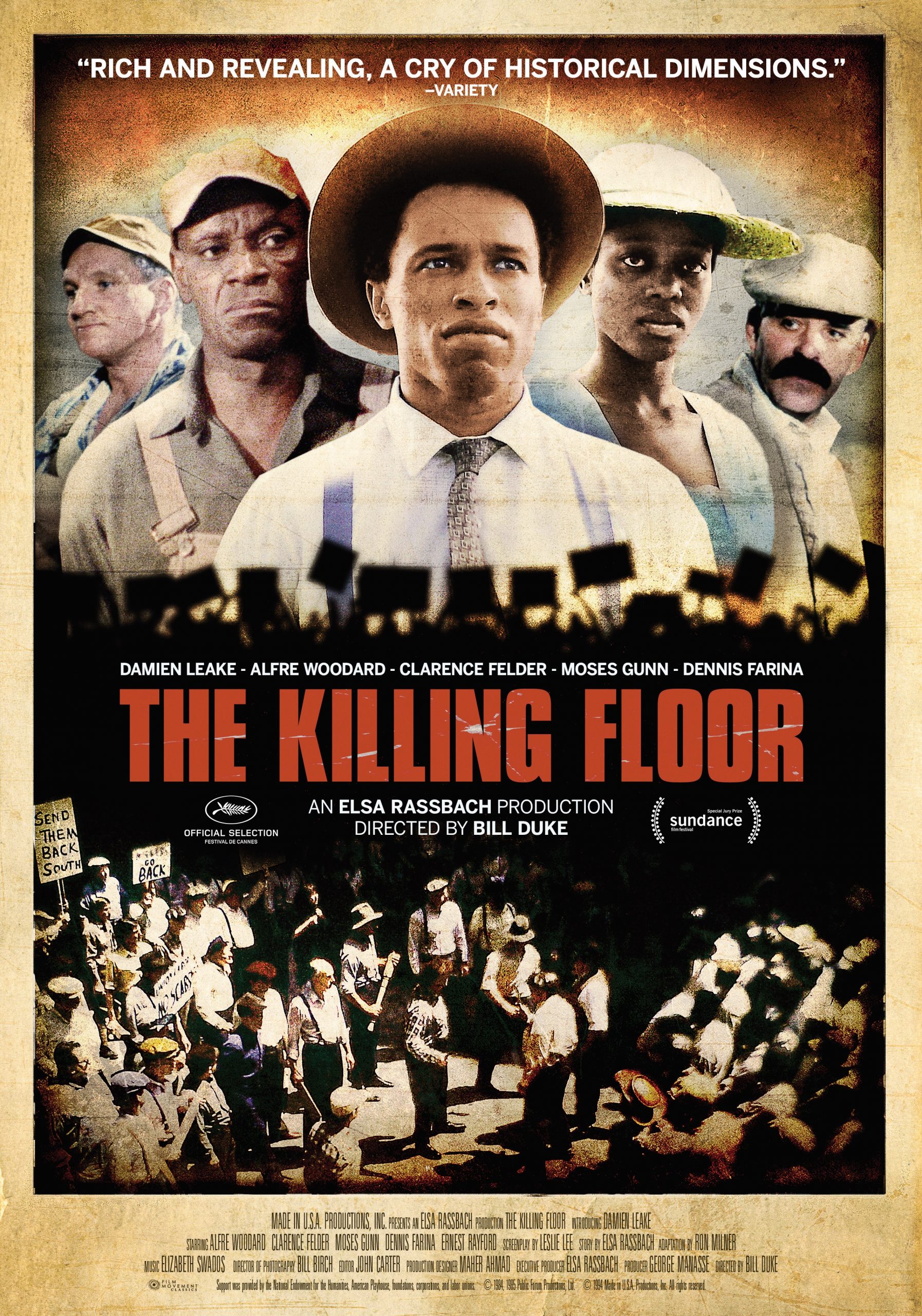
Film. Directed by Bill Duke. 1985. Digitally restored in 2020. 118 minutes.
Set during World War I, two African-American men deal with racism in the workplace and the labor union.
Continue reading
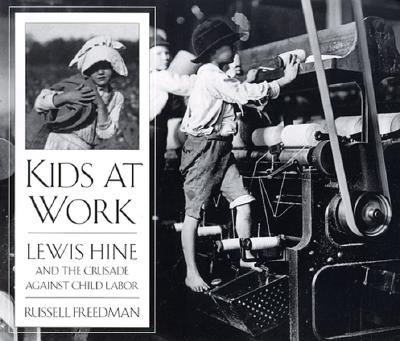
Book — Non-fiction. By Russell Freedman. 1998. 112 pages.
Child labor through images and essays, for middle school and above.
Continue reading
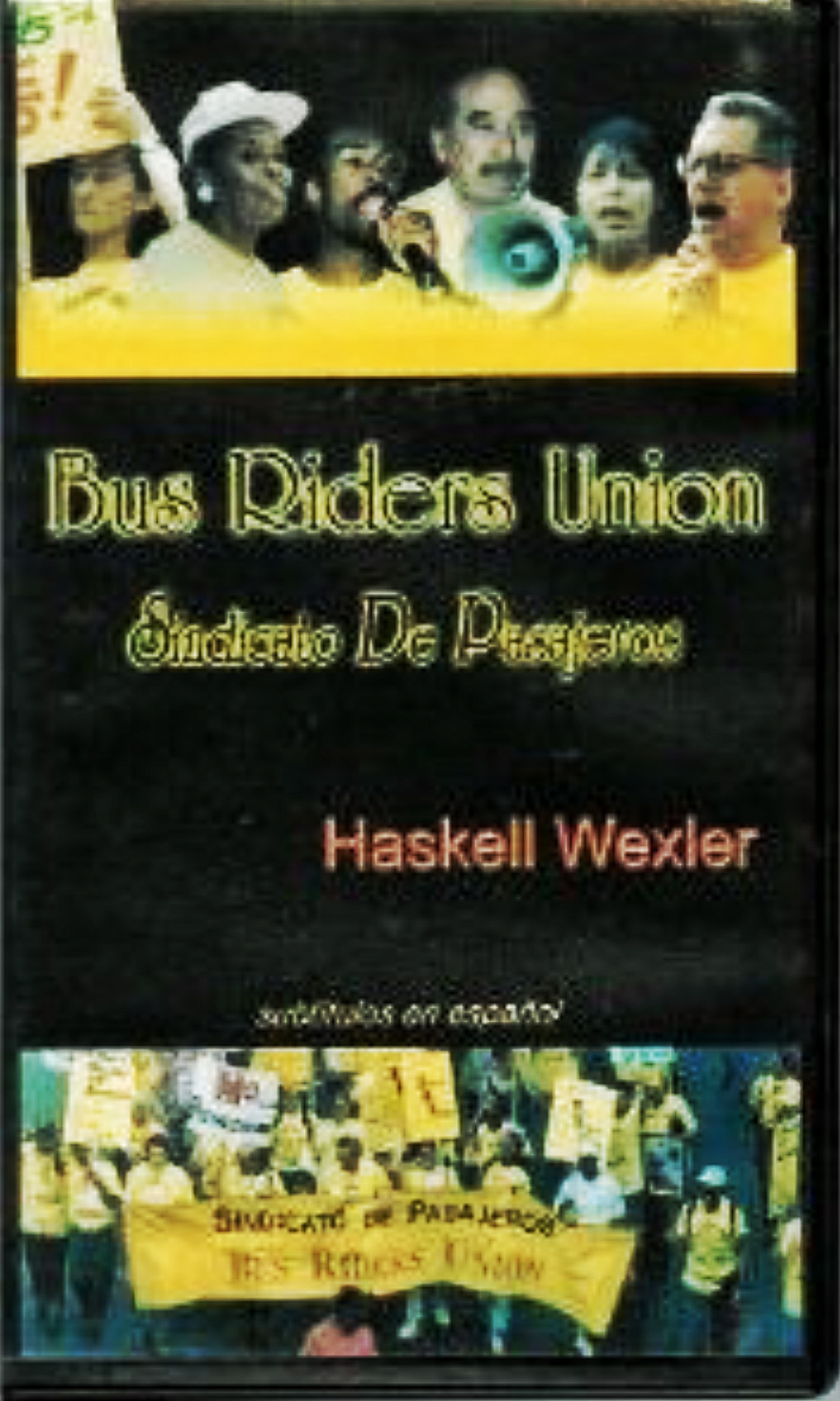
Film. Haskell Wexler. 2000. 86 minutes.
The Los Angeles Bus Riders Union's triumphant struggle to win better service.
Continue reading
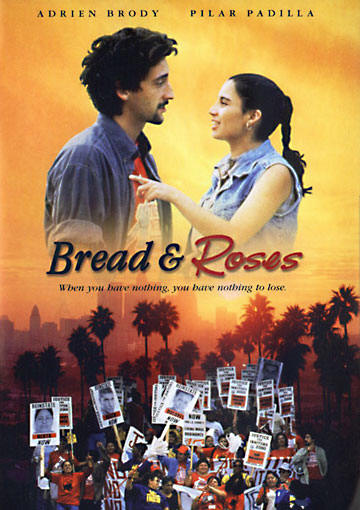
Film. By Ken Loach. 2001. 106 minutes.
A compelling, fictionalized account of an actual labor campaign in Los Angeles.
Continue reading
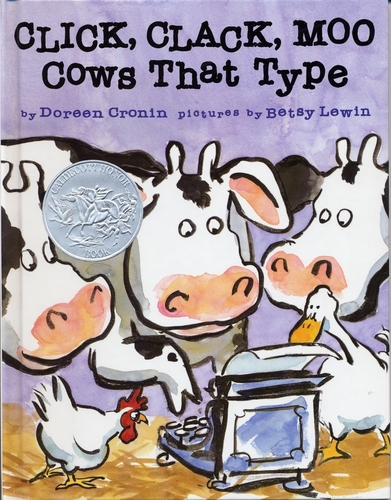
Picture book. By Doreen Cronin. Illustrated by Betsy Lewin. 2000. 32 pages.
A barnyard struggle where the cows go on strike and the farmer is forced to negotiate.
Continue reading
Website. Coalition of groups dedicated to education and memorial events about the Triangle Shirtwaist Factory Fire.
Continue reading
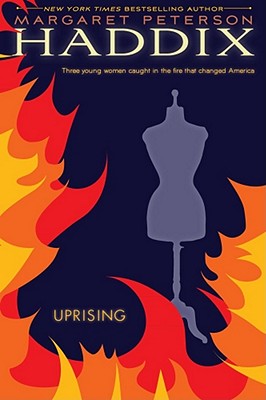
Book — Fiction. By Margaret Peterson Haddix. 2007. 352 pages.
Three young women march against unfair labor practices in the Shirtwaist Strike of 1909-10, only to find themselves engulfed in the raging flames consuming the Triangle Shirtwaist Factory.
Continue reading
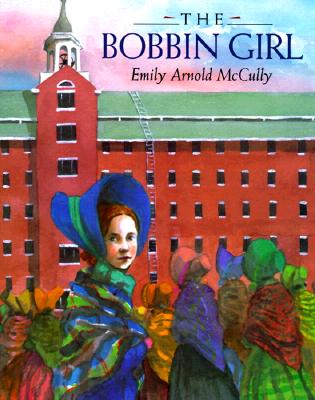
Picture book. By Emily Arnold McCully. 1996. 36 pages.
Historical fiction for upper elementary based on a true story about the Lowell textile workers.
Continue reading
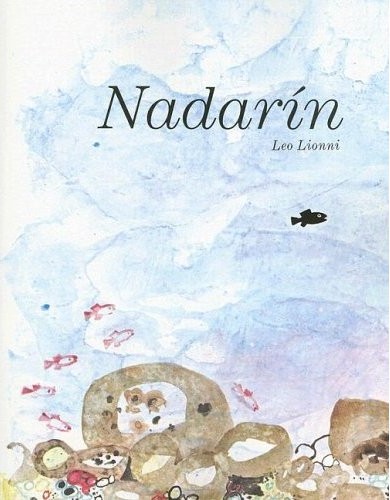
Picture book. By Leo Lionni. 1973 (Spanish translation 2005). 24 pages.
A classic tale for young children about the power of organizing. Also in English.
Continue reading
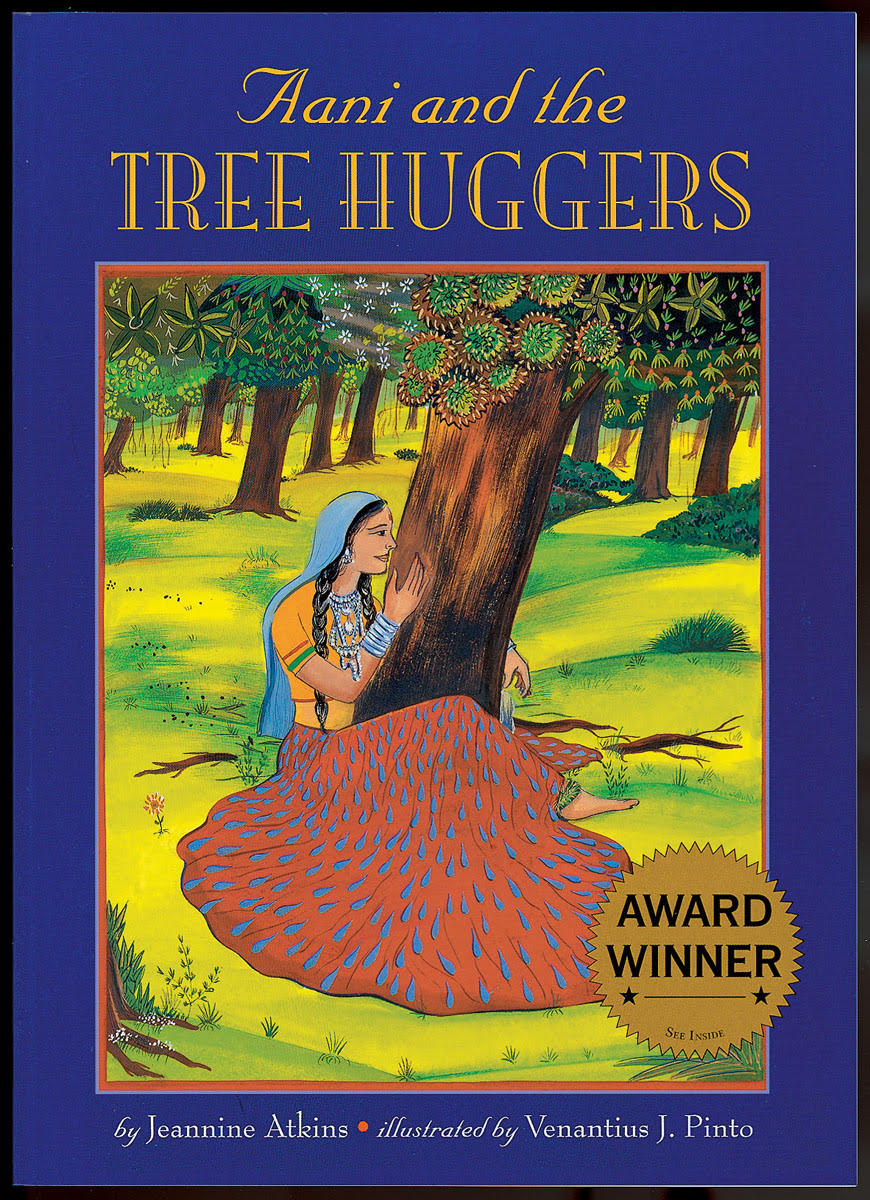
Book — Historical fiction. By Jeannine Atkins. Illustrated by Venantius J. Pinto. 2000. 32 pages.
Based on an event that took place in India in the 1970s, children and women in the village hug the trees to save them from being logged.
Continue reading
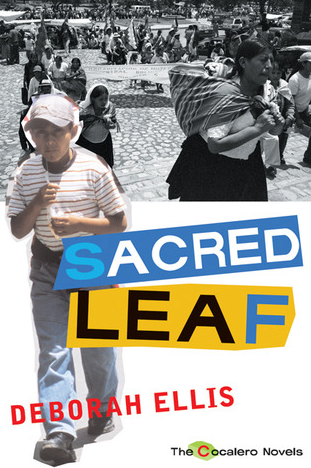
Book — Fiction. By Deborah Ellis. 2009. 206 pages.
A story based in Bolivia about a group of peasants who organize against the military.
Continue reading
Picture book. By Karusa. Illustrated by Monica Doppert. 1985 (reissued 2008). 48 pages.
A group of children organize to convince the mayor that they need a playground.
Continue reading
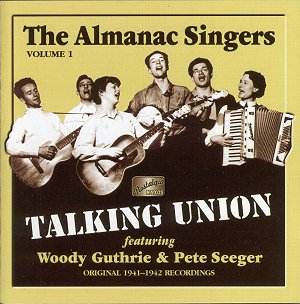
Song. By Woody Guthrie. 1940.
A union song written by Woody Guthrie in response to a request for a union song from a female point of view.
Continue reading
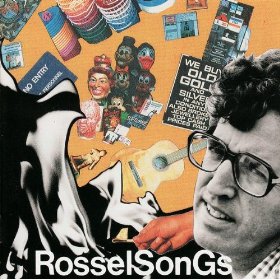
Song. By Leon Rosselson.
The story of the 1649 revolt of the dispossessed in England who fought against the vested interest of the propertied. A vision of society that is cooperative and in harmony with the earth.
Continue reading